 0086-138 3838 9622
Ruminant feed production line in UAE
An Al Ain rancher chose a forage-and-grain pelleting line for his cattle and sheep farms. The enquiry asked for 1.5–2 T/H; the agreed project covers a 0.5–2 T/H operating range, with output depending on the prepared forage and the feed recipe.

RICHI MACHINERY
A farm-feed purchase agreed in under two months
This 0.5–2 T/H ruminant feed production line in UAE was planned around hay and grain ingredients for cattle and sheep. The buyer wanted to prepare pellets for his own farms, with separate recipes and production batches for the different animals.
On May 24, 2022, a rancher from Al Ain, UAE, contacted us through our website: “I’m looking for sheep and cattle feed pellet factory 1.5 to 2.0 Ton per hour.” That enquiry set the starting capacity for discussions about the forage supply and the equipment needed to process it.
The practical task was to turn baled forage and purchased grain ingredients into manageable batches of pellets. A forage-rich mixture behaves differently from a mainly grain-based feed in the grinder, mixer and press, so the equipment plan had to follow the customer’s materials.
After nearly two months of communication and process planning, we signed the equipment agreement on July 13, 2022. The contract covers a 0.5–2 T/H ruminant-feed pellet line. The lower and upper ends of that range describe different material and operating conditions, rather than a fixed output for every formula.
The line brings forage preparation, ingredient weighing, mixing, pelleting and bagging into one farm production plan. Its first job is supplying the owner’s stock. Potential orders from neighbouring ranches can then be scheduled around that requirement and the rate achieved on each agreed recipe.
0.5–2 T/H
capacity
US$60,000
equipment contract
UAE
location
Feed
project type
RICHI MACHINERY
Cattle and sheep farms around Al Ain
The client is a rancher with considerable experience in the UAE animal husbandry industry. He operates several cattle and sheep farms, mainly in the east of Abu Dhabi and near Al Ain. The ranching business is medium-sized and has developed steadily.
The customer wanted more control over when feed was made and which ingredients went into each batch. Buying finished pellets had left his farms dependent on outside deliveries. In-house production still requires regular supplies of grain, premix and suitable forage, but it puts batch planning closer to the farms using the feed.
He therefore decided to build a local animal feed production line around his own feeding programme. The purchase links the forage available to the ranch with weighed grain ingredients, allowing him to prepare identified batches instead of treating all farm feed as one product.
The customer’s material plan combines forage with purchased grain ingredients. RICHI developed the animal feed mill plant process around that combination, with attention to bale handling, light grass meal and the denser ingredients entering the mixer. The feeding specification remains separate for cattle and sheep.
RICHI MACHINERY
Dry forage and grain ingredients prepared for pelleting
The forage sources considered for the project include Sudan grass, alfalfa and Rhodes grass. The dry-pellet route uses hay or other suitably dried material. Wet silage remains a separate feed at the ranch unless a dedicated preparation and drying route is added; it is not fed straight into this dry-material line.
Corn meal, barley meal and wheat bran form the other ingredient groups in the customer’s plan. Already-ground ingredients are checked for condition and particle size before mixing. Whole grain needs milling, while the hay needs opening, cutting and grinding appropriate to its fibre structure.
| Ingredient group | Processing role | Receiving check |
|---|---|---|
| Hay and dried forage | Fibrous ingredient | Moisture quality and cleanliness |
| Corn and barley meals | Grain ingredients | Condition and particle size |
| Wheat bran | Formula ingredient | Batch identity and quality |
| Species-specific premix | Weighed small additions | Correct product and inclusion |
Forage names alone do not define a ration. The proportions are set from the ingredient analysis, the animals being fed and the rest of the farm diet. Cattle and sheep require their own formula and premix selection. Grinding and pelleting also change physical fibre, so the finished pellets are considered alongside the other forage offered at the ranch.
RICHI MACHINERY
Preparing mixing and pelleting the farm’s feed
A grass-based feed pellet line starts with a steady supply of prepared meal. Loose forage occupies considerable space for its weight, which affects hoppers and mixer loading. The process is arranged to keep this light material moving while maintaining the correct ingredient weights for each batch.
The feed pellet production line includes forage grinding, weighing and mixing, conditioning, ring-die pelleting, cooling, screening and bag closing. Product moisture and particle size are agreed for the intended recipe before production settings are finalised.
- Forage preparation: Open the hay bales, remove foreign material and cut long forage before grinding. The grinder prepares a particle size suited to the recipe and die. Feed rate is adjusted to the material being handled, with attention to steady flow through the light-forage section.
- Weighing and mixing: Weigh the prepared hay and grain ingredients into a batch mixer. Small additions are distributed through a suitable premix or preblend. Mixer loading follows both batch weight and usable volume, because a hay-rich recipe takes more space than a dense grain meal.
- Conditioning and pressing: The animal feed pellet mill receives a controlled flow of prepared mixture. Conditioning adjusts the material before it reaches the ring die. Pellet size is set by the die; feed rate, material moisture and die arrangement are matched through trials for the intended product.
- Cooling and screening: The countercurrent cooler reduces pellet temperature towards ambient conditions. The screen then separates acceptable pellets from fines and broken pieces. Suitable returns remain with a compatible formula, while accepted product is measured separately from the recirculating material.
- Weighing and bag closing: Cooled, screened pellets move to the packaging scale and sewing station. Packed weight, bag closure and product identification are checked before dispatch. Cattle and sheep batches retain their own labels so feed reaches the correct farm group.
The operator keeps a working setup for each formula: ingredient weights, grinder arrangement, die size and conditioning settings. When the forage changes with the next delivery or season, a trial batch checks whether the same setup still gives acceptable pellets. This makes recipe changes a controlled part of normal farm production.
RICHI MACHINERY
Separate cattle and sheep feeds with scope for later recipes
The purchase starts with cattle and sheep pellets in a planned 6–8 mm diameter range. The final diameter is chosen for the intended stock and product. It does not identify the pellet’s nutrient balance, and the same machine can make two pellets that look alike but belong to different feeding programmes.
Other herbivore feeds can be assessed as later products, with their own recipes and trials. Dairy-cattle feed is part of the cattle programme; camel and horse feeds need separate nutritional specifications. Horses are not ruminants, so a cattle recipe is not carried over simply because the ingredients can pass through the press.
| Feed direction | What needs its own specification |
|---|---|
| Cattle feed | Recipe and cattle-appropriate premix |
| Sheep feed | Recipe and sheep-appropriate premix |
| Camel feed for later assessment | Nutritional review and production trial |
| Horse feed for later assessment | Separate non-ruminant feeding review |
The farm keeps a written recipe and product identity for each feed. A change of species includes checking the premix, clearing shared equipment and confirming the next bag label. This is particularly useful when cattle and sheep feeds are prepared during the same production day.
RICHI MACHINERY
Equipment for handling hay and forming feed pellets
This forage-based cattle feed production line needs a matched preparation and finishing system. One correctly sized press is the capacity-planning approach, with hay handling, mixing and cooling arranged to support it. The equipment functions are set out below.
| Equipment group | Function in the line |
|---|---|
| Forage opening cutting and grinding | Prepare hay for the feed recipe |
| Ingredient weighing and batch mixer | Combine forage meal and grain |
| Conditioner and one ring-die press | Prepare and form the pellets |
| Countercurrent cooler | Cool hot feed before packing |
| Pellet screen and return route | Separate accepted feed and fines |
| Packaging scale and sewing station | Weigh close and identify bags |
| Conveying and short-term buffers | Connect the production stages |
The press duty is agreed on the intended hay-and-grain mixture, with feed rate and die arrangement checked together. The installation needs access to the feeder and die, room to charge the mixer and a route for filled bags. Electrical planning covers the forage grinder and auxiliaries as well as the pellet mill, using the final equipment schedule.
RICHI MACHINERY
Matching the production day to the actual recipe rate
The May enquiry aimed at 1.5–2 T/H. The wider project range allows for slower forage-rich batches and different processing conditions. Production planning should therefore use the accepted product rate for the recipe being made, including the effect of screening and compatible fines returned for another pass.
A 15-tonne order illustrates how much the rate matters. At 2 T/H it takes 7.5 productive hours, while at 1.5 T/H it takes 10. At 0.5 T/H the same order needs 30 productive hours and must extend beyond one day. The table is a scheduling example, not a claim that every recipe achieves the same daily tonnage.
| Example accepted rate | Hours for 15 tonnes | 8 productive hours |
|---|---|---|
| 0.5 T/H | 30 hours | 4 tonnes |
| 1.5 T/H | 10 hours | 12 tonnes |
| 2 T/H | 7.5 hours | 16 tonnes |
Starting, stopping, cleaning and changing recipes add time outside these productive hours. The grinder, mixer, cooler and packing station must all keep pace with the selected rate. Cooling-air conditions also affect the finishing stage, and bagged feed needs covered storage protected from direct sun and damp floors.
The owner also considered selling surplus production through this livestock feed production line. Two neighbouring ranches expressed interest in feed supply. Those discussions can develop into planned batches once product specifications, delivery quantities and available production time are agreed; the owner’s own farms remain the first demand to cover.
RICHI MACHINERY
Installation support and a practical next step for the ranch
The project connects an established cattle-and-sheep farming business with feed preparation at farm level. It gives the customer a way to organise hay, grain ingredients and separate recipes around the stock he already keeps. The working priority is a consistent batch that can be identified and sent to the right farm.
It took less than two months from the May enquiry to signing. After delivery, RICHI assisted the customer with installation and commissioning, operator training and technical support. Training covers the production sequence as well as routine cleaning, product changeovers and attention to the die and rollers.
Before adding more orders, the useful figures are accepted tonnes per productive hour, ingredient consumption and time spent on changeovers. Those records help the owner decide whether another production campaign is sufficient or whether a later expansion needs extra preparation, storage or pelleting capacity.
For a ruminant feed production line in UAE, send RICHI the forage type and condition, grain ingredients, cattle or sheep feed requirements and planned daily tonnage. Include the available site services and preferred bag size. We can then match the preparation equipment and press to the feed you intend to make.
● RICHI MACHINERY
RICHI Service

● Consulting
Customer Consultation
We want to have a deep understanding of your industrial process, to know your exact needs of feed, wood, biomass, fertilizer or other pellet processing.

● Design
ruminant feed Plant Design
Based on your unique situation and industrial process, we will tailor complete pellet plant you need, and inform you of every additional detail that could facilitate operation, minimize total cost.
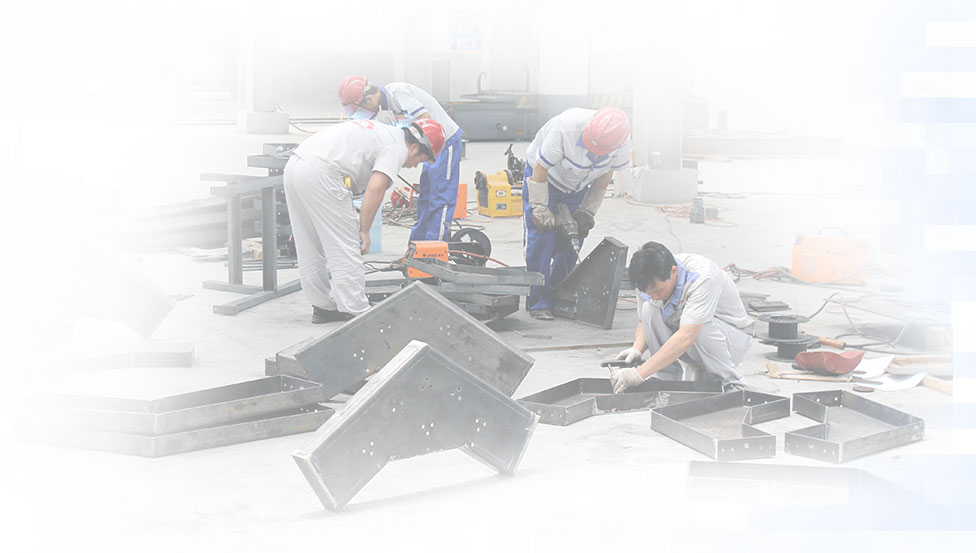
● Manufacturing
Equipment Manufacturing
The critical components of the of the complete feed mill equipment are built in our own workshops in Asia. Additional equipment is manufactured by our worldwide network of reliable partners.

● Testing
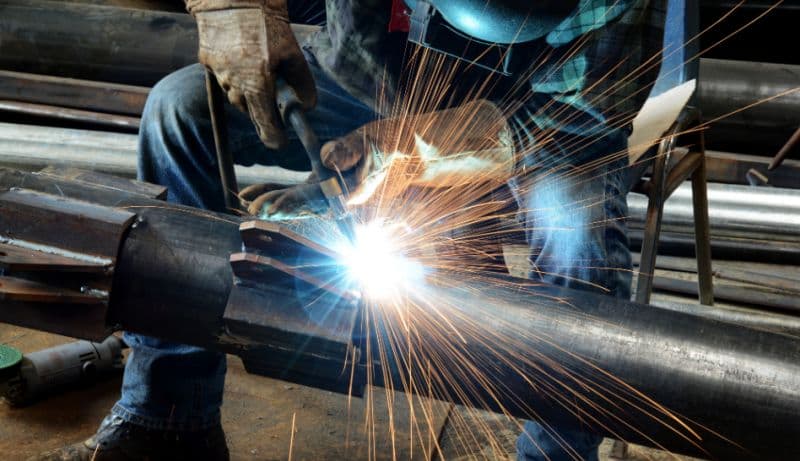
Quality Inspection & Testing
Before leaving the factory, all equipment will be inspected by the quality inspection department. We can also provide customers with testing services from a single machine to a complete pellet plant system, and provide you with real actual data for “worry-free use.”

● Delivery
Equipment Delivery
In equipment boxing and packaging, we adopt professional packaging and modular solutions to ensure the safe and non-destructive delivery of animal feed mill equipment.
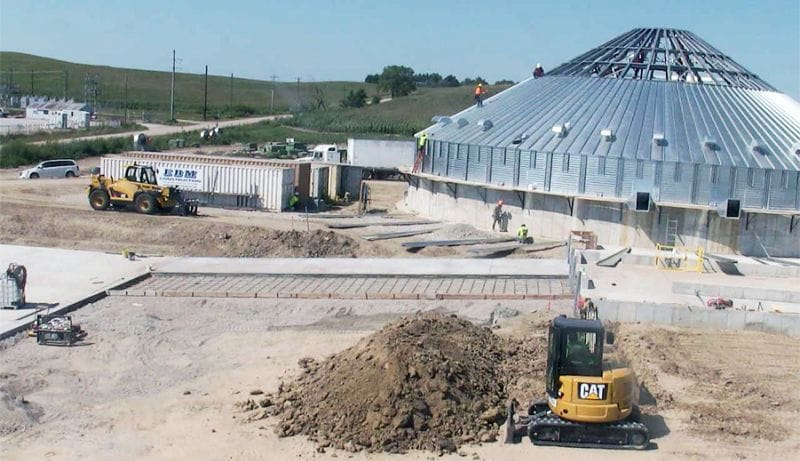
● Installation
Installation & Commissioning
Whether you choose your own subcontractor for the erection phase or you want to install everything together with us, a Richi supervisor will be around to make sure everything is mounted in a safe and thorough way.

● Training
Staff Training
We provide comprehensive training for the technicians of each ruminant feed production line in UAE project. We can also continue to provide support for the technicians during latter project operation.
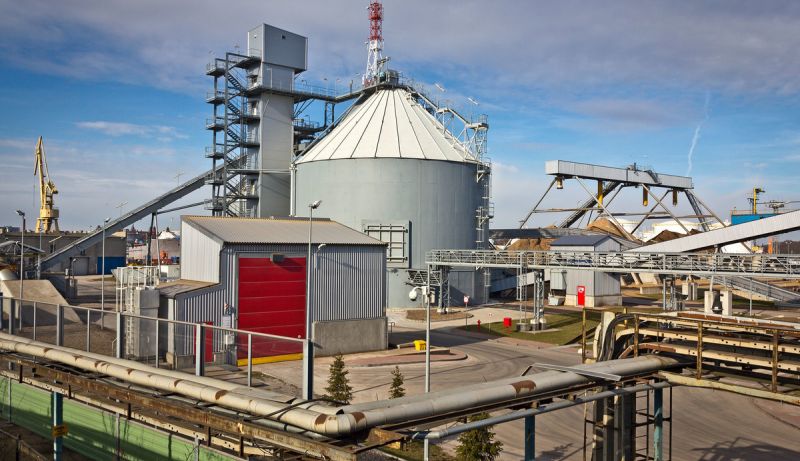
● After-sales
Project Follow-Up
When everything is up and running our Richiers will help you further whenever needed. We are ready to answer your call 24/7.We’ll also visit you regularly to learn about your needs.
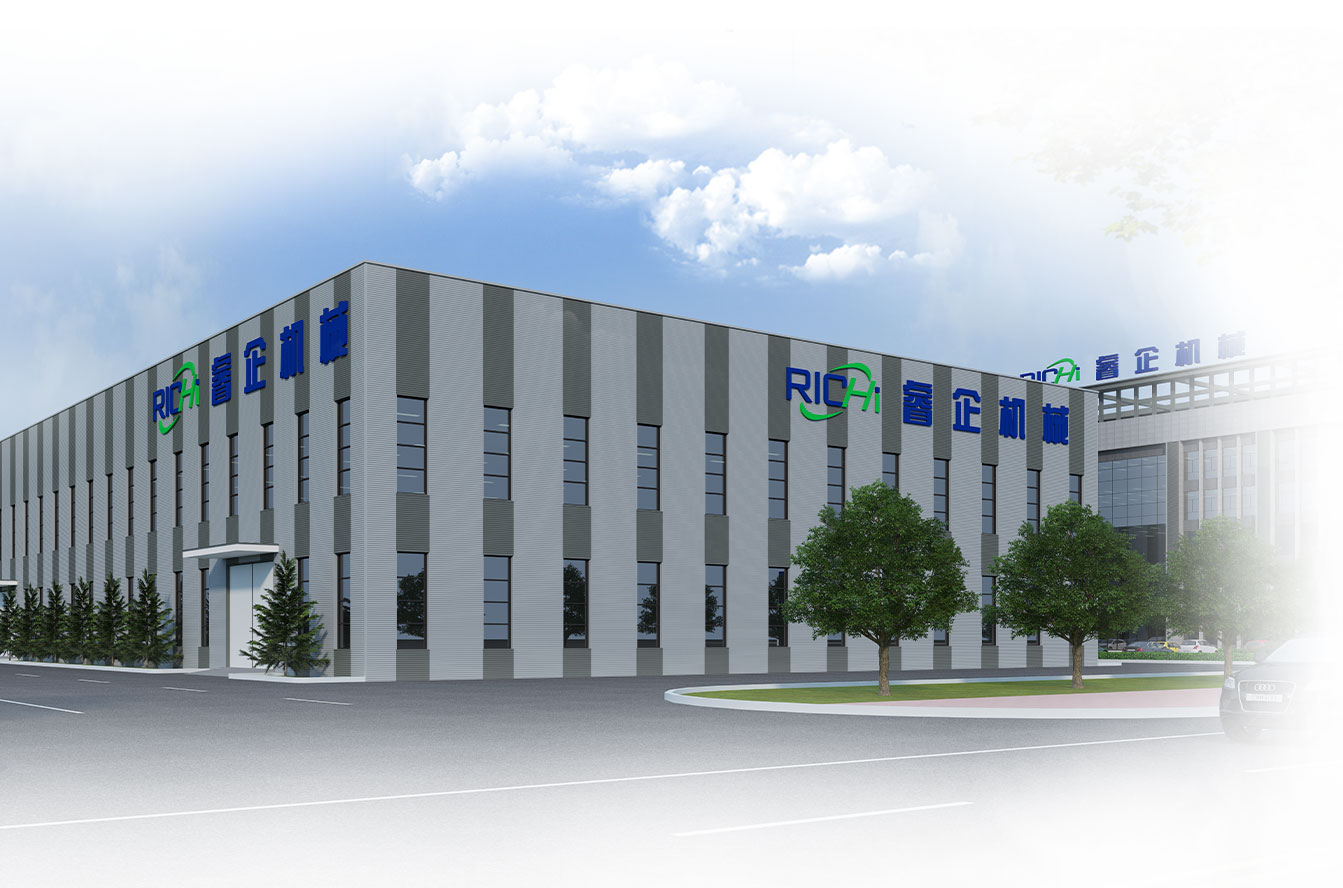
Who we are
RICHI Machinery is one of the world’s leading suppliers of technology and services for the animal feed, aqua feed and pet food industries, also the largest pellet production line manufacturer in China.
Since 1995, RICHI’s vision to build a first-class enterprise, to foster first-class employees, and to make first-class contributions to society has never wavered.
In the past three decades, we have expanded our business to a wide range of areas, including animal feed mill equipment, aqua feed equipment, pet feed equipment, biomass pellet equipment, fertilizer equipment, cat litter equipment, municipal solid waste pellets equipment, etc.

1995
RICHI Established

2000+
Serving More Than 2000 Customers

120+
RICHI Employees

140+
Exported To 140 Countries