 0086-138 3838 9622
Regenerated Organic Nutrient Soil Production Line in Uzbekistan
RICHI MACHINERY
Overview
The 5t/h Regenerated Organic Nutrient Soil production line in Uzbekistan was designed around a very practical situation: the client needed a stable way to process livestock manure, agricultural residues, and organic waste into a marketable soil amendment product. Instead of focusing purely on fertilizer granules, the end product is a powder-type organic nutrient soil used for land restoration, greenhouse base soil, and landscaping applications.
This 5t/h Regenerated Organic Nutrient Soil production line in Uzbekistan is configured as a semi-continuous composting and handling system. The core logic is not complicated, but the challenge lies in handling mixed raw materials with inconsistent moisture and structure. The plant relies on enclosed fermentation halls, controlled aeration, and a combination of conveying and turning systems to ensure uniform decomposition and stable output quality.
During early discussions, one thing came up repeatedly: the client wanted to reduce unnecessary material transfer steps. So instead of designing a highly fragmented layout with multiple transfer points, the final 5t/h regenerated organic nutrient soil pellet production line (organic fertilizer processing line) was optimized to allow direct vehicle unloading into fermentation zones, minimizing odor emissions and material loss during handling.
5T/H
capacity
USD 220,000
investment
Uzbekistan
location
Fertilizer
project type
RICHI MACHINERY
Project Background
The organic fertilizer production project is located in Uzbekistan, where agricultural activities and livestock farming are widely distributed. Large volumes of manure from cattle, poultry, and mixed livestock operations are generated daily. At the same time, crop residues such as straw and soil-based waste materials are not always utilized efficiently.
The client’s initial intention was not only environmental treatment but also resource recovery. The idea was to convert waste streams into a usable soil product that could be sold locally to farms, nurseries, and landscaping contractors. Compared with traditional composting methods, the client needed a more controlled and scalable system that could handle multiple raw material types at around 5 tons per hour throughput.
Another practical concern was storage and seasonal imbalance. Raw materials such as straw and manure are not always available in a uniform ratio throughout the year. This influenced the decision to include dedicated storage areas and flexible mixing capability within the 5t/h regenerated organic nutrient soil production line in Uzbekistan.
RICHI MACHINERY
Consultation Process
The initial inquiry started with a simple question: how to process mixed manure and agricultural waste into a stable organic product without excessive manual handling.
After several technical exchanges, the discussions gradually focused on:
- Raw material composition and variability
- Fermentation method (static vs. turned composting)
- Required footprint within existing factory buildings
- Odor control and environmental compliance
- Output form (powder nutrient soil instead of granules)
By the time the layout was finalized, the engineering team had already adjusted the process flow multiple times to align with the client’s existing workshop dimensions and local operational habits.
RICHI MACHINERY
Raw Materials
The raw material system for this 5t/h regenerated organic nutrient soil production line in Uzbekistan is relatively mixed. Instead of relying on a single feedstock, the plant blends several types of organic waste to achieve balanced carbon-to-nitrogen ratios and proper fermentation performance.
Typical raw materials include livestock manure, soil-like residues, sawdust, and crop straw. Moisture levels vary significantly depending on source and storage conditions, so pre-management of raw materials is important before fermentation begins.
| Raw Material Type | Annual Supply (tons) | Average Moisture | Remarks |
|---|---|---|---|
| Manure residues | 12,000 | 60–75% | Main nitrogen source |
| Soil & sludge materials | 4,000 | 30–50% | Provides bulk structure |
| Wood sawdust | 1,500 | 10–15% | Improves aeration |
| Straw | 2,000 | 15–25% | Carbon source, seasonal |
The blending ratio is adjusted dynamically depending on moisture and fermentation temperature. In practice, operators often fine-tune the mix during the first few batches before stabilizing the recipe.
RICHI MACHINERY
Production Capacity and Working Conditions
The designed capacity of the system is 5 tons per hour, operating under a single-shift or two-shift schedule depending on demand. Fermentation itself is a batch-style continuous movement process, where material gradually advances inside the fermentation hall.
- Daily operation: 16–20 hours
- Fermentation cycle: approximately 10 days
- Final output: stable organic nutrient soil
- Annual output: aligned with ~5t/h continuous processing
The actual output fluctuates slightly depending on raw material moisture and turning frequency. During early commissioning, operators sometimes observe uneven moisture distribution, but this stabilizes after process tuning.
RICHI MACHINERY
Equipment Configuration
The equipment layout of the 5t/h regenerated organic nutrient soil production line in Uzbekistan was designed to match both process requirements and the physical constraints of the workshop.
| Equipment Name | Quantity | Function |
|---|---|---|
| Sealed manure storage tank (9 m³) | 1 | Temporary storage of incoming manure |
| Soil dump yard | 1 | Storage of soil materials |
| Sawdust storage yard | 1 | Buffer storage |
| Straw storage yard | 1 | Seasonal raw material storage |
| Feeding rooms | 0 (removed) | Optimized by direct vehicle unloading |
| Screw conveyors | Several | Material transfer within plant |
| Screw + scraper conveyors | Several | Handling of mixed materials |
| Fermentation halls | Multiple | Main composting environment |
| Large-span turning machine | 3 | Mixing and oxygen supply |
| Roots blowers (7.5 kW) | 24 | Aeration and oxygen supply |
| Discharge bins | Several | Transfer to storage stage |
| Finished product warehouses | Multiple | Storage of final soil product |
| Wastewater collection tanks | Several | Collection of condensate and leachate |
| Exhaust gas treatment systems | Multiple sets | Odor control and purification |
One notable adjustment during design was the reduction of unnecessary conveying equipment. Instead of multiple intermediate transfer points, material is transported more directly into fermentation areas, which simplifies operation and reduces odor leakage points.
RICHI MACHINERY
Process Flow Description
The process used in this 5t/h regenerated organic nutrient soil production line in Uzbekistan is based on aerobic composting with controlled turning and forced aeration.
The workflow is summarized below:
- Raw material intake
- Manure is delivered and directly unloaded into a sealed feeding area
- Soil, sawdust, and straw are stored separately in designated yards
- Material blending and feeding
- Materials are transported via loaders into feeding rooms
- Conveyors transfer materials into fermentation halls
- Mixing and distribution
- Turning machines are used to evenly distribute materials inside the fermentation hall
- Initial moisture and carbon-nitrogen balance are adjusted during this stage
- Aerobic fermentation
- Materials undergo controlled composting
- Temperature rises above 60°C due to microbial activity
- Roots blowers supply oxygen to maintain aerobic conditions
- Turning frequency: approximately once per day
- Maturation (curing stage)
- After high-temperature phase, material enters a stabilization stage
- Temperature gradually decreases
- Continued turning ensures uniform decomposition
- Material advancement and discharge
- The compost pile gradually moves forward (~6 meters per day)
- After about 10 days, mature organic soil is formed
- Discharged through conveyors into storage bins
- Collection of condensate and leachate
- Condensed water is collected via side channels
- Leachate is gathered through floor drainage systems
- Reused by spraying back into fermentation piles
This type of controlled aerobic composting is relatively stable, but in practice, operators still need to adjust turning frequency depending on seasonal temperature differences.
RICHI MACHINERY
Engineering Design Considerations
When designing the 5t/h regenerated organic nutrient soil production line in Uzbekistan, several practical constraints were considered:
- Existing workshop height and span determined fermentation hall dimensions
- Material flow was simplified to reduce transfer points
- Odor control systems were reinforced due to mixed manure usage
- Drainage and wastewater collection were integrated into floor design
- Equipment arrangement followed a linear flow to minimize cross-contamination
The decision to remove the feeding workshop and allow direct unloading into fermentation halls was based on both environmental and operational considerations. Fewer transfer points usually mean fewer emission sources and simpler maintenance.
RICHI MACHINERY
Investment and Equipment Cost
The total equipment investment for this organic fertilizer production line project is approximately:
USD 220,000
This includes:
- Fermentation system
- Conveying systems
- Turning equipment
- Aeration system
- Odor treatment units
- Storage and auxiliary equipment
Civil construction costs were relatively moderate since the client already had access to an existing facility. The main investment focus remained on process equipment and environmental control systems.
RICHI MACHINERY
Shipping and Logistics
All equipment was manufactured in China and shipped via sea freight from Qingdao Port. For Uzbekistan, cargo is typically transported to nearby regional logistics hubs, with the nearest major import gateway being:
- Port: Poti Port (Georgia) or Bandar Abbas (Iran) depending on routing
- Followed by inland transport to Uzbekistan
RICHI MACHINERY
Market Outlook in Uzbekistan
Agriculture remains a key sector in Uzbekistan’s economy, and soil fertility improvement is a recurring demand. Chemical fertilizers are widely used, but there is increasing interest in organic alternatives, especially for greenhouse farming and high-value crops.
A production system like this 5t/h regenerated organic nutrient soil production line in Uzbekistan fits well into:
- Soil restoration projects
- Organic farming initiatives
- Landscaping and urban greening
- Greenhouse substrate supply
The availability of raw materials is not a limitation in most regions. The real differentiator is whether the processing system can maintain stable fermentation and consistent product quality across seasons.
RICHI MACHINERY
Engineering Notes from Practice
During commissioning, one observation repeated across several batches:
When the initial mixture is too wet, fermentation becomes slower and oxygen transfer decreases. When too dry, temperature rise is insufficient. The balance is usually found after a few trial adjustments rather than purely from theoretical ratios.
This is where practical experience matters. A well-designed system should allow operators to adjust aeration, turning frequency, and material ratios without modifying the core equipment.
RICHI MACHINERY
Why Clients Consider This Type of Project
From discussions with buyers in similar projects, motivations are usually very straightforward:
- Reduce waste disposal pressure
- Convert waste into a sellable product
- Establish a stable organic fertilizer supply chain
- Improve agricultural sustainability
The barrier is not demand—it is the ability to build a process that works reliably with inconsistent raw materials.
RICHI MACHINERY
Working With Our Engineering Team
In this project, the client went through a full cycle of:
- Initial consultation
- Raw material analysis
- Process design
- Layout planning
- Equipment manufacturing
- Installation guidance
- Commissioning and operator training
The cooperation was not limited to equipment supply. A large part of the work involved aligning the process with real site conditions, which often differ from initial drawings.
If you are evaluating a similar regenerated organic nutrient soil production line in Uzbekistan or in nearby regions, the most useful starting point is usually your raw material profile. Once that is clear, the rest of the process—layout, equipment selection, and capacity—can be adjusted accordingly.
● RICHI MACHINERY
RICHI Service

● Consulting
Customer Consultation
We want to have a deep understanding of your industrial process, to know your exact needs of feed, wood, biomass, fertilizer or other pellet processing.

● Design
organic fertilizer Plant Design
Based on your unique situation and industrial process, we will tailor complete pellet plant you need, and inform you of every additional detail that could facilitate operation, minimize total cost.
● Manufacturing
Equipment Manufacturing
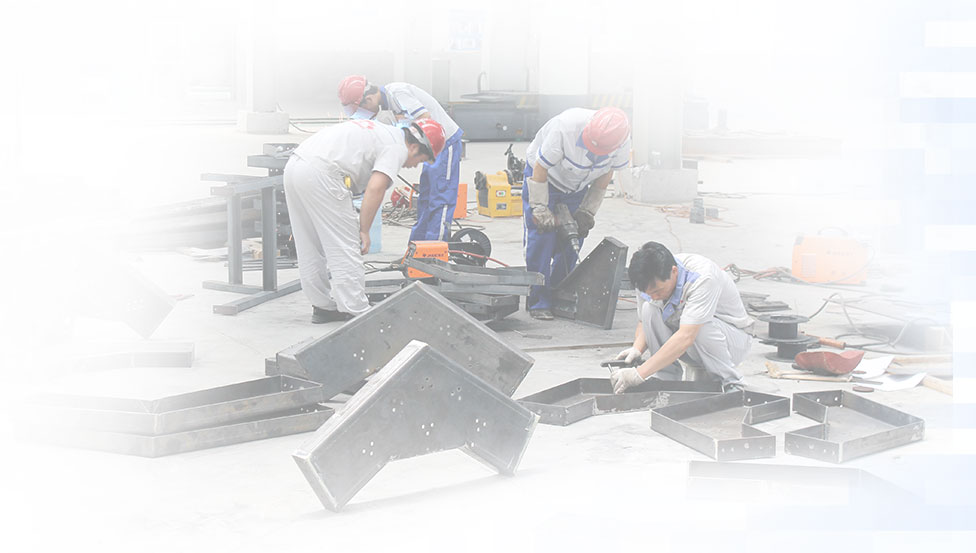
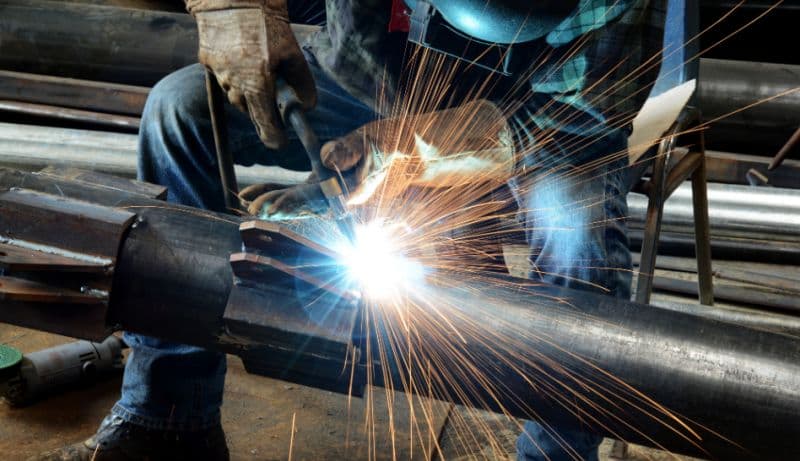
The critical components of the of the complete pellet production line equipment are built in our own workshops in Asia. Additional equipment is manufactured by our worldwide network of reliable partners.
● Testing
Quality Inspection & Testing
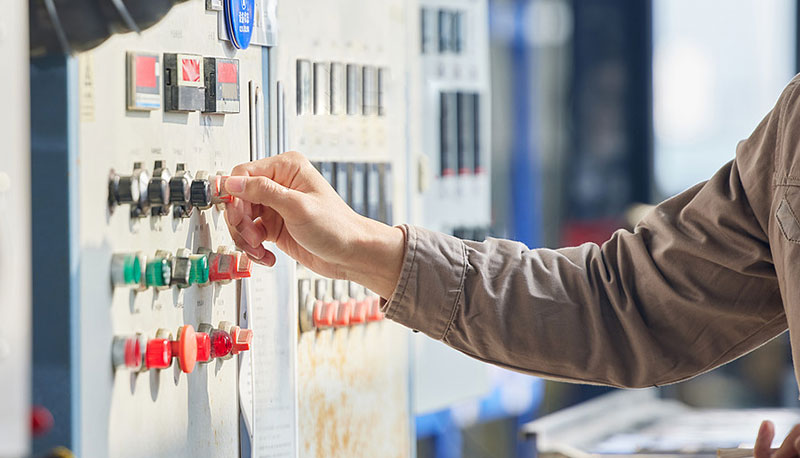
Before leaving the factory, all equipment will be inspected by the quality inspection department. We can also provide customers with testing services from a single machine to a complete pellet plant system, and provide you with real actual data for “worry-free use.”

● Delivery
Equipment Delivery
In equipment boxing and packaging, we adopt professional packaging and modular solutions to ensure the safe and non-destructive delivery of pellet plant equipment.
● Installation
Installation & Commissioning
Whether you choose your own subcontractor for the erection phase or you want to install everything together with us, a Richi supervisor will be around to make sure everything is mounted in a safe and thorough way.

● Training
Staff Training
We provide comprehensive training for the technicians of each project. We can also continue to provide support for the technicians during latter project operation.
● After-sales
Project Follow-Up
When everything is up and running our Richiers will help you further whenever needed. We are ready to answer your call 24/7.We’ll also visit you regularly to learn about your needs.
Who we are
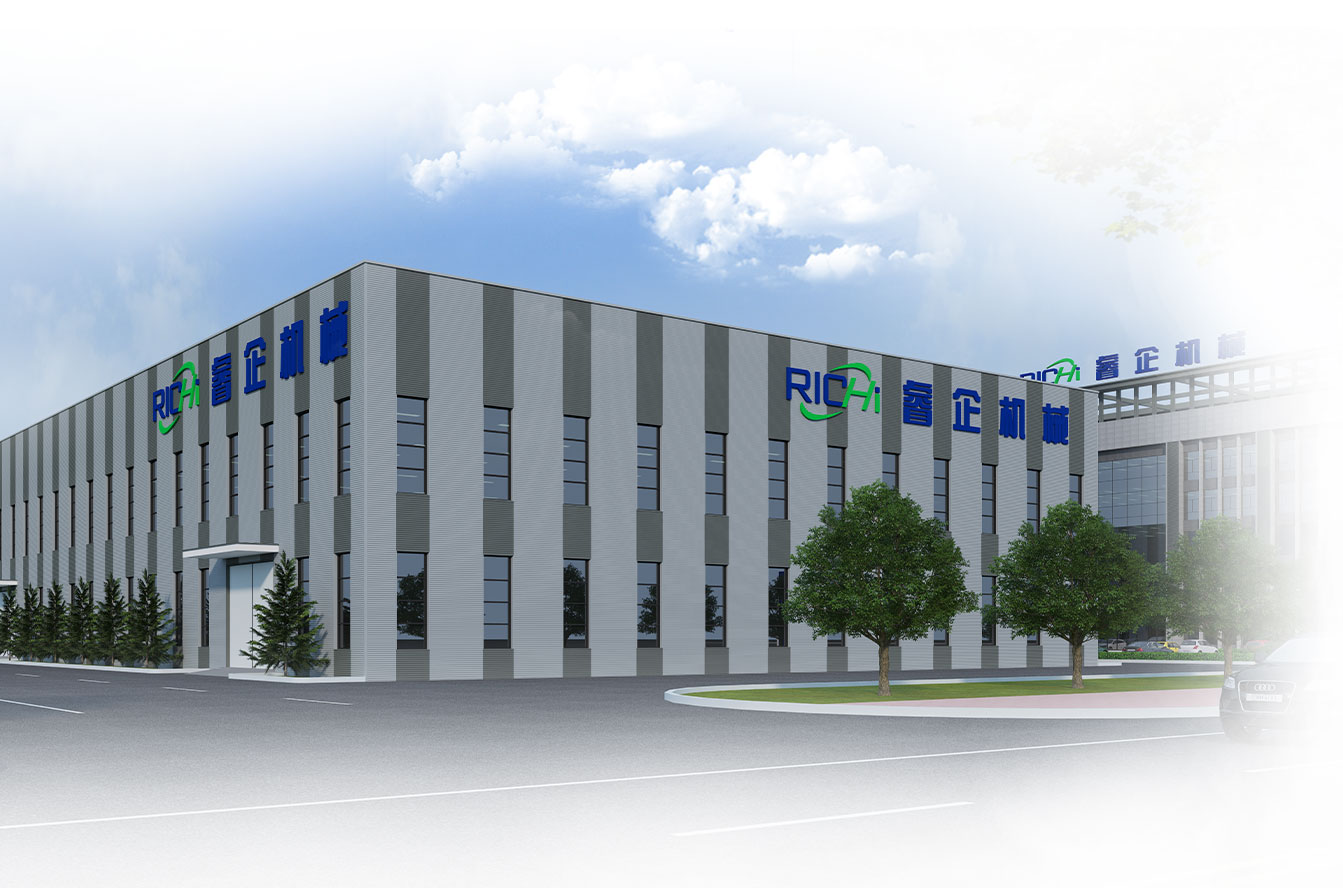
RICHI Machinery is one of the world’s leading suppliers of technology and services for the animal feed, aqua feed and pet food industries, also the largest pellet production line manufacturer in China.
Since 1995, RICHI’s vision to build a first-class enterprise, to foster first-class employees, and to make first-class contributions to society has never wavered.
In the past three decades, we have expanded our business to a wide range of areas, including animal feed mill equipment, aqua feed equipment, pet feed equipment, biomass pellet equipment, fertilizer equipment, cat litter equipment, municipal solid waste pellets equipment, etc.

1995
RICHI Established

2000+
Serving More Than 2000 Customers

120+
RICHI Employees

140+
Exported To 140 Countries