

 0086-138 3838 9622

Pellet Making Machine in Kenya
In Kenya, versatile pellet making machines are transforming waste into wealth and feed into fortune. From biomass to organic fertilizers, our ring die pellet making machines in Kenya drive diverse local industries, supported by complete production lines tailored to each client’s unique vision.


140+
Pellet Machines Delivered
Reliable ring die pellet mills, each engineered for Kenya’s specific raw materials and production demands.
60+
Turnkey Plants Built
Complete pellet plants installed nationwide, from feedstock handling to finished packaging.
30+
100% Customized Project Solutions
Different material applications mastered, from agricultural waste to specialized feed and beyond.
Powering Kenya’s Pellet Industry
From large-scale feed mills to innovative waste recycling ventures, we have partnered with Kenyan businesses to build robust, efficient pellet production lines. Each project is tailored to the client’s specific raw materials and market goals, showcasing the versatility and reliability of our pellet making machines in Kenya. Explore how our solutions drive productivity and profitability across the nation.
Mombasa County
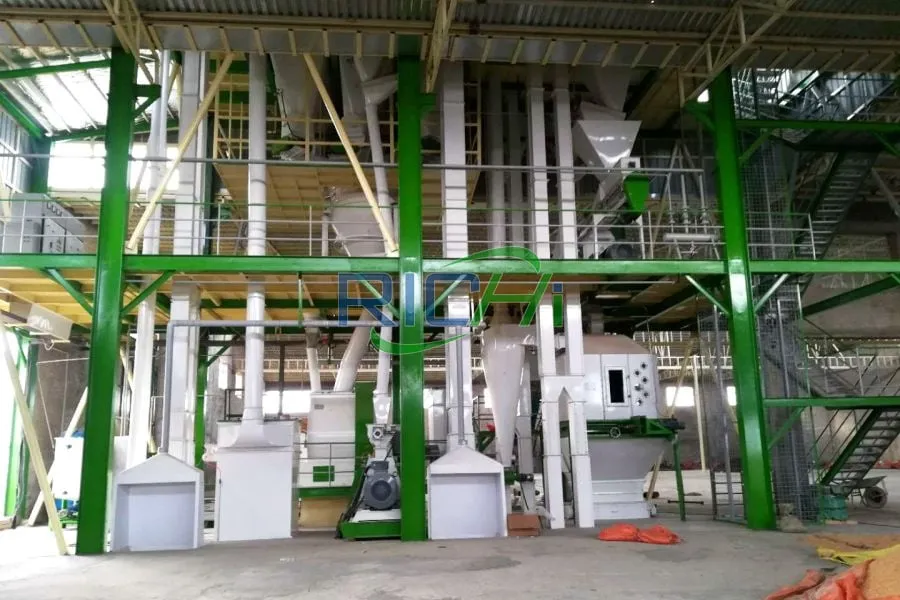
15 t/h animal feed pellet machine for sale in kenya
A national feed manufacturer sought to consolidate its market position by establishing a high-volume, modern feed mill. The goal was to produce premium livestock and poultry pellets for bulk distribution to farms and cooperatives across East Africa.
- Core Machine: A high-capacity SZLH508 ring die pellet mill.
- Raw Material: A precise mix of maize germ, wheat bran, soybean meal, sunflower cake, and vitamin/mineral premixes. The formulation is consistent but adjusted for different animal types.
- Material Spec: Powdery mash, uniformly ground to under 1.2mm, with conditioned moisture of 15-16%.
- Pellet Size: Produces 2.5mm, 3mm, 4mm, and 6mm diameter pellets for chicks, layers, broilers, and cattle, respectively.
- Full Line & Process: This is a complete automatic animal feed pellet plant in Kenya. It includes: hammer mills, batch mixers, conditioning silos with steam injection, the SZLH508 pellet mill, vertical coolers, rotary screeners, and automated packing scales. The process involves grinding, precise batching, conditioning, pelleting, cooling, screening, and packing.

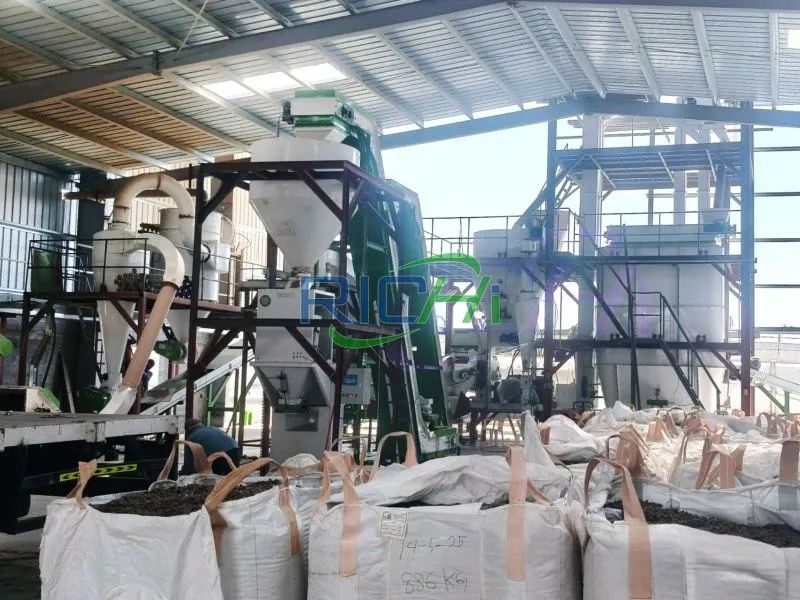
5T/H Mixed agricultural residue pellet making machine in Kenya
An agri-processing cooperative in a fertile region aimed to valorize abundant local crop wastes, turning a disposal problem into a revenue stream by manufacturing solid biofuel pellets for industrial boilers.
- Core Machine: Two heavy-duty ring die pellet mill in Kenya (Model MZLH678) built for abrasive materials.
- Raw Material: Diverse mix including coffee husks, sugarcane bagasse, rice husks, wheat straw, and horticultural trimmings.
- Material Spec: Shredded and finely hammer-milled to under 4mm. Initial moisture varies (15-50%), requiring pre-drying to a uniform 12-15% for pelleting.
- Pellet Size: Produces standard 8mm diameter fuel pellets.
- Full Line & Process: A dedicated biomass pellet manufacturing plant featuring: chain conveyors, a rotary drum dryer, hammer mills, the MZLH678 pellet mill, a counter-flow cooler, and a bulk bag filling station. The process includes drying, grinding, pelleting, cooling, and packing.
Kisumu County

Nakuru County
5-6T/H Pig feed pellet making machine in Kenya
A large-scale pig farm operation required an on-site feed mill to have full control over nutrition, reduce feed costs, and ensure biosecurity by producing customized, highly digestible pellets for different growth stages.
- Core Machine: A robust SZLH350 pig feed pellet machine in kenya.
- Raw Material: Formulated mixtures including maize, barley, soybeans, and specialized protein concentrates.
- Material Spec: Fine mash (under 1mm) conditioned with heat and moisture to approximately 16-17% for optimal pellet durability and starch gelatinization.
- Pellet Size: Primarily 3.5mm and 4.5mm diameter pellets for weaners and finishers.
- Full Line & Process: A compact yet automatic pig feed mill in Kenya featuring raw material receiving pits, crushers, mixers, conditioners, the SZLH350 pellet mill, a cooler, and packing equipment. Process includes grinding, mixing, conditioning, pelleting, and cooling.
4T/H Dairy cattle feed pellet making machine in Kenya
A dairy farm group focused on maximizing milk yield sought to produce nutrient-dense, long-fiber pellets containing high levels of alfalfa and grass to optimize rumen health and milk production.
- Core Machine: A large-aperture CZLH678 cattle feed pellet machine in kenya, specifically designed for fibrous materials.
- Raw Material: Primary mix of sun-cured alfalfa, Rhodes grass, and supplemental grains and minerals.
- Material Spec: Chopped hay and straw (30-50mm length) are ground. The fibrous mash is conditioned to 14-15% moisture.
- Pellet Size: Produces large 10-12mm diameter pellets to encourage cud chewing.
- Full Line & Process: A line built for roughage: includes hay choppers, hammer mills, mixers, conditioners, the CZLH678 pellet mill, a vertical cooler, and a bagging scale. Process: size reduction, mixing, conditioning, pelleting, and cooling.
Uasin Gishu County
Kericho County
5T/H Sawdust & wood waste pellet making machine in Kenya
A timber processing company wanted to eliminate sawdust and offcut disposal costs and generate additional profit by manufacturing premium wood pellets for the growing domestic and export heating market.
- Core Machine: Two parallel MZLH678 wood pellet mills for continuous, high-output production.
- Raw Material: Primarily pine and eucalyptus sawdust, with some wood chips and shavings.
- Material Spec: Consistent dry sawdust, further dried to 8-12% moisture and milled to a fine, flour-like consistency.
- Pellet Size: Produces high-density 6mm and 8mm wood pellets.
- Full Line & Process: A high-output pellet production plant in Kenya. It features a raw material silo, drum dryer, fine hammer mills, two MZLH678 pellet mills, coolers, vibrating screens, and automated bagging. The process is drying, fine grinding, pelleting, cooling, screening, and packing.
5T/H Poultry manure pellet making machine in Kenya
A large poultry integrator needed an environmentally sound solution for manure management, aiming to convert waste into a valuable, odor-controlled, and marketable organic fertilizer pellet for horticulture and tea farms.
- Core Machine: A corrosion-resistant FZLH350 organic fertilizer pellet making machine.
- Raw Material: Primarily composted and fermented poultry litter.
- Material Spec: Composted material is crushed into a fine powder with moisture content adjusted to around 25% for pelleting.
- Pellet Size: Produces 4mm granular fertilizer pellets.
- Full Line & Process: A fertilizer-specific line: includes turners for composting, crushers, mixers (for adding binders or nutrients), a drum dryer/granulator, the FZLH350 poultry manure pellet machine, a cooler, and a screener. Process involves composting, crushing, mixing, drying, pelleting, cooling, and screening.
Kiambu County
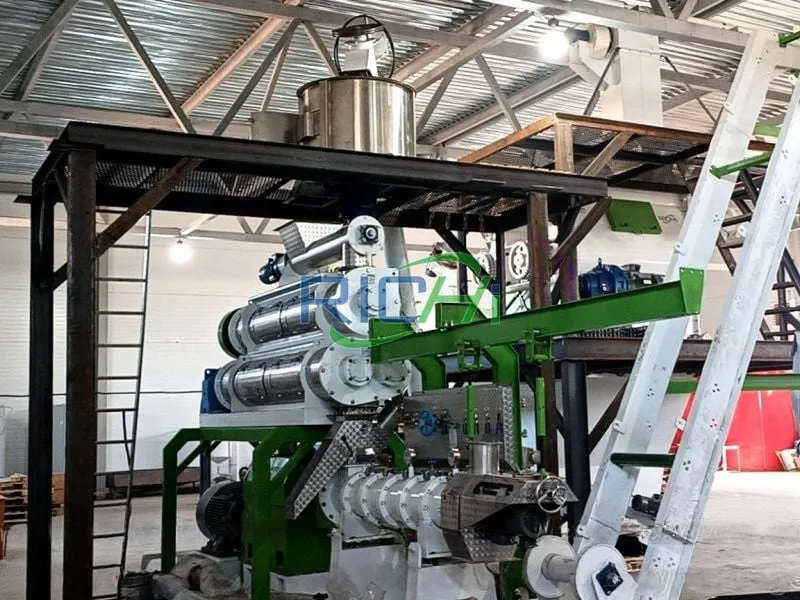
Nyanza Region
2T/H Aqua fish feed pellet making machine in Kenya
An aquaculture feed company targeted the expanding tilapia and catfish farming sector by producing high-performance, floating extruded feed that improves feed conversion ratios and reduces water pollution.
- Core Machine: A twin-screw SPHS120*2 fish feed extruder.
- Raw Material: Formulated mix of fishmeal, soybean meal, maize, wheat flour, and vital binders.
- Material Spec: Ultra-fine powder (under 0.6mm) conditioned into a dough-like consistency with high moisture and steam.
- Pellet Size: Produces 1.5mm to 4mm diameter floating pellets for various fish sizes.
- Full Line & Process: A specialized aqua feed automatic pellet plant in Kenya. It includes micro-grinders, mixers, a twin-screw extruder, a multi-pass dryer, an oil coater, and cooling conveyors. Process: super-fine grinding, mixing, extrusion-cooking, multi-stage drying, fat coating, and cooling.
A Diverse Portfolio: Tailored Pellet Solutions Across Kenya
Our expertise extends beyond large-scale installations to a wide array of specialized projects. Each collaboration addresses unique local opportunities, from niche feed formulations to innovative waste conversion. These examples demonstrate our commitment to providing the right pellet making machine in Kenya for every business model and raw material.
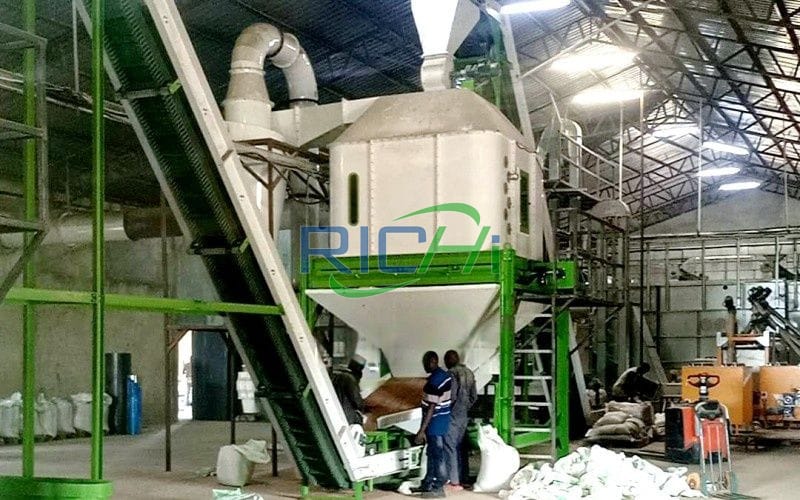
10T/H Broiler feed pellet making machine in Kenya
A vertically integrated poultry producer required a high-capacity line to ensure a consistent, cost-effective feed supply for its expanding broiler operations. The durable pellet making machine in Kenya forms uniform, highly digestible pellets that support rapid growth rates and flock health. This poultry feed mill project underscores our ability to deliver reliable, high-volume feed milling infrastructure.
Pellet Mill Model
SZLH420
Pellet Size
3mm & 4mm
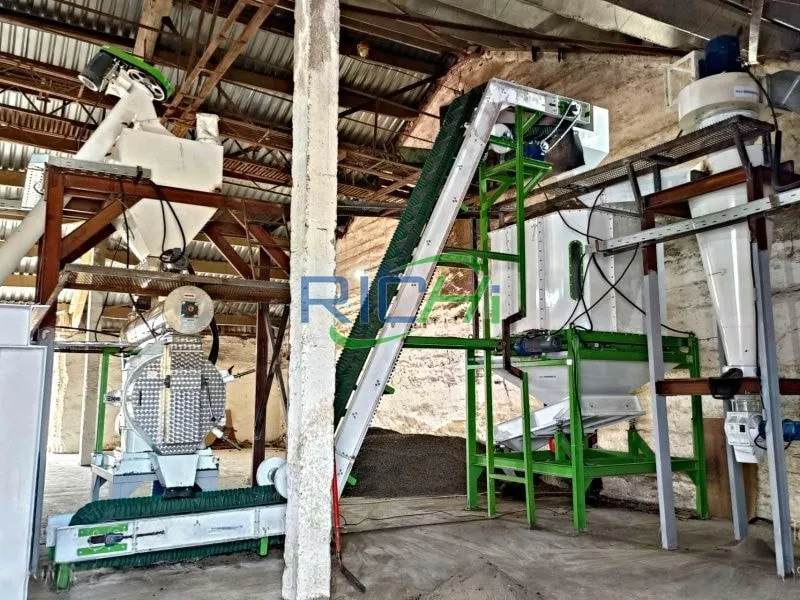
5T/H Protein-rich feed pellet making machine in Kenya
An innovative agri-tech startup aimed to produce sustainable, high-protein feed from farmed Black Soldier Fly larvae. The specialized pellet mill processes dried insect meal into nutrient-dense pellets, offering a local alternative to imported fishmeal for poultry and aqua feed. This solution turns organic waste into premium feed, supporting Kenya’s circular economy.
Pellet Mill Model
SZLH350
Pellet Size
2.5mm & 3mm

0.5T/H Floating fish feed pellet making machine in Kenya
A small-scale aquaculture farm sought to produce its own high-quality floating feed for tilapia, improving feed efficiency and profitability. The compact single-screw extruder gently cooks the starch, creating buoyant pellets that allow for better feeding management and reduce waste in pond culture, a key concern for local fish farmers.
Extruder Model
DGP-120B
Pellet Size
2mm & 3mm

8T/H Black soldier fly larvae meal pellet making machine in Kenya
A large waste processing facility partnered with feed mills to commercialize BSF larvae as a protein source. This high-capacity pellet making machine in Kenya efficiently binds the fine, oily insect powder into stable pellets, enabling easy handling, storage, and incorporation into commercial feed formulations across the region.
Pellet Mill Model
SZLH420
Pellet Size
4mm
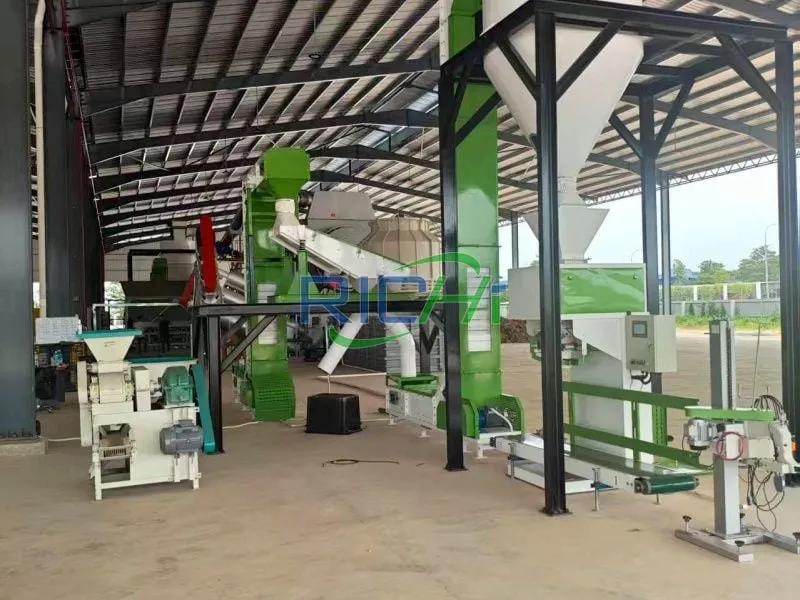
5T/H Coffee husk pellet making machine in Kenya
A coffee cooperative in the Central Highlands aimed to solve husk disposal issues by creating value-added biofuel. The robust pellet press transforms this abundant, abrasive by-product into dense fuel pellets for local tea factories and schools, turning waste into a clean, renewable energy source and generating extra income for farmers.
Pellet Mill Model
MZLH678
Pellet Size
8mm
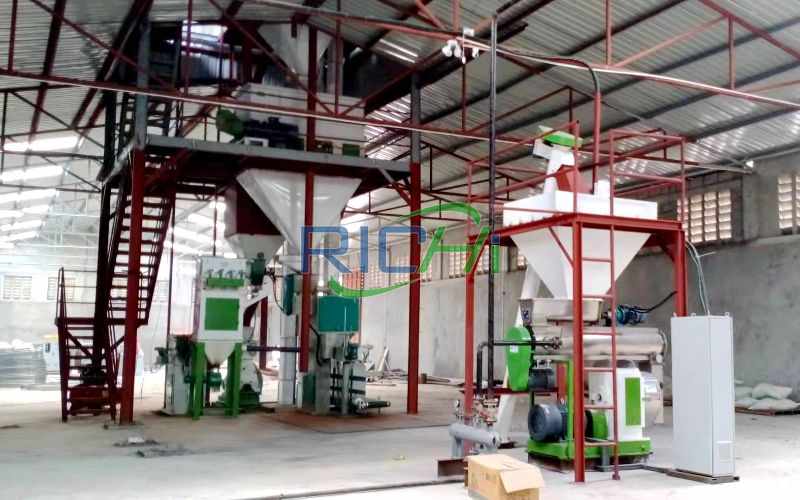
3T/H poultry feed pellet mill in Kenya project
A regional feed distributor needed a flexible, medium-capacity plant to serve small and medium-sized poultry farms. This reliable pellet making machine in Kenya allows for quick formulation changes to produce layer, broiler, and chick feeds, providing locally produced, fresh feed to farmers and reducing their dependence on distant large mills.
Pellet Mill Model
SZLH320
Pellet Size
2.5mm, 3.5mm, 4.5mm

2T/H Sugarcane bagasse pellet making machine in Kenya
A sugar mill in Western Kenya sought to utilize its massive bagasse surplus beyond seasonal cogeneration. This project installs a dedicated pelleting line to produce year-round solid biofuel from bagasse, supplying a reliable energy source to other local industries and enhancing the mill’s overall sustainability and revenue.
Pellet Mill Model
MZLH520
Pellet Size
8mm
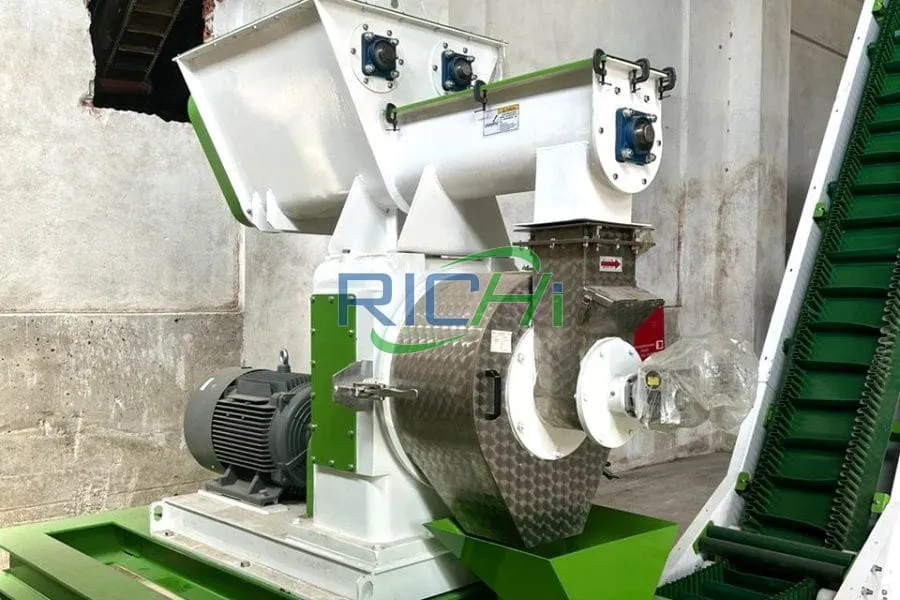
1 ton per hour biomass pellet making machine in Kenya
An export-oriented horticulture farm needed an eco-friendly solution for processing nut shells and fruit waste. This versatile pelletizer converts mixed, hard biomass into uniform heating pellets, used internally for drying processes and sold locally, effectively closing the waste loop on the farm and reducing carbon footprint.
Pellet Mill Model
MZLH420
Pellet Size
6mm & 8mm
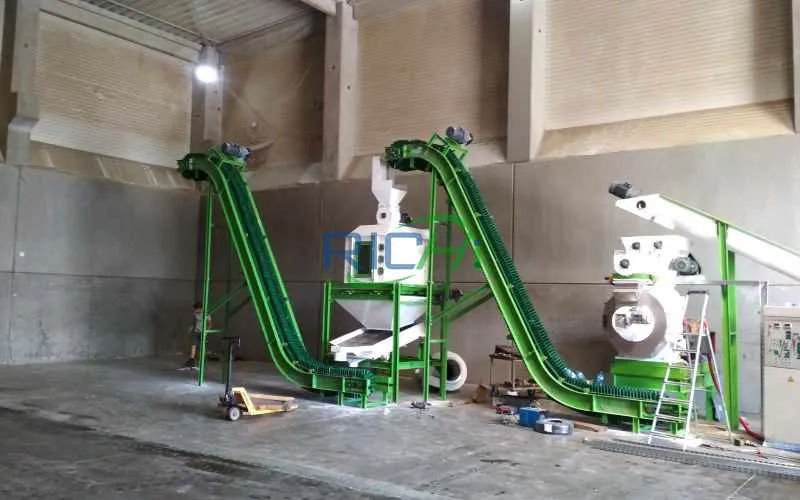
2T/H Tea waste pellet making machine in Kenya
A major tea estate looked to manage pruning waste and tea dust from processing. The installed pellet making machine in Kenya compacts this fibrous material into high-calorific fuel pellets, which are now used to fire tea dryers, significantly cutting the estate’s LPG consumption and operational costs.
Pellet Mill Model
MZLH520
Pellet Size
8mm
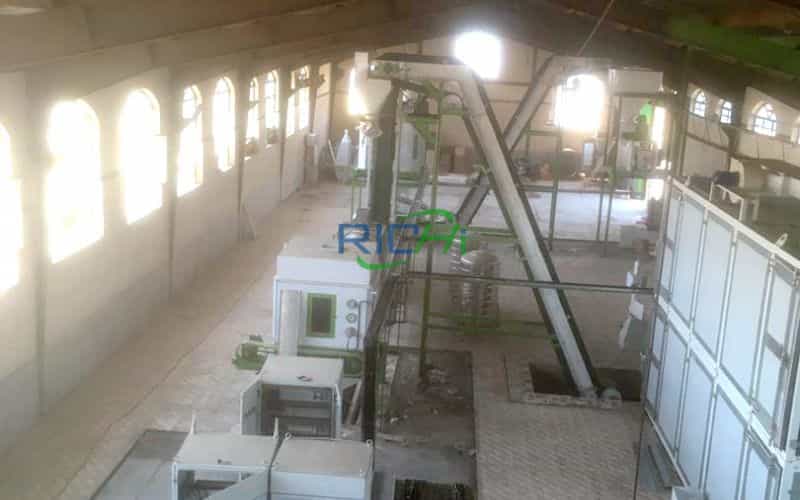
1-2T/ floating fish feed plant Kenya project
An emerging fish feed company targeted small and medium hatcheries with a compact, complete extrusion line. This plant produces superior floating pellets that promote better growth and water quality, empowering local aquaculture businesses to access high-performance feed without relying on costly imports.
Extruder Model
SPHS120*2
Pellet Size
1.5mm, 2mm, 3mm
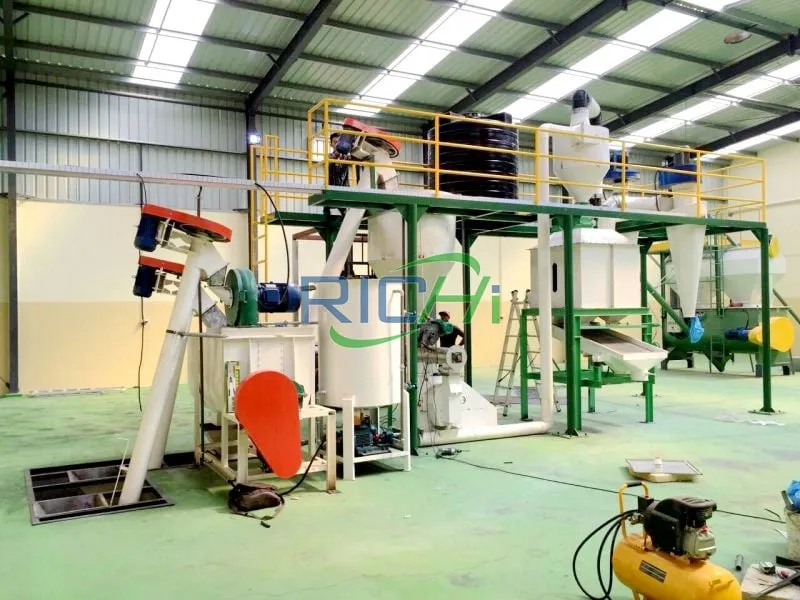
Feed pellet mill 1 ton per hour Kenya project
An ambitious farmer’s cooperative invested in a starter feed mill to achieve self-sufficiency. This compact yet efficient pellet making machine in Kenya provides members with affordable, quality-assured feed for their dairy cattle, poultry, and pigs, directly improving their margins and fostering community resilience.
Pellet Mill Model
SZLH250
Pellet Size
4mm, 6mm, 8mm
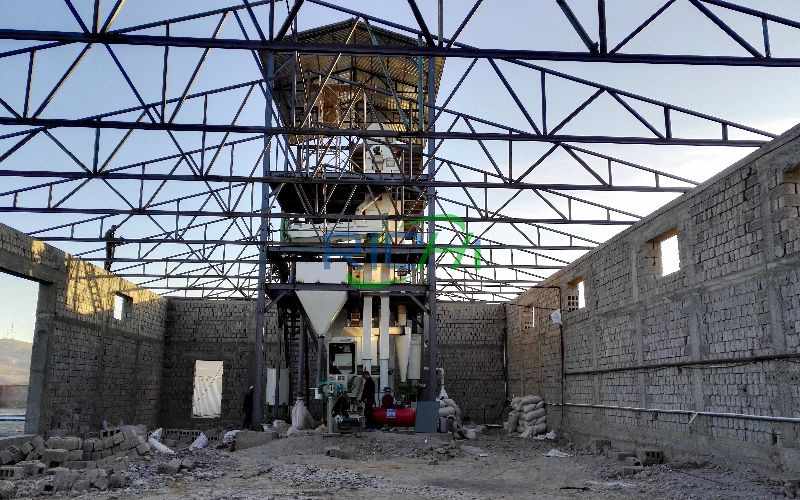
4 Tons Per Hour livestock feed pelletizer in Kenya
A mixed-livestock ranch in the Rift Valley required a flexible system to produce feed for its cattle, sheep, and goats. This pelletizing line allows for the use of home-grown forages and grains, creating balanced total mixed ration (TMR) pellets that simplify feeding logistics and improve animal nutrition on the vast ranch.
Pellet Mill Model
CZLH678
Pellet Size
6mm, 8mm, 10mm
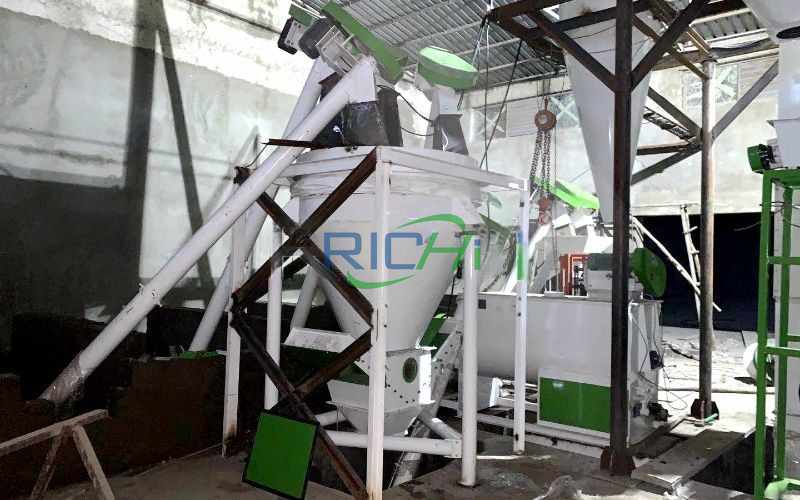
5T/H Poultry layer feed making machine in Kenya
A dedicated layer farm group focused on optimizing egg production and shell quality. Their on-site mill uses this precise pellet making machine in Kenya to produce nutritionally consistent layer feed with the correct calcium levels, leading to stable and improved egg output from their flocks.
Pellet Mill Model
SZLH350
Pellet Size
4mm
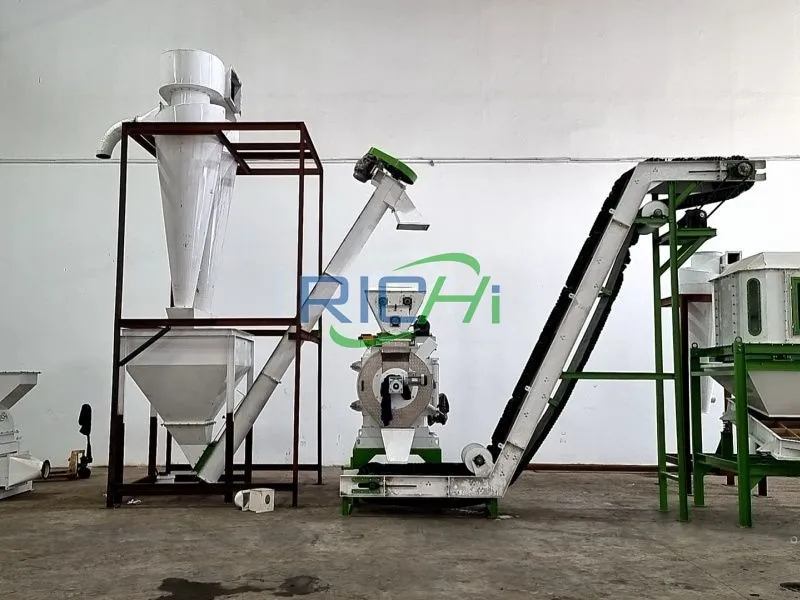
2T/H sawdust pellet machine in Kenya project
A furniture manufacturing cluster partnered to manage collective wood waste. This shared pelleting facility transforms sawdust from multiple workshops into clean-burning fuel pellets, sold to urban households for heating and cooking, creating a new revenue stream and a cleaner workshop environment.
Pellet Mill Model
MZLH520
Pellet Size
6mm
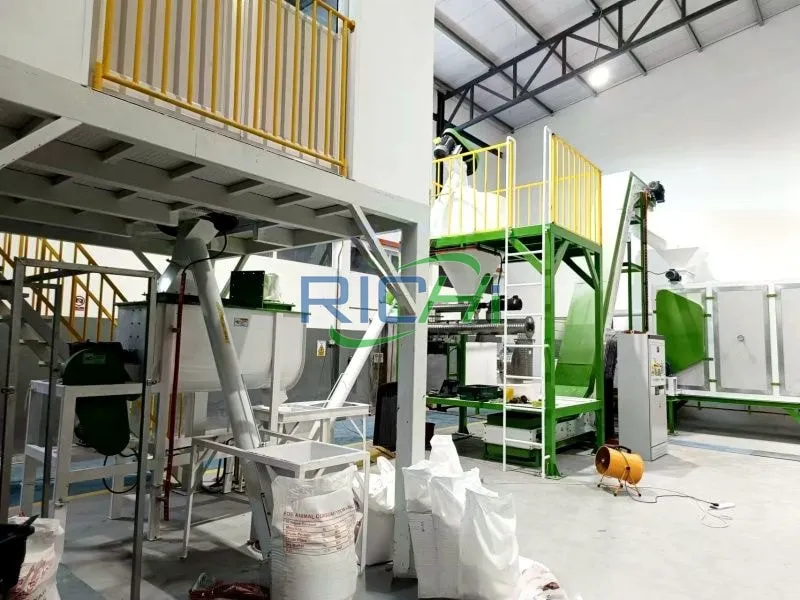
1-2T/H Sunflower cake pellet making machine in Kenya
An oil processing company sought to upgrade its sunflower cake by-product into a commercial feed ingredient. The pelleting process improves the cake’s handling, reduces dust, and enhances its storability, allowing it to be effectively marketed to local dairy and beef farmers as a valuable protein supplement.
Pellet Mill Model
SZLH250
Pellet Size
6mm
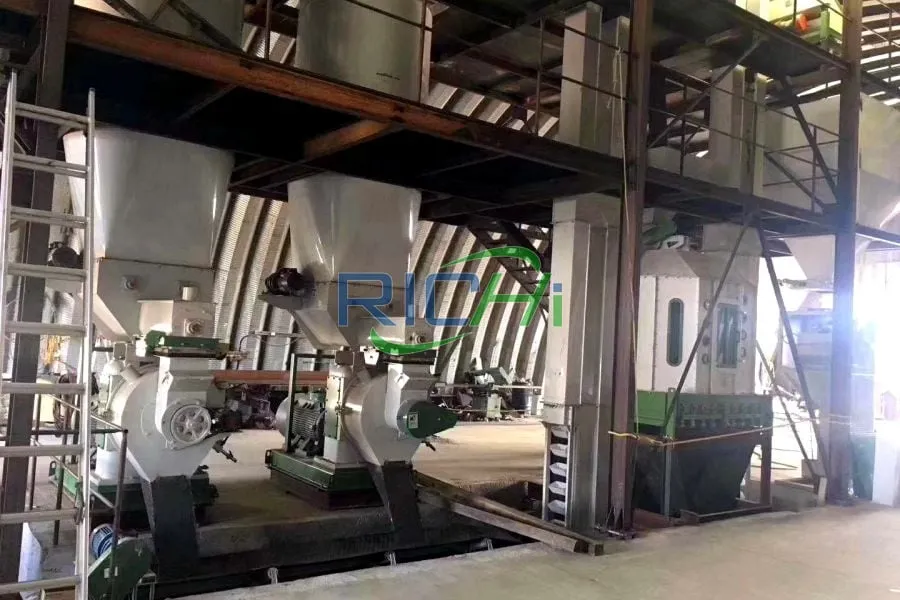
5T/H Waste paper pellet making machine in Kenya
A Nairobi-based waste management and recycling company sought to address the growing volume of office paper and cardboard waste while creating a new revenue stream. Our solution centered on a specialized pellet making machine in Kenya configured for low-lignin, high-fiber materials. The system efficiently compressed shredded and moistened waste paper into solid fuel pellets.
Pellet Mill Model
MZLH678
Pellet Size
8mm

8–10 T/h Commercial animal feed pellet making machine in Kenya
A leading national agrovet chain expanded into feed manufacturing to offer a complete product portfolio. This flagship, high-capacity plant features an advanced pellet making machine in Kenya to produce a full range of branded feeds, ensuring consistent supply to their extensive retail network across the country.
Pellet Mill Model
SZLH420
Pellet Size
2mm to 10mm
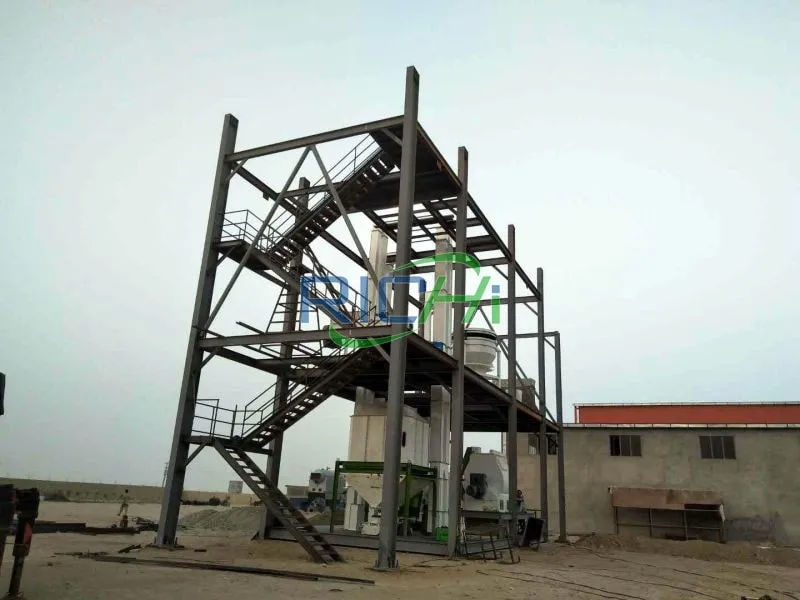
5 Tons poultry feed making machine in kenya
A mid-sized integrated poultry processor invested in a dedicated feed mill to secure its core supply chain. This efficient line produces customized starter, grower, and finisher diets, giving the company full control over feed quality and biosecurity, which is critical for its branded poultry products.
Pellet Mill Model
SZLH350
Pellet Size
2.5mm, 3.5mm, 4.5mm
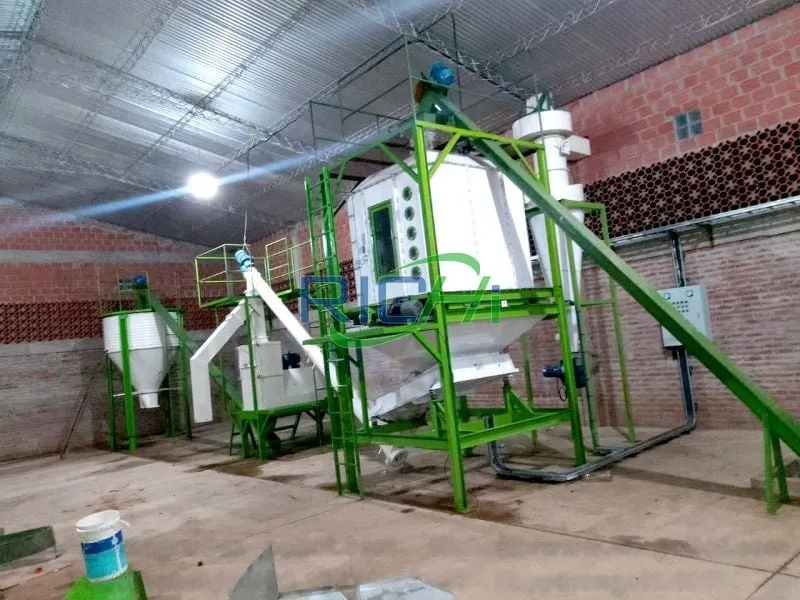
5 Tons Maize cob pellet making machine in Kenya
A grain aggregator in a maize-growing region aimed to utilize maize cobs, a common post-harvest residue. The pelleting system processes ground cobs into a fibrous feed component, providing a low-cost roughage source for ruminant feed mills and helping farmers derive value from every part of their harvest.
Pellet Mill Model
SZLH350
Pellet Size
8mm
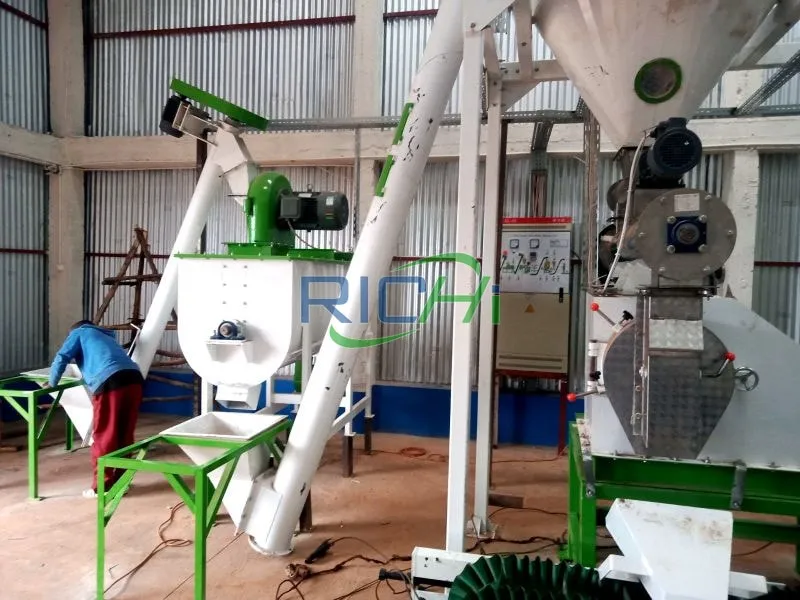
1 ton chicken feed making machine in kenya
A progressive smallholder farmer with a sizable flock established a micro-feed mill to serve his farm and neighbors. This compact pellet making machine in Kenya enables the production of fresh, tailored feed on-demand, drastically reducing costs and improving feed conversion ratios for his poultry enterprise.
Pellet Mill Model
SZLH250
Pellet Size
3mm & 4mm
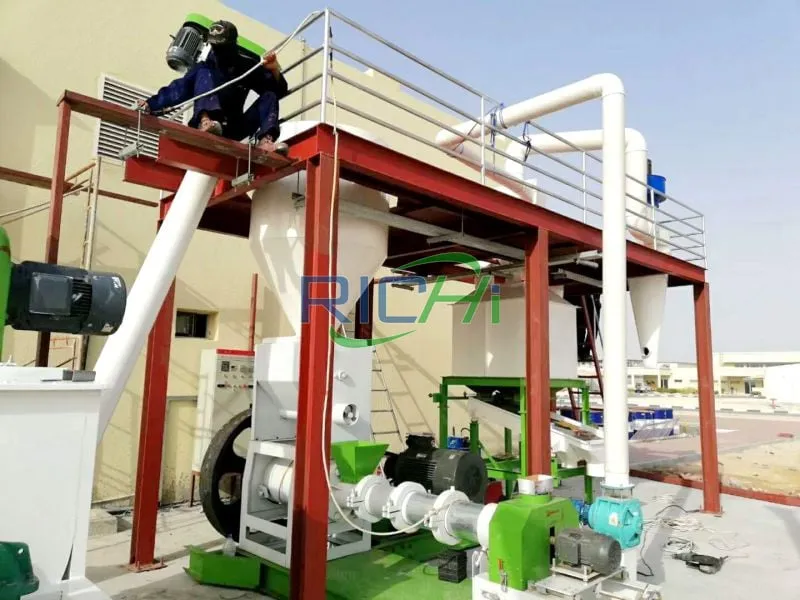
1 t/h Sea bass fish feed extruder machine in kenya
A specialized marine fish farm venturing into high-value sea bass production needed nutrient-dense, slow-sinking feed. The extruder produces stable pellets with high oil inclusion, meeting the specific dietary requirements of carnivorous fish and supporting the growth of Kenya’s premium aquaculture sector.
Extruder Model
SPHS75x2
Pellet Size
3mm, 4mm, 6mm
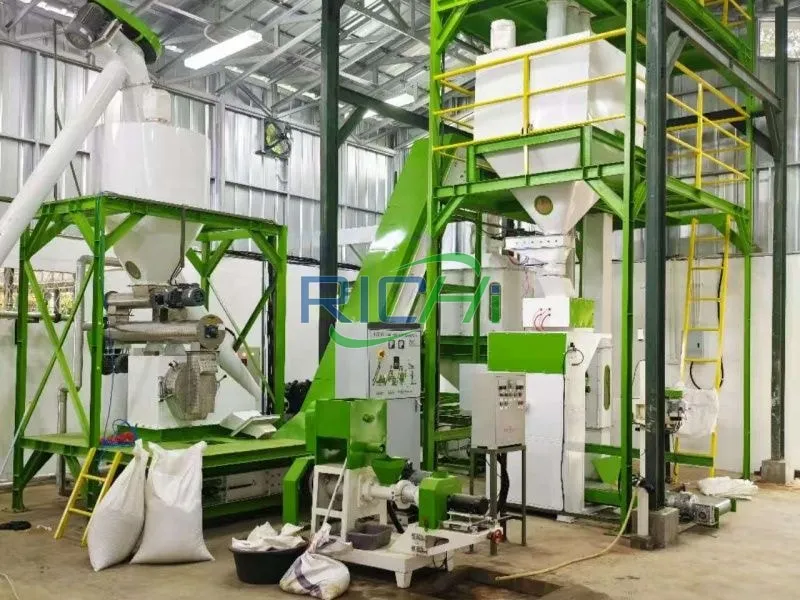
5 Tons Cottonseed meal pellet making machine in Kenya
A ginnery partnered with a feed mill to upgrade its cottonseed cake by-product. Pelletizing the meal improves its density for transport, reduces waste during handling, and creates a consistent ingredient for dairy cattle rations, enhancing the usability of this locally produced protein source.
Pellet Mill Model
SZLH350
Pellet Size
6mm
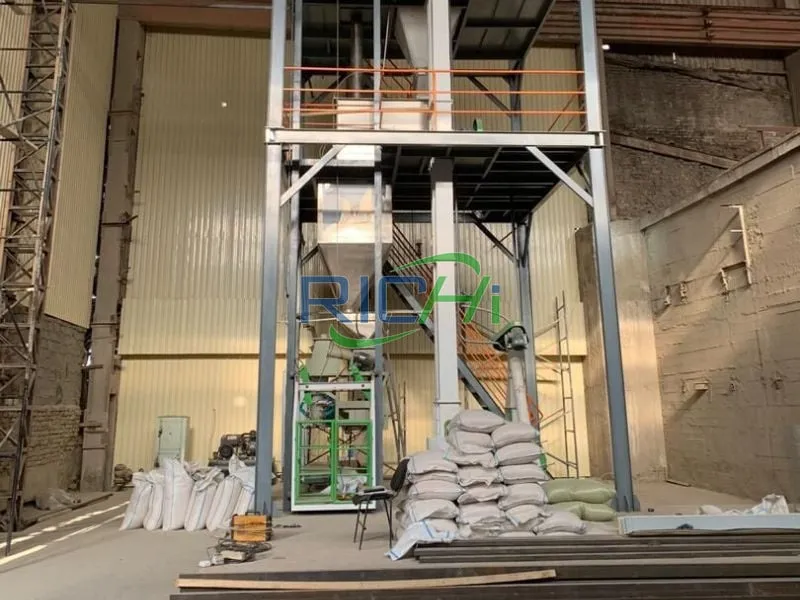
3 t/h Rice husk pellet making machine in Kenya
A rice miller in the Mwea irrigation scheme innovated to add value to rice husks, typically considered waste. Through specific processing, the husks are transformed into a silica-rich feed pellet for limited use in livestock rations, exploring a novel way to utilize this abundant by-product within the agricultural chain.
Pellet Mill Model
MZLH678
Pellet Size
8mm
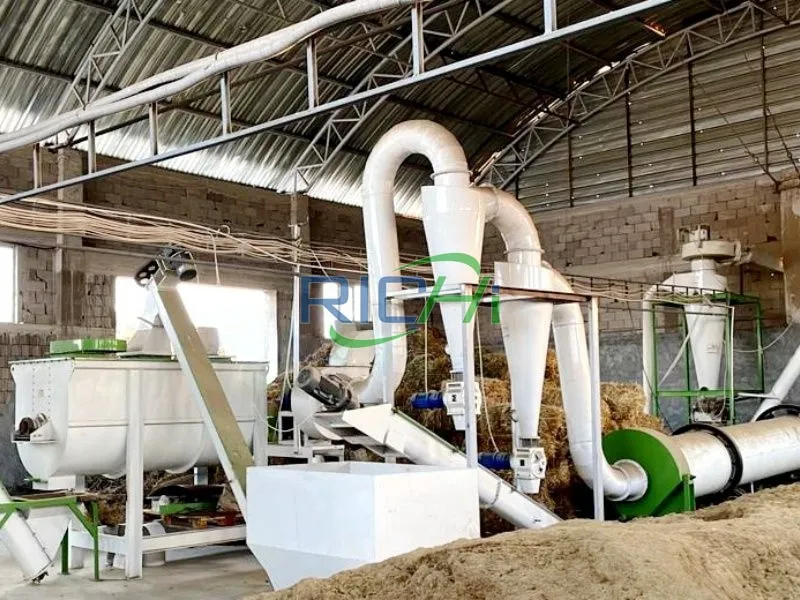
2 t/h Alfalfa hay pellet making machine in Kenya
A large-scale dairy farm specializing in pedigree cattle needed to preserve and efficiently feed high-quality alfalfa. The pelleting process condenses the bulky hay into nutrient-rich, easy-to-handle pellets, ensuring year-round supply of this vital forage and optimizing feed space and ration accuracy.
Pellet Mill Model
CZLH420
Pellet Size
10mm
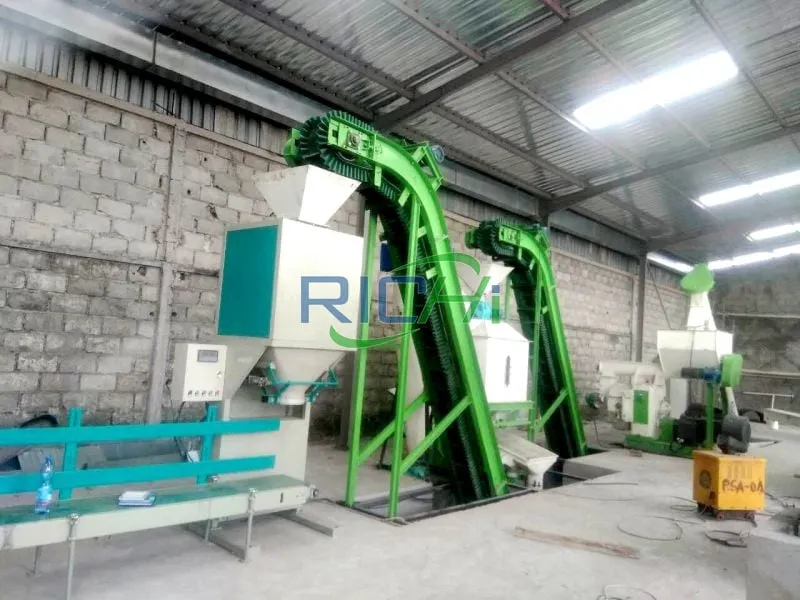
3 Tons Organic fertilizer pellet making machine in Kenya
An environmental company focused on converting municipal green waste into a marketable product. This granulation system processes composted organic matter into uniform, dust-free fertilizer pellets, sold to urban gardeners, landscapers, and horticulture farms, promoting sustainable soil enrichment.
Pellet Mill Model
FZLH350
Pellet Size
4mm
2 Tons Charcoal dust briquette making machine in Kenya
A charcoal producers’ association sought to recover value from fine dust and small pieces left after production. The briquetting press compacts this waste into solid fuel logs, eliminating a messy by-product and creating a higher-value, longer-burning cooking fuel for the domestic market.
Pellet Mill Model
MZLH678
Pellet Size
10mm
Our Machines in Action Across Kenya
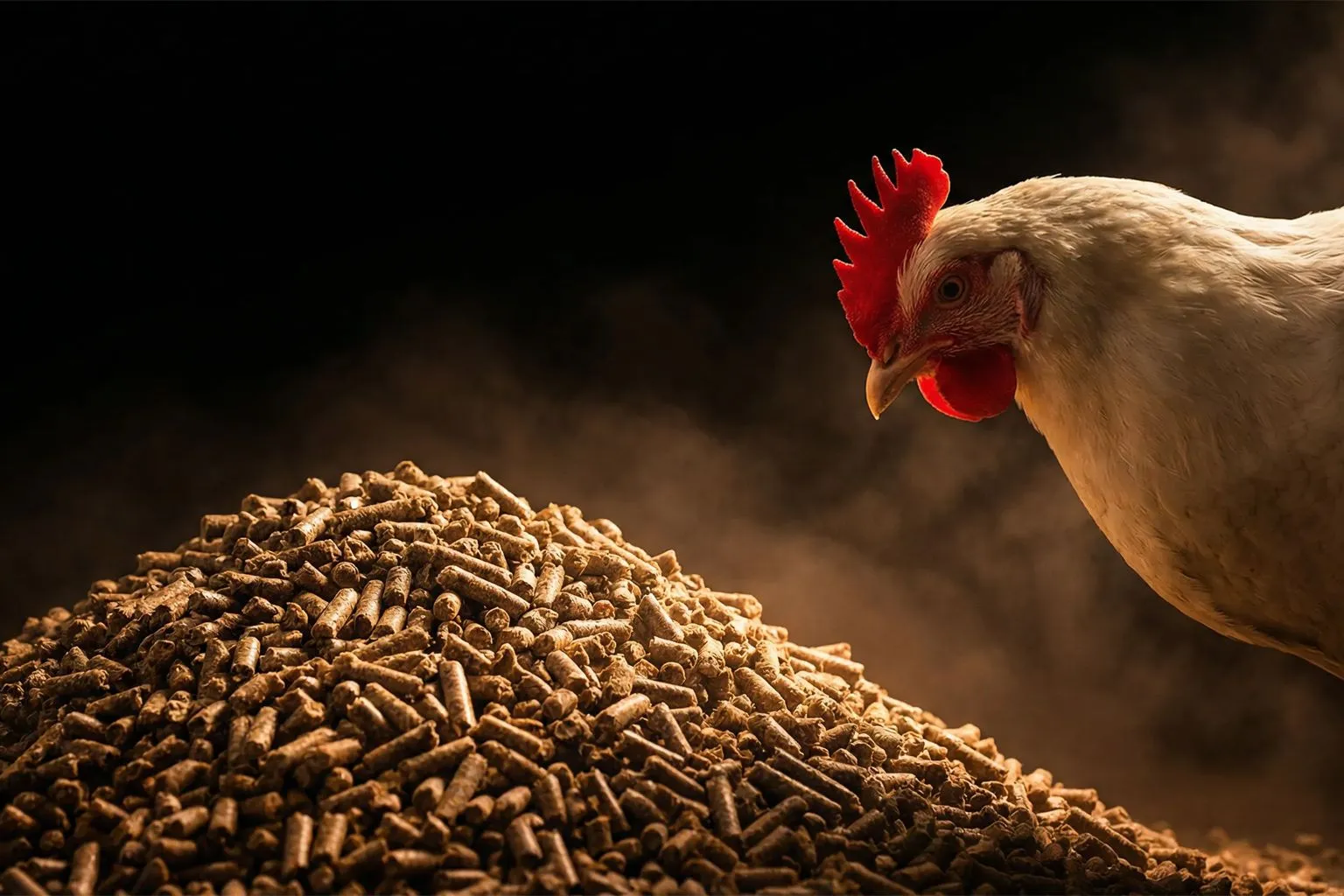
10-15T/H complete feed mill plant in Kenya
Witness our flagship, fully automated animal feed production plant producing a complete range of broiler and layer diets. The video highlights the precision batching, conditioning, and high-capacity pelleting process using our robust SZLH508 pellet making machine in Kenya, capable of switching between producing durable 3-4.5mm pellets for grower feeds and crumbles for starter chicks. This turnkey plant supports large-scale integrators in meeting Kenya’s growing demand for poultry protein.
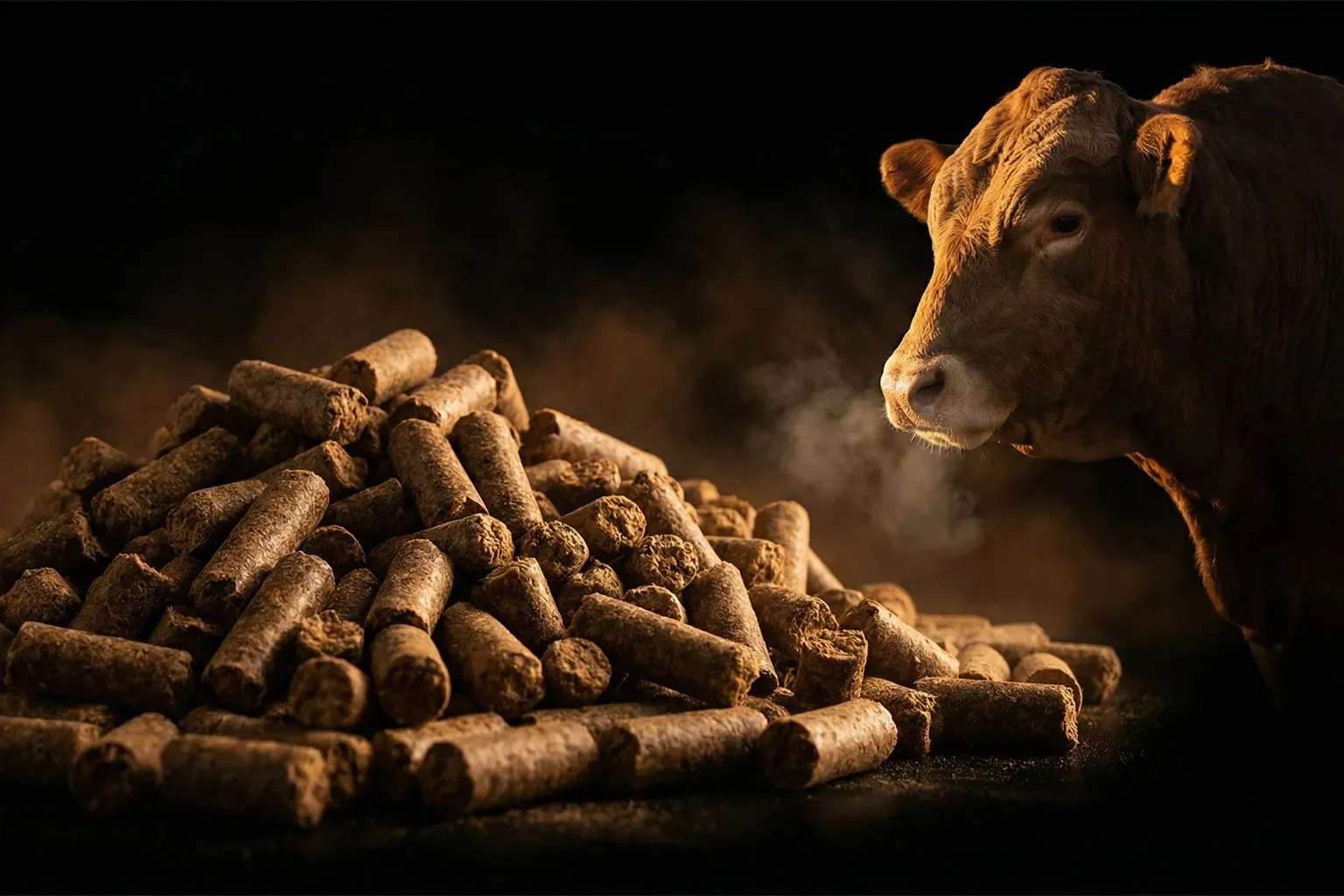
5-7T/H cattle feed production line Kenya
See how Kenyan dairy cooperatives achieve feed self-sufficiency. This video follows the journey from raw ingredients to nutritious cattle pellets, showcasing the CZLH678 pellet mill designed for fibrous materials. The fully automatic cattle feed plant efficiently produces large-diameter (6-10mm) total mixed ration (TMR) pellets, incorporating local forages to optimize rumen health and milk production for smallholder farmers.
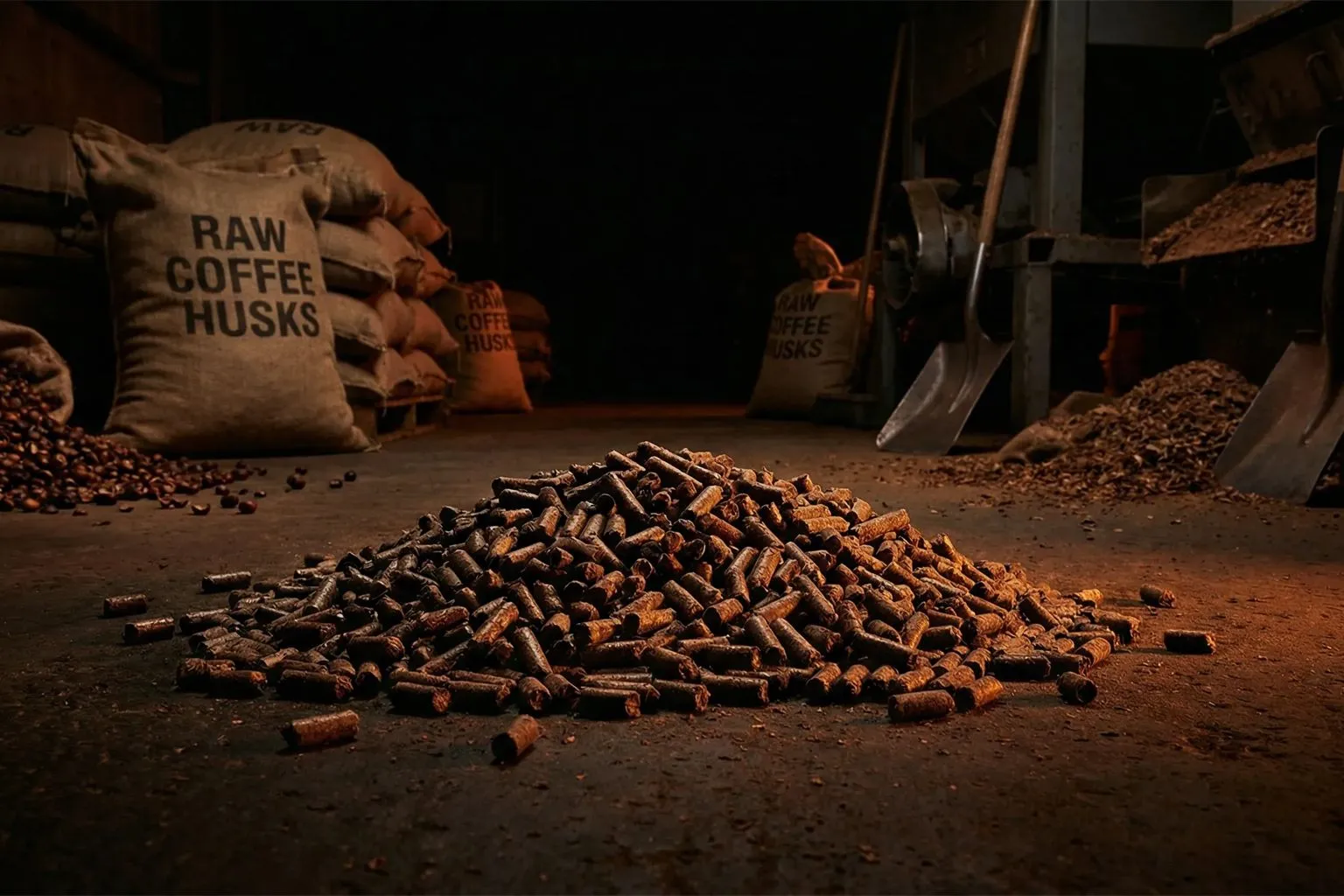
3-4T/H Turnkey biomass pellet making plant in Kenya
Explore how an agricultural waste problem becomes a clean energy solution. This footage from a Central Kenyan factory shows the entire process: from drying abrasive coffee husks to forming dense 8mm fuel pellets in our heavy-duty MZLH768 pellet making machine in Kenya. The plant provides a reliable model for other coffee-growing regions to manage by-products profitably.
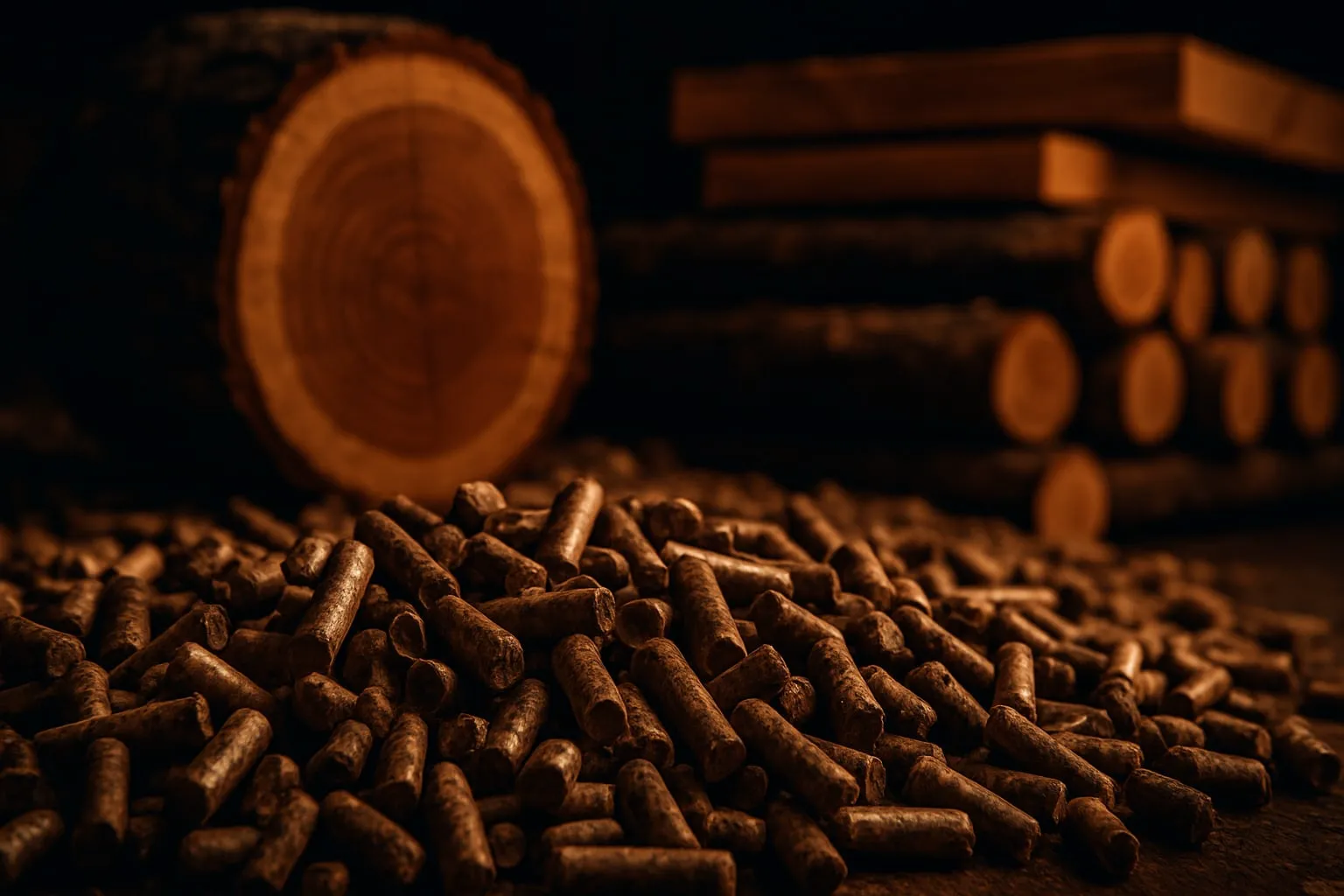
2 t/h wood pellet manufacturing plant in Kenya
Step inside a sustainable wood recycling operation. This video captures the transformation of sawdust and planer shavings into premium heating pellets. The core of the line is our efficient MZLH520 wood pellet press, demonstrating smooth, continuous production of 6mm wood pellets, offering a viable business model for timber processors and creating a local alternative to charcoal.
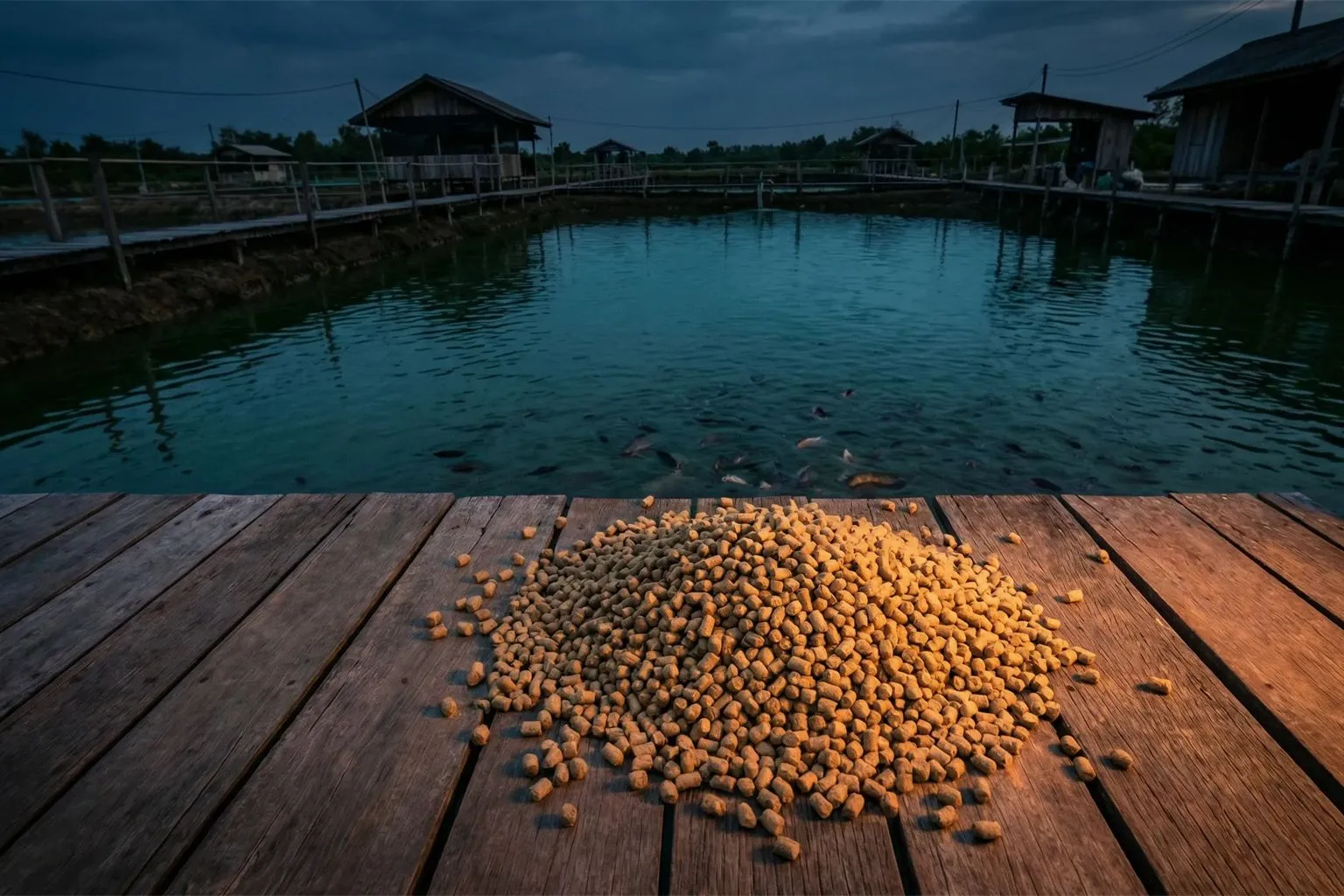
3-4 t/h aqua feed production line Kenya
Dive into the niche of high-value aquaculture. This video details our compact extrusion line for tilapia and catfish farms. See the 110KW SPHS120*2 twin-screw extruder cooking and forming uniform, floating 2-4mm pellets with high water stability. It’s a perfect solution for Kenyan hatcheries aiming to improve feed conversion ratios and reduce water pollution.
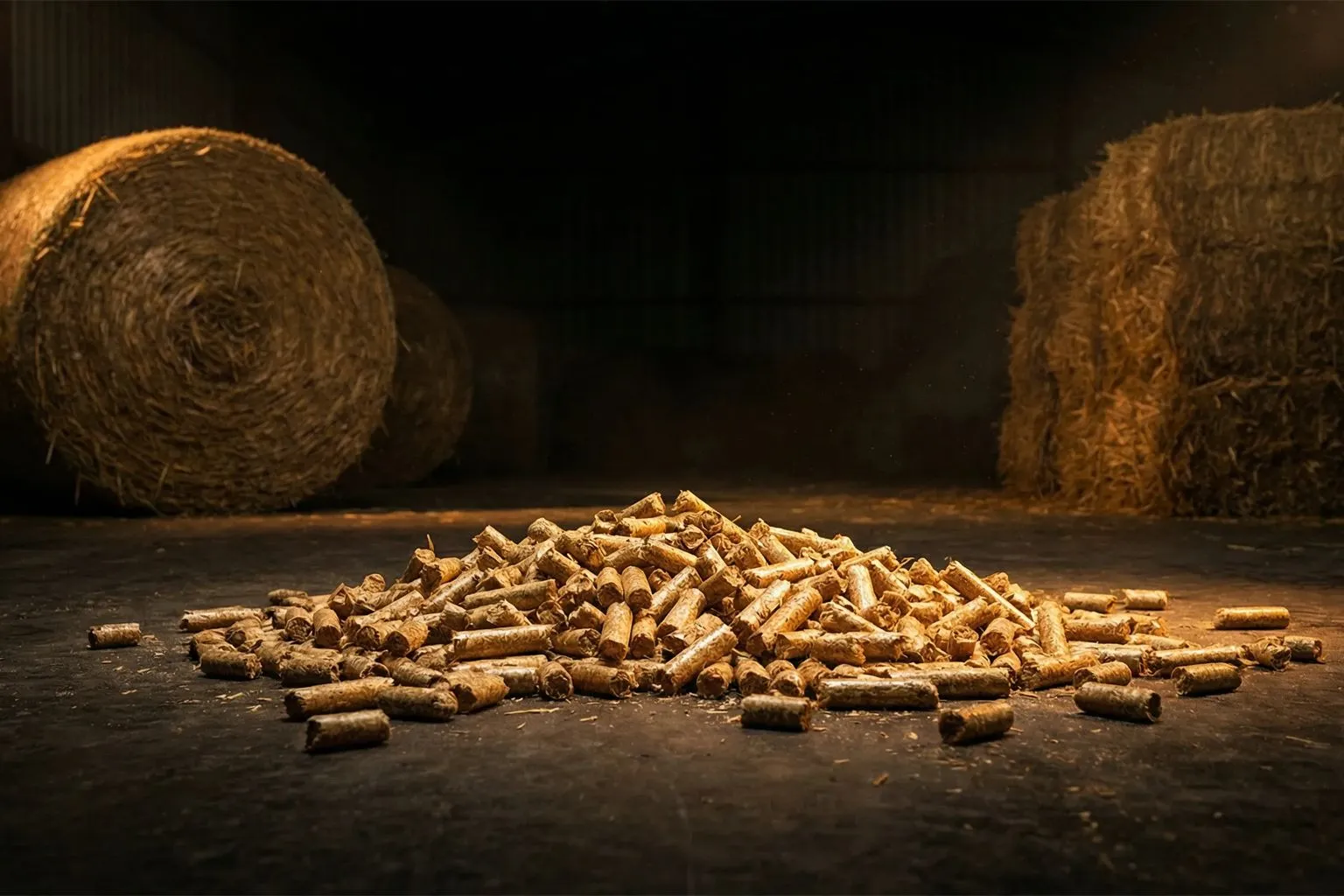
5 t/h straw pellet production line in Kenya
See innovation in crop residue management in the Rift Valley. This video highlights a plant processing mixed straws (maize, wheat, rice) into valuable products. The versatile pellet mill handles the tough, fibrous material, producing both 8mm fuel pellets for industrial boilers and 6mm roughage pellets for animal feed, maximizing the value of post-harvest waste.

Trusted by Kenyan Industry Leaders

Our investment in a pellet making machine in Kenya was a decision to secure our own future. As a mid-sized feed mill serving over 200 dairy farms in Nakuru County, we needed to move from buying expensive, imported feed concentrates to producing our own high-quality dairy pellets. The challenge was creating a consistent pellet from our local mix of Napier grass, maize germ, and sunflower cake – materials that can be tough to bind.
Your team didn’t just sell us a machine; you provided a solution. The SZLH420 ring die animal feed pellet mill you recommended has been running two shifts daily for over 18 months with minimal downtime. It produces dense, 6mm pellets that our farmers’ cows digest better, leading to a noticeable increase in milk solids. What truly set you apart was the on-ground training for our technicians and the ready supply of genuine spare parts, which keeps our operation running smoothly. You turned our goal of self-reliance into a profitable reality.”
Kipchumba Bett
Operations Director, A leading dairy feed cooperative in the Rift Valley

Pelletizing Opportunities in Kenya’s Growing Market
Kenya’s dynamic agricultural and industrial sectors are ripe for innovation through pelletization. The right pellet making machine in Kenya can transform local resources into value-added products, driving sustainability and profit. Richi Machinery provides the adaptable technology and engineering expertise to turn these diverse opportunities into successful, operational businesses across the nation.
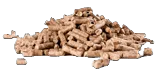
WOOD PELLET PRODUCTION
WOOD PELLET SOLUTION
With a thriving timber industry and growing demand for cleaner cooking/heating fuels, wood pellets from sawdust and mill waste offer a sustainable alternative to charcoal. Richi Machinery’s robust mills are ideal for creating this high-value biofuel, supporting both energy security and forest conservation.

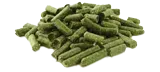
GRASS PELLET PRODUCTION
GRASS PELLET SOLUTION
Converting abundant grasses like Napier and Rhodes into compact pellets provides a stable, nutritious feed source for dairy and beef cattle, especially during dry seasons. This technology helps Kenyan farmers manage forage efficiently and improve livestock productivity year-round.

STRAW PELLET PRODUCTION
STRAW PELLET SOLUTION
Maize, wheat, and rice straw are often burned openly. Pelletizing this material creates clean-burning fuel for industries or fibrous feed components, turning a disposal problem into revenue and reducing agricultural air pollution across the Rift Valley.


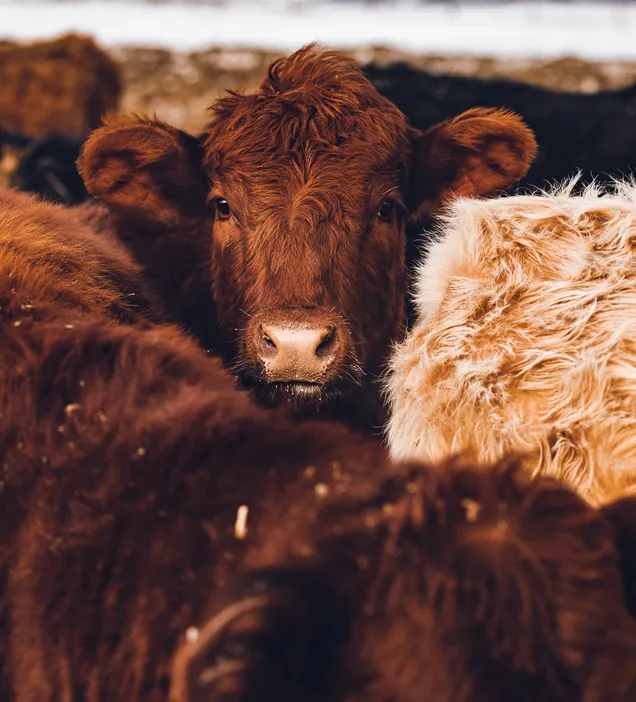
RUMINANT FEED PELLET PRODUCTION
CATTLE FEED PELLET SOLUTION
The dairy and beef sectors demand consistent, high-fiber rations. Pelletized TMR (Total Mixed Rations) ensure precise nutrient delivery, improve feed intake, and reduce waste, making them a smart investment for large-scale farms and cooperative feed mills in Kenya.

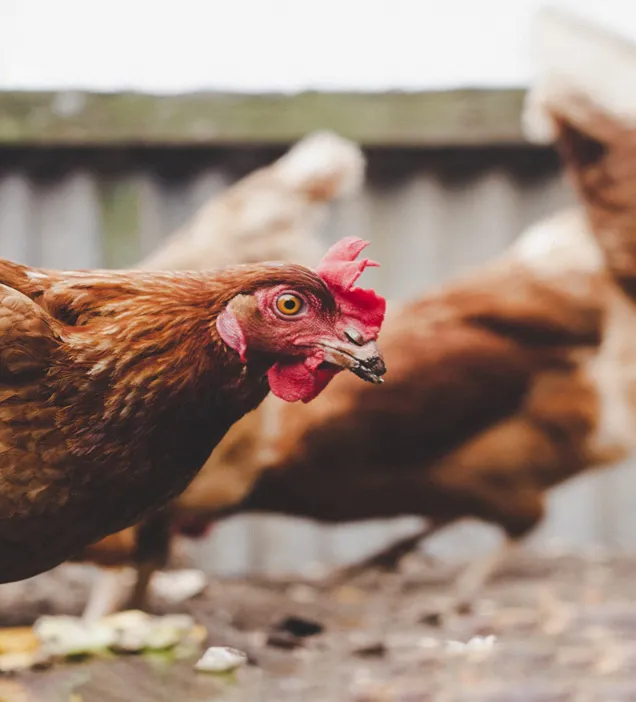
POULTRY FEED PELLET PRODUCTION
POULTRY FEED PELLET SOLUTION
As one of Africa’s fastest-growing poultry markets, Kenya needs efficient feed production. Pelletizing enhances feed hygiene, digestibility, and handling, directly impacting flock performance. Our systems are built for the high-volume production required by this sector.

LIVESTOCK FEED PELLET PRODUCTION
LIVESTOCK FEED PELLET SOLUTION
Beyond poultry and cattle, feed for pigs, goats, and sheep is essential. Flexible pellet mills allow farmers and mid-sized mills to produce species-specific feeds from local ingredients, reducing import dependence and lowering costs.


FERTILIZER PELLET PRODUCTION
FERTILIZER PELLET SOLUTION
From organic manure to commercial NPK blends, pelletized fertilizers are easier to store, transport, and apply. This supports Kenya’s push for enhanced soil fertility and offers agri-businesses a way to upgrade raw manure or compost into a marketable product.
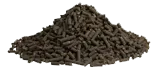

FISH FEED PELLET PRODUCTION
FISH FEED PELLET SOLUTION
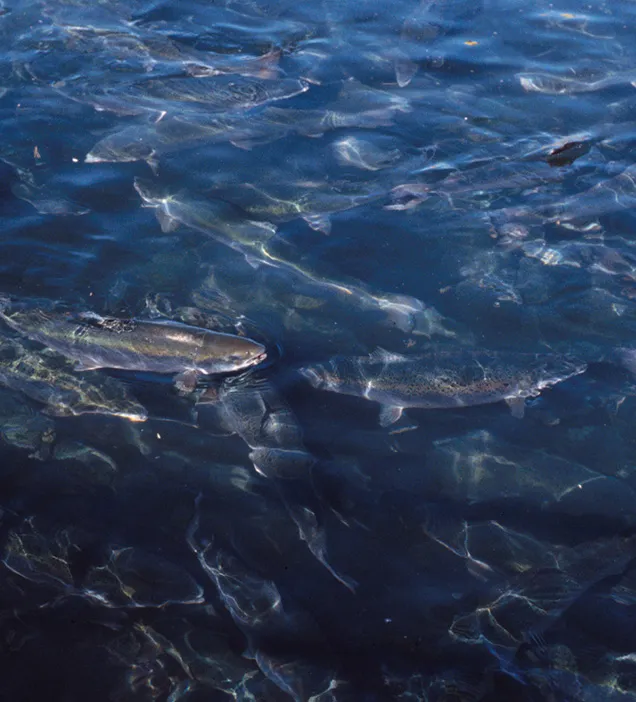
Aquaculture is expanding rapidly in Kenya. Floating extruded feed pellets improve feed conversion, reduce water pollution, and are crucial for tilapia and catfish farming. Our extrusion technology is key to developing this high-value sector.

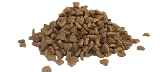
PET FOOD PELLET PRODUCTION
PET FOOD PELLET SOLUTION
Urbanization is fueling demand for commercial pet food. Producing nutritionally complete, durable pet food pellets locally presents a significant opportunity for entrepreneurs to capture a growing niche market.

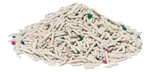
cat litter PELLET PRODUCTION
cat litter PELLET SOLUTION
Imported cat litter is costly. Pelletizing local, absorbent materials like recycled paper, sawdust, or certain clays can create an affordable, eco-friendly alternative for Kenya’s rising number of pet owners.

paper PELLET PRODUCTION
paper PELLET SOLUTION
This versatile material can be pelletized for low-smoke fuel briquettes or processed into biodegradable cat litter. It’s an innovative urban waste solution with dual-market potential in Kenya’s major cities.


ANIMAL BEDDING PELLET PRODUCTION
ANIMAL BEDDING PELLET SOLUTION
Pelletized wood shavings or straw expand into excellent, absorbent bedding when wetted. This product is in demand by Kenya’s growing poultry and dairy industries for improved animal welfare and manure management.
RDF PELLET PRODUCTION
RDF PELLET SOLUTION
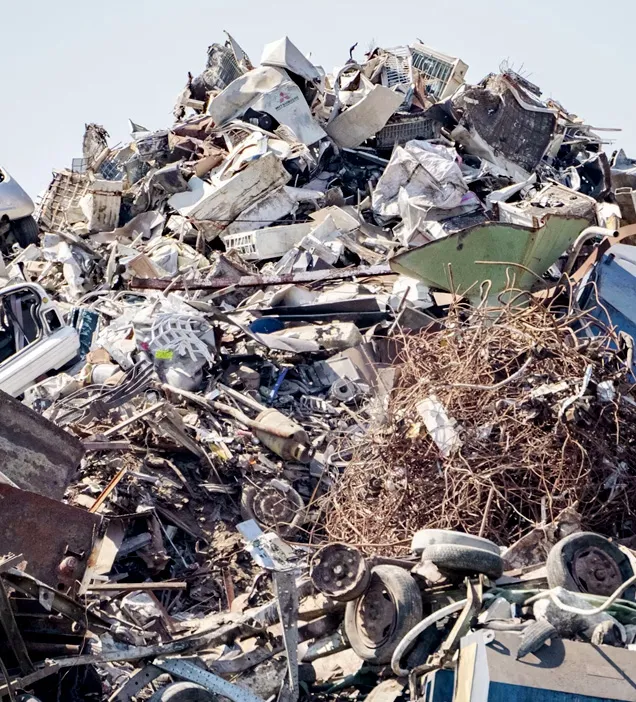
Converting non-recyclable urban waste into RDF pellets provides a cleaner alternative fuel for cement kilns and industries, addressing landfill overflows in cities like Nairobi and Mombasa.

Raw grain puffing PRODUCTION
Raw grain puffing SOLUTION
Expanding grains like maize or sorghum creates nutritious, digestible ingredients for weaning animal feeds or human snacks. This value-added processing can boost the profitability of local grain stores and processors.


Pyrolytic carbon PELLET PRODUCTION
Pyrolytic carbon PELLET SOLUTION
Biochar from agricultural waste, when pelletized, becomes a powerful soil amendment and carbon sink. This aligns perfectly with Kenya’s climate-smart agriculture goals, offering farmers a tool to improve yields and sequester carbon.


Rat poison PELLET PRODUCTION
Rat poison PELLET SOLUTION
Formulating targeted bait pellets for rodents and snails helps protect Kenya’s vital grain stores and horticultural exports. Local production ensures availability and allows for specific formulations against local pest species.


solid waste PELLET PRODUCTION
solid waste PELLET SOLUTION
Diverse waste streams—from market refuse to textile dust—can be analyzed and pelletized for energy recovery or material reuse. Richi Machinery specializes in creating custom solutions to tackle Kenya’s unique waste challenges, turning liabilities into assets.


Our Core Equipment for Kenya’s Industries
Richi Machinery provides more than just a pellet making machine in Kenya; we supply the full ecosystem of robust, complementary equipment needed to build a successful processing plant. Each unit is engineered to handle Kenya’s specific raw materials, from the grasslands of the Rift Valley to the agricultural hubs nationwide. Below are our key machines actively powering businesses across the country.
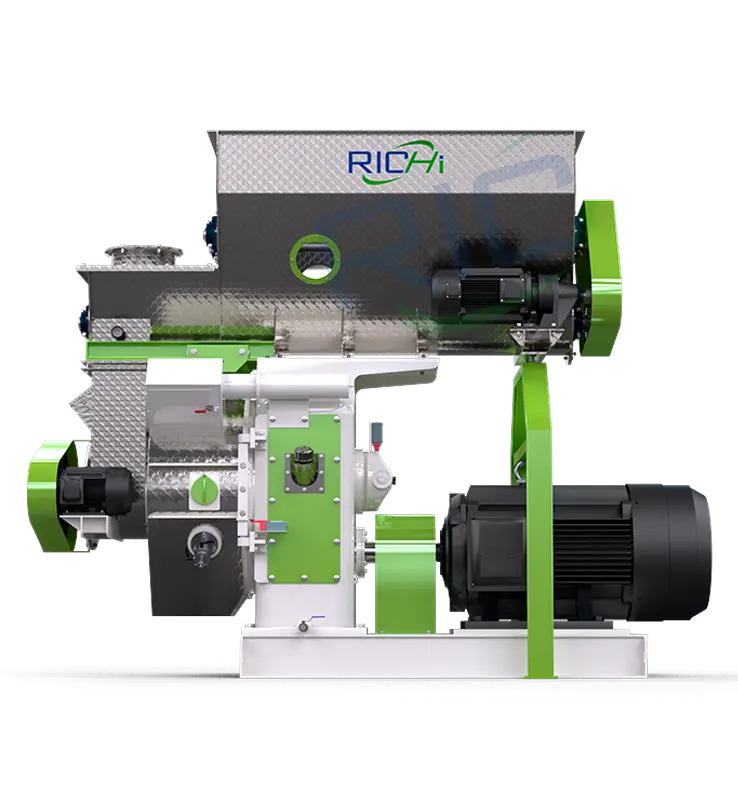
biomass pellet mill
Our heavy-duty mills process Kenya’s abundant coffee husks, macadamia shells, and sawdust into dense fuel pellets. They are the core of clean energy projects, providing a sustainable alternative to charcoal and creating new revenue from agricultural waste.

grass pellet machine
Specifically designed for tough, fibrous materials like Napier grass and Rhodes grass, this machine produces nutritious fodder pellets for dairy and beef cattle, helping farmers secure year-round feed supply and improve livestock health.

feed mill pellet machine
The industry standard for Kenyan poultry and livestock feed production. It efficiently transforms local maize, soybean meal, and wheat bran into durable, digestible pellets that boost animal growth rates and feed conversion efficiency.
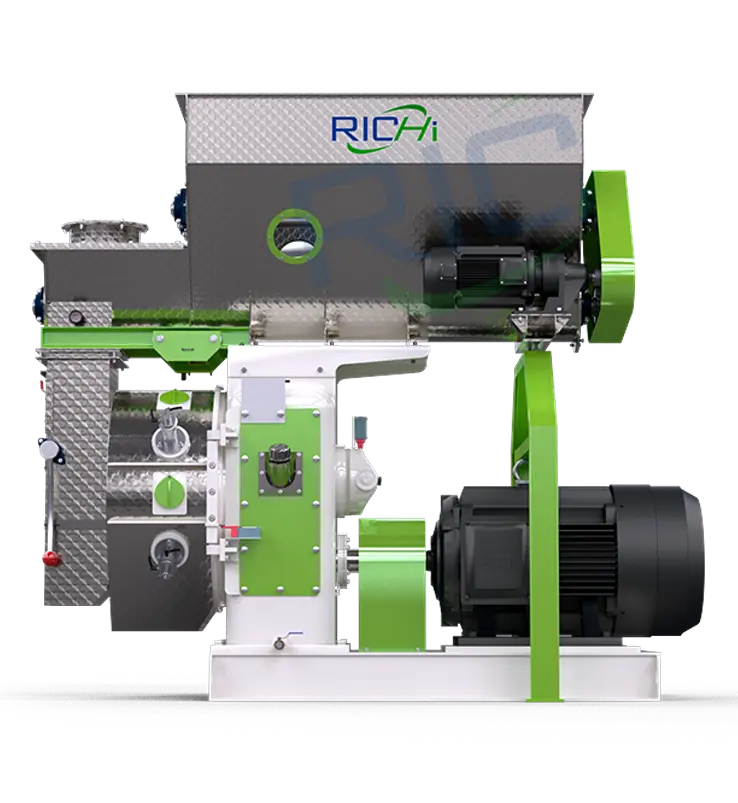
fertilizer granulator equipment
This corrosion-resistant granulator converts poultry manure, composted green waste, and NPK blends into uniform, easy-to-apply fertilizer pellets. It supports Kenya’s push for enhanced soil fertility and organic farming practices.

twin screw extruder
Critical for Kenya’s growing aquaculture sector, it produces high-fat, floating fish feed for tilapia and catfish. Its precise cooking process ensures optimal nutrition and water stability, directly improving farm profitability.
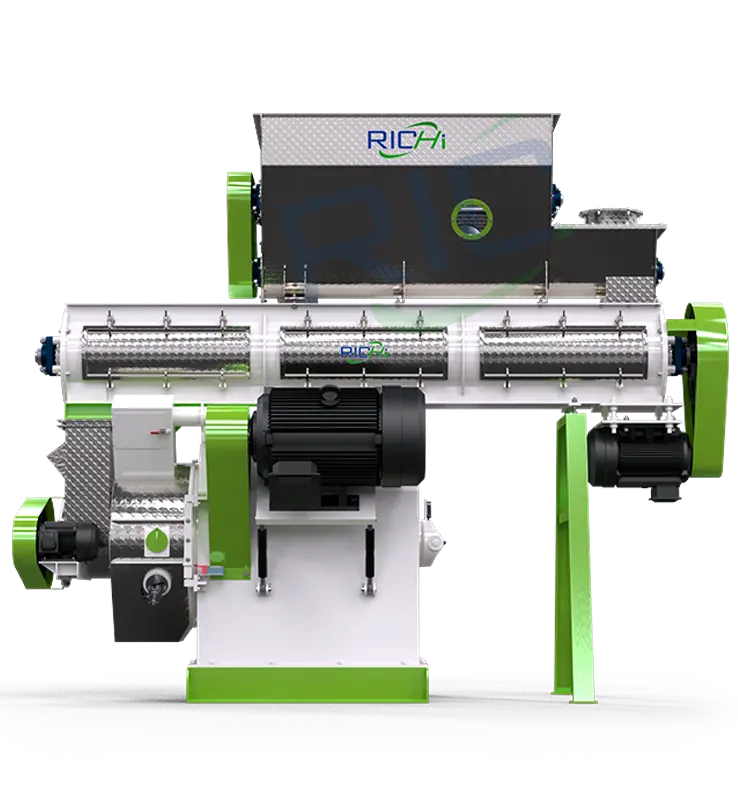
straw pellet machine
Tackling post-harvest residues like maize and wheat straw, this machine creates compact pellets for both animal bedding and solid biofuel, offering farmers a practical solution to field burning and an extra income stream.

shrimp feed pellet machine
While niche, this specialized extruder enables the production of slow-sinking, high-protein feed for emerging brackish water shrimp farming projects along the Kenyan coast, supporting aquaculture diversification.

cat litter pellet machine
Processes absorbent local materials like recycled paper or kenaf into clumping or non-clumping cat litter pellets. It taps into the growing urban pet care market, offering an affordable alternative to imports.
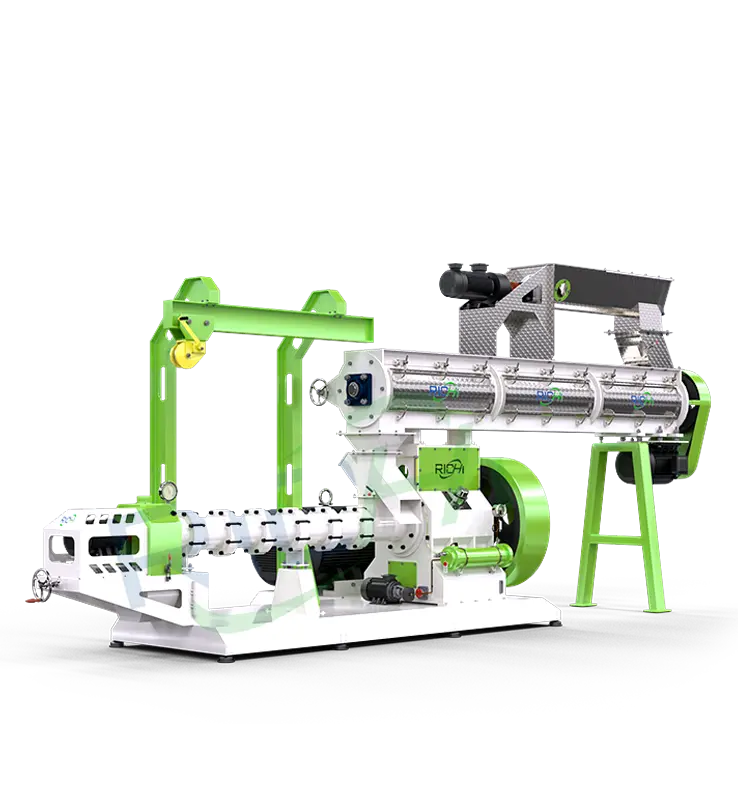
single screw extruder machine
A versatile workhorse for producing floating fish feed, pet food, and textured vegetable protein. Its reliability makes it ideal for medium-scale Kenyan processors entering the value-added food and feed markets.

Grain extruder machine
Used to puff grains like sorghum or maize for nutritious snack ingredients or highly digestible weaning animal feed. This adds significant value to local cereal crops for Kenyan food and feed processors.
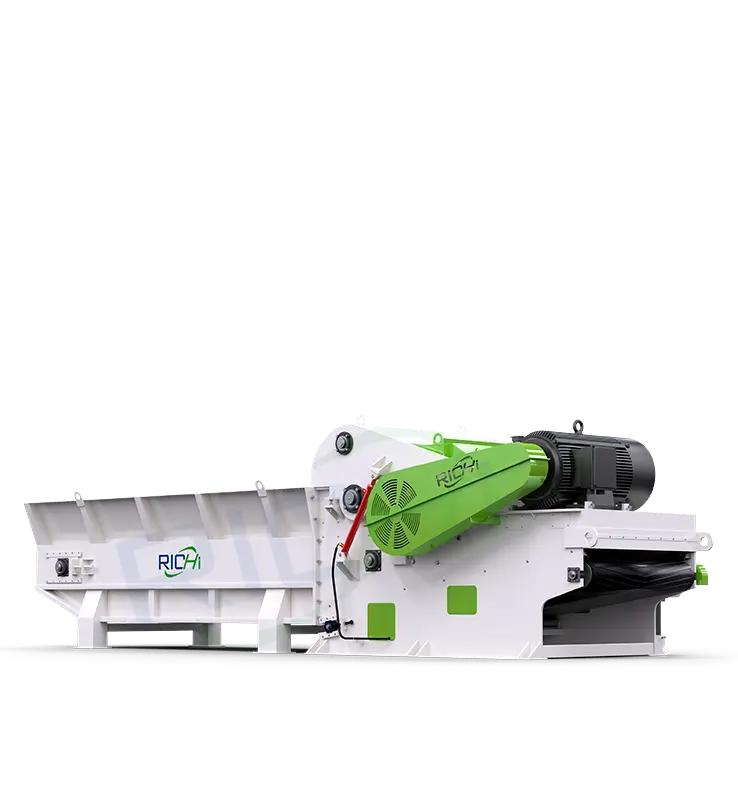
wood chipper machine
Prepares scrap wood, branches, and offcuts from timber yards into uniform chips, which are essential first-step feedstock for biomass pellet plants or composting operations across Kenya.

shredder machine
Handles diverse bulky waste streams such as municipal solid waste, bales of straw, or plastic, reducing them to a manageable size for further processing in RDF (Refuse-Derived Fuel) or recycling lines.

Wood Chip Dryer
Essential for conditioning coffee husks, sawdust, and other wet agro-residues to the optimal moisture content for pelleting. This dryer is key to ensuring consistent quality in Kenya’s biofuel production.

bale crusher
Efficiently opens dense bales of hay, straw, or Napier grass, which are common in Kenyan agriculture, preparing the material for consistent size reduction and mixing in feed or biomass production lines.

hammer mill
A versatile grinder for both feed ingredients (maize, grains) and biomass materials (wood chips, straw). Its efficiency in achieving a uniform particle size is fundamental to quality pellet production in any pellet making machine in Kenya.

mesh belt dryer
Gently dries temperature-sensitive materials like certain herbs, vegetables, or high-protein insect meal (Black Soldier Fly), preserving nutrients for Kenya’s growing niche in processed agricultural exports and specialty feeds.

Feed mixer machine
Ensures a perfectly homogenous blend of vitamins, minerals, and ground grains, which is critical for producing nutritionally consistent and high-quality feed for Kenya’s poultry, dairy, and aquaculture industries.

fertilizer crusher machine
Effectively breaks down caked manure and compost clumps into a fine powder, which is a necessary preparatory step for producing smooth, uniform organic fertilizer pellets on Kenyan farms.

feed chopper machine in kenya
Specifically designed to pre-cut long, fibrous grass and crop straws before fine grinding, dramatically improving the efficiency of feed and biomass preparation lines. This device can also be called a silage chopper, forage crusher, or straw shredder.

vibrating screening machine
Used for both cleaning raw materials (removing stones from grains) and screening finished pellets to remove fines, ensuring only top-quality product is packaged for Kenyan customers.

storage silos
Provides crucial storage for raw materials like grain or sawdust and finished pellets, enabling bulk handling, continuous plant operation, and protection of goods from Kenya’s variable weather, adding operational resilience.
Your Pellet Production Questions for Kenya
Navigating the complexities of starting or expanding a pellet production business requires reliable, locally-relevant information. Based on our extensive experience supplying complete pellet making machine in Kenya projects, we’ve compiled answers to the most pressing questions from Kenyan entrepreneurs, farmers, and industrial processors. This section addresses practical concerns about raw materials, machine selection, process design, and the realities of operating in the Kenyan market.
What are the detailed specifications of the pellet making machines you export to Kenya?
+
A detailed understanding of the technical specifications of a pellet making machine in Kenya is crucial for selecting the right equipment for your specific project. As the leading supplier of pelletizing solutions to Kenya, we offer a diverse range of ring die pellet mills engineered for different materials.
Below are the core parameters for our most commonly supplied categories, which form the backbone of feed, biomass, fertilizer, and pet product plants across the country. The data provided reflects standard models, and actual performance can be influenced by material characteristics, formulation, and process design.
The following specifications will help you make an informed initial assessment for your operation in Kenya:
Feed Pellet Mill (Ideal for poultry, livestock, and aqua feed)
| Model | SZLH250 | SZLH320 | SZLH350 | SZLH420 | SZLH508 | SZLH558 | SZLH678 | SZLH768 |
|---|---|---|---|---|---|---|---|---|
| Main Motor Power (kw) | 22 | 37 | 55 | 110 | 160 | 185 | 250 | 315 |
| Feeder Power (kw) | 1.1 | 1.5 | 1.5 | 1.5 | 1.5 | 1.5 | 1.5 | 2.2 |
| Conditioner Power (kw) | 1.5 | 4 | 4 | 7.5 | 7.5 | 11 | 11 | 11 |
| Ring Die Inner Diameter (mm) | 250 | 320 | 350 | 420 | 508 | 558 | 673 | 762 |
| Finished Pellet Diameter (mm) | 2~12 | |||||||
| Capacity (T/H) | 1.0-1.5 | 3-4 | 5-6 | 10-12 | 15-16 | 20-22 | 30-33 | 38-40 |
Wood Pellet Mill (For sawdust, wood shavings, and other woody biomass)
| Model | MZLH320 | MZLH350 | MZLH420 | MZLH520 | MZLH678 | MZLH768 |
|---|---|---|---|---|---|---|
| Main Motor Power (kw) | 22 | 37 | 90 | 132 | 185 | 250 |
| Arch-Breaker Feeder Power (kw) | 2.2 | 2.2 | 3 | 3 | 3 | 4 |
| Forced Feeder Power (kw) | 0.75 | 0.75 | 1.5 | 1.5 | 1.5 | 1.5 |
| Ring Die Inner Diameter (mm) | 320 | 350 | 420 | 520 | 673 | 762 |
| Finished Pellet Diameter (mm) | 4~12 | |||||
| Capacity (T/H) | 0.2-0.3 | 0.3-0.5 | 1.0-1.2 | 1.5-2.0 | 2.5-3.0 | 3.0-4.0 |
Straw/Grass Pellet Mill (Optimized for Napier grass, crop straws, hay)
| Model | CZLH320 | CZLH350 | CZLH420 | CZLH520 | CZLH678 | CZLH768 |
|---|---|---|---|---|---|---|
| Main Motor Power (kw) | 22 | 37 | 90 | 132 | 185 | 250 |
| Arch-Breaker Feeder Power (kw) | 2.2 | 2.2 | 3 | 3 | 3 | 4 |
| Forced Feeder Power (kw) | 0.75 | 0.75 | 1.5 | 1.5 | 1.5 | 1.5 |
| Ring Die Inner Diameter (mm) | 320 | 350 | 420 | 520 | 673 | 762 |
| Finished Pellet Diameter (mm) | 4~12 | |||||
| Capacity (T/H) | 0.5-0.6 | 1.0-1.2 | 1.8-2.0 | 2.8-3.0 | 4-5 | 6-8 |
Cat Litter Pellet Mill (For bentonite, paper, wood-based absorbent materials)
| Model | MSZLH250 | MSZLH320 | MSZLH350 | MSZLH420 | MSZLH508 | MSZLH558 | MSZLH678 | MSZLH768 |
|---|---|---|---|---|---|---|---|---|
| Main Motor Power (kw) | 22 | 37 | 55 | 110 | 160 | 185 | 250 | 315 |
| Feeder Power (kw) | 1.1 | 1.5 | 1.5 | 1.5 | 1.5 | 1.5 | 1.5 | 2.2 |
| Conditioner Power (kw) | 1.5 | 4 | 4 | 7.5 | 7.5 | 11 | 11 | 11 |
| Ring Die Inner Diameter (mm) | 250 | 320 | 350 | 420 | 508 | 558 | 673 | 762 |
| Finished Pellet Diameter (mm) | 2~12 | |||||||
| Capacity (T/H) | 1.0-1.5 | 3-4 | 5-6 | 10-12 | 15-16 | 20-22 | 30-33 | 38-40 |
Fertilizer Pellet Mill (For organic manure, compost, NPK blends)
| Model | FZLH250 | FZLH320 | FZLH350 | FZLH420 | FZLH520 | FZLH678 | FZLH768 |
|---|---|---|---|---|---|---|---|
| Main Motor Power (kw) | 22 | 22 | 37 | 90 | 132 | 185 | 250 |
| Arch-Breaker Feeder Power (kw) | 2.2 | 2.2 | 2.2 | 3 | 3 | 3 | 4 |
| Forced Feeder Power (kw) | 0.75 | 0.75 | 0.75 | 1.5 | 1.5 | 1.5 | 1.5 |
| Ring Die Inner Diameter (mm) | 250 | 320 | 350 | 420 | 520 | 673 | 762 |
| Finished Pellet Diameter (mm) | 4~12 | ||||||
| Capacity (T/H) | 1-1.5 | 2-3 | 3-5 | 6-8 | 9-12 | 18-22 | 22-26 |
Please note, the tables above represent our primary series of pellet making machines in Kenya and are not an exhaustive list. Our expertise extends to specialized models and custom engineering. The exact capacity for your operation will depend on your specific raw material properties (moisture, composition, grind size) and desired final pellet specification.
Whether your project involves unique agricultural residues, industrial by-products, or novel formulations, our team can configure and customize a machine or a complete system to meet your precise Kenyan market requirements. We provide more than just equipment; we deliver tailored pelleting solutions.
What is the pellet making machine price in Kenya?
+
Understanding the pellet machine price in Kenya is a key first step for any investor or business planning to enter the pellet production sector. The cost of a pellet making machine in Kenya is not a single figure, as it varies significantly based on the machine type, capacity, motor power, and level of automation.
Prices are primarily determined by the intended application—such as animal feed, biomass fuel, or organic fertilizer—and the required hourly output. Below is a detailed price guide for our most commonly exported models to Kenya, presented in US Dollar FOB price ranges.
These ranges reflect standard configurations; final costs can be influenced by specific technical modifications, optional accessories, and current market conditions for raw materials like steel.
To help you navigate your investment, here is a breakdown of estimated price ranges for different pellet machine categories:
Single Ring Die Feed Pellet Machine (FOB Price Range)
This category is crucial for Kenya’s growing poultry, dairy, and livestock feed industry. Prices scale with capacity and power.
| Model & Capacity | Approximate FOB Price Range (USD) |
|---|---|
| SZLH250 (22KW): 1-2T/H | $7,000 – $8,500 |
| SZLH320 (37KW): 3-4T/H | $15,500 – $18,000 |
| SZLH350 (55KW): 5-6T/H | $27,000 – $31,000 |
| SZLH420 (110KW): 10T/H | $28,500 – $33,000 |
| SZLH508 (160KW): 15T/H | $39,000 – $46,000 |
| SZLH558 (185KW): 20T/H | $46,000 – $54,000 |
| SZLH678 (250KW): 30T/H | $62,000 – $72,000 |
| SZLH768 (315KW): 40T/H | $74,000 – $87,000 |
Single Biomass Wood Pellet Machine (FOB Qingdao Price Range)
Price includes anti-arching feeder, force feeder, pelletizer, and control cabinet. Ideal for processing sawdust, coffee husks, and other woody biomass into fuel pellets.
| Model & Capacity | Approximate FOB Price Range (USD) |
|---|---|
| MZLH320 (22KW): 0.2-0.3T/H | $14,000 – $16,500 |
| MZLH350 (37KW): 0.3-0.5T/H | $19,000 – $22,000 |
| MZLH420 (90KW): 1-1.2T/H | $27,500 – $32,000 |
| MZLH520 (132KW): 1.5-2T/H | $42,000 – $48,500 |
| MZLH678 (200KW): 2.5-3T/H | $62,000 – $72,000 |
| MZLH768 (315KW): 3-4T/H | $74,000 – $87,000 |
Single Grass Pellet Machine (FOB Qingdao Price Range)
Price includes anti-arching feeder, conditioner, force feeder, pelletizer, and control cabinet. Optimized for tough, fibrous materials like Napier grass and crop straws for fodder or fuel.
| Model & Capacity | Approximate FOB Price Range (USD) |
|---|---|
| CZLH250 (22KW): 0.3-2T/H | $7,200 – $8,800 |
| CZLH320 (22KW): 0.5-4T/H | $18,000 – $21,000 |
| CZLH350 (37KW): 1-6T/H | $23,000 – $27,000 |
| CZLH420 (90KW): 2-10T/H | $28,500 – $33,000 |
| CZLH520 (132KW): 3-12T/H | $48,000 – $55,000 |
| CZLH678 (200KW): 4-20T/H | $68,000 – $80,000 |
| CZLH768 (315KW): 6-30T/H | $80,000 – $95,000 |
Key Entry-Level Price Points:
For entrepreneurs or small-scale farmers starting out, the small animal feed pellet machine price in Kenya typically begins in the range of $7,000 – $8,500 for a model like the SZLH250 or CZLH250, capable of 1-2 tons per hour. Similarly, the small pellet machine price in Kenya for basic biomass or fertilizer applications can start from around $14,000, depending on the specific material requirements and configuration.
It is important to note that the models and prices listed above represent our primary series of pellet making machines in Kenya and are not an exhaustive list. The final pellet machine price in Kenya for your project is highly customizable.
Factors such as the specific raw material characteristics, desired pellet quality, degree of automation (semi-automatic vs. fully automatic lines), and inclusion of auxiliary equipment (crushers, dryers, coolers, packers) will all influence the total investment. We provide tailored solutions for virtually any material and production goal.
To receive an accurate and detailed quotation tailored to your specific needs—whether for a single machine or a complete turnkey pellet making machine in Kenya production line—please contact our sales team with your detailed requirements regarding raw material, desired capacity, and final product specification.
What is the animal feed making machine price in Kenya?
+
The animal feed making machine price in Kenya varies considerably based on the scale of the operation, the level of automation, and whether you are purchasing a standalone pellet mill or a complete production system.
For poultry farmers and feed millers, the core investment often centers on a reliable pellet making machine in Kenya, but the full value and efficiency come from a integrated processing line. Below, we break down the cost structure for both individual pellet mills and complete poultry feed production lines, providing transparent price ranges to help you plan your investment.
The poultry feed making machine price in Kenya primarily depends on the desired hourly output (Capacity in T/H). Here is a detailed price guide for our single ring die feed pellet machines, which form the heart of any feed milling operation:
Single Poultry Feed Pellet Machine (FOB Price Range)
| Model & Capacity | Approximate FOB Price Range (USD) |
|---|---|
| SZLH250 (1-2 T/H) | $7,000 – $8,500 |
| SZLH320 (3-4 T/H) | $15,500 – $18,500 |
| SZLH350 (5-6 T/H) | $27,000 – $32,000 |
| SZLH420 (8-10 T/H) | $29,000 – $34,000 |
| SZLH508 (12-15 T/H) | $40,000 – $47,000 |
| SZLH558 (18-22 T/H) | $47,000 – $55,000 |
| SZLH678 (28-33 T/H) | $65,000 – $75,000 |
| SZLH768 (36-40 T/H) | $78,000 – $92,000 |
For businesses aiming for full control over quality, consistency, and cost, investing in a complete plant is the strategic choice. The chicken feed machine price in Kenya for a turnkey system includes all necessary equipment from raw material receiving to finished bagging.
Complete Ring Die Poultry Feed Production Line (Turnkey animal feed factory Project Price Range)
A complete line transforms raw grains and meals into finished, packaged feed. The price escalates with capacity, automation level, and the inclusion of specialized modules like mash lines or crumble systems.
| Project Scale & Capacity | Approximate Turnkey Price Range (USD) |
|---|---|
| Small-Scale Line (1-3 T/H) | $30,000 – $120,000 |
| Medium-Scale Line (5-10 T/H) | $120,000 – $350,000 |
| Large-Scale Line (15-30 T/H) | $350,000 – $750,000 |
| Industrial-Scale Line (40-60 T/H) | $750,000 – $1,100,000 |
| *Note: We also engineer and supply higher-capacity lines up to 120 T/H.* | |
It is important to understand that our poultry feed pellet making machine in Kenya is highly versatile and not limited to chicken feed. The same robust series of ring die mills is expertly applied to produce high-quality pellets for layers, broilers, ducks, dairy cattle, pigs, and other livestock.
The final animal feed making machine price in Kenya for your project is custom-quoted based on your specific formulation, raw material characteristics, desired pellet size, and automation requirements.
We provide more than just a machine price; we deliver complete, customized animal feed milling machine solutions. Whether you need a simple standalone pellet press or a fully automated factory, our engineering team can design a system to match your exact needs and budget. For a precise quotation tailored to your production goals, please contact us with your detailed requirements.
What is the biomass pellet plant price in Kenya?
+
The biomass pellet plant price in Kenya is not a standard figure, as it is fundamentally dependent on the project’s scale, the complexity of the feedstock, and the degree of automation required. A plant designed to process dry, uniform sawdust will differ in configuration and cost from one handling wet, abrasive coffee husks that require extensive drying and conditioning.
The core of any such plant is a high-performance pellet making machine in Kenya, but the total investment encompasses a complete system from raw material intake to finished pellet packing. The following price ranges provide a realistic estimate for turnkey biomass pellet plants of various capacities, based on our extensive project history in Kenya.
These ranges reflect FOB values for standard plant configurations and serve as a benchmark; your specific quotation will be tailored after a detailed analysis of your raw material and production goals.
Below is a detailed overview of the estimated investment range for complete biomass pellet making plants, from small-scale ventures to large industrial facilities:
Biomass Pellet Plant Kenya Price (Complete Turnkey Line – FOB Price Range)
| Plant Capacity (T/H) | Approximate Turnkey Project Price Range (USD) |
|---|---|
| 0.2 – 0.3 T/H | $18,000 – $140,000 |
| 0.3 – 0.5 T/H | $26,000 – $160,000 |
| 1.0 – 1.2 T/H | $36,000 – $220,000 |
| 1.5 – 2.0 T/H | $52,000 – $270,000 |
| 2.5 – 3.0 T/H | $72,000 – $350,000 |
| 3.0 – 4.0 T/H | $88,000 – $430,000 |
| 5.0 – 6.0 T/H | $150,000 – $570,000 |
| 6.0 – 8.0 T/H | $175,000 – $690,000 |
| 10 – 12 T/H | $260,000 – $1,100,000 |
| 12 – 15 T/H | $440,000 – $1,430,000 |
| 20 – 24 T/H | $530,000 – $2,100,000 |
| Note: We design and supply plants for even higher capacities based on project requirements. | |
Critical Factors Influencing the Final Price:
The wide range within each capacity tier is due to several key variables:
- Feedstock Type & Preparation: Processing coffee husks, macadamia shells, or mixed agricultural waste often requires more robust pre-treatment (e.g., heavy-duty shredders, hammer mills, and rotary dryers) compared to dry planer shavings, significantly impacting the biomass pellet plant price in Kenya.
- Moisture Content: High-moisture materials necessitate efficient and often larger drying systems, which are a major cost component.
- Automation Level: A fully automated biomass pelletizing plant with PLC control and pneumatic conveying commands a higher investment than a semi-automatic setup with manual bagging.
- Auxiliary Equipment: The inclusion of specific equipment like coolers, screening systems, bulk storage silos, and advanced packing lines will adjust the final price.
It is essential to understand that every biomass pellet plant price in Kenya we provide is for a custom-engineered solution. There is no “one-size-fits-all” plant. We specialize in configuring systems for Kenya’s diverse biomass streams—from wood mill residues and sugarcane bagasse to horticultural and urban green waste.
The heart of these systems, our pellet making machine in Kenya, is selected and configured from our specialized series (MZLH, CZLH) to match the abrasiveness and fiber content of your specific material.
For an accurate and detailed quotation, please contact our engineering team with information about your target feedstock, its initial moisture content, available space, and desired annual production. We will provide a customized plant layout and equipment list to meet your precise business objectives.
What are the price ranges for complete feed and pellet production lines in Kenya?
+
Understanding the investment required for a complete pellet production line is critical for business planning in Kenya. The total cost varies dramatically based on the application (feed, biomass, etc.), capacity, raw material complexity, and level of automation.
While the pellet making machine in Kenya is the core of most lines, the full system price encompasses all equipment from raw material intake to finished product packaging. Below are detailed price ranges for different types of complete turnkey lines we commonly supply to the Kenyan market. These are FOB price ranges for standard configurations and serve as a reliable starting point for your budgeting.
The following tables outline investment ranges for various complete production line projects:
1. Livestock & Poultry Feed Production Line Price (Complete Turnkey)
For operations ranging from small farms to large commercial mills.
- Small Scale (Flat Die Systems): Ideal for starter farms, includes hammer mill, mixer, and flat die pelletizer.
- 1T/H Mash Feed + 0.2-0.3T/H Pellet Feed: ~ $12,500 – $15,000
- 1T/H Mash Feed + 0.5-0.6T/H Pellet Feed: ~ $13,500 – $16,500
- 1T/H Mash Feed + 0.8-1.0T/H Pellet Feed: ~ $14,500 – $18,000
- Commercial Scale (Ring Die Systems): For dedicated animal feed mill plants, includes weighing, grinding, mixing, conditioning, pelleting, cooling, and packing.
- 1-2 T/H Line: $28,000 – $65,000
- 3-4 T/H Line: $55,000 – $220,000
- 5-6 T/H Line: $75,000 – $275,000
- 10 T/H Line: $160,000 – $350,000
- 15 T/H Line: $220,000 – $440,000
- 20 T/H Line: $410,000 – $660,000
- 30-40 T/H Line: $600,000 – $880,000
- 60+ T/H Line: From $1,100,000
2. Aquafeed Extrusion Line Price (Complete Turnkey)
For floating/sinking fish and shrimp feed production.
- Single-Screw Extruder Lines:
- 200-400 kg/h: $55,000 – $90,000
- 500-600 kg/h: $65,000 – $110,000
- 800-1000 kg/h: $120,000 – $190,000
- Twin-Screw Extruder Lines (Higher Stability & Fat):
- 0.5-1.0 T/H: $140,000 – $220,000
- 1.5-2.0 T/H: $410,000 – $620,000
- 3.0-4.0 T/H: $500,000 – $720,000
- 5.0-6.0 T/H: $630,000 – $925,000
- 8.0-10.0 T/H: $820,000 – $1,320,000
3. Alfalfa/Grass & Straw Pellet Line Price (Complete Turnkey)
For producing fodder pellets or biomass fuel from fibrous materials.
- 0.3-2 T/H Line: $34,000 – $68,000
- 0.5-4 T/H Line: $75,000 – $220,000
- 1-6 T/H Line: $90,000 – $240,000
- 2-10 T/H Line: $175,000 – $440,000
- 3-12 T/H Line: $200,000 – $500,000
- 4-20 T/H Line: $280,000 – $680,000
(Higher capacity lines are available upon request.)
The above represents our primary line configurations for the Kenyan market but is not an exhaustive list. It is crucial to note that every production line we supply is custom-engineered.
The final pellet making machine in Kenya selection and overall system design—including crushers, dryers, coolers, and automation—are tailored to your specific raw material (e.g., moisture, abrasiveness), recipe/formula, and final product specifications. These factors, along with logistical and installation requirements, directly influence the final project price.
For an accurate quotation, please contact our engineering team with your detailed project brief, including target raw materials, desired capacity, and final product goals.
What is the hammer mill price in Kenya?
+
The hammer mill price in Kenya is a primary consideration for animal feed processing plants, biomass plants, and grain processors, as this machine is the essential first step in preparing raw materials for pelleting or further processing.
As a leading supplier, we offer a comprehensive range of drop-type (water-drop) hammer mills engineered for the diverse materials found in Kenya, from grains and oilcakes to tough fibrous straws and wood chips.
The final hammer mill price depends on the model’s capacity, motor power, and the specific material it’s designed to crush most efficiently. Below are the detailed specifications and estimated price ranges for our SFSP series, which are the industry standard in Kenyan commercial operations.
Drop-Type Hammer Mill Specifications & Price Guide (FOB Ranges)
| Model | Rotor Dia. (mm) | Chamber Width (mm) | Power (kw) Options | Grain Capacity (T/H) | Grass/Straw Capacity (T/H) | Wood Chip Capacity (T/H) | Approx. FOB Price Range (USD) |
|---|---|---|---|---|---|---|---|
| SFSP56×40 | 560 | 400 | 37 | 3-5 | 0.8-1.0 | 0.5-0.6 | $4,500 – $6,500 |
| SFSP66×60 | 660 | 600 | 55 / 75 | 5-6 / 6-7 | 1.0-1.5 | 1.0-1.2 | $6,800 – $10,500 |
| SFSP66×80 | 660 | 800 | 75 / 90 / 110 | 8-10 / 10-12 | 2.0-2.5 | 2.0-2.5 | $9,500 – $15,000 |
| SFSP66×100 | 660 | 1000 | 110 / 132 / 160 | 15-17 / 20-22 | 3.0-4.0 | 3.0-4.0 | $13,000 – $22,000 |
| SFSP66×120 | 660 | 1200 | 160 / 185 / 220 | 25-27 / 30-32 | 5.0-6.0 | 4.0-5.0 / 5.0-6.0 | $18,000 – $30,000 |
| SFSP66×150 | 660 | 1500 | 220 | 40-50 | 7.0-8.0 | 7.0-8.0 | $28,000 – $42,000 |
Key Features & Application Guidance:
- Versatile Grinding: This series is a true multi-purpose industrial hammer mill. It efficiently processes grains (maize, wheat) for feed hammer mill applications, fibrous Napier grass and straws, and even wood chips for wood hammer mill tasks in biomass plants. The final particle size (0.5mm to 20mm) is easily controlled by changing the screen mesh.
- Advanced Design: The patented water-drop shaped chamber disrupts material airflow for higher efficiency, increasing output by up to 25% compared to conventional designs. The reversible rotor doubles hammer life, a critical feature for processing abrasive materials.
- Built for Durability: Constructed as a heavy duty hammer mill, it features a dynamically balanced rotor for minimal vibration, adjustable crushing components, and safety interlock systems, ensuring reliable, safe, and long-term operation in demanding Kenyan milling environments.
- Choosing the Right Model: Selecting the correct hammer mill is crucial. A model sized for grain will be overloaded by fibrous straw. We guide you to the optimal grain crusher machine or heavy duty hammer mill based on your primary material. For operations processing multiple materials (e.g., a feed preparation plant that also grinds hay), we recommend sizing for the toughest, most voluminous material.
Important Note on Pricing: The hammer mill price in Kenya listed above is for the standalone machine in a standard configuration. The final cost can be influenced by the choice of motor brand, specific screen sizes required, the inclusion of starters and magnetic separators, and shipping terms. We provide fully customized solutions, including complete grinding systems with cyclones, airlocks, and pneumatic conveyors.
For an accurate quotation tailored to your specific material and capacity needs, please contact our technical sales team with your detailed requirements.
What is the wood chipper machine price in Kenya?
+
For businesses in Kenya involved in biomass fuel production, composting, or timber waste management, a reliable wood chipper is the essential first-step machine. The wood chipper machine price in Kenya varies significantly based on the machine’s capacity, power, and intended application—from processing orchard prunings to chipping large-diameter logs and mill waste.
Our XPJ series drum chippers are engineered as robust industrial wood chipper solutions, built to handle the tough, often variable wood feedstock found in Kenyan operations. The price range for a quality wood chipper typically falls between $16,000 and $100,000+ USD (FOB), depending entirely on the model specifications required for your project.
Below are the technical specifications and estimated investment ranges for our core range of drum chippers. This will help you correlate machine capability with the industrial wood chipper Kenya price.
Drum Wood Chipper Specifications & Price Guide (FOB Ranges)
| Model | Feed Inlet Size (mm) | Max. Feed Diameter (mm) | Main Motor Power (KW) | Hydraulic System | Approx. Output Capacity* | Approx. FOB Price Range (USD) |
|---|---|---|---|---|---|---|
| XPJ500x230 | 500 x 230 | φ230 | 75 | Yes | Low-Medium | $16,000 – $28,000 |
| XPJ680x300 | 680 x 300 | φ300 | 90 | Yes | Medium | $22,000 – $35,000 |
| XPJ500*500 | 500 x 500 | φ500 | 110 | Yes | Medium-High | $30,000 – $48,000 |
| XPJ850*500 | 850 x 500 | φ500 | 132 | Yes | High | $40,000 – $65,000 |
| XPJ1200*500 | 1200 x 500 | φ500 | 200 | Yes | Very High | $55,000 – $85,000 |
| XPJ850*600 | 850 x 600 | φ600 | 200 | Yes | Very High | $60,000 – $100,000+ |
**Output capacity is highly dependent on feed material type, size, and moisture content.
Key Features & Selection Guidance for the Kenyan Market:
- Core Function & Customization: These industrial wood chipper units are designed to process logs, branches, slabs, and construction wood waste into uniform 20-40mm chips, which are ideal feedstock for biomass pellet mills, boiler systems, or composting. The output screen size can be customized to meet your specific requirements for the next stage of your process.
- Heavy-Duty Construction: Built from high-strength steel plate, these chippers are made for the demanding environment of a Kenyan biomass yard. The core components, including the heat-treated, wear-resistant alloy steel knives (flying and bed knives), are selected for longevity and reduced maintenance costs.
- Hydraulic Feeding System: A critical feature for consistent operation. The hydraulic feed system automatically adjusts the feed rollers to grip material of varying diameters, ensuring forced, steady feeding without slippage or kickback. This is essential for safety and maximizing throughput when processing mixed wood waste.
- Precision Engineering: The rotor is dynamically balanced to ensure smooth, low-vibration, and quiet operation at high speeds, directly extending the machine’s service life and improving the working environment.
Understanding the Price Range: The wood chipper machine price in Kenya is directly tied to the machine’s power and intake size. A smaller model like the XPJ500x230 is perfect for a farm or small sawmill dealing with prunings and off-cuts. In contrast, large-scale biomass plants or municipal waste facilities processing whole tree logs and large debris will require a high-capacity model like the XPJ850*600, which commands a higher investment.
We provide customized wood chipping system solutions. The final configuration and price may include options like different discharge conveyor lengths, specific electrical configurations for Kenyan grid standards, or enhanced knife metallurgy for particularly abrasive woods.
To get a precise quote, please contact our team with details about your primary feedstock material and your target daily or hourly chip production volume.
What is the feed mixer machine price in Kenya?
+
The feed mixer machine price in Kenya is a critical factor for any commercial feed mill, farm, or organic fertilizer producer aiming to ensure consistent product quality. A good mixer is the heart of the process, guaranteeing that every pellet or bag of mash contains a perfectly uniform blend of grains, protein meals, vitamins, and minerals.
Prices vary widely based on mixer type, capacity, construction material, and discharge mechanism. For a commercial-grade feed mixer machine in Kenya, the investment can range from approximately $2,800 to over $36,500 USD (FOB), depending on your specific operational scale and hygiene requirements.
To help you navigate the options, here is a detailed breakdown of our core mixer series, their applications, and corresponding price estimates.
1. SLHJ Series – Single Shaft Paddle Mixer (Batch Type)
Ideal as a reliable horizontal feed mixer in Kenya for standard feed and premix operations.
| Model | Material | Power (kw) | Batch Capacity (kg) | Effective Volume (m³) | Approx. FOB Price Range (USD) |
|---|---|---|---|---|---|
| SLHJ1A | Carbon Steel | 11 | 500 | 1 | $4,200 – $6,800 |
| SLHJ1B | Stainless Steel | 11 | 500 | 1 | $7,500 – $10,500 |
| SLHJ2A | Carbon Steel | 22 | 1000 | 2 | $7,000 – $10,000 |
| SLHJ2B | Stainless Steel | 22 | 1000 | 2 | $11,000 – $15,000 |
| SLHJ3A | Carbon Steel | 30 | 1500 | 3 | $9,500 – $13,500 |
| SLHJ4A | Carbon Steel | 37 | 2000 | 4 | $12,000 – $17,000 |
| SLHJ6A | Carbon Steel | 55 | 3000 | 6 | $18,000 – $25,000 |
2. SLHSJ Series – Twin Shaft Paddle Mixer (High-Speed, High Uniformity)
A superior paddle mixer in Kenya for fast, thorough mixing of powders, liquids, and difficult blends.
| Model | Material | Power (kw) | Batch Capacity (kg) | Effective Volume (m³) | Approx. FOB Price Range (USD) |
|---|---|---|---|---|---|
| SLHSJ0.5A | Carbon Steel | 5.5 | 250 | 0.5 | $3,800 – $5,500 |
| SLHSJ0.5B | Stainless Steel | 5.5 | 250 | 0.5 | $6,500 – $9,000 |
| SLHSJ1.0A | Carbon Steel | 7.5 | 500 | 1 | $5,500 – $8,000 |
| SLHSJ1.0B | Stainless Steel | 7.5 | 500 | 1 | $9,000 – $12,500 |
| SLHSJ2.0A | Carbon Steel | 18.5 | 1000 | 2 | $10,000 – $14,500 |
| SLHSJ4.0A | Carbon Steel | 30 | 2000 | 4 | $16,000 – $22,000 |
3. SLHY Series – Single Shaft Ribbon Mixer (Economical & Effective)
A cost-effective feed mixer machine in Kenya for small to medium farms and feed mills.
| Model | Discharge Type | Power (kw) | Batch Capacity (kg) | Effective Volume (m³) | Approx. FOB Price Range (USD) |
|---|---|---|---|---|---|
| SLHY0.5A | Manual | 4 | 250 | 0.5 | $2,800 – $4,200 |
| SLHY1.0A | Manual | 7.5 | 500 | 1 | $3,500 – $5,500 |
| SLHY1.0A | Pneumatic | 7.5 | 500 | 1 | $4,500 – $6,500 |
| SLHY2.5L | Pneumatic | 18.5 | 1000 | 2.5 | $7,500 – $11,000 |
| SLHY3.5L | Pneumatic | 30 | 1500 | 3.5 | $10,000 – $14,500 |
| SLHY5.0L | Pneumatic | 37 | 2000 | 5 | $13,000 – $18,500 |
| SLHY7.5L | Pneumatic | 45 | 3000 | 7.5 | $17,000 – $24,000 |
4. STHJ Series – High-Speed Molasses Mixer (Continuous Flow)
For adding liquid molasses to cattle feed, a specialized solution for feed mixer prices in Kenya in the ruminant sector.
| Model | Material Options | Power (kw) | Continuous Output (T/H) | Approx. FOB Price Range (USD) |
|---|---|---|---|---|
| STHJ35x200A/B | C.S. / S.S. | 30 | 15-20 | $14,000 – $20,000 |
| STHJ40x250A/B | C.S. / S.S. | 37 | 20-25 | $17,000 – $24,000 |
| STHJ50x275A/B | C.S. / S.S. | 45 | 25-30 | $21,000 – $29,000 |
5. ZGH Series – Drum Mixer (For Premixes & Additives)
Perfect for small-batch mixing of vitamins, minerals, and medications on the farm.
| Model | Power (kw) | Batch Capacity (kg) | Approx. FOB Price Range (USD) |
|---|---|---|---|
| ZGH-100 | 2.2 | 100 | $1,500 – $2,500 |
| ZGH-200 | 2.2 | 200 | $2,000 – $3,200 |
| ZGH-300 | 3 | 300 | $2,800 – $4,200 |
| ZGH-500 | 7 | 500 | $4,000 – $6,500 |
Choosing the Right Mixer for Your Kenyan Operation:
The wide range in feed mixer machine price in Kenya reflects the diversity of applications. A small-scale chicken feed mixer machine like the SLHY0.5A is sufficient for a homestead poultry operation.
In contrast, a large commercial feed mill factory would require a high-capacity horizontal feed mixer like the SLHJ6A or a high-speed paddle mixer like the SLHSJ4.0A. The choice between carbon steel and stainless steel (which increases the price) is crucial for feed hygiene, corrosion resistance (important for fertilizer mixing), and meeting specific food-grade standards.
All our mixers are part of a customizable equipment ecosystem. The final feed mixer prices in Kenya for your project may be affected by options such as variable frequency drives (VFDs), custom discharge heights, or integrated weighing systems.
To select the optimal model and receive a precise quote, please contact us with your required batch size, primary materials, and any special blending challenges (e.g., high liquid addition).
What is the price of a rotary drum dryer in Kenya?
+
For biomass pellet plants, feed mill engineerings, and organic fertilizer producers in Kenya, managing raw material moisture is often the most critical and energy-intensive step in the process. A rotary drum dryer is the industrial workhorse for this task, capable of efficiently reducing the moisture content in bulk volumes of fibrous or particulate materials.
The rotary drum dryer Kenya price varies significantly based on the unit’s size (diameter and length), thermal capacity, and level of integrated safety systems. For a quality industrial unit, the investment typically ranges from $15,000 to over $180,000 USD (FOB), with the final cost directly linked to your required evaporation capacity and material characteristics.
Below is a detailed specification and price guide for our standard series of drum dryers. This will help you correlate the physical size and expected performance with the investment required for a sawdust drying machine in Kenya or wood chip dryer in Kenya.
Rotary Drum Dryer Specifications & Price Guide (FOB Ranges)
| Model (Diameter x Length) | Diameter (m) | Length (m) | Layers | Typical Application & Capacity* | Approx. FOB Price Range (USD) |
|---|---|---|---|---|---|
| φ0.6×6 | 0.6 | 6 | 1 | Small-scale pilot or farm use. Low evaporation rate. | $15,000 – $28,000 |
| φ0.8×8 | 0.8 | 8 | 1 | Small biomass operations or feed mills. | $25,000 – $45,000 |
| φ1.2×12 | 1.2 | 12 | 1 | Medium-scale drying machine for 1-2 T/H pellet lines. | $45,000 – $75,000 |
| φ1.5×15 | 1.5 | 15 | 1 | Standard for mid-sized wood chip & biomass plants. | $65,000 – $105,000 |
| φ1.8×18 | 1.8 | 18 | 1 | High-capacity dryer for 3-4 T/H pellet plants. | $85,000 – $130,000 |
| φ1.8×20 | 1.8 | 20 | 1 | Enhanced capacity version of the 1.8×18 model. | $95,000 – $145,000 |
| φ1.8×36 | 1.8 | 36 | 1 | Very high capacity, long residence time for very wet materials. | $140,000 – $200,000+ |
| φ1.8x12x3C | 1.8 | 12 | 3 | Triple-pass design for high efficiency in a shorter footprint. | $110,000 – $165,000 |
| φ1.8x24x3C | 1.8 | 24 | 3 | Large triple-pass dryer for maximum thermal efficiency and output. | $160,000 – $250,000+ |
*Actual evaporation capacity (kg water/hour) depends on initial/final moisture content, material type, and heat source temperature.
Key Features & Selection for Kenyan Applications:
- Core Function & Versatility: This rotary drum dryer is engineered to handle the high-moisture feedstocks common in Kenya, such as fresh coffee husks, green sawdust, Napier grass, and poultry manure. It can reliably reduce moisture from 50%+ down to the 10-15% required for effective pelleting or storage.
- Critical Safety Systems: Given the fire risk when drying organic particulates, our dryers are equipped with integrated spark detection and suppression systems (with alarms and water spray). This is a non-negotiable safety feature for any responsible sawdust drying machine operation.
- Robust Construction & Efficiency: Built with heavy-duty cast steel support rings and rollers for smooth, stable operation. The internally lifted flight design ensures optimal contact between material and hot air, maximizing heat transfer and minimizing energy waste—a crucial factor for operating cost control.
- Variable Speed Control: The drum rotation speed (3-12 RPM) is adjustable via a frequency converter. This allows operators to fine-tune the material’s residence time inside the dryer based on its initial wetness, ensuring consistent output moisture regardless of feedstock variations.
Understanding the Price Drivers: The significant range in rotary drum dryer Kenya price is due to scale and complexity. A small φ0.6×6 dryer suits a niche operation, while a large triple-pass (3C) model represents a major capital investment for a high-throughput industrial plant. The choice between a single-pass and a triple-pass model at a similar size involves a trade-off between footprint and thermal efficiency, which also affects price.
We provide fully customized drying solutions. The final wood chip dryer or biomass dryer price can be influenced by the choice of burner (gas, diesel, biomass), insulation level, dust collection cyclones, and control panel sophistication. To determine the optimal model and receive an accurate quote, please provide our engineering team with details about your material, its initial and target moisture content, and your required hourly or daily dry output.
What is the price of a belt dryer machine in Kenya?
+
For Kenyan processors of temperature-sensitive, high-value products—such as extruded aquafeed, fruits, vegetables, herbs, or specialty food ingredients—a belt dryer machine for sale Kenya is the optimal solution. Unlike rotary drum dryers, this continuous belt dryer in Kenya gently and uniformly dries products using controlled, staged heat and air flow, preserving nutritional value, color, and structure.
The belt dryer machine Kenya price is influenced by its size (belt width and number of tiers), heating method (electric or steam), construction material, and level of automation. For an industrial-grade unit, prices typically range from $13,000 to over $250,000 USD (FOB), reflecting the wide spectrum from small-scale food processing to large commercial feed or agricultural export operations.
The following table outlines our standard series of multi-pass mesh belt dryers, their configurations, and corresponding investment estimates. This data is essential for evaluating the fish feed dryer, pet food dryer or vegetable dryer machine suitable for your business.
Multi-Pass Mesh Belt Dryer Specifications & Price Guide (FOB Ranges)
| Model | Heating Method | Total Power (kw) Approx. | Belt Width (m) | Number of Tiers | Drying Area (㎡) | Primary Kenyan Application | Approx. FOB Price Range (USD) |
|---|---|---|---|---|---|---|---|
| DHG-400 | Electric | ~43 | 0.8 | 5 | 13 | Pilot-scale for herbs, fruit slices. | $13,000 – $25,000 |
| DHG-500 | Electric | ~55 | 1.0 | 5 | 21 | Small-scale drying machine or specialty dryer for SME hatcheries. | $20,000 – $40,000 |
| DHG-1000 | Electric | ~78 | 1.2 | 5 | 43 | Medium-scale processing of vegetables, diced fruits, or commercial pet food. | $35,000 – $75,000 |
| DHG-2000 | Electric | ~140 | 1.6 | 5 | 58 | Larger dryer machine operations or mid-sized aquafeed plants. | $60,000 – $120,000 |
| QHG-500 | Steam | ~5.2 | 1.0 | 5 | 21 | Efficient dryer for production lines where steam boiler is available. | $30,000 – $55,000 |
| QHG-1000 | Steam | ~8.1 | 1.2 | 5 | 43 | Standard continuous belt dryer for floating fish feed or large vegetable drying. | $50,000 – $100,000 |
| QHG-2000 | Steam | ~8.1 | 1.6 | 5 | 58 | High-capacity industrial drying for export-scale produce or large aquafeed production. | $80,000 – $160,000+ |
(Note: “QHG” steam models have significantly lower electrical power as thermal energy comes from an external steam boiler.)
Key Features & Selection for Kenyan Agribusiness:
- Precision Drying for Value Addition: This belt dryer machine in Kenya is designed for products where quality cannot be compromised. For a fish feed dryer machine, it ensures uniform moisture reduction (from ~20% to 8-10%) without case-hardening, which is critical for subsequent oil coating and shelf stability. As a fruit drying machine, it preserves color, flavor, and nutrient density in mango slices, pineapples, or passion fruit for export.
- Energy-Efficient & Controlled Process: The closed-loop hot air circulation system recovers and reuses heat until humidity reaches a set point, reducing energy consumption by over 30% compared to simple convection dryers. This is a vital operational cost saving for Kenyan processors.
- Hygienic 304 Stainless Steel Construction: Full SUS304 construction is standard, making it an ideal food dehydrator in Kenya. It meets hygiene standards, resists corrosion from acidic fruits or salty feed, and is easy to clean—essential for compliance with local and export market requirements.
- Zoned Temperature & Time Control: Each drying zone has independent control over temperature, air flow, and humidity. The product experiences a tailored temperature profile (e.g., low start, peak heat, cool finish), which prevents “wet cores” and ensures perfect, consistent dryness throughout the batch. Drying time is easily adjusted via variable belt speed.
Understanding the Price Factors: The wide belt dryer machine Kenya price range is dictated by scale and heating technology. Electric models (DHG) offer plug-and-play simplicity but higher operating costs, suitable for smaller or off-grid applications. Steam models (QHG) have a higher initial system cost but much lower electrical consumption, ideal for large-scale operations with boiler access. The choice between a 1-meter and a 1.6-meter wide belt significantly impacts throughput and price.
We engineer custom drying solutions. The final price for your continuous belt dryer in Kenya may include options like different mesh types, advanced PLC controls with moisture feedback, custom insulation, or specific sanitary finishes. To receive a precise quote, please contact our team with details on your product, its initial/target moisture content, desired hourly output, and available utilities (electricity/steam).
What is the price for an automatic weighing packing machine in Kenya?
+
For feed mills, biomass plants, and fertilizer producers in Kenya, the final step of packaging finished pellets or powder into saleable bags is critical for marketability and operational efficiency. An automatic weighing packing machine automates this labor-intensive process, ensuring consistent bag weight, improving hygiene, and dramatically increasing output.
The price for a reliable automatic weighing packing machine in Kenya varies based on the model’s speed, the material it’s designed for (free-flowing pellets vs. fine powder), and its construction. For a commercial-grade unit, the investment typically ranges from $5,000 to $20,000+ USD (FOB), offering a clear return on investment through labor savings and reduced product giveaway.
The table below details our core DCS series models, each engineered for specific material characteristics common in Kenyan processing plants.
DCS Series Automatic Weighing & Bagging Machine Specifications & Price Guide (FOB Ranges)
| Model | Primary Application & Material | Feeding Mechanism | Speed (Bags/Min) | Key Feature for Kenyan Market | Approx. FOB Price Range (USD) |
|---|---|---|---|---|---|
| DCS-50W | Wood pellet bagging machine; Free-flowing grains, biomass pellets. | Gravity | 2-3 | Simple, robust, and cost-effective for entry-level operations bagging charcoal or fuel pellets. | $5,000 – $8,500 |
| DCS-50K | Feed packaging machine; Poultry & livestock feed pellets. | Gravity | 5-6 | Higher speed gravity feed, ideal for small to medium feed packaging machine needs with good accuracy. | $7,000 – $11,000 |
| DCS-50F | Powdered materials: flour, fine feed mash, fertilizer powder. | Screw Auger | 6-8 | Special auger system for controlled feeding of dusty powders, minimizing loss and air pollution. | $9,000 – $14,000 |
| DCS-50P | Versatile automatic weighing packing machine for pellets & powders. | Belt Feeder | 6-8 | Gentle belt feeding, excellent for fragile aquafeed pellets or blended fertilizer. A popular all-rounder. | $11,000 – $16,000 |
| DCS-50P*2 | High-speed feed packaging machine for large mills. | Dual Belt Feeders | 10-12 | Twin-head system for double the output, essential for high-volume feed or biomass plants. | $16,000 – $23,000 |
| DCS-50FB (Stainless Steel) | Hygienic packing: premixes, vitamin packs, food-grade powders. | Screw Auger | 6-8 | Full stainless steel contact parts for corrosion resistance and hygiene in sensitive applications. | $13,000 – $20,000+ |
Critical Selection Factors for Kenyan Operations:
- Material Type is Paramount: Choosing the wrong feeder is the most common mistake. A gravity-fed wood pellet bagging machine Kenya (DCS-50W/K) will struggle and spill powdered fertilizer. Conversely, a screw-fed model (DCS-50F) is necessary for non-free-flowing materials to achieve the stated high accuracy of ≤ ± 0.2%.
- Speed vs. Investment: Your required output dictates the model. A small farm co-op bagging feed may find a 2-3 bag/min model sufficient, while a commercial mill supplying retailers needs the 10-12 bag/min twin-head system to keep up with pelletizer output.
- Durability & Environment: For standard feed packaging machine Kenya applications, carbon steel construction is durable. However, for packing moist organic fertilizer or in highly humid coastal areas, specifying stainless steel components (like the DCS-50FB) on critical parts can prevent rust and extend machine life.
- Sealing Options: These packers integrate with various bag closers (heat seal, stitch, tape). The choice depends on your bag type (woven PP, plastic, paper) and is a separate but essential consideration for a complete bagging line.
Understanding the Price Range: The automatic weighing packing machine Kenya price scale reflects capability and specialization. The base model (DCS-50W) offers essential automation, while the premium models feature faster, gentler feeding mechanisms (belt, dual-belt) or specialized construction (stainless steel) for demanding applications. The integrated PLC control system with anti-vibration technology ensures consistent accuracy, which directly saves money by minimizing product overfill.
All our packers are part of a customizable system. The final price may be affected by options like specific bag size ranges, integrated check-weighers, customized feeding hoppers, or conveyor lengths. To select the optimal model and receive a precise quotation, please inform our team of the specific material you are bagging, its flow characteristics, your target bags per hour, and your bag type/size.
What is the price of a pellet grading screen in Kenya?
+
For any feed mill or pellet plant in Kenya, ensuring a clean, uniformly sized final product is essential for market quality and operational efficiency. A dedicated pellet grading screen for sale Kenya removes fine dust (fines) and oversized pellets after the cooling process, directly improving pellet durability, storage life, and customer satisfaction.
The price for this critical quality-control equipment varies based on the screening technology (vibrating vs. rotary), throughput capacity, and number of sorting decks. For a reliable industrial vibrating screen or rotary sifter, the investment typically ranges from $2,000 to $10,000+ USD (FOB), a modest cost that significantly protects your product’s reputation and value.
Below is a detailed comparison of our two main screening series, outlining their specifications, ideal applications, and corresponding price estimates to help you select the right unit for your Kenyan operation.
Vibrating Screen (SFJZ Series) vs. Rotary Grading Screen (SFJH Series) – Price & Specification Guide
| Model Series & Key Spec | Power (kw) | Capacity (T/H) | Screening Action | Primary Output Grades | Ideal Application in Kenya | Approx. FOB Price Range (USD) |
|---|---|---|---|---|---|---|
| SFJZ63*1C/2C | 0.18 | 2-3 | Linear Vibration | 2 (e.g., pellets & fines) | Small feed mill or pilot pellet line final check. | $2,000 – $3,500 |
| SFJZ80*1C/2C | 0.18 | 5-10 | Linear Vibration | 2 | Standard pellet grading screen for 1-3 T/H pellet lines. | $2,800 – $4,800 |
| SFJZ100*1C/2C | 0.25 | 10-20 | Linear Vibration | 2 | Medium-capacity lines for poultry feed or fertilizer pellets. | $3,800 – $6,500 |
| SFJZ125*1C/2C | 1.1 | 20-30 | Linear Vibration | 2 | High-output vibrating screen. | $5,500 – $9,000 |
| SFJZ150*2C | 1.1 | 40-50 | Linear Vibration | 2 | For very large-scale production facilities. | $7,500 – $12,000+ |
| SFJH80*2C | 1.5 | 3-6 | Rotary/Gyratory | 2 or 3 | Gentle screening for fragile aquafeed or crumbles. | $4,500 – $7,500 |
| SFJH100*2C/3C | 2.2 | 4-8 | Rotary/Gyratory | 2 or 3 | Versatile pellet grading screen for premium feed or requiring 3-way separation. | $6,000 – $10,000 |
| SFJH125*2C/3C | 4 | 8-15 | Rotary/Gyratory | 2 or 3 | For medium-scale plants prioritizing gentle handling and high accuracy. | $8,500 – $14,000+ |
| SFJH150*2C/3C | 5.5 | 15-20 | Rotary/Gyratory | 2 or 3 | High-capacity, gentle screening for large feed or specialty pellet operations. | $11,000 – $18,000+ |
| SFJH185*2C/3C | 5.5 | 30-40 | Rotary/Gyratory | 2 or 3 | For the largest industrial lines requiring maximum throughput with minimal pellet damage. | $15,000 – $25,000+ |
Choosing Between Vibrating and Rotary Screening for Your Plant:
- Vibrating Screen (SFJZ Series): This is a cost-effective, high-capacity vibrating screen. Its linear shaking action is highly efficient for removing fines from durable, free-flowing pellets like standard livestock feed or wood pellets. It’s compact, easy to maintain, and perfect for operations where gentle handling is less critical than throughput and cost.
- Rotary Grading Screen (SFJH Series): This pellet grading screen uses a gentle, gyratory (horizontal circular) motion. It is the preferred choice for fragile products like extruded aquafeed, crumbled chick feed, or coated fertilizer pellets, as it significantly reduces pellet breakdown during screening. Its design also allows for highly accurate 3-way separation (overs, on-spec pellets, and fines) in a single unit.
Key Features for Kenyan Operations:
Both series feature streamlined internal designs to prevent material buildup and cross-contamination, quick-change screen frames for easy mesh replacement, and require no lubrication, eliminating oil leaks. The choice ultimately depends on your product fragility and required separation precision.
Understanding the Price Factors: The pellet grading screen Kenya price is driven by size and technology. A basic, single-deck vibrating screen for a small line is an accessible investment, while a large, triple-deck rotary screen for a high-value product line represents a more significant, but justifiable, capital outlay for superior quality control.
We provide custom screening solutions. The final price can be influenced by the choice of screen mesh sizes (apertures), specific food-grade or stainless steel requirements, and the integration of feed hoppers or discharge spouts. To select the optimal model, please inform our team of your pellet type, hourly throughput, and whether you need 2-way or 3-way separation.
What are the most suitable types of pellet making machines in Kenya for processing mixed agricultural waste like coffee husks mixed with macadamia shells, and what is the expected wear rate on the ring die?
+
For processing abrasive mixed agricultural waste like coffee husks and macadamia shells—a common by-product combination in Kenya’s highlands—a specialized heavy duty pellet press is mandatory. Standard animal feed granulators would suffer rapid wear. The optimal choice is from our MZLH series biomass pellet mill, specifically models like the MZLH420 or MZLH520.
These industrial pellet machine units are engineered with hardened alloy steel ring dies and rollers, a heavy-duty gearbox, and a reinforced chassis to withstand the high silica content and abrasive nature of these materials.
The wear rate on the ring die is significantly influenced by the material preparation. We strongly recommend a two-stage grinding process to achieve a consistent, fine particle size below 4mm and meticulous control of moisture content to 12-15% before pelleting.
With proper preparation and using our specified wear parts, a ring die for such abrasive feedstock in a well-maintained pellet making machine in kenya can have a production life of 800 to 1,200 operational hours before requiring re-machining or replacement.
Richi Machinery’s engineers provide specific material testing and process design to maximize wear part life, which is a critical part of our total solution offering for biomass pellet projects in Kenya.
For a start-up poultry feed operation in Nakuru aiming to produce both mash and crumbled starter feed, what is the minimum viable configuration for a pellet making machine in Kenya and the associated mixing system?
+
For a start-up in Nakuru targeting both mash and crumbled feed, the core of your operation would be a flexible, small-scale commercial pellet making machine in Kenya. We recommend the SZLH350 ring die pellet mill as the centerpiece.
This model is powerful enough to produce durable 3-4mm grower/finisher pellets, and crucially, its pellets can be easily passed through a crumbler to produce the fine crumble required for starter chicks. This offers excellent versatility from a single pellet mill in kenya.
The minimum associated mixing system must ensure homogeneity, especially for micronutrient-rich starter feed. A SLHJ2A single-shaft paddle mixer (1000kg/batch) would be the ideal companion. It provides thorough, rapid mixing of your maize, soybean meal, premix, and other ingredients.
To complete this starter configuration, you would need a hammer mill (like an SFSP56×40 for grinding), the SZLH350 pellet mill, a crumbler, and a small cooler. Richi Machinery designs these integrated “starter-kit” lines specifically for Kenyan entrepreneurs, ensuring you can produce both product types efficiently without over-investing initially.
We are a timber company in Kericho with abundant sawdust and planer shavings. Can your pellet making machine in Kenya handle this mix without a dryer, and what pellet diameter is optimal for the local household heating market?
+
This is a very common scenario in Kenyan timber regions. Whether our pellet machine in kenya can process your mix without a dryer depends entirely on the moisture content (MC). Planer shavings are often quite dry (8-12% MC), while fresh sawdust can be 40-60% MC.
For quality pellet production, the feedstock must be consistent and ideally between 10-15% MC. If your mixed material is already within or near this range after natural air drying, then a dryer may not be immediately necessary. However, for reliable, year-round commercial production, a rotary dryer is highly recommended to stabilize your feedstock and ensure optimal performance of the pellet mill machine in kenya.
For the Kenyan household heating market, the optimal and most widely accepted pellet diameter is 6mm. This size offers an excellent burn rate, and compatibility with most imported and locally made stoves. We would configure a MZLH350 or MZLH420 wood pellet mill with a 6mm die to produce premium heating pellets from your wood waste, turning a disposal cost into a profitable revenue stream.
Our dairy cooperative in the Rift Valley wants to produce urea-molasses mineral block pellets (UMMB) as a supplement. Is your standard feed pellet making machine in Kenya capable of this, or do we need a specialized compaction system?
+
Producing Urea-Molasses Mineral Blocks (UMMBs) is a different process from standard feed pelleting. A conventional ring die pellet mill for sale Kenya designed for dry, granular feed is not suitable for this application.
The high liquid content (molasses) and the nature of the binding process require a specialized heavy duty pellet press in Kenya configured for high-pressure compaction, often with a cold-forming process.
Richi Machinery provides the correct engineering solution for this. We offer customized compaction systems that can handle the sticky, dense mixture. The system would include a heavy-duty preconditioning mixer to uniformly blend the molasses, urea, minerals, and carrier material, followed by a specifically designed compacting press to form the blocks or large pellets under extreme pressure.
We have successfully supplied such systems for ruminant supplement production in East Africa. Please contact our technical team with your specific recipe to design a fit-for-purpose UMMB production line.
What is the price of a pellet cooler machine in Kenya?
+
Immediately after the pelleting or extrusion process, pellets exit at temperatures between 70°C and 90°C and contain high moisture vapor. Proper cooling is a non-negotiable step tvaries based on the cooling technology, capacity, and discharge mechanism.
For a robust industrial counterflow pellet cooler, the investment typically ranges from $4,000 to $20,000+ USD (FOB), a vital component that directly determines the shelf-life and quality of your final product.
Below is a detailed overview of our two primary counterflow cooler series, their performance metrics, and corresponding price estimates to guide your selection for a Kenyan feed mill or pellet plant.
Counterflow Pellet Cooler Specifications & Price Guide (FOB Ranges)
| Model & Type | Cooling Capacity (T/H) | Motor Power (kw) | Cooling Time | Discharge Mechanism | Key Feature for Kenyan Operations | Approx. FOB Price Range (USD) |
|---|---|---|---|---|---|---|
| SKLF11*11 (Flap Valve) | 1-3 | 1.5 | 6-15 min | Swing Flap Valves | Compact, reliable entry-level pellet cooler machine for small farms or pilot lines. | $4,000 – $7,500 |
| SKLF14*14 (Flap Valve) | 3-5 | 1.5 | 6-15 min | Swing Flap Valves | Standard for small to medium feed mills and biomass plants up to 5 T/H. | $5,500 – $9,500 |
| SKLF17*17 (Flap Valve) | 6-8 | 1.5 | 6-15 min | Swing Flap Valves | Ideal for mid-sized poultry or livestock feed production lines. | $7,500 – $12,000 |
| SKLF20*20 (Flap Valve) | 8-13 | 1.5 | 6-15 min | Swing Flap Valves | Handles output from larger ring die pellet mills common in commercial operations. | $9,500 – $15,000 |
| SKLF24*24 (Flap Valve) | 13-20 | 2.2 | 6-15 min | Swing Flap Valves | For high-capacity feed mills or sizable wood pellet production. | $12,000 – $18,000 |
| SKLF28*28 (Flap Valve) | 25-30 | 2.2 | 6-15 min | Swing Flap Valves | Suited for large-scale industrial feed or biomass pellet plants. | $15,000 – $23,000 |
| SKLF32*32 (Flap Valve) | 30-40 | 2.2 | 6-15 min | Swing Flap Valves | For the largest production lines, such as integrated animal feed complexes. | $18,000 – $28,000+ |
| SKLY11*11 (Rotary Vane) | 1-3 | 1.5 | 6-15 min | Rotary Vane Feeder | Gentle discharge ideal for fragile products like aquafeed or crumbles. | $4,500 – $8,000 |
| SKLY14*14 (Rotary Vane) | 3-5 | 1.5 | 6-15 min | Rotary Vane Feeder | Provides more uniform discharge for sensitive materials in medium-scale lines. | $6,000 – $10,000 |
| SKLY17*17 (Rotary Vane) | 6-8 | 1.5 | 6-15 min | Rotary Vane Feeder | Balances gentle handling with the capacity for commercial aquafeed or pet food lines. | $8,500 – $13,500 |
| SKLY20*20 (Rotary Vane) | 8-13 | 1.5 | 6-15 min | Rotary Vane Feeder | For dedicated lines producing high-value, easily broken pellets. | $10,500 – $16,500 |
| SKLY24*24 (Rotary Vane) | 13-20 | 2.2 | 6-15 min | Rotary Vane Feeder | High-capacity cooling with minimal pellet damage for premium product lines. | $13,500 – $20,000 |
| SKLY28*28 (Rotary Vane) | 25-30 | 2.2 | 6-15 min | Rotary Vane Feeder | Industrial-scale gentle cooling. | $17,000 – $25,000+ |
| SKLY32*32 (Rotary Vane) | 30-40 | 2.2 | 6-15 min | Rotary Vane Feeder | Maximum capacity with premium discharge for top-tier production facilities. | $20,000 – $30,000+ |
Choosing the Right Cooler: Flap Valve (SKLF) vs. Rotary Vane (SKLY)
- Flap Valve Cooler (SKLF Series): This is the most common and cost-effective counterflow pellet cooler for sale Kenya. It uses a series of hydraulically or pneumatically controlled swinging flaps to discharge cooled pellets. It is highly efficient, robust, and excellent for standard livestock feed, wood pellets, and fertilizer granules where minimal fines generation is acceptable.
- Rotary Vane Cooler (SKLY Series): This pellet cooler machine in Kenya uses a slow-turning rotary vane feeder for discharge, offering a more continuous and gentle emptying of the cooling chamber. This design significantly reduces pellet breakup (fines generation) and is the preferred choice for fragile products like floating fish feed, shrimp feed, pet food, or crumbled poultry feed.
Critical Design Features for Efficiency:
Both series are true counterflow pellet cooler Kenya designs, where ambient air is drawn upward through a column of descending hot pellets. This opposite flow maximizes heat and moisture transfer, cooling pellets to within 3-5°C of ambient temperature. Key features like the octagonal cooling chamber (reducing dead zones), automatic level control, and corrosion-resistant stainless steel top sections ensure reliable, consistent performance in Kenya’s variable climates.
Understanding the Price Range: The pellet cooler machine in Kenya price scale is directly tied to physical size (cross-sectional area) and the discharge mechanism. The capacity needed should match your pellet mill’s maximum output. Investing in a slightly oversized cooler is often advisable to handle peak production and ensure optimal cooling time.
We offer customized cooling solutions. The final price may be influenced by the choice of control system (manual vs. automatic level sensing), specific material finishes (e.g., full stainless steel for corrosive environments), and integration with your existing conveying system. To select the optimal model, please provide our team with your pellet type, maximum hourly production rate, and any specific concerns regarding product fragility.
When planning a biomass pellet plant in Kenya using sugarcane bagasse, what are the key differences in the required pre-processing equipment and pellet mill specs compared to a standard wood pellet line?
+
Sugarcane bagasse presents unique challenges compared to standard wood, requiring significant adjustments in a pellet production plant in Kenya. Firstly, bagasse is typically very fibrous and has a low bulk density. The pre-processing stage is more extensive: it requires a heavier-duty primary shredder to open the bales and break down the pith, followed by a specialized fibrous grinder.
Most critically, bagasse often comes from the mill at 45-55% moisture, making a robust industrial pellet machine in Kenya line always include a high-capacity rotary dryer—this is the largest differentiating capital and energy cost component.
Regarding the pellet mill machine in kenya specs, the pelleting chamber must be designed for fibrous materials. We would specify a CZLH series (straw/grass) or a heavily reinforced MZLH series mill with a deeper k**noller profile and a wider die to allow more time for the fibers to bind under pressure.
The die compression ratio and inlet geometry are also custom-designed for bagasse. In summary, a bagasse pellet line invests more in drying and specialized size reduction upfront, and uses a pellet mill configured for long-fiber binding, unlike a simpler wood line processing already-dry sawdust.
For manufacturing organic fertilizer pellets from composted chicken manure in Kiambu, what moisture content should we target before pelleting, and which model of your pellet making machine in Kenya is built to resist corrosion from this material?
+
For pelleting composted chicken manure, achieving the correct moisture content is the single most important factor for success. The ideal target range for pelleting is 20-25% moisture. Material above 30% will clog the die and produce muddy, non-durable pellets; below 15%, it becomes too dusty and won’t bind properly. A consistent, well-composted, and uniformly screened feedstock is essential.
Given the corrosive nature of manure, a standard carbon steel pellet making machine in kenya will deteriorate quickly. For this application, you must use our FZLH series organic fertilizer pellet mill. Key components in contact with the material—including the ring die, rollers, feeder, and conditioner—are manufactured from high-grade stainless steel or specially coated alloys to resist corrosion and acidic compounds.
Models like the FZLH350 or FZLH420 are workhorses in Kenyan organic fertilizer production projects. Combined with our process know-how on conditioning and drying, this professional pellet equipment in Kenya ensures a long service life and reliable production of high-quality organic fertilizer pellets.
We want to produce floating fish feed for tilapia ponds using local ingredients like sunflower cake. Will a single-screw extruder suffice, or is a twin-screw pellet making machine in Kenya necessary for consistent quality?
+
The choice between single and twin-screw extrusion for tilapia feed using local ingredients like sunflower cake depends on your product quality targets and recipe complexity. A single-screw extruder can produce satisfactory floating feed, especially for simpler formulations with lower fat inclusion (below 8%). It is a more cost-effective entry point for small to medium-scale farms or hatcheries.
However, for consistent, high-quality feed with better water stability, higher fat absorption (crucial for energy density), and the ability to incorporate a wider range of local ingredients (which may have variable starch or protein qualities), a twin-screw extruder is superior.
The twin-screw floating fish feed extruder machine in kenya provides more precise cooking control, better mixing, and is more forgiving of ingredient variability—a common challenge when using local substrates.
For a commercial operation aiming for a premium product and efficient growth, the twin-screw system, such as our SPHS120*2 model, is the recommended choice. Richi Machinery can test your specific ingredient mix to advise on the most technically and economically suitable extruder type.
Is it feasible to use one versatile pellet making machine in Kenya to produce both animal feed pellets (6mm) and later switch to produce fuel pellets (8mm) from crop residues by only changing the ring die, or are deeper mechanical adjustments needed?
+
While switching the ring die is the primary change, it is rarely sufficient for a complete and efficient switch between animal feed and fuel pellet production on the same pellet mill machine in kenya. The requirements are fundamentally different.
Feed pelleting relies on steam conditioning for starch gelatinization and uses a die with a specific compression ratio for digestibility. Fuel pelleting relies on the natural lignin in biomass and uses a much thicker die with a higher compression ratio to create density.
Beyond the die, key adjustments include:
Drive Power & Torque: Denser biomass requires more torque; the motor and gearbox must be sized for the harder task (usually fuel pellets).
We offer multi-purpose pellet mills that are engineered with this flexibility in mind, featuring robust gearboxes and adjustable conditioning lines. However, optimal performance for each product requires a planned process changeover, not just a die swap. Our engineers provide comprehensive conversion protocols for clients who require this dual production capability.
Conditioning System: The steam conditioner used for feed must be bypassed or used differently for dry biomass.
Feeder Setup: The feeder may need adjustment for the different bulk density and flow characteristics of mash feed versus ground biomass.
What are the power stability requirements for operating a medium-capacity pellet making machine in Kenya in rural areas, and do you provide solutions like voltage stabilizers or recommend specific generator sizes?
+
Operating a medium-capacity pellet making machine in kenya, such as an SZLH420 (110KW) or MZLH420 (90KW), in rural areas of Kenya requires careful attention to power quality. These are high-torque machines with sensitive electronic controls (PLCs, variable frequency drives).
The key requirements are stable voltage (within ±10% of the rated voltage, e.g., 400V ± 40V) and consistent frequency (50Hz). Voltage sags, spikes, or phase imbalances can damage motor windings and sensitive electronics, causing costly downtime.
Richi Machinery directly addresses this critical need. We strongly recommend and can supply integrated heavy-duty voltage stabilizers or power conditioners as part of our equipment package for projects in areas with unstable grids. For operations relying solely on generators, the generator must be oversized.
As a rule, the generator’s continuous rated output should be at least 1.5 to 2 times the total connected load of the main pellet mill motor to handle the high starting current (inrush current) and ensure stable operation under load.
For a 110KW pellet mill, a 200-250KVA generator is the minimum safe recommendation. We provide detailed generator specification sheets with every quotation for off-grid or weak-grid sites.
For processing invasive species like water hyacinth into pellets for animal bedding or fuel, what specific challenges should we anticipate, and how would your pellet making machine in kenya and auxiliary equipment be configured to handle it?
+
Processing water hyacinth is an excellent but challenging project for Kenya’s lake regions. The primary challenges are its extremely high initial moisture content (90-95%), fibrous and slippery nature, and low density. The configuration of the pellet production plant Kenya must be tailored accordingly.
- Pre-processing: A system of mechanical dewatering (presses) is non-negotiable to reduce moisture to a level where thermal drying is economically feasible (down to ~60%).
- Drying: A high-capacity, high-temperature rotary drum dryer is essential to further reduce moisture to the pelleting range of 10-15%.
- Size Reduction: After drying, specialized shredders and hammer mills configured for tough fibers are needed.
- Pelletizing: The core pellet making machine in kenya must be a high-torque model from our CZLH or MZLH series, equipped with a die specifically designed for long, resilient fibers. A deep-conditioning chamber may be added to help bind the material.
The entire line must be configured for a material that is abrasive when dry and has poor flow characteristics. Richi Machinery has studied such novel feedstocks and can engineer a complete, coherent system—from the harvesting dewatering stage to the final pellet cooler—that transforms this environmental problem into valuable pellet mill in kenya products for fuel or bedding.
We have a mix of maize stover and bean stalks from our farm in Trans-Nzoia. What’s the best way to prepare this mix for pelleting into cattle feed, and what capacity pellet machine in kenya would we need for a 2-ton per hour operation?
+
For pelleting a mix of maize stover and bean stalks into cattle feed, proper preparation is paramount. This fibrous material requires consistent size reduction to achieve a uniform particle length of ideally 10-20mm after initial chopping, followed by fine grinding to a particle size below 4mm. Moisture must be carefully controlled; the material should be conditioned to approximately 15-18% before entering the pellet mill.
A steam conditioner on the machine will significantly improve pellet durability by gelatinizing starches. For a reliable 2-ton per hour output, we recommend our SZLH350 pellet making machine in kenya. This model is a robust ring die pellet mill in Kenya with a 55KW motor, perfectly suited for the torque required to bind fibrous agricultural residues.
It’s a cornerstone of many successful mid-scale feed operations we’ve supplied across the Rift Valley. The complete feed pellet production line for this capacity would also include a heavy-duty straw crusher, a hammer mill like the SFSP56×40, and a horizontal mixer.
Our coffee processing cooperative in Embu generates tons of parchment (coffee husks). Can this material alone be pelleted into fuel, or must it be mixed with sawdust? What is the ideal moisture content before feeding it into a biomass pellet mill?
+
Coffee parchment (husks) can absolutely be pelleted alone into an excellent fuel source; mixing with sawdust is not a requirement but can sometimes be done to adjust the ash content or calorific value. The key challenge with pure coffee husks is their high abrasiveness due to silica content. Therefore, you must use a heavy duty pellet press in Kenya specifically built for abrasive materials, such as our MZLH series biomass coffee pellet machine.
These feature hardened alloy steel dies and rollers. The ideal moisture content for pelleting coffee husks is between 10-12%. Material straight from the wet mill is far too wet, necessitating an efficient rotary dryer in your pellet production plant in Kenya.
With proper drying, coffee husks produce dense, high-energy pellets highly sought after by local tea factories and schools for boiler fuel, turning a waste product into a significant revenue stream.
For producing organic fertilizer in Kitale, we have access to chicken manure and composted green waste. What is the critical pre-processing step before pelleting, and which model of your fertilizer pellet making machine in Kenya is designed for such corrosive materials?
+
The most critical pre-processing step for chicken manure and compost is achieving a uniformly fine and dry powder. The raw compost must be crushed to break down any clumps, and moisture must be reduced to a target range of 20-25% for effective pelleting. This often requires a dedicated compost crusher and a dryer. Due to the corrosive nature of these materials, a standard carbon steel pellet making machine in kenya will fail prematurely.
You must use our FZLH series chicken manure pellet machine. Models like the FZLH350 are constructed with stainless steel or specially coated components in all areas contacting the material, including the die, rollers, and feeder. This professional pellet equipment in Kenya is engineered to resist the acidic compounds and salts in manure, ensuring long service life and reliable production of uniform, marketable organic fertilizer pellets for the horticulture farms in your region.
We want to use sugarcane bagasse from our factory in Kisumu for both boiler fuel and as a roughage component in dairy feed. Can one pellet production plant Kenya be configured to produce both product types, and how does the process differ?
+
Configuring one pellet production plant in Kenya to produce both fuel and feed pellets from bagasse is technically possible but requires careful planning and potentially some process switching. The core difference lies in the pre-processing and pellet mill setup.
- For fuel pellets, the goal is maximum density and energy; the bagasse is dried to 10-12% moisture and pelleted in a biomass bagasse pellet machine like our MZLH series with a high-compression die (e.g., for 8mm pellets).
- For feed pellets, the bagasse is a fiber source; it may be dried to a slightly higher moisture, and the pellet mill (like a CZLH series) would use a die for larger diameter pellets (e.g., 10mm) with a formulation that likely includes binders like molasses.
The plant would need flexible storage, shared drying/grinding, and the ability to change the ring die and possibly the conditioning system. Our engineers can design such a dual-purpose line, highlighting the versatility of our industrial pellet machine in Kenya systems.
Is it possible to process fresh water hyacinth from Lake Victoria into pellets? What would the complete dewatering and drying system look like before the material reaches the pellet making machine in Kenya?
+
Yes, processing water hyacinth into pellets is an excellent solution for Lake Victoria’s challenges, but it demands specialized front-end processing. Fresh hyacinth is over 90% water. The complete system before the pellet making machine in kenya must include:
1) A mechanical dewatering press (like a screw press) to reduce moisture to about 60-70%.
2) A primary shredder to break down the fibrous mats.
3) A high-capacity, high-temperature rotary drum dryer (like our φ1.5×15 model) to further reduce moisture to the pelleting range of 12-15%.
Only after this intensive drying can the material be finely ground and fed into a heavy duty pellet press in Kenya, such as the CZLH420, which is designed for long, tough fibers. Richi Machinery has studied this application and can provide a complete, integrated solution from dewatering to finished pellet.
We have abundant mango and avocado waste from our processing plant in Machakos. Can these pits and skins be pelleted for fuel, and what special considerations are needed for the grinding and drying stages?
+
Mango and avocado waste, particularly the pits (stones), can be pelleted into a high-calorific fuel, but they present specific challenges. The pits are extremely hard and require a primary crusher or specialized nut cracker before they can be fed into a standard hammer mill.
The skins and pulp have high moisture and sugar content, which can cause sticking during drying. The drying stage is critical; a belt dryer or a gently cascading rotary dryer is better than a high-speed flash dryer to avoid caramelizing the sugars and causing clumping.
Once uniformly dried to 10-12% and ground to under 3mm, the material can be effectively pelleted using a robust biomass pellet mill. The abrasive nature of the ground pits means we would recommend an MZLH420 pellet making machine in kenya with extra-hardened wear parts for such a project.
For a swine feed operation, we plan to use a base of local maize and supplement with imported soybean meal. What’s the minimum recommended capacity for a commercial pellet making machine Kenya to viably supply a 500-sow unit, and is a conditioner necessary?
+
To viably supply a 500-sow unit, including their progeny through to finishing, you should consider a commercial pellet making machine in Kenya with a minimum capacity of 1.5 to 2 tons per hour. This accounts for both daily feed requirements and batch production efficiency.
A model like our SZLH320 ring die pellet mill in Kenya (3-4 T/H) would actually provide a comfortable buffer and allow for future growth. Yes, a conditioner is absolutely necessary for swine feed.
Steam conditioning to approximately 16-18% moisture and 80-85°C is crucial for several reasons: it gelatinizes starch for better digestibility, improves pellet durability (reducing fines), reduces energy consumption during pelleting, and can help control pathogens. It is a non-negotiable component of a professional feed mill.
Can textile waste (cotton) from Nairobi’s factories be shredded and pelleted as a solid recovered fuel (SRF)? What type of heavy duty pellet press Kenya would be required for such a fibrous, non-wood material?
+
Cotton textile waste can be processed into SRF pellets, but it requires a specific approach. The long fibers make it challenging. The line would need a powerful primary shredder, followed by a secondary fine shredder specifically for textiles to achieve a fluffy, uniform feedstock. Due to the material’s low lignin content (which acts as a natural binder in wood), a strong binder may be required during the pelleting process.
The pellet making machine in kenya must be a heavy duty pellet press in Kenya with a deep-knuckled roller and a specially designed die inlet to grab and compress the fibrous mass. Our MZLH series mills can be configured for such applications, often with a larger diameter die and a forced feeder system to ensure consistent material flow into the compression zone.
We need to supply feed to several medium-sized layer farms around Nakuru, targeting a consistent output of 5 tons per hour. Should we invest in one large capacity pellet mill Kenya like the SZLH420 or two smaller units for redundancy?
+
For a 5 T/H output supplying critical farm clients, the choice between one large mill and two smaller ones involves weighing efficiency against risk. A single SZLH420 pellet making machine in kenya (10-12 T/H) is more than capable, offering lower capital cost per ton, a smaller footprint, and simpler operation.
However, a single point of failure could halt all supply. Installing two SZLH350 pellet mills (5-6 T/H each) provides valuable redundancy; if one is down for maintenance, you can still operate at 50% capacity. It also offers more flexibility to run different formulations simultaneously.
For a core business supplying several farms, the dual-mill setup for redundancy is often the preferred, more resilient strategy we recommend for Kenyan commercial feed producers.
Our timber yard in Eldoret produces both fine sawdust and larger wood chips. For a 3 T/H wood pellet line, do we need two different hammer mills in Kenya, or can one industrial model handle both for the pellet mill machine in kenya?
+
A single, properly specified industrial hammer mill for sale Kenya can handle both materials in a 3 T/H wood pellet line, but the sizing is critical. You cannot use a small model designed only for fine grinding. You need a high-capacity, heavy duty hammer mill in Kenya like our SFSP66×80 or SFSP66×100.
These mills feature a large crushing chamber and powerful motors (90-110KW) that can first break down the wood chips and then finely grind them to the required 1-3mm particle size in one pass, provided the chips are pre-sized to fit the mill’s inlet (typically <50mm). The key is ensuring the mill’s capacity rating is for the tougher, bulkier material (the chips), not just the sawdust.
Our engineers will specify the correct model based on your specific chip-to-sawdust ratio and feedstock size.
For producing high-quality, floating tilapia feed with 10% fat inclusion, is a single-screw extruder sufficient for a 1.5 T/H line, or is the investment in a twin-screw extruder justified for better stability and formula flexibility?
+
For a 1.5 T/H floating tilapia feed line with a 10% fat inclusion, a twin-screw extruder is strongly recommended and justifies the higher investment for a commercial operation. While a single-screw machine can produce floating feed, the twin-screw design offers superior performance critical for quality and cost: it provides much better mixing and cooking consistency, leading to uniform starch gelatinization and water stability.
Most importantly, it allows for higher post-extrusion fat coating (you can achieve 10%+ more easily), directly improving feed energy density. It is also more tolerant to variations in your local ingredient composition. For a business aiming at a premium, competitive product in Kenya’s growing aquaculture sector, the twin-screw extruder, such as our SPHS series, is the professional pellet equipment in Kenya choice for long-term success.
We aim to produce 8mm diameter fuel pellets from mixed sawdust and coffee husks for the industrial market. What is the typical price range for a complete 4 T/H biomass pellet plant Kenya including dryer, hammer mill, and pellet press?
+
A complete, turnkey 4 T/H biomass pellet plant in Kenya capable of processing a mixed feedstock like sawdust and coffee husks represents a significant industrial investment. The system must include raw material storage, a rotary drum dryer (critical for coffee husks), a heavy-duty hammer mill, the core pellet mill, a cooler, screening, and packing.
For this capacity, using equipment like an MZLH420 pellet mill and a φ1.2×12 dryer, the total FOB price range typically falls between $80,000 and $350,000 USD. This wide range accounts for the level of automation (e.g., PLC control), the choice of dryer heat source, dust collection systems, and whether stainless steel is used in key areas.
Richi Machinery provides detailed, fixed-price quotations after a thorough analysis of your specific site and feedstock conditions.
To make fortified dairy meal pellets containing urea and minerals for the dairy belt, do we need a specialized ring die pellet mill Kenya or can a standard feed mill model be adapted?
+
Producing fortified dairy meal pellets with urea requires careful process design, but the core pellet making machine in kenya can often be a standard ring die pellet mill model, like the SZLH or CZLH series, with specific adaptations. The critical factors are recipe formulation and conditioning.
Urea must be properly contained within a starch or molasses matrix to prevent rapid release and ammonia loss. This often involves a two-stage mixing and precise low-temperature conditioning to avoid melting the urea. The pellet mill itself doesn’t need a different mechanical design, but the die compression ratio and conditioning parameters must be optimized for the formulation.
Our project engineers have deep experience with such value-added feeds for the Kenyan dairy sector and will specify the correct process flow and mill settings.
What is the price and typical configuration for a small, 1.5 T/H complete feed mill plant in Kenya that includes mixing, grinding, and pelleting, suitable for a farmers’ cooperative?
+
A small, 1.5 T/H complete feed mill plant for a cooperative is a transformative investment. A typical configuration we supply includes: a raw material receiving pit, a hammer mill (SFSP56×40), a batch mixer (SLHJ1A), a SZLH250 pellet making machine in kenya with a simple conditioner, a counterflow cooler (SKLF11*11), and a manual bagging scale.
This setup allows for the production of mash or pelleted feed for poultry, dairy, or pigs. The price range for such a complete, containerized or modular plant, FOB, is generally between $15,000 and $60,000 USD.
The variation depends on the choice of motors, control system sophistication (basic relay vs. simple PLC), and material handling (manual vs. some pneumatic conveyors). Richi Machinery specializes in these cost-effective, “ready-to-operate” solutions for Kenyan cooperatives.
For processing tough, dry maize cobs into a ruminant feed component at a rate of 6 T/H, what specific features should the crusher machine in Kenya and the subsequent pellet mill in Kenya have?
+
Processing 6 T/H of dry maize cobs requires robust, purpose-built equipment. The crusher machine in Kenya must be a dedicated maize cob crusher or a very heavy-duty hammer mill with a screen breaker bar, not a standard grain mill.
It needs to shatter the hard cobs into smaller pieces first. The subsequent fine grinding would likely require a second, high-capacity hammer mill. The pellet mill in Kenya for this application should be from our CZLH series (straw/grass) or a high-torque MZLH series.
It needs a large-diameter die with a wide effective thickness to allow time for the lignocellulosic fibers in the cobs to bind under heat and pressure. A sturdy, forced feeder is also essential to push the low-density, ground cob material consistently into the die.
We are evaluating a large-scale project to produce RDF pellets from urban waste in Mombasa. What would be the ballpark investment for an automatic pellet plant Kenya with a capacity of 12-15 T/H, including shredding and sorting equipment?
+
A 12-15 T/H automatic pellet plant in Kenya for RDF production from mixed urban waste is a major capital project with costs heavily influenced by the level of pre-sorting and cleaning required.
The system extends far beyond the pellet mill to include trommel screens, magnets, shredders (likely multiple stages), possibly air classifiers, and sophisticated drying. The RDF pelleting line itself would feature large MZLH678 or MZLH768 pellet presses.
For a plant of this scale with a high degree of automation and material handling, the total investment typically starts from $0.6 million USD (FOB) and can go significantly higher based on technology choices and site-specific requirements. We conduct detailed feasibility studies for such projects to provide accurate budgeting.
For a 10 T/H poultry feed operation, is a vertical cooler or a horizontal cooler more effective and space-efficient when paired with a high capacity pellet mill Kenya?
+
For a 10 T/H poultry animal feed production line paired with a high capacity pellet mill in Kenya like the SZLH508, a vertical counterflow cooler (SKLF series) is generally the most effective and space-efficient choice. Vertical coolers have a much smaller footprint than horizontal belt coolers of equivalent capacity.
Their counterflow design (cool air moving upward against falling hot pellets) is highly efficient for uniform cooling and moisture reduction. They are also typically more energy-efficient and have lower maintenance requirements.
Horizontal coolers are sometimes preferred for extremely fragile products, but for standard poultry feed pellets, the vertical cooler is the industry-standard and recommended solution we supply for most large-scale Kenyan feed mills.
When scaling up from a 2 T/H to an 8 T/H organic fertilizer line, what are the key differences in the mixer machine and dryer specifications, beyond just the size of the pellet making machine in Kenya?ke m
+
Scaling up from 2 to 8 T/H in organic fertilizer involves significant changes in auxiliary equipment. The mixer machine must shift from batch mixing to continuous mixing for efficiency. Instead of a 1-ton batch mixer running constantly, you would install a continuous paddle mixer (like our SLHSJ series) for uninterrupted flow.
The dryer scaling is not linear; an 8 T/H line requires a much larger thermal capacity. You might move from a small rotary dryer (φ0.8×8) to a large one (φ1.5×15 or φ1.8×18) or a multi-stage system. Conveying changes from small bucket elevators to wider belt conveyors or pneumatic systems.
The pellet making machine in kenya itself scales from perhaps an FZLH320 to an FZLH420 or FZLH520, but the supporting infrastructure’s scale-up is crucial for overall plant balance and is a core part of our engineering design service.
What is the standard warranty and after-sales service structure for a pellet production plant Kenya supplied directly from your factory, given there are no local agents?
+
Richi Machinery provides a clear and robust warranty and support structure directly from our factory. Our standard warranty is 12 months for mechanical parts and 6 months for electrical components from the date of shipment, covering defects in materials and workmanship.
Crucially, because we have no local agents, our support is direct and multi-faceted:
- 1) Remote Support: Priority video/phone support with our engineers.
- 2) Spare Parts: We guarantee availability of critical spare parts and can ship them via air freight within 48-72 hours for urgent needs.
- 3) Documentation: We provide comprehensive English operation and maintenance manuals, part lists, and electrical diagrams.
- 4) Training: We conduct detailed training for your technicians at our factory before shipment or via online sessions post-installation.
This direct, no-middleman approach often results in faster and more expert support for our Kenyan clients.
Kenya’s grid power can be unstable in rural areas. What are the power backup or stabilization requirements for reliably operating a 90KW industrial pellet machine Kenya?
+
Operating a 90KW industrial pellet machine for sale Kenya in areas with unstable power requires proactive protection. We strongly recommend two key investments:
1) A Heavy-Duty Voltage Stabilizer/Power Conditioner: This is mandatory to protect the sensitive PLC and VFD drives from voltage spikes and sags. We can supply these as part of the machine package, sized specifically for your total plant load.
2) A Properly Sized Generator: If relying on backup generation, the generator’s continuous rating must be sized for the high starting (inrush) current of the pellet mill’s main motor.
For a 90KW mill, a minimum 200-250 KVA diesel generator is required. Undersizing will cause constant trips and damage. Our technical specifications always include detailed generator requirements, and we can advise on trusted brands used in other Kenyan projects.
Are there any specific Kenyan Bureau of Standards (KEBS) or environmental regulations that affect the design of a pellet making machine in Kenya or the composition of fuel pellets for the local market?
+
While KEBS does not have specific standards for the pellet making machine in kenya itself as an imported machine, there are important regulations for the final products you produce.
For fuel pellets, KEBS may have standards (or be developing them) regarding dimensions, moisture content, ash content, and calorific value, especially if marketed for domestic use. NEMA (National Environment Management Authority) regulations impact plant siting and emissions (dust, noise).
For feed pellets, KEBS has standards on nutritional labeling, permissible ingredient levels, and contaminants. This does not change the machine’s mechanical design, but it profoundly affects the process design and quality control protocols we implement in your pellet production plant in Kenya.
Our team stays informed on these regulations to ensure your plant is configured to produce compliant, marketable products.
For animal feed pellets, what is the acceptable range of durability index (PDI) for the Kenyan market, and how is this controlled by the pellet mill machine in kenya settings and formulation?
+
In the Kenyan market, a Pellet Durability Index (PDI) of 90% and above is generally considered the acceptable standard for commercial feed, with premium products targeting 95%+. The PDI is controlled by a combination of formulation and pellet mill machine in kenya operation. Key factors are:
- Formulation: Adequate starch content (for gelatinization) and the use of natural binders like wheat gluten or molasses.
- Conditioning: Optimal steam temperature (80-85°C) and moisture (16-18%) are critical for starch gelatinization.
- Die Specification: The correct die compression ratio (L/D ratio) for the specific formula is vital.
- Die & Roller Gap: Proper adjustment (typically the thickness of a business card) ensures adequate pressure without excessive wear.
Our engineers fine-tune all these parameters during commissioning to help you consistently hit the target PDI for your specific recipe.
How do we calculate the total project cost, including shipping, customs, and installation, for a complete pellet making machine in kenya line with a capacity of 3 T/H?
+
Calculating the total landed and installed cost for a 3 T/H line involves several components beyond the FOB machine price:
1) FOB Price: The base cost of the equipment (e.g., $150,000 – $250,000 range).
2) Shipping & Insurance: Ocean freight from China to Mombasa, plus marine insurance. This depends on container volume and weight.
3) Kenyan Costs: Port clearing charges, customs duty (HS code dependent, often 0-10% for agricultural machinery), VAT (16%), port handling, and local transport to your site.
4) Installation: Costs for a local civil contractor (foundations), electrician, and our optional supervisory engineer’s travel/living expenses.
As a rule of thumb, the total landed & installed cost can be 1.4 to 1.8 times the FOB price. Richi Machinery provides a detailed “Delivery Duty Unpaid (DDU)” or “CFR” quotation that clarifies these costs up to the port, and we guide you on the realistic local cost estimates based on our extensive Kenyan project history.
What is the lead time for manufacturing and delivering a mid-range ring die pellet mill Kenya like the SZLH350, and what documentation is required for clearing it at the port of Mombasa?
+
The lead time for a ring die pellet mill for sale Kenya like the SZLH350 is typically 30-45 days for manufacturing and testing in our factory after order confirmation and receipt of deposit. Sea freight to Mombasa adds approximately 30-35 days. So, total delivery to port is around 60-80 days.
For customs clearance in Mombasa, you (or your appointed clearing agent) will need the following documents we provide:
- 1) Commercial Invoice (stating FOB value).
- 2) Packing List (detailed by crate).
- 3) Bill of Lading (from the shipping line).
- 4) Certificate of Origin (usually Form E for Chinese origin).
- 5) Technical Data Sheet & Manuals. It is crucial you apply for an Import Declaration Form (IDF) in advance in Kenya.
We assist by providing all necessary documentation promptly and in the correct format to ensure smooth clearance.
Can you provide a basic process flow diagram and plant layout for a 5 T/H wood pellet manufacturing plant suitable for a Kenyan site, considering local construction practices?
+
Absolutely. A basic process flow for a 5 T/H wood pellet production plant in Kenya is: Raw Material (sawdust/chips) -> Pre-Screening -> Drying (φ1.2×12 Rotary Dryer with biomass burner) -> Intermediate Storage -> Fine Grinding (SFSP66×80 Hammer Mill) -> Pelletizing (MZLH420 Pellet Mill) -> Cooling (SKLF17×17 Cooler) -> Screening (SFJZ100*2C Vibrating Screen) -> Bagging (DCS-50P Packing Machine).
The plant layout we design prioritizes a single-story, linear flow to minimize conveyor use and simplify construction with local masonry or steel frame. Key considerations are: orienting the dryer downwind from other units, providing ample covered storage for dry material (critical in rainy seasons), and designing robust, simple foundations suitable for local contractors.
We provide detailed layout drawings (AutoCAD) and foundation plans as part of our professional pellet equipment for sale Kenya delivery, tailored to your specific plot dimensions.
What type of conveyor system – belt or chain – is more suitable for handling hot, abrasive biomass like char dust in a briquette line in Kenya’s dusty environment?
+
For handling hot, abrasive materials like char dust or biochar powder, a belt conveyor with specific features is more suitable than a chain (drag) conveyor in most Kenyan conditions. Chain conveyors in such abrasive, dusty environments suffer from rapid chain and flight wear and are difficult to seal. We recommend a troughed belt conveyor with:
- 1) An abrasion-resistant rubber belt (minimum 10mm top cover).
- 2) Sealed, dust-tight covers along its entire length to contain the fine, black dust.
- 3) Self-aligning rollers to prevent belt drift and spillage.
Belt systems are easier to maintain locally, have lower long-term wear costs, and are better suited for the typical distances and inclines found in biomass plants. For extremely high temperatures (>150°C), special heat-resistant belts are specified.
For accurately blending small quantities of vitamins into 1-ton batches of premix, what is the price and recommended model for a precision mixer in Kenya?
+
For precise, homogeneous blending of micro-ingredients like vitamins and minerals into 1-ton batches of premix, a double-cone mixer or a ploughshare mixer is required, not a standard ribbon mixer. We recommend our ploughshare mixers (like our SHL series) for their rapid, highly efficient mixing action and minimal residue.
For a 1-ton batch capacity, the model would have an effective volume of around 2.5-3 m³. The price for such a precision mixer, constructed in stainless steel for corrosion resistance and easy cleaning, typically falls in the range of $12,000 to $20,000 USD (FOB), depending on the level of automation (e.g., load cells, pneumatic discharge).
This is critical professional pellet equipment in Kenya for ensuring the uniform distribution of active ingredients in your feed or premix business.
We need to chip forest thinnings and invasive species like Lantana camara. What is the price range and key specification (like feed opening) we should look for in a drum wood chipper in Kenya for this application?
+
For chipping variable forest thinnings and tough, shrubby invasive species like Lantana, you need a robust drum wood chipper with a large feed opening and a high-torque motor. The key specification is the feed opening size; you should look for a model that can accept the diameter of your largest common material, likely around 150-200mm (6-8 inches).
A model like our XPJ500*500 (500mm x 500mm opening) with a 110KW motor would be a solid choice for such demanding, mixed feedstock. The price range for a heavy-duty industrial chipper of this capability, FOB, is typically between $30,000 and $50,000 USD. It’s an investment that pays off in reduced labor for manual sizing and consistent feedstock for your pellet making machine in kenya.
To achieve a very fine, uniform grind for high-quality aqua feed, what is the difference between a standard hammer mill and a fine grinding mill, and is the latter necessary for a 2 T/H line?
+
The difference is significant. A standard hammer mill uses swinging hammers to smash material against a screen, producing a granular grind with a wide particle size distribution.
A fine grinding mill (or micro pulverizer, like a water-drop type with a screenless design or a vertical pin mill) uses attrition and impact between pins/teeth to pulverize material into a much finer, more uniform powder, often 95% passing through a 0.6mm sieve.
For high-quality, floating aqua feed where digestibility and pellet water stability are paramount, the fine grinding mill is absolutely necessary for a 2 T/H commercial aqua feed production line. It ensures complete starch disruption during extrusion.
We integrate these specialized micro-grinders as standard in our aquafeed production plant designs, as they are critical for achieving the superior feed conversion ratios demanded by profitable fish farms.
For bagging both 50kg feed and 15kg fertilizer bags on the same line, what features should we look for in a semi-automatic bagging machine to ensure quick changeover and accuracy?
+
To handle both 50kg feed and 15kg fertilizer on one semi-automatic bagging machine, look for these key features:
1) Multi-Grade Memory: The weighing controller should have saved settings for different products and bag weights for one-touch changeover.
2) Interchangeable Feed Spouts: Quick-release clamps to switch between spout sizes suitable for different bag mouth openings.
3) Adaptable Clamping System: A bag holder that can easily adjust to secure both small and large bags.
4) Flexible Feeding: A combination or switchable feeding system (e.g., gravity for pellets, screw for powder fertilizer).
A model like our DCS-50P is versatile, but you must specify the dual-use requirement. The operator would change the spout, select the correct program on the screen, and adjust the bag holder—a process that should take less than 10 minutes, ensuring your pellet production plant in Kenya remains flexible and efficient.
60000 +
Backed by a 60,000 m² advanced production complex
140 +
Global footprint extends across 140+ international markets
2000 +
Over 2,000 successful pellet production system installations
2013
RICHI MANUFACTURE
Established in 1995, RICHI MACHINERY has grown from a medium-sized enterprise to become China’s largest pellet production line manufacturer. With two major manufacturing bases spanning hundreds of thousands of square meters, we specialize in custom pellet machines and complete plant solutions, handling every production stage in-house—from R&D to delivery.
Our vertically integrated facilities (including dedicated sections for production, testing, and logistics) ensure premium quality, environmental responsibility, and operational reliability for feed, biomass, and fertilizer industries worldwide. For nearly three decades, we’ve partnered with clients to enhance productivity, minimize risks, and achieve sustainable outcomes through innovative engineering.
Zhengzhou Headquarters
R&D, global operations and strategic management converge

Jiaozuo New Production Base (2025)
Featuring automated production lines and Industry 4.0 technologies

Kaifeng Original Complex (Since 1995)
Our manufacturing legacy began and quality traditions endure
Certifications & Patents
As a world-leading pellet equipment manufacturer, RICHI Machinery demonstrates its engineering prowess through internationally recognized certifications and proprietary innovations.
Our ISO quality management system, CE compliance, BV-certified production processes, GOST-R for Russian compliance, ATEX explosion-proof certification for EU safety standards, FDA registration for U.S. market access, and EHEDG hygienic design certification validate our commitment to global standards, while 50+ patented technologies in pellet mills, extruders and automation systems deliver unmatched performance.

When you choose RICHI, you’re selecting globally validated, future-proof pelletizing solutions backed by the industry’s most comprehensive certification portfolio.

01
Consultation
Our experts provide professional advice to understand your specific feed production requirements.

02
Design
We develop customized solutions with optimized layouts and equipment configurations for your project.

03
Manufacturing
All pelletizing equipment is precision-built using quality materials in our ISO-certified factories.
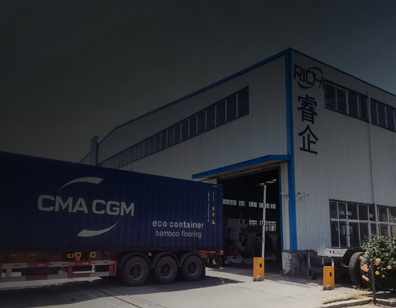
04
Shipping
We handle secure packaging and global logistics with reliable delivery timelines.

05
Installation
Our engineers supervise on-site assembly and commissioning for smooth operation.

06
Training
Comprehensive operator instruction ensures proper use and maintenance of equipment.

07
After-sales
Dedicated support team provides troubleshooting and technical assistance.
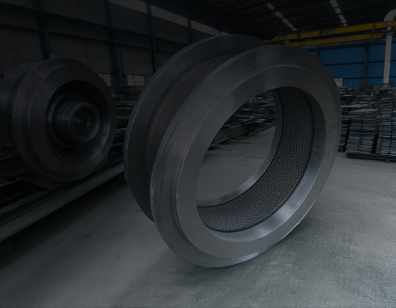
08
Spare Parts
Genuine components are available worldwide with fast delivery service.
