 0086-138 3838 9622
Industrial Wood Bamboo Pellet Plant Setup in Cambodia
RICHI MACHINERY
Project Snapshot
The 20t/h industrial wood bamboo pellet manufacturing factory in Cambodia was not a “planned big investment” at the very beginning. It actually started from a fairly simple question the client asked us back in early 2023:
“We have access to sawdust and bamboo waste… can this be turned into something stable and sellable?”
From there, the idea gradually evolved into a full-scale 20t/h wood bamboo pellet production line, designed for both commercial fuel supply and partial internal energy use.
The project today operates at an annual output of 100,000 tons of biomass pellets, with part of the production (around 3,500 tons/year) used internally for the drying system. The rest goes to local industrial boilers and a few export contracts.
20T/H
capacity
100+
investment
Cambodia
location
Fuel
project type
RICHI MACHINERY
Project Overview
This 20t/h industrial wood bamboo pellet manufacturing factory in Cambodia is a single-line pelletizing system installed inside an existing steel-structure workshop (approx. 5,200 m², 12m height). The plant integrates crushing, grinding, drying, pelletizing, cooling, and packing into one continuous flow.
Another way to describe it — this is not just a pellet machine setup. It is a complete biomass pellet plant with dust control, storage logic, and energy reuse designed together. The client didn’t want separate machines; they wanted a system that actually runs.
| Stage | Date |
|---|---|
| Initial inquiry | March 2023 |
| Raw material testing & proposal | April 2023 |
| Contract signing | June 2023 |
| Equipment manufacturing | July – September 2023 |
| Shipment (Qingdao → Sihanoukville Port) | October 2023 |
| Installation & commissioning | Nov – Dec 2023 |
| Trial production | January 2024 |
| Stable operation | March 2024 |
RICHI MACHINERY
Who Is the Client & Why This Project Started
The client is a medium-scale wood processing and bamboo supply operator in Cambodia. They were already dealing with:
- Large volumes of sawdust and wood offcuts
- Seasonal surplus of bamboo residues
- Increasing disposal costs
At the same time, Cambodia has been pushing industrial fuel alternatives due to rising fossil fuel costs. Biomass pellets started getting attention, especially for:
- Brick factories
- Garment factory boilers
- Food processing steam systems
The client didn’t jump into pellets blindly. Their concerns were very practical:
- Moisture too high (45–50%)
- Raw materials not uniform
- No experience with pelletizing
- Worried about dust and fire risk
That’s where we stepped in—not just selling equipment, but building the process logic from scratch.
RICHI MACHINERY
Raw Materials Situation
In Cambodia, raw materials are not “perfectly prepared.” They come mixed, wet, and inconsistent. So the design had to adapt.
Main Raw Materials
| Material | Annual Usage (t) | Moisture | Form |
|---|---|---|---|
| Sawdust | 80,000 | ~45% | Powder |
| Wood offcuts | 45,000 | ~45% | Block |
| Bamboo nodes | 20,000 | ~47% | Chunk |
| Bamboo sawdust | 27,700 | ~47% | Powder |
| Wood shavings | 19,940 | ~50% | Powder |
A small detail many overlook:
Bamboo behaves differently from wood during pelletizing. It has higher silica content and slightly different fiber bonding. That affected die selection and compression ratio.
RICHI MACHINERY
What the Client Wanted
During early discussions, the client kept repeating a few things:
- “We don’t want frequent shutdowns.”
- “Dust must be controlled. We had issues before.”
- “Drying cost should not explode.”
- “We prefer fewer operators.”
So instead of just matching capacity, we focused on:
- Stable feeding
- Controlled moisture reduction
- Closed conveying
- Simple layout
RICHI MACHINERY
Final Plant Layout
The factory was already built, so we had to fit the process into the space, not redesign the building.
- Total area: 5211 m²
- Structure: steel frame, semi-enclosed
- Height: ~12.3 m
Layout Logic (Left vs Right Flow)
- Left side (process line):
crushing → grinding → drying → screening - Right side (pelletizing & packing):
Biomass pellet mills → storage → packing - Raw material area: east side
- Finished goods: multiple corners (fast dispatch design)
This layout reduced internal transport distance. Forklift movement became simpler.
RICHI MACHINERY
Equipment Configuration
No need to complicate things with model codes here. What matters is function and matching.
| Equipment | Quantity | Function |
|---|---|---|
| Shredder | 1 | Pre-crushing large materials |
| Hammer mills | 2 | Fine grinding |
| Vibrating screen | 1 | Size control |
| Rotary dryer | 1 | Moisture reduction |
| Biomass hot air furnace | 1 | Heat source |
| Biomass fuel pellet machine | 8 | Core pelletizing |
| Cyclone separator | 1 | Gas-solid separation |
| Storage silos | 2 | Buffer storage |
| Conveyors (sealed) | 20+ | Material transfer |
| Packaging machines | 2 | Final packing |
A small note from our engineer on-site:
The first few test runs had uneven moisture distribution. Some batches were slightly over-dried, others not enough. After adjusting dryer airflow and feed rate, things stabilized.
RICHI MACHINERY
Process Flow
Instead of a textbook diagram, here’s how it runs in reality:
- Manual Sorting
Workers remove plastics, metals, random debris. This step matters more than people think. - Primary Crushing
Wood chunks and bamboo are reduced to 5–8 cm pieces. - Screening Loop
Oversized materials go back. This avoids overloading the hammer mill. - Fine Grinding
Everything goes to uniform small particles. - Drying (Key Step)
- Temperature: ~80–90°C
- Time: 5–10 minutes
- Moisture reduced to ~15%
- Pelletizing
Compression through ring die → pellets formed (~8.5mm diameter) - Screening Again
Broken pellets recycled - Cooling (Natural in silo)
2–3 hours airflow cooling - Packing
25 kg bags, ready for transport
RICHI MACHINERY
Utilities & Consumption
| Item | Annual Consumption |
|---|---|
| Electricity | 12 million kWh |
| Water | 870 m³ |
| Biomass fuel (internal use) | 3,500 tons |
RICHI MACHINERY
Environmental Handling
We adapted to local compliance:
- Dust → bag filters + cyclone systems
- Enclosed conveyors → less airborne particles
- Semi-closed workshop → airflow control
- Noise → vibration bases + building insulation
The client was particularly sensitive about dust because of previous complaints from nearby factories.
RICHI MACHINERY
Investment & Cost Overview
| Item | Cost (USD) |
|---|---|
| Equipment supply | 1,150,000 |
| Installation & commissioning | 120,000 |
| Auxiliary systems | 180,000 |
| Total investment | ~1.45 million |
For a 20t/h biomass pelletizing plant, this is considered a moderate investment—not aggressive, but realistic for the region.
RICHI MACHINERY
A Few Things That Didn’t Go Perfect
- Initial dust leakage at one transfer point → fixed by sealing upgrade
- Dryer tuning took about a week
- Bamboo ratio adjustment needed trial runs
That’s normal for a plant like this. Anyone who says pellet production works perfectly from day one… probably hasn’t run one.
RICHI MACHINERY
Market Situation in Cambodia
Biomass pellets are not yet “overcrowded” in Cambodia. That’s actually an advantage.
- Industrial fuel demand is increasing
- Coal replacement pressure is growing
- Export potential exists (Vietnam, Thailand)
Wood and bamboo residues are widely available but underutilized. That’s exactly why this 20t/h industrial wood bamboo pellet manufacturing factory in Cambodia makes sense.
RICHI MACHINERY
What This Project Shows
This project wasn’t just about selling a biomass pellet production line.
It was about:
- Understanding raw materials that are not ideal
- Designing a process that tolerates variability
- Making sure the plant can actually run daily
We handled:
- Process design
- Equipment manufacturing
- Layout planning
- Installation & commissioning
- Operator training
If you’re sitting on wood waste, bamboo residues, or similar materials, the question is not “can it be pelletized?”
The real question is:
“Can it be pelletized consistently, at scale, and profitably?”
That’s where experience makes the difference.
If you want, we can look at your raw materials first—no pressure to jump into a full biomass pellet project. Sometimes a few samples tell more than a long discussion.
● RICHI MACHINERY
RICHI Service

● Consulting
Customer Consultation
We want to have a deep understanding of your industrial process, to know your exact needs of feed, wood, biomass, fertilizer or other pellet processing.

● Design
biomass Pellet Plant Design
Based on your unique situation and industrial process, we will tailor complete pellet plant you need, and inform you of every additional detail that could facilitate operation, minimize total cost.
● Manufacturing
Equipment Manufacturing
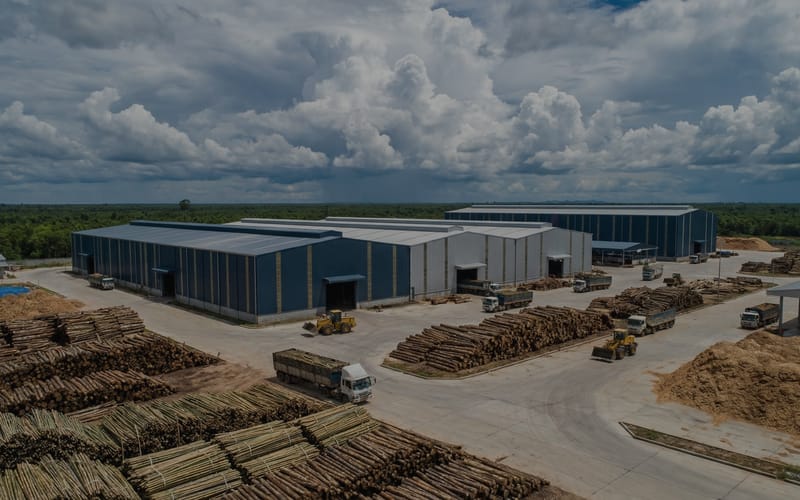
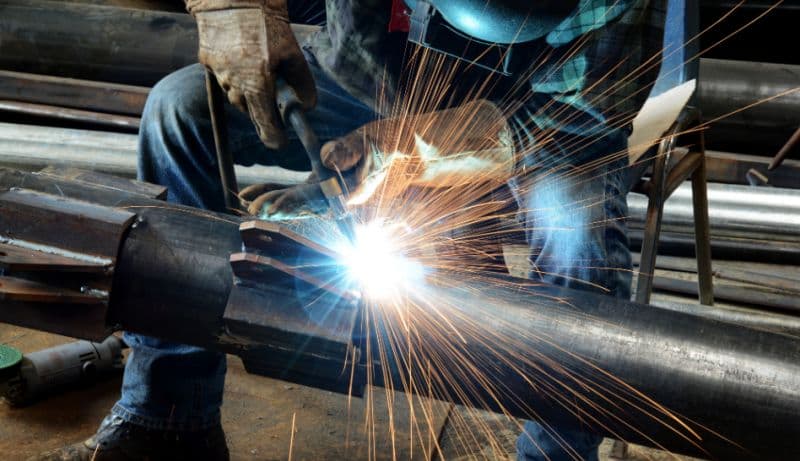
The critical components of the of the complete pellet production line equipment are built in our own workshops in Asia. Additional equipment is manufactured by our worldwide network of reliable partners.
● Testing
Quality Inspection & Testing
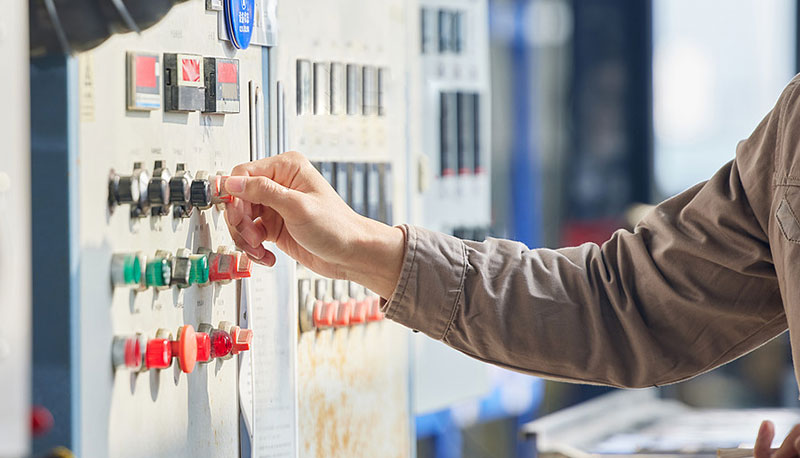
Before leaving the factory, all equipment will be inspected by the quality inspection department. We can also provide customers with testing services from a single machine to a complete pellet plant system, and provide you with real actual data for “worry-free use.”

● Delivery
Equipment Delivery
In equipment boxing and packaging, we adopt professional packaging and modular solutions to ensure the safe and non-destructive delivery of pellet plant equipment.
● Installation
Installation & Commissioning
Whether you choose your own subcontractor for the erection phase or you want to install everything together with us, a Richi supervisor will be around to make sure everything is mounted in a safe and thorough way.

● Training
Staff Training
We provide comprehensive training for the technicians of each project. We can also continue to provide support for the technicians during latter project operation.
● After-sales
Project Follow-Up
When everything is up and running our Richiers will help you further whenever needed. We are ready to answer your call 24/7.We’ll also visit you regularly to learn about your needs.
Who we are
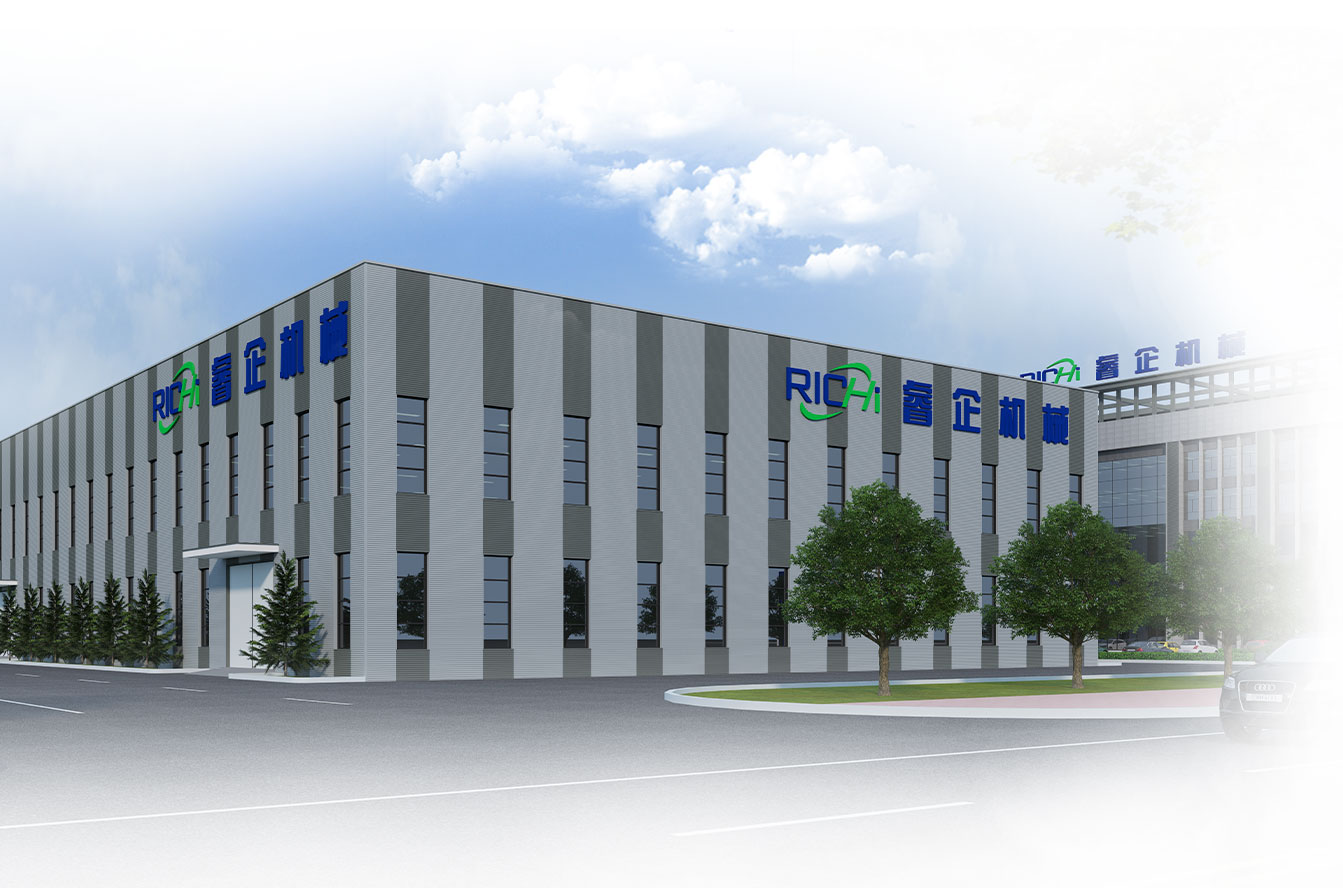
RICHI Machinery is one of the world’s leading suppliers of technology and services for the animal feed, aqua feed and pet food industries, also the largest pellet production line manufacturer in China.
Since 1995, RICHI’s vision to build a first-class enterprise, to foster first-class employees, and to make first-class contributions to society has never wavered.
In the past three decades, we have expanded our business to a wide range of areas, including animal feed mill equipment, aqua feed equipment, pet feed equipment, biomass pellet equipment, fertilizer equipment, cat litter equipment, municipal solid waste pellets equipment, etc.

1995
RICHI Established

2000+
Serving More Than 2000 Customers

120+
RICHI Employees

140+
Exported To 140 Countries