 0086-138 3838 9622
Hen Feed Plant in Thailand

RICHI MACHINERY
overview
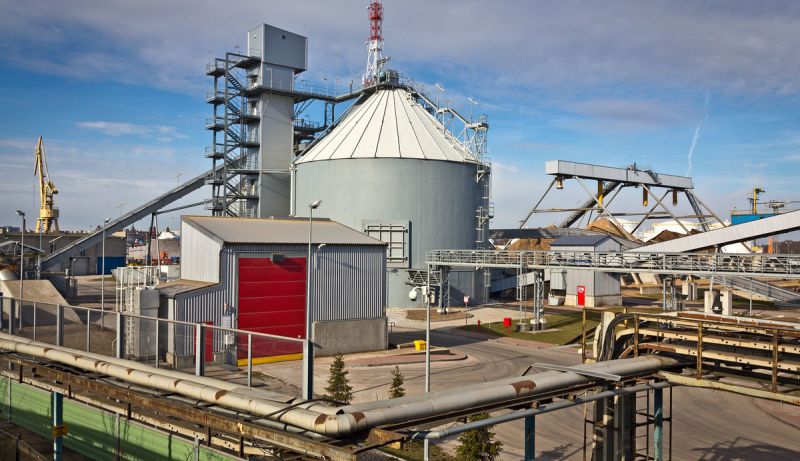
The hen feed plant in Thailand is a large-scale industrial feed production project designed to meet the growing demand for high-quality compound feed for laying hens. With a designed capacity of 150,000 tons of feed annually, the plant plays a central role in ensuring stable feed supply for egg-laying farms in Thailand’s northeastern region.
The facility covers a land area of 34,227 m² with a total built-up area of 22,765 m², consisting of feed workshops, raw material warehouses, finished product storage, administrative buildings, and supporting infrastructure. Equipped with modern feed production technology and fully enclosed processing systems, the plant is designed to minimize dust, noise, and emissions, while ensuring strict hygiene standards.
The total investment for the project is estimated at USD 1.8 million, a level consistent with Thailand’s local construction and equipment costs. This investment includes feed machinery, civil works, utilities, and environmental protection facilities. The plant is financed entirely through the cooperative’s self-raised funds, reflecting the strong financial stability and long-term vision of the client.
The animal feed factory project’s main purpose is to produce compound feed for laying hens, ensuring balanced nutrition for different growth stages and supporting optimal egg production. Feed formulations are designed according to Thailand’s poultry industry standards, using locally available corn, soybean meal, bran, limestone, and premix additives.
30-35T/H
capacity
1.8 million
investment
Thailand
location
Feed
project type
RICHI MACHINERY
Project Background
Thailand’s poultry industry is one of the most developed in Southeast Asia, ranking among the top exporters of poultry products globally. In recent years, the egg-laying sector has experienced rapid growth, with increasing consumer demand for both domestic consumption and export. This growth places significant pressure on the feed supply chain, which accounts for up to 70% of production costs in poultry farming.
In the northeastern provinces of Thailand, where large-scale egg-laying operations are concentrated, the availability of high-quality, cost-effective feed is critical. However, many smaller farms rely on fragmented or imported feed sources, which often leads to inconsistent feed quality, higher costs, and supply chain disruptions.
To address this issue, a major agricultural cooperative initiated the construction of the hen feed plant in Thailand, aiming to:
- Ensure feed supply stability by producing feed in-house rather than relying on external suppliers.
- Lower feed costs by sourcing raw materials locally and optimizing production efficiency.
- Improve egg quality and yield by providing nutritionally balanced and scientifically formulated feed.
- Comply with environmental standards, reducing the environmental footprint of large-scale feed production.
The cooperative partnered with RICHI Machinery, an internationally recognized feed equipment manufacturer, to supply the complete feed production line, plant design, and process engineering. This collaboration ensures that the project is supported by advanced technology and operational know-how.
RICHI MACHINERY
Project Scale and Construction
The poultry feed plant’s construction layout was designed for operational efficiency, smooth logistics, and environmental compliance. The key construction details are shown below:
| Facility | Area (m²) | Floors/Height | Function |
|---|---|---|---|
| Main Feed Workshop | 3,500 | 6 floors, 41.3 m | Houses full poultry feed production line |
| Raw Material Cleaning Hall | 3,500 | 1 floor, 11 m | Pre-cleaning and sieving of raw materials |
| Corn/Wheat Intake Shed | 290 | 1 floor, 11.5 m | Unloading and temporary storage |
| Soybean Meal Intake Shed | 290 | 1 floor, 6.5 m | Intake and pre-storage |
| Auxiliary Boiler Room | 226 | 1 floor | Steam generation |
| External Admin & Sales Office | 698 | 2 floors | Customer and logistics management |
| Main Office Building | 4,188 | 4 floors | Administration and management |
| Packing & Weighing Room | 562 | 2 floors | Raw material and finished feed management |
| Staff Facilities | 75 | 1 floor | Locker rooms, showers |
| Gatehouse | 37.5 | 1 floor | Access control |
| Raw Material Warehouse | 3,000 | 1 floor, 6.65 m | Bulk storage |
| Finished Product Warehouse | 5,000 | 1 floor, 7 m | Storage for pellets |
Total constructed area: 22,765 m²
Total project land area: 34,227 m²
The plant design emphasizes linear material flow—from intake, pre-cleaning, storage, processing, pelleting, cooling, packaging, and finally distribution. The multi-story workshop structure allows gravity-assisted material transfer, reducing energy consumption and improving processing efficiency.
RICHI MACHINERY
Raw Materials and Energy Consumption
The hen feed plant in Thailand is designed to utilize a diverse range of raw materials available locally. This helps reduce costs, ensures stable supply, and supports Thailand’s agricultural economy.
Key raw materials:
- Corn
- Soybean meal
- Rice bran and wheat bran
- Dicalcium phosphate
- Limestone powder
- Vegetable oil
- Premix (vitamins and minerals)
Annual Raw Material Consumption
| Raw Material | Quantity (t/year) | Source | Notes |
|---|---|---|---|
| Corn | 70,000 | Local farms | Main energy source |
| Soybean meal | 40,000 | Domestic & imports | High-protein feed |
| Rice & wheat bran | 20,000 | By-products | Fiber and energy |
| Dicalcium phosphate | 5,000 | Local suppliers | Calcium and phosphorus |
| Limestone powder | 5,000 | Domestic quarries | Eggshell strength |
| Vegetable oil | 3,000 | Palm & soy | Energy and palatability |
| Premixes & additives | 7,000 | Specialized suppliers | Nutrition balance |
Energy & Utility Consumption
- Electricity: 2.5 million kWh/year
- Natural gas for boiler: 1,200,000 Nm³/year
- Water: 45,000 m³/year (domestic and process use)
Energy-saving measures include efficient hammer mills, VFD-driven conveyors, and insulated steam pipelines to minimize heat loss.
RICHI MACHINERY
Utilities and Environmental Engineering
The hen feed plant in Thailand integrates several utility and environmental protection systems:
- Boiler System – One 6 t/h natural gas-fired steam boiler, providing steam for feed conditioning and pelletizing. Gas was chosen for its low emissions compared to coal or heavy oil.
- Dust Control – 21 bag-type dust collectors installed in critical processing areas. Dust is collected and recycled into production, preventing wastage.
- Wastewater Management – No industrial wastewater is generated. Domestic sewage is pre-treated and sent to the municipal system.
- Solid Waste Handling – Packaging waste and rejected feed batches are sorted and either recycled or reprocessed.
- Noise Control – Key equipment is installed on vibration-dampening foundations and enclosed within soundproof structures to meet noise regulations.
The environmental investment amounted to USD 120,000, about 2.5% of the total project cost, reflecting compliance with Thailand’s environmental standards.
RICHI MACHINERY
Production Process and Equipment
The production process of the hen feed plant in Thailand follows modern compound feed industry standards:
- Raw Material Receiving & Cleaning
- Corn, soybean meal, and bran are received, cleaned, and stored in silos.
- Impurities (stones, metals, dust) are removed via cleaning machines and magnetic separators.
- Grinding
- Raw grains are processed by three hammer mills.
- Particle size adjusted to meet feed formulation requirements.
- Batching & Mixing
- Automated batching system weighs ingredients.
- High-precision mixers ensure uniform distribution of nutrients.
- Conditioning & Pelleting
- Materials are conditioned with steam for gelatinization.
- Pelleted using SZLH series pellet mills, capacity 15 t/h each.
- Cooling
- Pellets cooled by counterflow coolers to safe storage temperature.
- Screening & Packaging
- Pellets screened to remove fines.
- Packaged in 25–50 kg bags or loaded in bulk for delivery.
Major Equipment List
| Equipment | Model | Quantity | Supplier |
|---|---|---|---|
| Hammer Mill Feed Grinder | AHZC06120 | 3 | RICHI Machinery |
| Feed Mixer Machine | Horizontal twin-shaft | 2 | RICHI Machinery |
| Chicken Feed Pellet Machine | SZLH series, 15 t/h | 4 | RICHI Machinery |
| Steam Boiler | 6 t/h | 1 | Thailand supplier |
| Dust Collector | Bag filter | 21 | RICHI Machinery |
| Packing Machine | Auto bagging, bulk loader | 2 | RICHI Machinery |
RICHI MACHINERY
Environmental Impact and Mitigation
The environmental assessment concluded that the poultry feed mill project’s impacts are controllable:
- Air Quality: With advanced dust collectors, particulate emissions remain below Thai standards. Boiler gas emissions meet limits for NOx, SO₂, and CO.
- Water Quality: No untreated wastewater is discharged.
- Noise: All major equipment is acoustically treated; boundary noise < 55 dB daytime.
- Solid Waste: Fully recycled or safely disposed.
Thus, the hen feed plant in Thailand is categorized as a low-impact industrial project.
RICHI MACHINERY
Market Outlook in Thailand
The poultry industry in Thailand is forecast to grow steadily, with the egg production sector seeing 4–5% annual growth. Rising consumer demand, coupled with Thailand’s export opportunities to neighboring ASEAN countries, creates a strong market for high-quality poultry feed.
This project positions the cooperative as a reliable supplier of feed for laying hens, reducing dependency on imports and fragmented suppliers. The hen feed plant in Thailand also enhances competitiveness by ensuring consistent quality and cost-effective production.
RICHI MACHINERY
Conclusion
The establishment of the hen feed plant in Thailand represents a landmark project in the region’s poultry sector. With an annual capacity of 150,000 tons, advanced equipment supplied by RICHI Machinery, and a fully enclosed, environmentally friendly production system, the plant demonstrates how modern feed technology can support sustainable livestock development.
By integrating local raw materials, efficient processing, and strong environmental safeguards, this project ensures stable feed supply, lowers production costs, and supports Thailand’s growing poultry industry for years to come.
● RICHI MACHINERY
RICHI Service

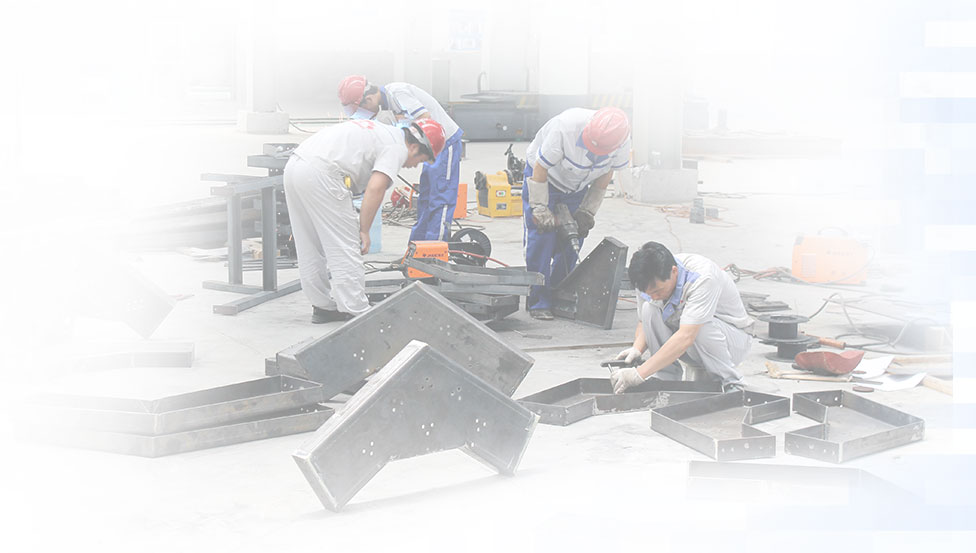
● Consulting
Customer Consultation
We want to have a deep understanding of your industrial process, to know your exact needs of feed, wood, biomass, fertilizer or other pellet processing.

● Design
Hen feed Plant Design
Based on your unique situation and industrial process, we will tailor complete animal feed mill plant you need, and inform you of every additional detail that could facilitate operation, minimize total cost.
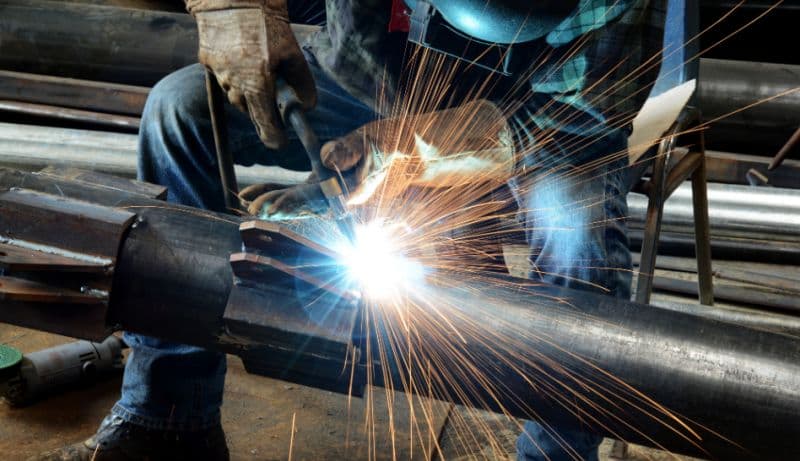
● Manufacturing
Equipment Manufacturing
The critical components of the of the complete pellet production line equipment are built in our own workshops in Asia. Additional equipment is manufactured by our worldwide network of reliable partners.
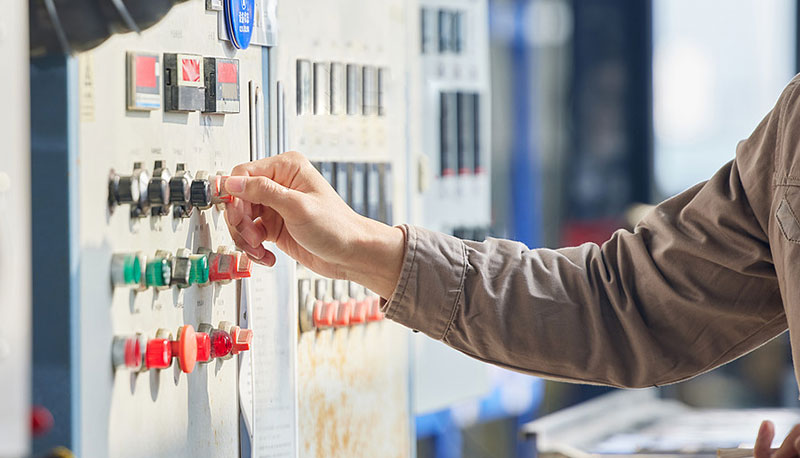
● Testing
Quality Inspection & Testing
Before leaving the factory, all equipment will be inspected by the quality inspection department. We can also provide customers with testing services from a single machine to a complete pellet plant system, and provide you with real actual data for “worry-free use.”

● Delivery
Equipment Delivery
In equipment boxing and packaging, we adopt professional packaging and modular solutions to ensure the safe and non-destructive delivery of feed mill equipment.
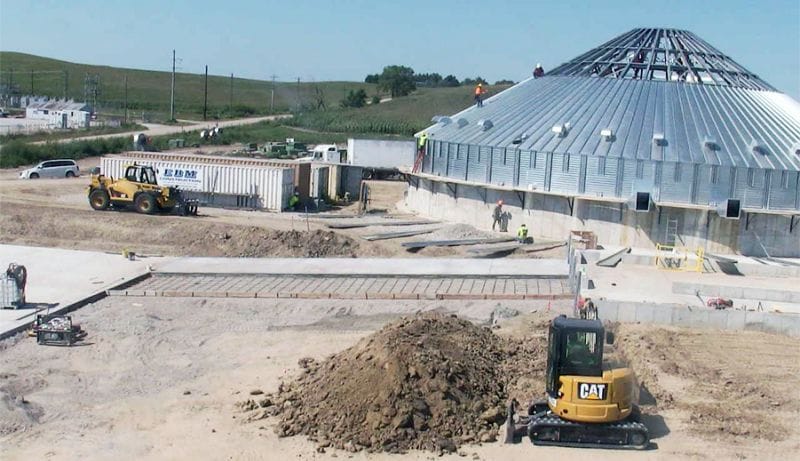
● Installation
Installation & Commissioning
Whether you choose your own subcontractor for the erection phase or you want to install everything together with us, a Richi supervisor will be around to make sure everything is mounted in a safe and thorough way.

● Training
Staff Training
We provide comprehensive training for the technicians of each project. We can also continue to provide support for the technicians during latter project operation.
● After-sales
Project Follow-Up
When everything is up and running our Richiers will help you further whenever needed. We are ready to answer your call 24/7.We’ll also visit you regularly to learn about your needs.
Who we are
RICHI Machinery is one of the world’s leading suppliers of technology and services for the animal feed, aqua feed and pet food industries, also the largest pellet production line manufacturer in China.
Since 1995, RICHI’s vision to build a first-class enterprise, to foster first-class employees, and to make first-class contributions to society has never wavered.
In the past three decades, we have expanded our business to a wide range of areas, including animal feed mill equipment, aqua feed equipment, pet feed equipment, biomass pellet equipment, fertilizer equipment, cat litter equipment, municipal solid waste pellets equipment, etc.

1995
RICHI Established

2000+
Serving More Than 2000 Customers

120+
RICHI Employees

140+
Exported To 140 Countries