 0086-138 3838 9622
Cattle feed processing plant in South Africa
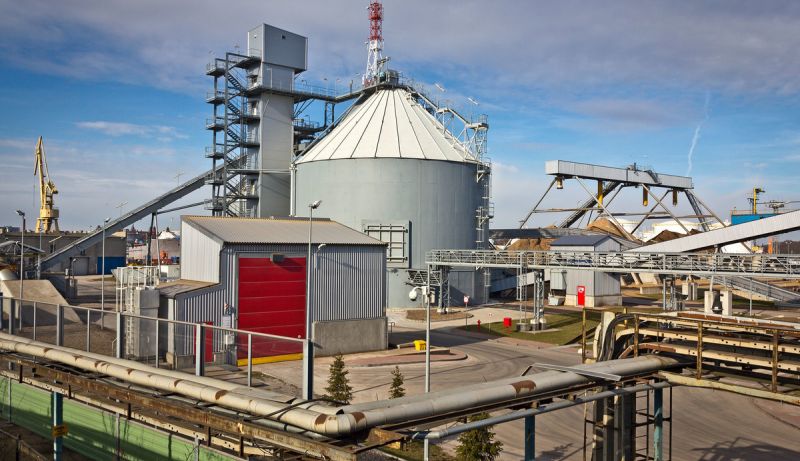
A ranch owner in the northern Free State built this cattle feed processing plant in South Africa to supply his own beef operation and nearby customers. The nominal 10 T/H line prepares grain, protein meals and selected fibre ingredients as cattle feed pellets. Automatic batching and controlled finishing support the move from buying feed to managing both farm supply and commercial orders.

RICHI MACHINERY
A ranch owner adds feed production to his business
RICHI supplied the project as an integrated feed-mill package, with process design, equipment manufacturing, installation, commissioning and operator training. The equipment route covers receiving and preparation through to cooled pellets in 25 kg or 50 kg bags.
The fully automatic cattle feed plant is located in an agricultural and livestock area in the northern Free State. Installation and trial work took place in 2024, with regular production following in June. Its 10 T/H duty applies to the agreed cattle-feed formula and operating conditions, rather than every possible high-fibre mixture.
The turnkey supply brings the machines and their connections into one design. Receiving, ingredient storage, steam, electrical services and bag handling still need to work together at the site. The press is one part of that route, not a substitute for checking the capacity of the whole line.
The customer’s starting point was a working ranch, not an existing commercial feed factory. The new mill therefore had to serve two jobs: prepare the ranch’s own specified feeds and produce identified batches for other livestock keepers. Keeping those orders clear helps the team plan ingredients, production and dispatch.
10 T/H
reference output
$270,000
equipment investment
South Africa
location
Feed
project type
RICHI MACHINERY
From purchased feed to an organised production schedule
The investor in this cattle feed production line is a local South African entrepreneur who owns a medium-sized ranch and beef-cattle breeding base. He had previously relied on third-party feed companies and wanted more control over the products supplied to his animals. The feed mill adds manufacturing to that ranching business.
During discussions in 2023, the customer described variable purchase prices, transport costs and differences between supplied feeds. His goal was to make a consistent product for his own ranch while opening sales to nearby ranches and cooperatives. That called for more than a pellet press: ingredients had to be qualified, weighed and kept connected to each finished batch.
The customer chose a fully automatic 10 T/H production route for formulated cattle pellets. Grain and protein meals are combined with the specified fibre ingredients. Their proportions follow the intended diet; a higher fibre share or another pellet grade can change the rate and requires a separate operating assessment.
RICHI MACHINERY
Maize, protein meals and fibre ingredients in the chosen diets
Corn, soybean meal, wheat bran, cottonseed hulls and alfalfa meal form the main ingredient brief. These materials have different jobs. Grain contributes energy, meals contribute protein, and forage-derived ingredients contribute fibre and other nutrients. The nutrition programme determines the quantities rather than treating every material as an interchangeable by-product.
The ingredients were discussed during consultation and process design. The selected groups are:
| Ingredient | Role and preparation |
|---|---|
| Maize grits | Energy ingredient; recipe-specific grinding |
| Soybean meal | Protein source; agreed quality specification |
| Wheat bran | Milling by-product; analyse and formulate |
| Cottonseed hulls | Fibre ingredient; controlled inclusion |
| Alfalfa meal | Forage-derived ingredient; qualified source |
| Premix and minerals | Accurate small-addition weighing and blending |
Maize and milling by-products can come through regional farms and suppliers, while protein meals and forage ingredients may also pass through longer-distance supply chains. Delivery distance follows the actual supplier and origin. The purchasing plan includes agreed specifications and stock cover rather than assuming every ingredient is produced within one local radius throughout the year.
RICHI MACHINERY
Prepare the feed recipe before setting the machine rate
The cattle feed processing plant in South Africa uses separate grinding, batching, mixing and pelleting stages. Grain preparation and fibre preparation are set for the selected diet; one very fine grind is not automatically suitable for all ingredients. Good preparation also makes the weighed mixture easier to feed steadily to the conditioner and press.
| Stage | Process task | What matters |
|---|---|---|
| Receiving and cleaning | Unload, screen and remove ferrous material | Ingredient identity and condition |
| Grinding | Prepare grain and fibre ingredients | Selected particle specifications |
| Batching and mixing | Weigh, add and paddle-mix | Complete batch and formula identity |
| Steam conditioning | Prepare mash for pressing | Suitable moisture and residence time |
| Pelleting | cattle feed pellet machine forms the pellets | Recipe-specific rate and die |
| Cooling and screening | Cool and classify the feed | Suitable outlet; compatible fines return |
| Bagging | Weigh, close and identify bags | 25 kg or 50 kg product |
The line’s nominal output is 10 tonnes per hour. An annual planning quantity of 50,000 tonnes would require 5,000 productive hours at that accepted-feed rate. That calculation excludes cleaning, changeovers, maintenance and interruptions. The schedule needs to allow those additional tasks. The mixer example below uses 10 T/H of weighed mash; finished output is measured separately after cooling and screening.
| Planning calculation | Required rate or hours |
|---|---|
| 25 kg packing | 400 complete bags/hour |
| 50 kg packing | 200 complete bags/hour |
| 50,000 tonnes in one year | 5,000 productive hours |
| Mixer example at 10 T/H mash | One-tonne batch every six minutes |
RICHI MACHINERY
A single press with matching batching and finishing
The supply package includes the main processing machines, PLC controls, transfer connections, installation drawings and the specified cables and pipework. A single SZLH420 with a 110 kW main motor serves the pelleting section. Its published compound-feed reference range is 10–12 T/H; the project’s cattle-feed duty is checked with the agreed formula.
| Assembly | Selection or duty |
|---|---|
| Hammer mill | SFSP series; 110 kW specified |
| Paddle mixer | Batch size matched to full-cycle demand |
| Feed pellet press | One SZLH420; 110 kW main motor |
| Conditioner | Two-stage steam preparation |
| Counterflow cooler | Sized for hot feed and intake air |
| Vibrating screen | Pellet grading and controlled fines collection |
| Automatic packing | Weighing, bag closing and removal |
| PLC and touch screen | Coordinated control and equipment status |
Operator training forms part of the supply package, connecting recipe selection, equipment status and product checks. The team needs to follow an order through the whole route, including returned fines and bags waiting for collection, rather than judge production only at the press.
RICHI MACHINERY
Additional livestock products need their own feed specification
Although the cattle feed plant project focuses on cattle, the weighing, mixing and pressing equipment can be assessed for other suitable livestock feeds. Each extension needs its own formulation and physical grade. Changing the die alone does not establish the diet, usable output or suitability for the animal.
| Product direction | Assessment before production |
|---|---|
| Cattle feeds | Ration role, fibre and pellet specification |
| Sheep and goat feeds | Species-specific nutrient and mineral brief |
| Horse and donkey feeds | Equine formulation and physical grade |
| Pig feeds | Suitable formulation; review fibre level |
| Higher-forage pellets | Prepared material and separate rate trial |
| Fertilizer products | Separate equipment and production scope |
Sheep and goat feeds are possible product-development directions alongside the cattle range. Horse and donkey feeds need an equine specification; they are not ruminant diets. A separately assessed product gives the mill a clearer sales offer than an unrestricted list of animals that the same press might serve.
RICHI MACHINERY
Commercial orders add work beyond the ranch’s own feed
The mill’s first role is to serve the owner’s ranch, with commercial supply organised around separate customer orders. A customer’s ration may differ from the ranch’s own feed, even when the pellets look similar. The order therefore needs a product identity, bag size and quantity before it enters the production schedule.
Early supply also extended to five surrounding cooperatives. That creates a practical dispatch task: the correct formula and lot have to reach each customer. Accepted production, stock held for collection and feed already dispatched are different quantities and should remain distinguishable.
Electrical service and ingredient deliveries affect when the mill can run. A stopped packing station or an empty recipe bin can interrupt an otherwise capable pellet section. The operating plan needs a clear response and restart sequence, with enough identified stock to resume the intended batch.
RICHI MACHINERY
From the April enquiry to regular production
The customer submitted a detailed enquiry through RICHI’s website in April 2023, stating the requirement for a 10 T/H cattle-feed line. Several video meetings followed, covering the site, raw materials, budget and equipment arrangement. The configuration developed from those discussions.
The purchase moved from the equipment agreement to shipment and site assembly. Trial operation preceded the move into regular production, bringing the control sequence and the complete material route into the commissioning work. The milestones were:
| Date | Project milestone |
|---|---|
| April 2023 | Detailed enquiry |
| December 2023 | Equipment contract |
| February 2024 | Shipment |
| April 2024 | Site assembly |
| May 2024 | Commissioning and trial operation |
| June 2024 | Regular production |
The initial operation served the owner’s ranch. The customer also considered a wider branded supply business. Expansion into another province would need its own order base, ingredient plan and distribution arrangement; it is not treated as a completed branch of this project.
RICHI MACHINERY
Develop the work around repeat customers
The next improvements follow the mill’s actual purchasing, production and delivery tasks:
- Ingredient purchasing: qualify suppliers and keep each lot connected to the batches that use it.
- Customer service: record repeat orders, bag quantities and collection or delivery dates.
- Production planning: group compatible orders while allowing the necessary recipe changes and cleaning.
- Handling: check filled-bag movement and storage before increasing the volume packed.
Those routines connect the automatic equipment to the commercial side of the business. The owner can see what has been ordered, what is being made and what is ready to leave, without assuming that a larger nominal factory rate solves every supply problem.
RICHI MACHINERY
A cattle-feed mill built around farm use and local sales
This cattle feed processing plant in South Africa links the owner’s ranch with a local feed-manufacturing business. Its useful design choices are practical: qualify the ingredients, automate weighed batches, use one correctly sized feed press and keep cooling, screening and bagging in step with the accepted output.
Send RICHI the cattle diets you want to make, the expected split between ranch use and outside orders, and the available ingredient analyses. Add the target pellet sizes, bag weights and site services. A beef cattle feed mill in South Africa can then be arranged around the feed programme and dispatch work as well as the hourly tonnage.
● RICHI MACHINERY
RICHI Service

● Consulting
Customer Consultation
We want to have a deep understanding of your industrial process, to know your exact needs of feed, wood, biomass, fertilizer or other pellet processing.

● Design
Feed Pellet Plant Design
Based on your unique situation and industrial process, we will tailor complete pellet plant you need, and inform you of every additional detail that could facilitate operation, minimize total cost.
● Manufacturing
Equipment Manufacturing
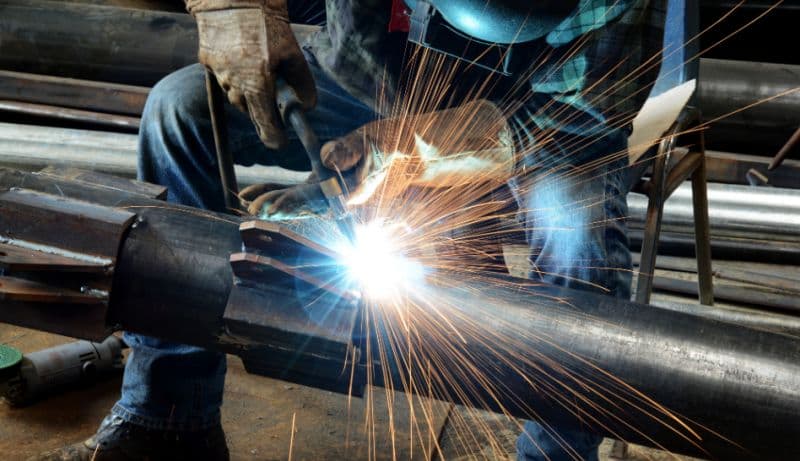
The critical components of the of the complete cattle feed mill equipment are built in our own workshops in Asia. Additional equipment is manufactured by our worldwide network of reliable partners.
● Testing
Quality Inspection & Testing
Before leaving the factory, all equipment will be inspected by the quality inspection department. We can also provide customers with testing services from a single machine to a complete pellet plant system, and provide you with real actual data for “worry-free use.”

● Delivery
Equipment Delivery
In equipment boxing and packaging, we adopt professional packaging and modular solutions to ensure the safe and non-destructive delivery of pellet plant equipment.
● Installation
Installation & Commissioning
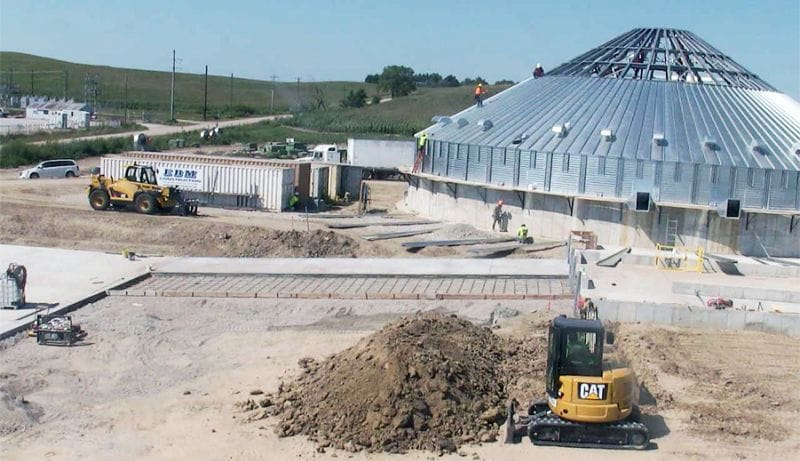
Whether you choose your own subcontractor for the erection phase or you want to install everything together with us, a Richi supervisor will be around to make sure everything is mounted in a safe and thorough way.

● Training
Staff Training
We provide comprehensive training for the technicians of each cattle feed processing plant in South Africa project. We can also continue to provide support for the technicians during latter project operation.
● After-sales
Project Follow-Up
When everything is up and running our Richiers will help you further whenever needed. We are ready to answer your call 24/7.We’ll also visit you regularly to learn about your needs.
Who we are
RICHI Machinery is one of the world’s leading suppliers of technology and services for the animal feed, aqua feed and pet food industries, also the largest pellet production line manufacturer in China.
Since 1995, RICHI’s vision to build a first-class enterprise, to foster first-class employees, and to make first-class contributions to society has never wavered.
In the past three decades, we have expanded our business to a wide range of areas, including animal feed mill equipment, aqua feed equipment, pet feed equipment, biomass pellet equipment, fertilizer equipment, cat litter equipment, municipal solid waste pellets equipment, etc.

1995
RICHI Established

2000+
Serving More Than 2000 Customers

120+
RICHI Employees

140+
Exported To 140 Countries