 0086-138 3838 9622
Biomass Wood Pellet Plant in Indonesia

RICHI MACHINERY
overview
Some projects move fast. Customer calls, we quote, they order, equipment ships. Three months later they’re making pellets. This wasn’t one of those projects.
This one started with an email in October 2018 and didn’t become a signed contract until June 2020. In between, there were about forty emails, a dozen phone calls, three revised quotes, and a lot of back-and-forth about what “automated” actually meant and whether the budget could stretch to include it.
The customer was a medium-scale furniture manufacturer in Central Java. He’d been in business for about twenty years, running a operation that employed maybe sixty people making indoor furniture for the domestic market. Like every furniture maker in Indonesia, he had a waste problem. Teak, mahogany, and mixed tropical hardwoods—the offcuts, sawdust, and planer shavings were piling up faster than he could give them away.
His first inquiry was straightforward: “I want to make wood pellets. What do I need and how much?”
1-2T/H
capacity
$185,000
investment
Indonesia
location
Biofuel
project type
RICHI MACHINERY
The Long Road to a Decision
October 6, 2018 was the date on that first email. He’d been researching for a while—had seen videos of pellet plants in Europe, read about the export market to Korea and Japan, and figured there had to be a way to turn his waste into something valuable.
We sent him the standard information. Specs on the MZLH series. Prices for different capacities. A list of what a complete line includes. He came back with questions about power requirements, about whether our equipment could handle teak (it’s oily, sometimes tricky), about shipping costs to Indonesia.
Then silence. Three months later, another email: “Still thinking. Can you do a line for 1-2 tons per hour with full automation? What would that cost?”
We quoted again. Higher this time—automation adds cost. He came back with a budget number that was about half of what we’d quoted. More silence.
This pattern repeated for about eighteen months. He’d email, we’d respond, he’d disappear, then reappear with a new question. At one point he sent photos of his facility—a decent-sized shed with concrete floor, three-phase power, about 200 square meters of available space. At another point he sent samples of his sawdust and asked if we could test it. (We did. The teak oil made it pellet fine, just needed a slightly different die.)
RICHI MACHINERY
What Finally Made It Happen
Two things changed in early 2020. First, a local factory near him that had been buying firewood for their boiler announced they wanted to switch to pellets—cleaner, more consistent, easier to handle. He had a customer before he even had a plant.
Second, he found a partner. Another furniture maker in the same area agreed to supply dry sawdust in exchange for a discount on pellets. Suddenly his raw material supply was more secure.
He called in March 2020: “I’m ready. But I need this to be automated. I don’t want to stand there pushing buttons all day.”
We spent April and May refining the quote. Full automation meant PLC controls, variable frequency drives on key motors, automatic lubrication on the pellet mill, and a control panel that would let him monitor production from his office. It added cost, but it also meant he could run the line with one operator instead of three.
On June 7, 2020, he signed. Total contract value: $185,000 FOB.
RICHI MACHINERY
The Raw Material Situation
Indonesian hardwoods are different from the pine and spruce that most wood pellet plants are designed for. Teak contains natural oils that can act as a lubricant—good for pelleting, but it means the material flows differently. Mahogany is denser, requires more power to compress. Mixed tropical hardwoods vary by the day depending on what the furniture factory is cutting.
His raw material came from two sources:
- His own operation: About 40% of the volume, mostly dry planer shavings and sander dust from kiln-dried wood. Moisture content 10-14%—perfect.
- Neighboring furniture factories: The remaining 60%, also dry but more variable in species mix. Some days it was mostly teak, some days mostly mahogany, some days a blend.
The key advantage was that it was all dry. No need for a dryer, which kept the cost down and simplified the process.
RICHI MACHINERY
The Process Design
We designed a fully automated wood pellet production line that could handle the variability of mixed tropical hardwoods while maintaining consistent output. The process flow looked like this:
Step 1: Raw material reception and screening
Material arrives in trucks or bags. First step is a vibrating screen to remove any oversize contaminants—occasional chunks of wood, bits of plastic, the random nail that somehow ends up in sawdust. Clean material goes to a surge bin. Contaminants get rejected.
Step 2: Grinding
Even though planer shavings are small, they need to be consistent. Long strands (20-50mm) need to be broken down to 3-5mm for good pellet quality. We installed an SFSP112×30 hammer mill with 90kW motor, screens sized for 4mm output, and a variable-frequency drive to adjust speed based on load. The VFD was part of the automation package—it lets the mill run at optimal speed regardless of material density, saving energy and reducing wear.
Step 3: Conveying to surge bin
Ground material moves via screw conveyor to a 5-ton surge bin. The bin has level sensors that automatically start and stop the hammer mill to maintain consistent feed to the pellet mill.
Step 4: Pelletizing
The heart of the line is an MZLH520 ring die wood pellet mill with 132kW motor. We selected this model because:
- 1.5-2.0 tons per hour capacity matched his target
- The 520mm die diameter gives good residence time for the oils in teak to work as natural lubricants
- Forced feeder handles the fluffy planer shavings that don’t flow well on their own
- Quick-change die design lets him switch between 6mm and 8mm pellets in about 30 minutes
The automation here includes automatic roller adjustment, die lubrication, and temperature monitoring. The PLC adjusts feed rate based on motor load to keep the mill running at peak efficiency.
Step 5: Cooling
Pellets exit the die at 70-80°C. They go through a counter-flow cooler (SKLF17×17) that brings them to within 3-5°C of ambient temperature in about 10 minutes. The cooler has variable-speed fans controlled by outlet temperature sensors—another automation touch.
Step 6: Screening
Cooled pellets pass through a vibratory screener (SFJZ100×2C) that removes fines. The fines are pneumatically conveyed back to the pellet mill for reprocessing. Good pellets continue to storage.
Step 7: Bagging
The line ends with an automated bagging station (DCS-50P) that fills 25kg bags at 6-8 bags per minute. Bags are heat-sealed and conveyed to a manual palletizing area. He opted for manual palletizing to save cost—automated palletizing would have added another $30,000.
Step 8: Control system
The whole line is controlled by a PLC with a touchscreen interface in a climate-controlled room. He can see real-time production data, adjust setpoints, and get alerts if anything goes wrong. The system also logs production data for quality tracking.
RICHI MACHINERY
The Equipment List
In total, the line included:
| Equipment | Model | Power | Quantity |
|---|---|---|---|
| Vibrating screener | SFJZ100×1C | 0.25kW | 1 |
| Hammer mill | SFSP112×30 | 90kW | 1 |
| Surge bin with level sensors | Custom | – | 1 |
| Screw conveyors | Various | 1.5-3kW | 5 |
| Pellet mill | MZLH520 | 132kW | 1 |
| Counter-flow cooler | SKLF17×17 | 1.5kW | 1 |
| Vibratory screener | SFJZ100×2C | 0.25kW | 1 |
| Automated bagging station | DCS-50P | 2.2kW | 1 |
| Control panel with PLC | Custom | – | 1 |
| Piping for fines return | – | – | 1 set |
| Cables and sensors | – | – | 1 set |
| Spare parts kit | – | – | 1 set |
Total installed power: about 235kW. The plant was designed to run on 380V three-phase, which is standard in industrial areas of Java.
RICHI MACHINERY
What This Line Can Actually Do
With this configuration, he’s producing about 1.6-1.8 tons per hour of 6mm wood pellets consistently. On a good day with ideal material, he can push 2.0 tons. The pellets are:
- Density: 650-680 kg/m³
- Durability: 97-98% (low fines)
- Moisture: 8-10%
- Ash content: 0.5-1.5% depending on bark content
He’s selling primarily to that local factory that originally expressed interest—they take about 60% of his output. The rest goes to other industrial users within 100km: a textile dyeing operation, a food processing plant, and a small power generator.
RICHI MACHINERY
Other Materials This Line Can Process
One advantage of the MZLH series is flexibility. With this same line, he can also process:
- Rice husks: Available locally from rice mills. Would need chromium steel dies (abrasion) and might run at lower capacity.
- Corn cobs: From local farmers after harvest. Grinds well, pellets well, good for animal bedding or fuel.
- Coffee hulls: From coffee processing in the highlands. Can be pelleted for fuel, though they’re dusty.
- Sawdust + cassava blends: Adding cassava flour as binder for materials that don’t pellet well on their own.
- Charcoal fines: If he ever expands into biochar, the same line can pelletize the fines.
He’s already experimented with rice husks for a local rice mill that wanted to use their own waste. Worked fine, just needed more frequent die changes—about 400 hours instead of 800.
RICHI MACHINERY
The Indonesian Market for Wood Pellets
Indonesia is an interesting case. On paper, it should be a major pellet producer—huge forestry industry, massive agricultural waste streams, and a growing industrial sector that needs energy. In practice, the market is still developing.
Industrial demand is growing steadily. Factories are looking for alternatives to coal (price volatile) and diesel (expensive). Pellets offer a consistent, locally-sourced fuel that’s easier to handle than firewood or raw biomass. The cement industry, textile mills, and food processors are all potential customers.
Export potential exists but is complicated. Korea and Japan import millions of tons of pellets annually, but they require certification (ENplus, etc.) and consistent quality. Most Indonesian producers aren’t there yet. The domestic market is easier to enter and less demanding on specifications.
Waste availability is not the issue. Sawmills, furniture factories, plantations—they all generate material that could be pelletized. The challenge is collecting it consistently and at reasonable cost. Our customer solved this by partnering with neighboring factories for supply and having an anchor customer for offtake.
Infrastructure is improving. Ports, roads, and power are better than they were ten years ago, though still not perfect. Shipping from Java to other islands is manageable. Export via Tanjung Priok (Jakarta) or Tanjung Perak (Surabaya) works for international containers.
Government policy is slowly moving in the right direction. There are renewable energy targets, though enforcement is spotty. Some regions offer incentives for biomass utilization. It’s not a gold rush, but the direction is positive.
RICHI MACHINERY
What Happened After Installation
We shipped the equipment from Qingdao in August 2020. Transit to Tanjung Priok, Jakarta took about five weeks—arrived in late September. Customer handled his own import clearance; he said it took about two weeks and cost roughly 15% of the CIF value in duties and fees.
Installation started in October. We sent one technician for three weeks to oversee the mechanical installation and electrical connections. His local team handled the civil work—concrete foundations, steel supports, the control room—based on our drawings.
By early November, we were doing test runs. The first pellets came off the line on November 12, 2020. They weren’t perfect—some fines, some variation in length—but they were pellets. Over the next two weeks we tuned the hammer mill screen size, adjusted the pellet mill roller gap, and dialed in the cooler airflow.
By December, he was in production. The first commercial batch went to his anchor customer in January 2021.
RICHI MACHINERY
The First Year of Operation
Year one had challenges:
- Material variability: Some days the mix was heavy on teak (oily, pellets slick), some days heavy on mahogany (dense, harder on the mill). The automation helped—the PLC adjusted feed rates automatically—but he still had to watch closely.
- Die wear: With mixed tropical hardwoods, die life was about 700-800 hours. Less than with softwoods, more than with rice husks. He learned to rotate dies and keep spares on hand.
- The wet season: Even though his material was dry, the humidity in Java during rainy season meant stored sawdust could absorb moisture if not covered. He built a simple roof over his raw material storage area.
- Operator training: The automation made things easier, but his operators still needed to understand what the screens were telling them. We did remote training sessions via video call to walk through troubleshooting.
By year end, he’d produced about 3,500 tons and sold it all. He was running one shift, sometimes overtime when orders piled up.
RICHI MACHINERY
The Upgrade Path
His original plan was to start with one line and expand. That’s happening. In late 2022, he added a second MZLH520—same model, running parallel to the first—doubling capacity to about 3-4 tons per hour. The original line’s automation made it easy to integrate the second unit; the PLC was designed for expansion.
In 2023, he added a bagging automation line because manual palletizing was becoming a bottleneck. Now he bags at 10-12 bags per minute with a DCS-50P×2 dual-station machine.
Total investment to date is around $350,000. He’s supplying eight industrial customers regularly and has started conversations with a trading company about export to Korea. The export market would require ENplus certification, which means upgrading his quality control systems. He’s considering it.
RICHI MACHINERY
Lessons Learned
1. Automation pays for itself in labor savings.
He runs the line with one operator per shift instead of three. At Indonesian labor rates, that’s about $15,000 per year saved—not huge, but enough to justify the investment over time. More importantly, it means consistent quality regardless of who’s running the shift.
2. Raw material partnerships are critical.
His arrangement with neighboring factories for sawdust supply gave him security that most startups don’t have. He’s not competing for waste; he’s coordinating with other businesses that see him as a solution to their waste problem.
3. Anchor customers de-risk the investment.
Having a buyer lined up before he even ordered equipment meant he knew the market existed. He wasn’t building on speculation.
4. Local conditions matter more than textbook specs.
The wood pellet manufacturing plant we designed for him is different from what we’d send to Europe or North America. Higher humidity, different wood species, different labor costs—all influenced the equipment choices. The MZLH series with forced feeder handles fluffy material better than standard designs. The PLC had to be specified for tropical conditions (higher ambient temperature, more dust).
5. Start-up takes time, but persistence pays.
Eighteen months from first inquiry to signed contract. Another six months to installation. But now he’s got a business that’s grown beyond what he initially imagined. The timeline felt long at the time, but looking back, it was just what it took.
RICHI MACHINERY
What RICHI Provided Beyond Equipment
This wasn’t just a transaction. We provided:
- Material testing: His sawdust samples went through our lab to confirm pelletability and determine optimal die configuration.
- Process design: The layout, the equipment selections, the automation philosophy—all customized for his site and his goals.
- Installation support: A technician on-site for three weeks, plus remote support after.
- Training: For operators and maintenance staff, both on-site and remote.
- Ongoing consultation: He still calls when he has questions about new materials or expansion plans.
The relationship didn’t end when the wood pellet processing equipment shipped. That’s not how we work.
RICHI MACHINERY
Would We Do This Again?
Yes. This biomass pellet project is a good example of how a well-planned, appropriately automated line can succeed in a challenging market. The keys were:
- Secure raw material supply (partnering with other factories)
- Confirmed market demand (anchor customer)
- Realistic expectations about what automation can and can’t do
- Willingness to start with one line and grow
For customers who have those pieces in place, we can design a line that works.
RICHI MACHINERY
The Prospect for Wood Pellets in Indonesia
Looking ahead, the potential is significant. A few observations:
Industrial coal substitution is the most immediate opportunity. Indonesia imports coal and also produces it domestically, but prices fluctuate. Factories with boilers are natural pellet customers. The key is competing on price while offering the benefits of cleaner, more consistent fuel.
The furniture industry generates massive amounts of dry waste. Most of it currently goes to landfills or is burned. Pelleting it captures value that’s currently being thrown away.
Agricultural residues—rice husks, corn cobs, coffee hulls, palm kernel shells—are abundant but underutilized. The technology exists to pellet them; the challenge is collection and logistics.
Export markets are real but demanding. Korea and Japan import millions of tons annually, but they require certification and consistent quality. The domestic market is easier to enter and less demanding on specifications.
Government support is growing but inconsistent. Some regions offer incentives for renewable energy. National policy includes biomass in renewable energy targets. Implementation varies.
For someone considering a complete wood pellet plant in Indonesia, the strategy is clear: secure raw material, identify local customers, start with a proven design, and grow from there. The export market may come later, but it’s not necessary for a viable business.
RICHI MACHINERY
Final Thoughts
This customer in Java started with a simple idea and $185,000. Four years later, he’s got a business doing $1.5 million in annual revenue, employing a dozen people, and supplying factories across the region. He’s talking about export. He’s looking at adding a third line.
That’s the kind of outcome we’re proud to be part of.
If you’re in Indonesia and thinking about wood pellets—whether from sawmill waste, plantation thinnings, or agricultural residues—we can help you think through the options. Maybe you need a full industrial line. Maybe you need something smaller. Either way, we’ve done it before.
Equipment ships from Qingdao to Tanjung Priok, Jakarta—about five weeks transit. From there, it’s your responsibility to get it to site, but we’ll provide the drawings and support to make that as smooth as possible.
The conversation might take a while, like it did with this customer. But eventually, you could be producing pellets.
● RICHI MACHINERY
RICHI Service

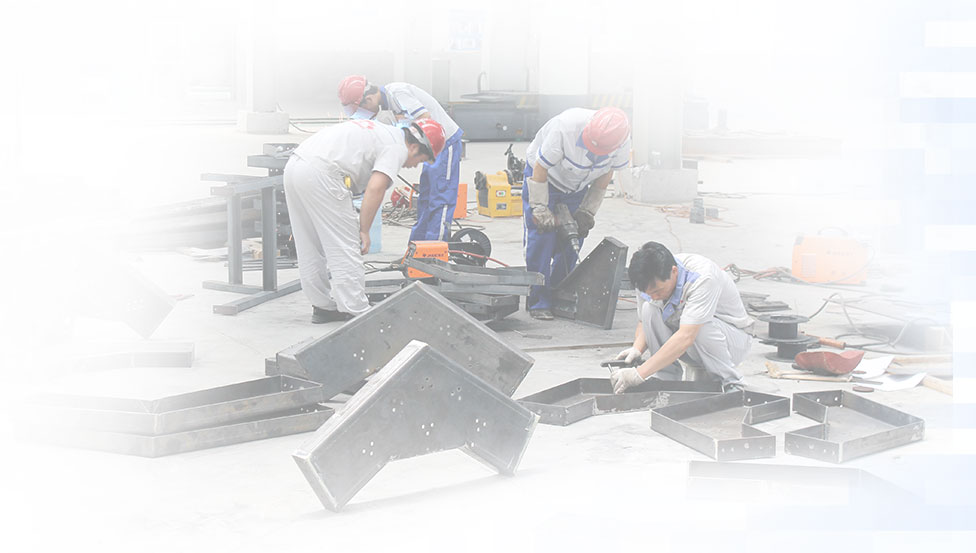
● Consulting
Customer Consultation
We want to have a deep understanding of your industrial process, to know your exact needs of feed, wood, biomass, fertilizer or other pellet processing.

● Design
biomass Pellet Plant Design
Based on your unique situation and industrial process, we will tailor complete pellet plant you need, and inform you of every additional detail that could facilitate operation, minimize total cost.
● Manufacturing
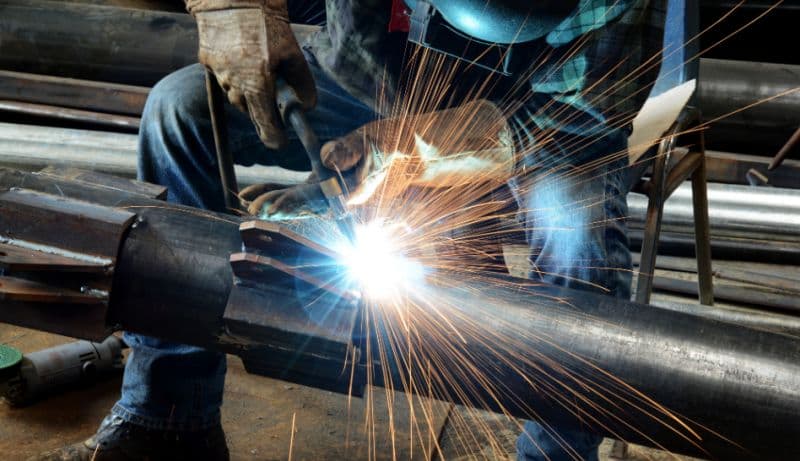
Equipment Manufacturing
The critical components of the of the complete pellet production line equipment are built in our own workshops in Asia. Additional equipment is manufactured by our worldwide network of reliable partners.
● Testing
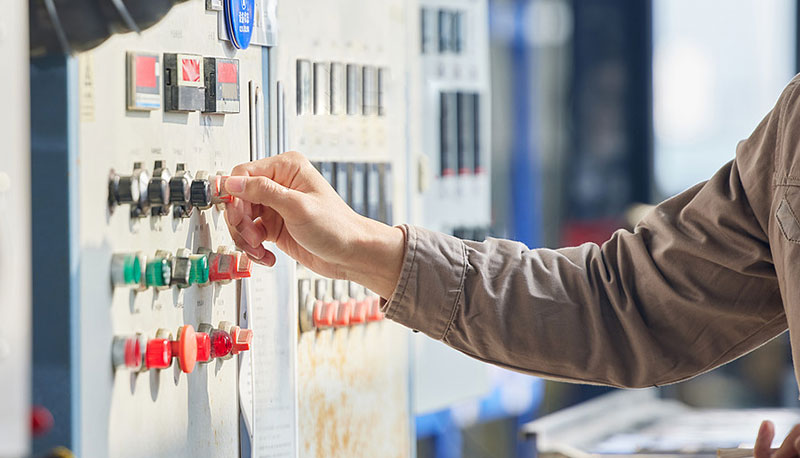
Quality Inspection & Testing
Before leaving the factory, all equipment will be inspected by the quality inspection department. We can also provide customers with testing services from a single machine to a complete pellet plant system, and provide you with real actual data for “worry-free use.”

● Delivery
Equipment Delivery
In equipment boxing and packaging, we adopt professional packaging and modular solutions to ensure the safe and non-destructive delivery of pellet plant equipment.
● Installation
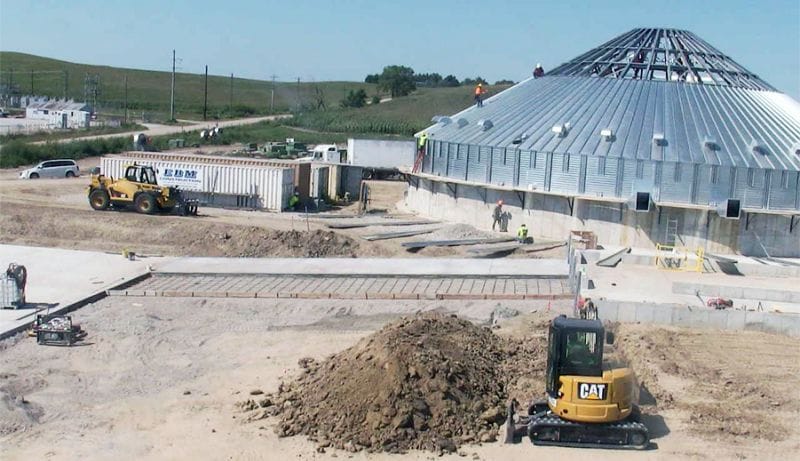
Installation & Commissioning
Whether you choose your own subcontractor for the erection phase or you want to install everything together with us, a Richi supervisor will be around to make sure everything is mounted in a safe and thorough way.

● Training
Staff Training
We provide comprehensive training for the technicians of each project. We can also continue to provide support for the technicians during latter project operation.
● After-sales
Project Follow-Up
When everything is up and running our Richiers will help you further whenever needed. We are ready to answer your call 24/7.We’ll also visit you regularly to learn about your needs.
Who we are
RICHI Machinery is one of the world’s leading suppliers of technology and services for the animal feed, aqua feed and pet food industries, also the largest pellet production line manufacturer in China.
Since 1995, RICHI’s vision to build a first-class enterprise, to foster first-class employees, and to make first-class contributions to society has never wavered.
In the past three decades, we have expanded our business to a wide range of areas, including animal feed mill equipment, aqua feed equipment, pet feed equipment, biomass pellet equipment, fertilizer equipment, cat litter equipment, municipal solid waste pellets equipment, etc.

1995
RICHI Established

2000+
Serving More Than 2000 Customers

120+
RICHI Employees

140+
Exported To 140 Countries