 0086-138 3838 9622
Biomass Pellet Production Line in Indonesia
RICHI MACHINERY
Overview
Indonesia, as a nation rich in agricultural resources, generates vast quantities of biomass residues annually. To capitalize on these renewable resources and contribute to the country’s growing energy needs, a large-scale biomass pellet production line was initiated in Surabaya, East Java. The project was developed by a local renewable energy solutions company with extensive experience in sustainable energy and agricultural waste utilization.
The primary aim of this biomass pellet project is to produce 100,000 tons of biomass pellets per year, utilizing locally available residues such as rice husks, corn stalks, and sugarcane bagasse. These materials are abundant in Indonesia and present both an environmental challenge and an economic opportunity when not properly managed.
The project was designed not only to address energy demand but also to reduce agricultural waste, mitigate environmental pollution, and create economic opportunities for local communities.
12-15T/H
capacity
$1,500,000 USD
investment
Indonesia
location
Biofuel
project type
RICHI MACHINERY
Key Project Data
| Item | Details |
|---|---|
| Project Name | Annual Production of 100,000 Tons Biomass Pellet Production Line |
| Location | Surabaya Industrial Zone, East Java, Indonesia |
| Construction Unit | Local Renewable Energy Solutions Company |
| Total Investment | $1,500,000 USD |
| Environmental Investment | $45,000 USD |
| Production Capacity | 100,000 tons/year |
| Operation Days | 300 days/year |
| Shift System | 3 shifts per day, 24-hour continuous operation |
| Labor Force | 25 employees |
| Raw Materials | Rice husks 50,000 t/a; Corn stalks 30,000 t/a; Sugarcane bagasse 20,000 t/a |
| Electricity Consumption | 2,500,000 kWh/year |
| Water Consumption | 50,000 tons/year |
| Main Equipment | Hammer mills, rotary dryers, pellet mills, coolers, sieving machines, packaging machines |
RICHI MACHINERY
Project Background and Client Profile
Client Overview
The client is a local Indonesian company specialized in biomass and renewable energy projects. With prior experience in managing agricultural residues and energy production, the client identified a significant opportunity in converting waste into high-value biomass pellets.
Rationale for the Project
Indonesia produces over 100 million tons of rice annually, generating tens of millions of tons of rice husks. Similarly, corn stalks and sugarcane bagasse are abundant in East Java, Central Java, and neighboring regions. Traditionally, these residues were either burned or left to decompose, contributing to environmental pollution, including greenhouse gas emissions and soil degradation.
The client envisioned a solution that would:
- Convert agricultural waste into high-value biomass pellets.
- Provide renewable energy sources for local industries and households.
- Generate new employment opportunities in rural areas.
- Align with Indonesian governmental policies promoting clean energy and sustainability.
Strategic Choice of Location
Surabaya Industrial Zone was selected for several reasons:
- Proximity to Raw Material Sources: Within 50–100 km of rice mills, sugar factories, and corn processing facilities.
- Infrastructure: Reliable electricity supply, water resources, road networks, and logistics access.
- Market Access: Ability to supply both domestic and export markets efficiently.
Production Capacity and Output
The biomass pellet production line in Indonesia is designed for:
- Annual Output: 100,000 tons
- Hourly Capacity: 10–12 tons per hour
- Calorific Value of Pellets: Approximately 4,500 kcal/kg
- Applications: Power generation, industrial heating, and household energy supply
RICHI MACHINERY
Raw Materials Analysis
Overview
Indonesia is rich in biomass resources, but the quality, moisture content, and seasonal availability vary. The biomass pellet production line in Indonesia project carefully evaluates raw material sources to ensure stable supply and consistent product quality.
Raw Material Types and Sources
The straw rice husk pellet plant project primarily utilizes three types of raw materials:
| Material | Annual Supply (t/a) | Moisture Content | Source | Notes |
|---|---|---|---|---|
| Rice Husks | 50,000 | 12–15% | Local rice mills | High calorific value, consistent availability |
| Corn Stalks | 30,000 | 15–18% | Corn farms | Requires chopping and drying before pelletizing |
| Sugarcane Bagasse | 20,000 | 18–22% | Sugar factories | Fibrous, requires grinding and pre-treatment |
Storage and Preprocessing Considerations
- Silos and Storage: Materials are stored in covered silos to prevent moisture absorption and microbial growth.
- Blending: Materials are blended in specific ratios to optimize pellet quality and calorific value.
- Seasonal Buffering: Storage capacity ensures continuous production despite seasonal harvest fluctuations.
RICHI MACHINERY
Equipment and Technology
Equipment List and Specifications
| Equipment | Quantity | Function | Remarks |
|---|---|---|---|
| Hammer Mills | 2 | Grinding raw materials | High-efficiency, low-noise |
| Rotary Dryers | 2 | Reduce moisture content | Gas-fired, uniform drying |
| Biomass Pellet Mills | 4 | Pelletizing biomass | Flat-die and ring-die types |
| Coolers | 4 | Pellet cooling | Counterflow design for uniform cooling |
| Sieving Machines | 4 | Remove fines | Recycle undersized pellets |
| Packaging Machines | 2 | Packaging finished pellets | Semi-automatic, 25–50kg bags |
Technology Highlights
- Dust Collection Systems: Each production step with high dust emissions is equipped with baghouse filters to maintain emissions below 20 mg/m³.
- Automation: Central control system monitors temperature, moisture, and production rates to maintain quality and reduce labor.
- Energy Efficiency: Rotary dryers with heat recovery systems reduce fuel consumption by 15–20%.
RICHI MACHINERY
Energy, Water, and Environmental Management
Energy Consumption
- Electricity: 2,500,000 kWh/year, sourced from the municipal grid.
- Natural Gas or Diesel Fuel: Limited use for drying, depending on availability.
Water Consumption and Wastewater
- Annual Consumption: 50,000 tons, mainly for staff use and minimal equipment cooling.
- Wastewater Treatment: Domestic wastewater from staff is treated using onsite septic systems, then reused for irrigation in surrounding areas, ensuring zero discharge to nearby rivers.
Emission Control
The facility is equipped with:
- Baghouse dust collectors on all grinding, pelletizing, and transfer points.
- Stack heights of 15 meters for organized emissions.
- Estimated annual dust emissions: <200 tons, mostly recycled back into production.
Noise Control
Noise sources such as hammer mills and pellet mills are enclosed in soundproofed areas. Operational schedules are managed to minimize disturbance to neighboring industrial facilities.
RICHI MACHINERY
Production Process Overview
The biomass pellet production line is divided into several key stages, carefully designed to ensure efficiency, product quality, and minimal environmental impact:
- Raw Material Procurement: Sourcing agricultural residues from nearby farms, rice mills, sugarcane factories, and corn processing facilities. Materials are selected for consistency, low moisture content, and high calorific value.
- Preprocessing: Initial cleaning and sorting to remove impurities such as stones, soil, or metal fragments. Materials are also stored in silos to buffer seasonal fluctuations.
- Grinding: Materials are processed in hammer mills to reduce particle size to less than 5mm, ensuring uniformity and improving pellet density.
- Drying: Ground materials are dried in rotary drum dryers to reduce moisture content to 10–15%, optimizing pellet formation and durability.
- Pelletizing: Using advanced flat-die and ring-die pellet mills, the dried biomass is compressed into cylindrical pellets with diameters of 6–8 mm.
- Cooling: Post-pelletizing, hot pellets are cooled in counterflow coolers to avoid deformation and ensure proper storage stability.
- Sieving and Screening: Sieving machines remove fines and undersized pellets, which are recycled into the production process.
- Packaging and Storage: Finished pellets are packaged in 25kg or 50kg bags, then stored in warehouses for domestic distribution or export.
RICHI MACHINERY
Market Analysis
Indonesia’s biomass pellet market is driven by:
- Government Policies: Incentives for renewable energy adoption and biomass utilization.
- Energy Demand Growth: Industrial and residential sectors increasingly seek sustainable energy sources.
- Export Opportunities: High-quality pellets are in demand in Japan, South Korea, and Europe.
- Environmental Considerations: Replacement of coal and wood fuel reduces air pollution and carbon emissions.
With abundant raw materials and increasing energy demand, biomass pellet production lines in Indonesia have strong growth potential.
RICHI MACHINERY
Future Outlook
1. Local Market
The demand for clean, renewable energy is projected to grow at 10–12% annually. Industries such as food processing, textiles, and paper increasingly prefer biomass pellets to reduce operational carbon footprints.
2. Export Market
High-quality biomass pellets from Indonesia can be exported to energy-intensive countries in Asia, including Japan, South Korea, and Singapore, where strict environmental regulations drive demand.
3. Policy Support
The Indonesian government promotes renewable energy adoption through subsidies, tax incentives, and simplified permitting for biomass projects. This policy environment encourages investors to scale operations.
4. Role of RICHI Machinery
RICHI Machinery provided critical consultation and equipment solutions for this biomass pellet production line in Indonesia project:
- Equipment Supply: High-efficiency hammer mills, biomass straw rice husk pellet machines, biomass dryers, and packaging systems.
- Process Design: Optimization of material flow, drying efficiency, and pellet density.
- After-Sales Support: Training, maintenance support, and technical troubleshooting.
RICHI MACHINERY
Conclusion
The biomass pellet production line in Indonesia demonstrates the effective integration of renewable energy production, agricultural waste utilization, and sustainable business practices. By leveraging local raw materials, employing advanced processing equipment, and implementing strict environmental controls, the project successfully produces 100,000 tons of high-quality biomass pellets annually.
Economic analysis indicates a payback period of just 3 years, with strong profitability and export potential. Coupled with government support and market growth, this biomass pellet plant project highlights the significant opportunities for biomass pellet production in Indonesia. RICHI Machinery’s expertise ensures that clients can achieve both operational efficiency and environmental compliance, making it a preferred partner for similar renewable energy projects across Southeast Asia.
● RICHI MACHINERY
RICHI Service

● Consulting
Customer Consultation
We want to have a deep understanding of your industrial process, to know your exact needs of feed, wood, biomass, fertilizer or other pellet processing.

● Design
biomass Pellet Plant Design
Based on your unique situation and industrial process, we will tailor complete pellet plant you need, and inform you of every additional detail that could facilitate operation, minimize total cost.
● Manufacturing
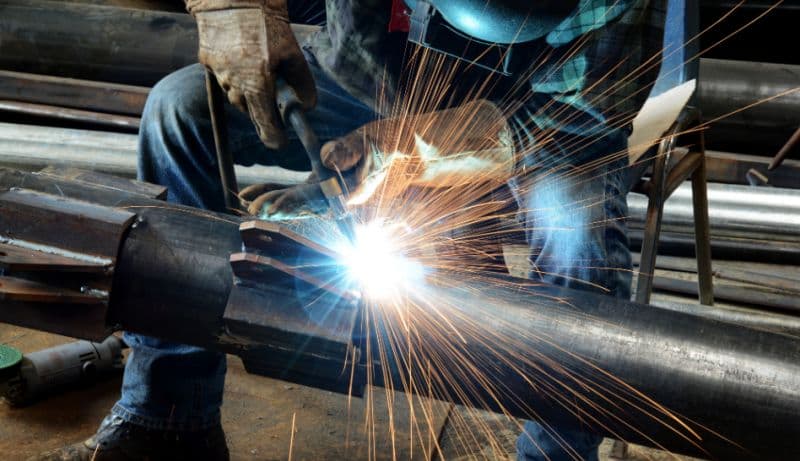
Equipment Manufacturing
The critical components of the of the complete pellet production line equipment are built in our own workshops in Asia. Additional equipment is manufactured by our worldwide network of reliable partners.
● Testing
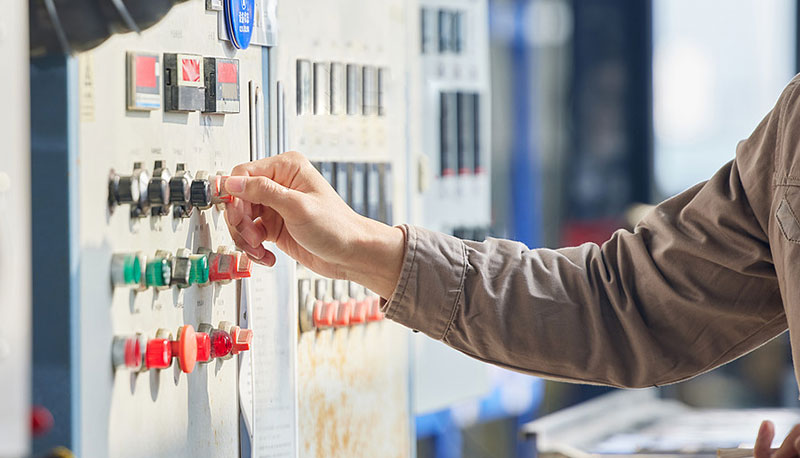
Quality Inspection & Testing
Before leaving the factory, all equipment will be inspected by the quality inspection department. We can also provide customers with testing services from a single machine to a complete pellet plant system, and provide you with real actual data for “worry-free use.”

● Delivery
Equipment Delivery
In equipment boxing and packaging, we adopt professional packaging and modular solutions to ensure the safe and non-destructive delivery of pellet plant equipment.
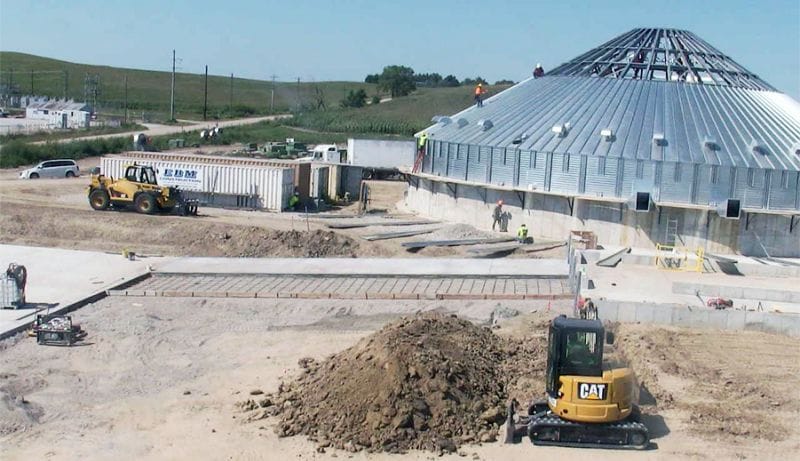
● Installation
Installation & Commissioning
Whether you choose your own subcontractor for the erection phase or you want to install everything together with us, a Richi supervisor will be around to make sure everything is mounted in a safe and thorough way.

● Training
Staff Training
We provide comprehensive training for the technicians of each project. We can also continue to provide support for the technicians during latter project operation.
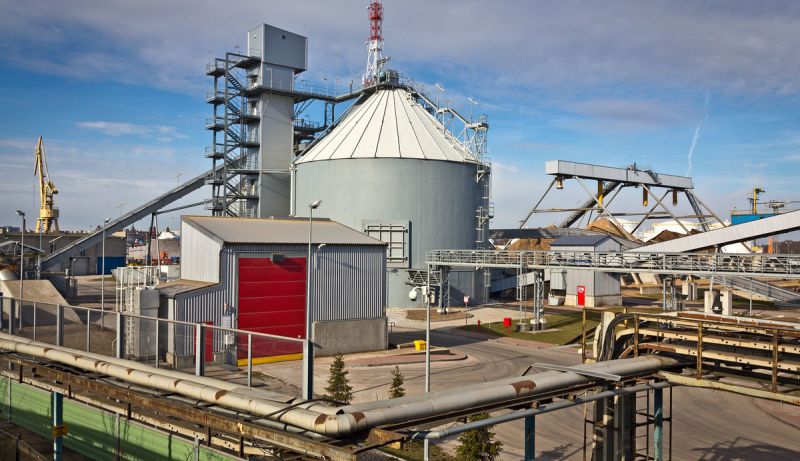
● After-sales
Project Follow-Up
When everything is up and running our Richiers will help you further whenever needed. We are ready to answer your call 24/7.We’ll also visit you regularly to learn about your needs.
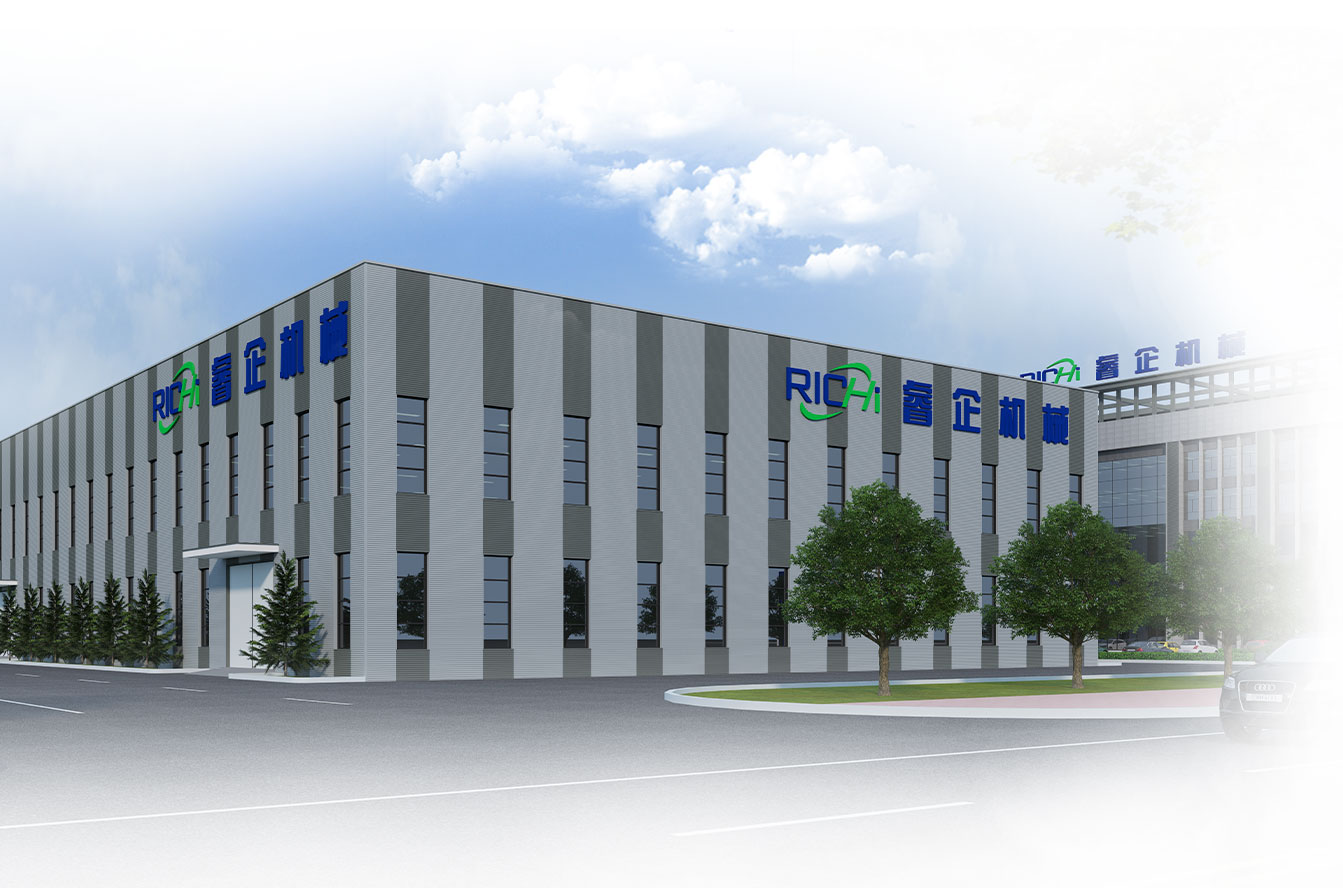
Who we are
RICHI Machinery is one of the world’s leading suppliers of technology and services for the animal feed, aqua feed and pet food industries, also the largest pellet production line manufacturer in China.
Since 1995, RICHI’s vision to build a first-class enterprise, to foster first-class employees, and to make first-class contributions to society has never wavered.
In the past three decades, we have expanded our business to a wide range of areas, including animal feed mill equipment, aqua feed equipment, pet feed equipment, biomass pellet equipment, fertilizer equipment, cat litter equipment, municipal solid waste pellets equipment, etc.

1995
RICHI Established

2000+
Serving More Than 2000 Customers

120+
RICHI Employees

140+
Exported To 140 Countries