 0086-138 3838 9622
Biomass Crop Wood Fuel Pellet Line in Spain
RICHI MACHINERY
Project Snapshot
The 1.5-2t/h biomass crop wood fuel pellet line in Spain was not built as a large industrial complex. It started from a very modest idea: making better use of mixed agricultural residues and wood waste that were already being generated locally.
The client converted an existing 700㎡ workshop into a compact but efficient biomass pellet production line, integrating crushing, grinding, pelletizing, and dust control in one flow. After commissioning, the line stabilized at an annual output of about 5,000 tons of biomass fuel pellets, which is quite reasonable for this scale in southern Europe.
From a technical standpoint, the project sits somewhere between a small commercial plant and a pilot-scale industrial unit. It’s not oversized, not over-automated—but it runs steadily, and that’s what matters.
The 1.5-2t/h biomass crop wood fuel pellet line in Spain is essentially a mixed raw material pelletizing system designed for flexibility. The client insisted on being able to process both waste wood and agricultural straw, which immediately ruled out some standard configurations.
Instead of chasing maximum capacity, we focused on:
- stable feeding under variable raw material conditions
- short conveying distances (the workshop size forced this anyway)
- simple maintenance (only 4 workers on-site)
The result is a compact fuel pellet plant layout where material flows in a loop-like path instead of long straight conveyors. That reduced both energy consumption and dust leakage points.
1.5-2T/H
capacity
$52,000
investment
Spain
location
Fuel
project type
RICHI MACHINERY
Project Background
This project came from a local biomass collector in central Spain. He had access to two consistent raw material streams:
- offcuts and waste wood from small furniture workshops
- seasonal agricultural straw from nearby farms
At first, he was selling raw biomass cheaply. Transport costs were eating most of the margin. That’s when he started looking into a small biomass pellet plant.
Initial inquiry: March 2024
Contract signed: July 2024
Installation completed: October 2024
His first question during consultation was very direct:
“Can I run both straw and wood in one pelletizing line without constant breakdowns?”
That question shaped almost everything in the design.
RICHI MACHINERY
Key Technical & Economic Indicators
Before going into details, here’s a quick overview that procurement people usually want:
| Item | Data |
|---|---|
| Capacity | 1.5–2 tons/hour |
| Annual Output | 5,000 tons |
| Working Days | 300 days/year |
| Working Hours | 10 hours/day |
| Labor | 4 workers |
| Workshop Area | 700㎡ |
| Total Investment | ~$85,000 |
| Equipment Cost | ~$52,000 |
This is a low-to-mid investment biomass pellet plant, which is exactly what many small investors in Europe are looking for now.
RICHI MACHINERY
Raw Materials
In Spain, especially in agricultural regions, raw material supply is not the problem. Consistency is.
The client’s raw material mix looked like this:
| Material | Annual Consumption | Source | Storage |
|---|---|---|---|
| Waste wood | 2,000 t | Furniture workshops | Indoor storage |
| Crop straw | 3,000 t | Local farms | Indoor storage |
| Fresh water | 120 t | Municipal supply | Pipeline |
| Electricity | 480,000 kWh | Grid | Cable supply |
A small detail worth mentioning:
The first batches of straw came in with uneven moisture. Some loads were too dry, some slightly damp. The biomass pellet press reacted immediately—either producing dusty pellets or causing die blockage.
We had to guide the client on simple moisture balancing. No fancy dryer installed, just better raw material selection and blending.
RICHI MACHINERY
Equipment Configuration
We kept the equipment list straightforward, avoiding unnecessary complexity:
| Equipment | Quantity |
|---|---|
| Crusher | 1 |
| Hammer mill (grinder) | 1 |
| Biomass Pellet mill | 1 |
| Pulse bag dust collector + fan | 1 |
No redundant machines, no oversized units.
RICHI MACHINERY
Workshop Layout
The workshop was already there, and the client didn’t want to rebuild.
So we worked around these constraints:
- Length: ~30m
- Width: ~23m
- Steel structure
Layout logic (this mattered more than expected):
- Raw material zone placed near crusher → reduces loader movement
- Production area concentrated on one side → shorter pipelines
- Finished product area separated → avoids cross contamination
- Office area isolated → safety and dust control
The crop wood pellet production line is compact, but not crowded. Operators can still walk around equipment for maintenance, which is often ignored in small plants.
RICHI MACHINERY
Process Flow
Instead of complicated diagrams, here’s how the material really moves:
- Feeding
Mixed straw and wood are loaded into the system.
Basic requirement: low moisture, minimal impurities. - Crushing
Large pieces reduced to coarse size.
→ Dust starts here, so collection points were added early. - Grinding (Hammer milling)
Material reduced to <10mm.
→ This step defines pellet quality more than most people expect. - Pelletizing
Material enters biomass fuel pellet machine under compression.
→ Final pellets: 8mm diameter, 20–40mm length. - Packaging & Storage
Finished pellets moved to storage zone.
A small real observation:
The first few tons were inconsistent.
Some pellets were slightly cracked.
After adjusting feed rate and compression ratio, things stabilized.
RICHI MACHINERY
Environmental Handling
Instead of overdesigning, we focused on what actually works:
| Type | Source | Treatment |
|---|---|---|
| Dust | Crushing, grinding, pelletizing | Pulse bag filter + 15m stack |
| Wastewater | Domestic only | Septic tank (no discharge) |
| Noise | Equipment | Dampers + building insulation |
| Solid waste | Dust, rejected pellets | Recycled into production |
No complicated wastewater system—because there is no process water.
RICHI MACHINERY
Utilities
- Electricity: 480,000 kWh/year
- Water: 120 t/year (mostly for staff use)
This is typical for a small biomass pelletizing line of this scale.
RICHI MACHINERY
How we actually supported the client
This biomass pellet project wasn’t just about delivering equipment.
We were involved in:
- raw material evaluation
- layout planning inside existing workshop
- airflow and dust collection design
- equipment selection based on mixed materials
- installation guidance
- operator training
After commissioning, we stayed in contact for about 2 months, helping fine-tune parameters.
RICHI MACHINERY
Shipping & Delivery
- Port of departure: Qingdao Port
- Destination port: Port of Valencia (Spain)
Transport took about 32 days including customs clearance.
RICHI MACHINERY
A Note on Cost — why this project worked financially
The client didn’t overspend.
- Equipment: ~$52,000
- Total investment: ~$85,000
At local pellet selling prices, the payback period is estimated around 1.5–2 years, depending on raw material cost fluctuations.
RICHI MACHINERY
why this kind of plant is increasing in Spain
Spain has been gradually increasing its use of biomass fuel, especially in:
- small heating systems
- agricultural facilities
- rural energy applications
Straw and wood residues are widely available but underutilized.
A 1.5-2t/h biomass pellet manufacturing plant fits well here because:
- it doesn’t require huge capital
- it can operate with local supply chains
- it produces a standardized, easy-to-transport fuel
What made this 1.5-2t/h biomass crop wood fuel pellet line in Spain work wasn’t advanced technology.
It was matching:
- raw materials
- plant size
- investment level
- and operator capability
That balance is often missing in projects that look good on paper but fail in operation.
If you’re looking at a similar setup, the first thing worth checking is not the machine model—it’s your raw material stability and how much space you actually have to work with.
We’ve seen too many projects struggle simply because those two things were overlooked.
● RICHI MACHINERY
RICHI Service

● Consulting
Customer Consultation
We want to have a deep understanding of your industrial process, to know your exact needs of feed, wood, biomass, fertilizer or other pellet processing.

● Design
biomass Pellet Plant Design
Based on your unique situation and industrial process, we will tailor complete pellet plant you need, and inform you of every additional detail that could facilitate operation, minimize total cost.
● Manufacturing
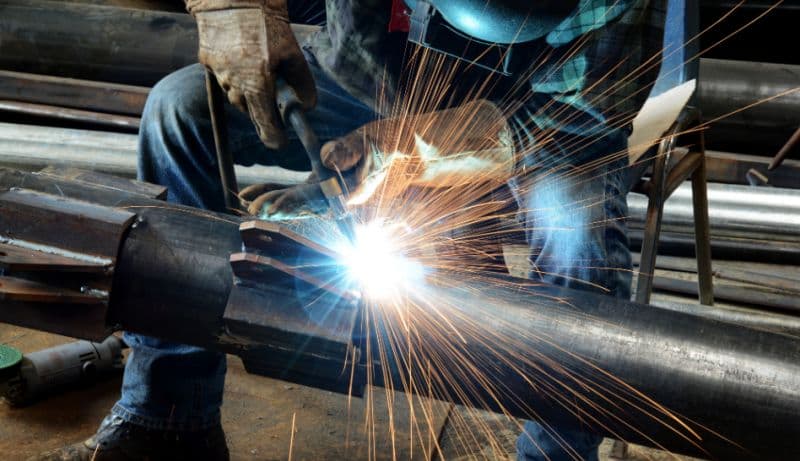
Equipment Manufacturing
The critical components of the of the complete pellet production line equipment are built in our own workshops in Asia. Additional equipment is manufactured by our worldwide network of reliable partners.
● Testing
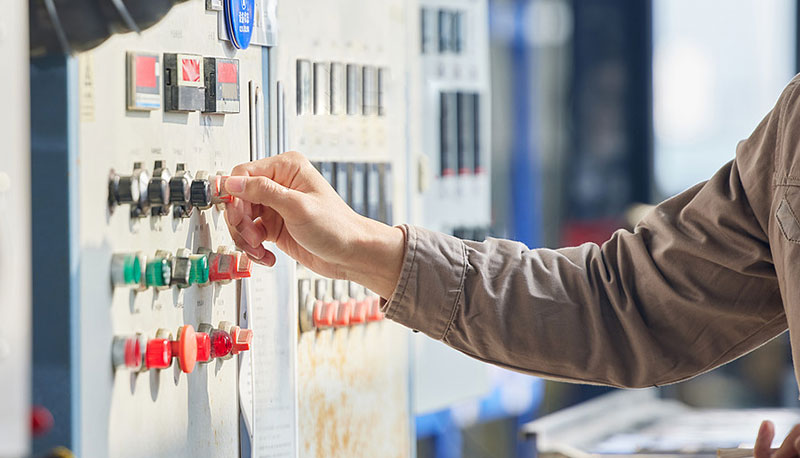
Quality Inspection & Testing
Before leaving the factory, all equipment will be inspected by the quality inspection department. We can also provide customers with testing services from a single machine to a complete pellet plant system, and provide you with real actual data for “worry-free use.”

● Delivery
Equipment Delivery
In equipment boxing and packaging, we adopt professional packaging and modular solutions to ensure the safe and non-destructive delivery of pellet plant equipment.
● Installation
Installation & Commissioning
Whether you choose your own subcontractor for the erection phase or you want to install everything together with us, a Richi supervisor will be around to make sure everything is mounted in a safe and thorough way.

● Training
Staff Training
We provide comprehensive training for the technicians of each project. We can also continue to provide support for the technicians during latter project operation.
● After-sales
Project Follow-Up
When everything is up and running our Richiers will help you further whenever needed. We are ready to answer your call 24/7.We’ll also visit you regularly to learn about your needs.
Who we are
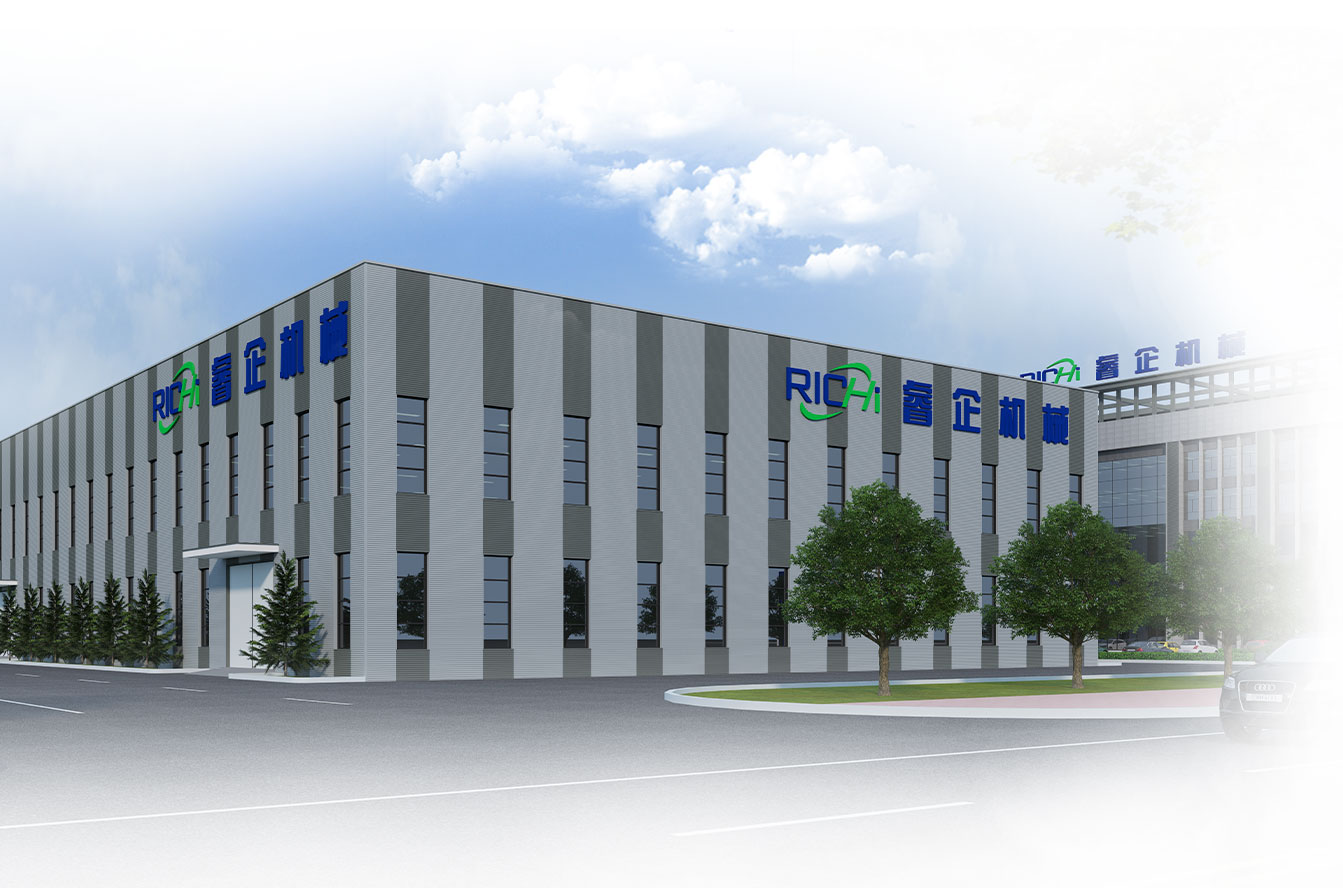
RICHI Machinery is one of the world’s leading suppliers of technology and services for the animal feed, aqua feed and pet food industries, also the largest pellet production line manufacturer in China.
Since 1995, RICHI’s vision to build a first-class enterprise, to foster first-class employees, and to make first-class contributions to society has never wavered.
In the past three decades, we have expanded our business to a wide range of areas, including animal feed mill equipment, aqua feed equipment, pet feed equipment, biomass pellet equipment, fertilizer equipment, cat litter equipment, municipal solid waste pellets equipment, etc.

1995
RICHI Established

2000+
Serving More Than 2000 Customers

120+
RICHI Employees

140+
Exported To 140 Countries