 0086-138 3838 9622
Biomass Corn Cobs Pellet Production Line in China
This is the largest biomass pellet processing project we have ever participated in, located in China. We provided all the pellet processing equipment for this project. The primary raw material for this project is corncobs.

RICHI MACHINERY
overview
The project on this page is a newly constructed biomass pellet production line in China, designed to meet the rapidly increasing demand for agricultural and mushroom substrate materials in Hebei Province. With the county’s mushroom cultivation industry expanding at an unprecedented pace, the consumption of biomass filler—particularly corn cob–based substrate—has risen sharply. In response, an investor initiated a large-scale industrial facility to process corn cobs into standardized biomass pellets that can serve both as mushroom growing substrate and as general-purpose biomass fillers for agricultural and energy-related applications.
The project has a total investment of around USD 14.2 million (approximately 100 million RMB in original planning), which covers the construction of production workshops, warehouses, an office building, and a maintenance workshop. The production line occupies a land area of 23,333 square meters, with 16,934 square meters of building area. Once operational, the facility will produce 180,000 tons of biomass filler annually, equivalent to a continuous output of 600 tons per day when operating on a standard schedule of 300 working days per year.
The factory employs 60 workers operating under a single-shift system of 8 hours per day. Annual operating hours reach approximately 2,400 hours. This production scale makes it one of the largest biomass pellet facilities in the region, specifically tailored to supply agricultural mushroom farms with stable, high-quality growing substrate.
The project involves constructing a corn cob preprocessing workshop, biomass filler pelletizing workshop, raw material storage warehouse, finished product warehouse, office building, and mechanical maintenance shop. Supporting facilities include a power supply system connected to the local grid, municipal water supply, and environmental protection measures such as dust removal, noise control, and waste recycling.
75T/H
capacity
USD 14.2 million
investment
China
location
Growing Substrate
project type
RICHI MACHINERY
Project Background
The biomass pellet production line in China emerged as a direct response to the explosive growth of mushroom cultivation in Linxi County, Hebei Province. Led by several large-scale industrial mushroom production bases, the region has witnessed a sharp increase in small and medium-sized farms following the cluster effect. Mushroom farming requires a large amount of biological filler, typically in the form of sterilized biomass blocks or pellets, which serve as the growing medium for edible fungi.
Traditionally, mushroom substrate was produced by small family-run workshops or sourced from scattered agricultural processors. However, such operations suffered from inconsistent product quality, low efficiency, and lack of environmental controls. As the mushroom industry grew into an industrialized sector, these fragmented suppliers could no longer meet the demand.
Thus, the client—an agricultural products development company with experience in crop by-product utilization—decided to invest in a large-scale, industrialized biomass pellet production line in China, with the twin goals of:
- Stabilizing the mushroom industry supply chain by ensuring a reliable source of filler substrate.
- Upgrading resource utilization by processing surplus agricultural residues (particularly corn cobs) into value-added products.
Corn is a dominant crop in Hebei Province, and corn cobs are readily available in massive quantities after harvest. Instead of being discarded or burned, they can be transformed into standardized biomass pellets that are clean, easy to transport, and highly consistent in quality.
The biomass pellet project is designed for an annual production of 180,000 tons of biomass filler, with flexibility to supply:
- Mushroom substrate pellets (primary use).
- Compressed biomass blocks for transport and storage.
- Potential use in bioenergy markets as renewable fuel pellets.
By positioning itself in the agricultural by-product utilization chain, the investor aims to become a major supplier for mushroom farms across northern China while exploring new markets in biomass fuel.
RICHI MACHINERY
Project Basic Information
General Information
- Project Name: Biomass Pellet Production Line in China (Annual Output: 180,000 tons)
- Project Nature: New construction
- Location: Lüzhaizhen, Linxi County, Hebei Province, China
- Land Area: 23,333.45 m²
- Building Area: 16,934 m²
- Total Investment: ~USD 14.2 million
- Environmental Protection Investment: USD 70,000 (0.5% of total investment)
- Workforce: 60 employees
- Working Schedule: One shift, 8 hours/day, 300 days/year
- Production Scale: 180,000 tons of biomass filler annually
Construction Content
The project layout includes both production and auxiliary facilities. The major buildings are:
| Category | Facility | Size & Structure | Function |
| Main Workshops | Corn Cob Preprocessing Workshop | 1F, 3,672 m² | Crushing, screening, pretreatment |
| Biomass Pelletizing Workshop | 1F, integrated | Pelletization, packaging | |
| Auxiliary Facilities | Office Building | 1F, 672 m² | Employee management, administration |
| Raw Material Warehouse | 1F, 7,268 m² | Storage of corn cobs | |
| Finished Product Warehouse | 1F, 1,377 m² | Storage of biomass pellets | |
| Spare Warehouse | 1F, 3,825 m² | Backup storage space | |
| Maintenance Workshop | 1F, 120 m² | Equipment repair and service | |
| Utilities | Power Supply | Grid-connected, 1.1 million kWh/year | Plant electricity |
| Water Supply | 600 m³/year | Domestic use | |
| Heating & Cooling | Electric air conditioning | Offices & workshops |
This integrated arrangement ensures smooth material flow, efficient processing, and safe storage of both raw and finished products.
RICHI MACHINERY
Raw Materials
The biomass pellet production line in China relies primarily on corn cobs as the feedstock. Hebei Province produces millions of tons of corn annually, making corn cobs the most abundant and cost-effective raw material in the region.
Corn cobs are lightweight, porous, and contain structural cellulose and lignin, making them suitable for conversion into pellets. When crushed and compressed, they form strong filler blocks ideal for mushroom substrate.
Additional auxiliary materials include packaging bags for storage and transport.
| Material | Annual Consumption | Storage Method |
|---|---|---|
| Corn Cobs | 180,000 tons | Raw material warehouse |
| Packaging Bags | 3.6 tons | Warehouse storage |
The choice of corn cobs also reflects an environmental strategy, as their utilization reduces open-field burning and waste disposal.
RICHI MACHINERY
Production Process
The production process has been carefully designed to ensure efficiency, dust control, and consistent pellet quality.
Step 1: Feeding & Conveying
Corn cobs are manually loaded into the feeding system, where they are transported via belt conveyors into the preprocessing workshop.
Step 2: Cleaning & De-dusting
The material enters a wind separator, which removes light impurities and dust, ensuring clean raw material for crushing.
Step 3: Crushing
Corn cobs are crushed into smaller particles using high-capacity hammer crushers.
Step 4: Screening
The crushed material is passed through vibrating screens. Oversized particles are sent back for re-crushing, while undersized dust is collected via a pulse bag dust collector.
Step 5: Pelletizing or Briquetting
Qualified particles are either:
- Sent to a bagging system for pellet packaging (30 kg/bag).
- Compressed into pellets/briquettes (30 kg/block) using a hydraulic briquette press.
Step 6: Packaging & Storage
Products are weighed, packed, and sent to the finished product warehouse for delivery to mushroom farms and other customers.
RICHI MACHINERY
Equipment List and Technical Specifications
The biomass pellet production line in China is equipped with high-quality, reliable machinery to ensure stable operation, high output, and consistent product quality. The equipment has been selected based on the raw material properties, production capacity, and environmental compliance.
| No. | Equipment Name | Model / Specification | Quantity | Location / Workshop |
|---|---|---|---|---|
| 1 | Skirted Belt Conveyor | TDSL1500 | 2 | Corn Cob Preprocessing & Pellet Workshop |
| 2 | Crusher | SWFP66-80 | 2 | Corn Cob Preprocessing Workshop |
| 3 | Industrial Fan | 6-30-7.8A | 2 | Pellet Production Workshop |
| 4 | Cyclone Separator | Ø150*2 | 2 | Corn Cob Preprocessing Workshop |
| 5 | Anti-Blockage Airlock | GFY250 | 2 | Corn Cob Preprocessing Workshop |
| 6 | Finished Product Bagging Machine | DCS-B50/D | 1 | Pellet Production Workshop |
| 7 | Pellet Mill &Briquette Press | MY2000 | 2 | Corn Cob Preprocessing Workshop |
| 8 | Air Compressor | CA-20A | 1 | Corn Cob Preprocessing Workshop |
| 9 | Pulse Dust Collector | — | 2 | Corn Cob Preprocessing Workshop |
| 10 | Loader | — | 2 | Material Handling Area |
| 11 | Forklift | — | 1 | Finished Product Warehouse |
These machines form the backbone of the production line. Crushers, conveyors, and fans handle raw material feeding and particle size reduction, while briquette presses and bagging machines convert processed biomass into standardized pellets or blocks. The dust collection system ensures compliance with environmental standards and maintains a clean working environment.
All equipment is installed following industrial standards, with vibration-damped foundations for crushers and pellet presses to reduce noise and improve operational stability. Equipment is designed for continuous operation, with minimal maintenance downtime, supporting the annual production target of 180,000 tons.
RICHI MACHINERY
Utilities and Infrastructure
The biomass pellet production line in China has been integrated with a comprehensive utility system to support production, employee welfare, and environmental management.
Power Supply
The facility is powered by the local municipal grid, providing approximately 1.1 million kWh per year. This electricity supports all equipment, including crushers, conveyors, dust collectors, fans, and bagging machines. Office and workshop lighting, air conditioning, and small auxiliary devices are also supplied from the same grid connection.
Water Supply
Water use is primarily for domestic purposes, including drinking, washing, and sanitary facilities for employees. The annual water consumption is 600 m³, supplied by the local municipal network. With 60 employees, domestic water usage is approximately 40 liters per person per day, aligning with local water use norms. No process water is discharged; water used in cleaning or dust suppression is recycled within the plant or utilized for on-site landscaping.
Heating and Cooling
The office and staff rest areas are equipped with split air-conditioning systems for winter heating and summer cooling. Workshops rely on ambient ventilation and localized fan systems to maintain air circulation, ensuring worker comfort while avoiding unnecessary energy consumption.
RICHI MACHINERY
Environmental Protection Measures
Environmental compliance is critical for the biomass pellet production line in China, especially given the potential for dust and noise from crushing, screening, and pelletizing operations.
Air Pollution Control
Dust generated in the crushing, screening, and material handling processes is captured using a pulse bag dust collector and discharged through a 15-meter-high stack, minimizing environmental impact. Additionally, material handling points are enclosed or covered to prevent dust dispersion.
| Pollutant Source | Process | Pollution Type | Control Measures |
|---|---|---|---|
| G1, G3 | Crushing | Particulate | Hood + Pulse Bag Collector + 15m Stack |
| G2, G4 | Screening | Particulate | Enclosure + Bag Filter |
| Raw Material Handling | Loading/Storage | Particulate | Covered Storage + Enclosed Conveyors |
Wastewater
Since the production line does not use water in the processing stage, wastewater arises only from domestic sources. Annual production of 288 m³ of wastewater is collected and periodically treated for dust suppression or irrigation of green areas, without discharge into local water bodies.
Noise Management
Primary noise sources include crushers, screens, and biomass pellet presses, with sound levels between 75–90 dB(A). Noise mitigation measures include:
- Vibration-damped machine foundations
- Enclosure of noisy equipment
- Proper spacing between workshops and administrative areas
Solid Waste Management
Solid waste includes:
- Dust collected by bag filters (~5,000 tons/year), reused in production
- Non-conforming pellets (~10 tons/year), sold externally for alternative uses
- Packaging waste (~0.01 tons/year), recycled externally
- Domestic garbage (~4.5 tons/year), handled by local sanitation services
These measures ensure minimal environmental impact and compliance with local regulations.
RICHI MACHINERY
Plant Layout
The plant layout was designed to ensure efficient material flow, worker safety, and optimal space utilization.
- Entrance: Northeast of the site
- Office & Staff Rest Area: Adjacent to the entrance
- Raw Material Warehouse: West side of the site, running north-south
- Production Workshops: South side, near finished product warehouse for efficient transport
- Finished Product Warehouse: Southeast side, close to loading area
- Maintenance Workshop: Adjacent to production for rapid service
This layout reduces transport distances, improves safety, and ensures smooth operations.
RICHI MACHINERY
Project Investment and Economics
The total investment for the biomass pellet production line in China is approximately USD 14.2 million, which includes:
- Construction of workshops, warehouses, and office: USD 8.5 million
- Machinery and equipment: USD 5 million
- Environmental protection and utilities: USD 70,000
- Miscellaneous costs and contingencies: USD 630,000
The production cost per ton of biomass filler is competitive, benefiting from low-cost raw materials (corn cobs) and energy-efficient machinery. With a planned annual output of 180,000 tons, the line is expected to achieve positive cash flow within 3–4 years, making it an attractive investment for agricultural product processors.
RICHI MACHINERY
Production Process Flow
The following diagram summarizes the biomass pellet production line in China:
Corn Cob Feeding → De-dusting & Cleaning → Crushing → Screening → Bagging & Briquetting → Finished Product Storage
- Dust, noise, and solid waste are managed at every stage
- Material handling and storage are fully enclosed where possible
- Quality control checks are conducted at the crushing, screening, and final packaging stages
The process ensures uniform particle size, high-density pellets, and low dust content, making the final product suitable for mushroom cultivation and other biomass filler applications.
RICHI MACHINERY
Market Analysis and Prospects
China’s mushroom industry is growing at 10–12% annually, and Linxi County represents one of the highest-demand regions for biomass filler substrate. The biomass pellet production line in China addresses several industry pain points:
- Stable Supply: Industrial-scale production ensures a consistent supply of high-quality filler pellets.
- Resource Utilization: Corn cobs are transformed from agricultural waste into valuable products, reducing environmental impact.
- Energy Applications: Surplus pellets can be used as biomass fuel, providing an additional revenue stream.
Future expansion is feasible:
- Incorporation of additional agricultural residues (straw, peanut shells)
- Development of higher-density briquettes for bioenergy
- Supply to domestic and international mushroom farms
RICHI Machinery has provided full equipment supply, installation, and technical support, ensuring smooth commissioning and reliable operation. With proven machinery, process design, and environmental compliance, the project demonstrates the feasibility and profitability of biomass pellet production in China.
RICHI MACHINERY
Summary
The biomass pellet production line in China represents a modern, industrial approach to agricultural by-product utilization. Leveraging abundant local corn cob resources, the project achieves high efficiency, environmental compliance, and product consistency. With an annual output of 180,000 tons, a well-planned workflow, modern equipment, and complete environmental protection measures, this facility is a benchmark for industrial biomass pellet production in northern China.
RICHI Machinery’s involvement—from consultation to installation—ensures the project’s technical reliability and operational efficiency, making it an attractive model for investors seeking opportunities in biomass energy and mushroom substrate supply chains.
● RICHI MACHINERY
RICHI Service

● Consulting
Customer Consultation
We want to have a deep understanding of your industrial process, to know your exact needs of feed, wood, biomass, fertilizer or other pellet processing.

● Design
biomass Pellet Plant Design
Based on your unique situation and industrial process, we will tailor complete pellet plant you need, and inform you of every additional detail that could facilitate operation, minimize total cost.
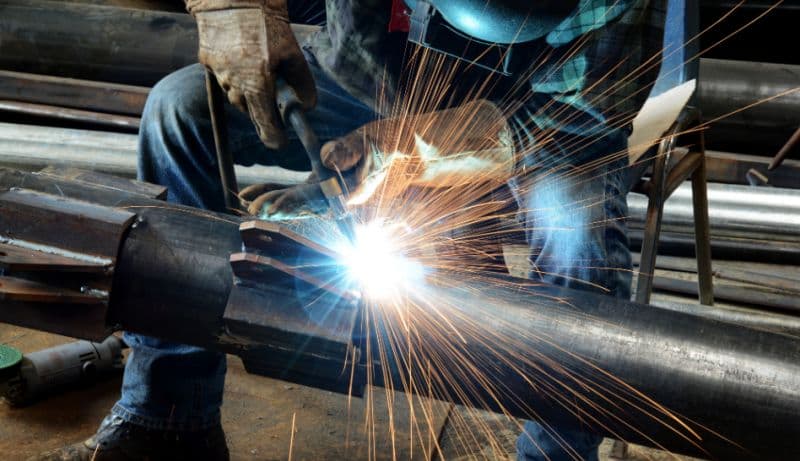
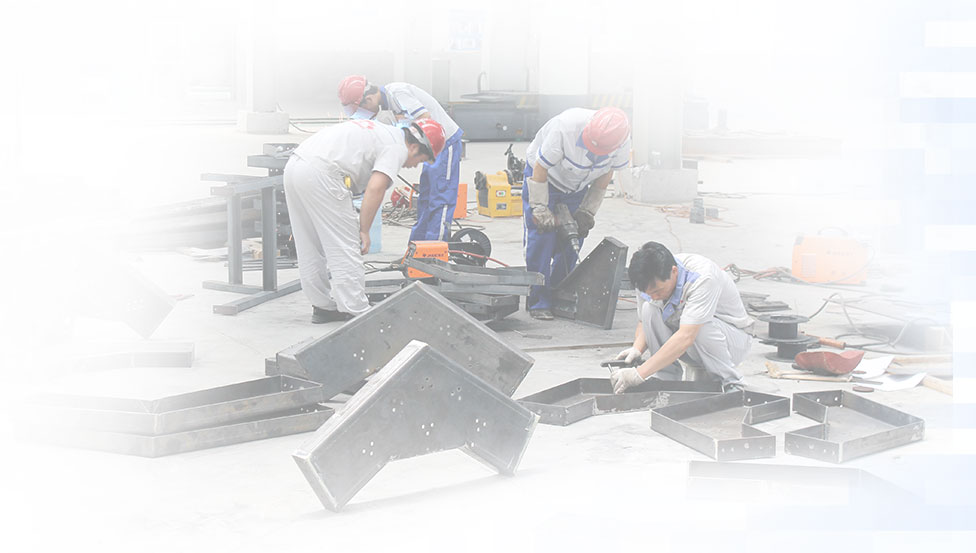
● Manufacturing
Equipment Manufacturing
The critical components of the of the complete pellet production line equipment are built in our own workshops in Asia. Additional equipment is manufactured by our worldwide network of reliable partners.

● Testing
Quality Inspection & Testing
Before leaving the factory, all equipment will be inspected by the quality inspection department. We can also provide customers with testing services from a single machine to a complete pellet plant system, and provide you with real actual data for “worry-free use.”

● Delivery
Equipment Delivery
In equipment boxing and packaging, we adopt professional packaging and modular solutions to ensure the safe and non-destructive delivery of pellet plant equipment.
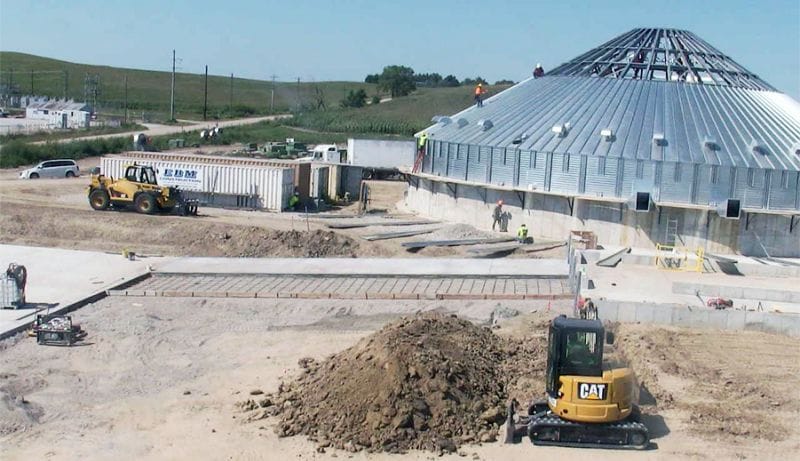
● Installation
Installation & Commissioning
Whether you choose your own subcontractor for the erection phase or you want to install everything together with us, a Richi supervisor will be around to make sure everything is mounted in a safe and thorough way.

● Training
Staff Training
We provide comprehensive training for the technicians of each project. We can also continue to provide support for the technicians during latter project operation.
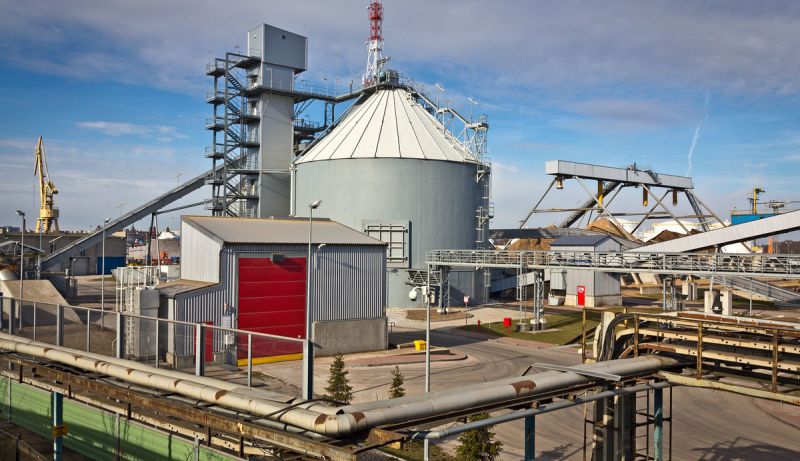
● After-sales
Project Follow-Up
When everything is up and running our Richiers will help you further whenever needed. We are ready to answer your call 24/7.We’ll also visit you regularly to learn about your needs.
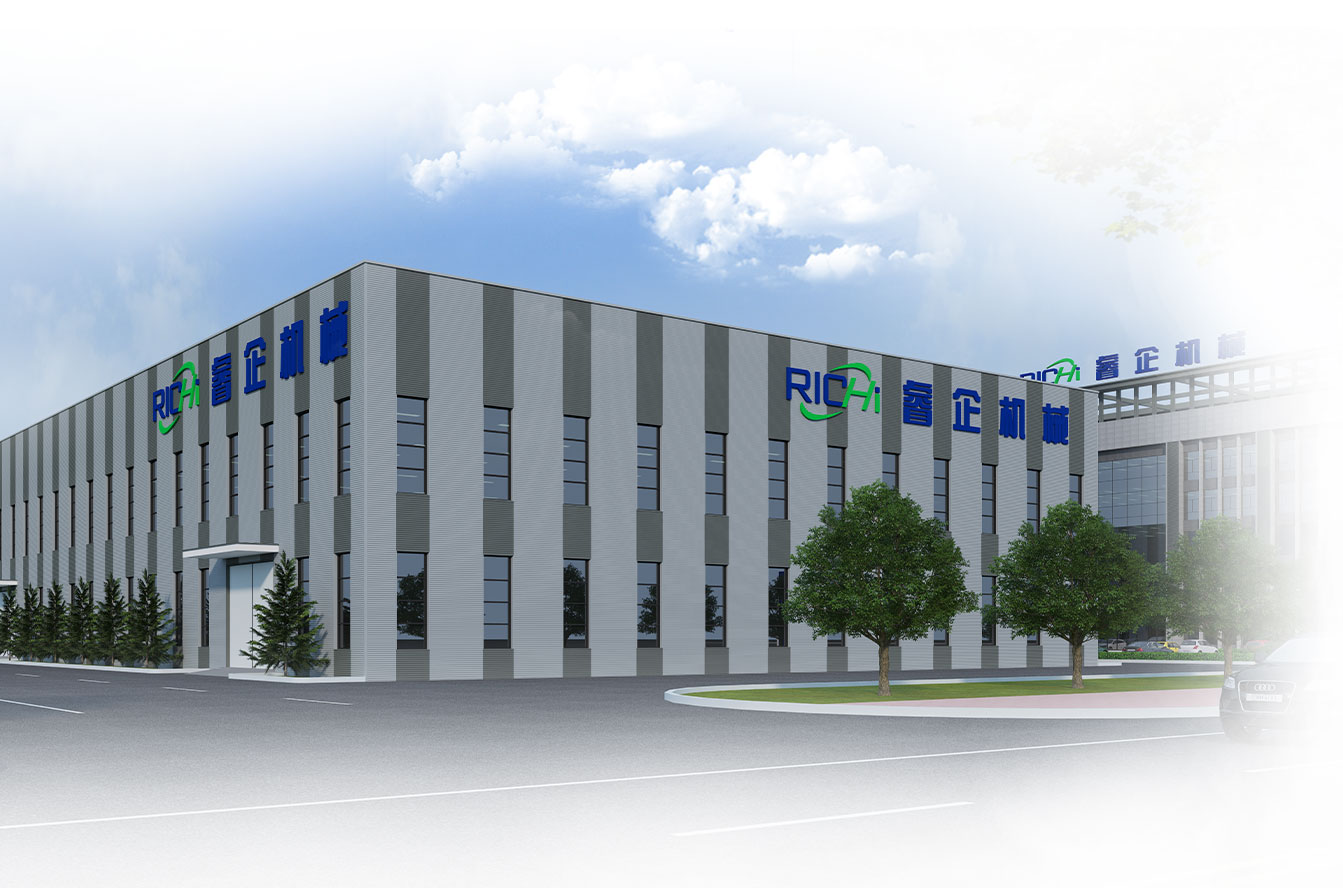
Who we are
RICHI Machinery is one of the world’s leading suppliers of technology and services for the animal feed, aqua feed and pet food industries, also the largest pellet production line manufacturer in China.
Since 1995, RICHI’s vision to build a first-class enterprise, to foster first-class employees, and to make first-class contributions to society has never wavered.
In the past three decades, we have expanded our business to a wide range of areas, including animal feed mill equipment, aqua feed equipment, pet feed equipment, biomass pellet equipment, fertilizer equipment, cat litter equipment, municipal solid waste pellets equipment, etc.

1995
RICHI Established

2000+
Serving More Than 2000 Customers

120+
RICHI Employees

140+
Exported To 140 Countries