 0086-138 3838 9622
Bamboo Wood Pellet Processing Line in Japan
RICHI MACHINERY
Overview
The 1.5–2 t/h bamboo wood pellet processing line in Japan was initiated to convert locally abundant bamboo and wood residues into high-quality biomass pellets for residential, industrial, and power generation applications. This project targets an annual production of 4,000 t of pellets, designed to meet Japan’s increasing demand for renewable and clean energy sources.
Biomass pellets in Japan are highly valued for their high calorific value (16.8 MJ/kg), low ash content, and ease of storage and transport. They are ideal for household boilers, hot water systems, industrial boilers, and biomass power plants. With rising environmental awareness and policies encouraging renewable energy, the demand for bamboo and wood-based pellets is growing steadily.
The client, a mid-sized Japanese biomass energy company, recognized the opportunity to utilize bamboo residues from forestry management and wood processing offcuts. They consulted RICHI Machinery in mid-2025 to design a line capable of processing 1.5–2 t/h of raw materials into uniform pellets with minimal environmental impact.
1.5–2 T/H
capacity
$120,000 USD
investment
Japan
location
Fuel
project type
RICHI MACHINERY
Project Background
The Japanese client’s primary goal was to build a small-scale, efficient biomass pellet line without major construction costs. They aimed to:
- Utilize local bamboo and wood residues (including bamboo poles, offcuts, and sawdust).
- Achieve a stable annual output of 4,000 t.
- Reduce environmental impact with proper dust, noise, and emission control.
- Have a turnkey solution including layout, equipment, auxiliary systems, and environmental management.
RICHI Machinery provided a complete solution, including site assessment, process customization, equipment selection, and environmental compliance consultation. The project involved optimizing the layout within the client’s existing warehouse, installing a closed processing system, and integrating dust collection, ventilation, and material handling systems.
RICHI MACHINERY
Raw Materials
The 1.5–2 t/h bamboo wood pellet processing line in Japan primarily uses bamboo residues and wood offcuts from local forestry operations and small-scale furniture workshops. The raw materials are free from paint, glue, or chemical treatments to ensure clean combustion.
Raw Materials Consumption Table
| No. | Material | Annual Consumption | Notes |
|---|---|---|---|
| 1 | Bamboo & wood residues (sawdust, offcuts, bamboo nodes) | 4,300 t | Moisture ≤30% |
| 2 | Biomass pellets (as fuel for heat source) | 120 t | Used in hot air furnace |
| 3 | Lubricating oil | 50 kg | Machinery maintenance |
The choice of bamboo and wood is ideal in Japan because of the abundance of forestry residues and sustainable supply chains from local sources.
RICHI MACHINERY
Facility Layout
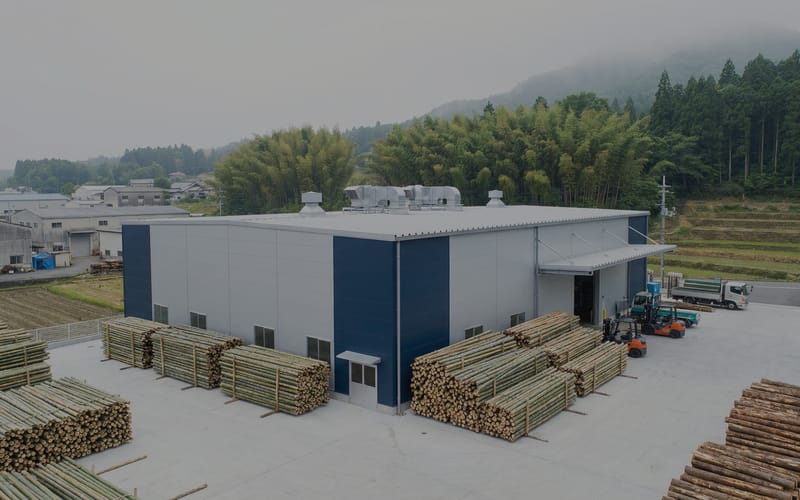
The biomass pellet project utilizes an existing warehouse of approximately 800 m². The production line is divided into:
- Raw material storage area: Separated zones for bamboo and wood residues.
- Processing zone: Includes pulverization, drying, and pelletizing within a closed, ventilated space.
- Finished product storage: 150 m² warehouse for bagged pellets.
- Office and staff area: 50 m² for administrative work.
Auxiliary systems include:
- Water supply: Municipal water, sufficient for daily staff needs.
- Power supply: 10 kV connection from the local grid.
- Wastewater management: Rainwater and treated domestic wastewater are reused for site irrigation.
RICHI MACHINERY
Equipment List
The 1.5–2 t/h bamboo wood pellet processing line in Japan is equipped with high-efficiency machinery tailored to minimize emissions.
| No. | Equipment | Quantity |
|---|---|---|
| 1 | Crusher | 1 |
| 2 | Crusher with bag filter | 1 |
| 3 | Feeding conveyor | 1 |
| 4 | Finished product conveyor | 1 |
| 5 | Bucket elevator | 1 |
| 6 | Raw material storage bin | 1 |
| 7 | Wood Pellet press | 1 |
| 8 | Finished product silo | 1 |
| 9 | Hot air furnace | 1 |
| 10 | Cyclone dust collector | 1 |
| 11 | Fan (total airflow 5,000 m³/h) | 1 |
| 12 | Rotary dryer | 1 |
RICHI MACHINERY
Production Process
- Crushing: Bamboo and wood residues are crushed to small particle size to ensure smooth pelletizing. Dust is collected via bag filters.
- Drying: Pulverized material is conveyed to the rotary dryer, heated by a hot air furnace fueled with biomass pellets. Moisture content is reduced from 20–40% to below 15%.
- Pelletizing: Dry material enters biomass pellet presses, compressed into uniform pellets at 110–120 °C. Dust from pelletizing is collected and recycled.
- Cooling and Bagging: Pellets are cooled and packed into 15–20 kg bags for storage or shipment.
RICHI MACHINERY
Environmental Management
The 1.5–2 t/h bamboo wood pellet processing line in Japan is designed to meet strict environmental standards:
| Source | Emission | Control Measures |
|---|---|---|
| Crusher dust | 0.43 t/a | Bag filters, 90% efficiency, discharged via 15 m exhaust |
| Pelletizing dust | 0.40 t/a | Bag filters, 90% efficiency, 15 m exhaust |
| Drying dust | 0.28 t/a | Cyclone + 70% efficiency, 15 m exhaust |
| Material yard dust | 0.02 t/a | Covered storage and windbreaks |
Noise reduction measures include low-noise motors, vibration isolation pads, and proper equipment layout. Waste heat and ash are recycled wherever possible, including use as fertilizer in local farms.
RICHI MACHINERY
Labor and Work Schedule
The biomass pellet plant project employs 10 staff members operating a single 8-hour shift, 300 working days per year, resulting in 2,400 annual production hours. Staff are primarily sourced locally, minimizing accommodation needs.
RICHI MACHINERY
Investment and Cost
The total cost for the 1.5–2 t/h bamboo wood pellet processing line in Japan is estimated at $120,000 USD, covering equipment supply, installation, auxiliary systems, and environmental control measures. Operational costs include labor, electricity, maintenance, and raw material collection.
RICHI MACHINERY
Shipping and Logistics
All equipment for this bamboo wood pellet plant construction project was shipped from Qingdao Port, China, to Port of Yokohama, Japan, by sea. From the port, the equipment was transported to the warehouse facility via standard trucking services.
RICHI MACHINERY
Market Outlook in Japan
Japan’s biomass energy sector is expanding due to strong government incentives for renewable energy and carbon reduction. The 1.5–2 t/h bamboo wood pellet processing line in Japan offers a reliable and cost-effective solution for producing high-quality biomass pellets. With increasing demand for residential heating, industrial boilers, and power generation, investors can expect stable returns from local sales and exports.
RICHI Machinery’s turnkey solution ensures compliance with Japanese environmental regulations, efficient operation, and long-term reliability. The line is scalable and can be upgraded with additional pellet presses or drying capacity if market demand grows.
This case study demonstrates a realistic, operational, and environmentally compliant biomass pellet line in Japan, fully aligned with local raw material availability, regulatory standards, and market opportunities.
● RICHI MACHINERY
RICHI Service

● Consulting
Customer Consultation
We want to have a deep understanding of your industrial process, to know your exact needs of feed, wood, biomass, fertilizer or other pellet processing.

● Design
biomass Pellet Plant Design
Based on your unique situation and industrial process, we will tailor complete pellet plant you need, and inform you of every additional detail that could facilitate operation, minimize total cost.
● Manufacturing
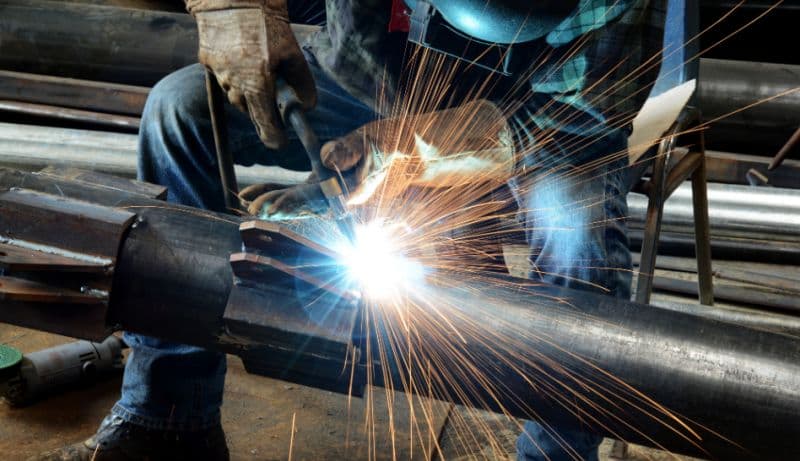
Equipment Manufacturing
The critical components of the of the complete pellet production line equipment are built in our own workshops in Asia. Additional equipment is manufactured by our worldwide network of reliable partners.
● Testing
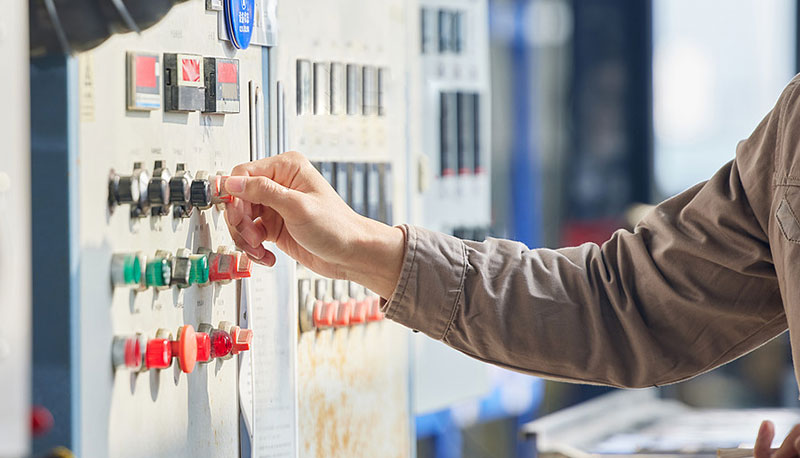
Quality Inspection & Testing
Before leaving the factory, all equipment will be inspected by the quality inspection department. We can also provide customers with testing services from a single machine to a complete pellet plant system, and provide you with real actual data for “worry-free use.”

● Delivery
Equipment Delivery
In equipment boxing and packaging, we adopt professional packaging and modular solutions to ensure the safe and non-destructive delivery of pellet plant equipment.
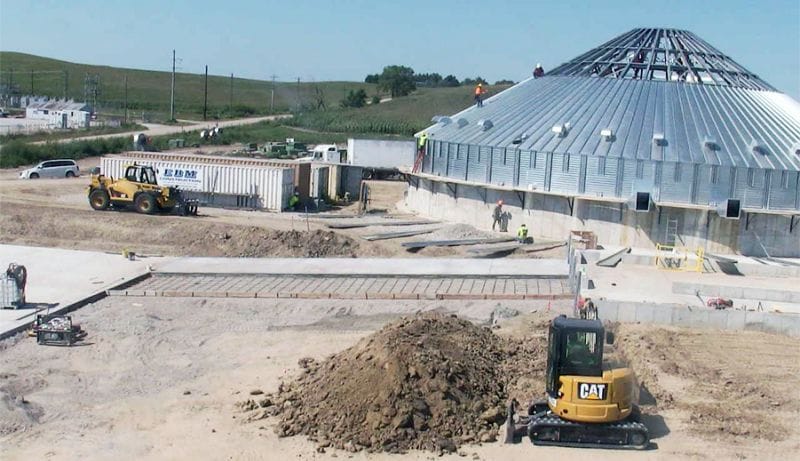
● Installation
Installation & Commissioning
Whether you choose your own subcontractor for the erection phase or you want to install everything together with us, a Richi supervisor will be around to make sure everything is mounted in a safe and thorough way.

● Training
Staff Training
We provide comprehensive training for the technicians of each project. We can also continue to provide support for the technicians during latter project operation.
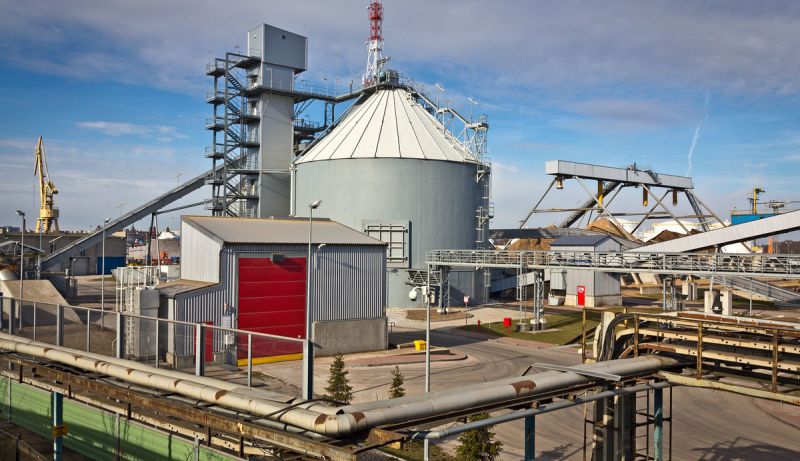
● After-sales
Project Follow-Up
When everything is up and running our Richiers will help you further whenever needed. We are ready to answer your call 24/7.We’ll also visit you regularly to learn about your needs.
Who we are
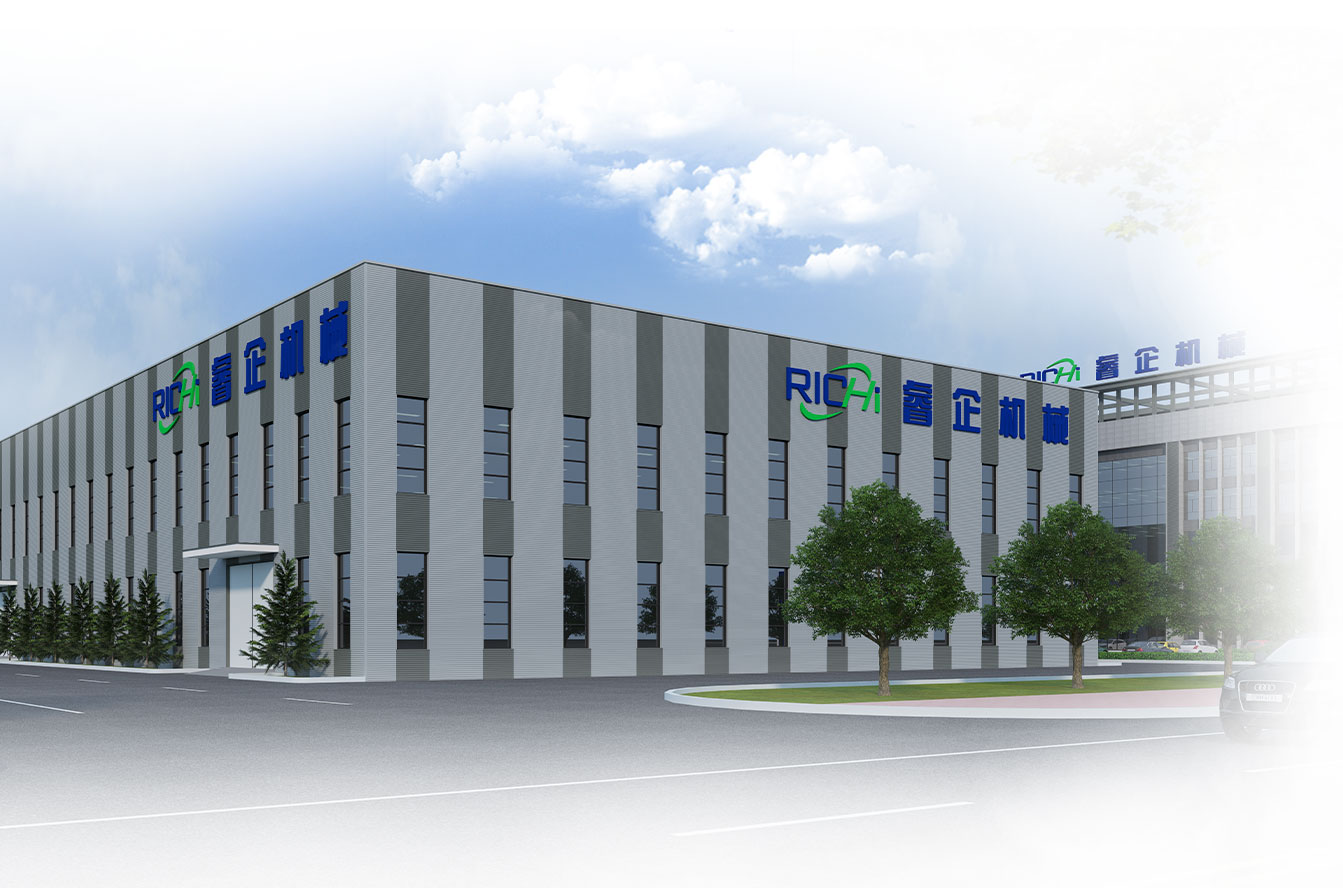
RICHI Machinery is one of the world’s leading suppliers of technology and services for the animal feed, aqua feed and pet food industries, also the largest pellet production line manufacturer in China.
Since 1995, RICHI’s vision to build a first-class enterprise, to foster first-class employees, and to make first-class contributions to society has never wavered.
In the past three decades, we have expanded our business to a wide range of areas, including animal feed mill equipment, aqua feed equipment, pet feed equipment, biomass pellet equipment, fertilizer equipment, cat litter equipment, municipal solid waste pellets equipment, etc.

1995
RICHI Established

2000+
Serving More Than 2000 Customers

120+
RICHI Employees

140+
Exported To 140 Countries