 0086-138 3838 9622
Agricultural Forestry Greening Waste Pellet Production Line in Colombia
RICHI MACHINERY
Overview
This agricultural forestry greening waste pellet production line in Colombia project represents a landmark investment in Colombia’s transition towards a sustainable, low-carbon future. It is a sophisticated industrial initiative designed to tackle multiple challenges simultaneously: managing problematic waste streams, reducing greenhouse gas emissions from open burning and decay, creating local economic value, and displacing fossil fuels. The core mission is to establish a state-of-the-art biomass wood pellet production line that transforms locally abundant, underutilized biomass residues into standardized, high-calorific-value biomass pellets.
These pellets serve as a clean, renewable solid biofuel, primarily targeting industrial clients (e.g., food processing plants, brick kilns, textile factories) seeking to reduce their carbon footprint and energy costs by replacing coal, diesel, or fossil-derived natural gas in their thermal applications. A secondary market exists for commercial heating and potentially for export to European biomass markets, given the product’s high quality.
Designed Capacity & Operational Philosophy:
The agricultural forestry greening waste pellet production line in Colombia is engineered for a maximum output of 10 metric tons per hour (t/h) of finished pellets. On an annualized basis, operating on a two-shift system (16 hours per day) for 300 working days per year, the plant will produce approximately 48,000 metric tons of pellets (factoring in 95% operational efficiency). This capacity is strategically chosen to achieve economies of scale while remaining manageable for local feedstock supply chains.
The operational model emphasizes efficiency and safety. A total workforce of 45 employees will be required, covering management, administration, production operations, maintenance, quality control, and logistics. All staff will work on-site in shifts but will not reside within the facility. The site includes a modern cafeteria, locker rooms, and a dedicated training room to ensure a high standard of worker welfare and continuous skills development.
Total Project Investment:
The estimated total capital investment required is USD 1.05 million (Including equipment cost of $640,000). This comprehensive budget encompasses:
- Land acquisition and site preparation
- Civil works and factory construction
- All processing machinery and equipment (imported and local)
- Dust control and environmental protection systems
- Utility connections (power, water, internet)
- Laboratory and quality control equipment
- Pre-operational costs (engineering, commissioning, initial feedstock stockpiling)
- A significant contingency fund.
The biomass pellet project is envisioned not merely as a production plant but as a green industrial hub, demonstrating the viability of the circular bioeconomy model in a developing context and serving as a replicable blueprint for similar regions across Latin America.
10T/H
capacity
USD 1.05 million
investment
Colombia
location
Biofuel
project type
RICHI MACHINERY
Project Background: The Colombian Context and Strategic Imperatives
Colombia, a nation of immense biodiversity and agricultural wealth, faces a significant challenge in managing the millions of tons of organic waste generated annually by its agro-industrial and urban sectors. Traditional practices, such as open-field burning of sugarcane bagasse and crop stubble, contribute severely to air pollution in regions like the Cauca Valley, leading to public health issues and environmental degradation. Simultaneously, municipalities struggle with the cost and logistics of disposing of green waste from parks and gardens, often depositing it in landfills where it decomposes and produces methane, a potent greenhouse gas.
The client, BioValle S.A.S., is a forward-thinking Colombian energy company founded by a consortium of local agro-industrial entrepreneurs and international clean technology investors. Their vision is to leverage Colombia’s biomass potential to create a domestic renewable energy industry, reduce reliance on imported fossil fuels, and generate sustainable rural employment. BioValle S.A.S. identified the Cauca Valley region, and specifically the municipality of Palmira, as the ideal location for its flagship project due to a confluence of strategic factors:
- Unparalleled Feedstock Availability: The Valle del Cauca is Colombia’s sugar basket, producing over 25% of the nation’s sugarcane. This generates vast quantities of bagasse, sugarcane straw (leaf matter), and harvest residues. Furthermore, the region is a major producer of corn, rice, and various fruits, yielding substantial stalks, straw, and pruning waste.
- Proximity to Urban Centers: Palmira is adjacent to Cali, Colombia’s third-largest city. This provides immediate access to a large and consistent stream of municipal greening waste (tree trimmings, grass clippings, fallen leaves) and potential industrial partners.
- Supportive Infrastructure: The location offers excellent transport links via the Pan-American Highway, a skilled labor pool from local universities, and reliable access to the national grid and water sources.
- Policy Tailwinds: The Colombian government, through its National Energy Plan 2020-2050 and Energy Transition Law, offers incentives for renewable energy projects, including tax benefits and simplified permitting for non-conventional energy projects.
This 10 t/h biomass pellet production line is the first phase of BioValle’s planned expansion, designed to establish market presence, prove the operational model, and create a brand synonymous with quality and sustainability in the biofuel sector.
RICHI MACHINERY
Raw Material Analysis: Sourcing, Composition, and Logistics
A stable, cost-effective, and high-quality supply of raw materials is the cornerstone of the biomass wood pellet plant construction project’s viability. The strategy involves diversifying the feedstock base to mitigate seasonal availability risks and to create a blend that optimizes the pellet’s energy content, ash melting behavior, and mechanical durability.
Detailed Raw Material Composition and Supply Chain
| Raw Material Type | Annual Supply (tons) | Avg. Moisture Content | Ash Content | Calorific Value (approx.) | Sourcing Strategy & Partners |
|---|---|---|---|---|---|
| Sugarcane Straw & Tops | 25,000 | 15-18% | 5-7% | 17.5 MJ/kg | Long-term contracts with major local sugar mills (e.g., Manuelita, Incauca). Collected post-harvest from fields. |
| Corn Stover (Stalks & Leaves) | 15,000 | 18-22% | 6-8% | 17.0 MJ/kg | Agreements with corn farmer associations in the region. Collected after grain harvest. |
| Rice Husk & Straw | 8,000 | 10-12% | 15-18% | 14.5 MJ/kg | Sourced from rice processing plants near Palmira. Husk is a stable, granular material. |
| Municipal Greening Waste | 12,000 | 20-40% | 3-5% | 18.0 MJ/kg | Formal agreement with the municipal authorities of Palmira and Cali. Processing involves initial shredding at source to reduce volume. |
| Sawdust & Wood Shavings | 10,000 | 10-15% | <1% | 19.0 MJ/kg | Sourced from local furniture workshops, sawmills, and wood processing industries. |
| Coffee Husk | 5,000 | 8-12% | ~10% | 16.5 MJ/kg | Procured from coffee cooperatives in the neighboring Colombian Coffee-Growers Axis. |
| Textile & Leather Fibers | 5,000 | 8-10% | 8-12% | 20.0+ MJ/kg | Sourced from industrial zones. Requires strict quality control to ensure no synthetic or hazardous material contamination. |
| Total Input | 80,000 |
Moisture Management: The inherent moisture of the blended feedstock (targeted at 18-22%) is suitable for pelletization without pre-drying, a major energy and cost saving. The high-pressure extrusion process generates sufficient frictional heat to naturally reduce moisture in the final pellet to below 10%.
Logistics: A dedicated fleet of 5-ton trucks will handle collection. Most raw materials will be pre-processed (e.g., coarsely shredded) at the source or at regional collection points to maximize transport efficiency. The factory site includes a 5,000 m² covered storage area to maintain a 15-day buffer stock, ensuring uninterrupted production through the rainy season or during short-term supply disruptions.
RICHI MACHINERY
Production Process: Technology and Flow Description
The production process of this agricultural forestry greening waste pellet production line in Colombia is a continuous, integrated system designed for efficiency, minimal energy consumption, and product consistency. The “No-Dry, No-Binder” philosophy is a key technological differentiator.
Step 1: Receiving and Pre-Processing
Incoming trucks are weighed and unloaded in a dedicated receiving bay. Municipal green waste undergoes an initial manual and mechanical sorting to remove contaminants (plastics, metals, stones). A slow-speed, high-torque shear shredder performs the primary size reduction, breaking down large pieces into <50 mm fragments.
Step 2: Coarse and Fine Crushing
The pre-shredded material is conveyed via belt conveyors to the main processing hall. Here, it first passes through a hammer mill (coarse crusher) with a screen size of 10-12mm. This stage ensures a more uniform particle size. The material is then elevated to a fine grinding mill (e.g., a vertical rotor mill) equipped with a 4-6mm screen. This step is critical for achieving the correct particle size distribution for optimal pellet density and durability. Four pulse-jet baghouse dust collectors are strategically placed at all transfer points and above the grinding mills, capturing over 99.9% of particulate matter and returning it to the process stream.
Step 3: Homogenization and Conditioning
The finely ground biomass from various feedstocks is fed into a large-scale continuous paddle mixer. This is where the precise recipe is created to ensure a consistent final product. If necessary, a small amount of steam can be injected into the mixer to slightly soften the natural lignins in the biomass, which act as the inherent binder, enhancing pellet quality.
Step 4: Pelletizing – The Heart of the Process
The conditioned biomass blend is fed into four high-capacity ring-die biomass fuel pellet machines. The core of each mill is a rotating die and a set of internal rollers. The biomass is forced through the small holes in the die under extreme pressure (several thousand bar) and temperature (90-100°C). This combination of heat and pressure causes the lignins to plasticize, binding the particles together into dense, solid pellets. The specific mechanical energy (SME) required for this process is approximately 50-60 kWh/ton.
Step 5: Cooling and Screening
The newly formed pellets are hot (~90°C) and soft. They are conveyed to a counter-flow pellet cooler machine, where ambient air is drawn through the pellet mass, reducing their temperature to within 5°C of the ambient temperature and hardening them. This also reduces their moisture content by a further 2-3%. The cooled pellets pass over a vibrating screen to separate and recycle any fine particles (fines) back to the mixer.
Step 6: Packaging and Storage
The finished pellets are conveyed to an automated weighing and packaging system. For industrial clients, they are packed into 1-ton bulk bags (FIBCs) for easy handling with forklifts. For smaller commercial clients, 25 kg polypropylene bags are used. Packaged pellets are palletized and moved to a dry, covered warehouse for storage before dispatch. The entire process is controlled from a central control room using a SCADA system, allowing for precise monitoring and adjustment of all parameters.
RICHI MACHINERY
Detailed Equipment List and Specifications
| Equipment Category & Name | Qty. | Key Specifications | Power Rating (kW) | Origin | Function |
|---|---|---|---|---|---|
| Pre-Processing | |||||
| Slow-Speed Pre-Shredder | 1 | 50 HP diesel, 20 t/h capacity | 37 | RICHI | Initial size reduction of bulky waste |
| Size Reduction | |||||
| Heavy-Duty Wood Pellet Hammer Mill | 2 | Screen Φ12mm, 15 t/h capacity | 160 | RICHI | Coarse crushing |
| Fine Grinding Mill | 2 | Screen Φ6mm, 12 t/h capacity | 220 | RICHI | Fine grinding to required size |
| Material Handling | |||||
| Belt Conveyors | 15 | Various lengths, 800mm width | 5.5-11 | RICHI | Transport between processes |
| Bucket Elevators | 4 | 40 t/h capacity | 7.5 | RICHI | Vertical transport |
| Mixing & Pelletizing | |||||
| Continuous Paddle Mixer | 2 | 10 m³ capacity, with steam injection | 30 | RICHI | Homogenization of feedstock |
| Ring-Die Wood Pellet Mill | 4 | Die Φ8mm, 2.5-3.0 t/h capacity | 520 | RICHI | High-pressure pellet formation |
| Post-Pelletizing | |||||
| Counter-Flow Cooler | 1 | 15 t/h capacity | 7.5 | RICHI | Cooling and hardening pellets |
| Rotary Screening System | 1 | 4.0 | RICHI | Separation of fines | |
| Packaging | |||||
| Bulk Bag Filling Station | 2 | 3.0 | RICHI | Filling 1-ton FIBCs | |
| Open-Mouth Bagging Scale | 1 | 10-12 bags/min | 5.5 | RICHI | Filling 25kg bags |
| Ancillary Systems | |||||
| Pulse-Jet Baghouse Dust Collectors | 6 | 10,000 m³/h capacity each | 18.5 | RICHI | Environmental dust control |
| Electrical Control System | 1 | SCADA-based, PLC controlled | – | RICHI | Centralized process control |
| Total Installed Power | ~1,850 kW | ||||
Investment: The total equipment cost for this agricultural forestry greening waste pellet production line in Colombia, including shipping, insurance, and installation (CIF & CIP), is estimated at $640,000.
RICHI MACHINERY
Labor Structure and Work Schedule
The agricultural forestry greening waste pellet production line in Colombia project will create 45 new direct jobs. The organizational structure and shift pattern are designed for operational excellence.
- Management & Administration (5): Plant Manager, Production Manager, Finance & Admin Officer, Sales & Logistics Coordinator, QHSE (Quality, Health, Safety, Environment) Manager.
- Production Personnel (32): Shift Supervisors (4), Loader Operators (4), Crusher Operators (4), Pellet Mill Operators (8), Maintenance Technicians (6), Quality Control Lab Technicians (2), Packaging & Warehouse Staff (4).
- Support Staff (8): Security (4), Canteen Staff (2), Cleaners (2).
Work Schedule: The plant operates 16 hours per day, 6 days a week.
- Shift A: 06:00 – 14:00
- Shift B: 14:00 – 22:00
A 6-hour window is reserved for preventive maintenance and cleaning. All employees work on a 48-hour week basis, compliant with Colombian labor laws, with overtime paid for additional hours. Comprehensive training on equipment operation, safety protocols, and quality standards will be provided to all operational staff.
RICHI MACHINERY
Site, Water, and Utilities Management
Site: A 4-hectare plot of land has been identified in an industrial zone on the outskirts of Palmira. The site allows for logical material flow from receiving (west side) to shipping (east side) and has ample space for future expansion.
Water Supply: The primary water source is the municipal network, with a backup borewell on site. Water is used for:
- Process: Steam injection in conditioning (minimal, mostly evaporated).
- Dust Suppression: Minimal use at the receiving bay.
- Domestic Use: For staff facilities and cleaning.
Total consumption is estimated at 8 m³/day (2,400 m³/year).
Wastewater Management: No process wastewater is generated. All domestic wastewater is treated in a three-chamber septic tank followed by an anaerobic filter and a subsurface flow constructed wetland. The treated water meets Colombian standards for irrigation and is used to maintain green spaces within the factory premises, achieving zero liquid discharge.
Power Supply: The total connected load is approximately 1,850 kW, with an average demand of 1,200 kW. A dedicated 11 kV line from the local grid will be connected to a new transformer substation on-site. Annual electricity consumption is estimated at 5.76 million kWh. A 500 kVA diesel generator is provided for emergency backup only for critical loads (control systems, lighting).
RICHI MACHINERY
Comprehensive Environmental and Social Impact Management
1. Emissions Control
- Dust: The six baghouse dust collectors, with filtration efficiency >99.9%, are the primary control. Additionally, mist cannons are used in the raw material storage yard to suppress fugitive dust.
- Combustion Emissions: While the pellets themselves reduce end-user emissions, the biomass pellet plant project’s only significant point source is the 500 kVA backup generator. It will use ultra-low sulfur diesel and be equipped with a standard diesel particulate filter. Its use will be minimal.
- Kitchen Emissions: The staff canteen will use LPG, a clean fuel. A commercial-grade ** electrostatic precipitator** will be installed to treat cooking fumes, with a removal efficiency of >85%.
2. Noise Control
Main noise sources (crushers, biomass pellet mills) are housed within insulated buildings. Equipment is placed on anti-vibration mounts. Operators are provided with mandatory personal hearing protection (PPE). A noise barrier wall will be constructed along the perimeter facing the nearest community. Regular monitoring will ensure noise levels at the fence line remain below 65 dB(A) during daytime.
3. Solid and Hazardous Waste Management
- Non-Biomass Contaminants (Inerts): Plastics, metals, and stones separated during pre-processing will be sold to local recycling companies.
- Domestic Waste: Segregated into organic, recyclable, and general waste. Recyclables are sold; organic waste is composted on-site; general waste is collected by the municipality.
- Hazardous Waste: Used lubricating oils, oil filters, and contaminated rags from maintenance are stored in labeled, sealed containers in a designated hazardous waste storage area. They are collected quarterly by a licensed hazardous waste management company for proper treatment and disposal, with full documentation (cradle-to-grave manifest system).
4. Social Impact
The agricultural forestry greening waste pellet production line in Colombia project generates positive social impact through:
- Job Creation: 45 direct jobs and an estimated 60+ indirect jobs in logistics and feedstock supply.
- Local Economic Development: Creating a new market for waste products, providing additional income for farmers and municipalities.
- Environmental Benefits: Improving local air quality by eliminating open burning and reducing greenhouse gas emissions.
- Community Engagement: A community liaison officer will be appointed to manage relations with the local community and implement a small-scale CSR program.
RICHI MACHINERY
Production Output and Detailed Mass Balance
Production Output:
- Product: Dense Biomass Pellets (ISO 17225-6 standards)
- Capacity: 10 t/h
- Annual Production: 10 t/h * 16 h/day * 300 days * 0.95 (availability) = 45,600 t/year
Mass Balance Analysis (Annual Basis):
- Total Input: 80,000 tons of raw biomass (as received, avg. 20% moisture)
- Moisture Loss: During processing and cooling, approximately 15,000 tons of water vapor is released to the atmosphere.
- Inert Waste: ~500 tons of non-biomass contaminants are removed and sent for recycling.
- Dust Loss: The baghouse system captures ~1,500 tons of fine biomass, which is recycled into the process.
- Process Losses: ~1,400 tons (handling, degradation).
- Total Output: 45,600 tons of pellets (at ~8% moisture) + 15,000 t (H₂O) + 500 t (Inerts) + 1,400 t (Losses) = ~62,500 t (Note: The mass of water and inputs account for the total mass flow).
RICHI MACHINERY
Market Prospects and Strategic Conclusion
The market for biomass pellets in Colombia and internationally is robust and growing. Local drivers include rising fossil fuel prices, corporate sustainability mandates (ESG), and supportive government policies. International demand, particularly in Europe, remains strong due to the EU’s Renewable Energy Directive (RED II).
BioValle S.A.S. is strategically positioned to become a market leader. The initial production will focus on securing long-term offtake agreements with major industrial users in the Valle del Cauca. The high quality and sustainability certification of the pellets will also allow the company to explore the premium export market.
This agricultural forestry greening waste pellet production line in Colombia project is more than a business venture; it is a demonstration of transformative environmental technology. It showcases a viable, profitable model for waste valorization and renewable energy production that can be replicated across Colombia and other agricultural nations. By turning a problem into a valuable resource, the project delivers profound economic, environmental, and social benefits, firmly aligning with the principles of sustainable development and positioning Colombia as a leader in the global bioeconomy.
● RICHI MACHINERY
RICHI Service

● Consulting
Customer Consultation
We want to have a deep understanding of your industrial process, to know your exact needs of feed, wood, biomass, fertilizer or other pellet processing.

● Design
biomass Pellet Plant Design
Based on your unique situation and industrial process, we will tailor complete pellet plant you need, and inform you of every additional detail that could facilitate operation, minimize total cost.
● Manufacturing
Equipment Manufacturing
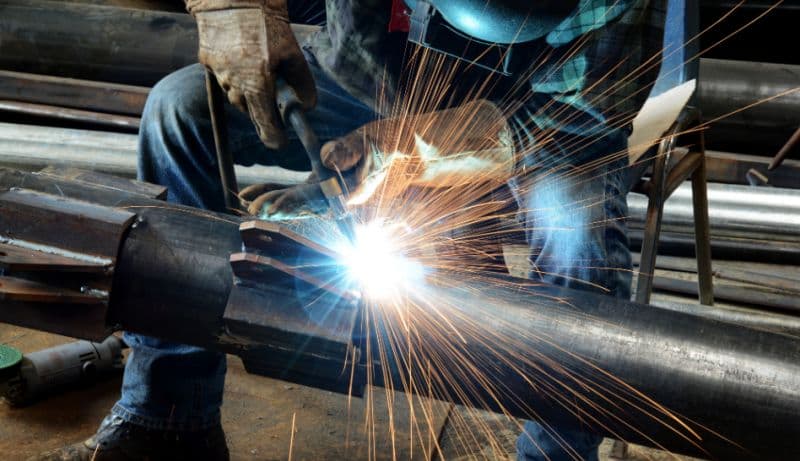
The critical components of the of the complete pellet production line equipment are built in our own workshops in Asia. Additional equipment is manufactured by our worldwide network of reliable partners.

● Testing
Quality Inspection & Testing
Before leaving the factory, all equipment will be inspected by the quality inspection department. We can also provide customers with testing services from a single machine to a complete pellet plant system, and provide you with real actual data for “worry-free use.”

● Delivery
Equipment Delivery
In equipment boxing and packaging, we adopt professional packaging and modular solutions to ensure the safe and non-destructive delivery of pellet plant equipment.
● Installation
Installation & Commissioning
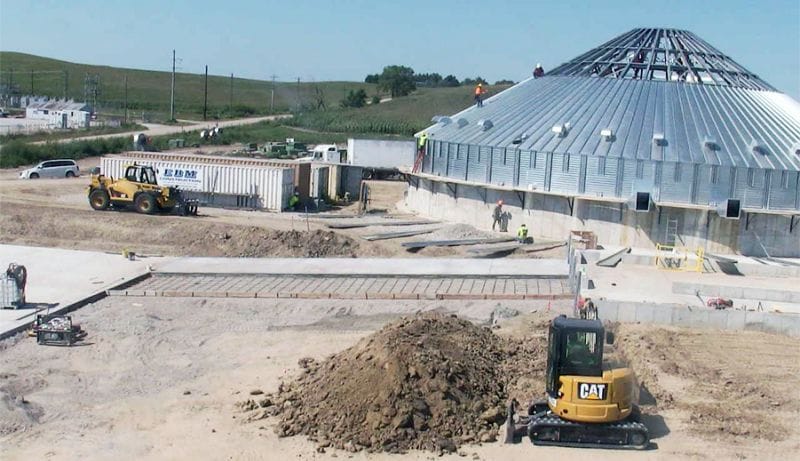
Whether you choose your own subcontractor for the erection phase or you want to install everything together with us, a Richi supervisor will be around to make sure everything is mounted in a safe and thorough way.

● Training
Staff Training
We provide comprehensive training for the technicians of each project. We can also continue to provide support for the technicians during latter project operation.
● After-sales
Project Follow-Up
When everything is up and running our Richiers will help you further whenever needed. We are ready to answer your call 24/7.We’ll also visit you regularly to learn about your needs.
Who we are
RICHI Machinery is one of the world’s leading suppliers of technology and services for the animal feed, aqua feed and pet food industries, also the largest pellet production line manufacturer in China.
Since 1995, RICHI’s vision to build a first-class enterprise, to foster first-class employees, and to make first-class contributions to society has never wavered.
In the past three decades, we have expanded our business to a wide range of areas, including animal feed mill equipment, aqua feed equipment, pet feed equipment, biomass pellet equipment, fertilizer equipment, cat litter equipment, municipal solid waste pellets equipment, etc.

1995
RICHI Established

2000+
Serving More Than 2000 Customers

120+
RICHI Employees

140+
Exported To 140 Countries