 0086-138 3838 9622
Agricultural and Forestry Waste Pellet Production Line in Egypt
RICHI MACHINERY
overview
In November 2012, a local agricultural recycling enterprise in Egypt initiated a $230,000 investment project to establish a comprehensive agricultural and forestry waste pellet production line in Egypt, the Nile Delta region. The plant covers an area of 25,330 m², with a total construction area of 4,460 m², including workshops, warehouses, offices, and auxiliary facilities.
The project focuses on the collection, crushing, and densification of crop residues and wood wastes, aiming to recycle 800 tons of rice straw, 1,000 tons of sawmill residues, and 500 tons of waste construction wood panels annually. With these feedstocks, the plant is designed to produce 4,000 m³ of compressed blocks (equivalent to approximately 5,500–6,000 tons of biomass pellets per year, or an average of 1.8 t/h continuous output).
This agricultural and forestry waste pellet production line in Egypt not only reduces open-field burning and pollution but also provides renewable solid fuel alternatives for household heating, small industrial boilers, and construction material applications.
1.5–2 T/H
capacity
$230,000
investment
Egypt
location
Biofuel
project type
RICHI MACHINERY
Project Background
Egypt, particularly the Nile Delta, is one of the world’s most fertile agricultural regions, producing millions of tons of rice, wheat, and maize each year. However, the disposal of rice straw, wood residues, and waste construction materials has long been a pressing issue. Traditionally, farmers burned rice straw after harvest, creating heavy smoke and contributing to severe air pollution episodes (locally known as the “black cloud”) during autumn.
The client, a mid-sized agricultural cooperative specializing in crop residue management, decided to invest in this pellet production line to provide both environmental and economic solutions. The cooperative saw an opportunity to:
- Reduce environmental pollution caused by burning crop residues.
- Create added value by processing low-cost residues into energy pellets and compressed blocks.
- Supply renewable biofuel for local industries and households, reducing reliance on fossil fuels.
- Support Egypt’s renewable energy strategy, which targets an increasing share of clean energy in the total energy mix.
The biomass pellet plant’s design capacity of 4,000 m³ of biomass blocks annually (around 6,000 tons of pellets equivalent) translates into an hourly capacity of 1.5–2 t/h, which fits well with both local feedstock availability and regional energy demand.
RICHI MACHINERY
Raw Materials
The main raw materials for this agricultural and forestry waste pellet production line in Egypt project are widely available within Egypt’s agricultural and forestry sectors. The cooperative has long-term agreements with local farmers, sawmills, and construction contractors to ensure stable supply.
Table – Feedstock Supply Plan
| Raw Material | Annual Supply (tons) | Average Moisture | Source and Notes |
|---|---|---|---|
| Rice straw | 800 | 15–20% | Collected from Nile Delta rice farms after harvest |
| Sawmill residues | 1,000 | 10–12% | Offcuts and trimmings from local wood workshops |
| Waste construction panels | 500 | 12–18% | Discarded plywood and formwork from urban projects |
| Urea-formaldehyde resin | 130 | N/A | Purchased from local suppliers for adhesive blending |
| Lubricating oil | 0.5 | N/A | Used for machinery maintenance |
These raw materials, combined with low-cost adhesives, allow the plant to produce durable compressed blocks and biomass pellets with strong binding strength, making them suitable for fuel applications and packaging materials.
RICHI MACHINERY
Plant Layout and Infrastructure
The production site of agricultural and forestry waste pellet production line in Egypt was carefully planned to optimize logistics, raw material storage, and environmental safety.
Table – Building and Facility Layout
| Building Type | Quantity | Function | Area (m²) |
|---|---|---|---|
| Workshop 1 | 1 | Hot press forming area | 768 |
| Workshop 2 | 1 | Extrusion forming area | 377 |
| Warehouse 1 | 1 | Raw material storage | 980 |
| Warehouse 2 | 1 | Finished product storage | 1000 |
| Warehouse 3 | 1 | Finished product storage | 1000 |
| Office | 2 | Administration | 125 |
| Canteen | 3 | Staff dining | 200 |
| Hazardous waste room | 1 | Temporary hazardous storage | 10 |
Total construction area: 4,460 m².
The agricultural and forestry waste pellet production line in Egypt employs 16 workers, operating on a two-shift system (12 hours each), 300 days per year, ensuring continuous operation.
RICHI MACHINERY
Technology and Production Process
The agricultural and forestry waste biomass pellet production line in Egypt uses two complementary production processes, depending on the type of raw material:
- Rice Straw and Wood Residue Process
- Raw straw and sawmill residues are crushed externally and delivered to the raw material warehouse.
- Material is fed via conveyors into mixers, where urea-formaldehyde resin is added for binding.
- The mixture is sent to hot-press forming machines for densification.
- Blocks are cut and shaped into final products.
- Emissions (dust and formaldehyde vapors) are captured by bag filters and photo-oxidation systems.
- Waste Construction Panel Process
- Panels are manually stripped of nails using air guns.
- Panels are cut into strips using saw tables.
- Strips are fed into extrusion forming machines for pressing and re-nailing.
- Final products are stacked and stored in finished goods warehouses.
This dual-process design of this fuel pellet plant allows the plant to maximize utilization of available resources and minimize waste.
RICHI MACHINERY
Equipment Configuration
The equipment list for this agricultural and forestry waste pellet production line in Egypt project reflects a balance between efficiency, cost control, and environmental safety.
Table – Key Equipment
| Equipment | Quantity | Model/Specification |
|---|---|---|
| Mixers | 2 | Custom-built |
| Extrusion forming machine | 1 | MBD-520 |
| Biomass pellet mill | 1 | MZLH420 |
| Conveyors | 3 | Belt type |
| Saw tables | 2 | TJ15-3 |
| Forklifts | 2 | 3-ton capacity |
| Loaders | 2 | Medium capacity |
| Air compressors | 3 | HTPM30A |
| Air guns | 4 | Industrial type |
| Exhaust gas treatment unit | 1 | UV + Activated Carbon |
| Bag dust collectors | 6 | Multi-stage filters |
Total equipment: 29 sets.
The agricultural and forestry waste pellet equipment investment falls within the range of USD 200,000–250,000, in line with the 1.5–2.0 t/h pellet production line price bracket for Egypt.
RICHI MACHINERY
Utilities and Environmental Measures
- Water Supply: 240 tons/year, provided by municipal networks.
- Power Consumption: 800,000 kWh/year, connected to the local grid.
- Wastewater: 192 tons/year, treated in on-site septic tanks and reused in agriculture, with no external discharge.
- Solid Waste: Sawdust residues and rejected blocks recycled as feedstock; small volumes of lubricants, UV lamps, and used activated carbon are disposed of via licensed contractors.
- Air Emissions: Formaldehyde vapors treated via UV photo-oxidation + activated carbon adsorption; dust collected via bag filters before safe release.
These measures ensure compliance with Egypt’s environmental regulations while maintaining operational efficiency.
RICHI MACHINERY
Market Prospects in Egypt
The agricultural and forestry waste pellet production line in Egypt is strategically positioned to meet three types of market demand:
- Energy Applications – Local households and small industries are increasingly adopting biomass pellets as an affordable alternative to LPG and coal.
- Construction Material Substitutes – Compressed blocks are used for pallet bases, packaging, and low-cost building applications.
- Export Opportunities – With Egypt’s proximity to Europe, surplus pellets can be exported to Mediterranean markets that already have strong biomass energy incentives.
Egypt’s government has introduced incentives for renewable energy and biomass pellet projects, making this sector an attractive field for long-term growth.
RICHI MACHINERY
Conclusion
This case demonstrates how an agricultural and forestry waste pellet production line in Egypt can transform environmental challenges into economic opportunities. By converting rice straw, wood residues, and construction wastes into valuable biomass blocks and pellets, the project supports pollution reduction, renewable energy development, and rural income generation.
For investors and operators considering similar projects, the Egyptian market offers abundant feedstock, growing domestic demand, and supportive policies. With the right equipment and engineering expertise, such as that provided by RICHI Machinery, projects of this scale can achieve profitability within just a few years while contributing to sustainable development.
● RICHI MACHINERY
RICHI Service

● Consulting
Customer Consultation
We want to have a deep understanding of your industrial process, to know your exact needs of feed, wood, biomass, fertilizer or other pellet processing.

● Design
biomass Pellet Plant Design
Based on your unique situation and industrial process, we will tailor complete pellet plant you need, and inform you of every additional detail that could facilitate operation, minimize total cost.
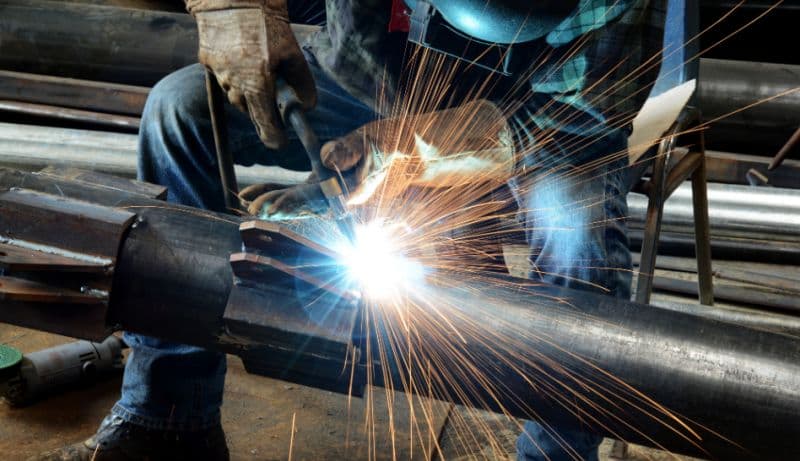
● Manufacturing
Equipment Manufacturing
The critical components of the of the complete pellet production line equipment are built in our own workshops in Asia. Additional equipment is manufactured by our worldwide network of reliable partners.
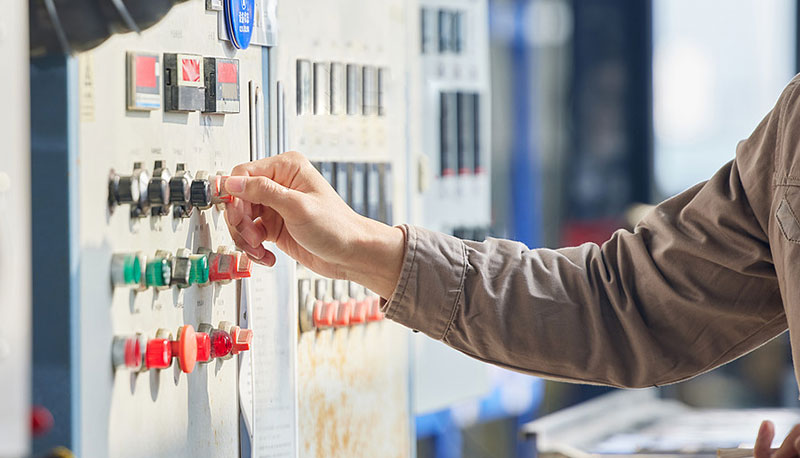
● Testing
Quality Inspection & Testing
Before leaving the factory, all equipment will be inspected by the quality inspection department. We can also provide customers with testing services from a single machine to a complete pellet plant system, and provide you with real actual data for “worry-free use.”

● Delivery
Equipment Delivery
In equipment boxing and packaging, we adopt professional packaging and modular solutions to ensure the safe and non-destructive delivery of pellet plant equipment.
● Installation
Installation & Commissioning
Whether you choose your own subcontractor for the erection phase or you want to install everything together with us, a Richi supervisor will be around to make sure everything is mounted in a safe and thorough way.

● Training
Staff Training
We provide comprehensive training for the technicians of each project. We can also continue to provide support for the technicians during latter project operation.
● After-sales
Project Follow-Up
When everything is up and running our Richiers will help you further whenever needed. We are ready to answer your call 24/7.We’ll also visit you regularly to learn about your needs.
Who we are
RICHI Machinery is one of the world’s leading suppliers of technology and services for the animal feed, aqua feed and pet food industries, also the largest pellet production line manufacturer in China.
Since 1995, RICHI’s vision to build a first-class enterprise, to foster first-class employees, and to make first-class contributions to society has never wavered.
In the past three decades, we have expanded our business to a wide range of areas, including animal feed mill equipment, aqua feed equipment, pet feed equipment, biomass pellet equipment, fertilizer equipment, cat litter equipment, municipal solid waste pellets equipment, etc.

1995
RICHI Established

2000+
Serving More Than 2000 Customers

120+
RICHI Employees

140+
Exported To 140 Countries