 0086-138 3838 9622
Wood Straw Pellet Production Line in Vietnam

RICHI MACHINERY
Project Overview
This case study examines a wood straw pellet production line in Vietnam, developed to address the growing demand for clean energy in the country while making effective use of agricultural and wood processing residues. Located in the Mekong Delta region, the facility takes advantage of the abundant rice straw, corn stalks, and small-scale wood waste available in the area.
The straw wood pellet production line is designed to produce 15,000 tons of biomass pellets per year, operating 16 hours a day with a two-shift system for 300 days per year, equating to a capacity of roughly 1.0–1.2 t/h. The pellets produced are intended primarily for industrial boilers, small-scale domestic heating, and local energy providers seeking sustainable alternatives to coal and oil.
The total investment for this project is approximately USD 340,000 (Including equipment cost of US$110,000.), including equipment procurement, installation, civil works, utilities, and environmental protection measures. All equipment is supplied by RICHI Machinery, including training and technical support for local operators.
1-1.2T/H
capacity
US$110,000
investment
Vietnam
location
Biofuel
project type
RICHI MACHINERY
Project Background and Client Profile
The client for this straw pellet plant project is a Vietnamese renewable energy cooperative, consisting of rice farmers and small-scale wood processing businesses. Traditionally, rice straw and corn stalks were either burned in the fields or discarded, causing serious environmental issues such as air pollution and greenhouse gas emissions. Similarly, sawdust and wood off-cuts were underutilized.
Motivated by the Vietnamese government’s push for increased renewable energy usage, the client decided to invest in a wood straw pellet production line in Vietnam to:
- Convert agricultural residues into value-added biomass pellets.
- Reduce environmental pollution caused by open burning.
- Generate a sustainable revenue stream for local farmers and the cooperative.
The facility was designed to process a combination of rice straw, corn stalks, and wood residues, producing high-quality pellets suitable for both domestic and industrial applications. The projected annual production of 15,000 tons aligns with both local raw material availability and market demand.
RICHI MACHINERY
Raw Materials
In Vietnam, the availability of agricultural and wood residues is considerable, especially in the Mekong Delta region. The design of this wood straw pellet production line in Vietnam takes into account the seasonal and moisture variations of local raw materials.
Raw Material Types and Supply
The primary raw materials for this project include rice straw, corn stalks, and wood residues from local furniture workshops. These materials are abundant and can be stored in piles for gradual use throughout the year.
| Raw Material | Category | Specifications/Components | Annual Consumption (t/a) | Storage Method | Max Storage (t) | Source |
|---|---|---|---|---|---|---|
| Wood Residues | Raw Material | – | 12,000 | Pile | 500 | Local furniture workshops |
| Sawdust | Raw Material | – | 3,000 | Pile | 500 | Local carpentry shops |
| Rice Straw | Raw Material | – | 5,000 | Pile | 500 | Agricultural fields |
The project requires careful pre-processing of these materials to ensure uniform particle size and moisture content before pelletizing.
Preprocessing Considerations
- Moisture Control: Rice straw and corn stalks are dried to 12–15% moisture content.
- Particle Size Reduction: Straw, wood residues, and sawdust are crushed to 3–8 mm for optimal pellet formation.
- Blending: Combining wood residues with agricultural residues improves pellet binding, density, and calorific value.
RICHI MACHINERY
Production Line and Process Flow
The wood straw pellet production line in Vietnam employs a modern, energy-efficient process, combining mechanical and thermal principles to produce high-quality pellets.
Process Flow
The main production steps include:
- Raw Material Collection & Storage – Materials are collected from farms and woodworking shops, then stored in dedicated areas to ensure continuous supply.
- Slicing – Large pieces of rice straw and wood waste are cut into smaller fragments using a slicer, while sawdust requires no slicing. Minimal dust is generated and captured via dust collection systems.
- Crushing – The sliced materials are fed into a large multifunctional crusher, reducing the size to 3–8 mm. Dust generated is captured by a bag filter and recycled into the production process.
- Pelletizing – Crushed materials are conveyed to the wood straw pellet mills. The compression and friction between the rollers and die generate heat (80–130°C), softening fibers and sterilizing the raw materials naturally. No external heating source is needed.
- Cooling – The hot pellets are conveyed to storage silos for natural cooling to room temperature.
- Packaging – Qualified pellets are weighed, bagged, and stored for distribution.
Pollution and Noise Control
The production line includes dust collection, noise reduction, and solid waste recycling measures:
| Production Stage | Main Pollutants | Control Measures |
|---|---|---|
| Slicing | Dust, Noise | Dust hood + bag filter, soundproof enclosure |
| Crushing | Dust, Noise | Bag filter, enclosed system, recycled fines |
| Pelletizing | Dust, Noise | Enclosed feed system, dust capture, noise insulation |
RICHI MACHINERY
Major Equipment
The wood straw pellet production line in Vietnam uses reliable, locally and internationally tested equipment:
| No | Equipment Name | Model/Specification | Quantity | Remarks |
|---|---|---|---|---|
| 1 | Large Multifunctional Crusher | – | 1 | Size reduction for straw and wood |
| 2 | Straw Wood Pellet Mill | MZLH | 1 | Main pelletizing equipment |
| 3 | Low-Voltage Starter Cabinet | – | 1 | Control for pellet mills |
| 4 | Slicer | – | 1 | Cutting large straw or wood pieces |
RICHI MACHINERY
Utilities and Energy Consumption
Energy management is crucial for efficiency and sustainability. The wood straw pellet production line in Vietnam is designed with careful monitoring of electricity, water, and fuel:
| Utility | Consumption | Notes |
|---|---|---|
| Water | 360 t/a | Municipal supply for dust control and staff |
| Electricity | 1.4 million kWh/a | Provided by local grid |
| Fuel Oil | – | Not used in main process |
| Gas | – | Not applicable |
| Coal | – | Not applicable |
| Other | – | – |
No radioactive or electromagnetic facilities are involved in the project.
RICHI MACHINERY
Project Structure and Production Scale
Main Engineering and Product Scheme
The wood straw pellet production line in Vietnam is designed for an annual production of 15,000 tons. The production facility includes a pellet mill workshop, raw material storage, finished product storage, and an operational control area.
| Workshop/Facility | Product & Specification | Annual Production | Operating Hours |
|---|---|---|---|
| Biomass Pellet Production Line | Wood straw pellets | 15,000 t/a | 4,800 h/a |
Auxiliary and Public Works
The facility uses existing local infrastructure for water, electricity, and waste management.
| Engineering Type | Facility Name | Design Capacity | Notes |
| Public Works | Water Supply | 360 t/a | Municipal supply |
| Wastewater | 288 t/a | Collected and treated via on-site tanks | |
| Electricity Supply | 1.4 million kWh | Supplied by local grid | |
| Production Works | Pellet Mill Workshop | 1,190 m² | On-site facility |
| Raw Material Storage | 500 m² | Covered storage area | |
| Finished Product Storage | 180 m² | Warehouse | |
| Control Room | 20 m² | Operational monitoring |
Labor Requirements
The project employs 12 staff, operating two shifts per day for 16 hours, over 300 days per year.
RICHI MACHINERY
Production Process Analysis
The biomass pellet production line converts wood residues and straw into high-quality biomass pellets. The main process steps are:
- Slicing: Cutting large straw and wood pieces; dust collected via hood + bag filter.
- Crushing: Using the multifunctional crusher to reduce material size; dust collected and recycled.
- Pelletizing: Compressing and shaping material into pellets; frictional heat sterilizes material naturally.
- Cooling: Natural cooling of pellets in silos.
- Packaging: Final inspection, weighing, bagging, and storage.
Pollution Control:
- Dust: Controlled via bag filters at each production stage.
- Noise: Mitigated through equipment enclosures and operational best practices.
- Solid Waste: Fines are recycled into production; other minor waste disposed according to local regulations.
RICHI MACHINERY
Economic Analysis
Investment Overview
| Item | Cost (USD) |
|---|---|
| Equipment & Installation | 110,000 |
| Civil Works & Facilities | 80,000 |
| Utilities | 50,000 |
| Environmental Measures | 20,000 |
| Working Capital | 80,000 |
| Total | 340,000 |
Revenue and Profit
- Annual Production: 15,000 tons
- Sales Price: USD 120/ton (domestic), USD 140/ton (export)
- Annual Revenue: ~USD 1.8 million
- Gross Profit: ~USD 1.3 million
- Payback Period: ~2.5 years
RICHI MACHINERY
Market Prospects in Vietnam
Vietnam has a high potential for biomass pellet production due to:
- Abundant Agricultural Residues: Rice straw, corn stalks, and cassava residues provide a consistent feedstock.
- Government Incentives: Policies encourage renewable energy adoption and waste utilization.
- Growing Energy Demand: Industrial boilers and rural households are seeking alternatives to coal and LPG.
- Export Opportunities: Nearby markets in Japan, South Korea, and China offer premium prices for high-quality pellets.
The wood straw pellet production line in Vietnam aligns well with these trends, offering both environmental and economic benefits.
RICHI MACHINERY
Conclusion
This case demonstrates that investing in a wood straw pellet production line in Vietnam is both economically viable and environmentally responsible. The biomass pellet project leverages local agricultural and wood residues, produces high-quality biomass pellets, and complies with pollution and energy efficiency standards.
By using our straw wood pellet manufacturing equipment, the client ensures reliable operation, low maintenance, and high-quality output, positioning the cooperative as a leading biomass pellet producer in Vietnam. The future outlook for biomass pellets in Vietnam is strong, with expanding domestic demand and export potential, making this project a model for sustainable energy production.
● RICHI MACHINERY
RICHI Service

● Consulting
Customer Consultation
We want to have a deep understanding of your industrial process, to know your exact needs of feed, wood, biomass, fertilizer or other pellet processing.

● Design
biomass Pellet Plant Design
Based on your unique situation and industrial process, we will tailor complete pellet plant you need, and inform you of every additional detail that could facilitate operation, minimize total cost.
● Manufacturing
Equipment Manufacturing
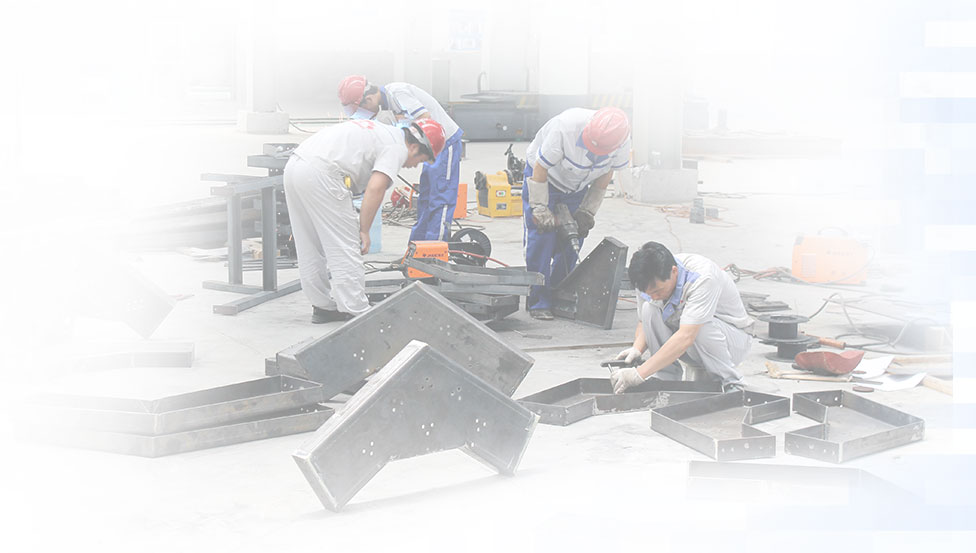
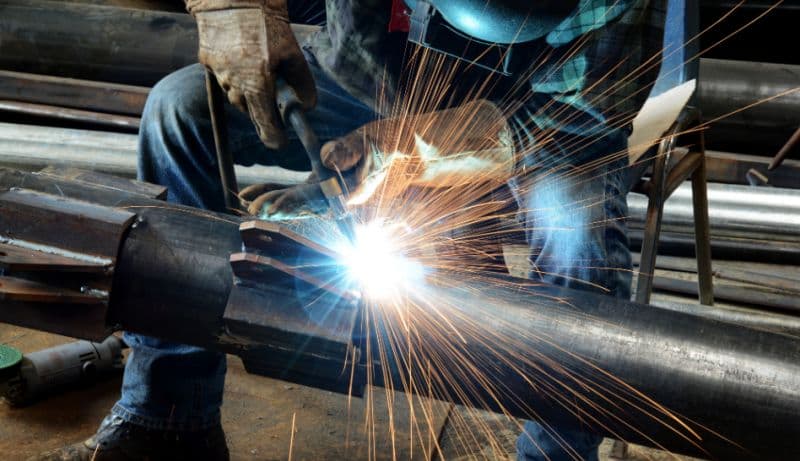
The critical components of the of the complete pellet production line equipment are built in our own workshops in Asia. Additional equipment is manufactured by our worldwide network of reliable partners.

● Testing
Quality Inspection & Testing
Before leaving the factory, all equipment will be inspected by the quality inspection department. We can also provide customers with testing services from a single machine to a complete pellet plant system, and provide you with real actual data for “worry-free use.”

● Delivery
Equipment Delivery
In equipment boxing and packaging, we adopt professional packaging and modular solutions to ensure the safe and non-destructive delivery of pellet plant equipment.
● Installation
Installation & Commissioning
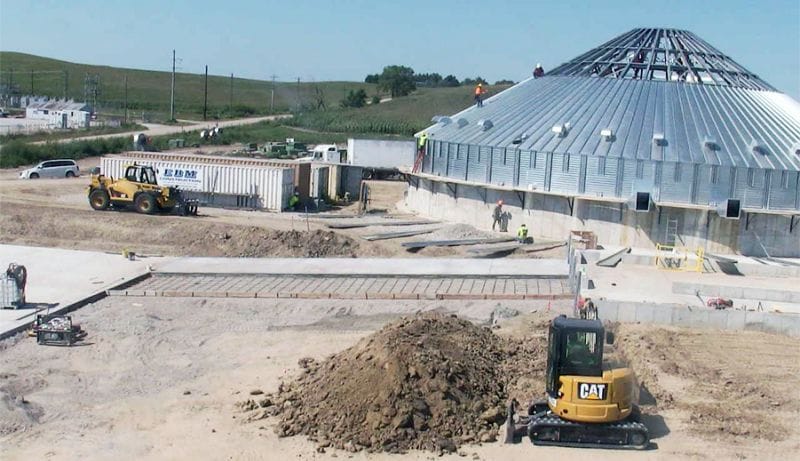
Whether you choose your own subcontractor for the erection phase or you want to install everything together with us, a Richi supervisor will be around to make sure everything is mounted in a safe and thorough way.

● Training
Staff Training
We provide comprehensive training for the technicians of each project. We can also continue to provide support for the technicians during latter project operation.
● After-sales
Project Follow-Up
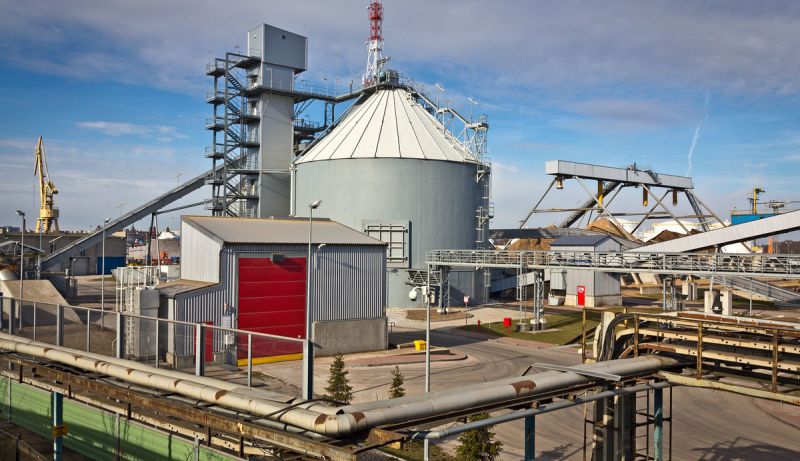
When everything is up and running our Richiers will help you further whenever needed. We are ready to answer your call 24/7.We’ll also visit you regularly to learn about your needs.
Who we are
RICHI Machinery is one of the world’s leading suppliers of technology and services for the animal feed, aqua feed and pet food industries, also the largest pellet production line manufacturer in China.
Since 1995, RICHI’s vision to build a first-class enterprise, to foster first-class employees, and to make first-class contributions to society has never wavered.
In the past three decades, we have expanded our business to a wide range of areas, including animal feed mill equipment, aqua feed equipment, pet feed equipment, biomass pellet equipment, fertilizer equipment, cat litter equipment, municipal solid waste pellets equipment, etc.

1995
RICHI Established

2000+
Serving More Than 2000 Customers

120+
RICHI Employees

140+
Exported To 140 Countries