 0086-138 3838 9622
Wood Pellet Production Line in Vietnam
RICHI MACHINERY
Overview
The wood pellet production line in Vietnam is a small-to-medium scale industrial project designed to produce high-quality biomass pellets using wood residues and agricultural by-products. The project is located in the Thanh Hoa province, in a semi-rural area with easy access to local furniture factories and agricultural lands, which provide the primary raw materials. The facility leverages both existing structures from a former cotton processing plant and newly constructed buildings to minimize initial capital expenditure while meeting operational and environmental standards.
This project represents a strategic initiative to convert locally available wood offcuts, furniture scraps, and dried corn stalks into a renewable energy product for domestic and regional energy markets. The wood pellet production line in Vietnam operates at a designed capacity of 1.5 tons per hour, translating to an annual output of 3,600 tons of biomass pellets, alongside the production of 11,000 m³ of wood plywood panels (approximately 6,600 t or 174,600 sheets per year).
The total investment for this integrated facility is USD 150,000, with the biomass pellet production line portion accounting for approximately USD 120,000 in equipment and setup costs. The facility occupies 4,910 m² with a total built-up area of 1,800 m², which includes production workshops, warehouses, an office block, and an environmental control zone.
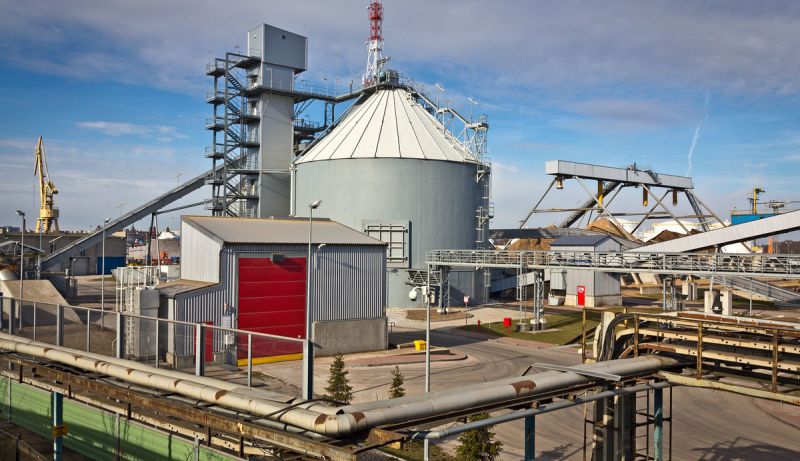
The facility is designed with a strong emphasis on operational efficiency, sustainability, and compliance with Vietnam’s environmental regulations. The wood pellet production line in Vietnam integrates advanced mechanical processing equipment including crushers, pulverizers, and flat-die pellet machines, complemented by magnetic separators, conveyors, and dust collection systems. These systems ensure high-quality pellet output while minimizing emissions and solid waste.
1.5T/H
capacity
USD 150,000
investment
Vietnam
location
Biofuel
project type
RICHI MACHINERY
Project Background
Vietnam has seen a rapid expansion in its biomass energy sector due to the abundance of agricultural residues, forestry by-products, and increasing demand for renewable fuels. The Thanh Hoa province, with its dense network of small furniture factories and local corn cultivation, presents an ideal location for a wood pellet production line.
The client, a regional wood products manufacturer, operates a mid-sized plywood and furniture workshop. Facing rising waste disposal costs and environmental restrictions, the company decided to invest in a biomass energy project that could convert its wood offcuts and the by-products of nearby factories into marketable biomass pellets.
The project is designed to produce 1.5 t/h of wood pellets, targeting a total annual output of 3,600 tons. This output aligns with the client’s operational scale, local raw material availability, and the regional energy market demand. The plywood production component complements the biomass pellet line, utilizing the same raw materials for efficiency. By integrating the two production streams, the client maximizes material utilization, reduces waste, and strengthens its renewable energy portfolio.
The main products of the facility include:
- Wood pellets (8 mm diameter × 30 mm length, 50 kg per bag), used as renewable fuel in industrial boilers and household stoves.
- Wood plywood panels (1250 mm × 2500 mm, thickness 8–20 mm), sold to local construction and furniture markets.
RICHI MACHINERY
Location and Site Overview
The wood pellet production line in Vietnam is situated in Thanh Hoa province, in a rural-industrial zone approximately 15 km from the provincial capital. The site selection was determined by the availability of land, proximity to raw material sources, and minimal environmental constraints.
The surrounding environment includes:
- North and East: Agricultural land.
- West: Mixed farmland and scattered residential structures.
- South: Local road access leading to neighboring villages (~40 m distance).
- Nearby water sources: No direct discharge into rivers or streams; water is supplied from local safe drinking water infrastructure.
The facility makes use of existing factory buildings from a former cotton processing plant for the majority of production areas and offices. New construction includes a biomass pellet warehouse and a boiler house. The overall layout follows a functional production flow design, ensuring material handling efficiency, safety, and compliance with environmental regulations.
RICHI MACHINERY
Products and Specifications
The facility produces two main products:
| Product | Annual Output | Specification | Notes |
|---|---|---|---|
| Plywood panels | 11,000 m³ / 6,600 t / 174,600 sheets | 1250 mm × 2500 mm, 8–20 mm thick | For sale in domestic market |
| Biomass pellets | 3,600 t/a | 8 mm diameter × 30 mm length | For use as renewable fuel; packaged in 50 kg bags |
The biomass pellets comply with the standard, requiring a diameter ≤25 mm, length ≤4×diameter, and moisture content ≤15%. The raw materials—dried wood scraps, furniture offcuts, and corn stalks—fall within a moisture range of 8–14%, making them suitable for high-quality pellet production without additional drying.
RICHI MACHINERY
Main Construction Scope
The wood pellet plant construction project scope includes civil, mechanical, and auxiliary works:
| No | Project Component | Area (m²) | Description |
|---|---|---|---|
| 1 | Plywood Production Workshop | 720 | 1-floor, includes cold and hot press areas; existing building utilized |
| 2 | Biomass Pellet Workshop | 370 | 1-floor, located in NE area of the facility; existing building utilized |
| 3 | Office & Ancillary | 292 | Office and staff area; existing building utilized |
| 4 | Warehouse 1 | 520 | Existing building for raw materials storage |
| 5 | Warehouse 2 | 230 | New construction for finished product storage |
| 6 | Boiler House | 150 | New construction to provide hot oil for plywood hot press |
| 7 | Utilities & Environmental Facilities | – | Includes water, electricity, natural gas, waste management, dust control |
Environmental Facilities:
- Dust Collection: Bag filters and cyclones collect wood dust from crushing, milling, and pelletizing operations.
- Exhaust Gas Treatment: VOCs from plywood glue application are treated via UV catalytic oxidation and activated carbon adsorption.
- Wastewater: Domestic wastewater treated on-site in septic systems, periodically collected and applied to surrounding farmland.
- Noise Mitigation: Building insulation, equipment maintenance, and operational regulations minimize noise impact.
RICHI MACHINERY
Equipment Overview
The wood pellet production line in Vietnam is equipped with high-efficiency machines selected to meet 1.5 t/h output. The main equipment includes:
| No | Equipment | Quantity | Model / Specification | Purpose |
|---|---|---|---|---|
| 1 | Crusher | 1 | 1.6 t/h | Reduce wood scraps to 2 cm chips |
| 2 | Pulverizer | 1 | 1.6 t/h | Grind chips to 3–5 mm |
| 3 | Wood Pellet Mill | 1 | 1.5 t/h | Pelletizing biomass |
| 4 | Magnetic Separator | 1 | – | Remove metal contaminants |
| 5 | Belt Conveyor | 3 | – | Material transport |
| 6 | Forklift | 1 | – | Material handling |
| 7 | Dust Collector (Bag Filter) | 1 | – | Dust emission control |
| 8 | Cyclone Separator | 1 | – | Additional dust removal |
| 9 | Natural Gas Hot Oil Boiler | 1 | 3 t/h | Heat for plywood hot press |
The boiler provides approximately 1.8 million kcal per hour, sufficient for plywood hot pressing. Pellet production is fully automated, with feeding, crushing, milling, pelletizing, and cooling integrated in a continuous workflow.
RICHI MACHINERY
Raw Materials
The raw materials are sourced from local furniture factories and nearby farms. The material selection considers availability, moisture content, and compatibility with pellet quality standards.
| Material Type | Annual Supply (t) | Moisture Content | Notes |
|---|---|---|---|
| Wood scraps / offcuts | 1,849.6 | 8–14% | From furniture and plywood factories |
| Facility edge cuts & dust | 1,756.5 | 8–14% | From in-house plywood production |
| Dried corn stalks | 100 | 10% | Supplementary material from nearby farms |
Additional inputs include water (240 t/a), electricity (45,200 kWh/a), and natural gas (54,000 m³/a). Resin glue for plywood uses approximately 69.85 t/a, with flour additive 34.93 t/a to improve bonding strength and reduce glue consumption.
RICHI MACHINERY
Production Process
Biomass Pellet Production Process
- Material Reception and Magnetic Separation: Raw materials pass through a magnetic separator to remove nails and metal fragments.
- Crushing: Wood scraps and dried stalks are reduced to ~2 cm pieces. Dust and noise are controlled through bag filters and enclosure.
- Milling: Crushed materials are pulverized to 3–5 mm.
- Pelletizing: Pulverized biomass is compressed through a wood pellet machine, forming 8 mm × 30 mm pellets. No binders are required.
- Cooling & Packaging: Hot pellets are cooled and packed in 50 kg bags for sale.
Plywood Production Process
- Cutting: Square timber and template boards are cut to size.
- Glue Mixing: UF resin mixed with flour (2:1) to enhance bonding.
- Glue Application: Boards are coated on both sides.
- Laying & Assembly: Boards are stacked into multi-layer panels.
- Cold Pressing: Pre-press panels for ~1 hour to bond layers.
- Hot Pressing: Panels heated to 180 °C under 1.5 MPa for 2 minutes.
- Edge Cutting: Trim edges to specifications.
- Sanding & Finishing: Sand edges and surfaces to smooth finish.
- Packing: Finished panels are stacked and moved to warehouse for sale.
RICHI MACHINERY
Operational Plan
Staffing: The facility employs 10 staff members operating a single shift of 8 hours per day, 300 days per year.
Working Schedule: Single shift, 8 hours/day, ensuring full annual production.
Safety & Training: Staff trained in equipment operation, fire safety, and environmental compliance.
RICHI MACHINERY
Environmental Management
Vietnamese regulations require strict control of emissions, dust, and wastewater. The facility adopts:
- Bag filter and cyclone dust collection for pellet production.
- UV catalytic oxidation and activated carbon adsorption for plywood VOCs.
- Septic wastewater treatment for domestic water, no direct river discharge.
- Noise abatement via insulation, reduced-speed vehicles, and machinery enclosures.
No hazardous chemicals are added to the pellet production line, and all process by-products are either recycled or safely disposed.
RICHI MACHINERY
Prospects and Market Potential
The wood pellet production line in Vietnam presents strong growth potential due to:
- Abundant raw material supply from furniture factories and agriculture.
- Government incentives promoting renewable energy and reducing deforestation.
- Growing demand for biomass energy in industrial boilers, households, and combined heat and power (CHP) plants.
- Environmental compliance as an attractive selling point for eco-conscious markets.
By investing in this small-scale but efficient complete wood pellet plant, local manufacturers can reduce costs, monetize waste, and enter the renewable energy market. RICHI Machinery’s equipment ensures reliable performance, high pellet quality, and minimal downtime, offering investors a strong return while supporting sustainable development in Vietnam.
RICHI MACHINERY
Conclusion
The wood pellet production line in Vietnam demonstrates a well-integrated solution for biomass energy production. Combining locally available raw materials, efficient mechanical equipment, and sustainable production practices, this project provides a replicable model for small-to-medium scale biomass facilities.
Investors seeking environmentally friendly and economically viable energy projects can leverage RICHI Machinery’s expertise in designing and supplying production lines, guaranteeing high-quality output and compliance with local regulations. With a modest investment of USD 150,000, the project generates both economic and environmental benefits, providing a clear example of circular economy implementation in Vietnam’s biomass sector.
● RICHI MACHINERY
RICHI Service

● Consulting
Customer Consultation
We want to have a deep understanding of your industrial process, to know your exact needs of feed, wood, biomass, fertilizer or other pellet processing.

● Design
Wood Pellet Plant Design
Based on your unique situation and industrial process, we will tailor complete pellet plant you need, and inform you of every additional detail that could facilitate operation, minimize total cost.
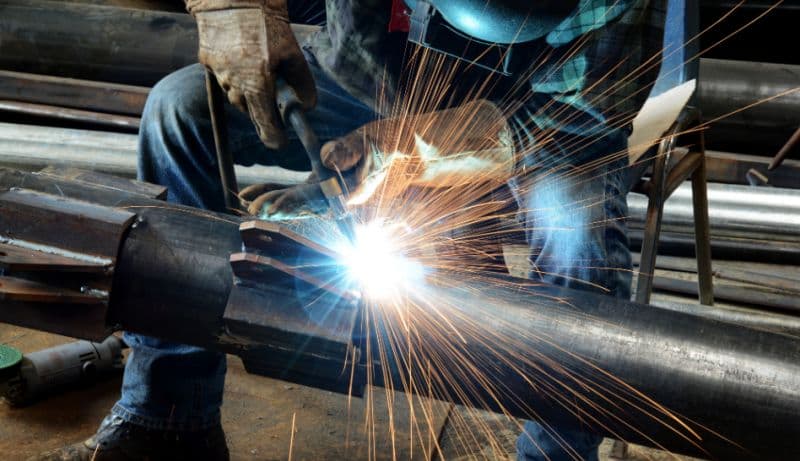
● Manufacturing
Equipment Manufacturing
The critical components of the of the complete pellet production line equipment are built in our own workshops in Asia. Additional equipment is manufactured by our worldwide network of reliable partners.

● Testing
Quality Inspection & Testing
Before leaving the factory, all equipment will be inspected by the quality inspection department. We can also provide customers with testing services from a single machine to a complete pellet plant system, and provide you with real actual data for “worry-free use.”

● Delivery
Equipment Delivery
In equipment boxing and packaging, we adopt professional packaging and modular solutions to ensure the safe and non-destructive delivery of pellet plant equipment.
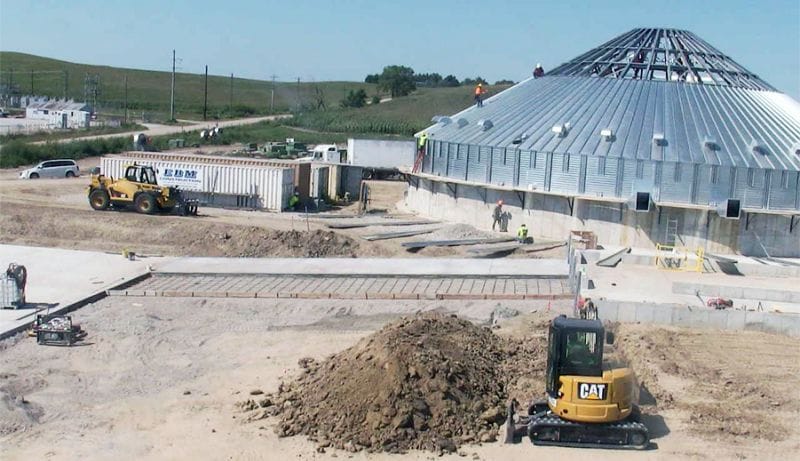
● Installation
Installation & Commissioning
Whether you choose your own subcontractor for the erection phase or you want to install everything together with us, a Richi supervisor will be around to make sure everything is mounted in a safe and thorough way.

● Training
Staff Training
We provide comprehensive training for the technicians of each project. We can also continue to provide support for the technicians during latter project operation.
● After-sales
Project Follow-Up
When everything is up and running our Richiers will help you further whenever needed. We are ready to answer your call 24/7.We’ll also visit you regularly to learn about your needs.
Who we are
RICHI Machinery is one of the world’s leading suppliers of technology and services for the animal feed, aqua feed and pet food industries, also the largest pellet production line manufacturer in China.
Since 1995, RICHI’s vision to build a first-class enterprise, to foster first-class employees, and to make first-class contributions to society has never wavered.
In the past three decades, we have expanded our business to a wide range of areas, including animal feed mill equipment, aqua feed equipment, pet feed equipment, biomass pellet equipment, fertilizer equipment, cat litter equipment, municipal solid waste pellets equipment, etc.

1995
RICHI Established

2000+
Serving More Than 2000 Customers

120+
RICHI Employees

140+
Exported To 140 Countries