 0086-138 3838 9622
Wheat Straw Pellet Production Line in Turkey
RICHI MACHINERY
Overview
This comprehensive report details the feasibility of establishing a 3-4 t/h wheat straw pellet production line in Turkey, a strategic initiative designed to capitalize on the country’s abundant agricultural resources while contributing to its renewable energy and waste management goals. Located in the fertile Anatolian plains, a key region for cereal production, this project will transform readily available wheat straw, an often-underutilized agricultural residue, into high-density, clean-burning biomass pellets.
The plant is designed for a steady output of 3-4 metric tons per hour (t/h), operating on a single 8-hour shift per day for 350 days per year. This efficient operational schedule results in an annual production capacity of 10,000 metric tons of premium biomass pellets.
The primary raw material is wheat straw, supplemented by other cereal straws like barley and limited quantities of corn stover, all sourced from local farms within a 50km radius to ensure a low-cost, sustainable, and consistent supply chain. The production process incorporates receiving, size reduction, conditioning, pelletizing, cooling, and packaging technologies to ensure superior product quality tailored for both domestic heating and industrial applications.
With a total estimated investment of $380,000 USD, covering facility preparation, machinery procurement, installation, and initial working capital, this project presents a highly attractive opportunity for investors and agricultural cooperatives seeking to enter Turkey’s growing bioenergy sector.
The pellets produced will serve a dual market: high-quality bagged pellets for the domestic residential heating market (displacing imported natural gas and coal) and bulk industrial pellets for local businesses. This wheat straw pellet production line in Turkey is a model of circular economy, turning agricultural waste into valuable energy, reducing open-field burning, and creating rural employment.
3-4T/H
capacity
$380,000 USD
investment
Turkey
location
Biofuel
project type
RICHI MACHINERY
Project Background
Turkey is a major agricultural producer, ranking among the world’s top ten producers of wheat. The Anatolian heartland generates millions of tons of wheat straw annually. A significant portion of this residue is burned in fields, contributing to seasonal air pollution, or is plowed under. Concurrently, Turkey faces high energy costs, with a significant dependence on imported natural gas for heating, driving a search for affordable, domestic alternatives.
The client is a forward-thinking Turkish agricultural cooperative comprising local farmers and agri-business professionals. Their vision is to establish a wheat straw pellet production line in Turkey to achieve three core objectives:
- Value Addition for Farmers: Create a new, reliable revenue stream for cooperative members by monetizing a waste product (wheat straw), thereby increasing farm profitability.
- Energy Independence and Cost Savings: Produce a locally sourced, affordable solid biofuel for rural and urban heating, reducing reliance on expensive imported energy and providing a competitive alternative for local industries.
- Environmental Sustainability: Drastically reduce the harmful practice of open-field burning of straw, improving local air quality and aligning with national and EU environmental standards.
The straw biomass pellet production line project’s location in central Anatolia was selected for its direct access to the raw material base. The designed capacity of 3-4 t/h is ideal for a first-of-its-kind venture in the region, allowing for manageable operations, market development, and potential future expansion based on demand. This project is a practical step towards a more sustainable and profitable agricultural sector in Turkey.
RICHI MACHINERY
Raw Material Analysis and Sourcing Strategy
The operational foundation of this wheat straw pellet production line in Turkey is a secure and cost-effective supply of cereal straw. Turkey’s robust wheat industry provides an ample and consistent feedstock.
Wheat straw is a fibrous material with a moderate lignin content and a high silica content, which can be abrasive. Its initial moisture content can vary significantly (15-50%) depending on the time of harvest and weather conditions, necessitating a flexible drying or conditioning strategy. To optimize the pelletizing process and final product quality, wheat straw may be blended with small amounts of other available agricultural residues like barley straw or corn stover.
Sourcing will be streamlined through the client’s own agricultural cooperative network. Members will supply baled straw directly to the plant at a pre-agreed price, ensuring traceability and quality control. A key logistical element is the establishment of a collection schedule aligned with the harvest. A covered storage area is essential to protect the baled straw from rain and to allow for the natural drying of higher-moisture bales before processing.
Table: Raw Material Profile and Annual Requirement
| Material Type | Annual Consumption (tons) | Average Moisture Content (as received) | Key Characteristics | Sourcing Strategy |
|---|---|---|---|---|
| Wheat Straw | 6,000 | 15-25% | Fibrous, high silica, good for pellets | Primary feedstock from cooperative farms. |
| Barley Straw | 2,000 | 15-25% | Similar to wheat straw, good blending agent | Sourced from local farms within the cooperative. |
| Corn Stover | 2,000 | 20-30% | Higher calorific value, good for energy content | Collected from local corn fields post-harvest. |
| Total | 10,000 |
RICHI MACHINERY
Production Process and Technology Description
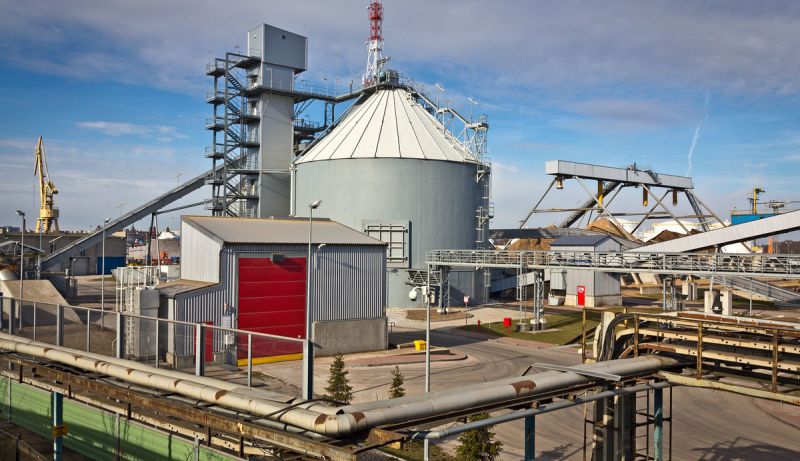
The production process for this wheat straw pellet production line in Turkey is a robust system engineered for efficiency and reliability, specifically tailored to handle the characteristics of cereal straw.
Stage 1: Raw Material Reception and Pre-Processing
Baled straw is delivered and stored undercover. Bales are first fed into a bale breaker to loosen the compacted material. The loosened straw is then conveyed to a hammer mill equipped with a 6-8mm screen for initial size reduction.
Stage 2: Drying
Depending on the initial moisture content of the straw, a dedicated rotary straw dryer may be used to reduce moisture to the optimal 12-15% range. For drier straw, a conditioner that adds a precise amount of steam can be sufficient. This step is crucial for achieving high-quality pellets with good durability.
Stage 3: Fine Grinding
The conditioned material is fed into a secondary finer hammer mill (or a grinder) with a 4-6mm screen. This ensures a consistent and fine particle size, which is critical for the pelletizing process and the structural integrity of the final pellet.
Stage 4: Pelletizing
This is the core of the wheat straw pellet production line in Turkey. The finely ground biomass is fed into a high-capacity ring-die wheat straw pellet machine. Under high pressure and temperature, the natural lignin in the straw softens and acts as a binder, forming dense, solid pellets. The Specific Mechanical Energy (SME) for this process is typically 30-50 kWh per ton.
Stage 5: Cooling and Screening
The hot pellets exiting the straw biomass pellet mill are conveyed to a counter-flow cooler to be stabilized and hardened. They are then passed over a vibrating screen to remove fines, which are recycled back into the process, ensuring only high-quality pellets move to packaging.
Stage 6: Packaging and Storage
The finished straw pellets are packaged to meet market needs. For the residential market, an automated bagging line packages pellets into 15 kg bags. For industrial clients, a big bag (FIBC) station is used. All products are stored in a dry warehouse.
RICHI MACHINERY
Technical Specifications of Major Equipment
The equipment is selected for reliability, ease of maintenance, and suitability for abrasive agricultural materials.
Table: Detailed Equipment List
| Equipment Category & Model | Qty. | Key Technical Specifications | Power Rating (kW) | Function |
|---|---|---|---|---|
| Pre-Processing | ||||
| Bale Breaker | 1 | Capacity: 5 t/h | 18.5 | Loosening straw bales |
| Grinding | ||||
| Hammer Mill (Primary) | 1 | Screen Ø8mm, Capacity: 5 t/h | 55 | Coarse grinding |
| Conditioner (with Steam) | 1 | Capacity: 5 t/h | 5.5 | Moisture & temperature optimization |
| Pelletizing | ||||
| Ring-Die Straw Pellet Machine | 1 | Main motor: 132 kW, Capacity: 4 t/h | 132 | Pellet formation |
| Post-Pelletizing | ||||
| Counter-Flow Cooler | 1 | Capacity: 5 t/h | 7.5 | Pellet cooling |
| Vibrating Screen | 1 | 2.2 | Fines separation | |
| Ancillary Systems | ||||
| Belt & Screw Conveyors | 8+ | 1.5-5.5 | Material transport | |
| Cyclone + Baghouse Filter | 1 | Air volume: 12,000 m³/h | 18.5 | Emission control |
| Control Panel | 1 | – | Process control | |
| Total Installed Power | ~250 kW | |||
RICHI MACHINERY
Environmental and Social Impact Management
Emissions Control: Dust generation points (hammer mills, coolers, transfer points) are connected to a cyclone and baghouse filter system. This ensures particulate emissions are well below local regulatory limits. The system is designed for >99% efficiency.
Noise Control: Key equipment is housed within a building providing natural sound dampening. Operators are provided with personal hearing protection in high-noise areas.
Waste Management: No process wastewater is generated. Biomass fines from screening are recycled into the process. Domestic sewage from the office is connected to the municipal sewerage system or treated via a septic tank.
Social Impact: The project will create 8-10 direct jobs in a rural area, providing valuable technical employment. It strengthens the local agricultural cooperative by adding a new income source for its member farmers.
RICHI MACHINERY
Market Prospects and Conclusion
The market for biomass pellets in Turkey is promising. Rising costs of natural gas and heating oil are driving homeowners and small businesses towards cheaper, renewable alternatives like pellet boilers and stoves. The domestic industry is also seeking cost-effective fuel sources.
This 3-4 t/h wheat straw pellet production line in Turkey is perfectly positioned to serve this growing demand. It offers a sustainable solution for agricultural waste, creates a new value-added industry in rural areas, and provides a locally produced, affordable energy source.
For RICHI Machinery, this biomass pellet project exemplifies our commitment to providing tailored, efficient, and reliable solutions for the biomass sector. Our equipment is designed to handle the specific challenges of agricultural residues like wheat straw, ensuring our clients achieve success. We invite interested partners in Turkey and beyond to contact us to discuss how we can help you develop a profitable wheat straw pellet plant.
● RICHI MACHINERY
RICHI Service

● Consulting
Customer Consultation
We want to have a deep understanding of your industrial process, to know your exact needs of feed, wood, biomass, fertilizer or other pellet processing.

● Design
straw Pellet Plant Design
Based on your unique situation and industrial process, we will tailor complete pellet plant you need, and inform you of every additional detail that could facilitate operation, minimize total cost.
● Manufacturing
Equipment Manufacturing
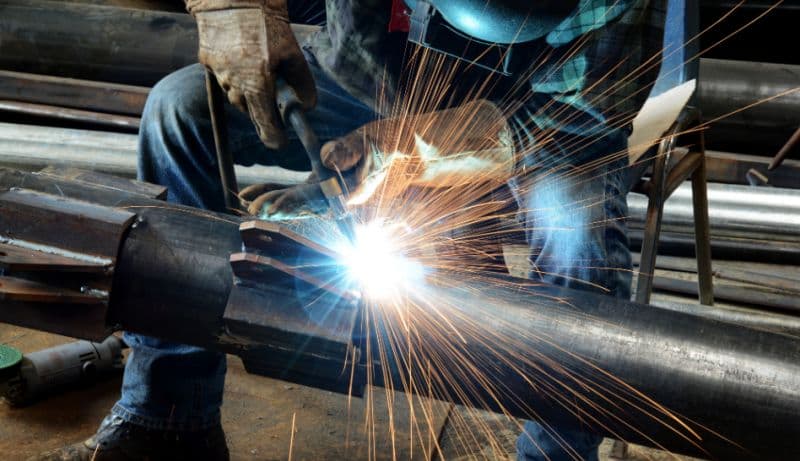
The critical components of the of the complete pellet production line equipment are built in our own workshops in Asia. Additional equipment is manufactured by our worldwide network of reliable partners.

● Testing
Quality Inspection & Testing
Before leaving the factory, all equipment will be inspected by the quality inspection department. We can also provide customers with testing services from a single machine to a complete pellet plant system, and provide you with real actual data for “worry-free use.”

● Delivery
Equipment Delivery
In equipment boxing and packaging, we adopt professional packaging and modular solutions to ensure the safe and non-destructive delivery of pellet plant equipment.
● Installation
Installation & Commissioning
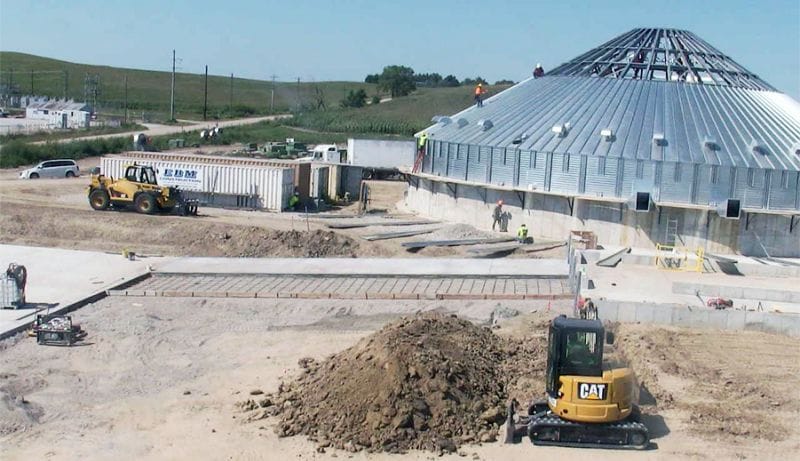
Whether you choose your own subcontractor for the erection phase or you want to install everything together with us, a Richi supervisor will be around to make sure everything is mounted in a safe and thorough way.

● Training
Staff Training
We provide comprehensive training for the technicians of each project. We can also continue to provide support for the technicians during latter project operation.
● After-sales
Project Follow-Up
When everything is up and running our Richiers will help you further whenever needed. We are ready to answer your call 24/7.We’ll also visit you regularly to learn about your needs.
Who we are
RICHI Machinery is one of the world’s leading suppliers of technology and services for the animal feed, aqua feed and pet food industries, also the largest pellet production line manufacturer in China.
Since 1995, RICHI’s vision to build a first-class enterprise, to foster first-class employees, and to make first-class contributions to society has never wavered.
In the past three decades, we have expanded our business to a wide range of areas, including animal feed mill equipment, aqua feed equipment, pet feed equipment, biomass pellet equipment, fertilizer equipment, cat litter equipment, municipal solid waste pellets equipment, etc.

1995
RICHI Established

2000+
Serving More Than 2000 Customers

120+
RICHI Employees

140+
Exported To 140 Countries