 0086-138 3838 9622
60% Wet Chicken Manure Pellet Production Line in Vietnam
RICHI MACHINERY
Overview
Vietnam’s agricultural sector has experienced significant growth in recent decades, particularly in poultry farming, which has become a vital source of protein and income for rural households. However, with this growth comes the challenge of managing large amounts of poultry waste, which if not properly handled, can cause environmental pollution and health hazards.
In response to these issues, a 60% wet chicken manure pellet production line was established in Vietnam, leveraging local resources to produce high-quality organic fertilizer for both domestic agricultural use and export markets.
The project utilizes a combination of wet chicken manure with a moisture content of 60%, straw residues collected from rice farming, and multifunctional microbial inoculants to produce high-quality organic fertilizer pellets. Designed for an annual production capacity of 18,000 tons of organic fertilizer, this project exemplifies sustainable agricultural practices and modern waste management solutions. The production line is structured to operate efficiently with minimal environmental impact, employing advanced equipment and fully enclosed processes to control dust, odors, and effluents.
The main facilities include an existing production workshop, an office building, and a warehouse, collectively covering 2,250 m². The production system is capable of continuous operation under a single-shift regime with ten personnel managing the process across a 300-day production year.
7-8T/H
capacity
$370,000
investment
Vietnam
location
Fertilizer
project type
RICHI MACHINERY
Project Background and Client Profile
The client for this organic fertilizer production project is a medium-scale agricultural cooperative based in the Mekong Delta region of Vietnam. This cooperative operates several poultry farms producing high volumes of broiler and layer manure, which previously caused environmental concerns due to improper disposal. The cooperative aimed to convert this waste into a valuable product, aligning with the Vietnamese government’s initiatives promoting organic fertilizers and sustainable agriculture.
The decision to implement a 60% wet chicken manure pellet production line stems from several strategic considerations:
- Raw Material Availability: Vietnam produces large quantities of chicken manure, and rice straw is abundant post-harvest.
- Market Demand: The demand for organic fertilizer is rising among smallholder farmers seeking environmentally friendly alternatives to chemical fertilizers.
- Environmental Compliance: National regulations encourage proper treatment of livestock waste, reducing ammonia, hydrogen sulfide, and pathogen emissions.
- Economic Feasibility: Converting poultry waste to pellets reduces disposal costs and generates additional revenue through fertilizer sales.
The wet chicken manure pellet production line in Vietnam has an hourly processing capacity of approximately 7-8 t/h for wet chicken manure and straw residues, achieving an annual output of 18,000 tons of organic fertilizer. The products include 20–50 kg bagged organic fertilizers suitable for soil conditioning, nutrient supplementation, and sustainable crop production.
RICHI MACHINERY
Project Construction Scope and Scale
The wet chicken manure pellet production line in Vietnam project scope includes refurbishing existing facilities and procuring necessary machinery. Table below summarizes the key components.
Table: Project Facilities and Engineering Components
| Engineering Category | Component | Main Features |
|---|---|---|
| Main Facility | Production Workshop | One 1-story building, 1,080 m²; equipped with wet-dry separators, integrated mixers, conveyors, pulverizers, pelletizers, dryers, and sieving machines; annual output 18,000 tons. |
| Auxiliary Facility | Office Building | Two-story building, 200 m²; houses management and technical staff offices, meeting rooms, and control room. |
| Storage Facility | Warehouse | 1,050 m²; stores raw materials and finished products. |
| Utility Systems | Water Supply | Municipal water supply, daily consumption 1.5 m³, primarily for personnel and green areas. |
| Utility Systems | Wastewater | Domestic wastewater treated by septic system; volume 0.40 m³/day (120 m³/year), reused as fertilizer. |
| Utility Systems | Electricity | Supplied by local grid; annual consumption approximately 60,000 kWh. |
| Environmental Systems | Wastewater Management | Fermentation leachate collected in 20 m³ leachate tank; reused for mixing. |
| Environmental Systems | Noise Control | High-noise equipment enclosed and mounted on vibration-reduction foundations. |
| Environmental Systems | Solid Waste | Domestic waste collected by municipal services; dust collected by bag filters reused in production; hazardous waste stored in 10 m² temporary storage. |
| Environmental Systems | Air Emissions | Dust and odors captured via hoods and bag filters; discharged through 15 m high exhaust stacks; chicken manure areas treated via negative pressure and photocatalytic deodorization. |
| Environmental Systems | Groundwater Protection | Key areas including manure storage, production, and fermentation equipped with impermeable bases; general areas with standard protection. |
The total project area is 18,667.6 m², with strategically arranged facilities ensuring smooth logistics, safe operations, and compliance with national safety, health, and environmental regulations.
RICHI MACHINERY
Raw Materials
The organic fertilizer production line relies on two primary raw materials: wet chicken manure (60% moisture) and rice straw residues. Additionally, multifunctional microbial inoculants are used to enhance the fermentation process.
Table: Raw Materials Consumption and Storage
| Category | Material | Annual Usage (t) | Maximum Storage (t) | Storage Method | Transportation |
|---|---|---|---|---|---|
| Raw Material | Straw | 7,186.63 | 2,000 | Bagged, stored in raw material warehouse | Truck |
| Raw Material | Wet Chicken Manure (60% moisture) | 13,500 | 3,000 | Transported via chicken manure trucks to fermentation area | Truck |
| Raw Material | Multifunctional Microbial Inoculant | 27 | 10 | Bagged, stored in fermentation area | Truck |
| Energy | Water | 675 m³ | – | – | – |
| Energy | Electricity | 60,000 kWh | – | – | – |
In Vietnam, rice straw is available seasonally after harvest. Chicken manure is produced daily by the cooperative’s poultry operations. Proper storage and moisture control are critical to maintain feedstock quality and prevent odor generation prior to processing.
RICHI MACHINERY
Production Equipment
The wet chicken manure pellet production line in Vietnam project employs modern and specialized machinery for processing wet chicken manure into organic fertilizer pellets. Equipment is sourced from international suppliers to ensure high efficiency and durability.
Table: Production Equipment
| No. | Equipment | Quantity | Specification/Model |
|---|---|---|---|
| 1 | Wet-Dry Separator | 2 | Model 35 |
| 2 | Turning and Aeration Vehicle | 2 | 10 m × 3 m |
| 3 | Integrated Mixer | 1 | 5 m³ |
| 4 | Feed Conveyor | 1 | 10 m |
| 5 | Photocatalytic Deodorizer | 1 | 3 kW |
| 6 | Bacteria Dosing Machine | 1 | 0.25 kW |
| 7 | Discharge Conveyor | 1 | 10 m |
| 8 | Pulverizer | 2 | 11 kW |
| 9 | fertilizer granulation equipment | 1 | 45 kW |
| 10 | Rotary Dryer | 1 | 1.2 m × 1.2 m |
| 11 | Sieving Machine | 2 | 1 m × 3 m |
These machines enable seamless integration of fermentation, granulation, drying, cooling, and packaging processes, ensuring uniform pellet quality and high production efficiency.
RICHI MACHINERY
Product Scheme
Upon completion, the wet chicken manure pellet production line in Vietnam will generate 18,000 tons of organic fertilizer annually, with products packaged in 20–50 kg bags suitable for agricultural use.
Table: Product Specifications
| No. | Product | Annual Output (t) | Packaging |
|---|---|---|---|
| 1 | Organic Fertilizer | 18,000 | Bagged, 20–50 kg/bag |
The biological organic fertilizer produced follows the NY884-2012 standards, ensuring:
- Viable bacteria ≥ 0.2 × 10⁹ CFU/g
- Organic matter ≥ 40% (dry basis)
- Moisture ≤ 30%
- pH 5.5–8.5
- Fecal coliform ≤ 100/g
RICHI MACHINERY
Production Process
The 60% wet chicken manure pellet production line in Vietnam uses a combination of aerobic high-temperature fermentation and mechanical granulation. The process flow is divided into the following stages:
1. Preprocessing and Fermentation
Rice straw is crushed and mixed with wet chicken manure in a 1:2 ratio using an integrated mixer. Heat treatment at 120°C sterilizes pathogens while maintaining a suitable environment for beneficial microbes. Multifunctional microbial inoculants are introduced to accelerate fermentation. The fermentation cycle lasts 15–20 days, with temperature, moisture, and oxygen carefully monitored.
2. Granulation and Sieving
Post-fermentation material is fed into a disc pelletizer to produce 3–7 mm diameter pellets. Sieving ensures particles are uniformly sized: 2.0–4.5 mm pellets proceed to drying, <2 mm returned to pelletizer, >4.5 mm sent to pulverizer for resizing.
3. Drying
Rotary dryers with direct electric heating reduce moisture content below 30%, using counterflow hot air and continuous material lifting for uniform drying.
4. Cooling
Pellets are cooled in rotary cooling drums using natural airflow to achieve ambient temperature before packaging.
5. Packaging
Final pellets are packaged in 20–50 kg woven bags and stored in the warehouse, ready for distribution.
Table: Material Balance
| Input | Output |
|---|---|
| Chicken manure: 13,500 t | Organic fertilizer: 18,000 t |
| Straw: 7,186.63 t | Odor emissions: 2.358 t |
| Microbial inoculant: 27 t | Dust: 9.468 t |
| Water: 225 m³ | Evaporation: 2,926.8 m³ |
| Leachate: 180 m³ | Leachate reused: 180 m³ |
RICHI MACHINERY
Utilities and Environmental Management
The wet chicken manure pellet production line in Vietnam is designed with a full set of utilities and environmental control measures:
- Water Supply: Municipal water used for personnel, greenery, and mixing; daily consumption 2.25 m³.
- Wastewater: Domestic sewage treated via septic tanks; fermentation leachate reused in production.
- Electricity: 60,000 kWh/year from the local grid.
- Noise Control: Equipment enclosed and installed with vibration-reducing foundations; noise levels 75–85 dB(A).
- Air Emissions: Dust and odors captured via hoods, bag filters, and photocatalytic deodorization; minimal fugitive emissions.
- Solid Waste: Domestic waste collected by municipal services; dust reused; UV lamps replaced and disposed via licensed vendors.
RICHI MACHINERY
Labor and Operational Regime
The wet chicken manure pellet production line in Vietnam operates under a single-shift system:
- Labor: 10 personnel
- Working days: 300/year
- Shift: 8 hours/day
- No on-site accommodation
Personnel are trained in operational procedures, safety protocols, and environmental compliance.
RICHI MACHINERY
Project Prospects and Market Analysis
Vietnam has over 1.2 million tons of chicken manure produced annually, much of which remains underutilized. Organic fertilizer demand is rising due to increasing awareness of sustainable farming and soil health. This 60% wet chicken manure pellet production line addresses environmental challenges while creating economic opportunities:
- Revenue Generation: Selling organic fertilizer at USD 300–400/t yields annual revenue ~USD 5.4–7.2 million.
- Environmental Compliance: Reduces NH3 and H2S emissions; improves soil health.
- Export Potential: Fertilizer can be exported to nearby Southeast Asian markets.
RICHI Machinery’s turnkey solutions, including equipment, engineering services, and operational guidance, make this project highly feasible, replicable, and profitable in Vietnam and similar tropical countries.
RICHI MACHINERY
Conclusion
The 60% wet chicken manure pellet production line in Vietnam represents a sustainable, economically viable, and environmentally friendly approach to poultry waste management. With advanced equipment, fully integrated processes, and optimized environmental controls, this project not only converts waste into high-value fertilizer but also aligns with national agricultural policies and market trends.
RICHI Machinery, with its expertise in organic fertilizer equipment and process engineering, offers the most reliable solutions for such projects. This case demonstrates that investing in a 60% wet chicken manure pellet production line in Vietnam is technically feasible, environmentally sound, and financially rewarding.
● RICHI MACHINERY
RICHI Service

● Consulting
Customer Consultation
We want to have a deep understanding of your industrial process, to know your exact needs of feed, wood, biomass, fertilizer or other pellet processing.

● Design
biomass Pellet Plant Design
Based on your unique situation and industrial process, we will tailor complete pellet plant you need, and inform you of every additional detail that could facilitate operation, minimize total cost.
● Manufacturing
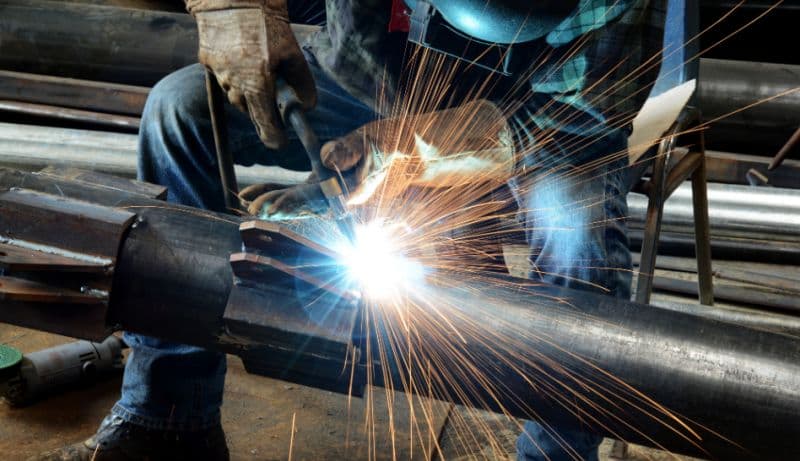
Equipment Manufacturing
The critical components of the of the complete pellet production line equipment are built in our own workshops in Asia. Additional equipment is manufactured by our worldwide network of reliable partners.
● Testing
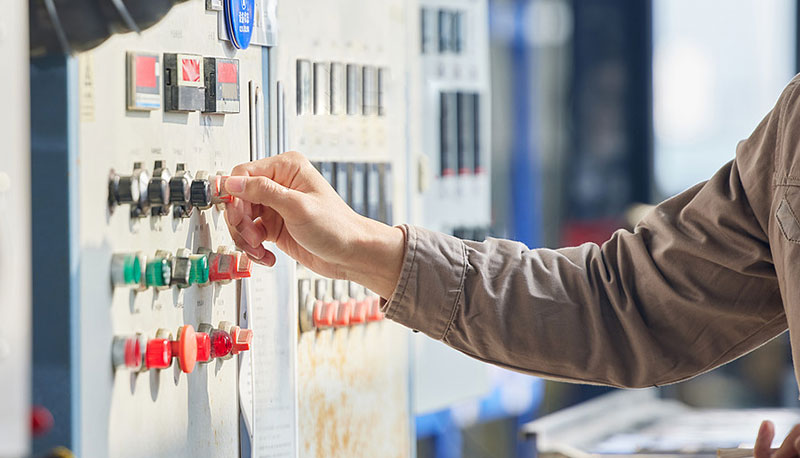
Quality Inspection & Testing
Before leaving the factory, all equipment will be inspected by the quality inspection department. We can also provide customers with testing services from a single machine to a complete pellet plant system, and provide you with real actual data for “worry-free use.”

● Delivery
Equipment Delivery
In equipment boxing and packaging, we adopt professional packaging and modular solutions to ensure the safe and non-destructive delivery of pellet plant equipment.
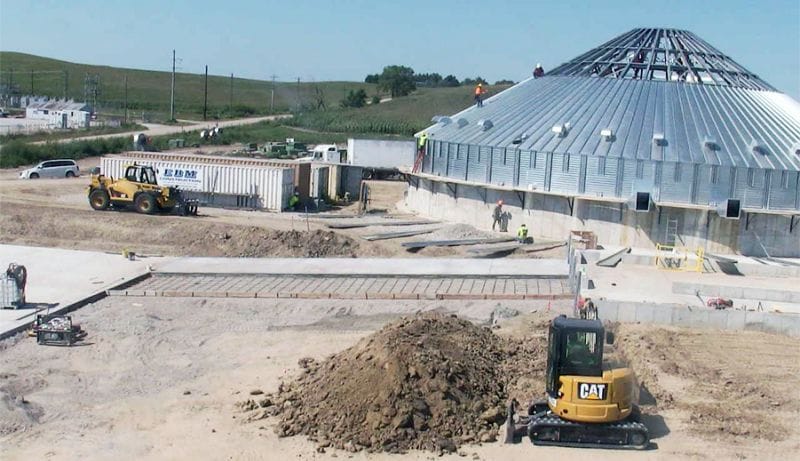
● Installation
Installation & Commissioning
Whether you choose your own subcontractor for the erection phase or you want to install everything together with us, a Richi supervisor will be around to make sure everything is mounted in a safe and thorough way.

● Training
Staff Training
We provide comprehensive training for the technicians of each project. We can also continue to provide support for the technicians during latter project operation.
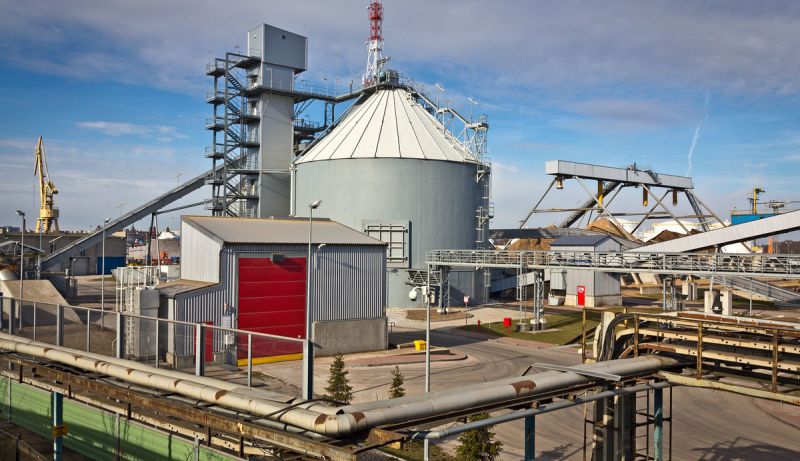
● After-sales
Project Follow-Up
When everything is up and running our Richiers will help you further whenever needed. We are ready to answer your call 24/7.We’ll also visit you regularly to learn about your needs.
Who we are
RICHI Machinery is one of the world’s leading suppliers of technology and services for the animal feed, aqua feed and pet food industries, also the largest pellet production line manufacturer in China.
Since 1995, RICHI’s vision to build a first-class enterprise, to foster first-class employees, and to make first-class contributions to society has never wavered.
In the past three decades, we have expanded our business to a wide range of areas, including animal feed mill equipment, aqua feed equipment, pet feed equipment, biomass pellet equipment, fertilizer equipment, cat litter equipment, municipal solid waste pellets equipment, etc.

1995
RICHI Established

2000+
Serving More Than 2000 Customers

120+
RICHI Employees

140+
Exported To 140 Countries