 0086-138 3838 9622
Rice Straw Pellet Production Line in Pakistan

RICHI MACHINERY
Project Overview
In recent years, Pakistan has faced both the challenge and opportunity of managing its vast agricultural residues, especially rice straw. Every year, millions of tons of rice straw are generated across the Punjab and Sindh provinces. Traditionally, much of this straw has been openly burned, leading to severe air pollution and contributing to smog episodes, particularly in winter.
At the same time, Pakistan has a growing demand for renewable and affordable energy sources to supplement its reliance on imported fossil fuels. Against this backdrop, a mid-sized agricultural and energy enterprise in Pakistan decided to establish a modern rice straw pellet production line in Pakistan with a designed annual capacity of 9,000 tons (approximately 2 tons per hour).
The biomass pellet project represents a pioneering effort to convert local agricultural residues into standardized biomass fuel pellets. With an investment scale of around USD 300,000–350,000, the enterprise partnered with international equipment suppliers to acquire advanced pelletizing technology. The biomass pellet production line is designed to ensure efficient processing, low emissions, and compliance with Pakistan’s environmental standards while also addressing the pressing energy needs of rural industries and households.
2T/H
capacity
USD 320,000
investment
Pakistan
location
Biofuel
project type
RICHI MACHINERY
Project Background & Client Profile
The client is a privately owned agricultural and renewable energy company based in Punjab province. It is not a large multinational corporation but rather a local enterprise with deep ties to farming communities. The company initially operated in agricultural services, providing harvesting, baling, and crop residue collection. Over time, it recognized that straw burning was creating both an environmental liability and an untapped resource.
The idea to build a rice straw pellet production line in Pakistan was born out of three key motivations:
- Environmental Responsibility: Reduce open-field burning of rice straw, which contributes to smog and greenhouse gas emissions.
- Economic Opportunity: Transform agricultural residues into high-value biomass pellets, which can be sold as a renewable fuel to local brick kilns, small factories, and poultry farms.
- Energy Security: Provide farmers and industries with an affordable, locally sourced fuel alternative to imported coal and expensive natural gas.
The client decided to construct a facility capable of processing multiple feedstocks. While rice straw is the main raw material, the plant also uses wheat straw, maize stalks, and wood residues from local sawmills to ensure a steady year-round supply.
RICHI MACHINERY
Raw Materials
Agricultural residues in Pakistan are abundant and largely underutilized. For this rice straw pellet production line in Pakistan project, the raw materials are sourced from within a 50–70 km radius of the plant site.
The following table provides details of the raw material consumption:
Raw Material Consumption:
| Category | Material | Specification | Annual Consumption (t/a) | Storage Method | Max Storage Capacity (t) | Source |
| Raw Materials | Rice straw | Baled | 5,000 | Outdoor stacking with cover | 800 | Local farms in Punjab and Sindh |
| Wheat straw | Baled | 2,000 | Outdoor stacking with cover | 300 | Seasonal crop residue | |
| Maize stalks | Chopped | 1,000 | Covered warehouse | 200 | Local farmers | |
| Wood residues | Sawdust, offcuts | 1,000 | Indoor silo | 200 | Local sawmills |
The facility uses a mixed feedstock strategy to reduce dependency on any single crop. Rice straw forms the bulk of the input, but the addition of wheat and maize straw balances seasonal fluctuations, while sawdust improves pellet density and energy value.
RICHI MACHINERY
main Equipment
The rice straw pellet production line in Pakistan is equipped with modern, medium-scale pelletizing machinery suitable for processing fibrous materials like rice straw. Key equipment is as follows:
Main Equipment List:
| No. | Equipment Name | Model/Specification | Quantity | Remarks |
|---|---|---|---|---|
| 1 | Large multifunctional crusher | Rotor Ø 660 mm, 75 kW | 1 | For straw and wood residues |
| 2 | Straw Pellet Machine | MZLH420 ring die, 110 kW | 2 | Designed for straw pellets |
| 3 | Low-voltage control cabinet | — | 2 | For biomass pellet mill operation |
| 4 | Chipper | Drum type, 55 kW | 1 | For larger wood offcuts |
| 5 | Cooling tower | Counterflow, 20 t/h | 1 | Natural cooling process |
| 6 | Packing machine | 20–50 kg bagging system | 1 | For finished pellet packaging |
| 7 | Dust collection system | Bag filter + cyclone | 2 | Environmental compliance |
The chosen equipment ensures flexibility in processing different types of biomass and is designed for durability under continuous operation.
RICHI MACHINERY
Utilities & Energy Consumption
The rice straw pellet production line in Pakistan project relies on the local grid and municipal water system for its utility needs. Consumption estimates are as follows:
Utilities Consumption:
| Item | Annual Consumption | Notes |
|---|---|---|
| Electricity | 1,400,000 kWh | From regional power grid |
| Water | 360 tons | Primarily for cooling and dust suppression |
| Fuel | — | Not required; process is electrically driven |
The design eliminates the use of coal or heavy oil, further reinforcing the project’s renewable energy credentials.
RICHI MACHINERY
Project Scale & Facility Layout
The rice straw pellet production line in Pakistan is built on land owned by the client, located near Faisalabad in Punjab province. The facility includes:
- Production workshop: 1,200 m² steel-structured building.
- Raw material storage yard: 600 m² open-air site with covered sheds.
- Finished pellet warehouse: 200 m² storage with pallet racks.
- Office and control room: 50 m².
- Utilities section: Dust control system, cooling tower, and electrical substation.
The annual design capacity is 9,000 tons of pellets, based on 300 working days per year, two shifts per day, and an annual effective operation time of 4,800 hours.
RICHI MACHINERY
Production Process & Technology
The production process of rice straw pellet production line in Pakistan is designed to handle fibrous straw materials efficiently. The process flow is as follows:
- Raw Material Preparation
Rice straw and wheat straw arrive in bales. A cutting and shredding system reduces their size. Sawdust and maize stalks require minimal pre-processing. - Chipping & Crushing
Larger biomass pieces are chipped using a drum chipper. A multifunctional crusher further reduces all feedstock to 3–8 mm particle size. Dust is collected via a bag filter system. - Pelletizing
The prepared raw materials are fed into the rice straw pellet machine machine. Through compression by rollers and a ring die, pellets are formed under pressure and heat. The internal temperature reaches 80–120°C, which sterilizes the material and binds the fibers naturally without additives. - Cooling
Freshly pressed pellets exit at high temperature and moisture. They are cooled to ambient conditions using a counterflow cooler. - Screening & Packaging
Pellets are screened to remove fines. Accepted pellets are bagged in 20–50 kg sacks and stored in the warehouse.
Figure – Simplified Process Flow
Raw materials → Cutting → Crushing → Pelletizing → Cooling → Screening → Packaging → Storage
RICHI MACHINERY
Environmental Protection Measures
Environmental compliance is a critical part of the straw pellet plant project. The following measures are in place:
- Air emissions: Dust generated during crushing and pelletizing is collected by bag filters. Exhaust air is vented after filtration to ensure compliance with Pakistani emission standards.
- Wastewater: Minimal wastewater is generated, mostly from equipment cleaning and domestic use. Treated through a septic tank and safely discharged.
- Solid waste: Collected dust and fines are recycled back into production. Domestic waste is collected and sent for municipal disposal.
- Noise: Equipment is housed in an insulated workshop with vibration dampening measures to meet boundary noise standards.
RICHI MACHINERY
Workforce & Operation
The facility employs 14 workers, including:
- 6 production operators
- 2 maintenance staff
- 2 warehouse staff
- 2 drivers for raw material logistics
- 2 administrative and management personnel
The working system is based on two 8-hour shifts per day, 300 days per year.
RICHI MACHINERY
Investment & Economic Feasibility
The total investment of the rice straw pellet production line in Pakistan is estimated at USD 320,000, broken down as follows:
Investment Breakdown:
| Item | Cost (USD) |
|---|---|
| Equipment purchase | 210,000 |
| Civil works & installation | 60,000 |
| Electrical & utilities | 25,000 |
| Environmental facilities | 15,000 |
| Working capital | 10,000 |
Revenue projections are favorable. With an annual production of 9,000 tons, and average pellet price of USD 110/ton, annual revenue is approximately USD 990,000. After deducting operational costs (~USD 750,000), the project yields an annual profit of around USD 240,000, with a payback period of just over 2 years.
RICHI MACHINERY
Market Prospects in Pakistan
The demand for biomass pellets in Pakistan is rapidly emerging due to several factors:
- Substitute for Coal in Brick Kilns: Pakistan has over 20,000 brick kilns, many of which are shifting to cleaner fuels. Biomass pellets are increasingly considered as an alternative.
- Industrial Boilers: Textile, food, and paper industries are seeking renewable fuels to comply with environmental regulations.
- Poultry & Dairy Farms: Many farms require heating for brooders and processing facilities. Pellets provide a cost-effective and clean solution.
- Export Potential: With proximity to Middle Eastern markets, Pakistan has opportunities to export biomass pellets to Gulf countries.
RICHI MACHINERY
National Policy Context
Pakistan’s Alternative and Renewable Energy Policy 2019 aims to achieve 30% renewable energy in the power mix by 2030. While much focus is on solar and wind, biomass has strong support due to its rural employment benefits and potential to reduce stubble burning. Projects like this rice straw pellet facility are aligned with the national agenda to diversify energy sources and cut reliance on fossil fuel imports.
RICHI MACHINERY
Conclusion
The rice straw pellet production line in Pakistan is a milestone project that converts agricultural residues into renewable energy, reduces pollution, and creates local jobs. With a moderate investment of around USD 320,000, the plant delivers both economic and environmental benefits, achieving profitability within 2–3 years.
This case demonstrates that medium-scale pelletizing facilities are well-suited for Pakistan’s agricultural economy, offering farmers an alternative to burning straw, while supplying industries and households with affordable clean fuel. The project also positions Pakistan to participate in international carbon credit markets, further enhancing its sustainability credentials.
● RICHI MACHINERY
RICHI Service

● Consulting
Customer Consultation
We want to have a deep understanding of your industrial process, to know your exact needs of feed, wood, biomass, fertilizer or other pellet processing.

● Design
straw Pellet Plant Design
Based on your unique situation and industrial process, we will tailor complete straw pellet plant you need, and inform you of every additional detail that could facilitate operation, minimize total cost.
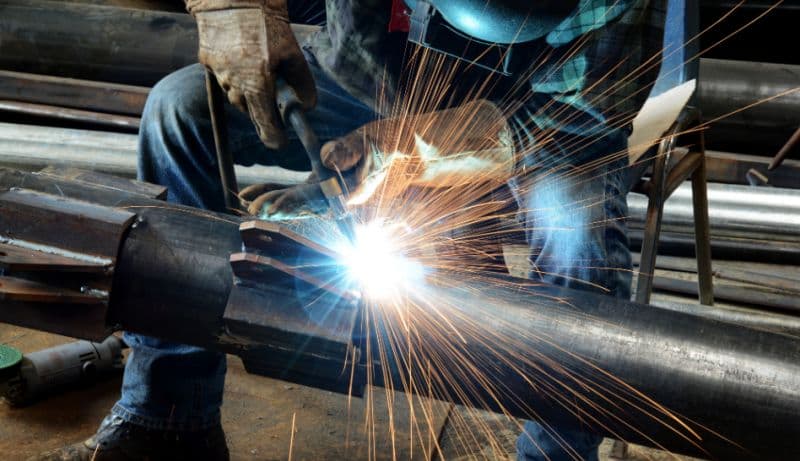
● Manufacturing
Equipment Manufacturing
The critical components of the of the complete pellet production line equipment are built in our own workshops in Asia. Additional equipment is manufactured by our worldwide network of reliable partners.

● Testing
Quality Inspection & Testing
Before leaving the factory, all equipment will be inspected by the quality inspection department. We can also provide customers with testing services from a single machine to a complete pellet plant system, and provide you with real actual data for “worry-free use.”

● Delivery
Equipment Delivery
In equipment boxing and packaging, we adopt professional packaging and modular solutions to ensure the safe and non-destructive delivery of pellet plant equipment.
● Installation
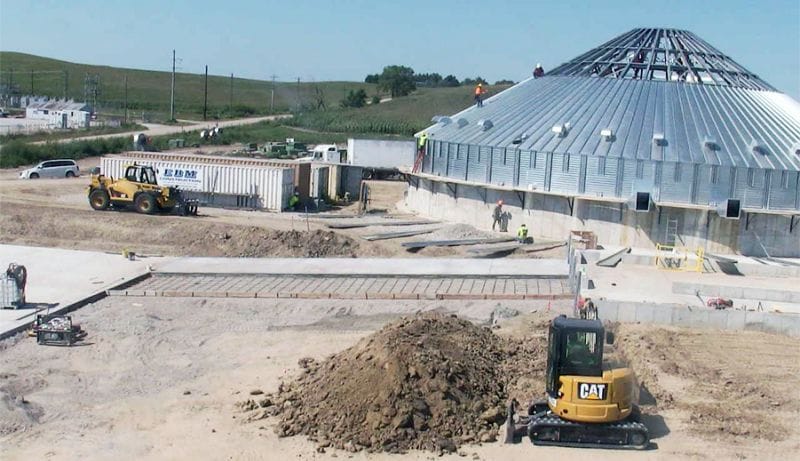
Installation & Commissioning
Whether you choose your own subcontractor for the erection phase or you want to install everything together with us, a Richi supervisor will be around to make sure everything is mounted in a safe and thorough way.

● Training
Staff Training
We provide comprehensive training for the technicians of each project. We can also continue to provide support for the technicians during latter project operation.
● After-sales
Project Follow-Up
When everything is up and running our Richiers will help you further whenever needed. We are ready to answer your call 24/7.We’ll also visit you regularly to learn about your needs.
Who we are
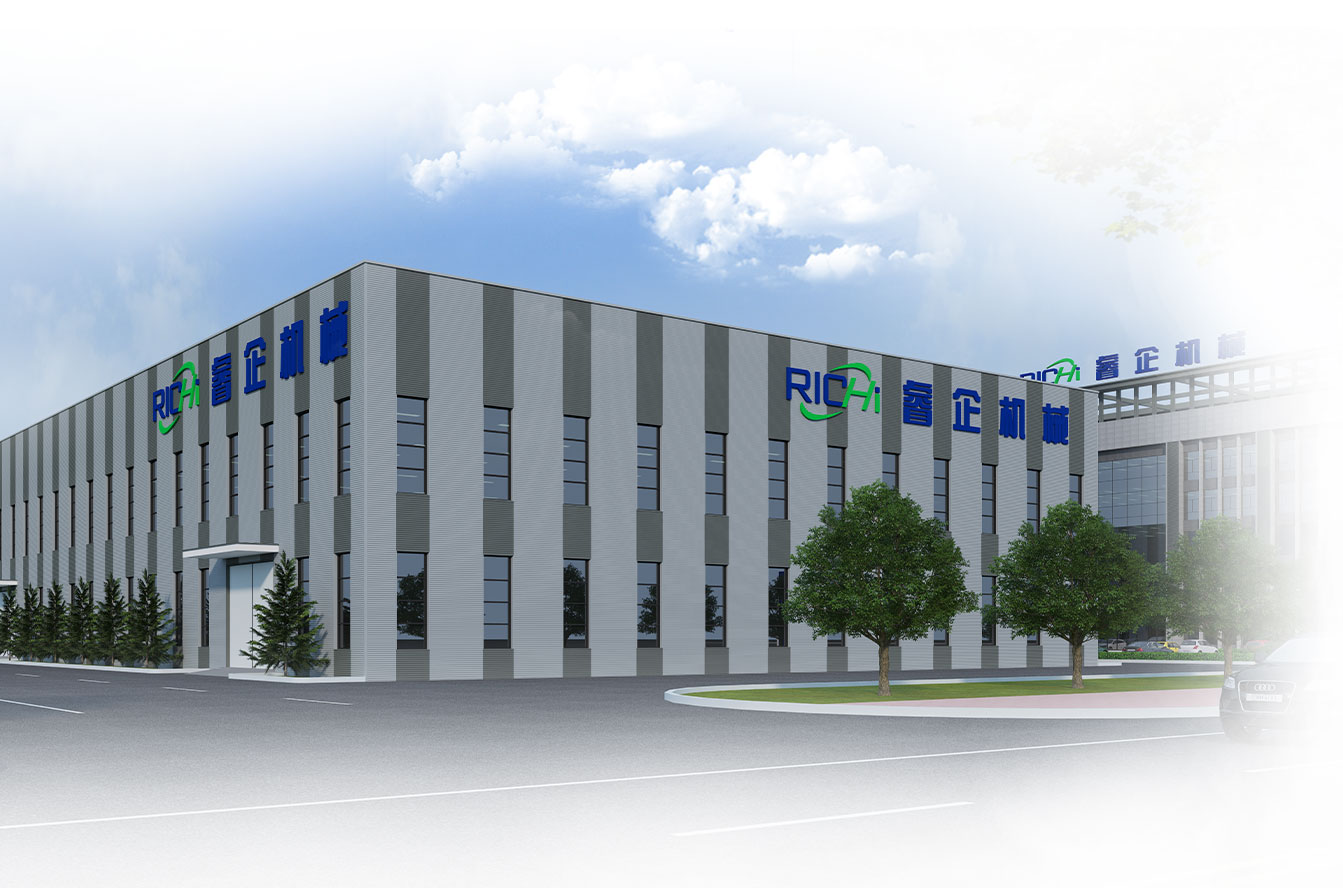
RICHI Machinery is one of the world’s leading suppliers of technology and services for the animal feed, aqua feed and pet food industries, also the largest pellet production line manufacturer in China.
Since 1995, RICHI’s vision to build a first-class enterprise, to foster first-class employees, and to make first-class contributions to society has never wavered.
In the past three decades, we have expanded our business to a wide range of areas, including animal feed mill equipment, aqua feed equipment, pet feed equipment, biomass pellet equipment, fertilizer equipment, cat litter equipment, municipal solid waste pellets equipment, etc.

1995
RICHI Established

2000+
Serving More Than 2000 Customers

120+
RICHI Employees

140+
Exported To 140 Countries