0086-138 3838 9622
Straw Animal Manure Organic Fertilizer Pellet Line in Ukraine
Straw Animal Manure Organic Fertilizer Pellet Line in Ukraine gives a cooperative a defined 2 t/h route from qualified compost to bagged product. Appropriate preparation, one matched press and a practical operating calendar connect the machinery with local customer needs.
RICHI MACHINERY
A Local Outlet for Stabilized Farm Residues
Straw Animal Manure Organic Fertilizer Pellet Line in Ukraine connects treated livestock residues with a 2 t/h fertilizer pellet operation. RICHI’s equipment work focuses on preparation, moisture finishing and one suitable press, with a clear interface to the customer’s compost supply.
The project suits a cooperative serving nearby agricultural customers. Its product is defined through compost quality, 6 mm pellet trials and traceable bagging. Supply continuity, utility resilience and practical stock cover are considered alongside the machine selection.
2 T/H
capacity
USD 150,000
investment
Ukraine
location
Fertilizer
project type
RICHI MACHINERY
Fit the Pellet Stage Into Existing Farm Assets
The Straw Animal Manure Organic Fertilizer Pellet Line in Ukraine uses a 4,500 m² site-planning allowance and 1,700 m² covered for its pellet-stage scope. Suitable available structures are the investment basis. Upstream composting space and seasonal straw reserves are assessed separately within the customer’s farm network.
| Covered function | Allocation |
|---|---|
| Accepted compost storage | 550 m² |
| Preparation and pressing | 450 m² |
| Finished product | 400 m² |
| Utilities | 100 m² |
| Support and circulation | 200 m² |
Keeping this boundary clear helps the customer compare equipment proposals. It also prevents a compact pellet hall from being mistaken for all the land needed to receive fresh manure, compost it and store a harvest season’s straw.
RICHI MACHINERY
What the Cooperative Wants to Sell
A nearby grower needs useful analysis and a product that can be handled, not simply a claim that agricultural waste has been recycled. The Straw Animal Manure Organic Fertilizer Pellet Line in Ukraine is configured around that buying decision.
The customer priorities include:
- A consistent physical form for bagging and application tests.
- Clearly identified feedstock and treatment records.
- A product specification supported by analysis.
- Deliveries matched to the local sales and farming calendar.
A Ukraine straw manure fertilizer plant may serve grain growers and horticultural customers, but recommendations differ with soil, crop and nutrient status. The equipment does not establish a universal application rate or a fixed nutrient analysis.
The cooperative also needs a manageable operating scale. A 2 t/h finished duty allows one suitable press and a single daytime production window. Collection and upstream treatment remain coordinated activities rather than reasons to add several small pellet machines.
RICHI MACHINERY
Straw Is a Compost Ingredient Before It Is Pellet Feed
Long cereal stalks and mature compost need different preparation. Straw is cut to make blending manageable and preserve useful porosity during composting. Final fine preparation takes place after stabilization, when the material can be assessed for pressing.
The Straw Animal Manure Organic Fertilizer Pellet Line in Ukraine does not rely on a fixed straw-to-manure ratio for every supply. Carbon-to-nitrogen balance, moisture, bedding and bulk density guide the working recipe. A large straw share can slow decomposition if the available nitrogen and process conditions are unsuitable.
| Material condition | Required decision |
|---|---|
| Dry baled straw | Check strings, soil and size before cutting |
| Wet manure | Assess liquid, bedding and contamination |
| Active compost | Continue treatment and monitoring |
| Mature compost | Release against moisture, stability and hygiene criteria |
Crop-residue removal also needs an agronomic basis. Field cover and existing farm uses are considered before contracting straw. Regional cereal production does not mean that all residues are freely available for fertilizer manufacture.
RICHI MACHINERY
A Separate Release for the Biological Stage
The organic fertilizer pellet making machine receives qualified mature material. The upstream composting process is managed with aeration, moisture and temperature records, followed by curing and release checks. Elapsed time alone is not proof that every batch is ready.
For the Straw Animal Manure Organic Fertilizer Pellet Line in Ukraine, the pellet-stage annual input allowance is 5,600 tonnes at 30% moisture. It contains 3,920 tonnes of dry matter. Finished production is 4,320 tonnes at 12% moisture, containing approximately 3,802 tonnes dry matter.
This balance leaves about 118 tonnes dry matter for separated and processing losses. Upstream biological decomposition is outside it. A direct comparison between fresh-manure tonnes and bagged pellets would therefore require the separate composting balance as well.
Accept Compost With a Simple Checklist
- Confirm the treatment and source lot.
- Check maturity and the relevant hygiene release.
- Measure moisture using representative samples.
- Inspect foreign matter and long fibres.
- Hold doubtful material in an identified bay.
These checks give operators a practical starting point for stable pressing. They also keep an urgent production order from becoming a reason to consume unreleased material.
RICHI MACHINERY
Preparation, Pressing and Finishing
The organic fertilizer production line uses one FZLH320 fertilizer press with a 22 kW main drive, within its applicable 2–3 t/h range. The Fertilizer Granulation Equipment is matched to the customer’s 6 mm product and stabilized compost, with capacity established through that material’s trial.
| Equipment function | Base configuration |
|---|---|
| Compost preparation | One suitable lump-breaking and fine-preparation route |
| Blending | Controlled mixer and metered feed |
| Water removal | At least 600 kg/h evaporation capacity |
| Pellet manufacture | One FZLH320 |
| Final handling | Cooler, screen, fines control and bagging |
The Straw Animal Manure Organic Fertilizer Pellet Line in Ukraine is a complete material route around one main press. Feed bins, extraction and finishing need the same duty check as the pellet machine. A second press would not address wet feed or an unavailable downstream cooler.
A Duty Test Worth Comparing
The customer can request a trial using its representative compost, with moisture, grind and die conditions recorded. Finished rate is assessed while preparation and finishing operate together.
The result should include product quality and continuous running conditions, not only a short discharge rate. This makes comparisons between equipment offers more useful and gives the operating team a reproducible starting point.
RICHI MACHINERY
Electricity, Heat and Winter Conditions
Connected electrical-load allowance is 150 kW, with average production demand budgeted at 95 kW. Over 2,160 productive hours, annual electricity allowance is approximately 205,000 kWh. Dryer heat is provided separately, rather than included in the press motor figure.
The Straw Animal Manure Organic Fertilizer Pellet Line in Ukraine requires about 1,010 tonnes of pre-dryer evaporation annually to approach a 14% pressing basis. At approximately 468 kg/h calculated duty, a 600 kg/h dryer allowance and 900 kW thermal provision give a defined selection basis.
Seasonal operation needs particular attention to:
- Protection of exposed liquid and service lines.
- Condensation around warm product and cold surfaces.
- Safe restart after a power interruption.
- Raw-material and dispatch contingencies for the actual site.
Utility availability and transport conditions are reviewed locally before scheduling. The project does not assume uninterrupted supply or a guaranteed delivery route across every location in Ukraine.
RICHI MACHINERY
Why the Configuration Helps a Small Team
One suitable press concentrates routine inspection and die service in one place. Controlled feed and a screened return route make it easier to identify the cause of a quality change. These are practical advantages for a cooperative operating a modest production window.
The Ukraine organic fertilizer pellet line also benefits from a defined product range. One base diameter and a manageable bag format allow the team to establish reliable operation before introducing more variants.
The Straw Animal Manure Organic Fertilizer Pellet Line in Ukraine is intended to support:
- Repeatable material preparation.
- A clear response to an off-specification batch.
- Planned wear-part replacement.
- Production records that link a bag to its compost lot.
Those controls make the machinery more useful to the customer than a long list of unqualified performance claims.
The equipment handover can include a short task list for each operating stage. Receiving staff check release status; process operators follow the qualified material conditions; packing staff verify lot and closure; maintenance staff release equipment after service.
For the Straw Animal Manure Organic Fertilizer Pellet Line in Ukraine, those responsibilities make traceability part of daily work. The customer can connect a delivered product with the people, equipment and material records involved, improving its ability to investigate a complaint and maintain a dependable local supply.
RICHI MACHINERY
A Six-Millimetre Product With Its Own Analysis
The base fertilizer is a 6 mm cylindrical pellet, approximately 10–20 mm long. Final moisture is designed around 12%, subject to trials and storage assessment. The accepted durability and fines level follow handling and application tests.
The Straw Animal Manure Organic Fertilizer Pellet Line in Ukraine does not infer nitrogen, phosphorus or potassium from a generic manure value. Nutrient declarations use representative analysis and a clearly stated reporting basis.
| Product check | Customer purpose |
|---|---|
| Nutrient and organic matter analysis | Supports appropriate application advice |
| Contaminants and hygiene | Supports the required marketing route |
| Moisture and stability | Helps assess storage condition |
| Dimensions and fines | Supports feeding and spreading trials |
Any use in certified organic production requires the relevant acceptance process. A product described as organic fertilizer is not automatically an approved input for every certification scheme.
Separate nutrient analysis from physical quality
Two batches may form equally strong pellets while containing different nutrient levels. Conversely, a nutritionally similar compost can handle differently if moisture or fibre changes. The quality plan therefore records analytical and physical results as separate parts of product release.
The Straw Animal Manure Organic Fertilizer Pellet Line in Ukraine can use an approved reference lot for handling comparisons. Its role is to make differences visible, not to replace the latest representative analysis. Product declarations and batch controls need to follow the material actually being dispatched.
RICHI MACHINERY
Build Demand Through Local Product Trials
A Ukraine farm residue pellet fertilizer plant can approach customers with an identified sample and its supporting information. The grower can then examine handling and discuss nutrient use with its agronomist.
The commercial discussion should establish:
- The intended crop and soil requirement.
- The product category and permissible declarations.
- The bag format and delivery quantity.
- The acceptance tests for repeat orders.
The Straw Animal Manure Organic Fertilizer Pellet Line in Ukraine gains a stronger sales basis when a successful trial can be reproduced. Broad claims about automatic export demand or guaranteed crop response do not provide that evidence.
RICHI MACHINERY
A Daytime Roster With Treatment Cover
The organic fertilizer production project pellet section operates for eight net hours on 270 days annually. At 2 t/h, that gives 4,320 tonnes. Inspections, cleaning and planned maintenance need time around the productive window.
Planning headcount is 12: four process staff, four handling staff, one quality technician, one maintenance technician and two coordinators. Upstream composting labour and weekend monitoring are separately assigned where that operation is outside the pellet-stage team.
For a Ukraine 2 t/h fertilizer production line, operator training should cover more than normal start and stop. Feed interruption, high motor load, wet material, blocked screening and held product each need a clear response. An accessible process layout makes those procedures easier to follow.
RICHI MACHINERY
Working Buffers Instead of Imaginary Stocks
The incoming-material store holds released compost for the next production campaigns. Seasonal straw remains in qualified upstream storage, where its condition and fire protection can be managed appropriately.
The Straw Animal Manure Organic Fertilizer Pellet Line in Ukraine uses measured bulk density, stack limits and aisle requirements to establish actual storage capacity. Floor area alone cannot prove how many tonnes a shed will safely hold.
- Keep accepted, held and rejected material identifiable.
- Protect compost and finished bags from water ingress.
- Reserve loading and maintenance access.
- Rotate product according to release and dispatch records.
The finished-product buffer follows customer collection frequency. It should not grow until it blocks safe operation simply because a nominal annual output has been published.
Keep bag handling proportionate to the line
Two tonnes per hour equal 40 bags hourly at a 50 kg bag size. One suitable filling and closure route can serve that duty with sensible reserve capacity. The owner can concentrate on reliable bag supply, safe lifting and loading instead of adding parallel scales without a production reason.
A Ukraine cooperative fertilizer pellet plant should test the intended packaging after normal storage and handling. Fine material trapped at closure, damaged bags or rewetting can undermine a satisfactory press trial. Dispatch instructions therefore form part of the product route.
Supplier records are especially useful when compost comes from several farms. An unexpected change in moisture or fibre can be traced to its source before more material is mixed. That gives the operating team a practical way to protect production and supports a clear discussion with the supplier.
RICHI MACHINERY
Handle Deviations Before They Become Deliveries
Moisture changes can affect drying, press load and product strength. A documented receiving window gives the team somewhere to act before a problem reaches the die.
The Straw Animal Manure Organic Fertilizer Pellet Line in Ukraine also needs controls for dust, odour and water:
- Capture dry dust at preparation, screening and filling.
- Manage odorous material at its receiving or treatment source.
- Separate sanitary water, rainfall and contaminated runoff.
- Assess combustible dust and fire protection for the site.
Installation-specific environmental evidence supports compliance claims. No universal stack height or unmeasured noise result is treated as proof of approval.
RICHI MACHINERY
Investment for the Defined Pellet Stage
The equipment budget is USD 140,000. The total project investment budget is USD 150,000. The scope assumes suitable available property and upstream composting assets, with allowances for machinery installation, internal services, heat, commissioning and contingency.
The Straw Animal Manure Organic Fertilizer Pellet Line in Ukraine budget excludes land purchase, a wholly new composting complex and major external infrastructure. Delivery terms, local works and applicable taxes require project-specific confirmation.
A meaningful comparison uses the same incoming moisture, product diameter, drying duty and packaging scope. A low press-only figure and a complete working line describe different purchases. The customer can evaluate capital against its actual collection and order programme without an assumed investment payback.
RICHI MACHINERY
Extend Only After the Base Product Works
A cooperative can first establish one qualified recipe, one product diameter and a reliable local customer group. Recorded production and delivery results then show whether the next constraint is compost supply, drying, operating hours or sales.
The Straw Animal Manure Organic Fertilizer Pellet Line in Ukraine leaves expansion decisions tied to that evidence. More output may be possible through additional productive hours before new pressing equipment is necessary, provided utilities, labour and supply support the change.
This approach keeps the customer’s investment focused on a demonstrated need. It also allows product development to follow agronomic and commercial results rather than adding untested ingredients simply to broaden the catalogue.
RICHI MACHINERY
Discuss Your Cooperative’s Compost Stream
Bring your treated-compost sample, available utilities and intended bag format to the equipment discussion. We can assess the Straw Animal Manure Organic Fertilizer Pellet Line in Ukraine around a qualified 2 t/h duty. Ask for a preparation, drying and pressing proposal with clear site interfaces. Your team can then evaluate the machinery against the material and customers it actually has.
● RICHI MACHINERY
RICHI Service

● Consulting
Customer Consultation
We want to have a deep understanding of your industrial process, to know your exact needs of feed, wood, biomass, fertilizer or other pellet processing.
● Design
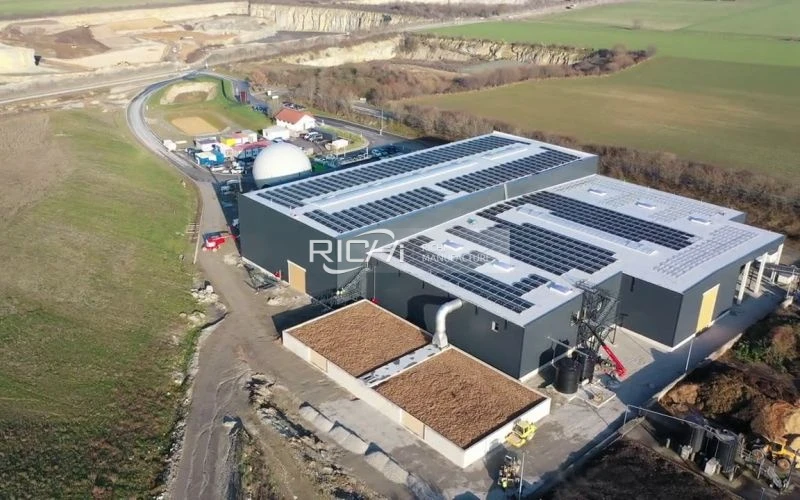
fertilizer Pellet Plant Design
Based on your unique situation and industrial process, we will tailor complete pellet plant you need, and inform you of every additional detail that could facilitate operation, minimize total cost.
● Manufacturing
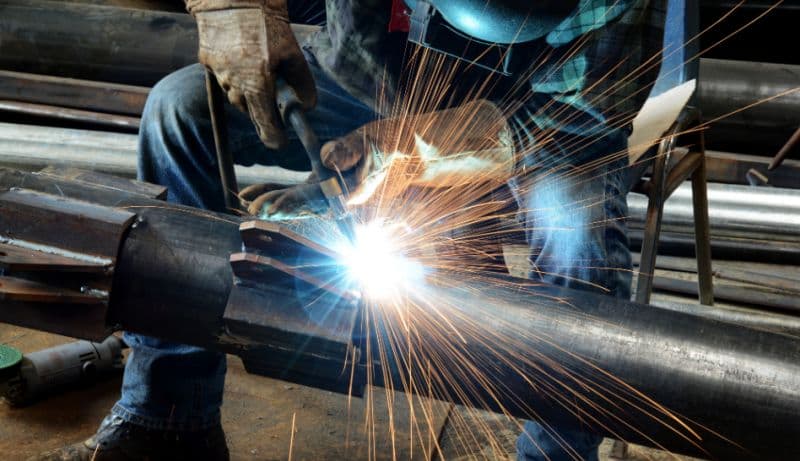
Equipment Manufacturing
The critical components of the of the complete pellet production line equipment are built in our own workshops in Asia. Additional equipment is manufactured by our worldwide network of reliable partners.
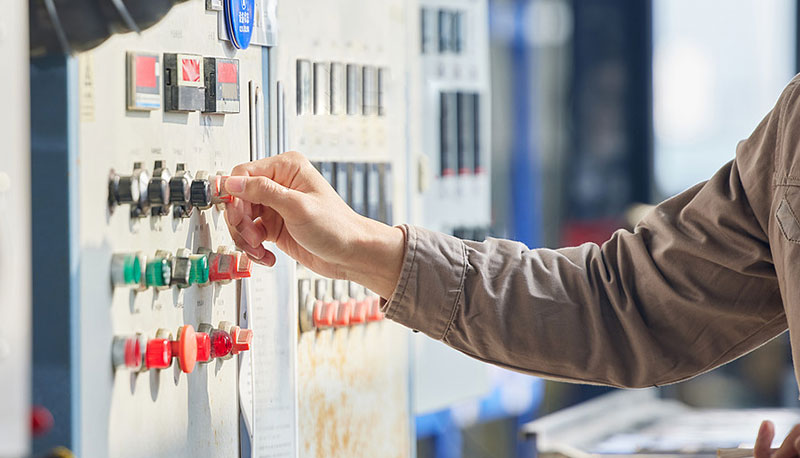
● Testing
Quality Inspection & Testing
Before leaving the factory, all equipment will be inspected by the quality inspection department. We can also provide customers with testing services from a single machine to a complete pellet plant system, and provide you with real actual data for “worry-free use.”

● Delivery
Equipment Delivery
In equipment boxing and packaging, we adopt professional packaging and modular solutions to ensure the safe and non-destructive delivery of pellet plant equipment.
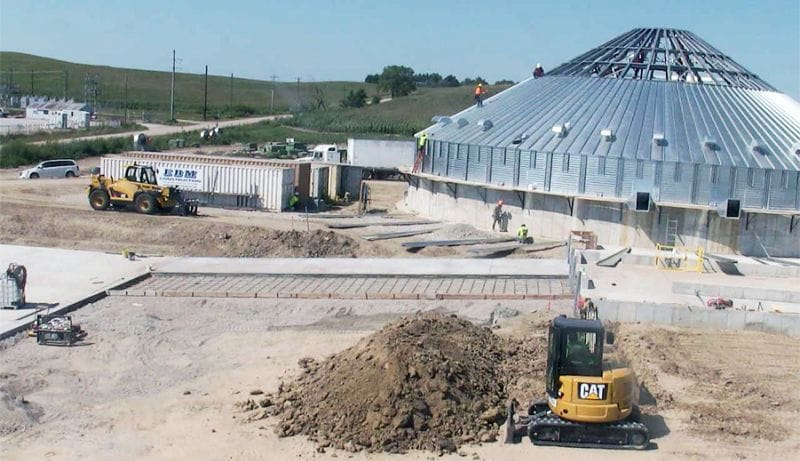
● Installation
Installation & Commissioning
Whether you choose your own subcontractor for the erection phase or you want to install everything together with us, a Richi supervisor will be around to make sure everything is mounted in a safe and thorough way.

● Training
Staff Training
We provide comprehensive training for the technicians of each project. We can also continue to provide support for the technicians during latter project operation.
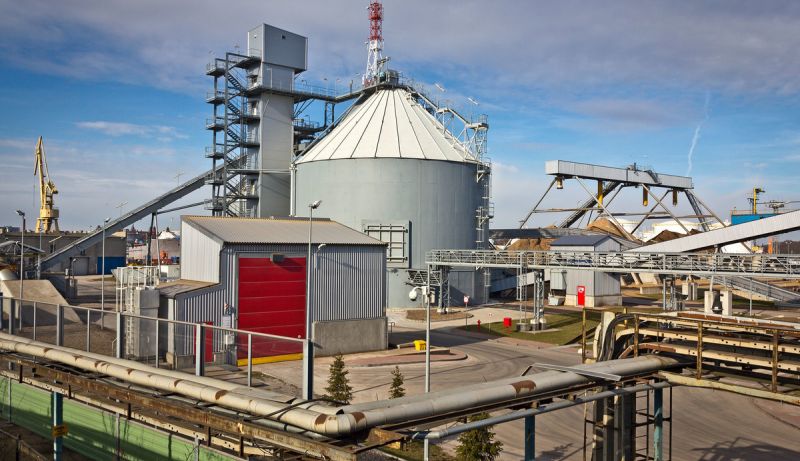
● After-sales
Project Follow-Up
When everything is up and running our Richiers will help you further whenever needed. We are ready to answer your call 24/7.We’ll also visit you regularly to learn about your needs.
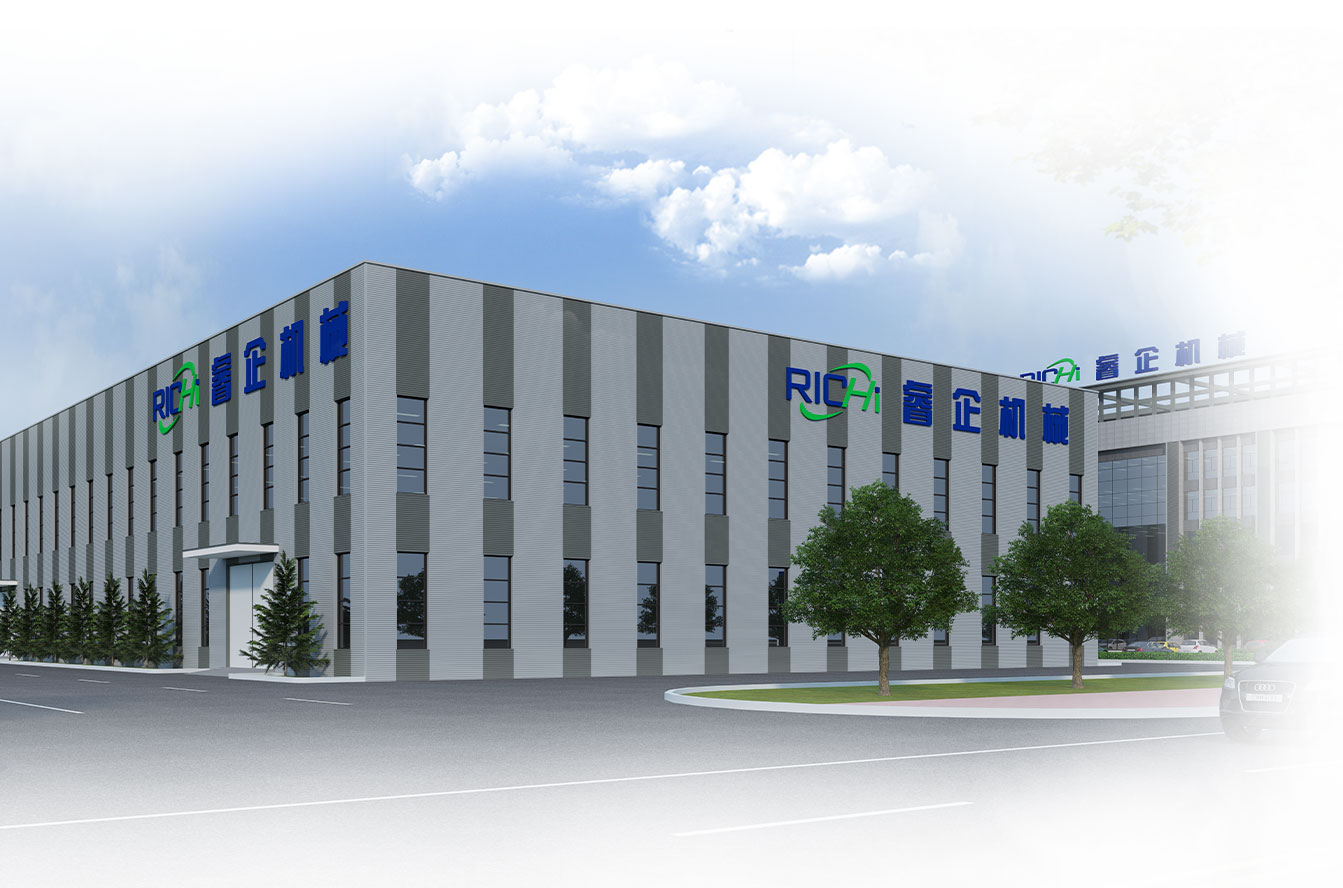
Who we are
RICHI Machinery is one of the world’s leading suppliers of technology and services for the animal feed, aqua feed and pet food industries, also the largest pellet production line manufacturer in China.
Since 1995, RICHI’s vision to build a first-class enterprise, to foster first-class employees, and to make first-class contributions to society has never wavered.
In the past three decades, we have expanded our business to a wide range of areas, including animal feed mill equipment, aqua feed equipment, pet feed equipment, biomass pellet equipment, fertilizer equipment, cat litter equipment, municipal solid waste pellets equipment, etc.

1995
RICHI Established

2000+
Serving More Than 2000 Customers

120+
RICHI Employees

140+
Exported To 140 Countries