 0086-138 3838 9622
Straw and Wood Biomass Pellet Production Line in Serbia
RICHI MACHINERY
overview
In recent years, Serbia has faced an increasing demand for renewable energy sources, driven by both European Union integration efforts and the need to reduce reliance on imported fossil fuels. The country’s agricultural sector produces significant volumes of crop residues, such as wheat straw, corn stalks, and sunflower husks.
Additionally, sawmills and small-scale carpentry workshops generate wood residues, including sawdust, shavings, and offcuts. Much of this biomass has traditionally been underutilized or openly burned, contributing to air pollution and greenhouse gas emissions.
Against this backdrop, a Serbian investor group decided to establish a straw and wood biomass pellet processing plant in the central region of the country. The facility aims to transform agricultural residues and wood processing by-products into high-quality biomass pellets, which can be used for domestic heating, small-scale industrial boilers, and export to neighboring EU countries.
The project was designed as a small-to-medium-scale operation with a daily capacity of 12–15 tons of finished pellets, corresponding to an annual output of approximately 4,000–4,500 tons under a single-shift production schedule. The concept balances economic feasibility with sustainability and aligns with Serbia’s renewable energy strategies.
1-2T/H
capacity
USD 250,000
investment
Serbia
location
Biofuel
project type
RICHI MACHINERY
Investor Profile
The client is a Serbian private enterprise with agricultural roots, previously engaged in grain trading and farm management. Recognizing the growing demand for renewable energy and the challenges of crop residue disposal, the company sought to diversify into bioenergy production. Their main goals were:
- To utilize locally available straw and wood residues efficiently.
- To reduce waste burning in the surrounding villages.
- To establish a new revenue stream by selling biomass pellets to both domestic households and international markets.
- To contribute to Serbia’s commitments under the EU Green Deal.
For the technical solution, the investor partnered with RICHI Machinery, an internationally recognized supplier of pellet production equipment. RICHI provided equipment selection, plant design, installation guidance, and operator training, ensuring that the facility could start production with stable performance and low operating costs.
RICHI MACHINERY
Project Scale and Investment
Unlike large-scale industrial biomass facilities, this Serbian biomass pellet project was developed as a compact operation suitable for rural conditions.
- Production capacity: 12–15 tons/day of pellets, equal to 4,200–4,500 tons/year.
- Operating regime: Single shift, 8–10 hours per day, 5–6 days per week.
- Land area: About 1,500 m² (including raw material yard, pellet workshop, finished product warehouse, and office space).
- Workforce: 6–7 employees, including operators, a technician, forklift driver, and administrative support.
- Investment: Around USD 250,000, covering civil construction, equipment purchase, installation, and initial working capital.
This scale allows for flexible operation while ensuring that capital costs remain aligned with the expected production volume.
RICHI MACHINERY
Raw Materials
The wood straw pellet plant relies on locally sourced biomass residues:
- Straw: ~800 tons per year, primarily from wheat and corn cultivation.
- Wood residues: ~1,000 tons per year, sourced from sawmills and carpentry shops.
- Waste timber and pallets: ~500 tons per year, collected from regional logistics centers and small-scale manufacturers.
This feedstock mix guarantees a steady supply throughout the year. Before pelletization, the raw materials are carefully sorted to remove contaminants such as metals, plastics, and stones.
RICHI MACHINERY
Production Process
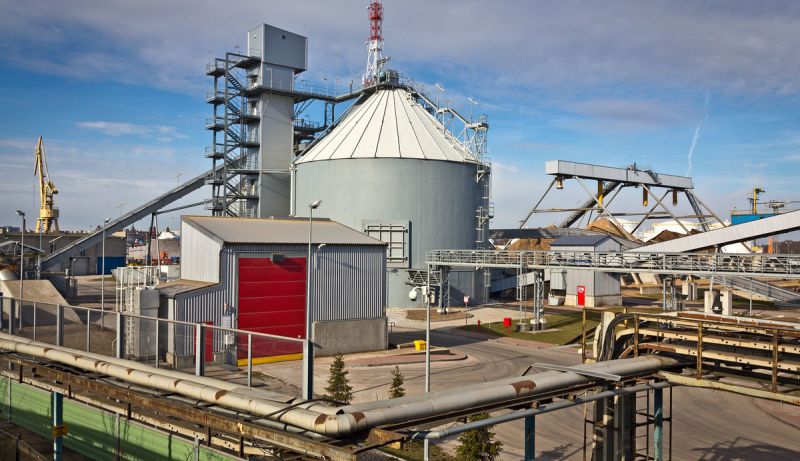
The straw and wood biomass pellet production line in Serbia applies a streamlined process to convert straw and wood residues into pellets:
- Raw material collection and storage – Agricultural residues are baled and transported to the plant, while wood residues are delivered in bulk. Materials are stored in a covered yard to reduce moisture exposure.
- Pre-shredding – Large bales and timber offcuts are shredded into smaller fractions suitable for further processing.
- Drying – Moisture content is adjusted to 10–12% using a rotary drum dryer. This is essential for stable pelletizing and high pellet durability.
- Grinding – A hammer mill reduces the material to a fine powder, ensuring uniform particle size for pellet pressing.
- Pelletizing – The conditioned material is compressed into cylindrical pellets using a RICHI ring die biomass pellet mill. Temperature and pressure are carefully controlled to achieve strong and dense pellets.
- Cooling – Fresh pellets are cooled to room temperature in a counterflow cooler, which stabilizes their structure.
- Screening – Oversized pieces and fines are separated to maintain consistent pellet quality.
- Packaging and storage – Finished pellets are packed in 15–25 kg bags for household customers, or in 1-ton jumbo bags for industrial and export buyers.
RICHI MACHINERY
Key Equipment
RICHI Machinery provided the main production line, which includes:
- Pre-shredder and hammer mill for raw material preparation.
- Rotary drum dryer with biomass furnace for moisture control.
- Ring die biomass wood pellet mill (250–350 kg/h per unit, configured to meet the required daily output).
- Counterflow pellet cooler.
- Vibrating screen and dust collection system.
- Semi-automatic packaging scale.
Auxiliary systems include a cyclone separator, magnetic separation device, and conveyors for material handling.
RICHI MACHINERY
Energy and Resource Consumption
With the designed capacity, the biomass pellet plant’s consumption is as follows:
- Electricity: ~120 kWh per ton of pellets, equivalent to 500–600 kWh per day.
- Thermal energy: Biomass furnace uses part of the rejected fines and low-grade residues as fuel, minimizing external energy needs.
- Water: Minimal use, mainly for dust suppression and staff facilities.
This resource-efficient design reduces operating costs and environmental impact.
RICHI MACHINERY
Environmental Measures
The straw and wood biomass pellet production line in Serbia project pays careful attention to environmental protection:
- Dust control: Cyclone collectors and bag filters capture airborne dust from grinding and pelletizing.
- Noise reduction: Equipment is housed in insulated workshops, and silencers are installed on fans.
- Waste utilization: Screened fines are recycled into the pelletizing process, while unsuitable wood residues are burned in the furnace.
- Air emissions: Combustion gases from the dryer are treated to meet local Serbian air quality standards.
These measures ensure compliance with both Serbian and EU environmental regulations.
RICHI MACHINERY
Workforce and Operation
The biomass straw wood pellet plant operates with a lean workforce of 6–7 employees. A single-shift regime is sufficient to meet the planned output. RICHI Machinery provided operator training to ensure proper handling of the pellet mill, dryer, and packaging equipment. Maintenance schedules are implemented to prolong equipment life.
RICHI MACHINERY
Prospects for Biomass Pellet Industry in Serbia
Serbia is increasingly turning toward renewable energy, with strong support from both government and EU programs. Biomass already represents more than 50% of the country’s renewable energy consumption, yet pelletization is still underdeveloped.
Future prospects include:
- Expanding domestic pellet demand for household heating.
- Export potential to Italy, Austria, and Slovenia, where pellet prices are higher.
- Government incentives for replacing coal stoves with pellet boilers.
- Integration into Serbia’s broader strategy for reducing carbon emissions and joining EU energy networks.
RICHI MACHINERY
Role of RICHI Machinery
RICHI Machinery played a central role in this project by:
- Providing a customized pellet line suited for mixed feedstock (straw and wood).
- Delivering energy-efficient equipment that minimizes operating costs.
- Offering professional guidance on plant layout, installation, and commissioning.
- Training local staff and providing after-sales service, ensuring smooth operation.
The client acknowledged that without RICHI’s expertise, setting up a technically stable and economically viable pellet line would have been far more challenging.
RICHI MACHINERY
Conclusion
The straw and wood biomass pellet production line in Serbia illustrates how small and medium-scale projects can transform local agricultural and wood residues into a sustainable energy resource. With modest investment, efficient equipment, and strong market demand, the facility demonstrates a replicable model for rural bioenergy development.
By combining resource efficiency, environmental protection, and commercial viability, the fuel pellet plant project not only benefits the investor but also contributes to Serbia’s long-term renewable energy goals. The partnership with RICHI Machinery ensured professional execution, making this project a benchmark for similar initiatives in the region.
● RICHI MACHINERY
RICHI Service

● Consulting
Customer Consultation
We want to have a deep understanding of your industrial process, to know your exact needs of feed, wood, biomass, fertilizer or other pellet processing.

● Design
biomass Pellet Plant Design
Based on your unique situation and industrial process, we will tailor complete pellet plant you need, and inform you of every additional detail that could facilitate operation, minimize total cost.
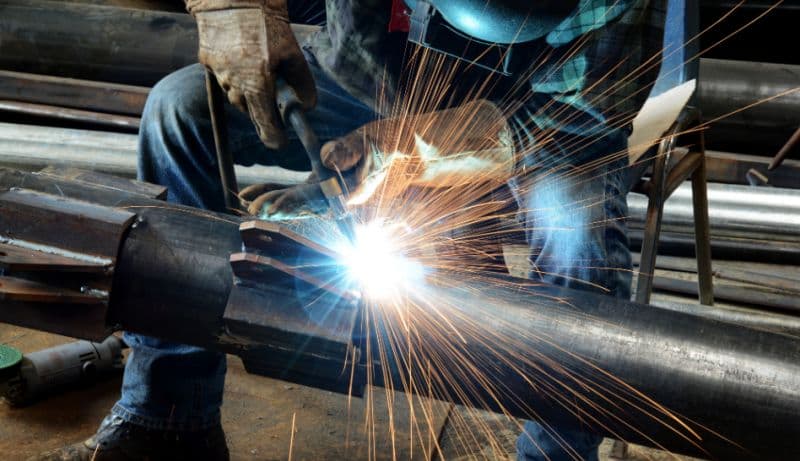
● Manufacturing
Equipment Manufacturing
The critical components of the of the complete pellet production line equipment are built in our own workshops in Asia. Additional equipment is manufactured by our worldwide network of reliable partners.

● Testing
Quality Inspection & Testing
Before leaving the factory, all equipment will be inspected by the quality inspection department. We can also provide customers with testing services from a single machine to a complete pellet plant system, and provide you with real actual data for “worry-free use.”

● Delivery
Equipment Delivery
In equipment boxing and packaging, we adopt professional packaging and modular solutions to ensure the safe and non-destructive delivery of pellet plant equipment.
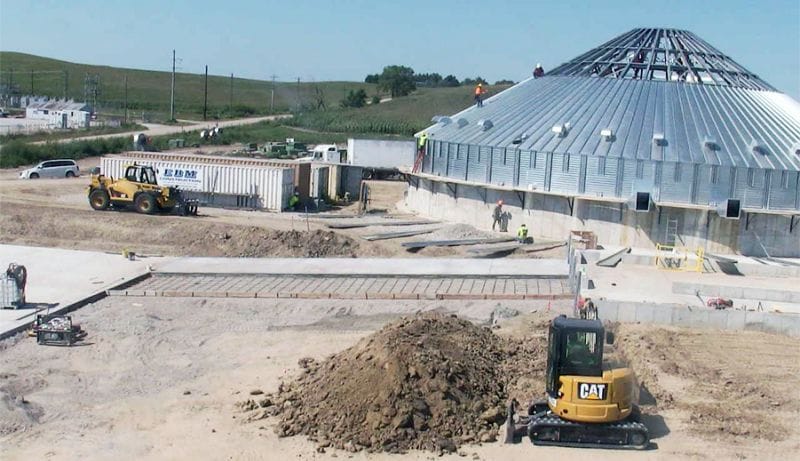
● Installation
Installation & Commissioning
Whether you choose your own subcontractor for the erection phase or you want to install everything together with us, a Richi supervisor will be around to make sure everything is mounted in a safe and thorough way.

● Training
Staff Training
We provide comprehensive training for the technicians of each project. We can also continue to provide support for the technicians during latter project operation.
● After-sales
Project Follow-Up
When everything is up and running our Richiers will help you further whenever needed. We are ready to answer your call 24/7.We’ll also visit you regularly to learn about your needs.
Who we are
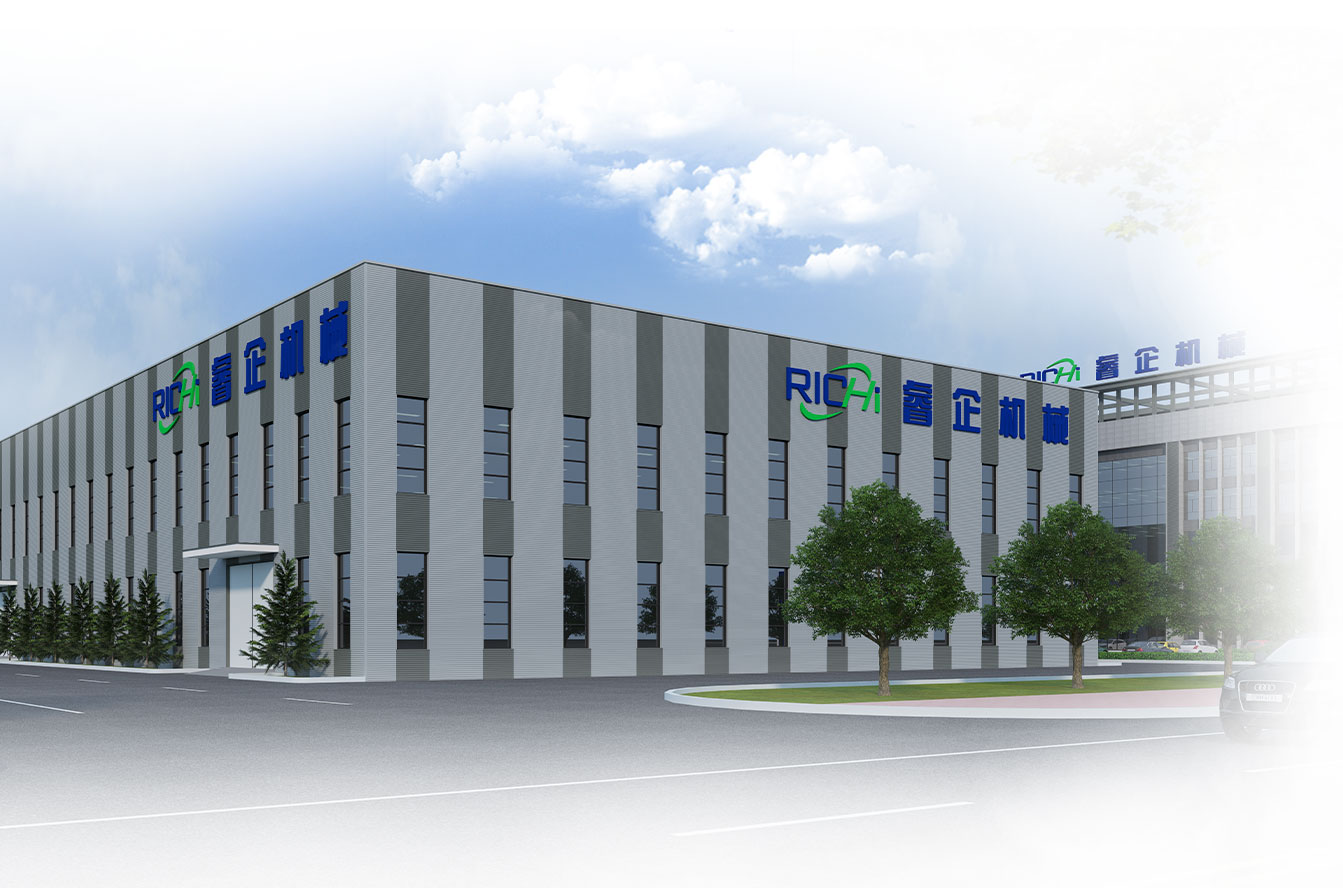
RICHI Machinery is one of the world’s leading suppliers of technology and services for the animal feed, aqua feed and pet food industries, also the largest pellet production line manufacturer in China.
Since 1995, RICHI’s vision to build a first-class enterprise, to foster first-class employees, and to make first-class contributions to society has never wavered.
In the past three decades, we have expanded our business to a wide range of areas, including animal feed mill equipment, aqua feed equipment, pet feed equipment, biomass pellet equipment, fertilizer equipment, cat litter equipment, municipal solid waste pellets equipment, etc.

1995
RICHI Established

2000+
Serving More Than 2000 Customers

120+
RICHI Employees

140+
Exported To 140 Countries