 0086-138 3838 9622
RDF Pellet Factory In South Korea
RICHI MACHINERY
overview
This RDF pellet factory In South Korea project was initiated by a logistics and materials handling firm that saw an opportunity to bridge the gap between industrial waste producers and cement kilns demanding consistent fuel specifications.
After sending sample materials—including problematic sludge streams, paper mill leftovers, and textile scraps—to our lab for testing, we developed a process flow specifically designed to handle the challenging wet feedstocks, resulting in a $1.85 million equipment contract for a 25-ton/hour line that processes approximately 180,000 tons annually of industrial byproducts into uniform 50mm RDF pellets.
The facility, built on the customer’s existing 12,000 m² site, features four primary and secondary shredders, ten heavy-duty MZLH series RDF pellet mills modified for abrasive materials, comprehensive magnetic separation, and automated bagging stations—all configured to handle the diverse feedstock mix of wood waste, paper, textiles, and high-moisture sludge from municipal and industrial sources.
Key operational learnings included the critical importance of pre-conditioning equipment for wet sludge, the need for careful blending of plastic content to optimize pellet integrity, and the effectiveness of dedicated odor control systems (bio-filters and negative pressure buildings) in satisfying South Korea’s strict environmental regulations.
With the government’s strong policy support for waste-to-energy and growing demand from cement plants and industrial boilers, this RDF pellet factory in South Korea demonstrates how flexible line design and thorough upfront material testing can transform challenging waste streams into valuable alternative fuel while achieving projected four-year payback through gate fees and fuel sales.
25T/H
capacity
$1.85 million
investment
Korea
location
Fuel
project type
RICHI MACHINERY
Why This Project Happened
South Korea has been pushing waste-to-energy hard for the last decade. Landfill space is tight, and the government’s waste-to-energy initiative means municipalities and private waste handlers are looking for alternatives to incineration tipping fees -5-8. The customer here isn’t a waste company in the traditional sense—they’re actually a logistics and materials handling firm that saw an opportunity.
They were already trucking industrial waste to cement kilns, but the kilns started asking for consistent fuel specs. Raw waste is too variable. So the customer decided to bridge that gap: take the industrial byproducts nobody else wants, turn them into a fuel that cement plants do want, and lock in long-term supply contracts.
They approached us in early 2024. Initial discussions were all about one thing: can we handle the nasty stuff? Not wood waste—that’s easy. They wanted to know if we could handle the sludge stream, the paper mill leftovers, the stuff that smells and sticks together. We sent a sample kit, ran tests at our facility, and came back with a process flow that actually worked. That closed the deal.
RICHI MACHINERY
Site & Layout – Fitting It Into an Existing Yard
The customer already owned the land—about 12,000 m² in a light industrial zone outside a mid-sized city. They didn’t need new construction for everything. The existing warehouse was repurposed as the general waste storage area (2,000 m², concrete floor, walls to separate different sludge types so nothing cross-contaminates). We built the new production hall next to it: about 2,700 m² total, split into raw material holding, the processing line, and finished product storage.
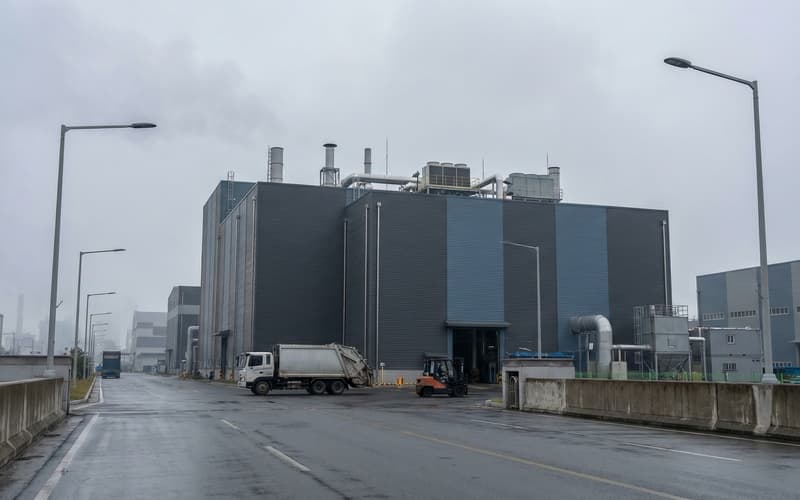
The layout of this RDF pellet factory In South Korea is straightforward. Trucks pull into the receiving bay, dump directly onto the tipping floor or into the sludge storage pens. From there, it’s all indoors. No outdoor piles. That was a non-negotiable from the local environmental office—odor control is taken seriously here. We installed negative pressure in the storage areas and ran the exhaust through a bio-filter. It’s not cheap, but it keeps the neighbors quiet.
Table 1 – Main Site Areas
| Area | Size (m²) | Function |
|---|---|---|
| General Waste Warehouse | 2,000 | Sludge storage (separated bays for different types) |
| Raw Material Bays (inside production hall) | 200 | Wood, paper, fabric storage before processing |
| Crushing Area | 100 | Primary and secondary shredders |
| Forming/Pelletizing Area | 200 | 10 RDF pellet mills, magnetic separators |
| Packaging & Finished Product | 200 | Automated bagging and finished pellet storage |
RICHI MACHINERY
What’s Going Into This Line
The feedstock list is long. That’s the whole point—the customer wanted a line that could eat whatever showed up, within reason. The main volumes come from industrial sources: paper mills, textile factories, municipal sludge facilities, even a中药 plant (herbal medicine extraction residue). Everything arrives with paperwork confirming it’s non-hazardous. We check every load.
The mix is roughly:
- 40% wood waste (construction scrap, pallets, some demolition lumber)
- 25% paper and cardboard (rejects from recycling facilities)
- 20% textile scraps (mostly cotton and synthetic blends from garment factories)
- 15% sludge and fines (paper mill sludge, wastewater treatment sludge, river dredgings, herbal extraction residue)
Table 2 – Annual Feedstock Intake (as-designed)
| Material | Tons/Year | Source | Moisture (approx.) |
|---|---|---|---|
| Waste wood | 90,000 | Construction/demolition recyclers | 15–25% |
| Waste paper/cardboard | 50,000 | Recycling facilities | 10–15% |
| Textile scraps | 40,000 | Garment industry | 10–20% |
| Paper mill sludge | 20,000 | Local paper mill | 70% |
| Municipal wastewater sludge | 30,000 | Regional treatment plants | 70–75% |
| Dredged river sediment | 10,000 | River maintenance authority | 80% |
| Industrial sludge (mixed) | 2,500 | Various industrial pretreatment facilities | 70% |
| Herbal medicine residue | 2,500 | Pharmaceutical extractor | 70% |
The sludge is the tricky part. You can’t just dump 70% moisture material into a hammer mill. We set up a separate receiving line for the wet stuff: it goes into a pug mill mixer with some dry recycled fines to bring the moisture down before it ever hits the main infeed.
RICHI MACHINERY
Process Flow – How We Actually Run This
This isn’t a wood pellet plant. Wood is easy—it’s consistent. This RDF pellet factory In South Korea has to handle plastic film, wet sludge, fabric tangles, and the occasional chunk of metal that slips through. The sequence is:
Step 1 – Pre-conditioning
Dry materials (wood, paper, textiles) go straight to the primary shredder. Wet sludge goes through the pug mill first, mixing with dry material from the recycle loop to get it into a conveyable state. Without that step, the sludge just smears and plugs everything.
Step 2 – Primary shredding
We’re using four shredders here. Slow-speed, high-torque. They tear open bags, break pallets, and reduce the big stuff to a size that can be conveyed. Magnets are positioned over the discharge belts to pull out ferrous metal.
Step 3 – Secondary shredding and metal removal
Material goes through another set of shredders to get down to <50mm. After that, it passes under suspended electromagnets to catch any metal fines the first stage missed. The metal scrap is sold separately—helps the economics.
Step 4 – Densification and pelletizing
The real work happens here. Ten RDF pellet mills. These are modified from standard ring-die designs—bigger roller clearance, heavier-duty bearings, and wear-resistant coatings because RDF is abrasive. The material is forced through dies at about 95°C. The heat softens the plastic content, which acts as a binder. No extra additives needed. The residence time under pressure is under 3 seconds—enough to form a dense pellet but not so long that it burns or melts the plastic into a gooey mess.
Step 5 – Cooling and screening
Pellets come out hot and soft. They go into a counter-flow cooler to set. Then a screen removes fines (which go back to the pug mill mixer for sludge conditioning), and the finished product moves to storage.
Step 6 – Packaging
Ten automatic bagging stations. The customer sells most of the output in 1-ton bulk bags to cement plants and industrial boilers. Some goes into smaller bags for local greenhouse heating.
Table 3 – Main Processing Equipment
| Equipment | Model | Quantity | Notes |
|---|---|---|---|
| Primary shredder | JAT440 | 4 | Slow-speed, for initial reduction |
| Secondary shredder | JAT440 | 4 | Finer reduction to <50mm |
| Magnetic separator | Suspension type | 4 | Over belts, removes ferrous |
| RDF pellet mill | JAT770 | 10 | Heavy-duty, modified for RDF |
| Belt conveyor | 600mm x variable | 10 | Enclosed sections near wet areas |
| Automatic packer | KHM-100T | 10 | For 1-ton bulk bags |
| Forklift | Electric | 4 | Material handling inside |
| Wheel loader | Diesel | 4 | Feeding and stockpile management |
RICHI MACHINERY
Labor and Operations
The RDF pellet factory In South Korea project runs 24/7, three shifts, 300 days a year. Total headcount is 30. That’s it. With this level of automation, most of the work is monitoring and clearing occasional jams. Each shift has:
- One operator at the control panel (managing feed rates, watching motor loads)
- One person roving (checking magnets, clearing belts, spotting problems)
- Two people on loader duty (feeding the hoppers, moving finished product)
Maintenance is done during the 65 days the plant is down. The customer’s mechanics were trained here during commissioning. They know how to change dies, adjust roller gaps, and spot bearing wear before it fails.
RICHI MACHINERY
Environmental Controls – What Had to Be Done
South Korea doesn’t mess around with emissions, even from a “processing” facility. The main concerns here were dust and odor.
- Dust: Every transfer point, crusher discharge, and pellet mill inlet is hooded and ducted to a baghouse. The baghouse exhaust goes up a 15m stack. We sized it for 20,000 m³/hour—enough to keep the building negative pressure.
- Odor: The sludge storage area is completely separate, with its own air handling. Exhaust goes through a bio-filter (wood chips and compost, kept moist). It’s not 100% perfect on a hot day, but it knocks down the smell enough that complaints stopped after the first month.
- Wastewater: The only water used is for washing trucks leaving the site. That wash water goes through a simple oil-water separator and settles in a tank, then gets reused for the next wash. No discharge. The sludge from the wash pit goes back into the process—it’s just wet solids anyway.
RICHI MACHINERY
Shipping and Logistics
All equipment was shipped from Qingdao. The port of entry for this RDF pellet factory In South Korea project was Busan. From there, the customer arranged trucking to site—about a 4-hour drive depending on which part of the country the site is in. We sent a commissioning team for 6 weeks to oversee installation and train operators. Most of the installation labor was local; we just supervised and handled the critical alignments.
RICHI MACHINERY
What the Customer Is Actually Making
The final RDF pellet is 50mm x 50mm—roughly the size of a small hockey puck. Calorific value varies by the mix, but typical numbers are in the 4,000–4,500 kcal/kg range. That’s comparable to low-grade coal, but with lower sulfur and NOx if burned in a properly designed boiler -10. The cement plant buying most of the output likes it because it’s consistent. They know what they’re getting, and it saves them from buying imported coal.
The pellets are stored in the finished goods warehouse and shipped in bulk bags. Some goes loose in walking-floor trailers, but most buyers prefer bags for inventory control.
RICHI MACHINERY
Investment and Payback
The equipment portion of this RDF pellet factory In South Korea project came in around $1.85 million USD (FOB Qingdao). That’s for the main line: shredders, pellet mills, conveyors, magnets, bagging stations. The customer spent additional money on site prep, the warehouse modifications, electrical installation, and the bio-filter. Total project cost was higher, but that’s their side.
Payback is projected at around 4 years, based on current gate fees for accepting waste and the selling price of the finished fuel. The gate fees are the real driver—the customer gets paid to take most of this material. The fuel sales are almost pure profit once the operating costs are covered.
RICHI MACHINERY
Market Context – Why This Works in Korea
Korea’s RDF market has been growing steadily. The government’s focus on “资源循环型社会” (resource-circulating society) means subsidies and incentives for facilities that divert waste from landfill -3-5. Cement kilns are the main off-takers—they need high temperatures and can handle the variability in fuel quality. There’s also growing interest from industrial boiler operators, especially in regions where LNG prices have climbed.
The customer here is already talking about a second line. They’re looking at processing more construction waste and maybe moving into SRF (solid recovered fuel) with tighter specs for dedicated power plants.
RICHI MACHINERY
Practical Observations from the Build
A few things that came up during commissioning:
- Sludge handling is always underestimated. The pug mill we added was a late design change based on our test work. Without it, the line would have plugged in the first hour. Anyone planning a similar fuel pellet plant project should budget for preconditioning equipment—it’s not optional if you’re taking wet feed.
- Plastic content matters. Too much soft plastic (film) and the pellets get sticky. Too little, and they fall apart. The customer learned to blend carefully. They now keep separate piles of “high-plastic” and “low-plastic” material and mix on the infeed belt based on what the pellet mills are doing.
- Maintenance access is worth the space. We left extra room around the pellet mills for die changes. The customer grumbled about the footprint during design, but after the first change-out they understood. You can’t do it in a tight space.
- Odor control is ongoing. The bio-filter works, but it needs regular turning and moisture management. The customer assigned one person to check it daily. Neglect it for a week, and you’ll know.
RICHI MACHINERY
If You’re Thinking About Something Similar
This RDF pellet factory In South Korea project works because the feedstock is diverse and the market is stable. The customer isn’t dependent on one waste stream—if paper mills slow down, they still have wood and textiles. If sludge volumes drop, they can take more construction waste. That flexibility is built into the line design.
If you’re in a country with similar waste management pressures (limited landfill, industrial base needing fuel, government support for WtE), this model is worth studying. The equipment exists, the process is proven, and the economics can work.
We’ve done other RDF lines—in Brazil, India, places with different challenges -2. Every one is a little different because the waste is different. That’s the part that doesn’t show up in the brochures. You have to design around what’s actually available, not what you wish was available.
Interested in discussing a project?
If you’re looking at RDF production and wondering whether your feedstock mix can work, we can run samples through our test facility. That’s how this Korea project started—with a box of sludge and wood chips sent to our lab. We’ll tell you honestly what works and what doesn’t. No point selling equipment that won’t run on your material.
● RICHI MACHINERY
RICHI Service

● Consulting
Customer Consultation
We want to have a deep understanding of your industrial process, to know your exact needs of feed, wood, biomass, fertilizer or other pellet processing.

● Design
RDF Pellet Plant Design
Based on your unique situation and industrial process, we will tailor complete pellet plant you need, and inform you of every additional detail that could facilitate operation, minimize total cost.
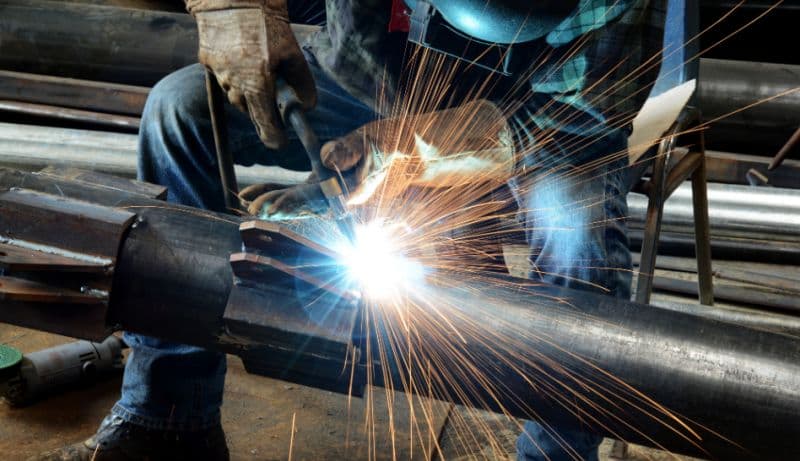
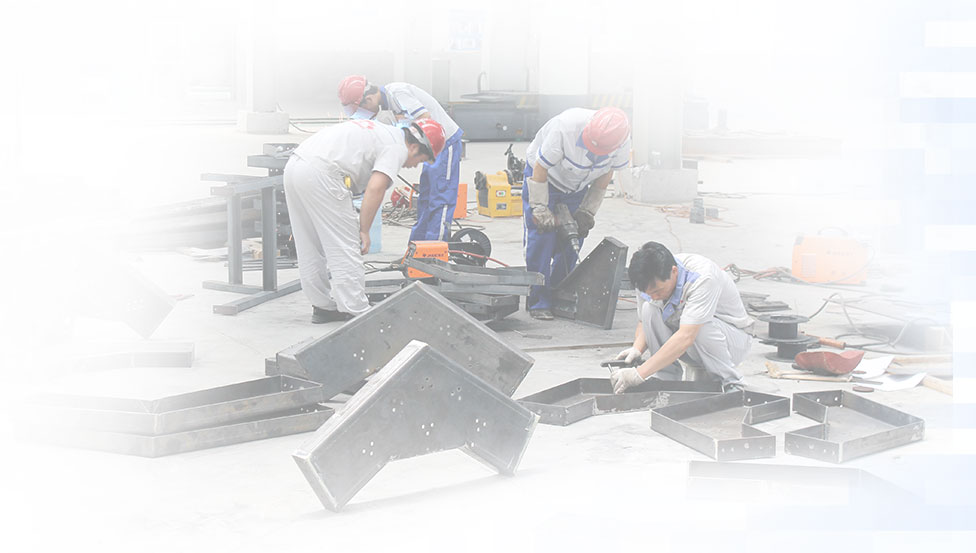
● Manufacturing
Equipment Manufacturing
The critical components of the of the complete pellet production line equipment are built in our own workshops in Asia. Additional equipment is manufactured by our worldwide network of reliable partners.
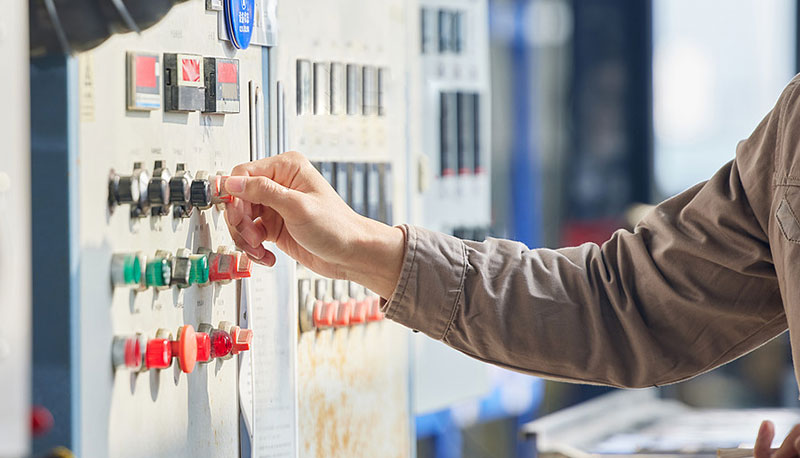
● Testing
Quality Inspection & Testing
Before leaving the factory, all equipment will be inspected by the quality inspection department. We can also provide customers with testing services from a single machine to a complete pellet plant system, and provide you with real actual data for “worry-free use.”
● Delivery
Equipment Delivery
In equipment boxing and packaging, we adopt professional packaging and modular solutions to ensure the safe and non-destructive delivery of pellet plant equipment.
● Installation
Installation & Commissioning
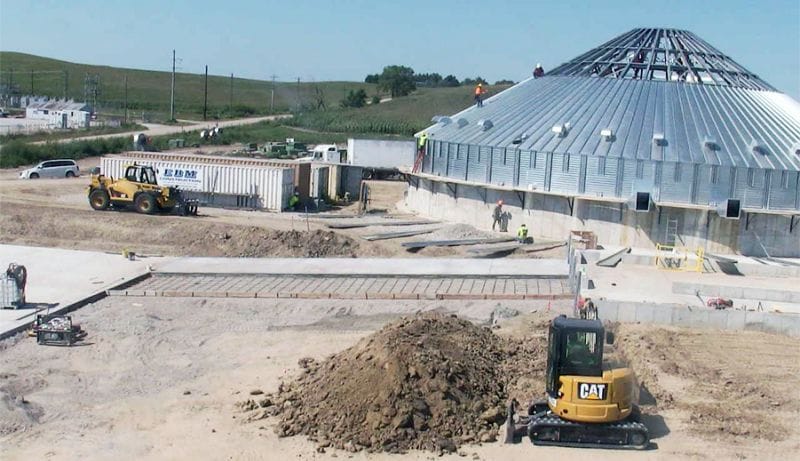
Whether you choose your own subcontractor for the erection phase or you want to install everything together with us, a Richi supervisor will be around to make sure everything is mounted in a safe and thorough way.

● Training
Staff Training
We provide comprehensive training for the technicians of each project. We can also continue to provide support for the technicians during latter project operation.
● After-sales
Project Follow-Up
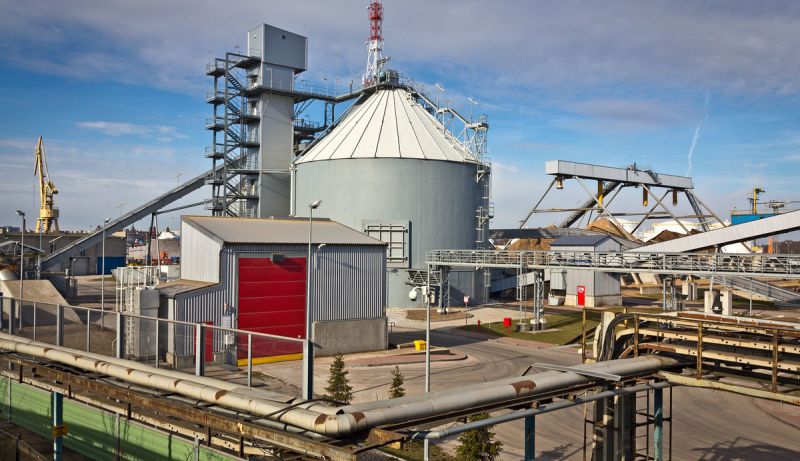
When everything is up and running our Richiers will help you further whenever needed. We are ready to answer your call 24/7.We’ll also visit you regularly to learn about your needs.
Who we are
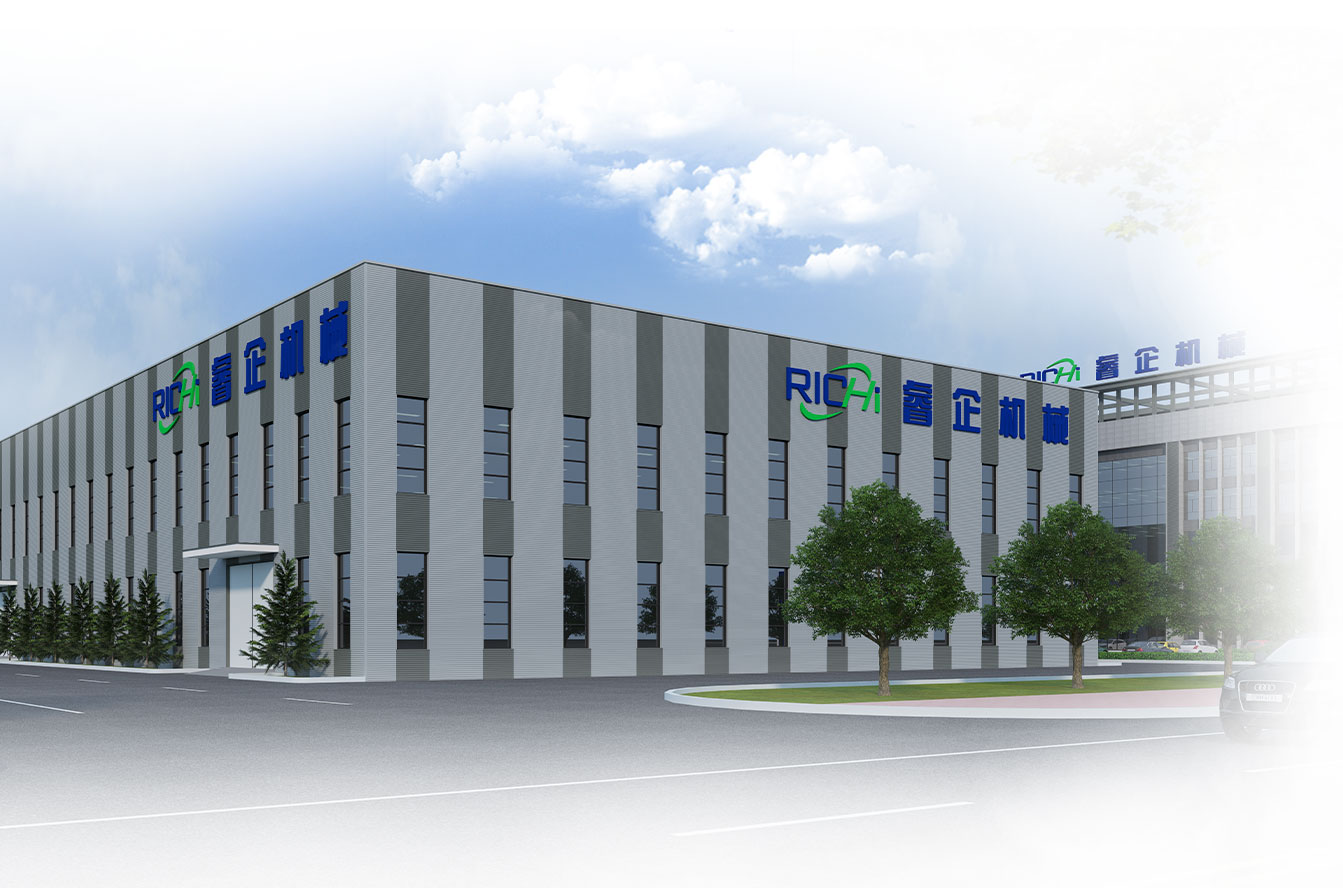
RICHI Machinery is one of the world’s leading suppliers of technology and services for the animal feed, aqua feed and pet food industries, also the largest pellet production line manufacturer in China.
Since 1995, RICHI’s vision to build a first-class enterprise, to foster first-class employees, and to make first-class contributions to society has never wavered.
In the past three decades, we have expanded our business to a wide range of areas, including animal feed mill equipment, aqua feed equipment, pet feed equipment, biomass pellet equipment, fertilizer equipment, cat litter equipment, municipal solid waste pellets equipment, etc.

1995
RICHI Established

2000+
Serving More Than 2000 Customers

120+
RICHI Employees

140+
Exported To 140 Countries