

 0086-138 3838 9622

Pellet Mill For Sale NZ
Looking for a reliable pellet mill for sale NZ? Explore our proven track record across New Zealand, where our ring die pellet machines power diverse projects—from wood and feed to fertilizer and waste recycling. More than just equipment, we deliver complete, custom solutions.


60+
Pellet Mills Exported
From standalone units to integrated line cores, our robust ring die machines are engineered for NZ’s diverse raw materials.
20+
Complete Pellet Plants Built
We don’t just sell machines; we design, build, and commission full production lines tailored to each client’s specific output and material.
$22M+
In Project Value Delivered
Our investment in NZ spans equipment, engineering, and lifetime support, demonstrating our commitment to long-term partnership and success.
Proven Pellet Plant Success: Tailored Solutions Across New Zealand’s Industries
Our projects are more than just equipment installations; they are strategic partnerships built on solving unique local challenges. From pioneering biomass energy to advancing sustainable agriculture, explore how our complete pellet production systems are driving efficiency and profitability for Kiwi businesses.

South Island
10 t/h wood pellet machine for sale NZ
A large South Island forestry management company seeking to add value to sawmill residues and produce renewable fuel for local industrial heating. 4 high-capacity ring die pellet mill for sale NZ, specifically our heavy-duty MZLH520 model.
- Material Used: Primarily dry pine sawdust and shavings (<12% moisture), with occasional blended hardwood chips.
- Pellet Spec: Producing standard 6mm and 8mm diameter wood pellets for bulk combustion systems.
- Full Line Equipment: This was a complete plant including a hammer mill for size reduction, a rotary dryer, the main pellet press, a counter-flow cooler, and an automated packaging system.
- Investment: approximately USD $1.1M for the complete production line.
- Our Deliverable: A fully operational, high-yield biomass pellet mill, from raw material intake to bagged product.

20 t/h dairy cow feed pellet machine nZ project
A major North Island dairy cooperative aiming to produce consistent, high-nutrition feed year-round to support their herd’s milk production. A complete feed mill centered on our industrial-grade feed pellet machine, model SZLH558.
- Raw Material: A precise mix of grains (barley, maize), protein meals, molasses, minerals, and vitamins. Moisture conditioned to ~16-18%.
- Pellet Spec: Dense 4mm and 6mm dairy feed pellets for improved digestibility and reduced waste.
- Full Line Equipment: The project included bulk storage silos, batch weigh mixers, a twin-shaft paddle mixer, a conditioner, the pellet mill, a horizontal cooler, and a fat-coating system.
- Process Provided: Custom nutritional pelletizing process with post-pelleting liquid application (fat & flavor) to enhance palatability and energy content.
- Project Scale: A substantial USD $1.2M investment for the automated feed production facility.

Waikato, North Island

Marlborough Sounds, South Island
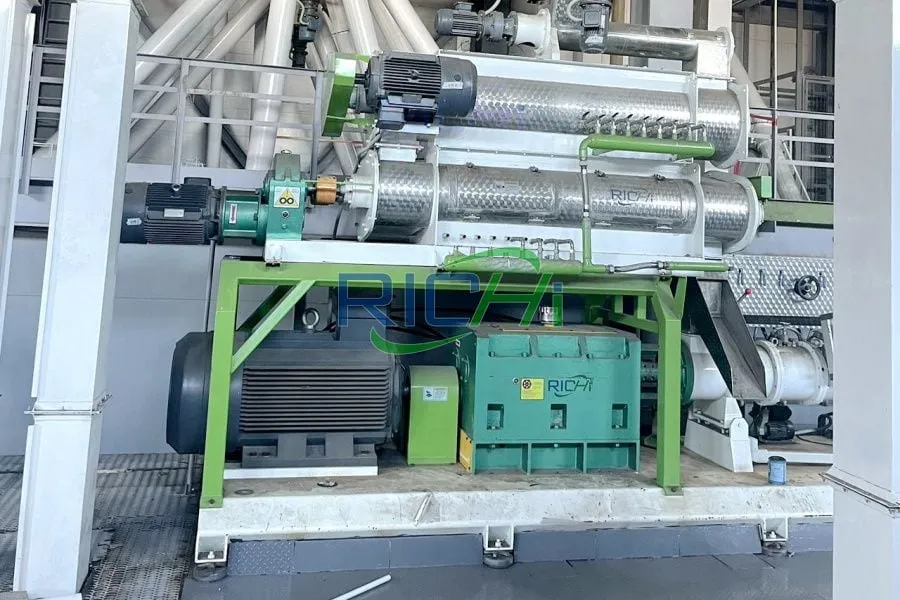
3 t/h aquaculture feed pellet mill nZ project
A specialized feed manufacturer supplying the growing King Salmon and trout farming industry with high-performance, water-stable feed. A specialized aqua feed line featuring a ring die pellet press for sinking feeds, model SZLH420.
- Raw Material: A complex blend of fishmeal, plant proteins, wheat flour, binders, and oil. Fine-ground mash with moisture added during conditioning.
- Pellet Spec: 2mm to 5mm diameter slow-sink pellets, requiring high durability and low fines.
- Full Line Equipment: Equipment included a micro-grinder, twin-shaft mixer, conditioner, the pellet mill, a vertical dryer, and a vacuum coater for oil infusion.
- Process Provided: Precise grind-mix-conditioning-pelletizing-drying-coating process engineered for maximum pellet stability and nutrient retention in water.
- Investment: Around USD $350,000 for the specialized production system.

6 t/h salmon feed extruder nz project
An innovative feed company focusing on high-value, floating pellets for the salmonid industry, requiring extrusion for starch gelatinization. A complete extruded feed line, with a dual-stage cooking extruder at its core, not just a standard pellet mill.
- Raw Material: Similar fine mash blend as sinking feed, but formulated for expansion. Starch-rich ingredients are critical.
- Pellet Spec: Floating extruded pellets in various sizes (3mm-8mm) with controlled bulk density.
- Full Line Equipment: A comprehensive setup with grinding, mixing, the extruder, a multi-pass dryer, a flavor/vacuum coater, and screening.
- Process Provided: Full extrusion cooking (FEC) process design, ensuring optimal floatability, digestibility, and physical quality.
- Investment: exceeding USD $1.5M for the extrusion line and ancillaries.
Canterbury, South Island
Central Otago, South Island
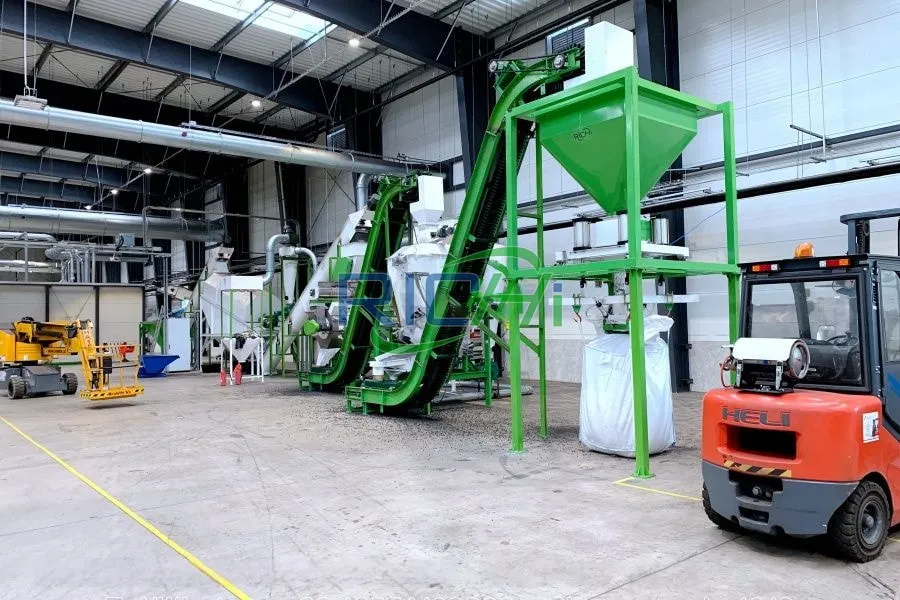
5 t/h sheep feed pellet machine new zealand project
A high-country station owner looking to efficiently produce balanced, weather-resistant feed pellets for their extensive sheep flock. A robust and reliable feed pellet machine for sale NZ, model SZLH-350, built for durability.
- Raw Material: Mix of locally grown oats, barley, lucerne hay (chopped), and protein supplement. Hay moisture ~10-12%, conditioned up to ~16%.
- Pellet Spec: 4mm and 6mm dense sheep feed pellets for supplementary feeding, especially in winter.
- Full Line Equipment: A practical line including a hay cutter, hammer mill, mixer, conditioner, the pellet mill, a simple cooler, and a bagging scale.
- Process Provided: A cost-effective, easy-to-operate pelletizing process designed for farm-based feed production with minimal labor.
- Investment: Approximately 210,000 USD for the complete on-farm feed mill.
3-4 t/h green waste pellet mill new zealand project
A North Island waste management company aiming to divert municipal green waste from landfill and create a marketable biomass fuel. A versatile biomass pellet mill system, model MZLH768, designed to handle variable feedstock.
- Raw Material: Mixed green waste (grass clippings, leaves, branches) from council collections. Highly variable moisture (50-60% inbound), dried to ~15%.
- Pellet Spec: 8mm biomass pellets for commercial and industrial boiler fuel.
- Full Line Equipment: A full recycling line featuring shredding, de-stoning, rotary drying, hammer milling, pelleting, cooling, and bagging.
- Process Provided: Complete waste-to-fuel process engineering, focusing on pre-processing and drying to handle contaminated, mixed feedstocks.
- Investmen: Valued at $260,000 USD for the processing plant.

Auckland Region, North Island

Taranaki, North Island
5 t/h dairy manure fertilizer pellet mill new zealand project
A large dairy farm in a sensitive catchment area needing an odor-controlled, transportable fertilizer product from effluent to reduce nutrient run-off risk. A complete organic fertilizer pellet mill system, model FZLH350, with anti-corrosion features.
- Raw Material: Separated dairy manure solids (approx. 65-70% moisture), composted and mixed with amendment minerals.
- Pellet Spec: 4mm organic fertilizer pellets for even spreading and retail packaging.
- Full Line Equipment: System included dewatering, composting turners, a grinder, mixer, pellet mill, low-temperature dryer, and screening/packaging.
- Process Provided: Manure stabilization and pelletizing process designed for nutrient retention, pathogen reduction, and creating a user-friendly product.
- Investment: $150,000 USD.

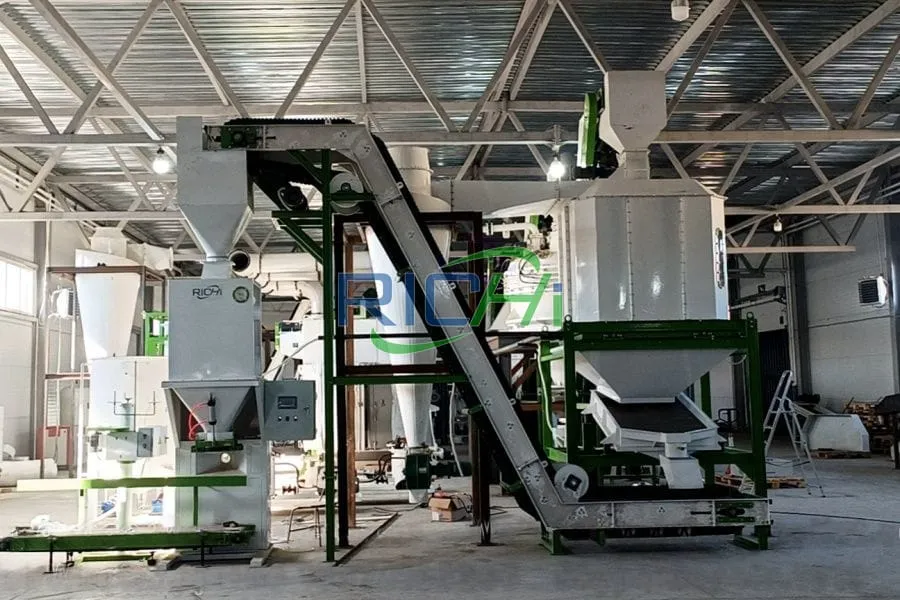
2 t/h pet food pellet machine nz project
A boutique pet nutrition company crafting high-meat, grain-free recipes for the domestic and Asian export markets. A sanitary, flexible pet food pellet machine line, model SPHS120*2. This is a twin-screw pellet extruder.
- Raw Material: Multiple recipes: fresh/frozen meat meals, poultry, liver, vegetables, and binders. High-fat, high-moisture mash after preconditioning.
- Pellet Spec: 3mm, 5mm, and 8mm shaped pellets for cats and dogs, with precise shape retention.
- Full Line Equipment: A food-grade line with meat grinders, ribbon blenders, a twin-shaft conditioner, the pellet mill, a post-cooker/dryer, and a coating drum.
- Process Provided: Precise low-temperature cooking and pelletizing process to preserve raw ingredient nutrition and palatability.
- Investment: $420,000 USD
Wellington Region, North Island

Hawke’s Bay, North Island
8 t/h sheep manure fertilizer pellet machine nz project
A fertilization products company sourcing raw sheep manure from high-country stations to produce a uniform, nutrient-rich organic fertilizer for vineyards and orchards. A high-output ring die pellet press, model FZLH420, for abrasive organic materials.
- Raw Material: Composed sheep manure and bedding (straw), dried to ~15% moisture. May be blended with blood & bone or potash.
- Pellet Spec: 3mm and 4mm granules for precision agricultural application.
- Full Line Equipment: A large-scale plant featuring receiving, shredding, turbo drying, fine grinding, mixing, pelleting, cooling, and bulk bagging.
- Process Provided: Large-scale organic fertilizer compounding and pelletizing process, ensuring consistent nutrient analysis and pellet hardness.
- Investment: $250,000 USD
8-10 t/h alfalfa pellet machine new zealand project
A large-scale cropping enterprise focusing on producing export-grade dehydrated alfalfa pellets for the Asian dairy and horse feed markets. A high-tonnage alfalfa-dedicated pellet mill for sale New Zealand, our largest CZLH768 model.
- Raw Material: 100% dehydrated alfalfa (lucerne) hay, chopped and milled to a consistent meal (<10% moisture).
- Pellet Spec: Dense 8mm and 10mm alfalfa pellets for long-distance shipping and bulk handling.
- Full Line Equipment: A massive line including hay choppers, hammer mills, the primary pellet mill, a horizontal cooler, crumbler screens, and bulk loading systems.
- Process Provided: Dedicated high-volume lucerne pelleting process optimized for fiber preservation, pellet durability, and minimal heat generation.
- Investment: exceeding 340,000 USD.

Canterbury, South Island
Diverse Applications Across New Zealand
From specialized livestock nutrition to cutting-edge waste conversion, our engineering expertise adapts to New Zealand’s unique agricultural and industrial landscape. Explore this broader portfolio of projects where we’ve provided targeted solutions, from standalone machines to complex integrated systems.

5 t/h calf starter pellet mill for sale nZ
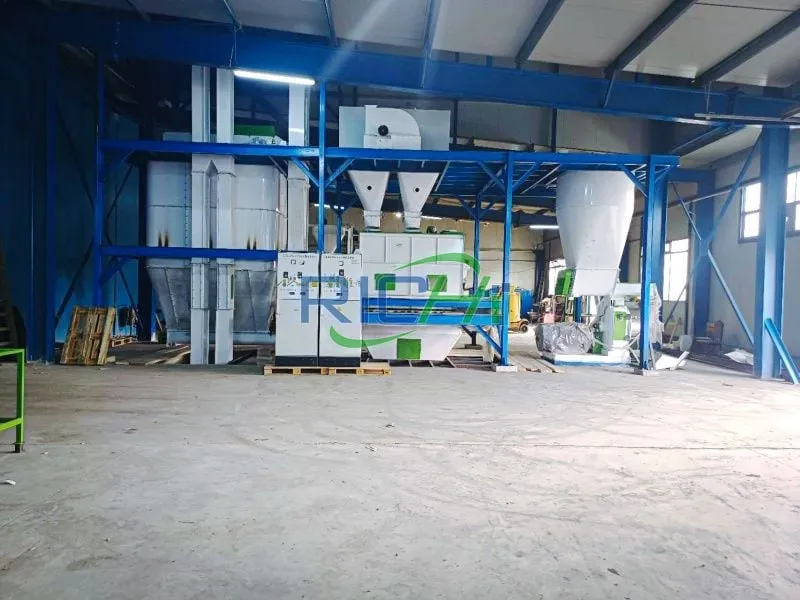
A Southland dairy specialist needed a high-nutrition, medicated feed to ensure robust calf growth. Our pelleting system gently processes fine, milk-based ingredients into easily digestible crumbles.
Pellet Mill Model
SZLH350 Precision Ring Die Model
Pellet Size
2-3mm feed crumbles
4 t/h straw pellet mill nZ project
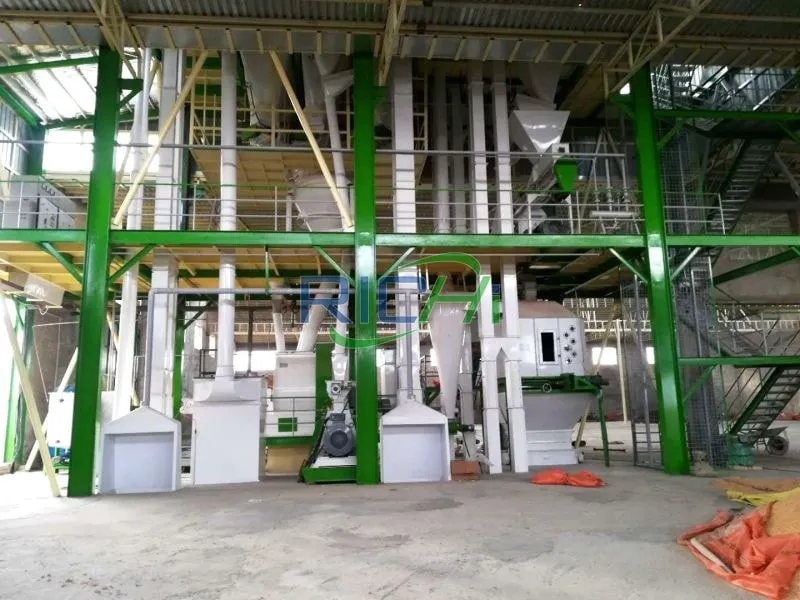
A Canterbury arable farm converts surplus wheat straw into absorbent bedding pellets for the local equine market, adding value to a common residue.
Pellet Mill Model
CZLH678 Biomass Model
Pellet Size
8mm bedding pellets
10 t/h cereal grain pellet machine nZ project
A grain exporter in Southland uses compaction pelleting to densify whole barley for efficient shipping, significantly reducing freight costs and spoilage.
Pellet Mill Model
SZLH420 Compaction Press
Pellet Size
6mm & 8mm shipping pellets
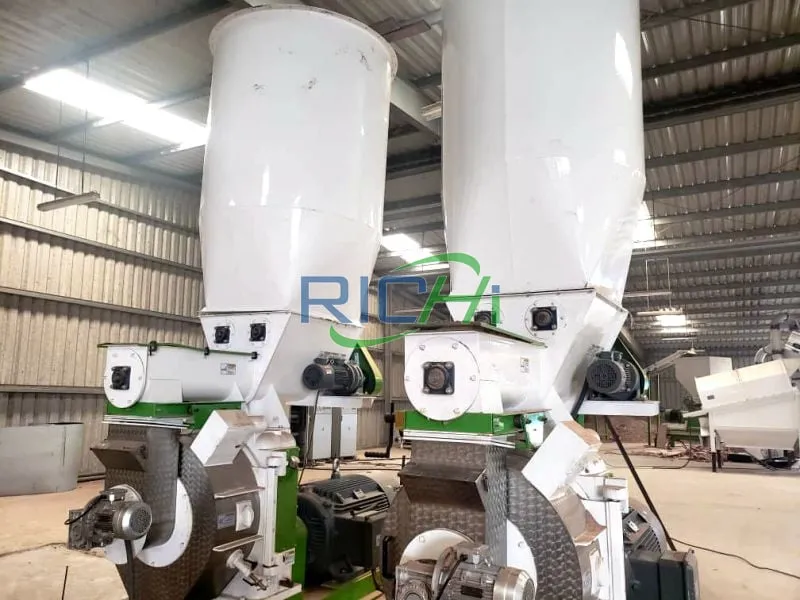
8 t/h poultry manure fertilizer pelletizer nZ project
A Manawatu egg producer transforms high-volume litter into a stable, odor-controlled organic fertilizer pellet, solving a major waste challenge.
Pellet Mill Model
FZLH420 Heavy-Duty Press
Pellet Size
4mm granular fertilizer
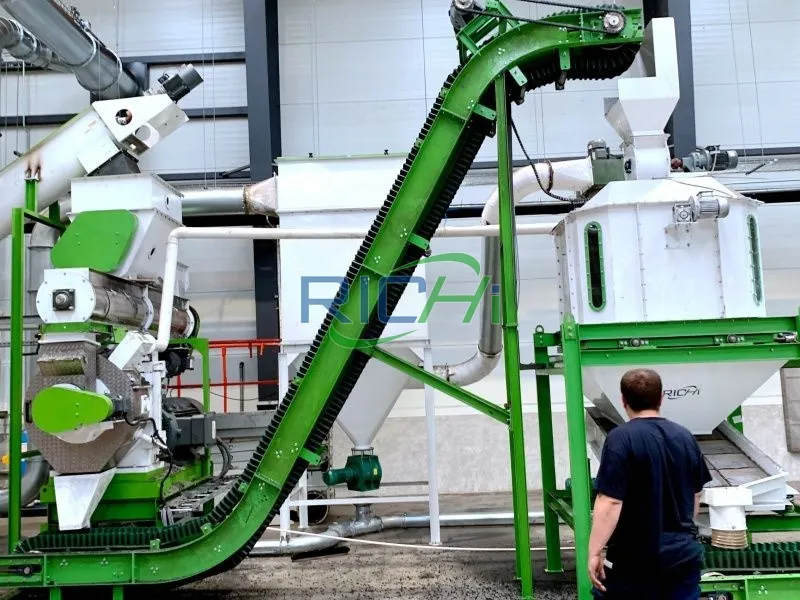
10 t/h goat feed pellet mill for sale nZ
A Taranaki goat dairy produces a consistent high-fiber TMR pellet to optimize rumen health and milk production across their large herd.
Pellet Mill Model
SZLH420 High-Capacity Mill
Pellet Size
4mm & 6mm feed pellets
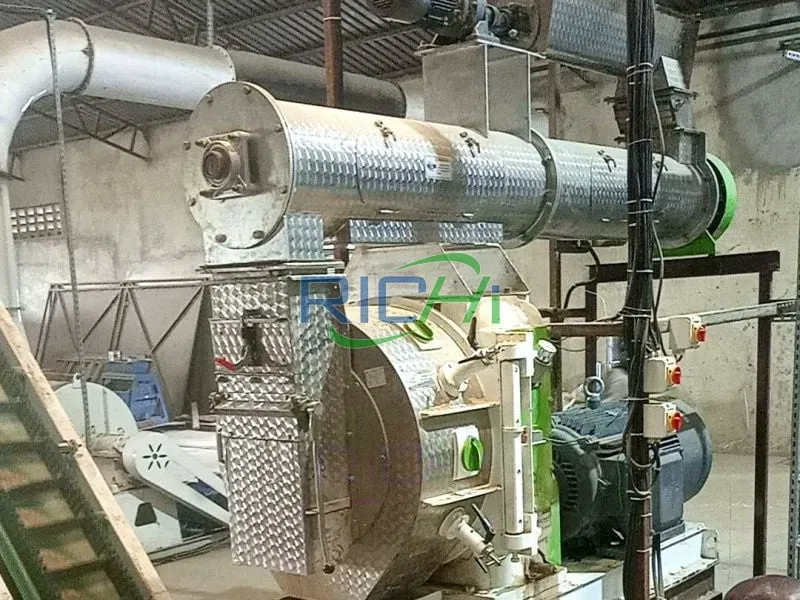
5-7 t/h poultry feed pellet mill new zealand project
An integrated Auckland producer expanded their in-house feed milling to supply precise, cost-effective rations for their own broiler operations.
Pellet Mill Model
SZLH350 Production Line Mill
Pellet Size
3mm crumbles & 4mm pellets
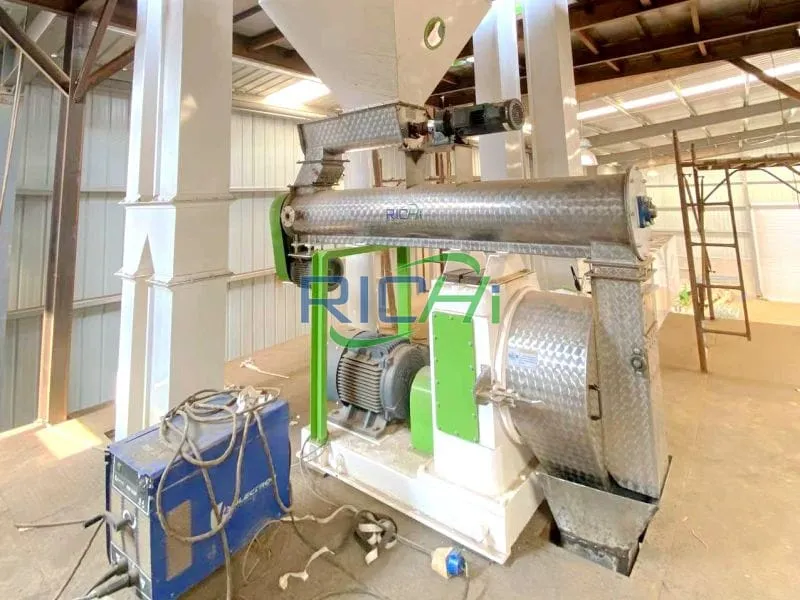
3-4 t/h chicken feed pellet machine nZ project
A Bay of Plenty egg farm brought feed production on-site for greater biosecurity and ration control using a compact, reliable system.
Pellet Mill Model
SZLH320 Farm-Scale Pellet Mill
Pellet Size
4mm layer feed pellets
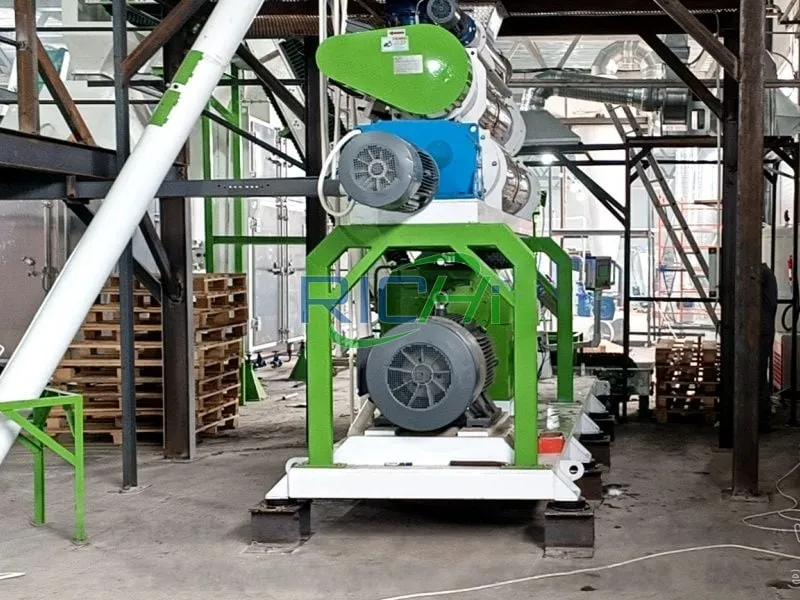
2 t/h fish feed pellet machine in new zealand
A boutique Tasman hatchery produces small batches of specialized diets for trout and sportfish, ensuring optimal nutrition for sensitive species.
Pellet Mill Model
SPHS120*2 Versatile Model
Pellet Size
1.5mm to 4mm feed pellets
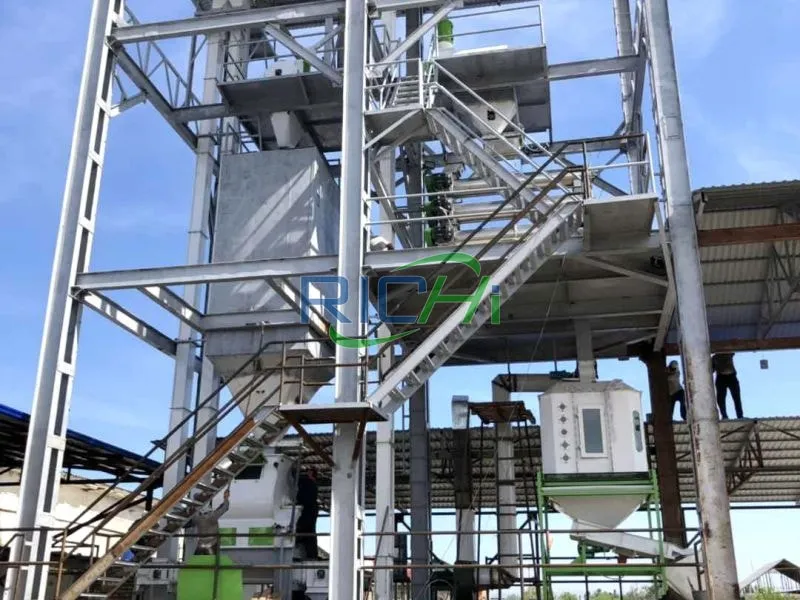
5 t/h sinking fish feed pelletizer nZ project
A Northland feed company supplies the eel farming industry with ultra-stable, high-density sinking pellets that withstand water immersion.
Pellet Mill Model
SZLH420 Deep-Die Pelletizer
Pellet Size
3mm, 5mm, 8mm sinking pellets
8 t/h MDF pellet mill for sale nZ
A Rotorua board plant recycles sanding dust into high-energy fuel pellets for their boiler, turning a waste stream into free process heat.
Pellet Mill Model
MZLH768 Abrasion-Resistant Mill
Pellet Size
6mm & 8mm industrial fuel

6 t/h biochar pelletizer for sale nZ
A Canterbury carbon project densifies fine biochar powder into easy-to-handle pellets for agricultural soil amendment and carbon sequestration.
Pellet Mill Model
MZLH678 with Binder System
Pellet Size
4mm & 6mm soil pellets

10 t/h organic fertilizer granulator for sale nZ
A large composting facility in Hawke’s Bay blends and pellets green waste and manure into a uniform, premium-grade bagged garden fertilizer.
Pellet Mill Model
FZLH520 Granulator System
Pellet Size
3mm & 4mm fertilizer granules
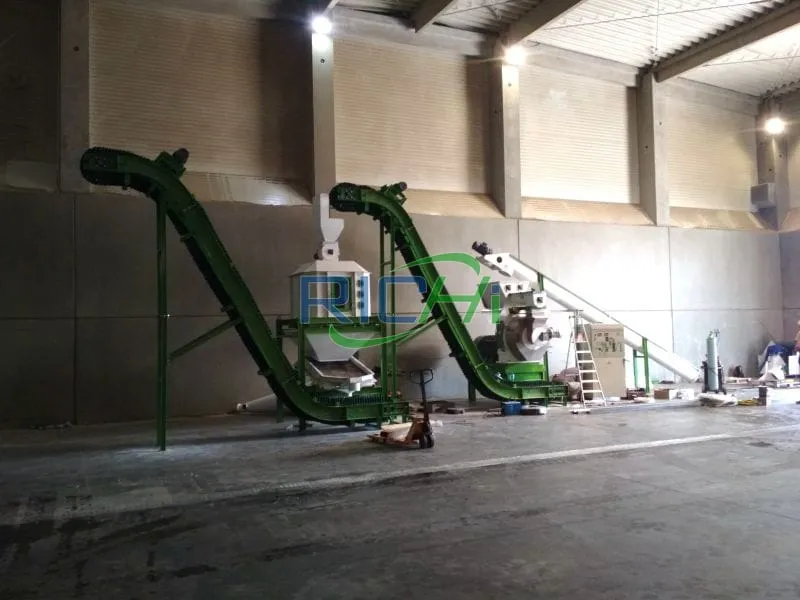
4 t/h municipal solid waste pelletizer nZ project
An Auckland waste processor converts sorted, dry MSW fractions into refuse-derived fuel (RDF) pellets for cement kiln co-firing.
Pellet Mill Model
MZLH768 Heavy-Duty Press
Pellet Size
8mm & 10mm RDF pellets
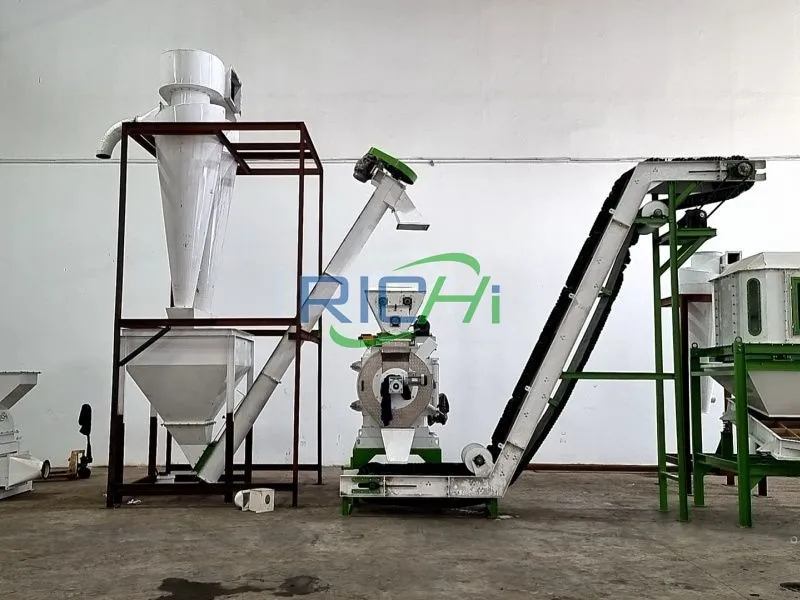
2-3 t/h seaweed fertilizer pellet machine nZ project
A Marlborough company processes harvested seaweed into a nutrient-rich, natural fertilizer pellet for vineyards and organic horticulture.
Pellet Mill Model
FZLH320 Corrosion-Resistant Mill
Pellet Size
3mm & 5mm fertilizer pellets
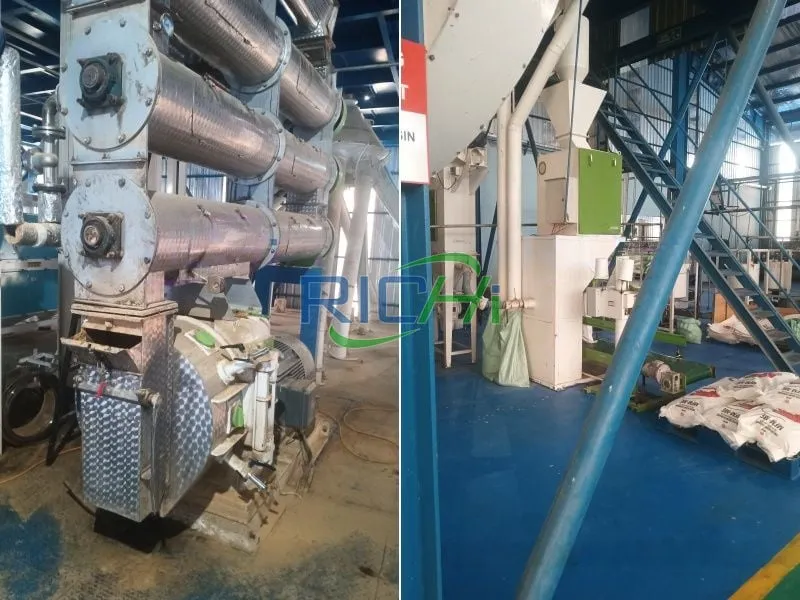
2 t/h shrimp feed pellet mill nZ project
A research facility and niche producer develops high-performance, water-stable feed pellets for pilot-scale shrimp aquaculture trials.
Pellet Mill Model
SZLH420 Micro-Intensive Mill
Pellet Size
1mm & 1.5mm shrimp feed
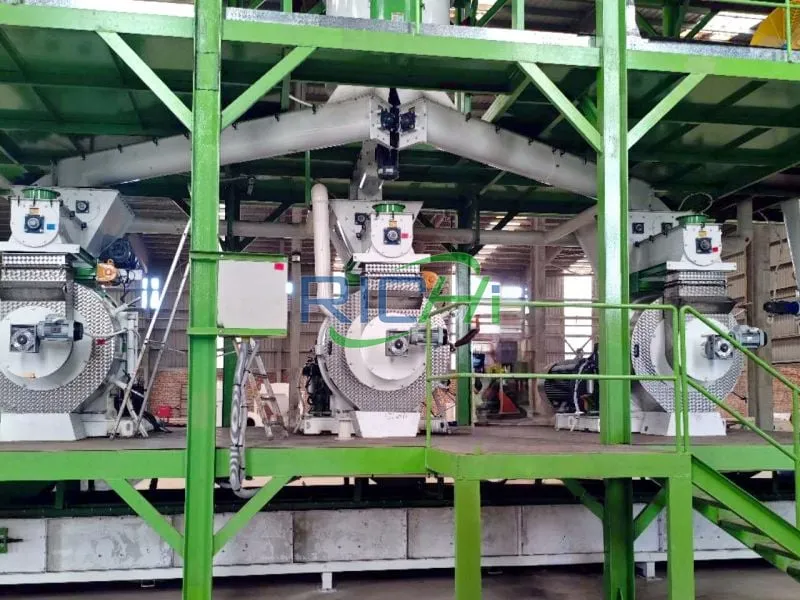
5 t/h soil amendment pellet machine nZ project
A Waikato company manufactures customized pelletized blends of minerals, lime, and biochar for precision soil conditioning.
Pellet Mill Model
FZLH350 Blending Pelletizer
Pellet Size
4mm soil amendment pellets
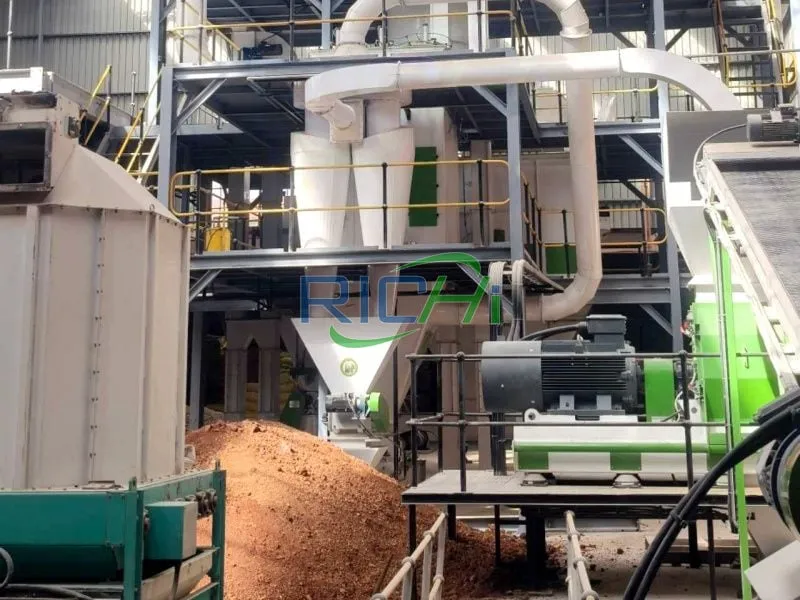
5 t/h pyrolysis carbon pelletizer nZ project
A specialist in Wellington produces activated carbon pellets from waste biomass for use in local water filtration and air purification systems.
Pellet Mill Model
SZLH350 High-Pressure Press
Pellet Size
4mm activated carbon pellets

2 t/h RDF pellet making machine nZ project
A waste-to-energy startup produces specification fuel pellets from commercial plastic and paper waste for industrial energy recovery.
Pellet Mill Model
MZLH520 Compact Pelletizer
Pellet Size
6mm & 8mm specification fuel
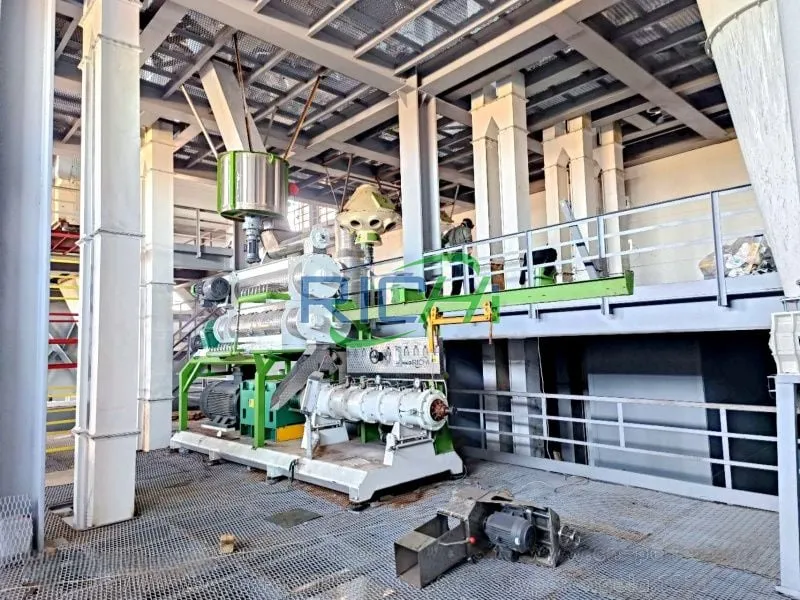
3-4 t/h floating fish feed extruder nZ project
A Nelson aquafeed company produces expanded floating pellets for game fish and pond culture, requiring precise cooking extrusion.
Pellet Mill Model
SPHS120*2 Cooking Extruder
Pellet Size
3mm, 5mm, 8mm floating feed
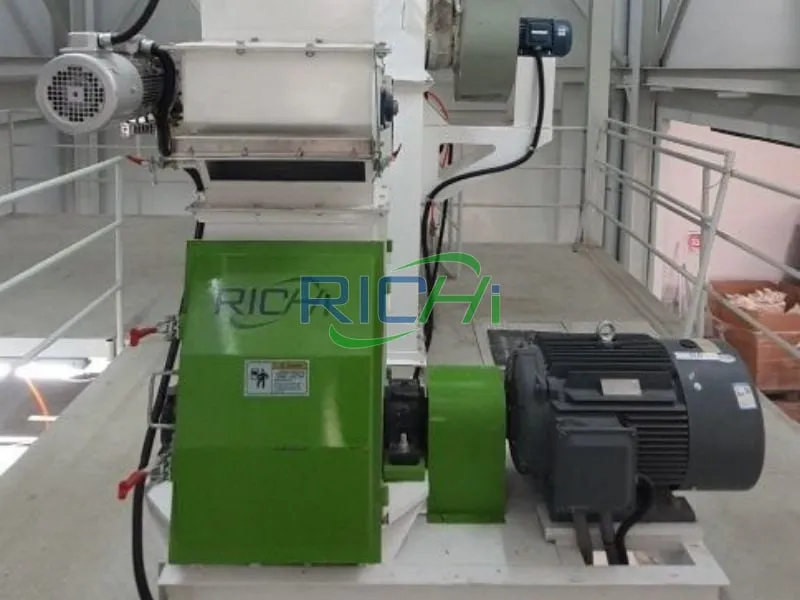
5-6 t/h wheat feed pelletizer w zealand project
A dedicated feed mill focuses on processing wheat by-products into balanced ruminant feed pellets for the local dairy industry.
Pellet Mill Model
SZLH350 Standard Mill
Pellet Size
6mm & 8mm ruminant pellets
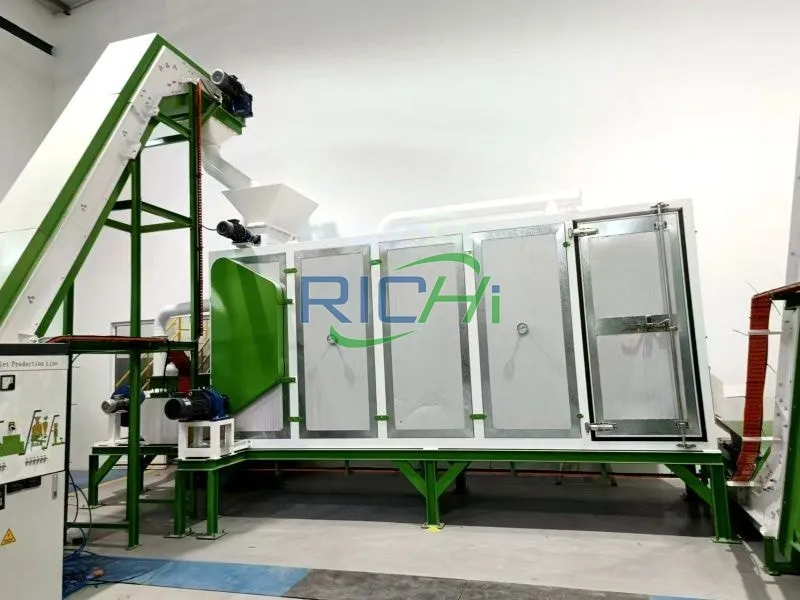
DHG-2000 fruit dryer machine for sale nZ
Used by a Hawke’s Bay producer to gently dehydrate apple and kiwifruit pomace to a stable moisture level for inclusion in value-added feed pellets.
Function
Low-Temperature Dehydration
Output
<12% moisture pomace
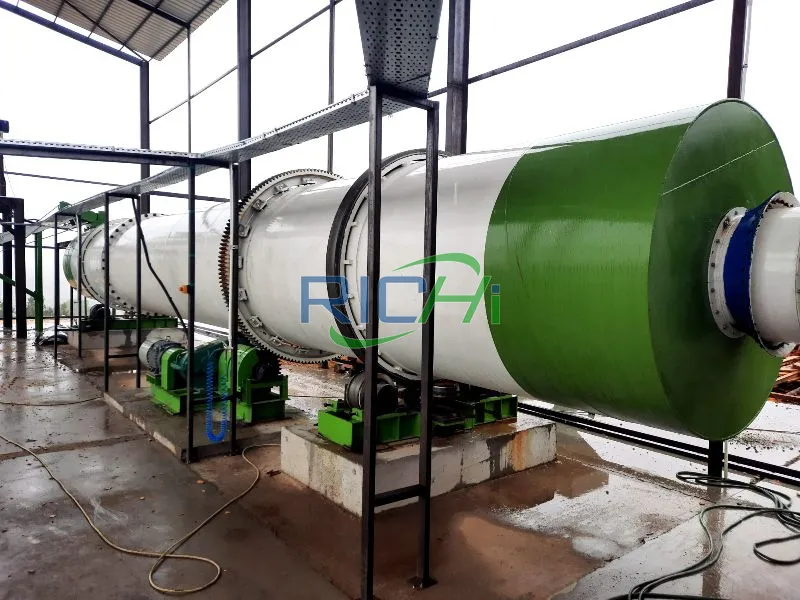
φ1.8*18 biomass rotary dryer new zealand project
The core of a large-scale wood pellet operation in the Central North Island, efficiently reducing green sawdust moisture from 50% to under 12%.
Function
High-Volume Biomass Drying
Output
<15% moisture feedstock
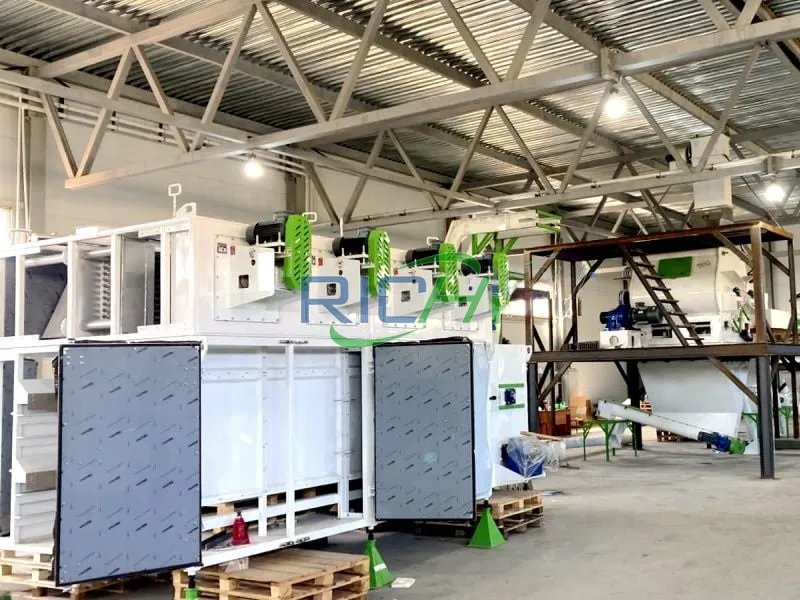
DHG-1000 fish feed dryer for sale nZ
Part of a Canterbury aquafeed line, this dryer ensures precise, low-temperature drying of delicate fish feed pellets to preserve nutrients.
Function
Precision Aquafeed Drying
Output
<10% moisture feed pellets
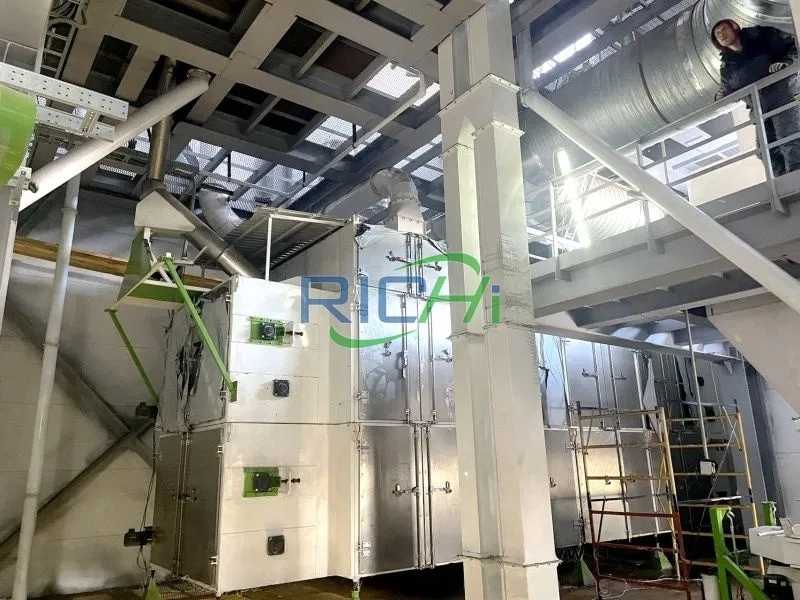
DHG-2000 belt dryer for vegetables in new zealand
A Horowhenua processor uses this to dry vegetable waste for inclusion in specialty animal feed pellets, capturing nutritional value.
Function
Gentle Vegetable Drying
Output
<10% moisture vegetable meal
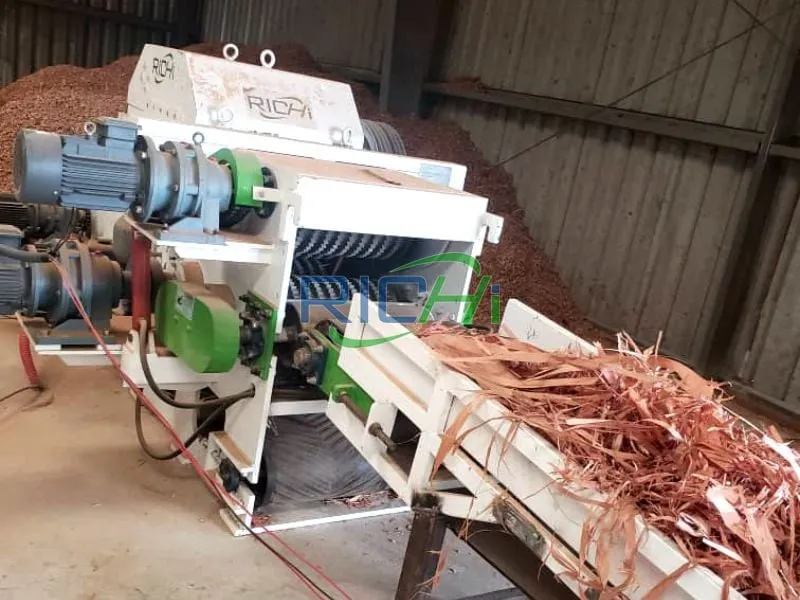
XPJ850*500 wood chipper for sale nZ
Supplied to a North Island forestry contractor to pre-process pine slash and residues into uniform chips for a downstream pellet plant.
Function
Primary Size Reduction
Output
25-30mm wood chips
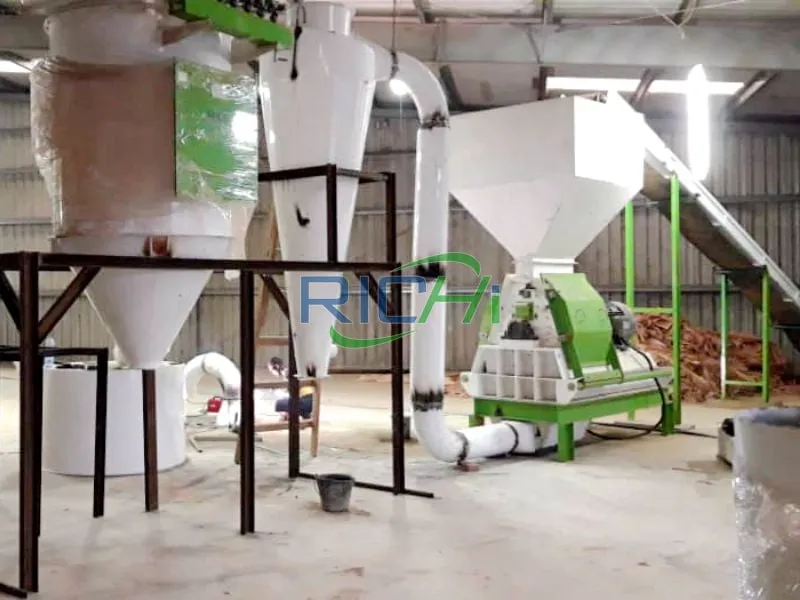
4-5 t/h wood hammer mill for sale nZ
A key component in a Otago biomass plant, finely grinding dried wood chips to the optimal consistency for smooth pelleting.
Function
Fine Grinding for Pelleting
Output
<4mm wood flour
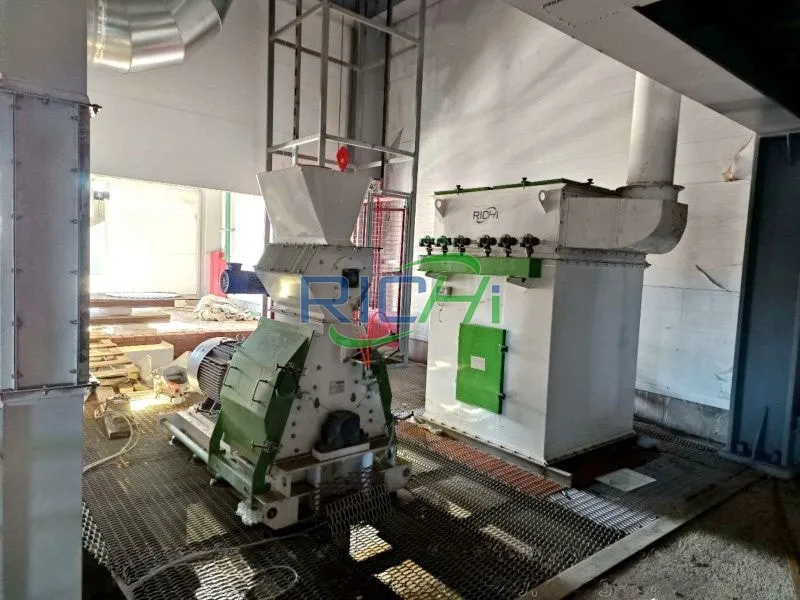
15 t/h barley grinding machine nz project
Installed in a Canterbury malting plant to grind malt by-products into a fine consistent meal for use in livestock feed mixtures.
Function
High-Capacity Grinding
Output
1-2mm fine meal
See Our Pellet Plants Operating Across New Zealand
A picture is worth a thousand words, but a video shows the complete story. Watch our robust machinery and custom-engineered lines running in real Kiwi conditions, from forestry to farm. These videos demonstrate the efficiency, reliability, and finished product quality we deliver with every installation.
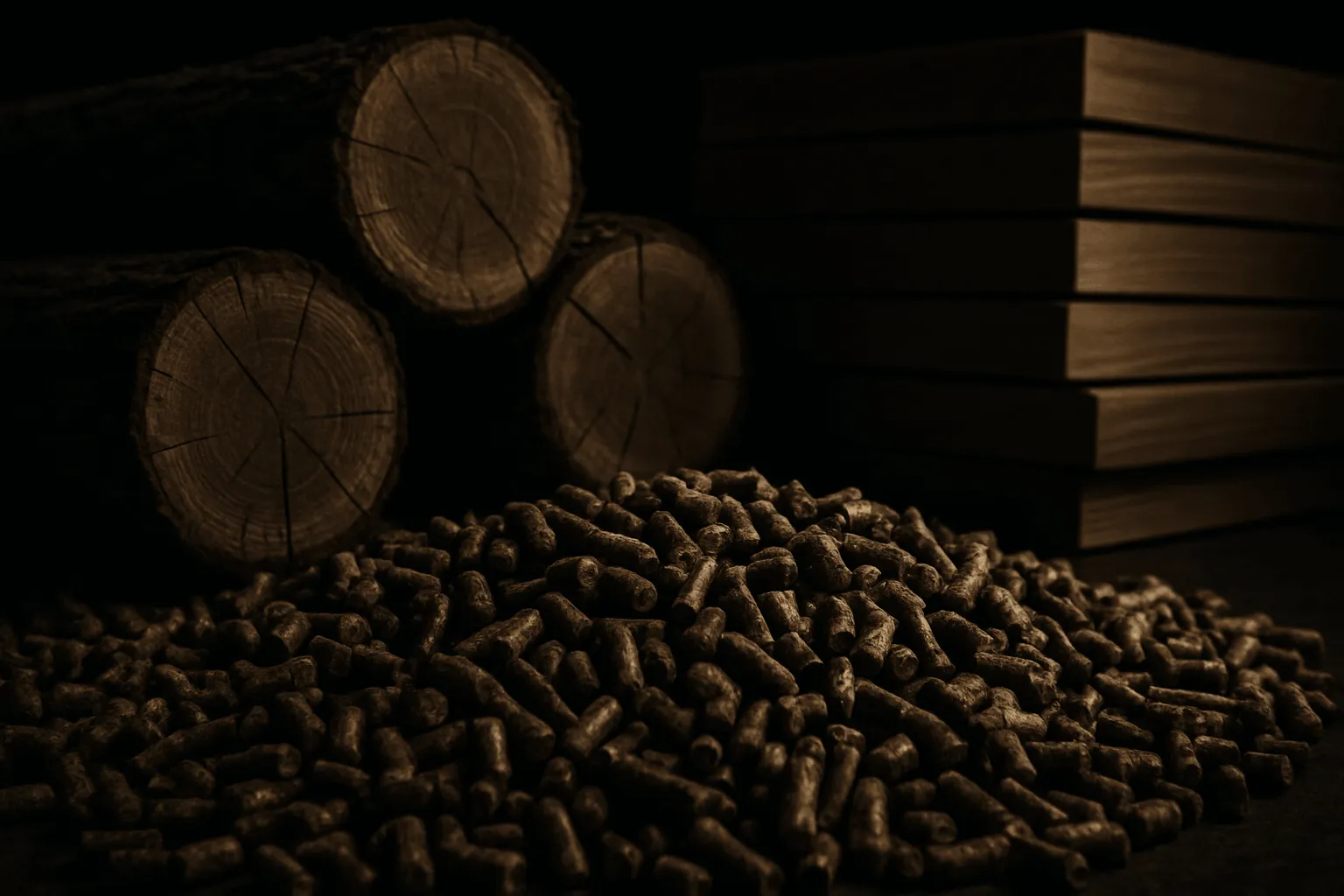
5T/H Wood Pellet Plant for Sale New Zealand
See our heavy-duty pellet mill for sale NZ in action, processing a mix of pine logs, chips, and local green waste into premium 6mm and 8mm biomass fuel. This video showcases the complete line, from raw forestry residue to bagged pellets ready for local energy markets. Witness the durability engineered for demanding NZ feedstocks.
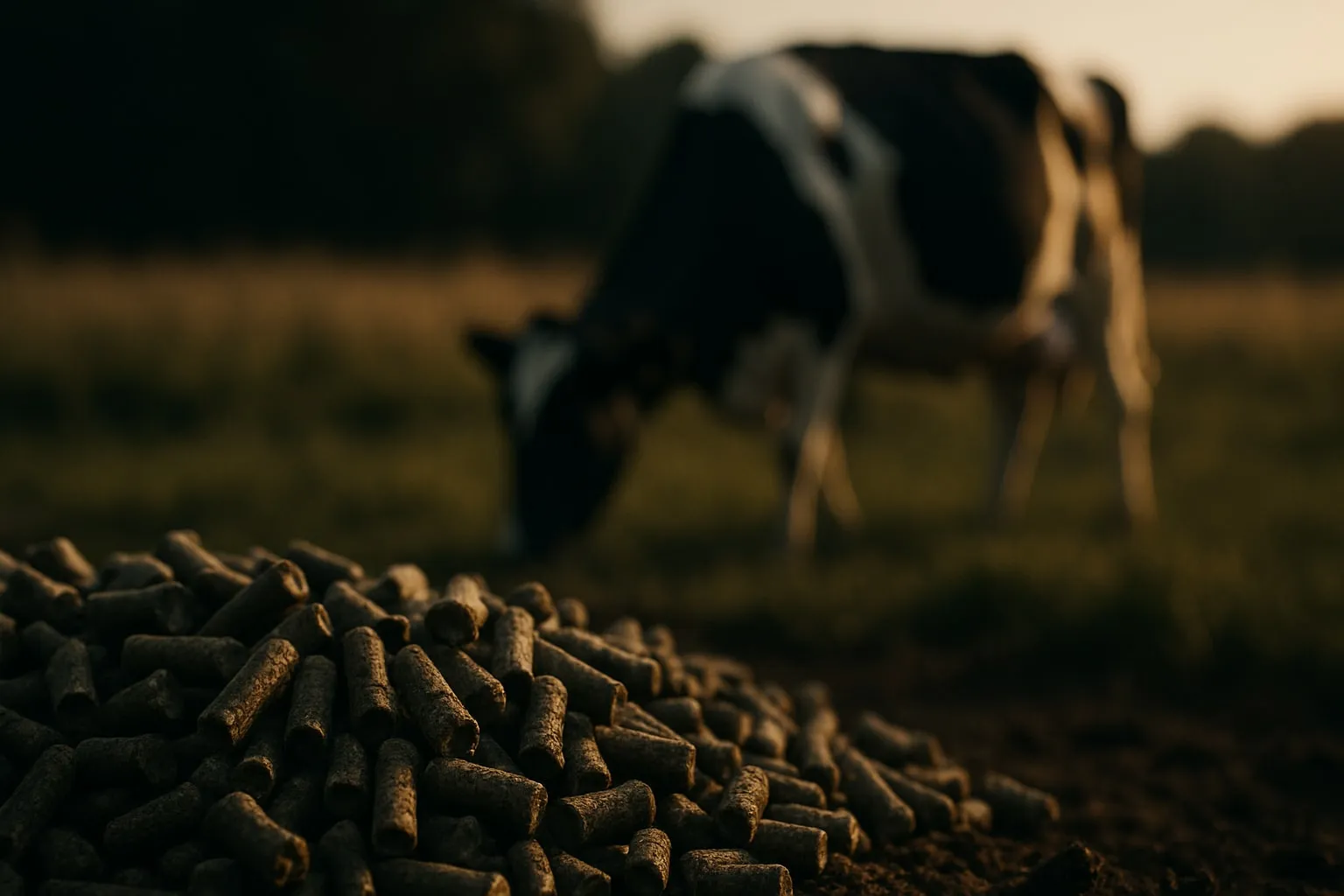
5T/H Cattle Feed Pellet Mill for Sale New Zealand
This operational footage highlights our feed pellet machine reliably turning locally sourced oats and pasture grasses into dense 6mm feed pellets. The video covers the full process, emphasizing the system’s simplicity and efficiency – perfect for a large high-country station managing its own herd nutrition.
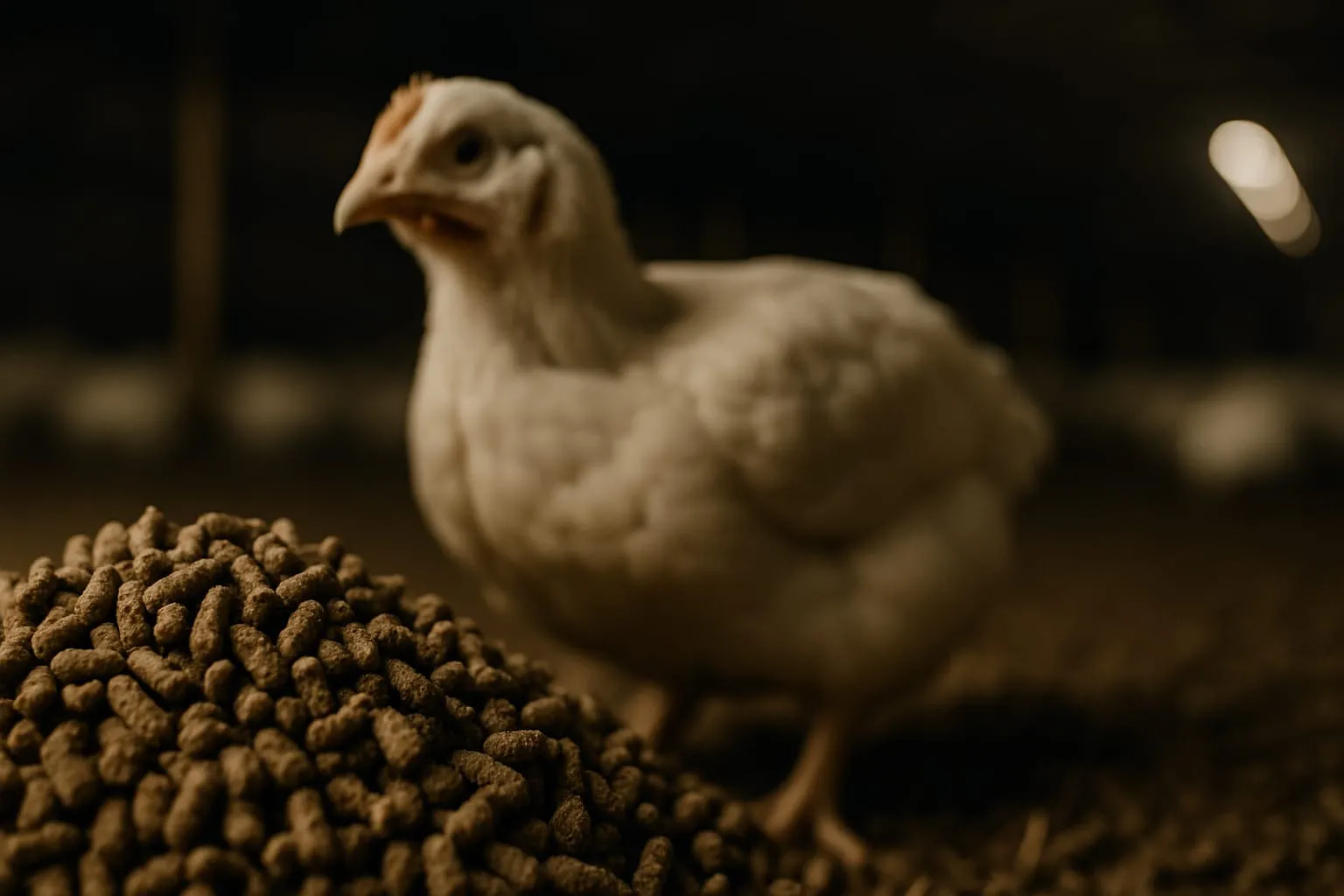
10T/H Poultry Chicken Layer Broiler Feed Mill in New Zealand
Get an inside look at a major integrated operation. The video features our high-capacity SZLH-420 mill producing both 3mm crumbles for starters and 4mm pellets for growers. See the flexibility of a line designed to produce both mash and pelleted feed, giving the producer complete control over their ration strategy.
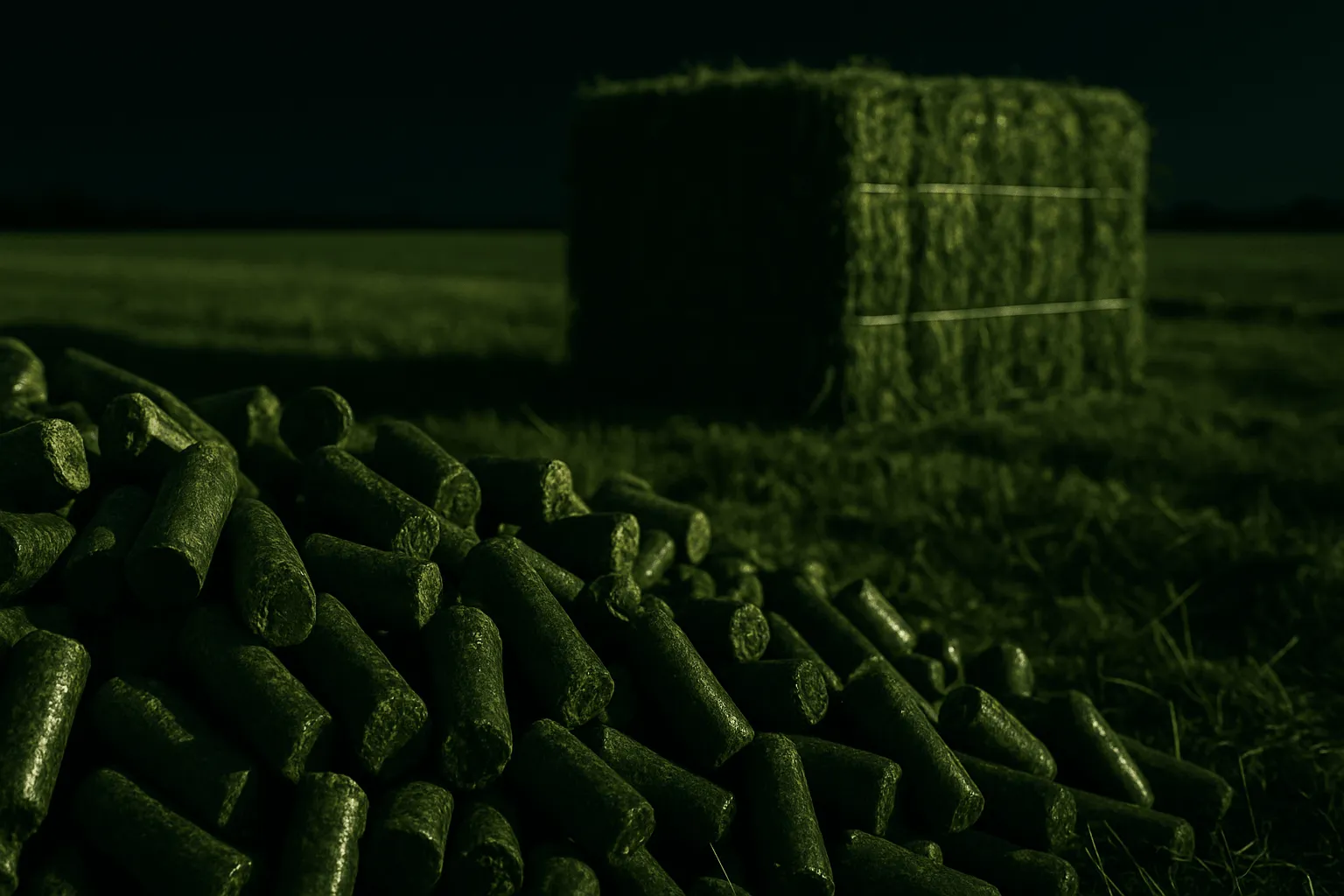
3T/H Grass Alfalfa Hay Pellet Mill for Sale New Zealand
Watch compact hay bales being transformed into valuable 8mm export-grade pellets by our specialized CZLH520 mill. This video demonstrates the efficient processing of New Zealand’s sun-cured grasses and lucerne, showcasing the pellet durability critical for long-distance shipping to Asian markets.
5T/H Aquaculture Feed Mill in New Zealand
This video captures the advanced SPHS150*2 twin screw extruder producing floating and slow-sink fish feed pellets (2mm to 8mm). See the precise cooking, shaping, and drying process that creates water-stable diets for New Zealand’s salmon and trout farming industry.
2-3T/H Wood Chips Rotary Dryer for Sale New Zealand
See our φ1.5x12m biomass rotary dryer efficiently reducing moisture in fresh wood chips from over 50% to a consistent 12% for pelleting. This key pre-processing step is critical for fuel quality and mill efficiency in NZ’s often damp climate.

5T/H Forage Dryer Machine for Sale New Zealand
Watch a φ1.8*18 grass dryer gently processing chopped lucerne and grass to preserve nutrients before milling and pelleting. This video highlights the solution for farmers needing to create high-quality, weather-independent feed from their own paddocks.

What Our Customers Say

We were expanding our wood pellet operation to process more local pine residue and needed a machine that could handle the volume without constant downtime. After looking at a few options, we chose their MZLH768 pellet mill. It’s been the backbone of our 4-5-ton per hour line for over two years now.
What sets it apart is its sheer reliability with our sometimes variable feedstock – from dry sawdust to slightly greener chip mix. It just keeps producing consistent 6mm and 8mm pellets. Their team didn’t just sell us a machine; they provided the full plant layout and stayed on video call with our crew until every belt and motor was running perfectly. It’s a robust piece of kit that’s directly helped us secure longer-term supply contracts.
Jono Wallace
Operations Manager, South Island Biomass Producer

Opportunities in Pelletising: A New Zealand Industry Outlook
New Zealand’s abundant natural resources and innovative agricultural sector present unique opportunities for value-added processing. From converting waste streams into exportable commodities to enhancing on-farm efficiency, pelletising technology is unlocking new potential across the country. Richi Machinery is your expert partner in identifying and engineering the right pellet mill for sale NZ solution to capitalise on these growing markets
WOOD PELLET PRODUCTION
WOOD PELLET SOLUTION
With extensive forestry operations, New Zealand has a steady supply of pine residues. Demand for clean, renewable biomass fuel for industrial heating and residential use continues to grow, offering a stable market for domestically produced wood pellets.

GRASS PELLET PRODUCTION
GRASS PELLET SOLUTION
Export demand for premium New Zealand grass and lucerne pellets, particularly from Asian dairy and equine markets, remains strong. Pelleting preserves nutritional value and creates a transportable, high-value product from sun-cured forage.

STRAW PELLET PRODUCTION
STRAW PELLET SOLUTION
Arable regions produce significant straw volumes. Processing this into compact bedding pellets for the domestic equine and dairy sectors adds value, reduces disposal issues, and creates a manageable, absorbent product.


RUMINANT FEED PELLET PRODUCTION
CATTLE FEED PELLET SOLUTION
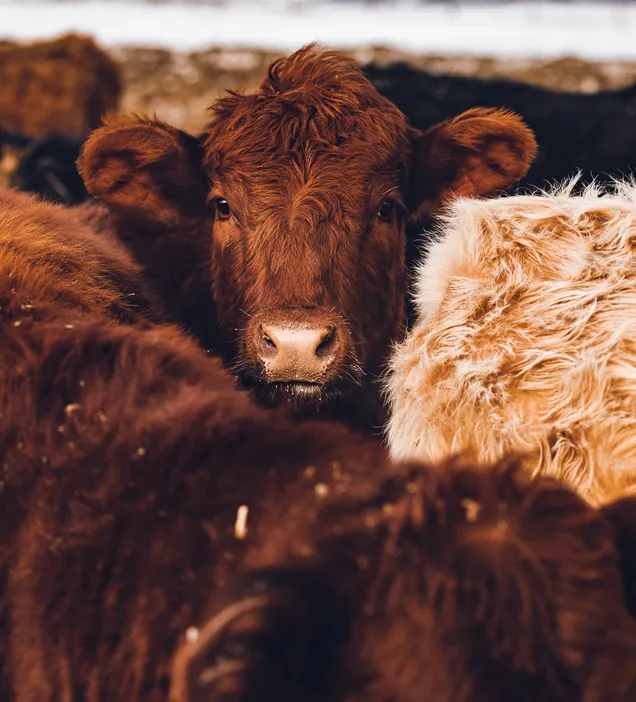
Dairy and beef farming is central to the NZ economy. On-farm or regional feed milling allows for precise, cost-effective ration formulation, using home-grown grains, forages, and by-products to improve herd performance and resilience.

POULTRY FEED PELLET PRODUCTION
POULTRY FEED PELLET SOLUTION
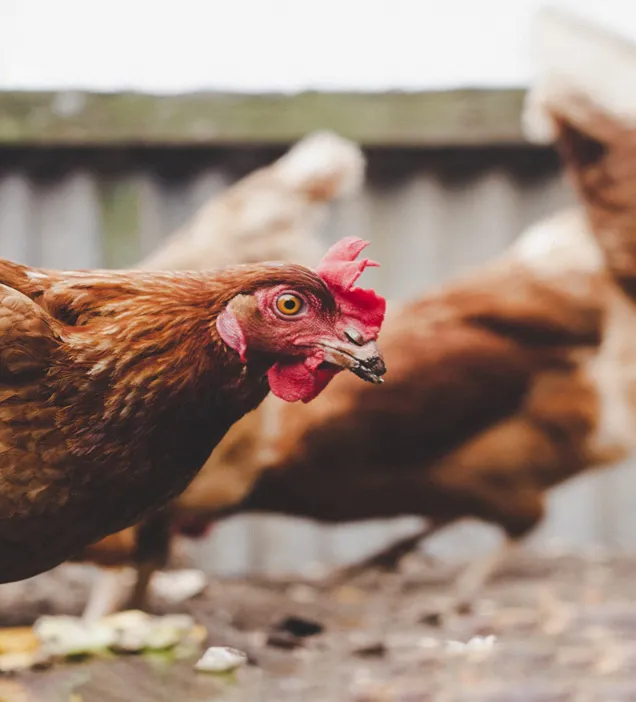
The integrated poultry industry requires efficient, large-scale feed production. Pelletising improves feed conversion, reduces waste, and enables precise nutrition for both layer and broiler operations nationwide.

LIVESTOCK FEED PELLET PRODUCTION
LIVESTOCK FEED PELLET SOLUTION
For sheep, deer, and other livestock, pelleting enables the creation of balanced, weather-proof supplementary feeds. This is crucial for high-country stations and periods of seasonal feed shortage.


FERTILIZER PELLET PRODUCTION
FERTILIZER PELLET SOLUTION
The push for sustainable nutrient management drives demand for pelletised organic fertilisers from manure, compost, and blended mineral (NPK) products. Pellets allow for precise, clean, and efficient soil application.

FISH FEED PELLET PRODUCTION
FISH FEED PELLET SOLUTION
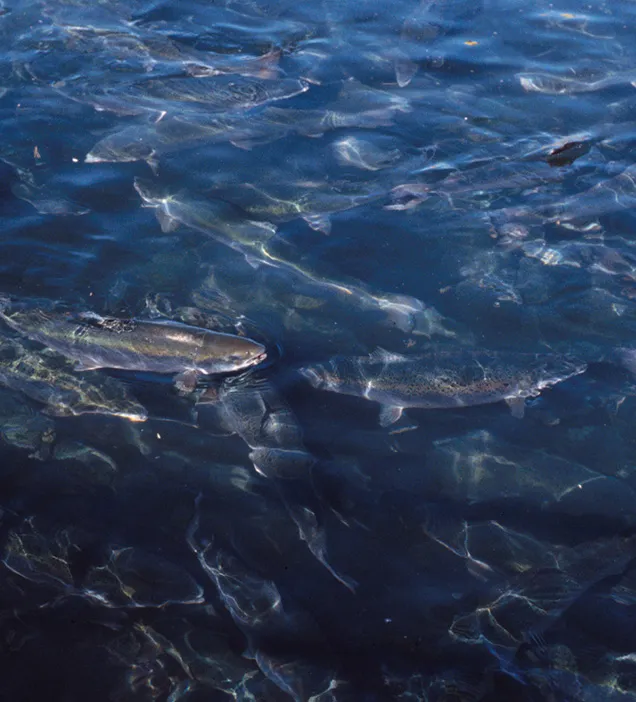
As New Zealand’s salmon and trout farming expands, so does the need for high-performance, water-stable feeds. Pellet and extrusion technology is essential for producing species-specific diets that support growth and health.

PET FOOD PELLET PRODUCTION
PET FOOD PELLET SOLUTION
The premium pet food market is growing. Locally manufactured, high-meat content pellets using NZ-sourced proteins cater to discerning domestic and export consumers seeking quality and traceability.
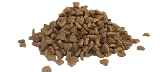

cat litter PELLET PRODUCTION
cat litter PELLET SOLUTION
There is a rising market for natural, absorbent, and flushable cat litter pellets made from materials like pine sawdust, recycled paper, or other biodegradable fibres, offering an eco-friendly alternative to clay.
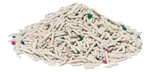

paper PELLET PRODUCTION
paper PELLET SOLUTION
Recycled paper can be pelletised for use as a carbon-neutral fuel (RDF) or processed into absorbent bedding/litter, providing a sustainable outlet for commercial and industrial paper waste streams.

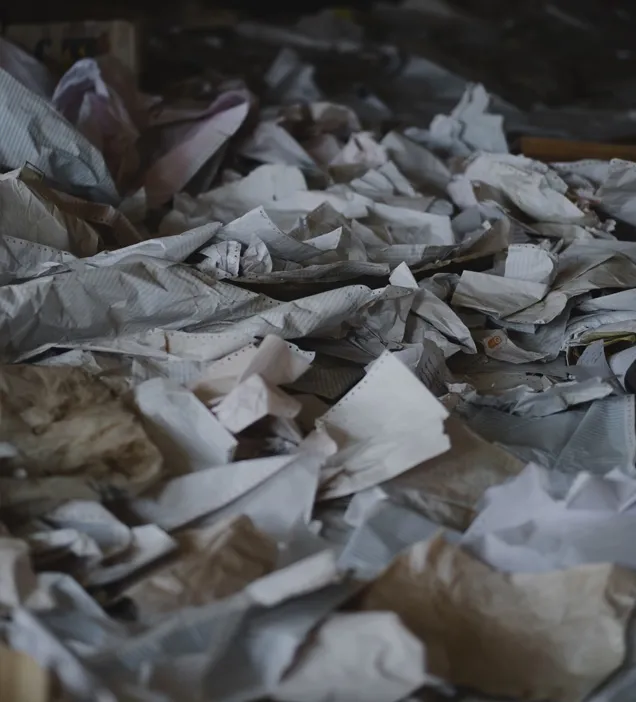
ANIMAL BEDDING PELLET PRODUCTION
ANIMAL BEDDING PELLET SOLUTION
Beyond sawdust, processed straw, hemp, and other fibres make excellent, low-dust, and highly absorbent bedding pellets for equine stables, poultry houses, and veterinary facilities.
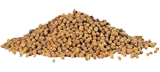
RDF PELLET PRODUCTION
RDF PELLET SOLUTION
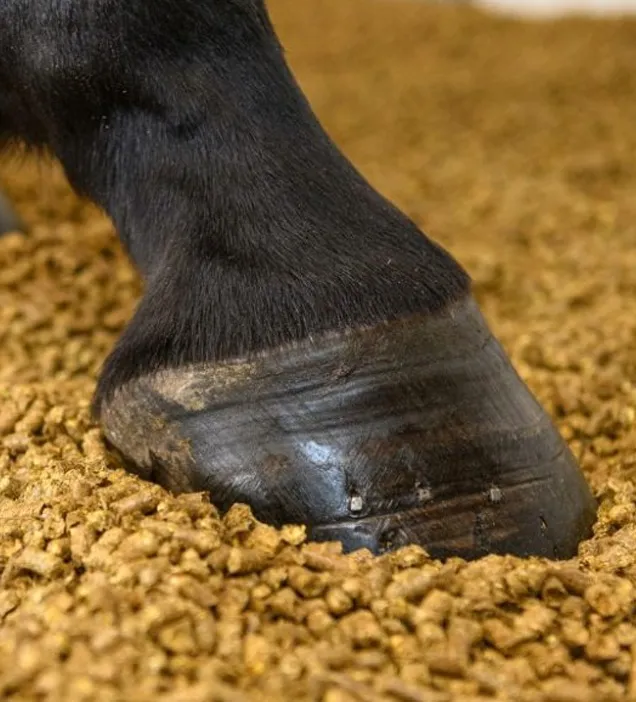
Diverting non-recyclable commercial waste from landfill by converting it into standardised fuel pellets for industrial energy recovery is a key focus of New Zealand’s waste minimisation strategy.

Raw grain puffing PRODUCTION
Raw grain puffing SOLUTION
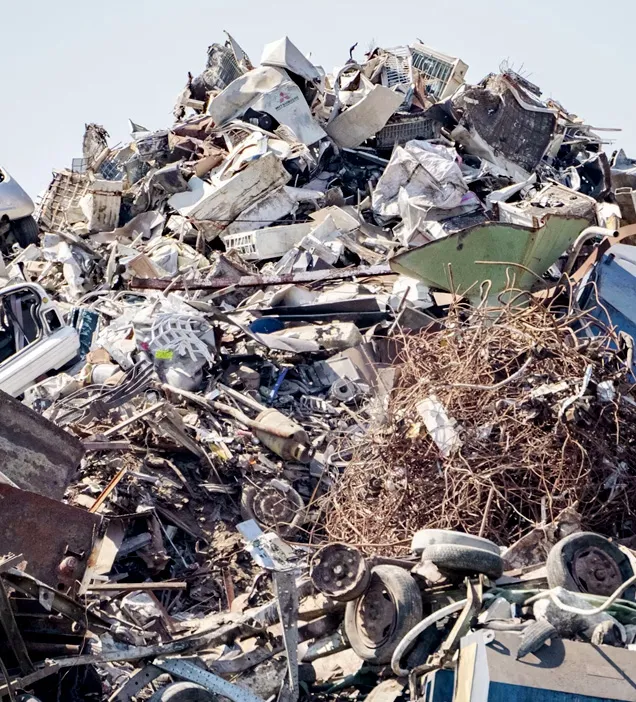
Expanding grains like wheat or maize creates high-value, functional ingredients for breakfast cereals, snacks, and feed, leveraging New Zealand’s quality grain production.


Pyrolytic carbon PELLET PRODUCTION
Pyrolytic carbon PELLET SOLUTION
Biochar production for soil enhancement and carbon sequestration is gaining traction. Pelletising the fine biochar powder makes it far easier to handle, transport, and apply in agricultural settings.


Rat poison PELLET PRODUCTION
Rat poison PELLET SOLUTION
The agricultural sector requires effective, targeted pest control solutions. Pelletising bait formulations ensures durability and precise placement for managing rodents, possums, and other pests.


solid waste PELLET PRODUCTION
solid waste PELLET SOLUTION
From green waste to specific industrial by-products, pelletising technology can transform problematic waste streams into manageable, marketable commodities for energy or recycling, aligning with circular economy goals.


Core Machinery Powering New Zealand’s Pellet Industry
The right equipment is the foundation of a successful operation. Below are our key machines currently driving productivity for Kiwi businesses across agriculture, biomass, and waste recovery sectors. Each is engineered to handle local materials and deliver the reliability demanded by New Zealand’s producers.
From a single machine upgrade to a complete system, this portfolio represents the integrated solutions we provide. We don’t just offer a pellet mill for sale NZ; we deliver the supporting equipment—correctly specified for your local materials—and the engineering know-how to tie it all together into a profitable, reliable production line tailored for New Zealand conditions.
biomass pellet mill for sale NZ
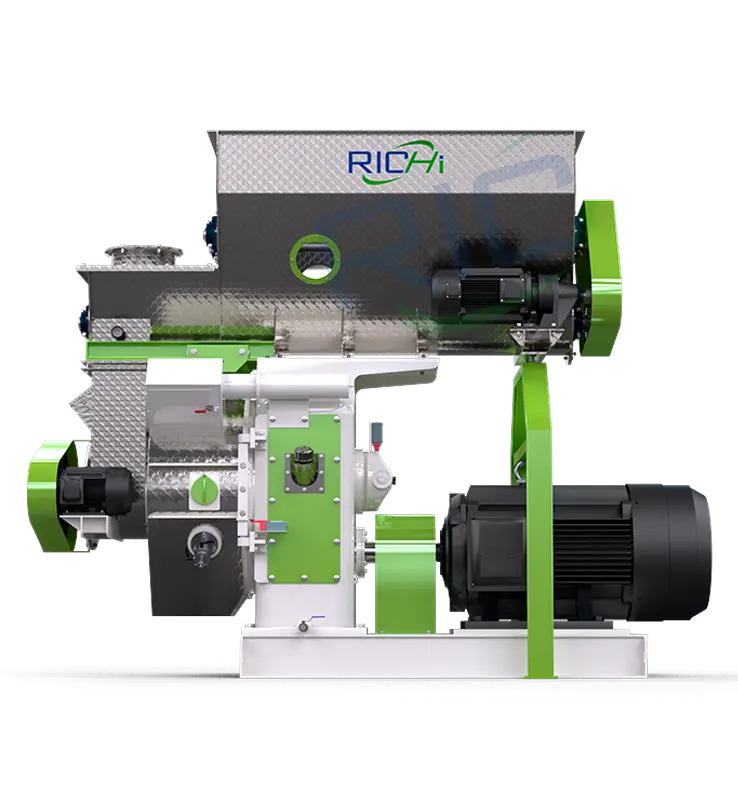
Our robust ring die biomass mills are the workhorses of the North and South Island forestry sector, processing pine sawdust, shavings, and green waste into high-density fuel pellets. They are built to withstand abrasive feedstocks and deliver consistent output for both domestic and export energy markets, making them an essential component when considering a pellet mill for sale NZ.

grass pellet mill for sale NZ
Specifically engineered for New Zealand’s sun-cured ryegrass and lucerne, this machine produces durable, nutrient-rich pellets for the valuable export feed market. It effectively binds the fibrous material without excessive heat, preserving vital proteins and vitamins for premium animal nutrition.

feed mill pellet machine for sale NZ
A cornerstone of the local dairy, poultry, and ruminant feed industry. This reliable pellet mill for sale NZ processes home-grown grains, pulses, and supplements into highly digestible feed pellets, improving animal performance and on-farm feed efficiency across the country.
fertilizer granulator equipment
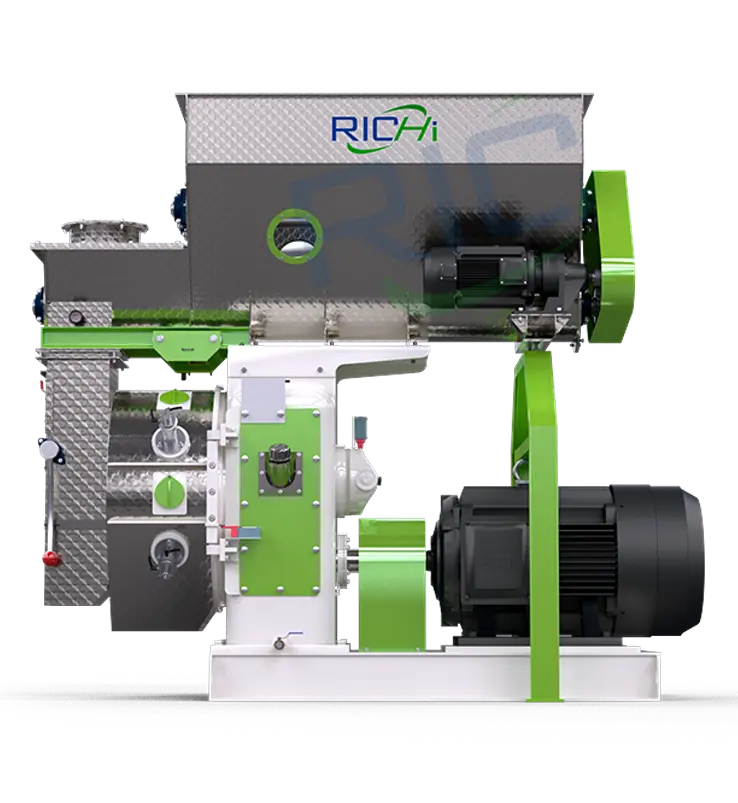
Transforms a challenge into an asset. Used nationwide to pelletise dairy manure, poultry litter, and blended NPK compounds into easy-to-handle, dust-free fertilizer pellets, supporting sustainable nutrient management and creating a saleable product from farm waste..

twin screw extruder
Key for high-value aquafeed and pet food production. It cooks and shapes complex, high-fat recipes into floating or sinking feeds for salmon farms and premium pet diets, providing precise texture and enhanced nutritional availability for specialized markets.
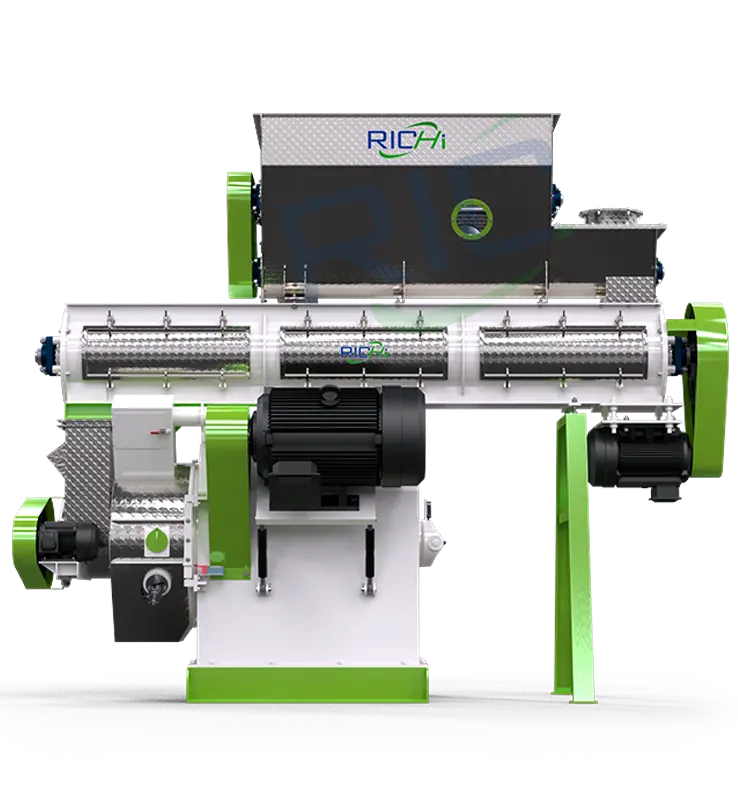
straw pellet mill for sale NZ
Converts wheat and barley straw from Canterbury’s arable farms into compact bedding or fuel pellets. This adds significant value to a common residue, providing an absorbent product for the equine sector or a carbon-neutral fuel source for local industry.

shrimp feed pellet mill for sale NZ
Designed for niche aquaculture ventures, this machine produces micro-sized, ultra-stable pellets for shrimp and prawn trial hatcheries, supporting research and development in New Zealand’s growing aquaculture diversification efforts.

cat litter pellet machine
Processes dried pine sawdust or recycled paper into highly absorbent, clumping or non-clumping cat litter pellets. Taps into the growing demand for natural, biodegradable pet care products made from local materials.
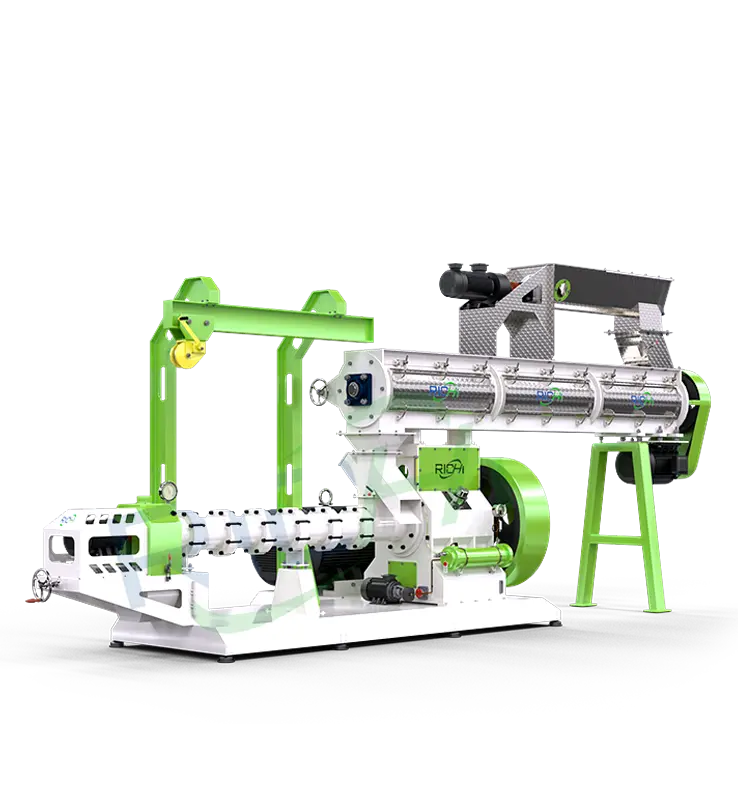
single screw extruder machine
A versatile workhorse for floating fish feed and expanded animal snacks. Ideal for smaller aquafeed operations or feed mills needing to produce a variety of textured products from locally available grains and proteins.

Grain extruder machine
Used by ingredient processors to “pop” or expand whole grains like maize or wheat, creating functional, high-value components for breakfast cereals, snack foods, and specialty livestock feeds in the local market.
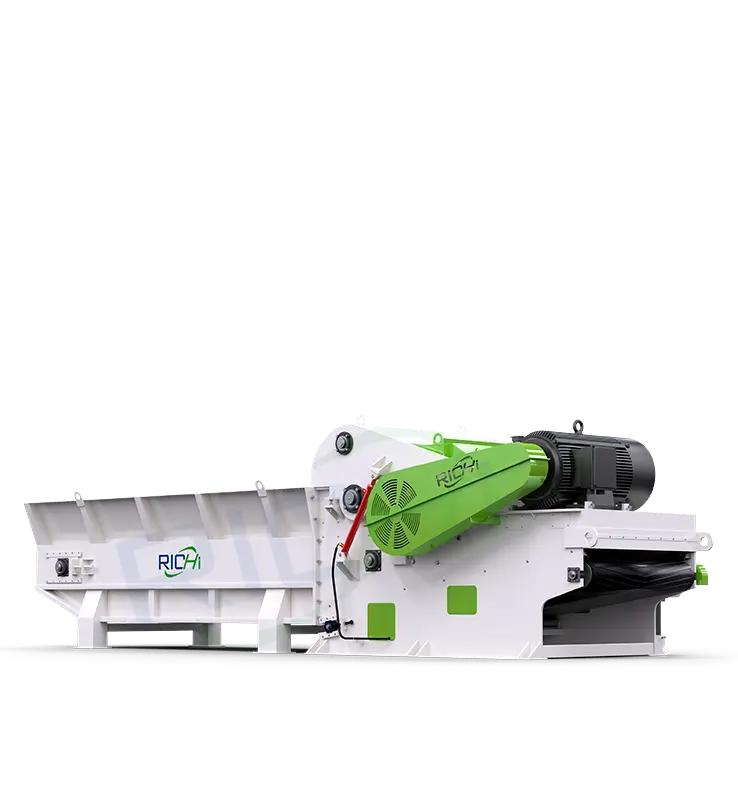
wood chipper machine
Essential pre-processing for biomass plants, turning forestry slash, off-cuts, and whole logs into a uniform chip suitable for drying and subsequent grinding before entering a pellet mill for sale NZ production line.

shredder machine
The first step in many waste-to-value lines across New Zealand, reducing oversized materials like municipal green waste, cardboard bales, or plastic films into a manageable size for further processing and pelletizing.

Wood Chip Dryer
Critical for NZ’s climate, this dryer efficiently reduces moisture in wet wood chips, bark, or sawdust from over 50% to a stable 10-15%, ensuring optimal pelleting conditions and final fuel quality for local energy use.

bale crusher
Saves time and labour in feed and grass pelleting operations by efficiently breaking apart dense ryegrass and lucerne bales, preparing the material for fine grinding and mixing before the pellet mill stage.

hammer mill
A versatile grinder for both feed and biomass sectors. It processes everything from cereal grains and oilseed meals for feed mills to dried wood chips for pellet plants, ensuring a consistent particle size crucial for efficient operation of any pellet mill for sale NZ.

mesh belt dryer
Ideal for temperature-sensitive materials. Used to gently dry vegetable waste for animal feed, or to dehydrate alfalfa and herbs, preserving colour, nutrients, and active compounds for premium domestic and export markets.

Feed mixer machine
Ensures every pellet is nutritionally consistent. From small farm batch mixers to large continuous systems, this equipment is vital for blending NZ-grown grains, minerals, and additives before pelleting in a feed pellet mill for sale NZ.

fertilizer crusher machine
Handles the tough, often lumpy materials in organic fertilizer production, such as composted manure and peat, grinding them into a fine powder that is ideal for uniform granulation in fertilizer pellet systems.

grass straw crusher machine
Specifically designed to pre-cut and crush long, fibrous pasture hay and straw before the hammer mill, dramatically improving the efficiency of the overall size reduction process for feed or bedding pellet production.

vibrating screening machine
A multi-purpose separator used to remove fines from finished pellets, classify raw materials by size, or clean grains before processing. Essential for ensuring final product quality and mill efficiency in any pellet production setup.

storage silos
Provides crucial storage capacity for both raw materials like wood chips or grain, and finished products like feed or fertilizer pellets. Ensures smooth, continuous plant operation and inventory management for pellet producers.
Frequently Asked Questions
Navigating the purchase and setup of a pellet production system involves many important considerations. Below, we’ve compiled answers to the most common questions we receive from New Zealand clients—from farmers and forestry operators to feed manufacturers and environmental entrepreneurs. These insights will help you understand the capabilities, requirements, and value of investing in a reliable pellet mill for sale NZ.
What types of pelleting equipment do you export to New Zealand? Could you list the detailed models and specifications?
+
Technical Specifications: Pellet Mills for New Zealand Applications
Selecting the right pellet mill for sale NZ requires matching robust engineering with your specific material and production goals. The tables below detail the core specifications of our most commonly exported ring die pellet mills to New Zealand, categorized by their primary application. These machines form the heart of countless successful operations across the country, from dairy feed mills in Waikato to biomass plants in Canterbury.
Feed Pellet Mills
Ideal for producing nutritionally consistent feed for New Zealand’s poultry, dairy, and livestock industries. These mills handle home-grown grains, pulses, and supplements with precision.
| Model | SZLH250 | SZLH320 | SZLH350 | SZLH420 | SZLH508 | SZLH558 | SZLH678 | SZLH768 |
|---|---|---|---|---|---|---|---|---|
| Main Motor Power (kw) | 22 | 37 | 55 | 110 | 160 | 185 | 250 | 315 |
| Feeder Power (kw) | 1.1 | 1.5 | 1.5 | 1.5 | 1.5 | 1.5 | 1.5 | 2.2 |
| Conditioner Power (kw) | 1.5 | 4 | 4 | 7.5 | 7.5 | 11 | 11 | 11 |
| Ring Die Inner Diameter (mm) | 250 | 320 | 350 | 420 | 508 | 558 | 673 | 762 |
| Pellet Diameter (mm) | 2~12 | |||||||
| Capacity (T/H) | 1.0-1.5 | 3-4 | 5-6 | 10-12 | 15-16 | 20-22 | 30-33 | 38-40 |
Wood Pellet Mills
Engineered for the abrasive nature of New Zealand pine residues (sawdust, shavings) to produce durable biomass fuel pellets for local and export energy markets.
| Model | MZLH320 | MZLH350 | MZLH420 | MZLH520 | MZLH678 | MZLH768 |
|---|---|---|---|---|---|---|
| Main Motor Power (kw) | 22 | 37 | 90 | 132 | 185 | 250 |
| Anti-Bridging Feeder Power (kw) | 2.2 | 2.2 | 3 | 3 | 3 | 4 |
| Force Feeder Power (kw) | 0.75 | 0.75 | 1.5 | 1.5 | 1.5 | 1.5 |
| Ring Die Inner Diameter (mm) | 320 | 350 | 420 | 520 | 673 | 762 |
| Pellet Diameter (mm) | 4~12 | |||||
| Capacity (T/H) | 0.2-0.3 | 0.3-0.5 | 1.0-1.2 | 1.5-2.0 | 2.5-3.0 | 3.0-4.0 |
Straw/Grass Pellet Mills
Specifically designed to process the long, fibrous structure of ryegrass, lucerne, and wheat/barley straw from New Zealand farms into compact feed or bedding pellets.
| Model | CZLH320 | CZLH350 | CZLH420 | CZLH520 | CZLH678 | CZLH768 |
|---|---|---|---|---|---|---|
| Main Motor Power (kw) | 22 | 37 | 90 | 132 | 185 | 250 |
| Anti-Bridging Feeder Power (kw) | 2.2 | 2.2 | 3 | 3 | 3 | 4 |
| Force Feeder Power (kw) | 0.75 | 0.75 | 1.5 | 1.5 | 1.5 | 1.5 |
| Ring Die Inner Diameter (mm) | 320 | 350 | 420 | 520 | 673 | 762 |
| Pellet Diameter (mm) | 4~12 | |||||
| Capacity (T/H) | 0.5-0.6 | 1.0-1.2 | 1.8-2.0 | 2.8-3.0 | 4-5 | 6-8 |
Cat Litter Pellet Mills
Optimized for binding dried pine sawdust or recycled paper into highly absorbent, low-dust litter pellets for the growing natural pet care market.
| Model | MSZLH250 | MSZLH320 | MSZLH350 | MSZLH420 | MSZLH508 | MSZLH558 | MSZLH678 | MSZLH768 |
|---|---|---|---|---|---|---|---|---|
| Main Motor Power (kw) | 22 | 37 | 55 | 110 | 160 | 185 | 250 | 315 |
| Feeder Power (kw) | 1.1 | 1.5 | 1.5 | 1.5 | 1.5 | 1.5 | 1.5 | 2.2 |
| Conditioner Power (kw) | 1.5 | 4 | 4 | 7.5 | 7.5 | 11 | 11 | 11 |
| Ring Die Inner Diameter (mm) | 250 | 320 | 350 | 420 | 508 | 558 | 673 | 762 |
| Pellet Diameter (mm) | 2~12 | |||||||
| Capacity (T/H) | 1.0-1.5 | 3-4 | 5-6 | 10-12 | 15-16 | 20-22 | 30-33 | 38-40 |
Fertilizer Pellet Mills
Built to handle corrosive and variable materials like dairy manure, poultry litter, and blended NPK compounds, transforming them into uniform, marketable fertilizer pellets.
| Model | FZLH250 | FZLH320 | FZLH350 | FZLH420 | FZLH520 | FZLH678 | FZLH768 |
|---|---|---|---|---|---|---|---|
| Main Motor Power (kw) | 22 | 22 | 37 | 90 | 132 | 185 | 250 |
| Anti-Bridging Feeder Power (kw) | 2.2 | 2.2 | 2.2 | 3 | 3 | 3 | 4 |
| Force Feeder Power (kw) | 0.75 | 0.75 | 0.75 | 1.5 | 1.5 | 1.5 | 1.5 |
| Ring Die Inner Diameter (mm) | 250 | 320 | 350 | 420 | 520 | 673 | 762 |
| Pellet Diameter (mm) | 4~12 | ||||||
| Capacity (T/H) | 1-1.5 | 2-3 | 3-5 | 6-8 | 9-12 | 18-22 | 22-26 |
Beyond Standard Models: Your Custom Solution
The tables above represent our core, proven models. However, the true strength of partnering with us for your pellet mill for sale NZ needs is our ability to customize. New Zealand’s innovators work with diverse materials—from aquaculture feed blends to specific industrial wastes.
We provide tailored solutions, modifying everything from die composition and compression ratio to feeder design and corrosion protection to perfectly match your unique material characteristics and output goals. Contact us to discuss how we can engineer the ideal pelletizing system for your specific application.
What is the price of your pellet mill machine in New Zealand?
+
Understanding Pellet Mill Machine Price in New Zealand
When evaluating a pellet mill machine price in New Zealand, it’s crucial to understand that cost is directly tied to the machine’s application, capacity, build specification, and the completeness of the system. As a leading supplier, we offer transparent, competitive FOB pricing for our robust ring die pellet mills, which form the core of successful operations across the country.
Below is a detailed overview of indicative price ranges for our most requested single-machine configurations, exported from Qingdao. Remember, the final wood pellet maker NZ price or animal feed pellet mill NZ price for a complete, installed production line will include additional factors like auxiliary equipment, shipping, and engineering services.
Single Ring Die Feed Pellet Machine (FOB Price Range)
Ideal for New Zealand’s dairy, poultry, and livestock feed producers, these mills process locally sourced grains and supplements.
| Model & Power | Capacity (T/H) | Indicative FOB Price Range (USD) |
|---|---|---|
| SZLH250 (22KW) | 1 – 2 | $7,000 – $8,000 |
| SZLH320 (37KW) | 3 – 4 | $16,000 – $17,500 |
| SZLH350 (55KW) | 5 – 6 | $28,000 – $30,000 |
| SZLH420 (110KW) | 9 – 11 | $30,000 – $32,000 |
| SZLH508 (160KW) | 14 – 16 | $41,000 – $44,000 |
| SZLH558 (185KW) | 19 – 22 | $49,000 – $52,000 |
| SZLH678 (250KW) | 28 – 32 | $66,000 – $69,000 |
| SZLH768 (315KW) | 38 – 42 | $79,000 – $82,000 |
Single Biomass Wood Pellet Machine (FOB Qingdao Price Range)
Package includes anti-arching feeder, force feeder, pelletizer, and control cabinet.
Built for New Zealand’s forestry sector to process pine sawdust and shavings into biomass fuel.
| Model & Power | Capacity (T/H) | Indicative FOB Price Range (USD) |
|---|---|---|
| MZLH320 (22KW) | 0.15 – 0.35 | $14,500 – $16,000 |
| MZLH350 (37KW) | 0.25 – 0.55 | $19,500 – $21,500 |
| MZLH420 (90KW) | 0.9 – 1.3 | $28,500 – $31,000 |
| MZLH520 (132KW) | 1.4 – 2.1 | $44,000 – $47,000 |
| MZLH678 (200KW) | 2.3 – 3.2 | $65,000 – $69,000 |
| MZLH768 (315KW) | 2.8 – 4.2 | $79,000 – $82,000 |
Single Grass Pellet Machine (FOB Qingdao Price Range)
Package includes anti-arching feeder, conditioner, force feeder, pelletizer, and control cabinet.
Engineered for New Zealand’s ryegrass and lucerne, producing export-grade feed or bedding pellets.
| Model & Power | Capacity (T/H) | Indicative FOB Price Range (USD) |
|---|---|---|
| CZLH250 (22KW) | 0.25 – 2.2 | $7,500 – $8,500 |
| CZLH320 (22KW) | 0.4 – 4.5 | $18,500 – $20,500 |
| CZLH350 (37KW) | 0.8 – 6.5 | $23,500 – $26,000 |
| CZLH420 (90KW) | 1.8 – 11 | $29,500 – $32,000 |
| CZLH520 (132KW) | 2.7 – 13 | $50,000 – $53,000 |
| CZLH678 (200KW) | 3.8 – 22 | $72,000 – $76,000 |
| CZLH768 (315KW) | 5.5 – 32 | $85,000 – $90,000 |
Getting Your Accurate Quote
The models and price ranges above represent our most popular pellet mill for sale NZ configurations. However, they are just the starting point. The final investment for your project is influenced by many factors:
- Material Specifics: The exact composition, moisture, and abrasiveness of your feedstock (e.g., specific manure type for fertilizer, or blend for aquaculture feed).
- Complete System Cost: A single machine is rarely sufficient. The total wood pellet maker NZ price or animal feed pellet mill NZ price for a profitable operation includes crucial auxiliary equipment (dryers, hammer mills, mixers, coolers, conveyors).
- Customization: Modifications for corrosion resistance, specialized dies for unique pellet shapes, or integration with existing equipment.
- Service Package: Our value includes process design, installation supervision, training, and after-sales support—key components for long-term success in New Zealand.
Therefore, the most effective way to get a precise and competitive quote is to share your specific requirements with us. Tell us about your raw material, desired capacity, finished product specification, and site conditions. We will then engineer a tailored solution and provide a comprehensive quotation that covers everything from the core pellet mill machine price to the full, turn-key system cost.
Ready to move forward with your pellet project? Contact us today with your details for a personalized, no-obligation quote.
What are your Complete Pellet Production Line Prices for New Zealand?
+
Understanding Complete Pellet Production Line Prices for New Zealand
Investing in a complete pellet production line is a significant decision, and a transparent understanding of cost structure is essential. The price for a pellet mill for sale NZ as part of a full system is influenced by capacity, process complexity, automation level, and the specific demands of your raw material. Below, we provide indicative FOB price ranges for several key types of production lines we commonly supply to New Zealand. These ranges reflect standard configurations and serve as a baseline; customization to suit your exact site conditions and product goals will define the final investment.
Poultry & Livestock Feed Production Line Price
Our feed lines are engineered for New Zealand’s pastoral and grain sectors, enabling the production of high-quality mash and pelleted feeds for dairy, poultry, and livestock operations.
For Small-Scale/Farm-Based Production:
- Configuration: Includes hammer mill, horizontal mixer, and flat die pellet machine.
- Capability: Can produce both mash feed and pellet feed.
- Indicative FOB Price Ranges:
- 1t/h mash feed + 0.2-0.3t/h pellet feed: $13,000 – $15,000
- 1t/h mash feed + 0.5-0.6t/h pellet feed: $14,000 – $16,500
- 1t/h mash feed + 0.8-1.0t/h pellet feed: $15,000 – $18,000
For Commercial & Large-Scale Production:
- Configuration: Complete ring die pellet feed line, including weighing systems, hammer mills, mixers, conditioners, pellet mills, coolers, and control systems.
- Note: Within the same capacity, different designs (e.g., automation level, material handling) lead to significant price variations.
- Indicative FOB Price Ranges:
- 1-2t/h: $28,000 – $65,000
- 3-4t/h: $35,000 – $220,000
- 5-6t/h: $55,000 – $270,000
- 10t/h: $160,000 – $350,000
- 15t/h: $220,000 – $440,000
- 20t/h: $310,000 – $660,000
- 30t/h: $470,000 – $770,000
- 40t/h: $550,000 – $880,000
- 60t/h and above: From $800,000+
Biomass Wood Pellet Production Line Price
These lines are designed to process New Zealand’s pine residues (sawdust, shavings, chips) into standardized biomass fuel pellets for local energy and export markets. The price varies greatly with pre-processing (e.g., drying, chipping) needs.
- Indicative FOB Price Ranges:
- 0.2-0.3 T/H: $18,000 – $150,000
- 0.3-0.5 T/H: $25,000 – $175,000
- 1.0-1.2 T/H: $35,000 – $240,000
- 1.5-2.0 T/H: $50,000 – $300,000
- 2.5-3.0 T/H: $70,000 – $380,000
- 3.0-4.0 T/H: $85,000 – $470,000
- 5.0-6.0 T/H: $145,000 – $630,000
- 6.0-8.0 T/H: $175,000 – $760,000
- 10-12 T/H: $250,000 – $1,200,000
- 12-15 T/H: $430,000 – $1,580,000
- 20-24 T/H: $520,000 – $2,300,000
- Higher capacities available upon request.
Aquafeed Extruder Complete Production Line Price
Essential for New Zealand’s salmon and trout farming industry, these lines produce floating or sinking feeds with high water stability.
Single-Screw Extruder Line (Ideal for starters, niche species):
- Indicative FOB Price Ranges:
- 200-400 kg/h: $25,000 – $85,000
- 500-600 kg/h: $35,000 – $110,000
- 800-1000 kg/h: $60,000 – $185,000
Twin-Screw Extruder Line (For high-volume, complex recipes):
- Indicative FOB Price Ranges:
- 0.5-1.0 T/H: $50,000 – $220,000
- 1.5-2.0 T/H: $150,000 – $620,000
- 3.0-4.0 T/H: $200,000 – $710,000
- 5.0-6.0 T/H: $330,000 – $920,000
- 8.0-10.0 T/H: $430,000 – $1,320,000
Alfalfa/Grass & Straw Pellet Production Line Price
Optimized for New Zealand’s sun-cured lucerne, ryegrass, and straw, these lines produce dense pellets for the export feed and bedding markets.
- Indicative FOB Price Ranges:
- 0.3-2t/h: $24,000 – $68,000
- 0.5-4t/h: $45,000 – $220,000
- 1-6t/h: $60,000 – $240,000
- 2-10t/h: $115,000 – $440,000
- 3-12t/h: $140,000 – $500,000
- 4-20t/h: $180,000 – $680,000
- Higher capacities available upon request.
Your Customized Solution Awaits
The price ranges above are for reference on our most commonly requested line types. They are not exhaustive. The true value of partnering with us for your pellet mill for sale NZ and complete system needs lies in our custom engineering. A final, accurate quotation depends on a multitude of project-specific factors:
- Raw Material Analysis: Moisture content, fiber structure, abrasiveness, and variability.
- Finished Product Specification: Pellet size, density, durability, and packaging requirements.
- Site & Infrastructure: Available space, power supply, and existing equipment.
- Automation & Control Level: Degree of manual operation vs. fully automated PLC control.
- Scope of Supply & Services: From equipment supply only to full turnkey project management.
Therefore, the most effective path to a definitive price is to share your detailed project requirements with our team. Tell us about your material, target capacity, and operational goals. We will then design a tailored process and provide a comprehensive, line-item quotation that reflects a solution built for success in the New Zealand context.
Ready to define your project? Contact us with your specific needs for a detailed, no-obligation proposal.
We primarily have pine sawdust and some mixed hardwood chips. What type of pellet mill is best, and what capacity range should we look at for a 2-3 ton per hour wood pellet line?
+
For processing pine sawdust and mixed hardwood chips prevalent in New Zealand forestry, a robust ring die wood pellet mill is essential. The variable resin content and occasional abrasive nature of the feedstock demand a mill with high torque, a hardened alloy steel ring die, and heavy-duty rollers. For a consistent output of 2-3 tons per hour, we typically recommend a system centered on our MZLH420 or MZLH520 models.
Achieving this capacity requires more than just the core pellet mill; it necessitates a complete, integrated line. This includes a high-capacity rotary dryer to reduce the often-high moisture content of fresh chips, a hammer mill for fine grinding, and efficient cooling and screening systems.
Our engineers have designed several such 2-3 T/H biomass pellet plants for New Zealand clients, focusing on energy efficiency and minimal downtime. When you are sourcing a pellet mill for sale NZ, considering this full-system approach with Richi Machinery ensures you get a solution designed for the long-term viability of your local raw materials, not just a standalone machine.
I need to produce a high-protein dairy calf starter feed with added milk powders. Is a standard feed pellet mill suitable, or do I need special features?
+
Producing high-quality calf starter feed with sensitive ingredients like milk powders requires a specialized approach, not just a standard feed pellet machine. The key challenges are avoiding excessive heat that can denature proteins and ensuring a very fine, uniform crumble for easy consumption by young calves.
We recommend our SZLH series feed pellet mill with specific modifications: a gentler conditioning system with precise steam control to keep temperatures optimal, and a pellet die designed for smaller diameters (2-3mm) that can later be crumbled. The process design is critical. We would engineer a line that includes micro-grinding of grains, a precision batch mixer to uniformly incorporate the milk powder and other premium additives, and a post-pelleting crumbler and cooler setup.
This tailored configuration has been successfully implemented for several New Zealand dairy farm cooperatives. It transforms a standard feed pellet machine for sale NZ into a precision nutrition system, ensuring your high-investment ingredients result in superior animal growth and health outcomes.
Our farm has a large amount of sheep manure and straw bedding. Can this be pelleted into a slow-release fertilizer, and what would a 1 ton per hour system involve?
+
Absolutely. Pelletizing composted sheep manure and straw bedding is an excellent waste-to-value solution for New Zealand farms, creating a manageable, odor-reduced, and marketable organic fertilizer. A 1-ton-per-hour system is a practical scale for a medium-sized farm or a cooperative. The process is more involved than simple pelleting.
A complete system from Richi Machinery would typically include: a pre-crusher to break down composted lumps, a secondary grinder (like our vertical fertilizer crusher) to achieve a consistent fine powder, a mixer to optionally blend in minerals for nutrient balancing, our robust FZLH320 or FZLH350 fertilizer pellet mill with corrosion-resistant components, a dryer to stabilize moisture, and a cooler/screener.
The pellet mill for sale NZ in this context is built with hardened materials to handle the abrasive nature of the compost. Our project engineers specialize in creating these circular economy solutions, having designed multiple systems across the South Island. We handle everything from initial moisture testing of your compost to the final bagging layout, ensuring you get a functional plant that meets local agricultural input standards.
What is the price range for a compact, farm-scale pellet mill for making on-farm feed from our own grains and hay, with a capacity around 500kg per hour?
+
For a farmer looking to gain independence and control over feed quality, a compact, 500kg/hr (0.5 T/H) on-farm feed production system is a smart investment. The price range varies significantly based on configuration. A very basic setup with a small hammer mill, mixer, and flat die pelletizer could start in the range of NZD $25,000 – $40,000 (FOB).
However, for more durable, consistent pellets from mixed grains and chopped hay, we strongly advise a small ring die system, such as our SZLH250 model. A more complete line including a grain crusher, mixer, conditioner, the pellet mill, a simple cooler, and basic electrical controls would typically range from NZD $45,000 to $75,000 (FOB). It’s crucial to view this not just as a pellet mill for sale New Zealand price, but as an investment in a feed manufacturing asset.
Richi Machinery provides detailed quotations that break down each component. We factor in your specific power supply, the mix of grains and roughage, and desired pellet quality to recommend the most cost-effective and reliable setup for long-term farm use, ensuring you avoid underspending on inadequate equipment or overspending on unnecessary complexity.
We want to process lucerne (alfalfa) into export-grade pellets. What is the key difference between a standard pellet machine and one optimized for dry, fibrous hay?
+
Processing lucerne into high-density, durable pellets for export requires a machine specifically engineered for low-moisture, highly fibrous materials. The key differences lie in the feeding, conditioning, and pelleting mechanics. A standard pellet mill can struggle with the low natural binder content and “fluffy” nature of dry lucerne meal, leading to low output, high power consumption, and poor pellet durability.
An optimized lucerne pellet mill, like our CZLH series, features a forceful, volumetric feeder to compress and pre-densify the material before it enters the die. It uses a shallow-flight conditioning screw to introduce a minimal, precise amount of steam or water, just enough to soften lignin without making the meal soggy.
Most importantly, the ring die has a specific compression ratio and hole geometry designed to create extreme pressure and friction to bind the fibers. We have supplied several of these specialized biomass pellet mill for sale New Zealand lines to clients in Canterbury and Hawke’s Bay. The result is a shiny, hard pellet that can withstand multiple handlings and long sea voyages, protecting the nutritional value and maximizing the return on New Zealand’s premium sun-cured forage.
For making sinking pellets for salmonid feed, is a high-pressure pellet mill sufficient, or is an extruder always required?
+
For high-performance sinking pellets for species like salmon and trout, a specialized high-pressure pellet mill is often sufficient and more energy-efficient than an extruder for this specific purpose. The goal is extreme density and water stability, achieved through compression, not expansion.
Our SZLH series aquafeed pellet mills are designed with deep, narrow ring dies, high-power motors, and often a dual-drive system to generate the tremendous pressure needed to create a virtually non-porous pellet structure. They are integrated with a precise cooking conditioner that gelatinizes starches to act as a natural binder. This is followed by a multi-stage, low-temperature drying process to slowly remove moisture without creating cracks. While extruders are necessary for floating feeds, many of New Zealand’s leading aquafeed producers use our ring die systems for their sinking lines.
When you are evaluating a pellet mill for sale NZ for aquafeed, it’s critical to discuss your exact species, pellet size, and required immersion stability with our aquafeed engineers. We will test your recipe and recommend the correct mill configuration, die specification, and drying parameters to ensure your pellets meet the demanding standards of local fish farms.
We collect green waste and untreated timber from construction. Can a single production line handle this mix, and what pre-processing is critical?
+
Handling a mixed stream of green waste (grass, leaves) and untreated construction timber in a single line is challenging but feasible with careful system design. The primary hurdle is the vast difference in initial moisture content and particle size. A single, standard wood pellet mill for sale NZ would not cope well with this variability.
The pre-processing stage is absolutely critical. A successful line would start with a powerful shredder to reduce all material to a more uniform size. Then, a rigorous sorting and cleaning stage (often manual or with air separation) is needed to remove contaminants like plastics or stones.
The mixed, shredded material would then go through a high-capacity rotary dryer—this is the heart of the system, as it must bring wet green waste from 60%+ moisture down to a pelletizable 12-15% while also drying the wood. Post-drying, a secondary grinding ensures consistency before pelleting in a heavy-duty mill like our MZLH series, built to handle occasional abrasives.
We have designed such urban waste recycling plants for forward-thinking New Zealand operators. The key is our upfront material testing and flexible engineering, allowing us to size each component (especially the dryer) to handle the “worst-case” feedstock, ensuring continuous, profitable operation.
What are the voltage and electrical phase requirements for a mid-sized 10-12 ton per hour feed pellet plant supplied to a New Zealand site?
+
All our industrial equipment for the New Zealand market is manufactured and configured to align with local electrical standards, which is typically 400V/50Hz, 3-phase + neutral + earth supply. For a complete 10-12 T/H feed pellet plant, the main pellet mill (e.g., our SZLH420 or SZLH508) would have a high-power motor (110-160kW) requiring a substantial 3-phase supply.
Importantly, the entire line includes multiple motors for conveyors, mixers, fans, and coolers. The total connected load for such a plant can easily exceed 250-300kW. We do not simply supply a pellet mill plant for sale NZ; our detailed proposal includes a single-line electrical diagram and a list of all motor powers and starting characteristics.
This allows your local electrician to properly design the main distribution board, cable sizing, and protection devices. Our control panels can be built to meet AS/NZ electrical safety standards, and we provide all necessary certification documentation. Prior to shipment, we ensure all motor windings are configured for 400V operation, making installation and commissioning by our engineers on your site a smooth process.
Can your equipment produce both mash and pelleted feed in one integrated line, allowing us flexibility for different poultry and swine rations?
+
Yes, designing flexible feed mills that can produce both mash and pelleted feed from a common processing stream is a specialty of Richi Machinery. This is a common requirement for integrated poultry and swine operations in New Zealand that may use mash for starter diets and pellets for growers/finishers. The design involves a central grinding and mixing line that produces a consistent base mash. From there, the stream can be diverted. One path leads directly to bulk mash bins for bagging or bulk loading.
The other path routes the mash through a conditioner, our ring die pellet press for sale New Zealand (such as the SZLH350 or SZLH420 depending on volume), a cooler, and optionally a crumbler. The system is controlled via a central PLC that allows operators to select the production mode with minimal changeover time.
We implement these designs by including diverter valves, separate surge bins, and thoughtful layout engineering to prevent cross-contamination. This flexibility maximizes the utility of your capital investment, allowing you to respond to different market demands and animal growth stages with a single, efficient plant designed and supplied from our factory.
What is the typical lead time and shipping process for a complete ring die pellet press line from your factory to a port in New Zealand?
+
The lead time depends on the complexity and scale of the project. For a standard complete pellet production line, from contract signing to FOB port readiness, it typically takes 60 to 90 days. This includes final engineering, procurement of standard components, fabrication of custom parts (like dies and dryers), assembly, and factory testing.
For very large or highly customized systems, it can extend to 120 days. Once the plant passes our rigorous pre-shipment testing, we arrange packaging—usually in seaworthy wooden crates for machines and containers for smaller parts. We handle all export documentation (Packing List, Commercial Invoice, Bill of Lading, Certificate of Origin). The goods are then shipped from Qingdao or Shanghai port to a major New Zealand port like Auckland, Tauranga, or Lyttelton.
Shipping transit time is approximately 20-30 days. We provide full logistical support and can recommend reliable freight forwarders. It’s important to note that as the manufacturer, we control the entire production schedule, ensuring transparency and avoiding the delays common when dealing with intermediaries. This direct pellet mill for sale NZ supply chain is a key benefit for our Kiwi clients.
For processing wheat straw and barley straw into bedding pellets, what is the minimum required moisture content before pelleting?
+
For stable and durable straw bedding pellets, achieving the correct moisture content before the material enters the pellet mill is critical. The ideal range is between 14% and 18%. If the straw is too dry (below 12%), the natural lignin won’t plasticize properly, resulting in brittle pellets that create excessive fines.
If it’s too wet (above 20%), it can cause clogging in the die, high energy consumption, and pellets that may mold during storage. New Zealand’s sun-baled straw often arrives at 10-12% moisture, so conditioning is usually necessary.
Our straw pellet lines include a paddle conditioner where a precise amount of steam or atomized water is added to the milled straw to raise its moisture and temperature uniformly. Our pelletizing equipment for sale New Zealand for straw is designed with this precise conditioning control in mind.
We often recommend a small pilot test in our factory with your straw sample to determine the exact conditioning parameters needed for your specific bales, ensuring the pellet press for sale nz operates at peak efficiency and produces the high-quality, absorbent pellets demanded by the equine and dairy sectors.
Do you offer a wood chipper that can process whole pine logs and off-cuts into a consistent chip size suitable for a downstream pellet mill?
+
Yes, we supply industrial-grade wood chippers that are perfectly matched to feed a pellet production line. For processing whole pine logs and large off-cuts common in New Zealand, our XPJ series disc chippers are ideal. Models like the XPJ850*500 can handle log diameters up to 300mm and produce a uniform chip of 20-35mm in size—perfect for subsequent drying and grinding.
These chippers feature heavy-duty construction, hardened steel knives, a hydraulic feed system for safety and control, and a high-power diesel or electric motor. The consistency of the chip is vital; it ensures even drying in the rotary dryer and allows the hammer mill to operate efficiently to produce the fine sawdust needed for the wood pellet mill for sale nz.
We don’t just sell a chipper in isolation; our project engineers calculate the required chipper capacity based on your total pellet plant output, ensuring a balanced, bottleneck-free production flow from the forest residue to the finished pellet.
We need to produce a range of pet food pellets with different shapes and high meat content. What type of pelleting system is most flexible for recipe changes?
+
Pet food production, especially premium diets with high meat content, requires a highly flexible and sanitary pelleting system. The core of this is our SPHS series pet food pellet mill. Its flexibility comes from several features: quick-change die and roller assemblies to switch pellet diameters (e.g., from 3mm for cats to 8mm for dogs), a precise multi-stage conditioning system that can handle both dry steam and liquid injection for fat/glucose syrup, and variable speed drives on feeders for accurate recipe throughput.
For shapes beyond standard cylinders, we provide specially machined dies for unique cross-sections. The high meat content requires careful temperature control to avoid degrading proteins; our conditioners are designed for accurate thermal management.
The entire line, including mixers and conveyors, is designed with food-grade stainless steel contact surfaces and easy-clean access. When you partner with Richi Machinery for a pellet machine nz for pet food, you get a system engineered for recipe agility, allowing you to produce small batches of different formulas with minimal downtime and maximum product quality, catering to the discerning New Zealand and export markets.
Are there specific environmental or resource consent considerations in New Zealand that influence the design of a dust collection system for a pellet plant?
+
Yes, environmental considerations, including dust and noise, are critical for resource consent in New Zealand. Local councils are particularly attentive to air quality and amenity effects. This profoundly influences our system design. We engineer comprehensive dust collection systems that go beyond a simple bag filter on the pellet mill.
Dust points are captured at every transfer point—receiving, grinding, mixing, conditioning, cooling, and screening. We calculate the required air volume and specify high-efficiency cyclone separators and pulse-jet baghouse filters to ensure emissions are well within likely consent conditions. For noise, we specify quiet-fan technology, enclose high-noise equipment like hammer mills in acoustic panels, and design the layout to buffer noise from boundaries.
Our proposals include expected dust emission levels and noise contours based on the equipment selected. This proactive, engineered approach demonstrates to consenting authorities that the complete pellet production line for sale nz is being installed with best-practice environmental controls, greatly facilitating the approval process for our clients and ensuring good relations with neighbors.
What is the cost difference between a basic 1 ton per hour flat die system for farm feed and a commercial 3 ton per hour ring die feed pellet line?
+
The cost difference is significant and reflects a fundamental difference in capability, durability, and final product quality. A basic 1 T/H flat die system, often using a tractor PTO or a small electric motor, is a capital cost of roughly NZD $15,000 – $30,000 for the core machine with minimal auxiliaries. It’s suitable for small, intermittent farm use with simple recipes.
A commercial 3 T/H ring die feed pellet line from Richi Machinery represents a serious industrial asset. It includes a robust ring die pellet mill (e.g., SZLH320), dedicated hammer mill, batch weigh mixer, conditioner, cooler, and electrical control panel. The FOB investment for such a complete, automated system typically ranges from NZD $80,000 to $150,000+.
The ring die mill produces vastly more durable pellets with higher starch gelatinization, leading to better feed conversion rates. It has a longer lifespan, higher energy efficiency per ton produced, and the ability to handle a wider range of ingredients consistently. When evaluating a feed pellet machine for sale nz, the question isn’t just about upfront price, but the total cost of ownership and the value of the finished pellet. For any serious commercial feed operation in New Zealand, the ring die line is the economically superior choice over time.
Can your systems handle the pelleting of blended NPK mineral fertilizers, and what is the expected output for a mid-range model?
+
Yes, we are experts in NPK fertilizer granulation. The process differs from organic pelleting, often utilizing a wet granulation method where a binder solution is added to the powdered NPK blend. We offer specialized drum granulators and compaction granulators for this purpose.
For a pelleting/compaction approach using a ring die mill, it is suitable for certain NPK formulations. A mid-range model like our FZLH420 fertilizer pellet mill, when processing a standard NPK powder blend with proper moisture and binder, can achieve an output of 6-8 tons per hour of hard, spherical granules. The system would include a pre-mixer for the powder and liquid binder, the granulation mill, a rotary dryer to cure the granules, a cooler, and a screening system to recycle fines.
All contact parts are made from stainless steel or coated with special polymers to resist the highly corrosive salts. Our chemical engineering team will analyze your specific NPK formula to recommend the optimal granulation method, binder type, and equipment configuration, providing a turnkey industrial pellet mill for sale nz solution for the agricultural input sector.
For a small aquaculture venture, what is the minimum viable capacity for a floating fish feed extruder line, and what does it include?
+
For a small aquaculture venture, hatchery, or research facility, the minimum viable commercial capacity for a floating fish feed extruder line is typically in the range of 100-200 kg per hour. A line at this scale from Richi Machinery would be a complete, integrated system.
It includes: a powder mixer for the recipe, a twin-screw or single-screw cooking extruder, a variable-speed cutter to create pellet length, a multi-pass belt dryer to gently reduce moisture without overheating nutrients, an optional vacuum coater for oil and vitamin application, and a vibrating cooler/screener. While smaller lab-scale extruders exist, this 100-200 kg/hr range represents the smallest scale where you can produce a consistent, high-quality, and commercially viable product.
Our engineers specialize in these compact, smart designs for New Zealand’s growing niche aquaculture sector. We provide full training on recipe formulation and process control, ensuring you can produce feeds tailored to specific species, which is a key advantage over purchasing generic feed. This makes a small extruder line a strategic investment for business differentiation.
We have sawdust but it’s often at 40-50% moisture. Is an integrated dryer necessary, and what type is most energy-efficient for NZ’s climate?
+
For sawdust at 40-50% moisture, an integrated dryer is not just necessary; it is the most critical component of the entire biomass pellet line. Pelleting requires a consistent moisture content of 10-15%. The most energy-efficient dryer for large volumes of wet biomass in New Zealand’s often-humid climate is a single-pass rotary dryer fueled by a biomass burner.
This burner can use a portion of your own finished pellets or lower-grade wood waste, creating a highly efficient, closed-loop energy system. The dryer’s efficiency comes from counter-current airflow and optimized flight design to maximize heat transfer. For smaller operations or where biomass fuel is less convenient, a high-efficiency air-source heat pump dryer can be an excellent option, especially in regions with reasonable electricity costs.
Our design process always includes a detailed energy balance analysis. We size the dryer based on your peak wet feedstock input and model the fuel consumption, ensuring the wood pellet mill for sale nz system you purchase has a drying solution that minimizes your operating costs and maximizes uptime, regardless of the incoming moisture fluctuations typical of local sawmill residues.
What after-sales support and training do you provide for the installation and operation of a pellet mill in New Zealand, given you have no local agents?
+
Our direct manufacturer-to-client model allows us to provide superior, uninterrupted after-sales support without the delay or filter of a local agent. Our support package is comprehensive:
- 1) Detailed Installation Manuals & Drawings: Provided in advance for foundation preparation.
- 2) Online Commissioning Support: Our engineers are available via video call to guide your local technicians through wiring and initial start-up.
- 3) Optional On-Site Commissioning: We can send our engineers to New Zealand to supervise installation, conduct the commissioning, and perform the first production run with your materials.
- 4) Comprehensive Operator Training: Whether on-site or via detailed video modules, we train your team on operation, routine maintenance, troubleshooting, and die changing.
- 5) Remote Monitoring & Support: We can set up secure remote access to diagnose issues.
- 6) Spare Parts Supply: We maintain a stock of common wear parts (die, rollers, bearings, screens) and ship them directly via express courier, often arriving within 5-7 days.
- 7) Lifetime Technical Consultation: Our project engineers remain your point of contact.
This end-to-end support ensures that when you purchase a pellet mill for sale NZ from Richi Machinery, you are investing in a long-term partnership for success, not just a piece of machinery.
Can a single hammer mill effectively grind both dry grains for feed and dried wood chips for biomass pellets, or do we need separate machines?
+
While a heavy-duty, versatile hammer mill can process both materials in a pinch, for a dedicated, efficient operation, we strongly recommend separate machines. The requirements are different: grinding grains for feed aims for a fine, consistent particle size for digestion, using thinner hammers and smaller screen holes.
Grinding dried wood chips for pellets aims to create a fibrous “flour” and requires thicker, more wear-resistant hammers and larger screen holes to avoid clogging. Using one mill for both leads to compromises. You’ll have frequent screen and hammer changes, increased contamination risk (wood dust in feed is unacceptable), and suboptimal particle size for one application. For a feed and biomass operation, we design the plants with two dedicated grinding lines.
We supply both types of hammer mills—our drop-shaped “water drop” mill is excellent for grains and meals, while our heavy-duty wood hammer mill with manganese steel hammers is built for fibrous biomass. This investment in dedicated equipment ensures each pellet mill for sale NZ in your facility—whether feed or biomass—receives the optimally prepared raw material, maximizing output quality and minimizing maintenance costs.
What is the lifespan of a ring die processing abrasive pine sawdust, and what is the process for sourcing replacement parts in New Zealand?
+
The lifespan of a ring die processing New Zealand’s abrasive pine sawdust varies with operating hours, maintenance, and die specification. A standard alloy steel die, under 24/7 operation, may last 800-1,200 hours before the holes wear out and pellet quality drops.
Our premium tungsten carbide-lined (TCL) dies can last 4,000-6,000+ hours under the same conditions, offering a much lower cost per ton despite the higher initial price. Rollers typically last 400-600 hours before needing to be rebuilt or replaced. As the direct manufacturer, we make the sourcing of these critical wear parts simple and fast. We keep an inventory of standard die and roller sizes.
Once you provide the model number (e.g., for your MZLH420), we can ship a new die or set of rollers from our factory directly to you via DHL/FedEx, typically arriving in New Zealand within a week. We also offer a die refurbishment service where you can send your worn die back to us for re-lining at a lower cost than a new one. This direct supply chain is a major advantage, ensuring minimal downtime for your biomass pellet mill for sale New Zealand operation.
We want to produce biochar pellets for soil amendment. Is a binder necessary, and what type of pelletizer is designed for fine, carbon-rich powder?
+
Biochar powder is notoriously difficult to pelletize due to its lack of inherent binders like lignin or starch. A binder is almost always necessary to achieve durable pellets. Common, approved binders include lignosulfonate (a natural by-product from wood pulp), starches, or vegetable gums. The type of pelletizer is crucial. A standard ring die mill struggles with the fine, non-cohesive powder.
We recommend our binder injection pellet mill. It features a pre-mixer where biochar and binder are thoroughly blended, and a precise liquid injection system into the conditioning chamber. The ring die has a specific geometry to handle the paste-like mixture. The pellets then require low-temperature drying to set the binder.
Our engineers have worked with several biochar producers in New Zealand to test binder ratios and optimize this process. We can conduct small-scale trials in our technical center with your biochar sample to determine the most effective and cost-efficient binder and the exact machine parameters for your pellet mill for sale NZ project, ensuring you produce a market-ready, dust-free soil amendment product.
For a 20+ ton per hour commercial feed operation, what level of automation is possible with your control systems?
+
For a large 20+ T/H commercial feed mill, we deliver high-level automation that maximizes efficiency, consistency, and food safety. Our control systems are based on industrial PLCs (e.g., Siemens or Allen-Bradley) with full-color HMI touchscreen interfaces. The automation can include:
- 1) Automated Recipe Management: Store hundreds of formulas; the system automatically weighs ingredients from multiple bins via loss-in-weight feeders.
- 2) Process Sequence Control: One-touch start-up and shutdown of the entire line.
- 3) Conditioning Control: Automatic steam and water addition based on mash flow and temperature.
- 4) Pellet Mill Load Control: Automatic adjustment of feeder speed to keep main motor amperage optimal.
- 5) Data Logging & Reporting: Track production totals, energy use, and recipe history.
- 6) Safety Interlocks: For equipment sequencing and access protection.
- 7) Remote Monitoring Capability. This transforms the pellet mill plant for sale NZ from a collection of machines into an intelligent manufacturing system. It reduces labor, eliminates human error in weighing, ensures perfect pellet quality batch after batch, and provides the traceability required by modern food and feed safety standards, giving New Zealand producers a competitive edge in both domestic and export markets.
Do you supply the conveying equipment (screw conveyors, bucket elevators) to connect all the machines in a complete production line?
+
Yes, absolutely. Richi Machinery is a total solution provider. We don’t just supply the core processing machines like the pellet press for sale nz; we design, manufacture, and supply all the necessary mechanical and pneumatic conveying equipment to create a seamless, integrated production line. This includes:
Rotary Valves & Airlocks: For interfacing between different pressure zones. We engineer the entire material flow, ensuring capacities are matched, transfer points are dust-tight, and the layout is optimized for your specific building. Supplying the complete system guarantees compatibility, simplifies the single-point responsibility for performance, and makes the installation and commissioning process far smoother for our clients in New Zealand. You have one contract, one point of contact, and one company responsible for the entire plant’s performance.
Screw Conveyors: For horizontal transport of powders and meals.
Bucket Elevators: For vertical lifting of materials between floors.
Belt Conveyors: For transporting raw materials like wood chips or finished pellets.
Pneumatic Conveying Systems: For dust collection and transfer of light materials.
Can your equipment process whole maize (corn) for popping/expansion to make specialized snack or feed ingredients?
+
Yes, we specialize in grain expansion (popping) technology. The process uses a high-temperature, short-time (HTST) extruder, often called a grain expander or popper. This machine subjects whole or cracked maize to high pressure and temperature, causing the internal moisture to flash into steam when the product is discharged, creating a porous, expanded structure. For snack food, this produces a base for further coating.
For feed, it increases digestibility and palatability. Our RCYP series expanders can process whole maize, wheat, barley, and other grains. The system includes a preconditioning hopper, the expander with a variable-speed screw and barrel, a cutting head for sizing, and a cooler/dryer.
The degree of expansion is controlled by recipe, moisture, and machine parameters. We have supplied these systems to New Zealand ingredient processors looking to add value to local grains. This is another example of how our expertise extends beyond a standard pellet making machine for sale nz, offering diverse food and feed processing technologies to our clients.
What are the key factors that determine the final price of an 8-10 ton per hour biomass pellet plant for wood waste?
+
The price range for an 8-10 T/H biomass plant is broad (as indicated earlier) because it is determined by several key factors:
Pellet Quality Requirements: Export-grade pellets requiring ultra-low fines and high durability need more precise cooling and screening equipment.
A detailed quote from Richi Machinery will itemize costs based on these variables, ensuring you understand exactly what you are investing in for your large-scale wood pellet mill for sale nz project.
Raw Material Specification: Wet, green chips require a much larger, more expensive dryer (potentially with a biomass burner) compared to dry planer shavings.
Pre-Processing Needs: Does the line need a massive primary shredder and debarking drum, or just a hammer mill?
Level of Automation: A fully automated line with PLC control and remote monitoring costs more than a manual/button-operated one.
Material of Construction: Standard carbon steel vs. extensive use of stainless steel or abrasion-resistant linings for high-wear areas.
Scope of Supply: Does the price include engineering, shipping, installation supervision, and training, or is it FOB for equipment only?
Auxiliary Systems: The size and sophistication of the dust collection, fire suppression, and electrical infrastructure.
Is it possible to add a liquid fat coating system to a standard feed pellet line for enhancing energy content in calf or pig feed?
+
Yes, adding a post-pelleting liquid coating system is a common and highly effective upgrade to a standard feed pellet line. After pellets exit the cooler, they are fed into a coating drum—a rotating cylinder with an internal spray system. Molten fat (tallow, vegetable oil) or other liquid supplements (molasses, enzymes, flavors) are evenly sprayed onto the tumbling pellets.
The system includes a heated tank and pump for the liquid, precise flow meters, and the coating drum itself. We can integrate this seamlessly into any new feed line we build or retrofit it to an existing line. The coating increases the dietary energy density significantly and can improve palatability.
For a feed pellet machine for sale nz line destined for high-performance calf milk replacer pellets or sow feeds, we often design the coating system in from the start. It allows feed manufacturers to create premium, value-added products that command a higher price in the New Zealand market.
We need to produce uniform, small-diameter (2-3mm) pellets for rabbit and guinea pig feed. What pellet mill specification is critical for this?
+
Producing small, uniform 2-3mm pellets requires a precision pellet mill and specific die characteristics. The critical specification is the pellet die. The die must be:
High-Quality Steel: Wear-resistant steel or stainless steel to maintain hole geometry as the abrasive feed mixture passes through.
We recommend a pellet mill like our SZLH250 or SZLH320, fitted with a specially manufactured die for small pellets. The feeder must also provide a very consistent, non-pulsating flow of conditioned mash into these fine die holes. Our experience in producing premium small animal feeds ensures we specify the right die and machine parameters for your recipe, guaranteeing the high-quality, dust-free mini-pellets required by this niche but valuable market segment when you choose a pellet machine nz from our range.
Precision Drilled: The holes must be perfectly round and uniform in diameter (2 or 3mm) with a consistent surface finish to ensure even pellet extrusion.
Correct Compression Ratio: The depth of the holes (the effective length) must be precisely calculated relative to their diameter to create enough pressure for binding without causing excessive heat or blockage. A higher compression ratio is often needed for small holes.
For mixing different batches of feed or fertilizer recipes, what type of mixer do you recommend for ensuring consistent homogeneity before pelleting?
+
Achieving perfect homogeneity is non-negotiable for quality pellets. The choice of mixer depends on the material and batch size. For dry and semi-dry powders in feed and fertilizer, we primarily recommend two types:
Double-Shaft Paddle Mixer: For mixes that include liquids or are more cohesive, the intense, overlapping action of the paddles ensures even liquid distribution and prevents balling. This is often used in premix operations or for fertiliser blends with binder solutions.
For continuous lines, we design and supply continuous mixers that blend ingredients in a constant stream. Our engineers will select the optimal mixer type, size, and discharge mechanism based on your recipes, cycle time, and overall plant layout, ensuring every pellet produced has exactly the intended nutritional or chemical composition.
Horizontal Ribbon Mixer: Our workhorse for batch mixing. The double helical ribbons create a thorough cutting and folding action, achieving excellent homogeneity in 3-5 minutes per batch. They are robust, easy to clean, and ideal for capacities from 500kg to 5,000kg per batch. We supply these as a standard part of any batch-operated complete pellet production line for sale nz.
What are the main advantages of a twin-screw extruder over a single-screw model for producing high-quality aquatic feeds?
+
For high-value, complex aquatic feeds, a twin-screw extruder offers significant advantages over a single-screw model, primarily in terms of flexibility, control, and product quality. The intermeshing, co-rotating screws provide a positive pumping action and intense shear, allowing for superior control over the cooking process.
This is crucial for New Zealand producers farming sensitive species like salmon or kingfish, where precise starch gelatinization and protein denaturation impact pellet stability and digestibility. Twin-screw extruders excel at handling high-fat and high-moisture recipes—common in premium aquafeeds—without slippage or surging. They offer much wider operational parameters, enabling the same machine to produce both high-density sinking pellets and low-density floating pellets by simply adjusting the screw configuration, barrel temperature profiles, and die pressure.
This versatility is invaluable for a feed mill catering to diverse aquaculture clients. While the initial investment in a twin-screw pellet extruder machine is higher, the payoff comes in superior product quality, reduced recipe limitations, and the ability to innovate with new feed formulations, giving your business a strong competitive edge in the market.
Can you supply a bagging and weighing system that integrates with the end of our pellet cooling line?
+
Yes, we provide fully integrated bagging and weighing solutions as the final module in a turnkey pellet production line. After screening, the finished pellets are conveyed to a surge hopper above the bagging station. Our systems typically feature an automatic weigh-filler, which can be a valve bag packer for 20-25kg bags or a bulk bag (FIBC) filler for 500-1000kg units.
The electronic weighing system ensures high-speed, accurate fills to meet commercial trade standards. For smaller operations, we supply semi-automatic sewing or heat-sealing systems. The entire bagging station is designed with dust extraction to maintain a clean working environment.
Integrating this from the start ensures a smooth material flow from the pellet making machine for sale nz all the way to a palletized, finished product. We design the electrical controls so the bagging line can communicate with the main production line, allowing for coordinated start/stop functions and production data aggregation, completing your fully automated plant.
What is your standard warranty on a heavy-duty industrial pellet mill, and what does it cover?
+
Richi Machinery stands behind the quality of our engineering with a clear and comprehensive warranty. Our standard warranty for a heavy-duty industrial pellet mill for sale nz is 12 months from the date of shipment from our factory, or 6 months from the date of successful commissioning—whichever occurs first. This warranty covers defects in materials and workmanship under normal operation.
It includes key components like the main gearbox, bearings (under normal wear conditions), and the machine frame. Critical wear parts like the ring die and rollers are covered by a separate warranty against material and manufacturing defects, typically for 90 days, as their lifespan is heavily dependent on operating conditions and feedstock abrasiveness. The warranty requires proper installation, operation, and maintenance as per our manuals.
We provide full technical support to diagnose any issue. If a covered defect is confirmed, we will ship replacement parts from our factory at our cost. This warranty reflects our confidence in the build quality of every pellet press for sale nz we export and forms the foundation of our long-term partnership with clients.
How do we determine the right pellet die compression ratio for our specific mix of ryegrass and clover for horse feed pellets?
+
Determining the optimal die compression ratio (the effective length of the die hole divided by its diameter) is a blend of science and practical testing, and it’s a service we provide. For fibrous materials like ryegrass and clover, the ratio needs to be high enough to generate sufficient pressure and heat to plasticize the natural lignin, which acts as the binder.
However, too high a ratio can cause excessive heat, leading to nutrient loss and potentially burning. As a starting point for dry hay, we often use ratios between 1:8 and 1:12. The exact number depends on your specific formulation: the proportion of ryegrass to clover, the fineness of the grind, the moisture content after conditioning, and the desired pellet hardness. The most accurate method is a test run in our factory’s technical center.
You can send us a 100kg sample of your milled mix. We will run it through our pilot pellet machine nz with different test dies, measuring the power consumption, pellet temperature, durability index (PDI), and visual quality. Based on the results, we will specify and manufacture the perfect custom die for your production. This data-driven approach eliminates guesswork and ensures your horse feed pellet operation is efficient and produces a superior product.
Are your machines compliant with New Zealand electrical safety standards, and what documentation do you provide?
+
Yes, we design and build our control systems and motor configurations to be compliant with the intent of New Zealand electrical safety standards (based on AS/NZS 3000). All our major motors and electrical components (contactors, circuit breakers, PLCs) are from internationally recognized brands (e.g., Siemens, ABB, Schneider) that carry certifications acceptable in the NZ market.
Our control panels are built to IP54 or higher ratings as required, with proper segregation, earthing, and labeling. While final certification is the responsibility of the installing electrical contractor in New Zealand, we provide comprehensive documentation to facilitate this. This includes detailed single-line electrical diagrams, wiring diagrams, a list of all components with their specifications and certifications (CE), and test reports for the control panel.
Our engineers are available to answer any specific technical questions from your local electrician. This thorough approach ensures that integrating a pellet mill plant for sale nz from Richi Machinery into your site’s electrical infrastructure is a smooth, compliant, and safe process.
We process a lot of kiwifruit and apple pomace from local juicing operations. Can this wet, fibrous material be pelletized for feed, and what drying or conditioning steps are needed first?
+
Yes, kiwifruit and apple pomace are excellent candidates for pelletizing into high-value animal feed, but their high initial moisture (often 70-80%) and sugary, fibrous nature require specific pre-processing. Direct pelleting is impossible. The first and most critical step is dewatering and drying.
We would typically recommend a mechanical screw press to remove a significant portion of the free water, followed by a belt dryer or a low-temperature rotary dryer. The dryer must be designed to handle sticky, high-sugar materials without clogging—often using special flight designs and teflon-coated surfaces. Once dried to 12-15% moisture, the pomace becomes a fibrous meal.
It may then need to be blended with a dry carrier material (like wheat bran or sawdust) to adjust fiber balance and improve pelleting characteristics. The conditioning stage in the feed pellet machine for sale nz would use minimal steam. We have worked with fruit processors in the Bay of Plenty on such projects. The resulting pellets are a palatable, energy-rich feed component for ruminants, turning a waste stream with disposal costs into a profitable product line.
Our vineyard generates substantial amounts of grape marc. Is there a viable system to convert this into a stable, pelletized organic fertilizer or compost additive?
+
Absolutely. Converting grape marc (skins, seeds, stems) into pelletized fertilizer is an outstanding circular economy solution for New Zealand’s wine regions. The process involves two key stages: composting and pelletizing. First, the fresh marc must be composted with a carbon source (like straw or wood chips) to stabilize it, reduce acidity, and break down phytotoxic compounds.
After composting and screening to remove larger stems, the matured compost is dried to a pelletizable moisture level (~15-20%). This material can then be processed in our FZLH series fertilizer pellet mill. The pellets act as a slow-release soil conditioner, rich in potassium and organic matter.
The system would include a shredder, mixer for blending, the pellet mill, a dryer to cure the pellets, and a cooler. The main technical consideration is the abrasive nature of the seeds, requiring wear-resistant components in the mill. We can design a complete, on-site system that transforms your vineyard waste into a baggable, transportable soil amendment, reducing disposal fees and creating an additional revenue stream.
I’m looking at producing pest control bait pellets for rodents and possums. What pellet mill setup ensures consistent dosing and durability for outdoor use?
+
Manufacturing pest control bait pellets requires a specialized setup focused on precise dosing, uniformity, and weather resistance. The process centers on a pellet making machine for sale nz with exacting tolerances. The active ingredient must be uniformly mixed into a grain or flour-based carrier using a high-precision batch mixer.
The pellet mill, typically a smaller ring die model, must produce pellets of extremely consistent size and density to ensure each pellet contains the correct dose. The die design is critical for achieving this uniformity. Post-pelleting, a coating drum is often used to apply a water-resistant or weatherproof coating to prevent the active ingredient from leaching in rain or dew—a crucial factor for New Zealand’s outdoor conditions.
Dust control throughout the process is also vital for operator safety. We approach such projects with a focus on GMP (Good Manufacturing Practice) principles, ensuring the line is cleanable and allows for accurate batch tracking. This ensures the final product is both effective in the field and compliant with agricultural chemical regulations.
Can your machinery pelletize seaweed (kelp) harvested from South Island coasts into a marine fertilizer product? How is the high salt content managed?
+
Pelletizing seaweed into a marine fertilizer is feasible and valuable, but the high salt and moisture content present unique challenges. Fresh kelp can be 80-90% water and contains high levels of salts (sodium, potassium chlorides). The process typically involves:
- First, thorough washing or soaking in fresh water to reduce the salt content to acceptable levels for agricultural use. Then, the seaweed is mechanically dewatered and dried.
- Due to its gelatinous nature when wet, a belt dryer or similar gentle drying method is best to avoid case-hardening. Once dried and milled into a meal, it can be pelletized.
- However, the remaining salts and alginates can make the material hygroscopic (water-attracting) and corrosive. We would recommend a fertilizer pellet mill for sale new zealand from our FZLH series with extensive stainless-steel contact parts and potentially a specialized die.
- The pellets may require immediate packaging in moisture-barrier bags.
Our engineers can test your processed seaweed meal to determine the optimal pelleting parameters and recommend the right system to create a stable, marketable pelletized seaweed soil amendment.
We have access to spent coffee grounds from cafes. What capacity pellet line would be suitable for turning this into fuel pellets, and are there special handling requirements?
+
Spent coffee grounds are an excellent material for fuel pellets due to their high calorific value (similar to wood). However, they are usually very wet (50-60% moisture) and oily. A suitable line would start at a small to medium scale, such as a 0.5-1.0 ton per hour system. The special handling requirements are significant:
- 1) Drying: A high-efficiency dryer is essential due to the high latent heat of vaporization for the bound water.
- 2) Storage & Handling: The dry grounds are fine and dusty, requiring enclosed conveying and storage with proper ventilation.
- 3) Pelleting: The high oil content can act as a natural lubricant but may also cause slippage. Our MZLH series biomass pellet mill for sale new zealand can be configured with a specific die compression ratio to handle this.
The resulting pellets have a high energy density and a distinctive aroma. We would design the system with particular attention to dust explosion mitigation (due to fine particles and oils) and fire safety, ensuring a safe and productive operation for this innovative waste-to-energy venture.
For a research facility testing different pasture grass varieties as feed, do you offer a laboratory-scale pellet mill for making small, consistent batches?
+
Yes, for research and development purposes, we offer a laboratory-scale ring die pellet mill, such as our SZLH150 model. This machine is designed specifically for producing small, consistent batches (5-20 kg per hour) for feed formulation testing, digestibility trials, or product development. It operates on the same principle as our large industrial mills, allowing you to extrapolate results to commercial-scale production.
Key features include variable speed control on the feeder and conditioner for precise parameter adjustment (moisture, temperature), quick-change die assemblies to test different pellet sizes, and data logging capabilities for monitoring power consumption and temperature.
This allows your research facility in New Zealand to accurately assess the pelleting characteristics of different pasture grasses (like new rye grass or clover cultivars), their required conditioning, and the resulting pellet quality. It’s an essential tool for agri-research institutions and feed companies developing innovative products for the pastoral sector.
Is it possible to integrate a metal detector and removal system into a feed pellet line to ensure product safety for New Zealand’s export market?
+
Absolutely. Integrating metal detection and removal is a standard and critical requirement for feed mills targeting high-value export markets or adhering to strict HACCP plans. We can install a high-sensitivity metal detector (typically a tunnel type) in the production line, usually after the cooler and before the finished product bin or bagger. If metal is detected, an automatic diverter valve instantly redirects the contaminated product stream to a rejection bin.
The system is integrated into the plant’s PLC, which can trigger an alarm, stop the line, or log the event. We select and install detectors suitable for the product depth and packaging type (bulk or bagged). This integration is a key part of building a modern, safety-conscious complete pellet production line for sale nz, providing the assurance needed to supply feed to sensitive export destinations and protect both your reputation and livestock health.
We manufacture cat litter from pine sawdust but want to add baking soda for odour control. Can your pelletizing system uniformly mix and bind this additive?
+
Yes, our cat litter pelletizing systems are specifically designed to handle the uniform incorporation of additives like baking soda (sodium bicarbonate). The key is in the mixing stage. We would employ a high-shear paddle mixer or a ribbon mixer with a liquid spray bar (if using a binder solution) to ensure the fine baking soda powder is evenly distributed throughout the sawdust mass before it enters the pellet mill.
The conditioning process in the pellet machine nz then uses steam or water to activate natural lignins or added binders, locking the baking soda within the pellet matrix. This prevents the additive from separating out as dust during handling or use. We can conduct tests to determine the optimal percentage of baking soda and the mixing parameters to ensure consistent odour-control performance in every batch of litter pellets you produce.
What dust extraction and noise mitigation solutions do you recommend for installing a pellet plant in a mixed-use rural area in NZ?
+
For sites in mixed-use rural areas, proactive mitigation of dust and noise is essential for maintaining community relations and securing resource consent. Our recommendations are comprehensive:
Dust Extraction: We design a centralised dust collection system using high-efficiency cartridge filters or baghouses. Capture hoods are placed at every transfer point (receiving, grinding, mixing, pellet cooler, screening, bagging). The system is sized to achieve an air change rate that keeps indoor air clean and minimizes visible emissions. For sensitive locations, we can specify additional filtration stages.
Noise Mitigation: Strategies include:
- 1) Enclosures: Acoustic panel enclosures around high-noise equipment like hammer mills and air compressors.
- 2) Low-Noise Fans: Specifying fans with efficient blades and silencers on intake and exhaust.
- 3) Vibration Isolation: Mounting motors and machines on anti-vibration pads.
- 4) Building Design Advice: Orienting the plant layout so that noise-emitting equipment is buffered by storage buildings or landforms.
- 5) Operational Scheduling: Programming the control system to avoid running the noisiest equipment during night hours.
We provide predicted noise level contours and dust emission estimates as part of our project documentation, demonstrating to councils and neighbors that the pelletizing equipment for sale new zealand will be a responsible addition to the community.
Can you design a multi-purpose line that can switch between producing ruminant feed pellets and bedding pellets from the same base material (e.g., straw)?
+
Yes, we specialize in designing flexible, multi-purpose lines. For a system to switch between ruminant feed and bedding pellets from straw, the key lies in the process flow after the initial grinding. The line would start with a common straw reception, shredding, and fine grinding section. Then, the stream diverges:
- For Feed Pellets: The ground straw is routed to a batch mixer where protein meals, minerals, and molasses are added. It then goes through a conditioner and a ring die pellet press for sale new zealand (e.g., CZLH series) configured for feed die compression ratios, followed by a cooler.
- For Bedding Pellets: The ground straw bypasses the mixer and conditioner (or receives only water conditioning). It goes directly to a separate pellet mill (or the same mill with a quick-change die optimized for higher durability/absorbency), then to a cooler.
The design uses diverter valves, separate surge bins, and a PLC program for “Feed Mode” or “Bedding Mode.” While requiring a higher initial investment than a single-purpose line, it maximizes asset utilization, allowing a farmer or cooperative to produce high-margin supplementary feed during winter and value-added bedding year-round from the same raw material stock.
60000 +
Backed by a 60,000 m² advanced production complex
140 +
Global footprint extends across 140+ international markets
2000 +
Over 2,000 successful pellet production system installations
2013
RICHI MANUFACTURE
Established in 1995, RICHI MACHINERY has grown from a medium-sized enterprise to become China’s largest pellet production line manufacturer. With two major manufacturing bases spanning hundreds of thousands of square meters, we specialize in custom pellet machines and complete plant solutions, handling every production stage in-house—from R&D to delivery.
Our vertically integrated facilities (including dedicated sections for production, testing, and logistics) ensure premium quality, environmental responsibility, and operational reliability for feed, biomass, and fertilizer industries worldwide. For nearly three decades, we’ve partnered with clients to enhance productivity, minimize risks, and achieve sustainable outcomes through innovative engineering.
Zhengzhou Headquarters
R&D, global operations and strategic management converge

Jiaozuo New Production Base (2025)
Featuring automated production lines and Industry 4.0 technologies

Kaifeng Original Complex (Since 1995)
Our manufacturing legacy began and quality traditions endure
Certifications & Patents
As a world-leading pellet equipment manufacturer, RICHI Machinery demonstrates its engineering prowess through internationally recognized certifications and proprietary innovations.
Our ISO quality management system, CE compliance, BV-certified production processes, GOST-R for Russian compliance, ATEX explosion-proof certification for EU safety standards, FDA registration for U.S. market access, and EHEDG hygienic design certification validate our commitment to global standards, while 50+ patented technologies in pellet mills, extruders and automation systems deliver unmatched performance.

When you choose RICHI, you’re selecting globally validated, future-proof pelletizing solutions backed by the industry’s most comprehensive certification portfolio.

01
Consultation
Our experts provide professional advice to understand your specific feed production requirements.

02
Design
We develop customized solutions with optimized layouts and equipment configurations for your project.

03
Manufacturing
All pelletizing equipment is precision-built using quality materials in our ISO-certified factories.
04
Shipping
We handle secure packaging and global logistics with reliable delivery timelines.

05
Installation
Our engineers supervise on-site assembly and commissioning for smooth operation.

06
Training
Comprehensive operator instruction ensures proper use and maintenance of equipment.

07
After-sales
Dedicated support team provides troubleshooting and technical assistance.
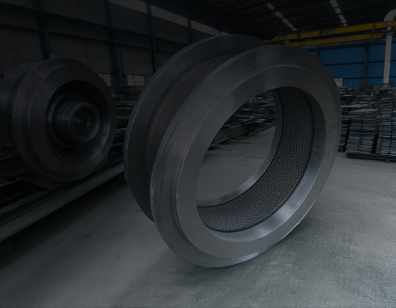
08
Spare Parts
Genuine components are available worldwide with fast delivery service.
