

 0086-138 3838 9622

Pellet Machine in Kazakhstan
Over the years, our pellet machine in Kazakhstan has proven itself across a surprisingly wide range of jobs. We’ve set up systems for everything from biomass wood and alfalfa bale pellets, sunflower seed hulls pellets, beet pulp pellets, clover pellets to organic fertilizer, animal feed, pet food, even pest poison and waste-based carbon pellets. Basically, if a material can be pelletized, chances are we’ve already helped a customer there make it work.


180+
Over 180 pellet machines installed
That’s the number of our ring-die units now running across the country.
50+
More than 50 pellet plants built
From small on-farm lines to full-scale industrial pelletizing plant sites.
15+
100% Customized Project Solutions
Wood, alfalfa, sunflower seed hulls, beet pulp, clover, manure, straw, solid waste—you name it.
Featured Projects in Kazakhstan
Below are some real setups we’ve done across the country. Different regions, different raw materials, different goals. Each project had its own headaches and solutions. Take a look—chances are one of these looks a lot like what you’re planning.
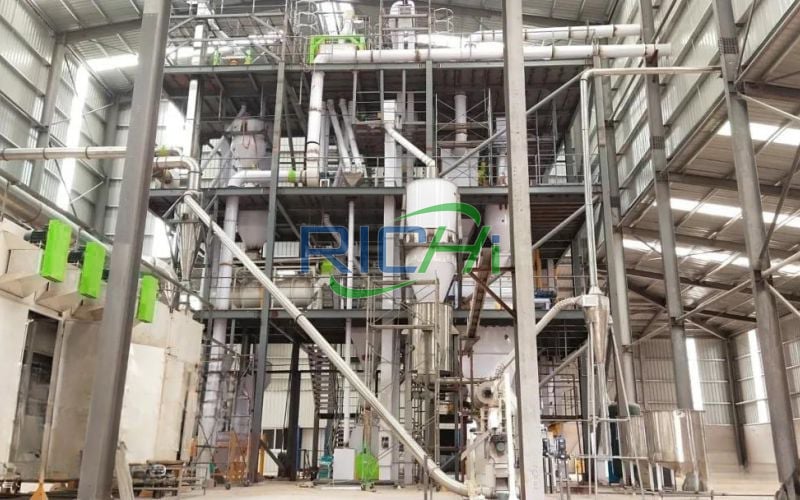
North Kazakhstan Region
10 t/h chicken feed pellet mill in Kazakhstan
A poultry integrator wanted to stop buying bagged feed from Russia. Too expensive, and quality varied. They came to us for a complete line.
Raw material is corn (60%), soybean meal (30%), plus premix and minerals. Incoming corn moisture around 14%, size after grinding 2-3mm. They needed 3-4mm pellets for broilers and 2mm for chicks.
- We supplied the whole thing: hammer mill, mixer, SZLH420 pellet machine, counterflow cooler, crumbler, screener, and automatic bagging scale.
- Process includes grinding, batching, mixing, conditioning (85°C), pelleting, cooling, crumbling, screening, and packaging.
- Investment was around $380,000 USD.
- We provided layout design, steel structure drawings, on-site installation supervision, and operator training for 10 days.
- This pellet machine in Kazakhstan now runs 18 hours a day during peak season. If you’re looking for a pellet mill for sale Kazakhstan that can handle high-volume feed production, this setup is a solid reference.

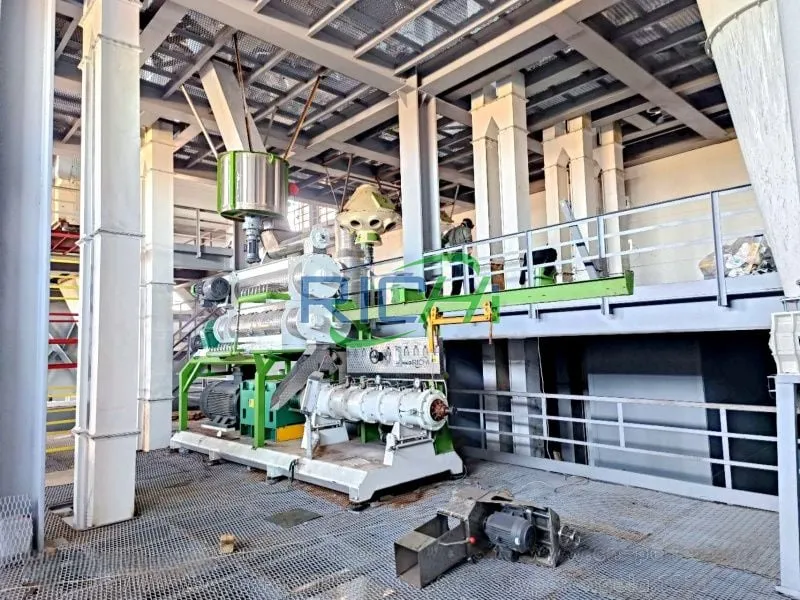
8 t/h dehydrated alfalfa pellet machine in Kazakhstan
A farming cooperative grows alfalfa on about 1,200 hectares. They used to sell baled hay locally, but profit was thin. Their idea? Dehydrate and pelletize for export to Gulf countries for camel and horse feed.
Single raw material: chopped alfalfa at 65-70% moisture right after cutting. They dry it down to 12-14% using a rotary drum dryer before pelleting. Final pellet diameter is 8mm, length 20-35mm.
- We delivered a full line: hay bale breaker, hammer mill, rotary dryer (natural gas burner), CZLH768 pellet press, counterflow cooler, and an automatic baler for 25kg bags.
- Process starts with chopping, drying (inlet temp 450°C, outlet 80°C), grinding, pelleting, cooling, and bagging. Total investment around $220,000 USD.
- Our team did the civil work planning, equipment foundation drawings, and spent three weeks on-site for commissioning. The CZLH768 has been a beast—ring die life hit 2,800 tons before flipping. For anyone searching grass pellet machine Kazakhstan or feed pellet applications, this alfalfa line shows what a heavy-duty press can do.
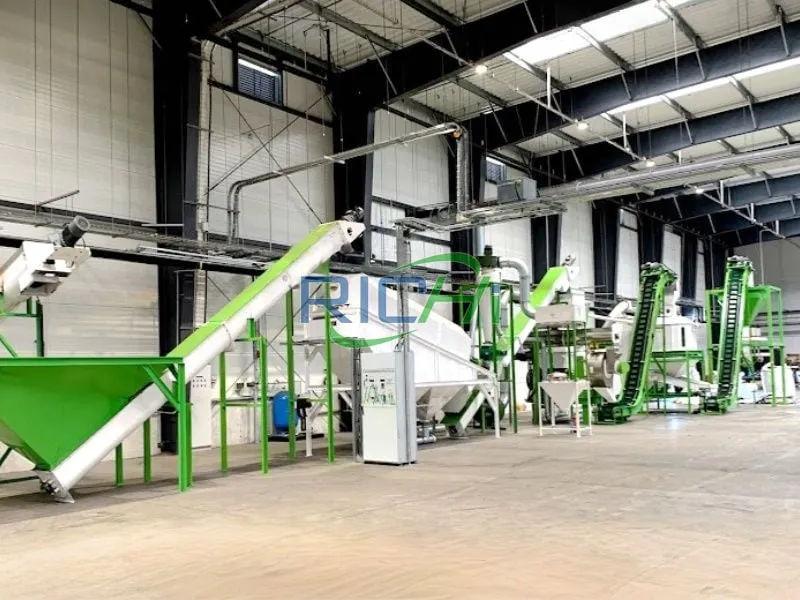
Zhambyl Region
Almaty Region
5 t/h floating fish feed extruder in Kazakhstan
A fish farm was expanding into carp and trout. They struggled with imported floating feed—long lead times, high cost, and sometimes damaged bags. So they decided to make their own.
Raw materials: fish meal (25%), soybean meal (30%), wheat flour (25%), corn gluten meal (10%), plus oil and vitamins. Incoming particle size 0.5-1mm after fine grinding, moisture around 11%. Target pellet size is 2-3mm floating, with 6-8mm for larger trout.
- Our solution included a fine hammer mill, ribbon mixer, twin-screw extruder SPHS150*2 (with a 90kW motor), dryer (three passes), vacuum coater, and cooling conveyor.
- Process: grinding, mixing, extrusion (130°C chamber temperature), drying to 8% moisture, oil coating, and cooling.
- Investment was roughly $460,000 USD.
- We provided full process flow diagrams, electrical control panel setup, and trained their four operators for two weeks. This pellet machine in Kazakhstan is actually an extruder, but many customers searching pellet making machine Kazakhstan for aquafeed end up needing exactly this technology.
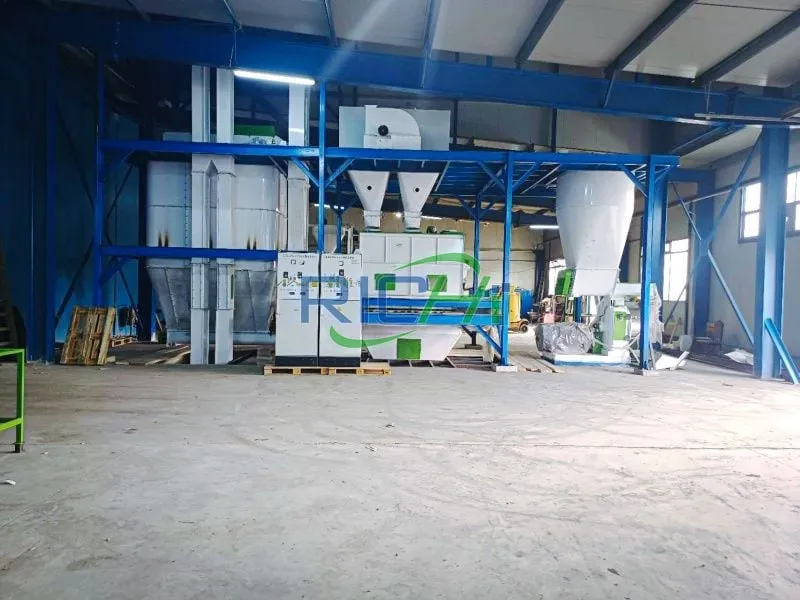
15 t/h chicken manure pellet machine in Kazakhstan
A large layer farm with 500,000 birds faced a serious waste problem. Fresh manure piled up, and environmental inspectors started asking questions. Their solution? Turn manure into organic fertilizer pellets.
Raw material is fresh manure mixed with 15% rice hulls (to adjust moisture). Incoming moisture runs 70-75%. They dry it first to 18% using a rotary dryer, then pelletize to 6mm diameter. Final pellets get bagged for greenhouse vegetable growers.
- We supplied: manure separator (screw press), rotary dryer (exhaust gas recycling), FZLH678 ring die pellet press, cooler, screener, and dust collection system.
- Process: solid-liquid separation, drying (350°C inlet, 75°C outlet), pelleting, cooling, and screening. Investment around $390,000 USD.
- Our deliverables: equipment supply, site layout drawings, installation guidance, and a 7-day operator training session. The FZLH678 runs two shifts daily, processing about 120 tons of raw manure into 15 tons of pellets.
- If you’re comparing pellet machine for sale Kazakhstan options for high-moisture materials, this one handles tough conditions well.
Near Shymkent
Akmola Region
1.0-1.2 t/h wheat straw pellet machine in Kazakhstan
A small mixed farm raises 300 beef cattle and 800 sheep. Winter feed costs were killing them. Wheat straw is cheap and available after harvest, but animals don’t digest it well in baled form. Pelleting with a binder changed that.
Single raw material: chopped wheat straw, length 20-30mm, moisture around 12% after sun drying. They add 3% molasses as binder. Final pellet is 8mm diameter, used for maintenance ration for cows and sheep.
- Our line: tub grinder, hammer mill (screens 4mm), CZLH350 pellet press, vertical cooler, and a manual bagging station.
- Process: coarse grinding, fine grinding, mixing with molasses (steam added at conditioner), pelleting, and cooling.
- Total investment about $65,000 USD.
- We did the electrical wiring diagram, steel support design, and sent a technician for 5 days of startup help.
- This pellet machine in Kazakhstan is a smaller unit, but it runs reliably on low-cost crop residues. Many farmers looking for small pellet mill for sale Kazakhstan start with a setup like this.
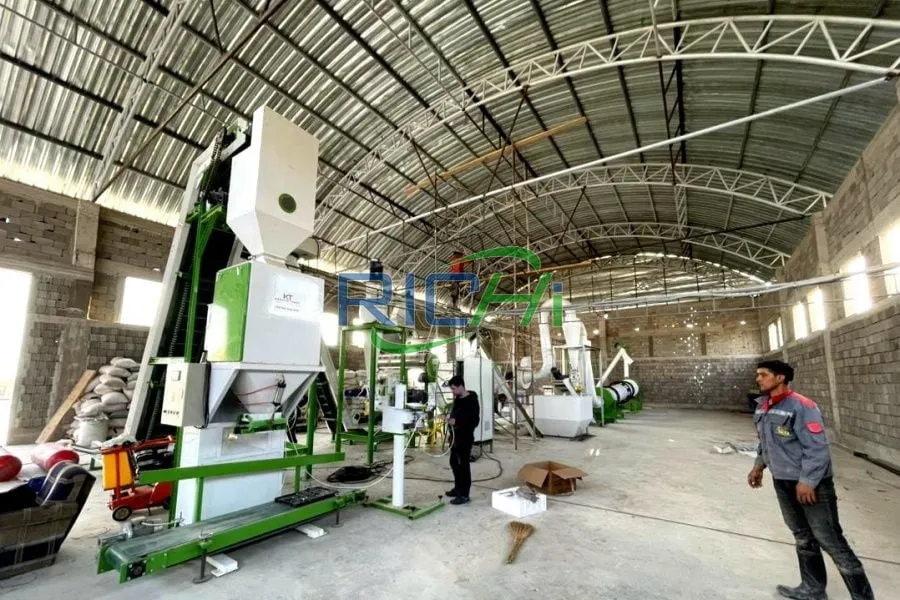
3 t/h natural plant based cat litter pellet mill in Kazakhstan
A pet product company spotted a gap in the local market—affordable plant-based cat litter. Most litter is imported clay or silica, expensive and not biodegradable. They wanted pellets made from pea fiber and wheat straw.
Raw materials: pea hull fiber (70%) and wheat straw powder (30%). Incoming fiber moisture about 10-11%, particle size under 1mm. Pellet diameter is 4mm, length 5-15mm, with high absorbency and natural clumping.
- We supplied a hammer mill, ribbon mixer, MSZLH320 pellet mill, crumbler (to break long pellets), rotary screener, and a packing machine for 5-10kg bags.
- Process: grinding, mixing (add water to 14% moisture), pelleting (60°C conditioning), crumbling to uniform length, screening, and packaging.
- Investment around $165,000 USD.
- Our scope: equipment manufacturing, factory layout proposal, on-site mechanical installation guide, and production recipe consulting. The MSZLH320 runs about 12 hours daily.
- If you’re searching pellet press for sale Kazakhstan for non-feed applications like pet products, this project proves it works.
Karaganda Region
Kostanay Region
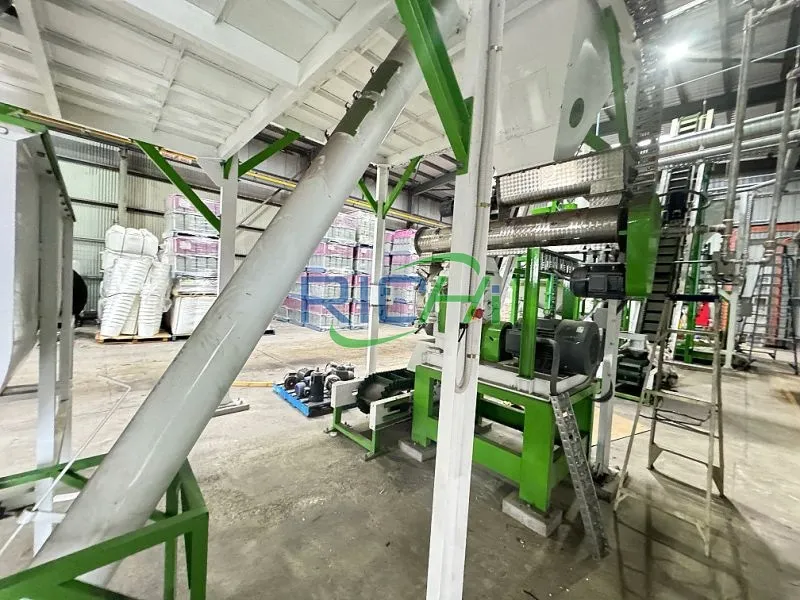
6 t/h sainfoin & clover pellet press in Kazakhstan
A dairy cooperative milks 1,200 cows. Their nutritionist wanted a consistent high-fiber pellet using sainfoin and clover to reduce bloat risk.
Mixed raw material: sainfoin (60%) and red clover (40%), both sun-cured to 15% moisture. Incoming material is chopped to 5-7cm then hammer-milled to 3-5mm. Final pellet 6mm diameter, fed to lactating cows as a supplement.
- We delivered: a hay chopper, hammer mill with magnet protection, conditioner (steam injection at 85°C), CZLH768 pellet press, counterflow cooler, and bucket elevator system.
- Process: chopping, grinding, steam conditioning, pelleting, cooling, and elevation to storage bins.
- Investment roughly $160,000 USD. Our team supplied the complete process design, steel platform drawings, installation manuals, and on-site training for 8 days.
- This pellet machine in Kazakhstan has processed over 15,000 tons since startup without major downtime. Ranchers looking at wood pellet machine in Kazakhstan often overlook forage pelleting, but the equipment needs are similar.
3-4 t/h cattle feed pellet machine in Kazakhstan
A feedlot with 2,500 head wanted a high-energy grower ration.
Their formula: cracked corn (60%), barley (25%), alfalfa meal (10%), and molasses (5%). Alfalfa arrived as 4mm meal already, grains needed grinding to 2.5mm. Moisture of mixed mash before pelleting was 13.5%. Pellet size 5mm, length 15-25mm, for finishing cattle.
- Our supplied equipment: grain crusher, hammer mill, vertical mixer with molasses spray, SZLH320 pellet mill (55kW), counterflow cooler, and a simple bulk load-out system.
- Process: grinding grains, mixing with alfalfa and molasses, conditioning (steam, 75°C), pelleting, cooling, and loading into feed trucks.
- Investment around $175,000 USD.
- We provided the equipment list, foundation drawings, and a 6-day installation supervision visit. This SZLH320 is a workhorse—simple to maintain, easy on die costs. If you’re browsing pellet mill for sale Kazakhstan for a medium-size feed operation, this capacity range is where many start.
Pavlodar Region
Astana
2-3 t/h dog food pellet production line in Kazakhstan
A pet food startup in Astana wanted to produce premium extruded dog food—not just dry pellets, but shaped kibble with internal porosity. Raw materials: poultry meal (30%), rice flour (35%), potato starch (15%), plus fats and minerals. Incoming powders are 0.4-0.6mm, moisture 10-11%. They extrude to 10mm round kibble, then coat with chicken fat.
- Our line: fine grinder, ribbon mixer, twin-screw extruder SPHS120*2 , belt dryer (three zones), rotary drum coater, and vibratory screener.
- Process: mixing dry ingredients, preconditioning with steam, extrusion at 110-120°C (expansion happens at die exit), drying to 8% moisture, fat coating, cooling, and screening.
- Investment around $445,000 USD. We supplied full electrical control logic, layout optimization for their 1000m² space, and 12 days on-site commissioning.
- For anyone looking up pellet making machine Kazakhstan for pet food, remember that extruders and pellet mills are different—this SPHS1202 is the right tool for floating or expanded products.
1-1.5 t/h cow dung organic fertilizer pelletizer in Kazakhstan
Another dairy farm, this one with 400 cows, wanted a smaller-scale fertilizer line. They don’t have natural gas for drying, so we designed an air-drying system.
Raw material is fresh cow dung with 8% straw bedding. Moisture starts at 80%. They sun-dry on a concrete pad for 3-4 days to 25% moisture, then pelletize. Pellet diameter 5mm, for organic fertilizer sold to apple orchards.
- Equipment: dewatering screw press, windrow turner (for composting 20 days), hammer mill, FZLH250 pellet press (22kW), and a simple rotary screener.
- Process: separation, composting (optional but recommended), sun drying, grinding, pelleting (no extra heat needed), and screening.
- Investment around $85,000 USD.
- Our part: machines supply, layout advice, and remote troubleshooting support. This is one of the smallest pellet machine in Kazakhstan setups we’ve done, but it’s profitable—fertilizer pellets sell for $350/ton locally. If you need a pellet press for sale Kazakhstan for farm-scale organic fertilizer, this FZLH250 is worth a look.

East Kazakhstan Region

Turkistan Region
4 t/h crop residue biochar pelletizer in Kazakhstan
A clean energy project collects cotton stalks and corn stover from local farmers. They pyrolize the residue into biochar, then pelletize the biochar for air purification filters and soil amendment.
Raw material: biochar powder from pyrolysis at 500°C. Particle size 0.1-0.5mm, moisture under 5% (very dry). Pellet size 6mm, very hard and dense, used for industrial gas adsorption.
- Our equipment includes a paddle mixer (add water to 12% moisture), FZLH350 ring die pellet press, vertical cooler, and dust filter (charcoal dust is flammable—we added explosion vents).
- Process: mixing biochar with water, pelleting under high pressure (die compression ratio 1:9), cooling, and packing in moisture-barrier bags.
- Investment around $155,000 USD.
- We provided the process parameters, die specification recommendations, and on-site startup. This pellet machine in Kazakhstan runs on difficult material—abrasive, dry, low-binding—but the FZLH350 handles it with chromium stainless steel dies. People searching wood pellet making machine for sale Kazakhstan might not think of biochar, but the machine is similar.
More Pellet Production Lines Across Kazakhstan
Truth is, the projects above barely scratch the surface. We’ve supplied dozens of other lines to different regions—smaller setups, bigger factories, odd raw materials you wouldn’t expect. Below is a quick look at what else is running out there. Every single one uses a pellet machine in Kazakhstan as the core, but the supporting equipment changes completely depending on the material and goal.
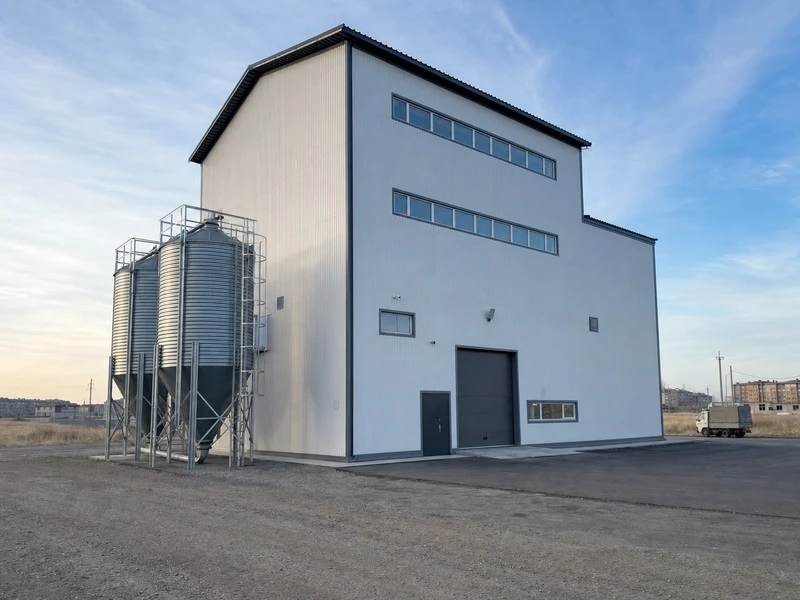
1-2 t/h tilapia feed pellet plant in Kazakhstan
A small aquaculture startup near Kapchagay reservoir wanted to produce floating feed for tilapia instead of importing from China. Their raw material mix includes soybean meal, wheat flour, fish meal, and added vitamins—all ground to under 0.6mm. Moisture runs about 11% before extrusion. The pellet machine in Kazakhstan for this plant is actually a twin-screw extruder, not a traditional pellet mill. They needed 1.8mm floating pellets with 5-6 minutes water stability. We supplied a fine grinder, ribbon mixer, extruder, belt dryer, and oil coater. The extruder shapes and expands the feed in one pass.
Model
SPHS120*2
Pellet Size
1.8mm
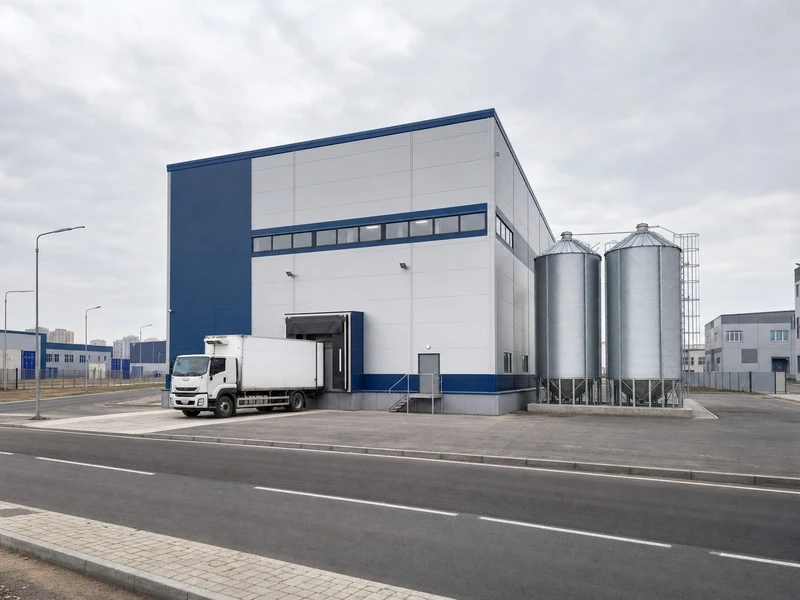
3 t/h complete pet food processing plant in Kazakhstan
A pet food brand in Shymkent decided to expand from dry kibble into semi-moist treats and small-breed formulas. They process chicken meal, rice flour, potato protein, and digest. Incoming powders are 0.5mm, moisture 10-11%. The pellet machine in Kazakhstan here is another extruder system for shaping various kibble sizes. Their requirement was 8mm round kibble for adult dogs and 4mm triangular shapes for small breeds. We delivered a preconditioner, SPHS120 extruder with interchangeable dies, multi-pass dryer, and flavor spray system. The extruder cooks and expands the mixture at 115°C.
Model
SPHS120*2
Pellet Size
4& 8mm
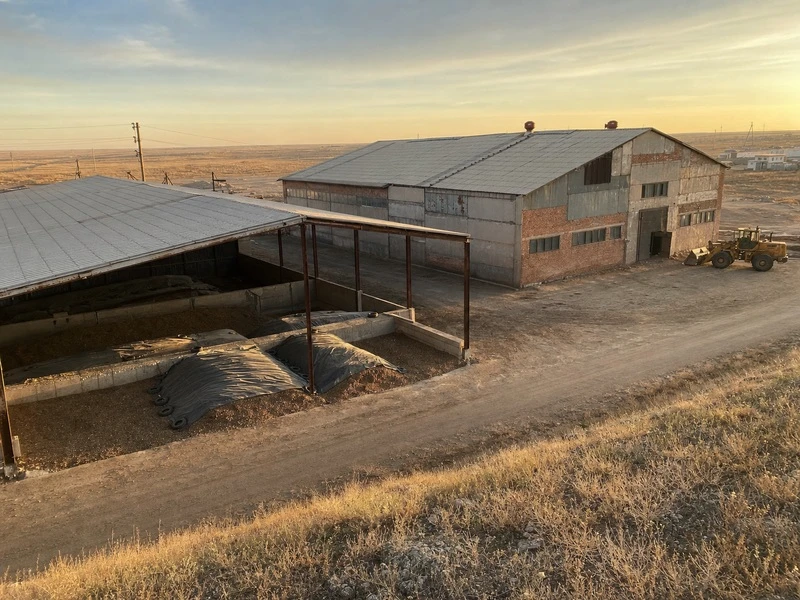
10 t/h poultry litter pellet plant for fertilizer in Kazakhstan
A broiler farm in Kostanay Region with 800,000 birds wanted to pelletize their litter into organic fertilizer. Raw material is a mix of manure, wood shavings, and spilled feed—moisture around 65% fresh. They dry it first to 18% using a rotary drum dryer. The pellet machine in Kazakhstan for this line is a heavy-duty ring die press because the material is abrasive and high in ash. Target pellet diameter is 6mm for bulk blending with chemical fertilizers. We supplied a drying system, FZLH678 pellet mill, cooler, screener, and coating drum for anti-caking agent.
Model
FZLH520
Pellet Size
6mm
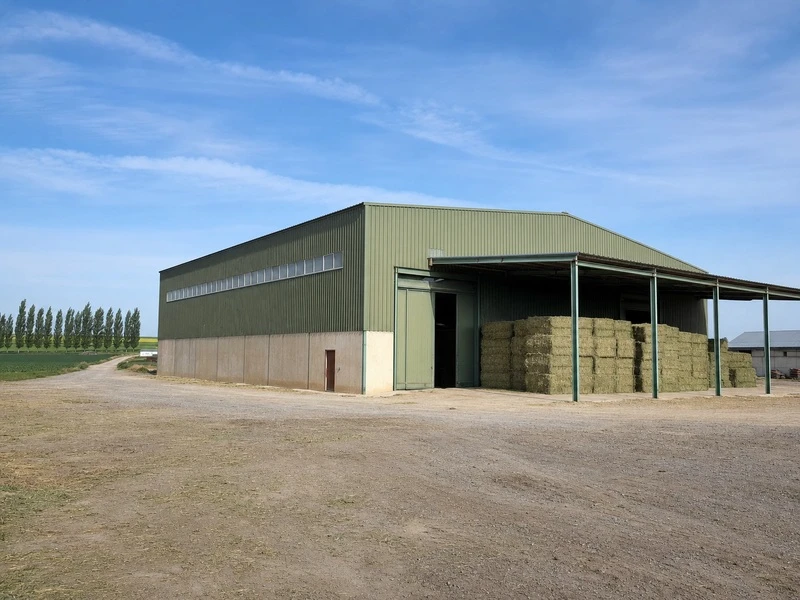
6-8 t/h alfalfa pellet plant in Kazakhstan
A forage processing company in Turkistan Region exports alfalfa pellets to sheep farms in Iran. Their alfalfa is sun-cured to 14% moisture, chopped to 3-5cm, then hammer-milled to 4mm. Single raw material with no additives. The pellet machine in Kazakhstan is a large CZLH768 chosen for high throughput and die longevity. They needed 8mm pellets for slow feeding in troughs. Our scope included a hay bale shredder, hammer mill, conditioner with steam, CZLH768 pellet press, counterflow cooler, and automatic bagging scale. The press runs 20 hours a day during summer harvest.
Model
CZLH768
Pellet Size
8 mm
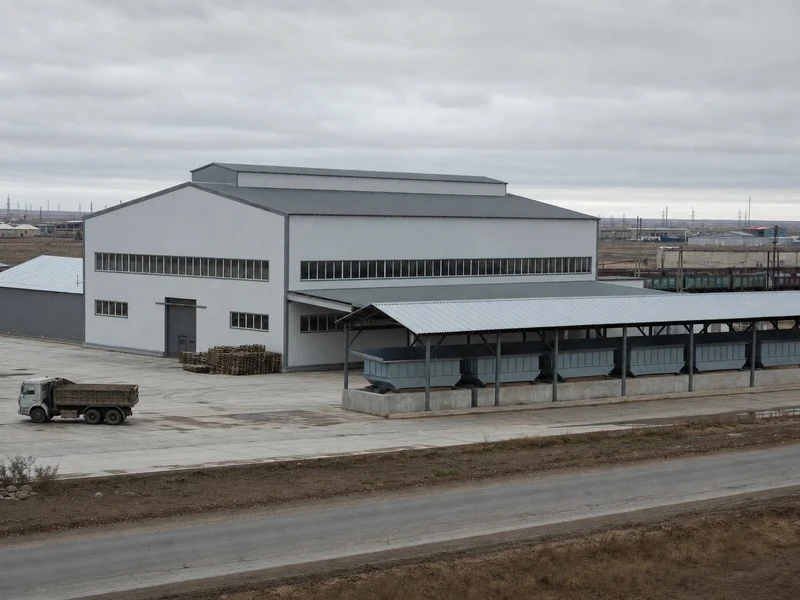
10 t/h compound fertilizer pellet plant in Kazakhstan
An agricultural cooperative in Almaty Region wanted to produce NPK 15-15-15 pellets using a fertilizer granulator. Their raw materials are urea, DAP, MOP, and filler clay—all powders under 0.2mm. Moisture is adjusted to 8% before granulation. The pellet machine in Kazakhstan for fertilizer is a disc granulator, which works differently from biomass pellet mills. Target pellet is 2-4mm for easy spreading. We supplied batching scales, pellet granulator, rotary dryer, cooler, screener (with 1mm and 5mm decks), and coating machine. The disc rotates at 60rpm to build granules layer by layer.
Model
FZLH520
Pellet Size
2-4mm
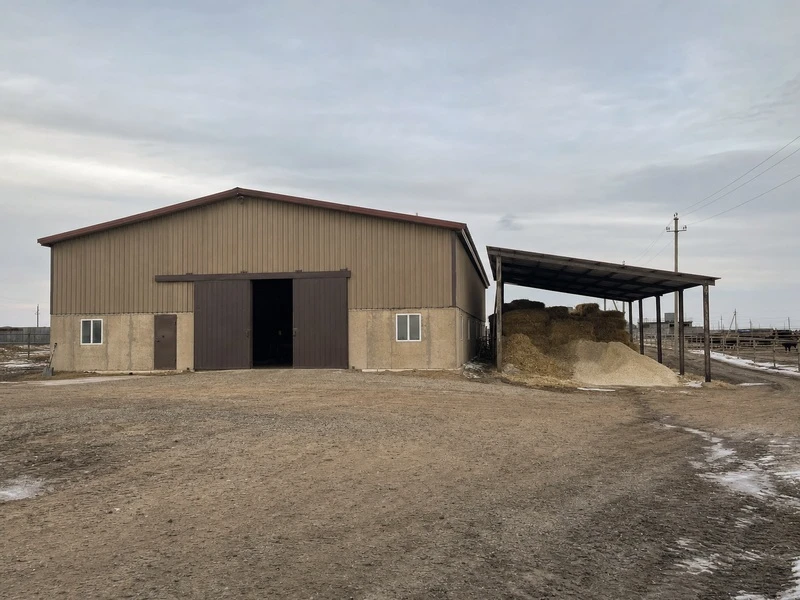
6-8 t/h cattle bedding pellet production line in Kazakhstan
A dairy farm in Pavlodar Region with 2,500 cows was spending too much on sawdust bedding. They switched to making their own from wheat straw and manure solids. Raw materials: straw (70%) and separated cow manure solids (30%), both dried to 15% moisture. The pellet machine in Kazakhstan for bedding doesn’t need hard pellets—just compressed enough to be absorbent. Target diameter is 10mm, loose enough to fluff up in stalls. We supplied a tub grinder, hammer mill, FZLH420 pellet mill, and a simple conveyor system. No cooler needed because moisture is already low.
Model
MZLH768
Pellet Size
10mm
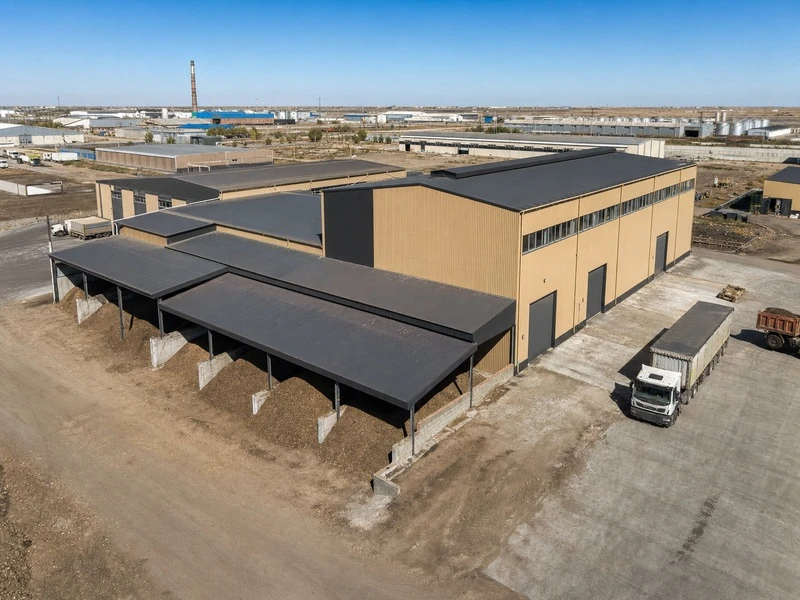
15 t/h sunflower husk pellet plant in Kazakhstan
An oil extraction plant in East Kazakhstan Region had mountains of sunflower husk waste. Burning it in boilers was inefficient due to low bulk density. They wanted high-density fuel pellets for industrial boilers. Raw material is husk with 12% moisture, fiber length 5-10mm. The pellet machine in Kazakhstan for this project is four-sets MZLH768 running with a 280kW motor because husk is fibrous and needs high compression. Pellet size 8mm, used in a local heating plant. We installed a cyclone separator, hammer mill with 6mm screen, MZLH768 pellet press, counterflow cooler, and a baghouse for dust control.
Model
MZLH768
Pellet Size
8mm
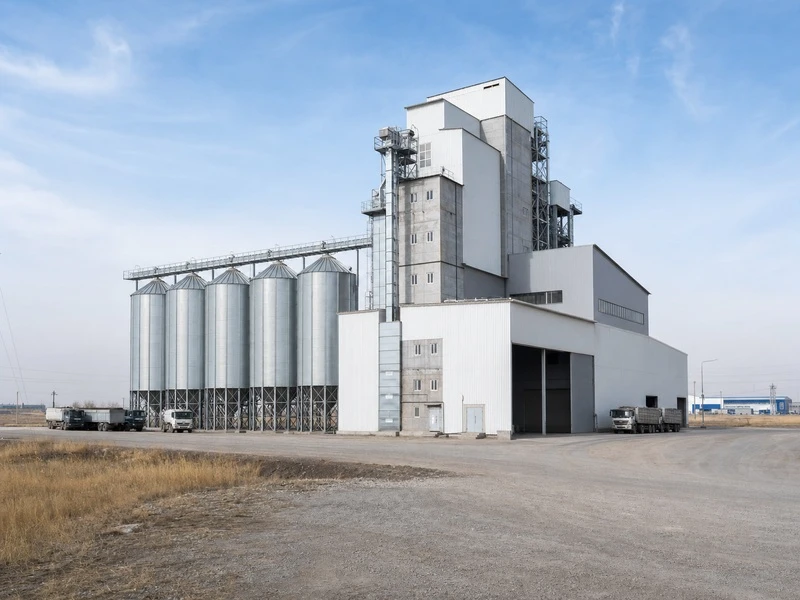
20 t/h ruminant feed plant in Kazakhstan
A large feed manufacturer in Akmola Region wanted to produce TMR pellets for dairy cows. Their formula includes alfalfa meal (40%), corn (30%), barley (20%), and molasses (10%). All grains ground to 3mm, alfalfa already meal at 4mm. Mixed moisture is 14% before pelleting. The pellet machine in Kazakhstan for this plant is two SZLH420 units running in parallel for redundancy. They needed 5mm pellets for Holstein cows. We provided hammer mills, ribbon mixer (3-ton batch), twin SZLH420 pellet mills, counterflow cooler, crumbler for calf feed, and bulk load-out system.
Model
SZLH420
Pellet Size
5mm
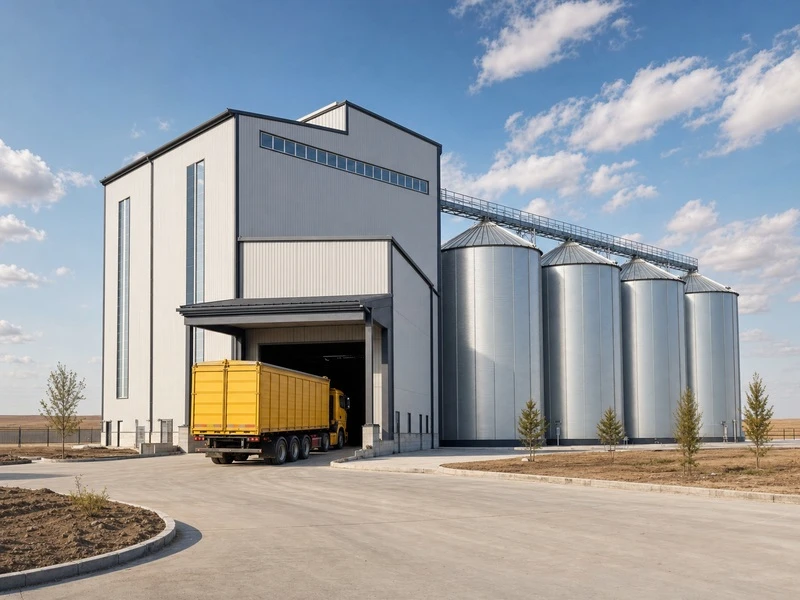
15 t/h automatic poultry and livestock feed pellet plant in Kazakhstan
An integrated farming group in Karaganda Region produces feed for their own 300,000 layers and 5,000 pigs. Raw materials change by recipe: corn, soybean meal, wheat bran, limestone, and premix. Particle size after grinding is 2.5mm for layers, 3mm for pigs. Moisture around 13%. The pellet machine in Kazakhstan for this automatic plant is a single SZLH508 with PLC control. Target pellets: 3.5mm for hens, 4.5mm for grower pigs. We supplied a full automatic line: batching system (6 bins), double-shaft mixer, SZLH508 pellet mill, counterflow cooler, crumbler, screener, etc.
Model
SZLH508
Pellet Size
3.5& 4.5mm
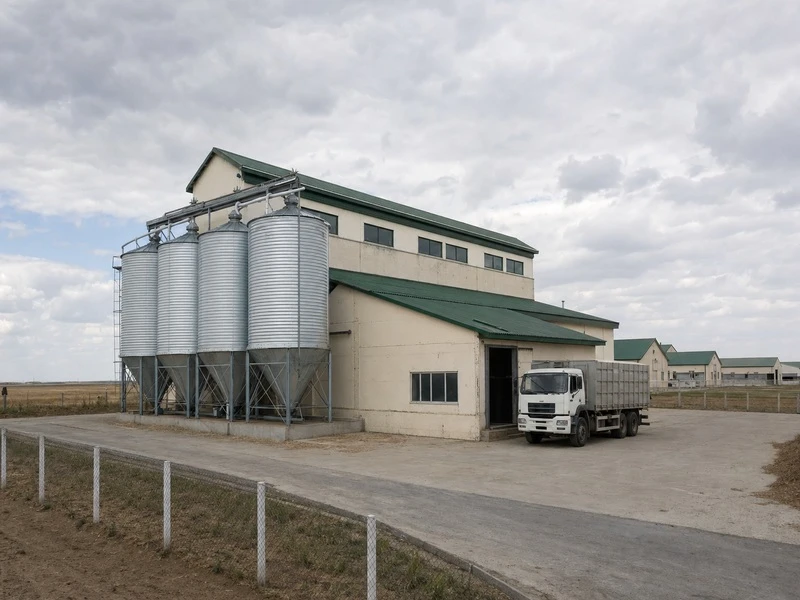
6-8 t/h pig feed pellet production line in Kazakhstan
A pig farm in North Kazakhstan Region with 15,000 head wanted to reduce feed costs by making their own grower and finisher pellets. Raw materials: corn (65%), soybean meal (22%), wheat middlings (10%), and premix (3%). Grind size 2mm for better digestibility. Moisture 12.5% before conditioning. The pellet machine in Kazakhstan for this medium-scale line is an SZLH350 running at 110kW. They needed 4.5mm pellets for grower pigs and 5mm for finisher pigs. We installed a hammer mill, vertical mixer (2-ton batch), SZLH350 pellet mill, counterflow cooler, and bagging scale for 40kg bags.
Model
SZLH350
Pellet Size
4.5& 5mm
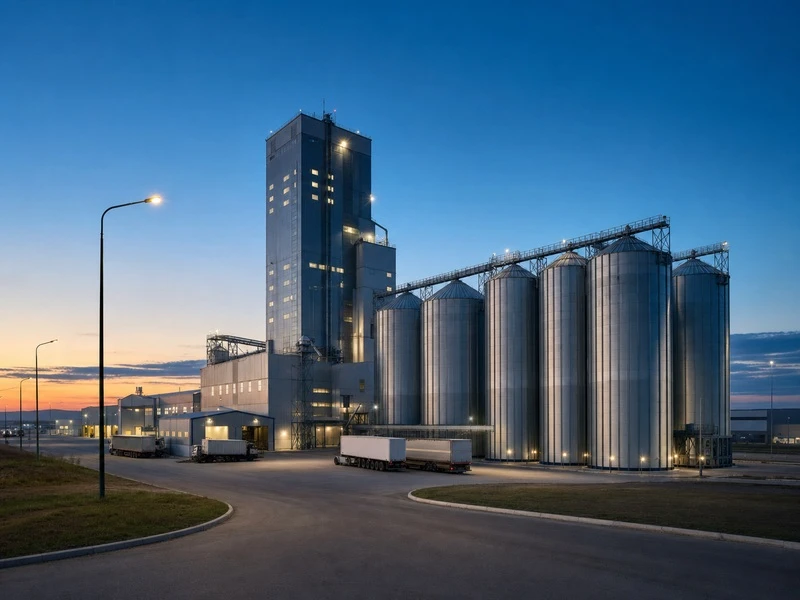
25 t/h large scale feed factory in Kazakhstan
A national feed producer in Astana built a new greenfield plant to supply poultry farms across the country. Raw materials include corn, wheat, soybean meal, and mineral premix. Grinding to 2.5mm for broilers, moisture around 13%. The pellet machine in Kazakhstan for this large factory is three SZLH420 units feeding a common cooler. Their requirement was 3.5mm pellets for broilers and 2mm crumbles for chicks. We delivered a turnkey solution: receiving pit, cleaning system, two hammer mills (160kW each), batching system (12 bins, 5-ton scale), double-shaft paddle mixer, three SZLH420 pellet mills, counterflow cooler, crumbler, etc.
Model
SZLH420
Pellet Size
3.5 & 2mm
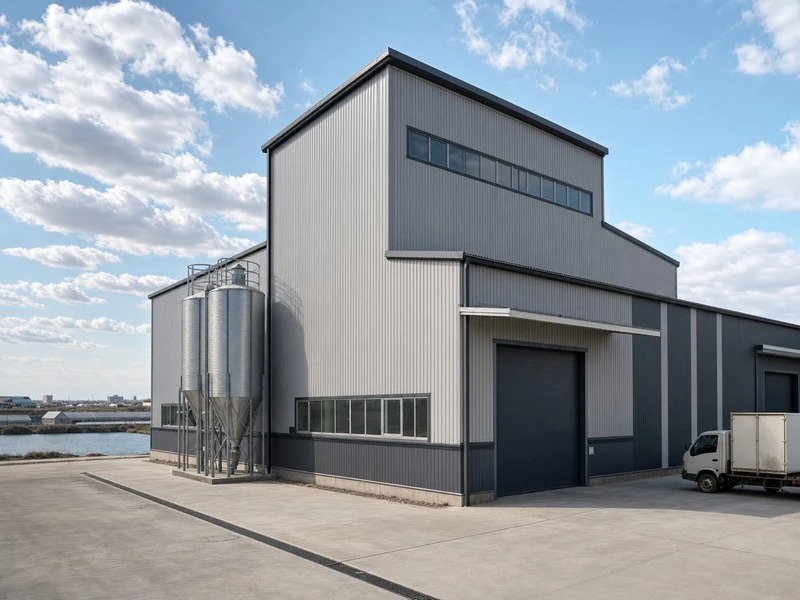
6 t/h commercial fish feed production line in Kazakhstan
A commercial fish farm in Almaty Region produces feed for sturgeon and trout. Their formula: fish meal (35%), wheat flour (25%), soybean meal (20%), and added oil (10%). Raw materials ground to 0.4mm for proper extrusion. Moisture 10-11%. The pellet machine in Kazakhstan for fish feed is an SPHS140 twin-screw extruder because floating pellets require expansion. They needed 2.5mm floating pellets for trout and 4mm slow-sinking for sturgeon. We supplied a fine hammer mill, mixer, preconditioner, SPHS140 extruder, belt dryer, vacuum coater for oil, and a check screener.
Model
SPHS150*2
Pellet Size
2.5 & 4mm
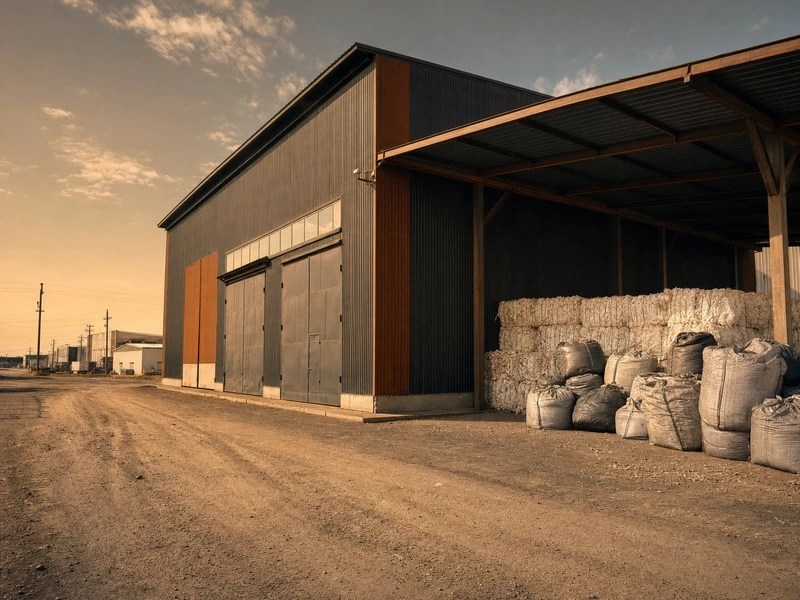
10 t/h cotton waste biochar pellet plant in Kazakhstan
A bioenergy company in Turkistan Region pyrolizes cotton gin waste into biochar, then pellets it for barbecue briquettes and soil amendment. Raw material is biochar powder at 3% moisture, particle size 0.1-0.3mm. Very dry and dusty. The pellet machine in Kazakhstan for biochar uses a special FZLH420 with stainless steel die and explosion-proof motor. They needed 8mm pellets that hold together without binder. We delivered a paddle mixer (add water to 12%), FZLH420 pellet mill with wear-resistant die, vertical cooler, and an explosion-proof dust collection system.
Model
FZLH520
Pellet Size
8mm
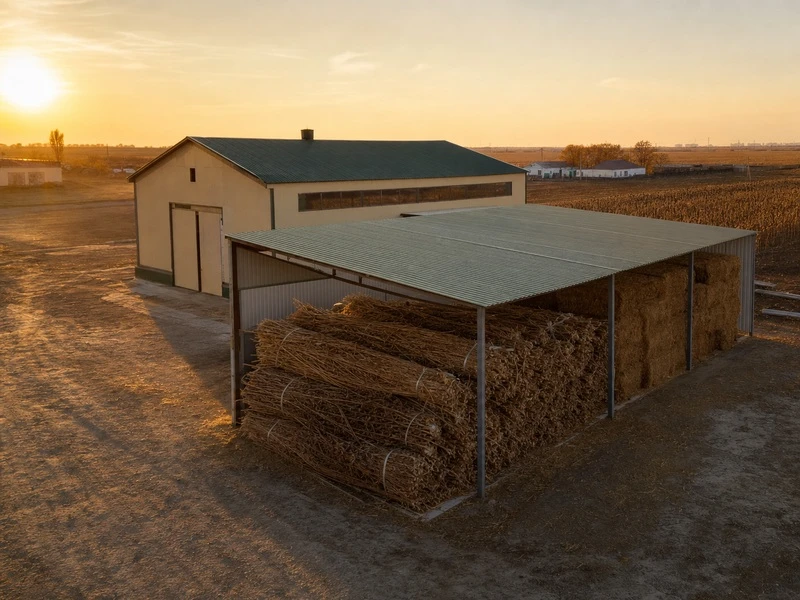
4 t/h sunflower stalk pellet plant in Kazakhstan
A farming cooperative in Kostanay Region wanted to use sunflower stalks left after seed harvest. Stalks are chopped in the field to 10-15cm pieces, then dried to 18% moisture. The pellet machine in Kazakhstan for this fibrous material is a CZLH450 with a 2.5:1 compression ratio die. Target pellet is 6mm for animal bedding on their own farm. We supplied a bale shredder, hammer mill with 6mm screen (for coarse structure), CZLH450 pellet press, and a simple air cooler. The pellets are soft enough for bedding but absorb moisture well.
Model
CZLH678
Pellet Size
6mm
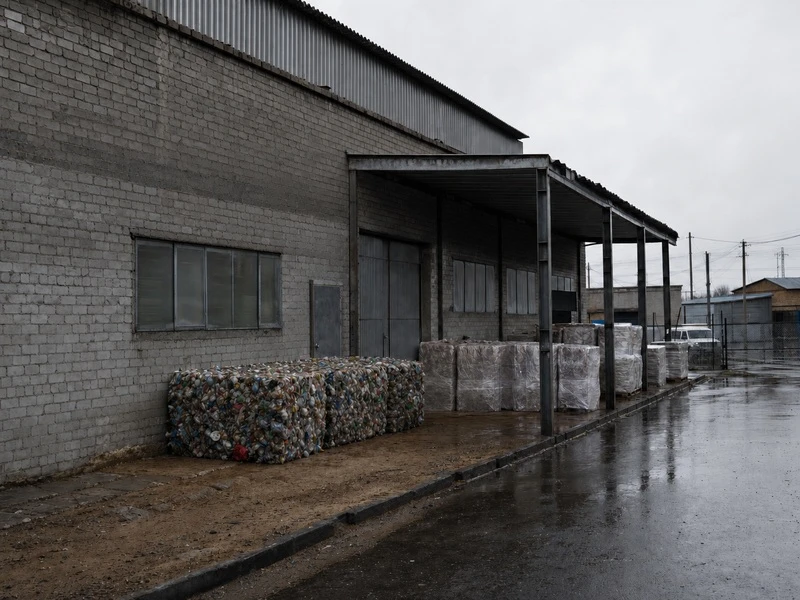
2 t/h solid recovered fuel production line in Kazakhstan
A waste management company in Karaganda Region processes commercial and industrial waste into SRF pellets for cement kilns. Raw materials: plastic films, paper, cardboard, and textile scraps. Shredded to 15mm, moisture below 10%. The pellet machine in Kazakhstan for SRF is a heavy-duty FZLH320 with a heated die because plastics need heat to bind. They needed 16mm pellets that burn at 18-20 MJ/kg. We installed a twin-shaft shredder, magnetic separator, air classifier, FZLH320 pellet press with die heating system, and a closed-loop cooler.
Model
FZLH320
Pellet Size
16mm
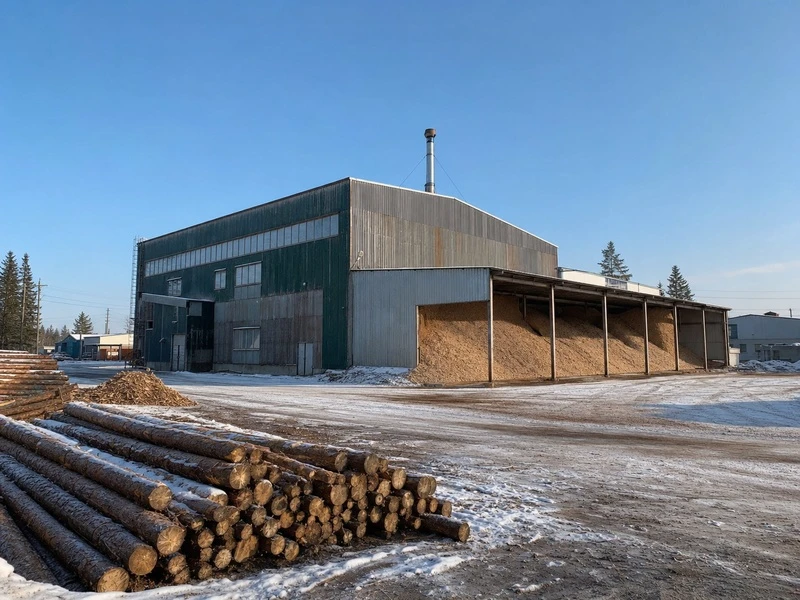
5 t/h pine wood pellet plant in Kazakhstan
A sawmill in East Kazakhstan Region generates pine sawdust and shavings as waste. They wanted to enter the premium wood pellet market for heating. Raw material is sawdust with 10% moisture, particle size under 3mm. Single material, no bark contamination. The pellet machine in Kazakhstan for wood pellets is a MZLH768 running at 160kW—standard choice for wood. They needed 6mm premium grade pellets with less than 1% ash. We supplied a drum chipper, hammer mill with 4mm screen, MZLH768 pellet mill, counterflow cooler (air flow 80m³/min), and a vibratory screener with 2mm and 4mm decks.
Model
MZLH768
Pellet Size
6mm
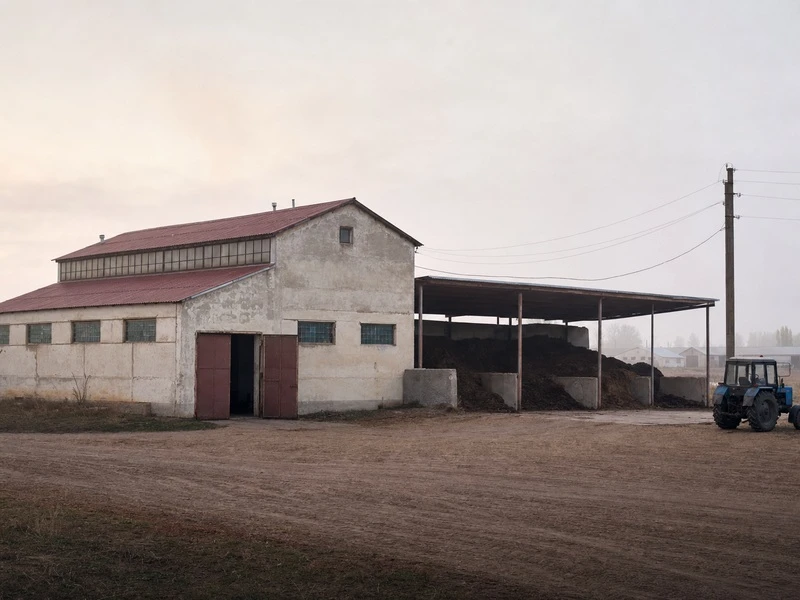
3-5 t/h bio organic fertilizer pellet line in Kazakhstan
An organic farming cooperative in Zhambyl Region produces vermicompost and wanted to pelletize it for easier spreading. Raw material is composted cow manure with 25% moisture after screening. Particle size 0-5mm. The pellet machine in Kazakhstan for moist organic fertilizer is a FZLH350 with stainless steel dies to avoid corrosion. They needed 5mm pellets for use on wheat fields. We delivered a compost screener, ribbon mixer (add 5% bentonite as binder), FZLH350 pellet mill, rotary dryer (low temperature 150°C), cooler, and bagging machine.
Model
FZLH350
Pellet Size
5mm
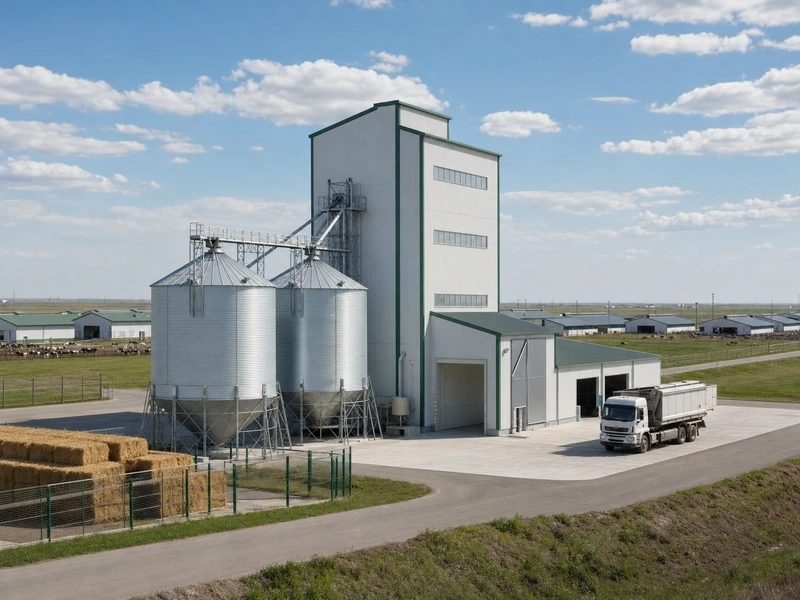
5 t/h dairy cow feed pellet line in Kazakhstan
A dairy cooperative in Almaty Region with 1,200 Holsteins wanted a concentrated lactation pellet. Their formula: corn (50%), alfalfa meal (20%), soybean meal (18%), cottonseed meal (10%), and minerals (2%). Grind size 3mm, moisture 13% before pelleting. The pellet machine in Kazakhstan for this dairy line is an SZLH420 with a 132kW motor. They needed 6mm pellets for feeding in TMR mixers. We installed a hammer mill (75kW), vertical mixer (2.5-ton capacity), SZLH420 pellet mill, counterflow cooler, and a simple auger system to feed trucks.
Model
SZLH420
Pellet Size
6mm
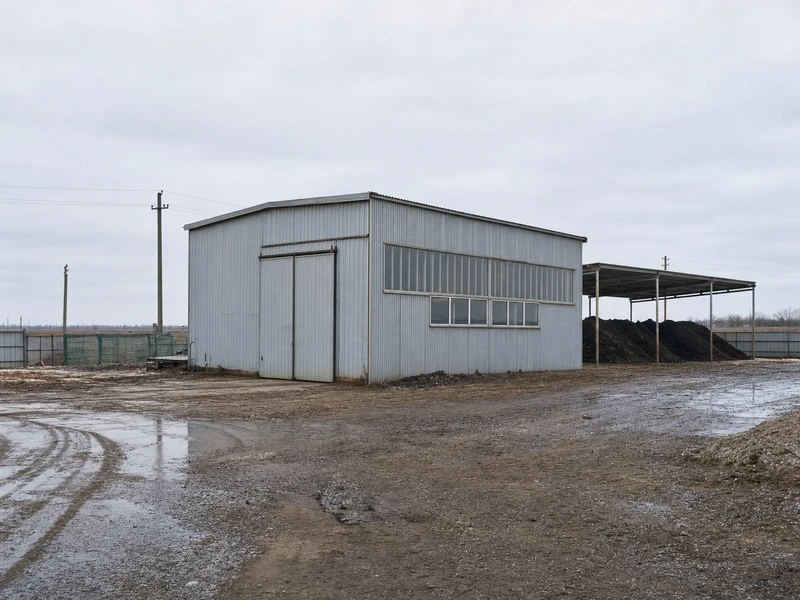
1-2 t/h compost pellet production plant in Kazakhstan
A municipal waste facility in Shymkent wanted to pelletize matured compost from green waste (leaves, grass, small branches). Raw material is sieved compost at 30% moisture, particle size under 3mm. The pellet machine in Kazakhstan for high-moisture compost is a FZLH250 with a compression ratio of 1:5 (lower than usual). They needed 4mm pellets for landscaping mulch. We supplied a trommel screener, mixer (add dry sawdust to reduce moisture to 25%), FZLH250 pellet press, low-temperature belt dryer (70°C), and a packing auger for 20kg bags.
Model
FZLH250
Pellet Size
4mm
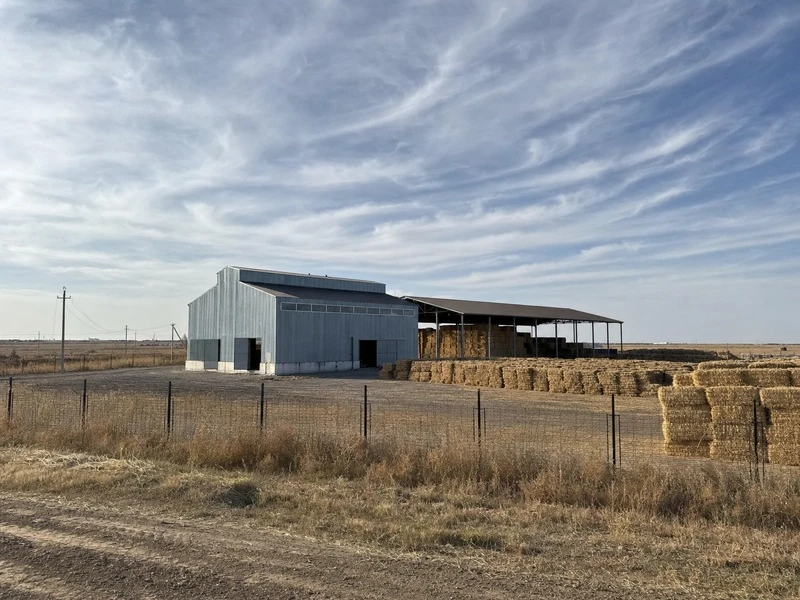
2.8-3 t/h mixed straw pellet production line in Kazakhstan
A farmer cooperative in Akmola Region collects wheat, barley, and oat straw from 5,000 hectares. They mix all three for cattle feed pellets. Raw materials: straw chopped to 5cm, dried to 14% moisture, then hammer-milled to 5mm. The pellet machine in Kazakhstan for mixed straw is a CZLH520 running with 4% molasses as binder. They needed 8mm pellets for beef cows during winter. We supplied a bale processor, hammer mill (4mm screen), ribbon mixer with molasses pump, CZLH520 pellet mill, vertical cooler, and a manual bagging station.
Model
CZLH520
Pellet Size
8mm
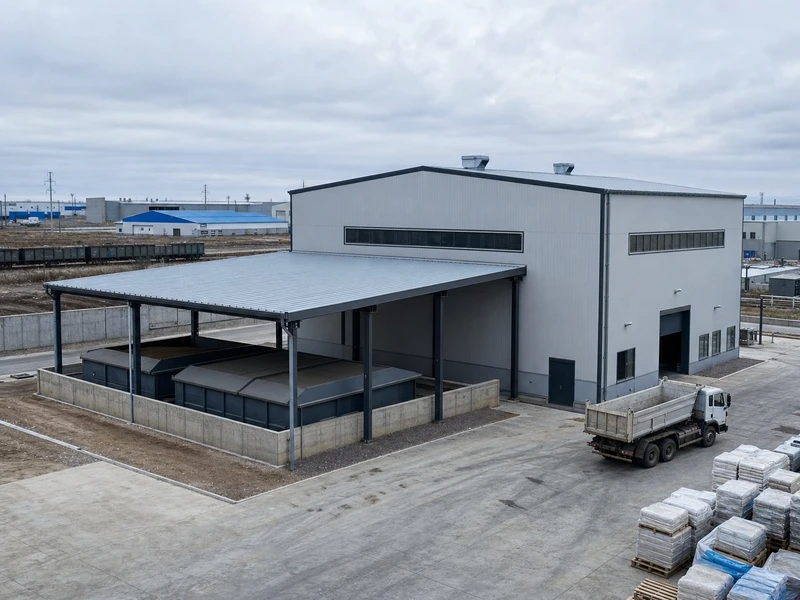
2-3 t/h NPK 15-15-15 granulation line in Kazakhstan
A fertilizer distributor in Pavlodar Region wanted to produce their own NPK granules instead of buying from Russia. Raw materials: urea, DAP, MOP, and kaolin clay—all powders under 0.1mm. Moisture adjusted to 7% with steam. The pellet machine in Kazakhstan for NPK is a ring die granulator followed by a rotary dryer. They needed 2-4mm granules for field spreaders. We supplied batching scales (500kg batch), granulator, rotary dryer (250°C inlet), cooler, vibrating screen with three decks, and a coating drum for anti-caking agent.
Model
FZLH320
Pellet Size
2-4mm
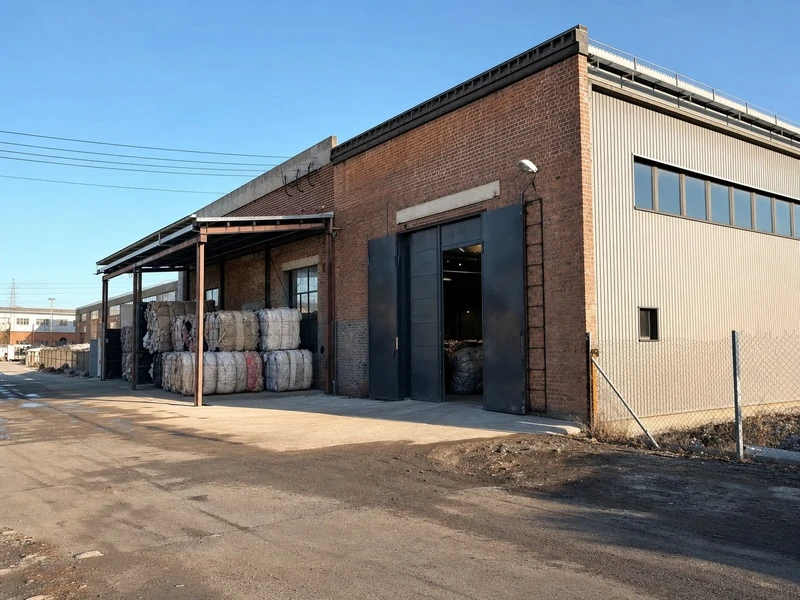
1.5-2 t/h textile waste SRF pellet plant in Kazakhstan
An industrial waste recycler in Karaganda Region processes denim and cotton waste from clothing factories. Raw material is shredded textile to 10mm strips, moisture 8%. Very fibrous and dusty. The pellet machine in Kazakhstan for textile SRF is an MZLH520 with a knife die to cut long fibers. They needed 12mm pellets for cement kilns as alternative fuel. We supplied a shredder (two-shaft), magnetic separator, air classifier (remove metal and stones), MZLH520 pellet mill with knife die, and a small cooler with explosion vents.
Model
MZLH520
Pellet Size
12mm
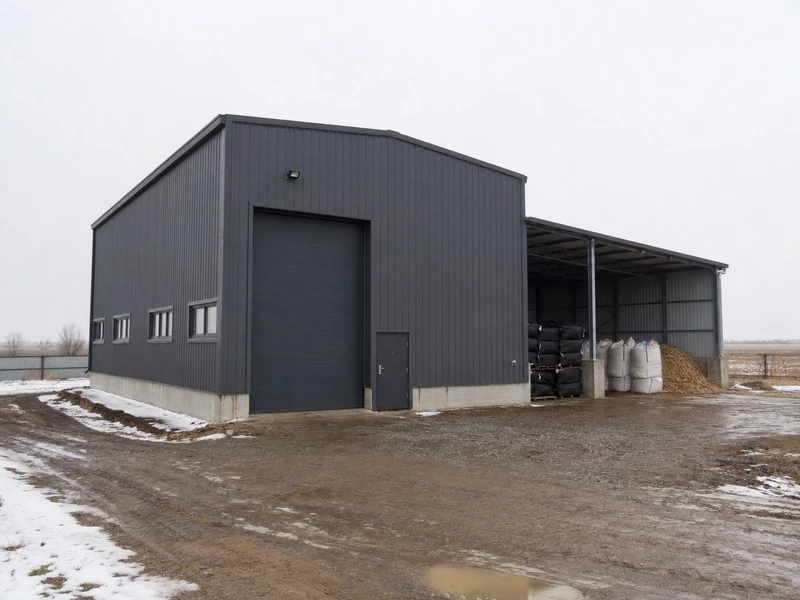
1 t/h biochar production line for soil amendment in Kazakhstan
A small agribusiness in Turkistan Region pyrolizes pruned fruit tree branches (apple, apricot, cherry) into biochar for soil carbon sequestration. Raw material is wood chips with 15% moisture, converted to biochar at 550°C then ground to 1mm powder. The pellet machine in Kazakhstan for soil biochar is an FZLH250 with a 1:8 compression ratio. They needed 4mm pellets that break down slowly in soil. We delivered a drum chipper, pyrolysis kiln (batch type), hammer mill for biochar, paddle mixer (add 10% bentonite clay), FZLH250 pellet mill, and a manual bagging system.
Model
FZLH250
Pellet Size
4mm
Watch Our Pellet Production Lines in Kazakhstan
Sometimes photos don’t tell the whole story. Below are real video clips from actual project sites across Kazakhstan—machines running, pellets coming off the line, customers walking us through their operations. Each clip gives you a honest look at what our equipment does in real conditions. No staged demos, just real footage from the field.
6-8T/H Grass Alfalfa Pellet Production Line In Kazakhstan
Watch how this CZLH768 pellet machine in Kazakhstan turns chopped alfalfa and mixed grass into 8mm feed pellets. The raw material comes from irrigated fields near the Chu River—cut, sun-dried to 15% moisture, then ground through a 5mm screen.
You’ll see the hammer mill feeding into the conditioner (steam at 80°C), then the pellet press running at about 70% load. The whole line includes a bale shredder, dryer, CZLH768 ring die mill, counterflow cooler, and a bagging scale. Those 8mm pellets are destined for dairy farms across Zhambyl Region. The video shows the cooler discharge and how the pellets hold together without too many fines.
4T/H Wood Pellet Mill Plant For Sale Kazakhstan
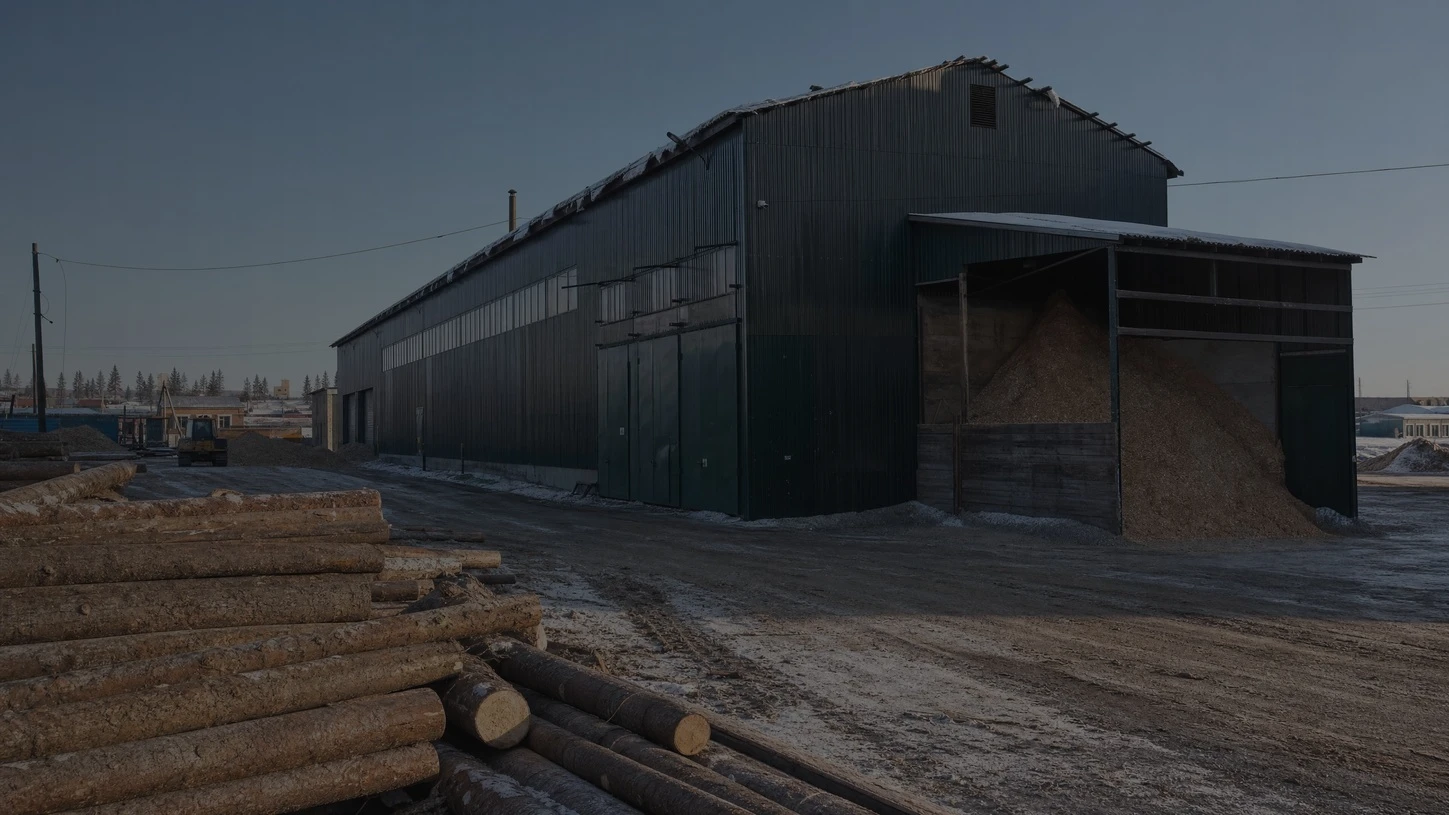
This walkthrough video shows a complete wood pellet plant running on pine and birch sawdust from a sawmill in East Kazakhstan. The raw material is pretty clean—moisture around 12%, particle size under 3mm.
You’ll see the drum chipper, hammer mill (4mm screen), then our CZLH550 pellet machine in Kazakhstan with a 160kW motor. The press runs smooth because wood is consistent. Pay attention to the counterflow cooler—air flow matters a lot for wood pellets to prevent cracking. Final pellets are 6mm diameter, used for heating greenhouses in winter. This is exactly the kind of setup many local timber processors ask us about when they search for industrial pellet mill in Kazakhstan.
5T/H Trout & Sturgeon Fish Feed Production Line In Kazakhstan
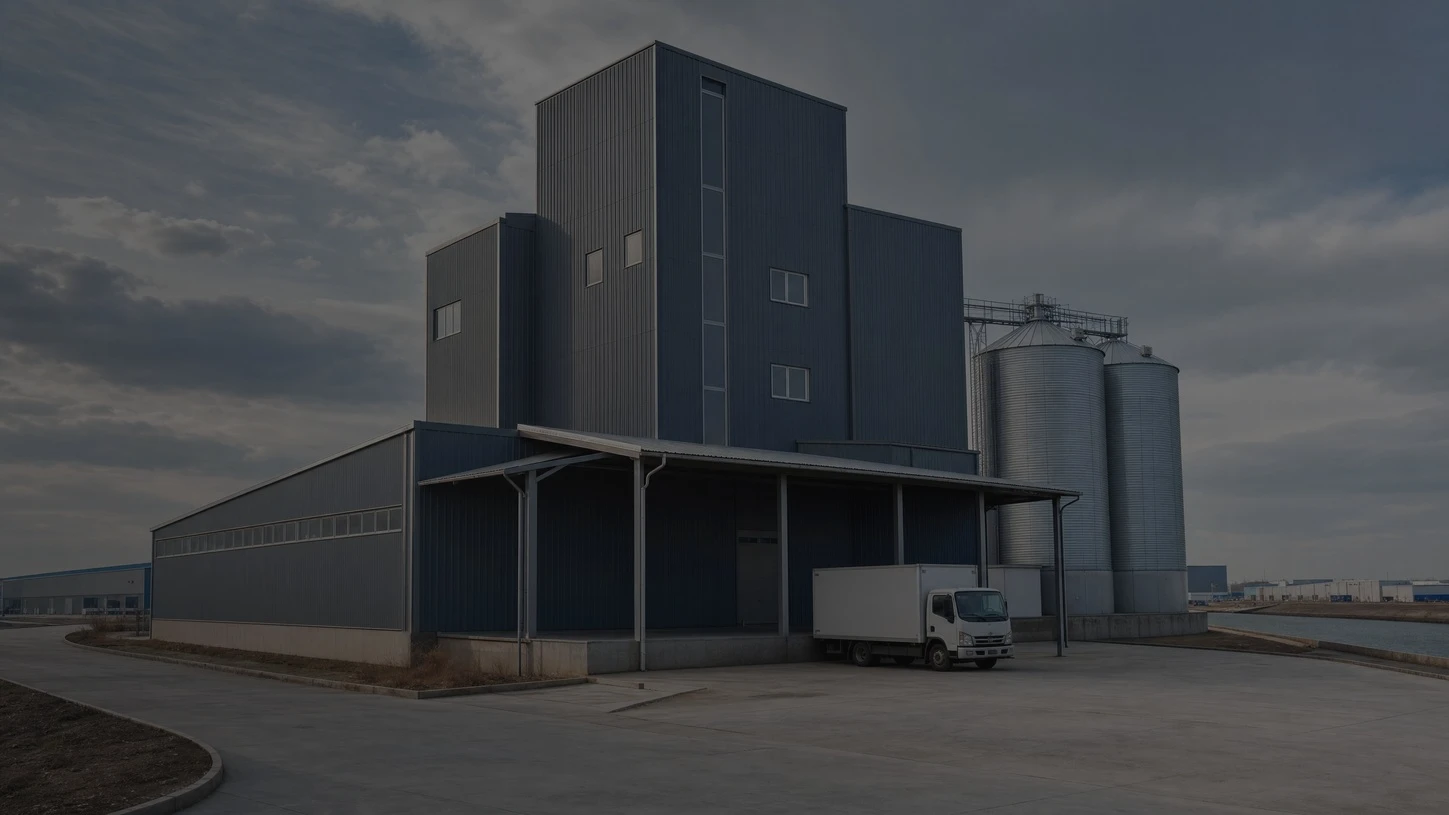
Here’s a twin-screw extruder line making floating and slow-sinking feed for a fish farm near Kapchagay Reservoir. The video shows the preconditioner, then the SPHS150 extruder—this is not a traditional pellet machine in Kazakhstan for dry feeds, but an extruder that cooks and expands the mix.
Raw materials are fish meal (35%), wheat flour (25%), soybean meal (20%), and oils. You’ll see the extruder die face cutter shaping 2.5mm floating pellets for trout and 4mm slow-sinking for sturgeon. The belt dryer runs at 95°C to bring moisture down to 8%. Look at the final product floating in a bucket of water—that’s 6 minutes stability, good enough for local conditions.
7-9T/H Broiler Feed Pellet Line In Kazakhstan
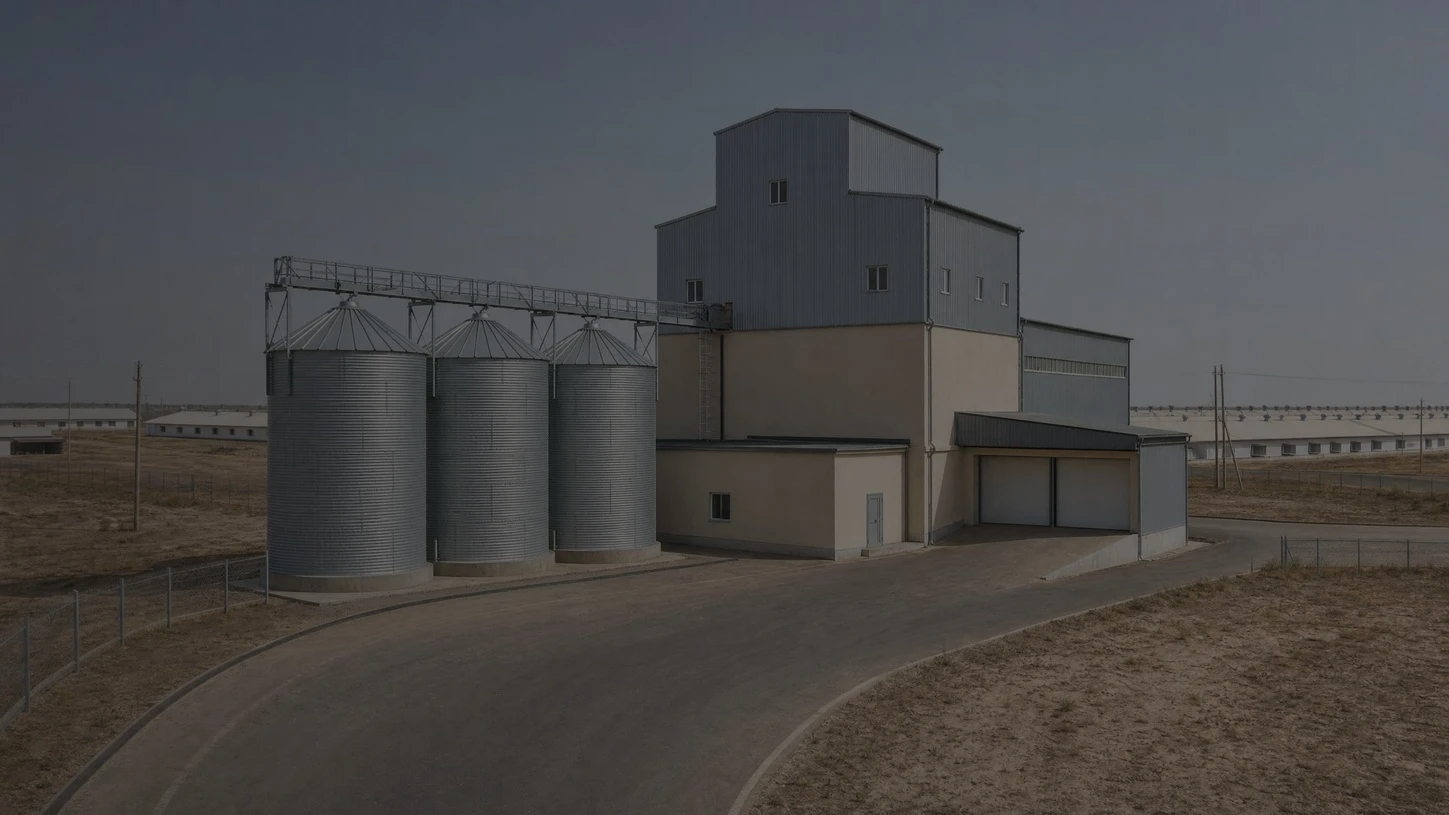
This video from a poultry farm in Kostanay shows their SZLH420 running broiler finisher pellets. The pellet machine in Kazakhstan here processes corn-soy formula with 3% added fat. Raw materials are ground to 2.5mm, conditioned at 85°C for 25 seconds. Watch how the press handles the oily mix—no slipping, good bite. They make 3.5mm pellets for broilers over 25 days old.
The line includes a hammer mill (160kW), ribbon mixer (3-ton batch), SZLH420 pellet mill, counterflow cooler, crumbler for chick feed, and a screener. The video clip shows the cooler discharge and bagging station running 40kg woven bags. Output stays around 8t/h consistently.
2T/H Grain Free Pet Food Production Line In Kazakhstan
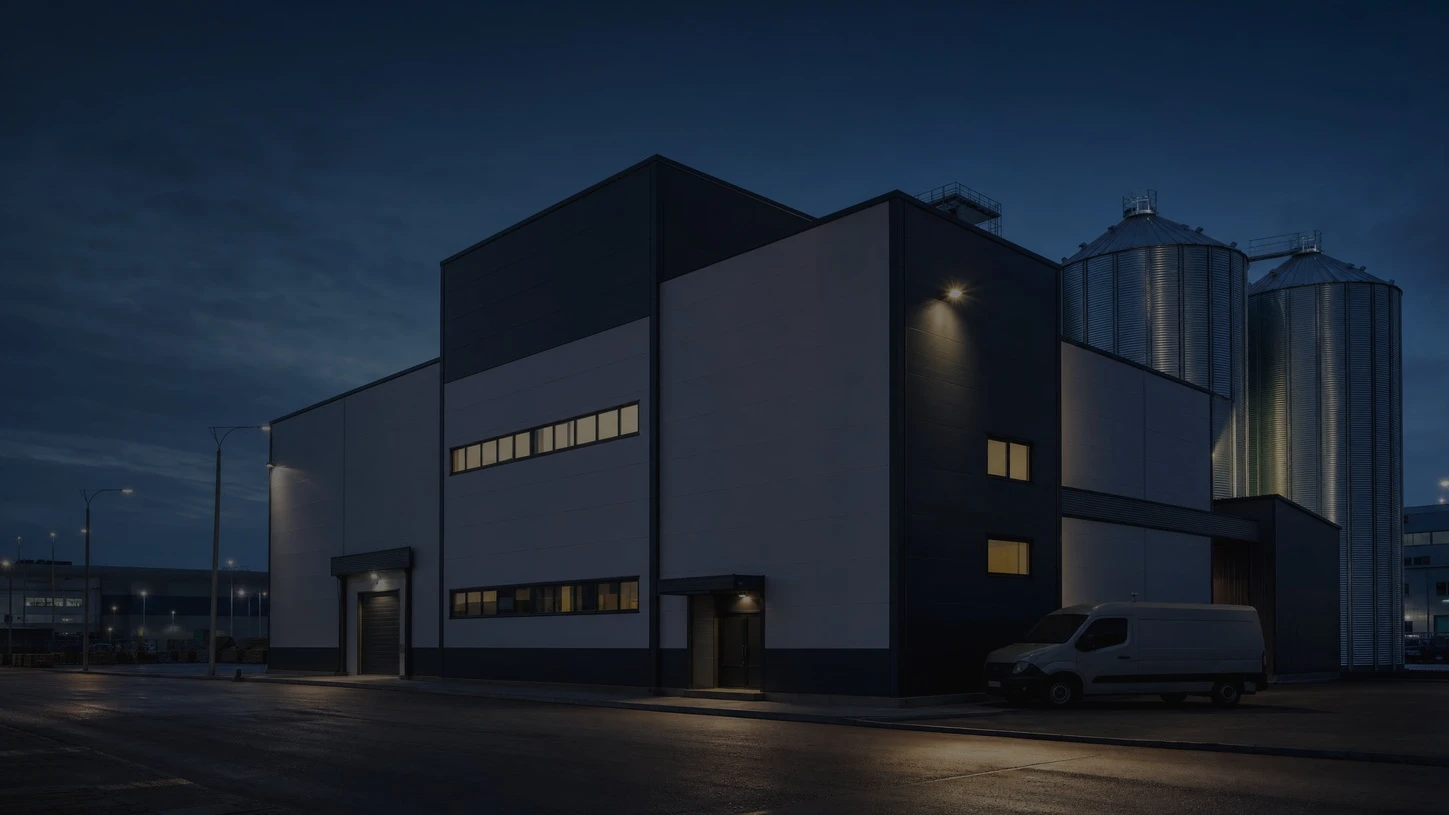
You’ll want to see this one—a pet food startup in Astana running grain-free kibble on an SPHS120 twin-screw extruder. Unlike a standard pellet machine in Kazakhstan that compresses dry mash, this extruder cooks and expands the mix at 115°C. Raw materials are chicken meal (40%), pea protein (25%), tapioca starch (20%), and beet pulp (15%). All ground to 0.6mm.
The video shows the extruder die changing from 8mm round kibble to 4mm triangular shapes. Watch the belt dryer—three zones, 90°C down to 40°C—and the vacuum coater spraying chicken fat. Final moisture is 7%, shelf stable for 12 months.
1T/H Tofu Cat Litter Production Line In Kazakhstan
This is a unique one. A pet product company in Karaganda uses tofu residue (okara) from a local tofu factory to make biodegradable cat litter. The pellet machine in Kazakhstan for this application is an MSZLH320 with a special die (4mm, low compression). Raw material is okara at 65% moisture—they press out water first, then mix with 10% corn starch as binder, then dry to 18% before pelleting.
The video shows the dewatering screw press, ribbon mixer, MSZLH320 pellet mill, and a small fluid bed dryer. Final pellets are 4mm, soft but clump well. The client runs one shift daily, packaging in 5kg paper bags labeled “100% plant based.

5T/H Alfalfa Rotary Drum Dryer For Pelleting In Kazakhstan
Drying is often the bottleneck. This video shows a rotary drum dryer (φ1.8m x 18m) processing wet alfalfa and beet pulp before a CZLH768 pellet machine in Kazakhstan. The alfalfa comes from the field at 70% moisture, chopped to 3cm. Beet pulp (from a sugar factory near Taraz) arrives at 85% moisture.
They mix 70% alfalfa with 30% beet pulp, then feed into the dryer at 500°C inlet temperature. Outlet moisture drops to 14% in about 12 minutes. Watch the burner system (natural gas) and the cyclone separator. Without this dryer, the pellet press couldn’t run—wet material would just clog the die. Final pellets are 8mm, used for horse feed.

What Our Customers in Kazakhstan Say

We run a 10t/h alfalfa pellet line in Zhambyl Region using a CZLH768 pellet machine in Kazakhstan. Before this, we exported just baled hay—low value, high shipping cost. Now we pelletize chopped alfalfa (dried to 14% moisture) into 8mm pellets for camel feed orders to the UAE.
Your team didn’t just ship the press; you helped with the dryer sizing, the die selection (1:6 compression ratio works perfectly for our alfalfa), and even sent a fitter to stay for two weeks until we hit full capacity. What sold me? The die life—we got 2,500 tons before the first flip. That’s honest engineering, not marketing talk.
Ruslan Sagyndykov
Production Director, large-scale forage processing farm, Turkistan Region

Pellet Processing Opportunities Across Kazakhstan
Kazakhstan’s agriculture and forestry sectors generate massive amounts of raw material that are currently underutilized. We’ve seen firsthand how a well-chosen pellet machine in Kazakhstan can turn waste into profit—whether it’s sawdust from sawmills, straw from wheat fields, or manure from livestock farms. Below is a realistic look at where the opportunities are right now. RICH Machinery has already supplied industrial pellet mill in Kazakhstan for most of these applications, and we keep seeing new demand every year.
WOOD PELLET PRODUCTION
WOOD PELLET SOLUTION
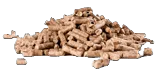
The northern and eastern regions have plenty of sawmill waste—pine, birch, aspen. Most of it is burned in inefficient boilers or just dumped. Pelleting compresses this low-density waste into high-calorie fuel (around 4,800-5,200 kcal/kg). Local greenhouse operators and small industrial boilers are actively looking for alternative heating fuel. We’ve supplied ring die pellet mill in Kazakhstan for wood processing plants that now sell pellets instead of paying for waste disposal. The market is still growing because imported coal keeps getting more expensive.

GRASS PELLET PRODUCTION
GRASS PELLET SOLUTION
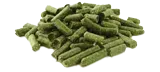
This is probably the biggest opportunity right now. Kazakhstan has millions of hectares of natural grassland and irrigated alfalfa. Traditional export is baled hay—low density, high shipping cost. Pelleting increases bulk density from about 150 kg/m³ to 650 kg/m³. That means more tonnage per container to Iran, Iraq, and Gulf countries. Several of our customers switched from hay exports to pellet exports and cut shipping costs by nearly 60%. A pellet machine Kazakhstan designed for high-fiber forage works perfectly here.

STRAW PELLET PRODUCTION
STRAW PELLET SOLUTION
Wheat, barley, and rice straw are everywhere after harvest. Farmers often burn it or just leave it to rot. But straw can be pelletized into animal bedding, low-grade fuel, or roughage feed pellets (with molasses as binder). The trick is die selection—straw needs a different compression ratio than wood or alfalfa. We’ve done straw pellet plants in Akmola and Kostanay regions. The raw material is basically free; the only cost is collection and grinding.


RUMINANT FEED PELLET PRODUCTION
CATTLE FEED PELLET SOLUTION
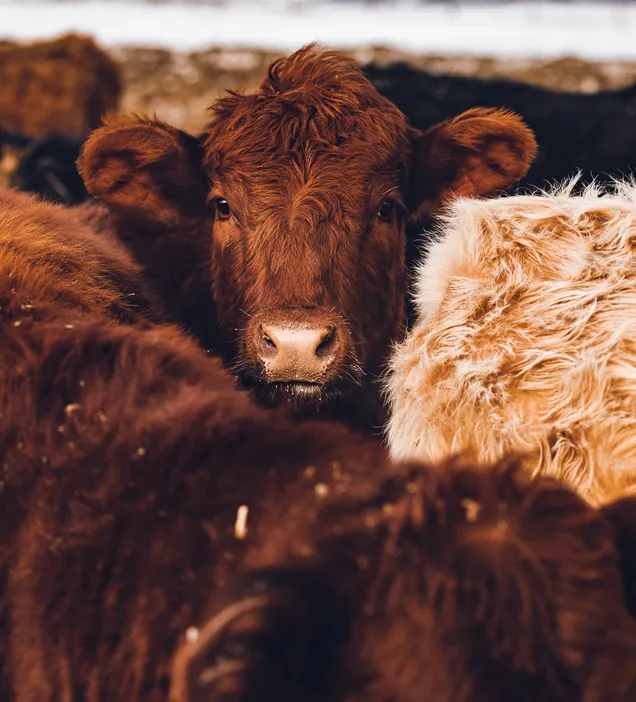
Beet pulp from sugar factories (around Taraz and Almaty) is an excellent feed ingredient but spoils quickly when wet. Sunflower meal from oil plants is another high-protein source that pellets well. Many feedlots are still feeding loose mixes, which leads to waste and selective eating. Pelleting forces animals to eat a balanced ration. We’ve built feed mills in Kazakhstan that combine beet pulp, sunflower meal, wheat bran, and alfalfa into 6-8mm pellets. The ROI is usually under 18 months for medium-sized feedlots.

POULTRY FEED PELLET PRODUCTION
POULTRY FEED PELLET SOLUTION
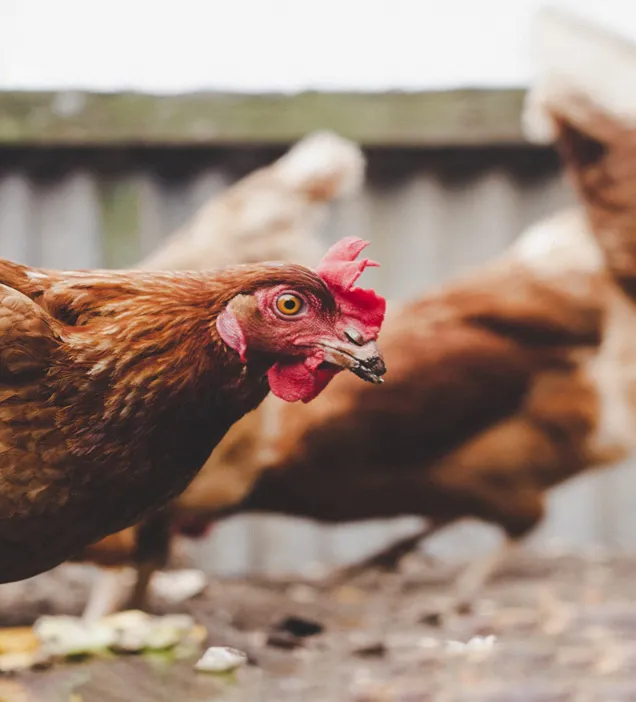
Kazakhstan’s poultry industry has grown fast in the last decade, but many farms still import finished feed from Russia. Local production makes sense—corn and soybean meal are available, and the market is there. Broilers need 2.5-3.5mm pellets, layers need 3-4mm with added calcium. A properly sized pellet production machine Kazakhstan running at 5-10 t/h can serve several farms in one region. We’ve installed SZLH series mills for poultry integrators in Almaty and Shymkent.

LIVESTOCK FEED PELLET PRODUCTION
LIVESTOCK FEED PELLET SOLUTION
Pig feed requires finer grinding (2-3mm) and higher fat content than poultry feed. The main ingredients here are barley, wheat, and soybean meal. The pelletizing process improves digestibility by about 10-15% compared to mash feed. We recommend conditioning at 75-80°C to gelatinize starches. Several pig operations in North Kazakhstan now run their own pellet lines after seeing how much they saved on purchased feed.


FERTILIZER PELLET PRODUCTION
FERTILIZER PELLET SOLUTION
Two big opportunities here: organic fertilizer from manure and compound NPK fertilizer. For organic fertilizer, chicken and cow manure are abundant near large farms. Raw manure is 70%+ moisture, so drying is essential before pelleting. We supply complete lines with dewatering screws, rotary dryers, and FZLH series pellet mills. For NPK, urea, DAP, and MOP can be granulated on a disc or drum. Farmers prefer pellets over powder because they spread more evenly. This sector is still young in Kazakhstan but growing steadily.

FISH FEED PELLET PRODUCTION
FISH FEED PELLET SOLUTION
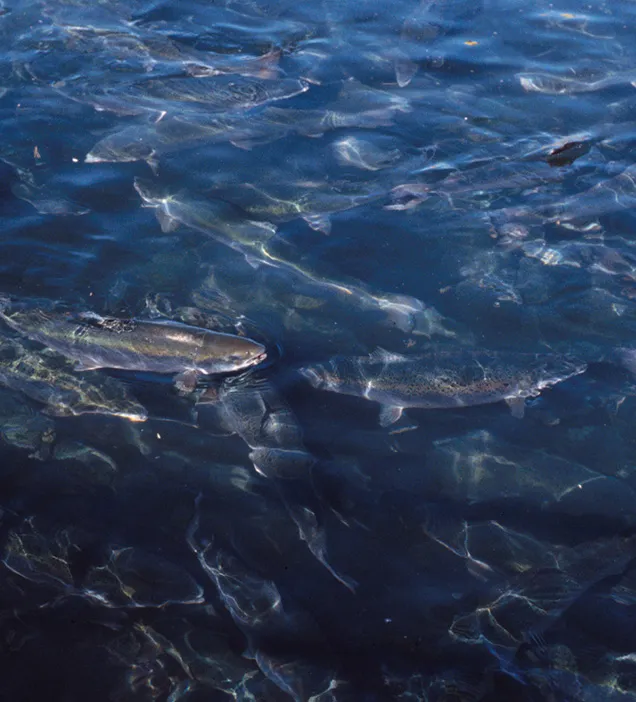
Trout and sturgeon farming is developing around Kapchagay Reservoir and in the Bukhtarma area. Floating feed is still mostly imported. Local production is viable at 3-6 t/h scale. Unlike a standard pellet mill in Kazakhstan for dry feeds, fish feed requires extrusion—twin-screw extruders that cook and expand the pellets. We’ve delivered SPHS series extruders for tilapia and trout operations. The margin on aquafeed is higher than on livestock feed, worth looking into if you’re near a water source.

PET FOOD PELLET PRODUCTION
PET FOOD PELLET SOLUTION
Kibble is essentially extruded and dried dough. The pet food market in Kazakhstan’s cities (Astana, Almaty, Shymkent) is growing fast with more pet owners buying commercial food. Raw materials include meat meal, grains, and vegetable proteins. We supply complete pet food plants with preconditioners, extruders, dryers, and coaters. The entry level is about 1-2 t/h. Several local startups have started making grain-free and premium lines. This is one of the higher-margin applications for a pelletizing machine in Kazakhstan.

cat litter PELLET PRODUCTION
cat litter PELLET SOLUTION
Plant-based cat litter made from pea fiber, wheat straw, or tofu residue is biodegradable and clumps naturally. The manufacturing process uses a pellet mill with a low-compression die followed by a crumbler to break pellets into irregular granules. We’ve supplied MSZLH series mills for cat litter production in Karaganda and Almaty. The raw material cost is low, and imported clay litter is expensive—so local production has a clear price advantage.


paper PELLET PRODUCTION
paper PELLET SOLUTION
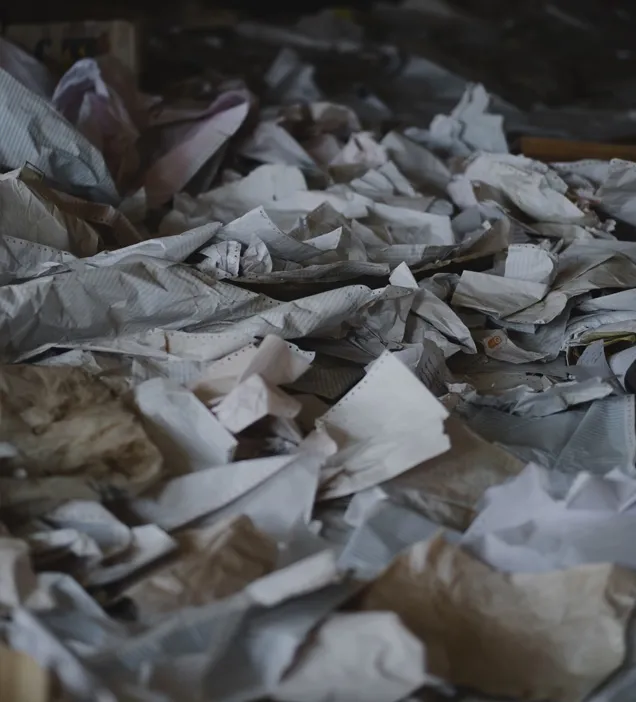
Waste paper and cardboard from cities can be pelletized into fuel pellets or low-cost cat litter. For fuel pellets, shredded paper (moisture under 12%) compresses well and burns cleanly. For cat litter, paper pellets are absorbent and dust-free. Several recycling companies have added pelletizing lines to diversify their revenue. A standard ring die pellet mill in Kazakhstan works fine for paper as long as you use the right die material (stainless steel to avoid corrosion from inks).

ANIMAL BEDDING PELLET PRODUCTION
ANIMAL BEDDING PELLET SOLUTION
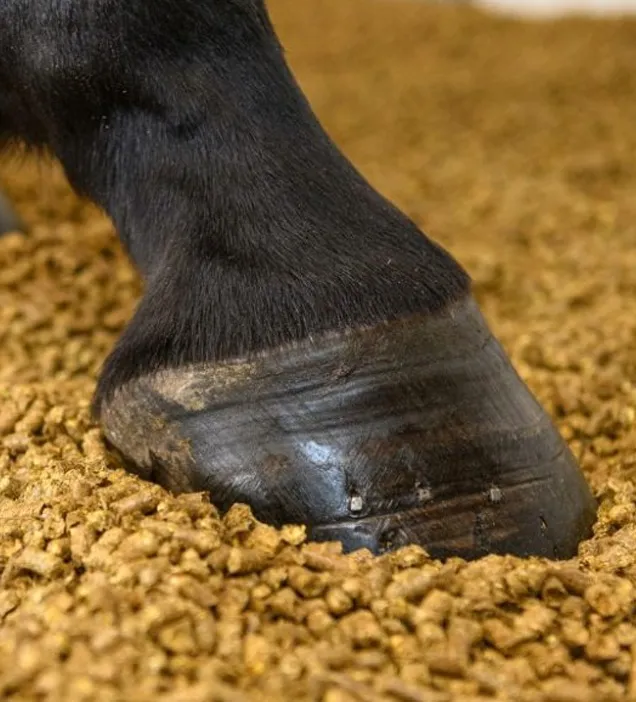
Horse stables, dairy farms, and poultry houses all need bedding. Instead of buying imported sawdust, farmers can pelletize straw, sunflower husks, or soft wood shavings into bedding pellets. The key difference from fuel pellets: bedding pellets should be looser and more absorbent, not hard and dense. We use lower compression ratios and sometimes skip the cooler. The market is price-sensitive but volume is large. Several of our customers in Pavlodar and Kostanay run dedicated bedding pellet lines.
RDF PELLET PRODUCTION
RDF PELLET SOLUTION
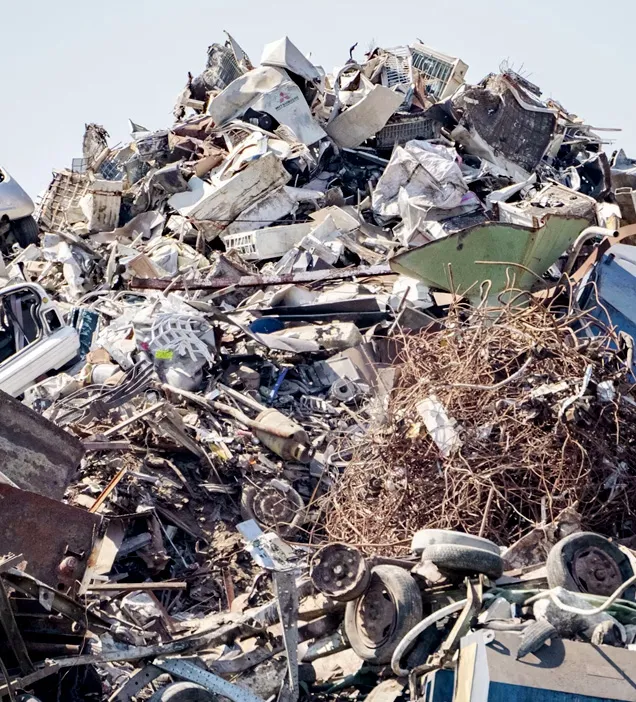
Industrial waste, commercial waste, and even some municipal solid waste can be processed into SRF/RDF pellets for cement kilns. Kazakhstan has cement plants in Shymkent, Almaty, and Karaganda that are looking for alternative fuels. The challenge is removing metals and inerts before pelletizing. We supply shredders, magnetic separators, air classifiers, and heavy-duty FZLH pellet presses for this application. It’s a niche market but growing as landfill space gets tighter.

Raw grain puffing PRODUCTION
Raw grain puffing SOLUTION
For snack food, breakfast cereals, or pre-gelatinized feed ingredients, grain expansion uses a dry extruder. Raw grains (wheat, corn, barley) are fed into a high-shear extruder that cooks and expands them instantly. No steam boiler needed. Expanded grains have better digestibility for young animals and can be sold as value-added ingredients. We’ve supplied expanders for feed mills and snack producers in Kazakhstan. This is different from pelletizing but uses similar extrusion technology.


Biochar & Pyrolysis Pellet Processing
Pyrolytic carbon PELLET SOLUTION
Crop residues (cotton stalks, sunflower stems, nut shells) can be pyrolyzed into biochar, then pelletized for soil amendment or industrial filtration. Biochar is very dry (under 5% moisture) and abrasive, so it requires special dies (stainless steel or chromium). The carbon credit market is starting to notice biochar projects. We’ve helped one cooperative in Turkistan set up a small biochar pellet line using cotton waste. The technology works; the market is still developing.


Rodenticide & Pest Control Pellet Processing
Rat poison PELLET SOLUTION
Poison baits for mice, rats, and snails are often made as pellets. The active ingredient is mixed with a cereal base (wheat flour, bran) and pressed into small pellets (2-4mm). This is a small-volume but high-margin application. The pellet mill needs to be easy to clean between batches. We’ve supplied small FZLH250 units for pest control product manufacturers in Kazakhstan. Regulation is strict, but the demand is steady.


Urban & Industrial Waste Pellet Processing
solid waste PELLET SOLUTION
This is the broad category—plastic films, textile waste, rubber, composite materials. All can be pelletized into SRF for energy recovery. The technology requires heavy shredding, metal separation, and a robust pellet press with heated dies for plastics. We’ve done SRF lines in Karaganda and Almaty regions. The main driver is waste disposal costs—if you’re paying to landfill waste, pelletizing and selling as fuel changes the economics completely. It’s not easy, but it works with the right equipment.


Hot-Selling Equipment for the Kazakhstan Market
Beyond the pellet machine in Kazakhstan itself, a complete line needs proper support equipment—grinding, mixing, drying, cooling, screening, you name it. Over the years, we’ve sent plenty of these units to customers across the country. Some are for feed plants, some for biomass fuel lines, others for fertilizer or recycling operations. Below is what’s been selling well and why.
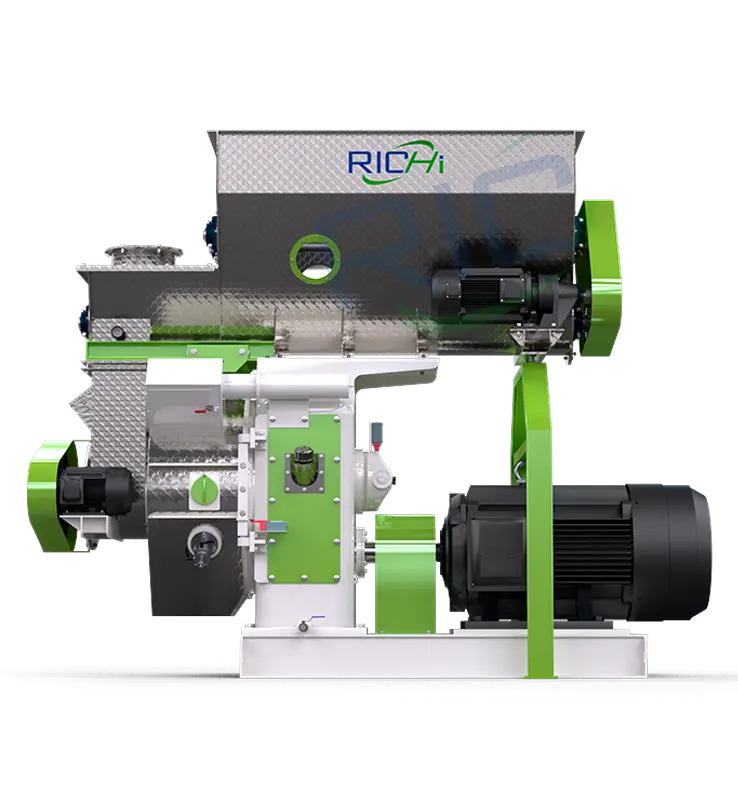
biomass pellet mill for sale
Our ring die biomass pellet mills (MZLH series) are the backbone of most wood and agro-pellet projects in Kazakhstan. Customers in East Kazakhstan use them to pelletize pine and birch sawdust from local sawmills. Farmers in Akmola run them on wheat straw and sunflower husks. The die material is forged and heat-treated stainless steel—lasts longer than local alternatives. We’ve sold over 180 units across the country. If you’re searching for a pellet mill in Kazakhstan that handles fibrous biomass without constant die changes, this is the one.

grass pellet machine for sale
Alfalfa, sainfoin, clover, mixed meadow grass—Kazakhstan grows plenty. Our grass pellet machine uses a specialized die with higher compression than wood dies because forage material is springy. A dairy cooperative in Kostanay switched from exporting baled hay to making 8mm alfalfa pellets. Their shipping cost dropped by more than half. The machine runs at 70-80°C conditioning to bind natural lignin. This remains one of our most requested industrial pellet mill in Kazakhstan for the forage export sector.

feed mill pellet machine
For poultry, pig, and cattle feed, our SZLH series ring die mills are standard equipment. Customers in Almaty, Shymkent, and Pavlodar run them on corn-soy and barley-based formulas. The key advantage is the quick die change system—you can switch from 3.5mm broiler pellets to 6mm cattle pellets in under 30 minutes. We’ve supplied these to feed mills and integrated farms. If you need a feed mill in Kazakhstan that handles multiple recipes without downtime, this line works.
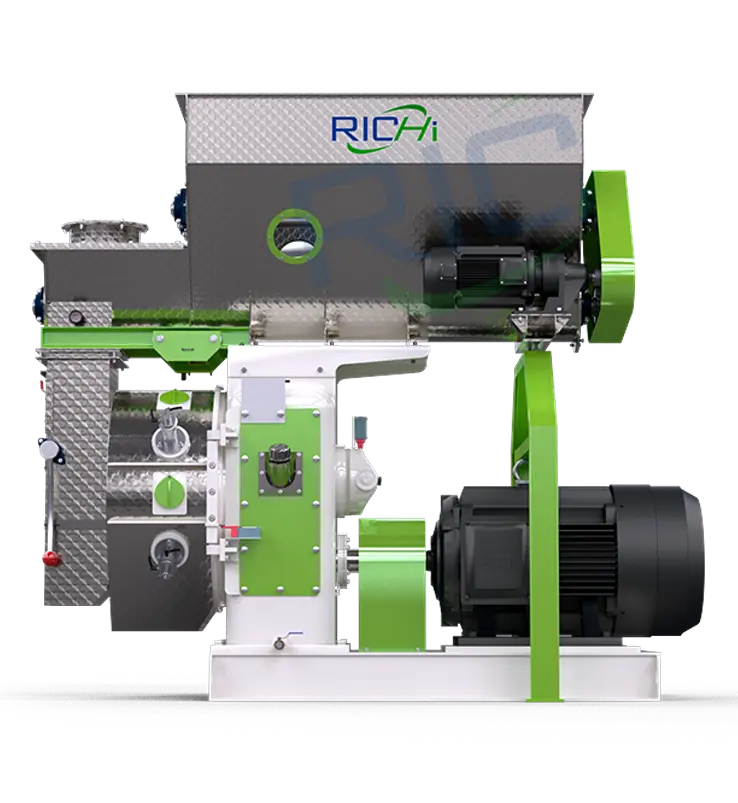
fertilizer granulator equipment
Manure and NPK both pelletize, but they need different approaches. Our FZLH series fertilizer pellet press handles organic materials (chicken litter, cow dung) with a stainless steel die to resist corrosion. For NPK, we supply disc granulators or roller presses depending on the formula. A chicken farm near Shymkent processes 15 t/h of poultry litter into organic fertilizer pellets using our press. The machine runs reliably even with abrasive ash content. It’s a solid choice for anyone looking at pellet plant equipment in Kazakhstan for fertilizer applications.

twin screw extruder for sale
Fish feed and pet food need cooking and expansion, not just compression. Our SPHS twin-screw extruders cook the mash at 110-130°C, then shape it through a die. The result? Floating fish feed (trout, sturgeon, tilapia) or kibble that stays together in water. A fish farm near Kapchagay runs 5 t/h of floating feed on an SPHS150. The screws are co-rotating and self-wiping, so no dead zones. This is the right pelletizing machine in Kazakhstan for aquafeed and premium pet food lines.
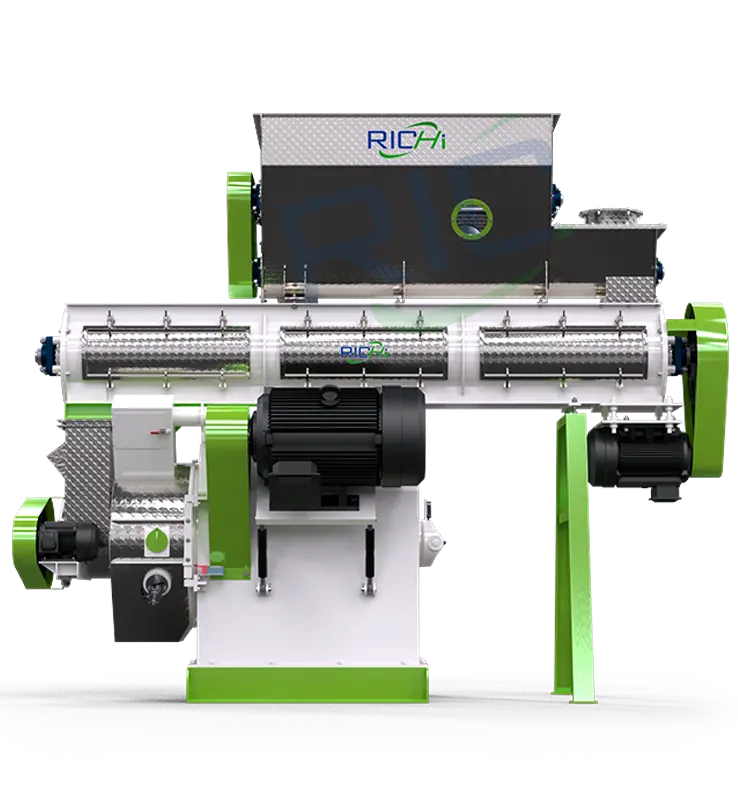
straw pellet machine for sale
Wheat, barley, and rice straw are abundant and cheap. The challenge is their low bulk density and high fiber length. Our straw pellet machine uses a heavy-duty feeder to force material into the die. A cooperative in Akmola processes mixed straw into 8mm cattle bedding pellets. No binder needed if moisture is right (14-16%). The die has a stepped relief to prevent plugging. For farmers sitting on mountains of straw, this turns a disposal problem into a product.

shrimp feed pellet machine
Shrimp feed requires very fine grinding (under 0.3mm) and small pellet diameters (1.0-1.5mm). Our SZLH250 with a micro die produces consistent mini pellets with high water stability (over 2 hours). A customer in Kyzylorda is using this for their experimental shrimp farm. The conditioner adds steam to gelatinize starches, which improves pellet durability. This is a niche product in Kazakhstan right now, but interest is growing as inland aquaculture expands.

cat litter pellet machine
Plant-based cat litter from pea fiber, tofu residue, or wheat straw is gaining traction. Our MSZLH series uses a low-compression die (1:4 ratio) to produce soft, absorbent pellets. A manufacturer in Karaganda runs one on okara (tofu waste) and sells to pet stores in Astana and Almaty. The pellets are then crumbled into irregular granules. We can supply the complete line from raw material to bagging. If you’re searching for a pellet factory in Kazakhstan for pet products, this is worth a look.
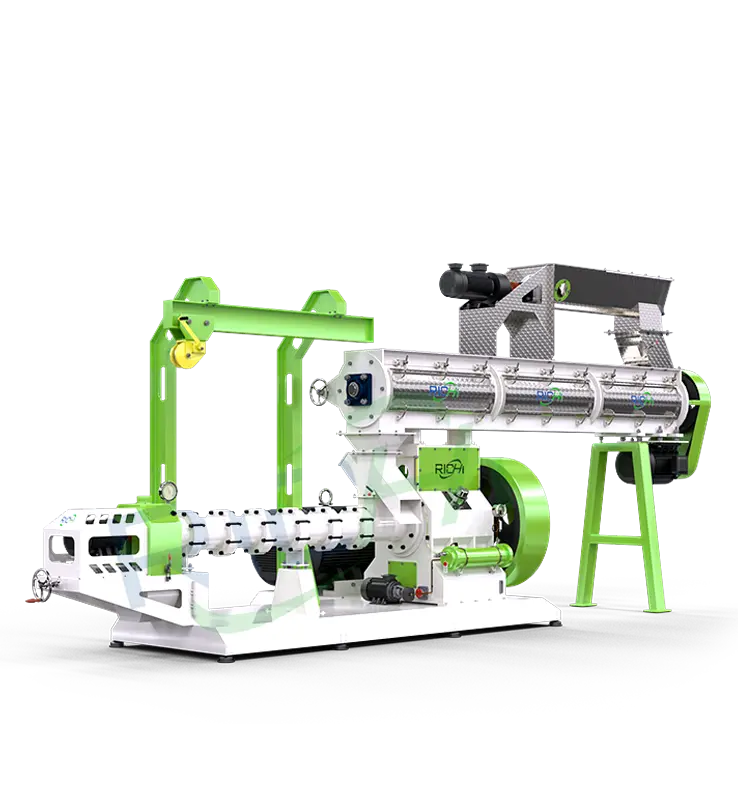
single screw extruder machine
For simpler applications like expanded grain snacks or pre-gelatinized feed ingredients, our single-screw extruder is more economical than twin-screw. It runs on wheat, corn, or barley at 300-400 kg/h per 30kW. No steam boiler needed—friction heats the material to 140°C. A small feed mill in North Kazakhstan uses one to puff barley for calf starter feed. The expanded grain has better digestibility and smells like toasted bread. Simple machine, straightforward operation.

Grain extruder machine
Different from extruders, our grain expander uses a higher shear configuration to puff whole grains without grinding first. Raw wheat or corn goes in, puffed product comes out—volume increases 3-4 times. Used for breakfast cereals, snack bases, or high-energy feed ingredients. We’ve supplied expanders to snack producers in Almaty. The machine is compact, runs on 45-75kW motors, and needs no boiler. Good entry point for value-added grain processing.
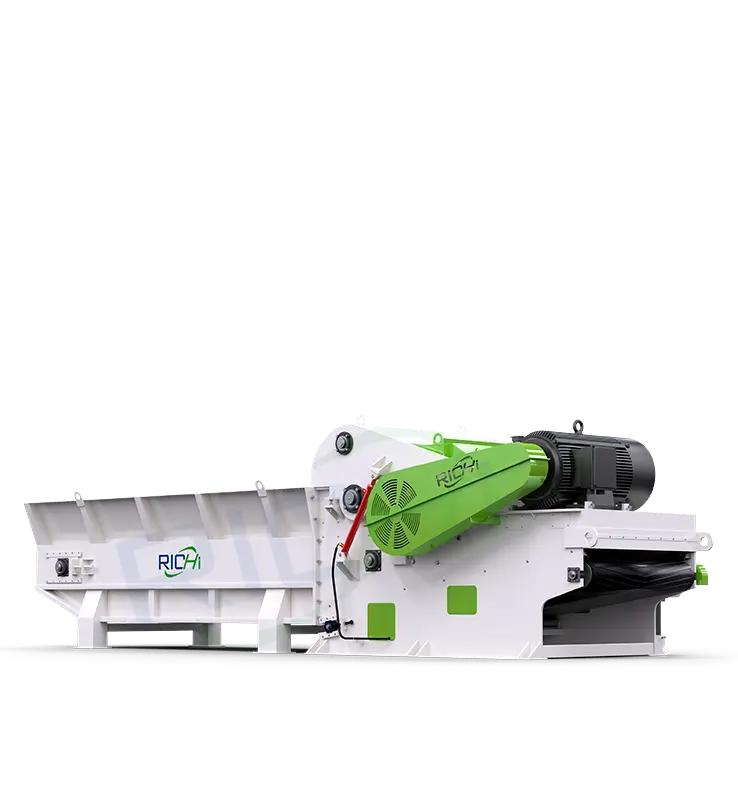
wood chipper machine
Before you can pellet wood, you need chips. Our drum-type wood chippers (from 5t/h to 30t/h) process logs, branch wood, and slab waste from sawmills. A timber processor in East Kazakhstan feeds their edgings and off-cuts into a 22t/h chipper before the hammer mill. The knives are reversible, and the anvil is adjustable. Output chips are 10-30mm, consistent enough for direct hammer mill feeding. Cheap way to convert waste wood into sellable fuel pellets.

shredder machine
For difficult materials—textile waste, plastic films, rubber, municipal solid waste—our twin-shaft shredder is the first step. Slow speed, high torque, cuts materials down to 30-50mm pieces. A waste recycler in Karaganda uses one to process mixed industrial waste before making SRF pellets. The shafts have interchangeable cutters; you can configure for soft plastics or harder materials. This machine opens up feedstocks that standard hammer mills can’t handle.

Wood Chip Dryer
Most biomass in Kazakhstan comes fresh—alfalfa at 70% moisture, wood at 40-50%, manure at 75%+. You can’t pellet wet material. Our rotary drum dryers (1.5m to 2.5m diameter) use hot air from a biomass burner or natural gas. Inlet temperature 400-500°C, outlet around 80°C. A customer in Turkistan dries 6 t/h of alfalfa from 70% down to 14% before pelleting. The dryer is the biggest single investment in many lines, but without it, the pellet press won’t run.

bale crusher
Handling round or square bales manually is slow. Our bale breaker takes whole bales (up to 500kg) and tears them into smaller flakes. A forage plant in Zhambyl feeds alfalfa bales directly into the breaker, which then discharges to a hammer mill. The machine has hydraulic feed rolls and a rotor with fixed knives. Capacity from 2 t/h to 15 t/h depending on bale density. Saves labor and time. Any pellet plant in Kazakhstan using baled forage needs one of these.

hammer mill
Our water-drop hammer mill is named for the shape of the grinding chamber, which improves airflow and throughput. It grinds corn, wheat, wood chips, alfalfa pellets (for regrinding), and even soft minerals. Screens from 0.8mm to 10mm. A feed mill in Pavlodar grinds 10 t/h of corn to 2.5mm using a 132kW motor. The mill has magnet protection and easy screen change. This is standard equipment in most feed factories and biomass lines we supply.

mesh belt dryer
After extrusion, pet food and fish feed need gentle drying to avoid case hardening. Our belt dryer moves product on a perforated steel belt through several zones (60-100°C). Air flows through the bed from below. A pet food plant in Astana uses a 3-zone belt dryer for their grain-free kibble. Moisture drops from 22% to 8% without scorching. Also works for dried fruits and vegetables. This complements any pellet production machine in Kazakhstan that makes expanded products.

Feed mixer machine
Mixing happens before pelleting. Our ribbon mixers (0.5 to 5 tons per batch) handle dry powders and coarse ingredients. For sticky or high-moisture materials (manure, wet mash), we recommend paddle mixers. A fertilizer plant in Almaty mixes chicken litter with 15% rice hulls in a paddle mixer before drying. Batch time is 3-5 minutes. We also supply continuous mixers for large lines. Mixing accuracy matters—uneven batches mean uneven pellets.

fertilizer crusher machine
Organic fertilizer often arrives at the pellet press with lumps or oversized particles. Our vertical fertilizer crusher uses chain flails to break down composted manure, biochar, or dried sludge. Output size under 3mm. A dairy farm in East Kazakhstan crushes dried cow manure before sending it to the pellet mill. The machine has no screen (to avoid clogging with wet material). Simple but effective.

grass straw crusher machine
For long-fiber materials like grass, straw, or hay, our grass hammer mill has a larger inlet and heavier hammers than standard mills. It cuts as much as it grinds. A customer in Akmola processes wheat straw from 20cm down to 5mm in one pass. The screen size determines final particle size. This mill is often paired with a bale breaker for a complete size reduction station.

vibrating screening machine
After pelleting, fines need to be removed before cooling or bagging. Our vibrating screens have 1 to 4 decks for different size cuts. A wood pellet plant in East Kazakhstan uses a 2-deck screen: top deck removes overs (>8mm), bottom deck removes fines (<4mm), middle product is 6mm pellets. Also used for raw material cleaning (remove stones before grinding). Simple machine, but critical for quality control.

storage silos
You need storage. Our bolted steel silos range from 50m³ to 1,500m³. A feed factory in Astana has six silos: three for grains, two for meals, one for finished pellets. We supply aeration floors, level indicators, and discharge aids (screw conveyors or vibratory bins). Proper silos prevent bridging and spoilage. We design the layout based on your site and throughput. Many customers forget storage until they have nowhere to put incoming grain or outgoing pellets.
Frequently Asked Questions
Over the years of supplying equipment to Kazakhstan, we’ve heard pretty much every question you can imagine. Some are about specific raw materials like alfalfa or sunflower husks. Others focus on production scale, voltage requirements, or what permits you might need. Below are the ones that come up most often—along with honest answers based on real projects we’ve delivered across the country.
We have a sheep farm with 8,000 head in Akmola Region. Can your pellet machine in Kazakhstan produce 4-6t/h of sheep feed pellets from barley, wheat bran, and sunflower meal?
+
Yes, absolutely. For 4-6 t/h sheep feed, we’d recommend an SZLH350 ring die pellet mill. Sheep feed needs a 5-6mm pellet—not too hard but durable enough to handle. Your barley needs grinding to 2.5-3mm, sunflower meal is usually okay as-is. Add a ribbon mixer (2-ton batch) and a counterflow cooler.
We’ve done similar lines for sheep farms in Kostanay. The pellet machine in Kazakhstan we supply includes a stainless steel conditioner to add molasses if you want extra energy. Price range for a 5 t/h sheep feed line is roughly $80,000-$220,000 depending on automation level. We ship directly from our factory in China—no local agents.
What pellet size do goats need, and can your 3-5t/h goat feed pellet mill in Kazakhstan handle alfalfa mixed with cottonseed meal?
+
Goats prefer 4-5mm pellets, slightly smaller than sheep pellets. Our SZLH320 pellet machine in Kazakhstan is a good fit for 3-5 t/h. Alfalfa needs grinding to 4mm, cottonseed meal is fine at 2mm. The challenge with cottonseed meal is oil content—it can make pellets soft.
We add a conditioner with steam at 75°C to bind things better. One goat farm in Zhambyl runs this exact setup. The ring die should be 1:6 compression ratio for alfalfa-based feeds. A complete line with grinder, mixer, pellet mill, and cooler runs about $120,000-$180,000. We design the layout free of charge.
For 5-6t/h layer feed, do we need a crumbler after the pellet machine in Kazakhstan? And what’s the right die size for hens?
+
Layer feed works best as 3-4mm pellets or as crumbles (broken pellets). Your pellet machine in Kazakhstan should be an SZLH series depending on final capacity. Hens don’t need hard pellets—they pick at feed. So we recommend a crumbler after the cooler to break pellets into smaller pieces.
For crumbles, start with 4.5mm pellets then run through a crumbler with 2.5mm and 1.5mm rollers. One poultry farm in Shymkent does exactly this. Die material should be stainless steel for corrosion from calcium carbonate. A 6 t/h layer feed line including crumbler is around $60,000-$250,000.
We raise turkeys in Almaty Region. Does a 4-5t/h turkey feed pellet machine in Kazakhstan need different die specs compared to broiler feed?
+
Turkey feed pellets are larger—typically 5-6mm for adult turkeys, compared to 3.5mm for broilers. Your pellet machine in Kazakhstan will need a ring die with 5.5mm holes and a compression ratio around 1:8. The mash should be ground coarser too (3-3.5mm) because turkeys digest whole grains better than fine powder.
We’ve supplied SZLH350 units for turkey lines before. The conditioner temperature should be 80-85°C to soften fibers from alfalfa or sunflower meal. A 5 t/h turkey feed plant includes a hammer mill with 3mm screen, double-shaft mixer, SZLH350 pellet mill, counterflow cooler, and a bucket elevator system. We provide full layout drawings and on-site installation supervision.
For drying 10t/h of organic fertilizer before pelleting, what rotary drum dryer do you recommend for Kazakhstan conditions?
+
A φ1.8m x 18m rotary drum dryer is standard for 10 t/h of organic fertilizer. Incoming moisture from chicken or cow manure is usually 70-75%. The dryer brings it down to 18-20% before the pellet machine in Kazakhstan. We use a counterflow design with lifting flights. Fuel can be natural gas, diesel, or a biomass burner (using the same pellets you make).
One poultry farm near Shymkent runs this setup. The dryer is paired with a cyclone separator and wet scrubber for dust control—important for Kazakhstan’s environmental regulations. Retention time is about 12-15 minutes. We provide the burner sizing and airflow calculations free.
We want to enter the bentonite cat litter market at 2-3t/h. Can your pellet machine in Kazakhstan handle bentonite clay?
+
Bentonite is abrasive and heavy. A standard pellet machine in Kazakhstan won’t last long on bentonite. We recommend an MSZLH320 with a chromium-alloy die and hardened rollers. The machine needs a forced feeder because bentonite doesn’t flow well by gravity.
Processing steps: crush bentonite to under 1mm, add water to 12-15% moisture, pelletize to 2-4mm (crumbled later), then dry to 8% moisture. We’ve supplied bentonite cat litter lines to customers in Karaganda.
The line includes a vertical crusher, paddle mixer, MSZLH320 pellet mill, crumbler, rotary dryer (low temperature 120°C), and a vibrating screener for grading. The dryer is critical—bentonite holds moisture.
What about recycled paper cat litter at 0.6-1t/h? Can a pellet machine in Kazakhstan process shredded paper?
+
Yes, but you need the right configuration. Our MZLH420 pellet machine in Kazakhstan with a low-compression die (1:4 ratio) works for paper cat litter. Shredded paper should be at 12-15% moisture. Add a binder like guar gum (1-2%) if needed. The pellets come out as 4-6mm rods, then go through a crumbler to make irregular pieces. Paper litter is less dusty than clay.
A recycling plant in Almaty uses this setup. The line includes a paper shredder, hammer mill (6mm screen), paddle mixer for binder, MZLH420 pellet mill, crumbler, and a rotary screener. No dryer needed if incoming paper is dry enough.
Wood pellet cat litter at 1-1.5t/h—what’s the advantage of using your MSZLH320 pellet machine in Kazakhstan over other mills?
+
Wood cat litter needs a soft, absorbent pellet, not a hard fuel pellet. Our MSZLH320 pellet machine in Kazakhstan uses a low-compression die (1:4 ratio) and runs at lower temperature (no steam conditioner needed).
Raw material is dry sawdust (under 12% moisture) or wood flour. The pellet comes out as 6mm rods, then goes through a flaker or crumbler to make small, irregular pieces that clump.
Compared to a standard biomass mill, our MSZLH series has a larger gap between die and roller, which prevents over-compression. A sawmill in East Kazakhstan runs this line for pet product exports. The complete setup includes a hammer mill, MSZLH320 pellet mill, crumbler, and screener.
For a green wood hammer crusher at 2-3t/h (fresh-cut wood at 50% moisture), can this feed your pellet machine in Kazakhstan?
+
No—never put green (wet) wood directly into a pellet machine in Kazakhstan. Wet wood won’t pellet; it will just clog the die. However, our hammer crusher can handle green wood to produce chips, which then go to a dryer, then to the pellet mill. For 2-3 t/h of green wood (50% moisture), a 55kW hammer mill works.
The chips are then dried in a rotary dryer to 12-15% moisture before the pellet machine in Kazakhstan. One sawmill in East Kazakhstan processes green slabwood this way. The hammer mill has stainless steel screens to resist corrosion from wet wood acids.
For a cotton stalk hammer mill at 2-3t/h, cotton stalks are fibrous. Does your hammer mill need special hammers?
+
Yes, cotton stalks have long fibers that wrap around standard hammers. We recommend our SFSP60 hammer mill with “T-shaped” hammers (instead of straight hammers). The T-shape cuts fibers more effectively. Also use a screen with larger holes (6-8mm) to prevent clogging.
One cotton gin in Turkistan uses this setup before their CLH520 pellet machine for cotton stalk bedding pellets. The hammer mill has a reversing chamber to move hammers to the sharp side. We also offer a magnetic separator because cotton fields sometimes have wire pieces. Hard-faced hammers last longer on cotton stalks.
For a tree stump shredder at 2-3t/h, stumps are dirty (soil, stones). How does this affect your pellet machine in Kazakhstan?
+
Tree stumps contain rocks and dirt that destroy a pellet machine in Kazakhstan quickly. We do NOT recommend pelleting tree stumps unless you have extensive cleaning (washing, screening, metal removal). Even then, the abrasive ash content is high (5-10% vs 0.5-1% for clean wood).
One customer tried stump pellets and wore out a die in 200 hours (normally 2,000+ hours). If you must process stumps, use a heavy-duty shredder first, then a trommel screen to remove soil, then a destoner, then a magnet. Then and only then consider our FZLH420 pellet machine in Kazakhstan with a chromium die. Honestly, stumps are better left as firewood.
For a pallet shredder at 3-5t/h, pallets have nails. How does this affect your pellet machine in Kazakhstan?
+
Nails are the enemy of any pellet machine in Kazakhstan. Our twin-shaft pallet shredder (model 500) reduces pallets to 50mm pieces, then we install a strong magnetic separator (overband magnet) before the hammer mill. After shredding and magnetic separation, most nails are removed. The hammer mill then grinds to 4mm.
The pellet mill’s die will still see some wear from missed metal, so we recommend a second magnet just before the pellet machine in Kazakhstan. One pallet recycling plant in Almaty runs this setup with monthly die inspection. Use a die with hardened steel for longer life.
For a whole log chipper at 5-7t/h for a sawmill, do you recommend drum or disc before your pellet machine in Kazakhstan?
+
For whole logs (up to 500mm diameter), a disc chipper is better. Our disc chipper does 5-7 t/h on softwood logs. Disc chippers handle bark and irregular shapes better than drum chippers. The chips are more uniform, which reduces wear on your hammer mill and pellet machine in Kazakhstan.
One sawmill in East Kazakhstan processes whole pine logs (not just mill waste) into wood pellets. The chipper feeds a 4mm hammer mill, then a CZLH550 pellet mill. Drum chippers are fine for slabwood but struggle with whole logs.
For a branch chipper shredder at 2-4t/h for farm use in Kazakhstan, can this feed a small pellet machine in Kazakhstan?
+
Yes, for small farms with orchards or tree lines, a branch chipper makes chips from pruned branches (up to 15cm diameter). Our disc chipper does 2-4 t/h. The chips go to a small hammer mill (15-22kW) then to a pellet machine in Kazakhstan like the MZLH678.
One apple orchard in Almaty Region chips pruned branches annually and makes bedding pellets. The chipper is electric. We recommend the electric version for consistent operation. The whole line (chipper, hammer mill, pellet mill) fits in a 200m² building.
For corn stalk pellets at 3-5t/h for fuel or bedding, what’s the difference in your pellet machine in Kazakhstan setup between the two uses?
+
The same corn stalk raw material, but different dies. For fuel pellets (high density, 6mm), use a 1:7 compression die, run at 85-90°C with steam. For bedding pellets (soft, 8mm), use 1:4.5 compression, no steam, lower temperature.
Our MZLH768 pellet machine in Kazakhstan can do both by swapping dies (20 minutes). Corn stalks need to be dried to 14-18% moisture, then hammer-milled through a 6mm screen (fuel) or 8mm screen (bedding).
One farmer in Pavlodar makes fuel pellets in fall for winter heating, then switches to bedding pellets in spring. The pellet machine in Kazakhstan runs year-round. Fuel pellets sell for higher price but take more energy to make.
For alfalfa leaf pelletizing at 1-2t/h (leaves only, no stems), is this different from whole-plant alfalfa pellets in your pellet machine in Kazakhstan?
+
Alfalfa leaf pellets are higher protein (22-25% vs 15-17% for whole plant). Leaves are softer and have less fiber. Our CZLH420 pellet machine in Kazakhstan works for 1-2 t/h leaf pellets. Use a lower compression die (1:4) because leaves bind easily. No steam needed—just dry leaves at 12-14% moisture.
One specialty feed producer in Almaty makes leaf pellets for calves and show horses. The challenge is separating leaves from stems during harvest (requires a leaf harvester or screening after grinding). The pellet machine in Kazakhstan will run faster on leaves (higher throughput per kW). Pellets are 4-5mm, very palatable.
For mixed grass for animal feed at 3-4t/h from several grass species, does your pellet machine in Kazakhstan need different settings for each batch?
+
Mixed grass from different fields will vary. Our CZLH678 pellet machine in Kazakhstan (for 3-4 t/h) has a PLC system that adjusts feeder speed and conditioner temperature based on moisture input.
But for major changes (e.g., from clover-dominant to grass-dominant), you should adjust the die compression ratio. We recommend standardizing your blend as much as possible.
One feed mill in Kostanay blends three grass types (brome, fescue, ryegrass) in fixed ratios before pelleting. The pellet machine in Kazakhstan runs consistently. If you must switch, keep a spare die (1:5 for grassy mix, 1:6 for legume-heavy). Die change takes 30 minutes with our quick-release system.
For vetch pellets at 1-2t/h, vetch is a legume like alfalfa. Can your pellet machine in Kazakhstan process vetch the same way?
+
Yes, vetch (common in northern Kazakhstan) pellets similarly to alfalfa. Our CZLH420 pellet machine in Kazakhstan works for 1-2 t/h vetch. Vetch has slightly higher moisture when cut (75-80% vs 70% for alfalfa), so drying time is a bit longer. Use a rotary dryer to bring down to 14%. The pellets are 6-8mm.
One farm in North Kazakhstan uses vetch pellets for sheep. The vetch vines are thinner than alfalfa stems, so grinding is easier. Use the same die as alfalfa (1:6 compression). The pellet machine in Kazakhstan should run at 75-80°C with steam. No binder needed.
For lucerne (alfalfa) pellets at 2-3t/h, what’s the shelf life of pellets made by your pellet machine in Kazakhstan?
+
Properly made alfalfa pellets (14% moisture, cooled to ambient temperature) last 6-12 months in dry storage. Our pellet machine in Kazakhstan produces dense pellets (650-700 kg/m³) that resist mold.
The key is cooling—pellets must drop to within 5°C of ambient before bagging. One alfalfa pellet exporter in Zhambyl ships to Iran and UAE with no quality complaints. Use a counterflow cooler (3-4 minutes retention).
Store on pallets, not on concrete floors. Add a mold inhibitor (propionic acid) if storing through humid summer. The pellet machine in Kazakhstan should run with steam conditioning to bind the natural lignin—this also improves shelf life.
For meadow hay pellets at 2-3t/h, meadow hay is less nutritious than alfalfa. Do farmers in Kazakhstan still buy it for feed?
+
Yes, meadow hay pellets are popular for maintenance rations (dry cows, sheep not lactating). The price is lower than alfalfa pellets. Our CZLH520 pellet machine in Kazakhstan processes 2-3 t/h of meadow hay.
The fiber content is higher, so use a die with 1:4.5 compression (lower than alfalfa). Some customers mix meadow hay with 10% molasses for palatability. One feed mill in Akmola produces meadow hay pellets for winter feeding.
The line is similar to alfalfa: bale breaker, hammer mill (5mm screen), pellet mill, cooler, bagging. The pellet machine in Kazakhstan runs at 70°C with light steam. Meadow hay pellets are usually 8mm.
For grass pellets for ruminants at 2-3t/h from mixed meadow grass, how does your pellet machine in Kazakhstan handle variable grass quality?
+
Mixed meadow grass varies in moisture and fiber content. Our CZLH520 pellet machine in Kazakhstan with a variable-speed feeder handles variation well. The key is die selection: use a 1:5.5 compression ratio for mixed grass (between hay and alfalfa).
Moisture target 14-15%. One cooperative in Akmola pellets mixed grass from 500 hectares of natural meadow. The pellet machine in Kazakhstan includes a conditioner (optional—use steam only if grass is too dry).
We recommend a moisture meter before the pellet mill to adjust feeder speed. The line includes a mower conditioner (not supplied by us), raker, baler, then our bale breaker, hammer mill, pellet mill, and cooler.
For hay pellets at 2-3t/h for horses and cattle, what’s the best die size for your pellet machine in Kazakhstan?
+
Hay pellets need 6-8mm diameter, 1:5 compression ratio. Our CZLH420 or CZLH520 pellet machine in Kazakhstan works for 2-3 t/h. The raw material is sun-dried hay (14% moisture), chopped to 3-5cm, then hammer-milled to 4-6mm.
Don’t grind too fine—horses need some fiber length. One horse farm in Kostanay uses 8mm hay pellets. The pellet machine in Kazakhstan should run without steam (dry pelleting) because hay doesn’t need conditioning.
Add a magnet to remove stones. The line includes a bale breaker, hammer mill (6mm screen), pellet mill, and a cooler. Hay pellets are less dense than alfalfa pellets, so bulk density is lower.
Rabbit manure at 1-2t/h—rabbit manure is a cold fertilizer. Does your pellet machine in Kazakhstan require any special handling?
+
Rabbit manure is one of the best organic fertilizers—high nitrogen, low odor. It comes as dry pellets already (30-35% moisture).
Our FZLH250 pellet machine in Kazakhstan can process 1-2 t/h with minimal drying. Just sun-dry to 18% moisture. No grinding needed if the pellets are small. One rabbit farm in Almaty runs this line.
The pellet machine in Kazakhstan should have a die with 4mm holes. Rabbit manure pellets can be sold directly to gardeners. No binder required. The line is simple: dryer (or sun drying), pellet mill, cooler, and bagging scale. This is one of the lower-investment fertilizer pellet setups we offer.
For goat manure pellets at 1.5-2.5t/h, goat manure is drier than cow manure. Does it need less drying before your pellet machine in Kazakhstan?
+
Goat manure comes as small pellets already (goats produce pelleted droppings). But they still need drying from 40-50% moisture down to 18-20%. Our FZLH250 pellet machine in Kazakhstan works for 1.5-2.5 t/h. Because goat manure is less sticky than cow manure, you may not need a mixer or binder.
One goat farm in Zhambyl dries manure on a concrete pad in summer, then pellets in winter. The line includes a hammer mill (optional, if the pellets are already small), rotary dryer or sun drying pad, pellet mill, and cooler. The same pellet machine in Kazakhstan can also make goat feed by changing the die.
For cotton meal organic fertilizer at 2-4t/h, cotton meal is oily. Does that affect your pellet machine in Kazakhstan?
+
Oily materials like cottonseed meal can be tricky because oil lubricates the die and pellets may not hold shape. Our FZLH350 pellet machine in Kazakhstan works if you add a dry binder (bentonite clay at 5-8%) and reduce oil content. Alternatively, pre-press the cotton meal to remove some oil.
One cotton gin in Turkistan runs cotton meal fertilizer pellets using our machine. Use a die with higher compression (1:7) to force the material through. The pellet machine in Kazakhstan should run at lower temperature (65°C max) to prevent oil migration. Stainless steel die recommended. Finished pellets are 6mm, used on cotton fields.
We have 100t/h of raw manure to process daily. Can your pellet machine in Kazakhstan scale that high?
+
Yes, we can scale to any capacity. For 100 t/h of raw manure, you’d need multiple lines—typically four lines of 25 t/h each. Our largest FZLH850 pellet machine in Kazakhstan does 8-10 t/h per unit on dried manure, so you’d need 10-12 pellet mills running in parallel. More importantly, the drying system would be massive: a φ2.5m x 28m rotary dryer or multiple dryers.
We’ve designed large-scale fertilizer plants (not in Kazakhstan yet, but in other countries). For Kazakhstan, we recommend starting smaller (10-20 t/h) and expanding. We provide modular designs where you add more lines as volume grows. Contact us with your daily tonnage and we’ll send a preliminary layout.
For vermicompost pellets at 2-4t/h, is worm castings easy to pellet with your pellet machine in Kazakhstan?
+
Vermicompost (worm castings) is fine-textured and moist (30-40%). It pellets easily because it already has a fine particle size.
Our FZLH320 pellet machine in Kazakhstan works for 2-4 t/h of vermicompost. The challenge is drying—you need to bring moisture down to 18-20% before pelleting. Use a low-temperature dryer (max 80°C) to avoid killing beneficial microbes.
One organic farm in Almaty uses vermicompost pellets for high-value crops. The pellet machine in Kazakhstan should have a stainless steel die (no corrosion). No binder needed. The pellets are 4-5mm. We also supply a cooler and bagging scale.
Pig slurry is wet—over 80% moisture. How do you prepare it for your pellet machine in Kazakhstan?
+
Pig slurry needs serious dewatering. We supply a screw press dewatering machine that separates solids from liquids. The solids come out at 55-60% moisture, then go to a rotary dryer (φ1.2m x 10m) down to 18-20%.
Then our FZLH320 pellet machine in Kazakhstan produces 2-3 t/h of pig manure fertilizer pellets. One pig farm in North Kazakhstan uses this system. The liquid fraction goes to a lagoon or treatment system.
The pellet machine in Kazakhstan needs a stainless steel die and acid-resistant components because pig manure is more corrosive than cow manure. The pellets are 6mm, used on wheat fields. We also supply a bio-filter for dryer exhaust odor control.
For horse manure pellets at 2-3t/h, is horse manure different from cow manure for your pellet machine in Kazakhstan?
+
Horse manure has more undigested fiber (straw and hay) than cow manure. This actually helps with pelleting. Our FZLH320 pellet machine in Kazakhstan works for 2-3 t/h horse manure fertilizer. Incoming moisture should be 18-20% after drying. The pellets are 6mm.
One equestrian center in Almaty processes manure from 200 horses. The fiber content means you may need a coarser die (1:5 compression instead of 1:6 for cow manure). Add a hammer mill before the pellet mill if the manure has large straw pieces.
The line includes a dryer, hammer mill (6mm screen), FZLH320 pellet mill, cooler, and a small screener to remove fines.
For sheep manure fertilizer at 3-4t/h, what’s the moisture requirement before feeding into your pellet machine in Kazakhstan?
+
Sheep manure typically comes at 60-70% moisture. You must dry it first. A rotary drum dryer (φ1.5m x 12m) can bring it down to 18-20% before the pellet machine in Kazakhstan.
Our FZLH420 ring die pellet mill works for 3-4 t/h of dried sheep manure. The pellets are 5-6mm for organic fertilizer. Add no binder; the natural fiber in manure holds it together.
One sheep farm in Zhambyl runs this line. The complete process: manure collection, screw press dewatering (optional), rotary dryer (using exhaust heat from burner), FZLH420 pellet mill, counterflow cooler, and bagging scale. The pellet machine in Kazakhstan needs a stainless steel die because manure is slightly acidic.
Flax straw bedding at 2-3t/h—flax straw is tough. Can your pellet machine in Kazakhstan handle it?
+
Flax straw is tougher than wheat straw but less tough than cotton stalk. Our MZLH678 pellet machine in Kazakhstan handles 2-3 t/h flax straw bedding.
The key is using a hammer mill with 10mm screen (coarser than usual) to avoid turning the fiber into powder. You want short fibers, not dust. Flax bedding pellets are excellent for horses because flax absorbs moisture well and has natural antibacterial properties.
One horse farm in Akmola uses flax straw from local flax processing. The line includes a bale breaker, coarse hammer mill, MZLH678 pellet mill, and a counterflow cooler. Flax pellets are slightly greener in color than straw pellets.
For wood shavings bedding at 2-4t/h, does the pellet machine in Kazakhstan need a different die than for fuel pellets?
+
Yes, completely different. Bedding pellets need a low compression ratio (1:4 to 1:5) so the pellet is soft and will break apart when wet. Fuel pellets use 1:6 to 1:8. Our MZLH678 pellet machine in Kazakhstan works for 2-4 t/h wood shavings bedding.
The raw material should be shavings (not sawdust) because shavings absorb more moisture. Don’t add steam or binder. Just press dry shavings at 10-12% moisture. The pellet comes out as 8mm rods.
We recommend a crumbler after the pellet mill to break the rods into smaller pieces—horses prefer bedding that isn’t uniform pellets. One stable near Almaty uses this method.
Do you supply an oil coating machine for fish feed after the pellet machine in Kazakhstan?
+
Yes, for fish feed (especially trout and salmon), post-extrusion oil coating is essential. Our vacuum coating system pulls oil into the pores of the pellets. First, we spray oil (fish oil, soybean oil) in a rotating drum, then apply vacuum to pull the oil inside. For 0.8-1.2 t/h, a batch-type vacuum coater (300kg batch) or continuous system works.
One trout feed plant in Almaty uses our vacuum coater after their extruder—not a pellet machine in Kazakhstan, but the same principle applies for coating. Oil levels in trout feed can reach 20-25%. The coater includes a weighing system and oil heating jacket (for cold Kazakhstan winters, oil thickens).
For aquatic feed, do you supply a crumbler to break pellets into smaller sizes for fingerlings?
+
Yes, we supply a roller crumbler for aquatic feed. Fingerlings need smaller particles than adult fish. After your pellet machine in Kazakhstan or extruder makes 3-4mm pellets, the crumbler breaks them into 1-2mm pieces.
Our crumbler has two corrugated rollers (one fast, one slow) with adjustable gap. For 0.8-1.2 t/h, a 400mm wide crumbler works.
We’ve supplied these to fish farms in Kapchagay. The crumbler goes after the dryer and before the screener. It’s also useful for shrimp feed and small fish species. The rollers are hardened steel and can be re-grooved after 1,500-2,000 hours.
We need a belt dryer for fish feed at 0.8-1.2t/h. Does RICH Machinery make one that works with our pellet machine in Kazakhstan?
+
Yes, we manufacture belt dryers specifically for fish feed and pet food. Our belt dryer has 3-5 zones, each with independent temperature control (60-110°C). After your pellet machine in Kazakhstan or extruder, the feed comes out at 20-25% moisture. The belt dryer brings it down to 8-10% without case hardening.
For 0.8-1.2 t/h, a 2m x 8m belt dryer with stainless steel mesh belts works. One fish feed plant in Almaty uses our belt dryer after their SPHS100 extruder. We also supply a cooling zone at the end. The dryer runs on steam or thermal oil. We provide the airflow calculations and ducting layout.
For catfish feed at 0.4-0.6t/h, catfish eat slow-sinking pellets. Can a pellet machine in Kazakhstan do this or do we need an extruder?
+
Catfish are forgiving—they eat slow-sinking pellets. A pellet machine in Kazakhstan with a standard ring die (4mm holes, 1:8 ratio) will produce dense pellets that sink slowly. Condition at 80-85°C with 15% moisture. We recommend an SZLH250 for 0.4-0.6 t/h.
Raw materials: soybean meal, corn, fish meal (25-30%). No extrusion needed unless you want higher water stability. One catfish farm in Kyzylorda uses our SZLH250.
The line includes a hammer mill (0.8mm screen), double-shaft paddle mixer, steam boiler, pellet mill, and a small belt dryer (or sun drying in summer). Catfish pellets don’t need the same durability as trout feed.
Trout feed at 0.6-1t/h needs to float. Does your pellet machine in Kazakhstan make floating pellets or do we need an extruder?
+
Trout feed requires floating pellets, so you need an extruder, not a standard pellet machine in Kazakhstan. Our SPHS75x2 twin-screw extruder does 0.6-1 t/h of floating trout feed.
The extruder cooks the mash at 110-120°C under pressure, then expands when it exits the die. The result is a porous pellet that floats. Trout feed is high in protein (40-45%) and fat (15-20%), so we add a vacuum coater for post-extrusion oil coating.
One trout farm in Almaty Region uses our SPHS100 line. The complete system includes a fine grinder (0.4mm screen), mixer, preconditioner, extruder, belt dryer, vacuum coater, and a cooling conveyor. No pellet mill can make true floating feed.
For sinking fish feed at 0.8-1.2t/h for pond fish like carp, do we use a pellet machine in Kazakhstan or an extruder?
+
For sinking feed, you can actually use either, but with different results. A pellet machine in Kazakhstan (SZLH320) will produce dense, slow-sinking pellets suitable for carp. No expansion needed. Raw materials are finely ground (under 0.5mm) and conditioned with steam at 85-90°C. The pellets sink immediately.
An extruder can also make sinking feed by reducing the expansion (less moisture and lower temperature). Extruded sinking feed is more water-stable (24+ hours) but costs more. For 0.8-1.2 t/h carp feed, many customers choose our FZLH320 pellet mill.
One fish farm near Kapchagay runs this setup on a mix of soybean meal, wheat flour, and fish meal. The line includes a fine grinder, mixer, conditioner, pellet mill, and dryer (sinking pellets still need drying, but less than floating).
For puppy feed at 0.5-0.8t/h, do we need a coating drum after the extruder or pellet machine in Kazakhstan?
+
Yes, for puppy feed, coating is important. After extrusion and drying, kibble needs fat and flavor coating—usually chicken fat or fish oil sprayed on.
A rotary drum coater works for 0.5-0.8 t/h. The pellet machine in Kazakhstan isn’t involved at this stage; coating happens after drying. We supply a small coating drum (φ600mm x 1500mm) with a spray nozzle system and load cells to measure fat addition (usually 8-12% by weight).
One pet food maker in Shymkent uses our coating drum after their SPHS80 extruder. The drum rotates at 15-20 rpm and includes an automatic oil heating system for cold climates—useful for Kazakhstan winters.
Do you supply a vibrating screener specifically for cat litter after the pellet machine in Kazakhstan?
+
Yes, we do. For cat litter, you need a multi-deck vibrating screener to separate fines, on-size product, and oversize. A 2-3 deck screen works well.
The top deck (4-5mm) removes overs, the middle deck (1-2mm) collects the product, and the bottom deck (0.5mm) removes dust. Our ZS series vibrating screen is common for cat litter plants.
One customer in Karaganda uses a 2-deck screener after their MSZLH320 pellet machine in Kazakhstan. The screen is stainless steel (contact parts) to avoid rust. We also supply an automatic packing machine with a weighing scale to bag the final litter. The screen runs at 1,400 rpm, capacity 2-3 t/h for cat litter.
Straw bedding pellets at 2-3t/h for cows—can your pellet machine in Kazakhstan process wheat straw directly?
+
Yes, wheat straw pellets are great for cow bedding. Raw straw needs to be chopped to 3-5cm first, then hammer-milled through a 6-8mm screen (coarser than feed). Our MZLH678 pellet machine in Kazakhstan works for 2-3 t/h.
Use a die with 8mm holes and compression ratio 1:5. Add no binder; the natural lignin binds when heated. Moisture should be 14-16%. The pellets will be softer than wood pellets—that’s fine for bedding.
A dairy farm in Kostanay runs this line on wheat straw left after harvest. The complete setup includes a bale breaker, coarse hammer mill, MZLH678 pellet mill, and a cooler. The same machine can also process barley or oat straw.
For cotton stalk bedding at 1.5-2.5t/h, is cotton stalk a good raw material for your pellet machine in Kazakhstan?
+
Cotton stalks work, but they’re tougher than wheat straw. You’ll need a heavier hammer mill (45-55kW) with 8mm screen. Our MZLH520 pellet machine in Kazakhstan can handle 1.5-2.5 t/h of cotton stalk bedding.
The challenge is the stalk fiber—it’s stringy. Use a die with a stepped relief to prevent plugging. Moisture around 15%. Cotton stalk pellets are more durable than straw pellets and absorb moisture well.
One farm in Turkistan Region uses cotton stalks after cotton harvest for bedding. The line includes a bale shredder, heavy-duty hammer mill, MZLH520 pellet mill, and a vertical cooler. This also works for sunflower stalks.
For cotton stalk charcoal pellets at 1-1.5t/h for BBQ, does your pellet machine in Kazakhstan work on charcoal powder?
+
Charcoal powder is very dry (under 5% moisture) and abrasive. Our MZLH420 pellet machine in Kazakhstan with a chromium-alloy die (hardened) works for 1-1.5 t/h of BBQ charcoal pellets. You need to add a binder (corn starch or cassava starch at 8-10%) and water to bring moisture to 12-15%.
One customer in Turkistan uses cotton stalk biochar for barbecue briquettes. The pellet machine in Kazakhstan must have a forced feeder because charcoal powder doesn’t flow well.
The pellets are 25-30mm long, 8mm diameter. We also supply a mixing paddle before the pellet mill to distribute binder evenly. No dryer needed if charcoal is already dry.
For torrefied biomass pellets at 1-1.5t/h, what’s torrefaction and does your pellet machine in Kazakhstan handle it?
+
Torrefaction is roasting biomass at 250-300°C before pelleting. The result is a brittle, water-resistant, high-energy pellet.
Our MZLH420 pellet machine in Kazakhstan can pelletize torrefied material, but the material is tricky—it’s dusty and doesn’t bind well. You’ll need a binder (lignosulfonate at 5-8%). One R&D project in Kazakhstan tested torrefied straw pellets.
The pellet machine in Kazakhstan should have a forced feeder and a die with higher compression (1:8). The energy value is 5,500-6,000 kcal/kg, similar to coal. We don’t manufacture the torrefaction reactor, but we supply the pelletizing line after it.
For a feed hammer mill for grain at 8-10t/h in Kazakhstan, do you offer this as a standalone or only with a pellet machine in Kazakhstan?
+
We sell hammer mills as standalone units or as part of a complete line. For 8-10 t/h grain grinding (corn, wheat, barley), our SFSP66*80 series hammer mill with a 90kW motor works. It includes a magnetic separator, screen (3-6mm depending on target grind), and cyclone.
Many feed mills in Kazakhstan buy the hammer mill first, then add a pellet machine in Kazakhstan later. The hammer mill can feed into a mixer, then to the pellet mill. We offer both configurations. Price depends on motor size and automation.
For a cotton seed meal grinder at 2-3t/h, cotton seed meal is oily. Does your hammer mill handle oily materials before the pellet machine in Kazakhstan?
+
Cotton seed meal is oily (5-8% residual oil), which can clog standard hammer mill screens. We recommend our SFSP series with larger screen holes (3-4mm) and a blower to keep material moving. For 2-3 t/h, a 37kW hammer mill works. The oily meal then goes to your pellet machine in Kazakhstan.
One cottonseed oil plant in Turkistan grinds the meal before selling to feed mills. The hammer mill should be cleaned regularly to prevent oil buildup. We also offer a screen with larger open area (45-50% vs standard 35%) for oily materials.
For an oat crusher for horse feed at 2-3t/h, do you make roller mills or hammer mills for oats?
+
Horses prefer rolled oats (flattened) over ground oats. We manufacture roller mills for this purpose. A two-roller mill (φ300mm x 600mm) with 2-3 t/h capacity works well. The rollers flake the oat groats without turning them into powder. After rolling, you can mix with other ingredients and pellet using a pellet machine in Kazakhstan if desired.
One horse farm in Astana uses our roller mill for oats, then a small SZLH250 pellet machine in Kazakhstan for complete horse feed pellets. Roller mills use less energy than hammer mills for oats (about 5-7 kWh/t vs 12-15 kWh/t).
For a drum wood chipper at 8-12t/h in Kazakhstan, what log sizes can it handle before your wood pellet machine in Kazakhstan?
+
Our drum chipper handles logs up to 450mm diameter. Throughput is 8-12 t/h depending on wood species (softwood chips faster than hardwood). The chipper reduces logs to 15-30mm chips, which then go to a hammer mill before your wood pellet machine in Kazakhstan.
One sawmill in East Kazakhstan feeds slabwood and edgings into our drum chipper. The chipper knives are reversible (4 edges per knife). We also supply an infeed conveyor with variable speed. Chip length is adjustable from 15-35mm by changing knife settings.
For an industrial wood shredder at 4-6t/h for pallets and construction waste, does this feed your pellet machine in Kazakhstan?
+
Yes, our twin-shaft wood shredder (model 600) reduces pallets, construction lumber, and demolition wood to 50-80mm pieces. Output then goes to a hammer mill for fine grinding (3-5mm), then to your pellet machine in Kazakhstan.
The shredder has two shafts with interchangeable cutters—can handle nails and screws (magnets after the shredder remove metal).
One recycling center in Karaganda processes waste pallets into fuel pellets. The shredder runs at low speed (60 rpm), high torque, so it doesn’t overheat. We supply a magnetic separator and air classifier between the shredder and hammer mill.
For a wood crusher for sawdust at 3-5t/h, is this different from a hammer mill for your pellet machine in Kazakhstan?
+
A wood crusher is a simpler machine for making coarse sawdust from small branches or wood offcuts. It’s cheaper than a hammer mill but produces less uniform particles. For direct feed to a pellet machine in Kazakhstan, we recommend a hammer mill instead.
The hammer mill (SFSP series) gives you consistent particle size, which is critical for pellet quality. One customer tried a crusher first, then switched to our hammer mill because pellet mill die life doubled. The crusher costs less upfront but costs more in the long run. We can supply either, but we’re honest about the trade-off.
For a green waste chipper for composting at 1-2t/h, can this also feed your pellet machine in Kazakhstan for fertilizer pellets?
+
Green waste (leaves, grass clippings, small branches) can be chipped, composted, then pelletized into fertilizer.
Our small disc chipper (BX216) does 1-2 t/h for green waste. After chipping and composting (3-6 months), the material is screened, ground, and fed to a FZLH250 pellet machine in Kazakhstan for fertilizer pellets.
One municipal composting facility in Shymkent uses this approach. The pellet machine in Kazakhstan needs a stainless steel die because compost is acidic. Compost pellets are 5-6mm, used for landscaping and agriculture.
For a cotton stalk chipper in Kazakhstan, does cotton stalk need a special chipper for your pellet machine in Kazakhstan?
+
Cotton stalks are stringy and tough. Our heavy-duty disc chipper with 4 knives handles cotton stalks well. Standard drum chippers often jam on cotton stalk fibers. The chipper reduces stalks to 30mm pieces, then a hammer mill (with 8mm screen) grinds further before the pellet machine in Kazakhstan.
One cotton farm in Turkistan uses cotton stalk chips for bedding pellets. The chipper blades need sharpening more often (every 100 hours vs 200 hours for wood). We supply spare knife sets. Cotton stalk pellets are 8mm, used for animal bedding or low-grade fuel.
For a wood hammer mill for pellet production at 5-8t/h, what screen size gives the best results for your pellet machine in Kazakhstan?
+
For wood pellets, a 4mm screen is standard for sawdust and wood chips. This gives a particle size distribution where 90% passes 3mm. Our SFSP138 hammer mill (160kW) does 5-8 t/h with a 4mm screen. Too fine (2mm) reduces throughput and increases energy use. Too coarse (6mm) reduces pellet mill die life because large particles wear the die.
One wood pellet plant in East Kazakhstan uses a 4mm screen before their wood pellet machine in Kazakhstan. The hammer mill should have a magnet and a heavy rotor (2,800 rpm). We also offer variable-frequency drive to adjust speed.
For a sawdust hammer mill crusher at 4-6t/h, do you make a model specifically for fine sawdust?
+
Yes, our SFSP66*120 hammer mill with a 2.5mm screen is optimized for fine sawdust (0-2mm output). It’s used before pellet machine in Kazakhstan for high-quality wood pellets (ENplus standard). The mill has a smaller screen area but higher tip speed (110 m/s).
For 4-6 t/h, a 185kW motor works. One pellet exporter in Almaty uses this setup for premium pellets. The fine grind improves pellet density and durability. The trade-off is 15-20% lower throughput compared to a 4mm screen. We also supply an air suction system to keep dust down.
For a wood chip hammer mill for biomass at 3-5t/h, what’s the maximum chip size it can accept before your pellet machine in Kazakhstan?
+
Our SFSP66*100 hammer mill can accept chips up to 20mm thick and 50mm long. For 3-5 t/h, a 132kW motor is sufficient. Chips larger than that should be reduced by a secondary shredder or re-chipper. One biomass pellet plant in Pavlodar runs wood chips from a drum chipper directly into this hammer mill.
The hammer mill screen is 4-6mm depending on final pellet size. The hammer mill feeds directly into a bucket elevator to the pellet machine in Kazakhstan. We supply a magnet and a heavy-particle trap (destoner) before the hammer mill to remove sand and gravel.
Cat kibble at 0.8-1.2t/h for kittens—is that an extruder or a pellet machine in Kazakhstan?
+
Pet food kibble requires an extruder, not a standard pellet mill. Our SPHS75x2 twin-screw extruder is perfect for 0.8-1.2 t/h cat food. The extruder cooks the mix (meat meal, grains, vegetables) at 110-130°C, then shapes it through a die. You get expanded, porous kibble, not dense pellets.
A pellet machine in Kazakhstan would just compress the material into hard, dense pieces that cats wouldn’t eat. We supply the full line: fine grinder, mixer, preconditioner, SPHS80 extruder, belt dryer, and a fat coater. One pet food startup in Astana runs this line for their kitten formula. Die shapes can be round, triangular, or fish-shaped.
Is 3-4t/h realistic for duck feed using a pellet machine in Kazakhstan? Ducks eat wet mash sometimes—do they even need pellets?
+
Yes, 3-4 t/h is very realistic for duck feed. Ducks actually perform better on pellets because there’s less waste.
They need 3-4mm pellets, shorter than chicken pellets (about 8-12mm length). The pellet machine in Kazakhstan for duck feed can be an SZLH320 running at 75-90kW. The main difference is water stability—duck feed sits in wet feeders, so pellets need to hold together for at least 10 minutes in water.
We use a higher compression die (1:9 or 1:10) and add a binder if needed. One duck farm in Almaty runs this setup on a mix of corn, soybean meal, and wheat bran. The complete line includes grinding, mixing, pelleting, cooling, and bagging.
What about 2-3t/h quail feed? Quails are tiny—can your pellet machine in Kazakhstan make small enough pellets?
+
Quail feed needs micro pellets, usually 1.5-2mm diameter. Our SZLH250 pellet machine in Kazakhstan with a special micro die can do this.
The challenge isn’t the pellet size—it’s getting consistent length. We add a crumbler after the cooler to break longer pellets into shorter pieces. Raw materials are similar to chicken feed but ground finer (under 1.5mm).
A quail feed line at 2-3 t/h includes a fine hammer mill (0.8mm screen), ribbon mixer, SZLH250 pellet mill, vertical cooler, crumbler, and vibratory screener. We’ve sold this setup to game bird farms in Turkistan Region. The same machine can also make chick starter feed.
For beef cattle finishing, we need 5-6t/h of high-energy pellets. What does your pellet machine in Kazakhstan recommend for a ration with 60% corn, 20% alfalfa, and 20% supplement?
+
An SZLH350 ring die pellet mill is a solid choice for 5-6 t/h cattle feed. Beef cattle pellets should be 5-6mm diameter, 15-25mm long. The high corn content (60%) means the mash will be sticky when conditioned.
We recommend conditioning at 70-75°C—hotter than that and the starch gets too gummy. The pellet machine in Kazakhstan we supply for this application uses a relief-groove die to prevent plugging.
One feedlot in Pavlodar runs this exact formula. The full line includes a corn crusher, hammer mill for alfalfa, ribbon mixer (3-ton batch), SZLH350 pellet mill, counterflow cooler, and a bulk load-out system for feeding trucks.
Lamb creep feed is only 4-5t/h but very specific. Can your pellet machine in Kazakhstan make soft, palatable pellets for young lambs?
+
Lamb creep feed needs small, soft pellets—3-4mm diameter, not too hard. Our SZLH350 pellet machine in Kazakhstan works well for 4-5 t/h. The trick is die selection: use a shallow relief and lower compression (1:5 ratio) so pellets aren’t rock hard.
Raw materials should be finely ground (under 2mm) and include molasses for palatability. We add a molasses spray system in the mixer before pelleting. A lamb feed line includes a fine hammer mill, paddle mixer (molasses compatible), SZLH350 pellet mill, and a gentle cooler. One sheep farm in Kostanay switched to our pellets and saw creep intake increase by 15%.
Calf starter feed at 3-4t/h—does your pellet machine in Kazakhstan need a different setup than adult cattle feed?
+
Yes, calf starter is different. Pellets should be 4-5mm and must be highly digestible. Your pellet machine in Kazakhstan should run with a longer conditioner (3-4 minutes retention) to fully gelatinize starches. We use an SZLH320 for 3-4 t/h.
The formula usually includes rolled oats, corn, soybean meal, and milk powder—the milk powder makes the mash sticky, so die lubrication is important. We recommend a die with 1:7 ratio and a relief of 2mm.
One dairy farm in Almaty Region runs a calf starter line using our equipment. The line includes a steam boiler, conditioner with variable speed, pellet mill, and crumbler (calves prefer broken pellets over whole ones).
For ram fattening at 2-3t/h, what’s the ideal pellet size from your pellet machine in Kazakhstan?
+
Rams being finished for market need 5mm pellets, similar to sheep but slightly larger. An SZLH250 or SZLH320 pellet machine in Kazakhstan works for 2-3 t/h.
The key difference is protein level—ram rations are higher in energy than maintenance feed. We recommend adding 2-3% molasses in the conditioner. The pellet mill should run at 70-75°C die temperature.
One customer in Zhambyl uses an SZLH320 on a mix of barley, sunflower meal, and mineral premix. Their pellets hold together well and rams finish faster. The complete line includes a hammer mill, vertical mixer, pellet mill, and cooler.
Horse feed at 1-2t/h—can your pellet machine in Kazakhstan process whole oats or do we need to grind everything?
+
Horses chew differently than cattle. For horse feed, we recommend grinding oats and barley to 3-4mm (coarse grind), not fine powder. Your pellet machine in Kazakhstan needs a die with 6mm holes and a low compression ratio (1:5) so pellets are softer.
An SZLH250 is fine for 1-2 t/h. Some horse owners prefer pellets with visible grain particles. We’ve supplied horse feed lines to stables near Astana. The pellet mill should run at low temperature (65°C max) to avoid caramelizing sugars.
The line includes a coarse hammer mill, ribbon mixer, SZLH250 pellet mill, and a small cooler. No crumbler needed—horses like whole pellets.
We make organic feed for livestock. Does your pellet machine in Kazakhstan require any special certification or materials for organic production?
+
For organic feed, the main concern is cross-contamination. Your pellet machine in Kazakhstan should be dedicated to organic materials only. We recommend stainless steel contact parts (die, rollers, feeder, conditioner) because they’re easier to clean and won’t rust.
The SZLH and CZLH series can be built with 304 stainless on all product-contact surfaces. Also, you need a separate line or at least a thorough cleaning protocol between batches.
One organic dairy farm in Kostanay runs a dedicated SZLH320 for their organic alfalfa pellets. No special certification from us is needed—we provide material certificates showing stainless steel composition. The rest depends on your local organic certifier.
For bentonite grinding and drying before pelleting—what equipment do you supply for cat litter production?
+
Before the pellet machine in Kazakhstan, bentonite needs size reduction and drying. We supply a vertical chain crusher (for lumps to 3mm) and a rotary dryer (φ1.2m x 10m for 2-3 t/h).
Drying bentonite from 20% moisture to 8% requires 300-350°C inlet temperature. We also provide a Raymond-style roller mill for fine grinding if you need powder under 0.1mm. One cat litter plant in Shymkent uses our vertical crusher and rotary dryer before their MSZLH320 pellet mill.
The whole pretreatment line includes a feeder, crusher, dryer, cyclone, and bucket elevator to the pellet mill. We design the layout to minimize dust—bentonite dust is abrasive to motors.
Small breed dog food at 0.3-0.5t/h—can we use a modified pellet machine in Kazakhstan instead of an extruder to save cost?
+
No, unfortunately, you cannot. A pellet machine in Kazakhstan compresses dry mash into dense pellets without cooking. Dog kibble needs expansion and partial gelatinization of starches for digestibility.
If you feed dogs dense, uncooked pellets, they’ll have digestion problems. Our smallest extruder, the DGP-90B, starts at 0.3 t/h and costs more than a pellet mill, but it’s the right tool.
Some sellers might tell you otherwise, but we’ve seen customers try and fail. Bite the bullet on an extruder. We offer a compact line with grinder, mixer, DGP-90B extruder, small belt dryer (single zone), and manual bagging station to keep costs reasonable.
For horse bedding at 3-5t/h from wood shavings, what pellet machine in Kazakhstan do you recommend?
+
For animal bedding, you don’t want hard fuel pellets. Our MZLH768 biomass pellet machine in Kazakhstan with a low-compression die (1:4 ratio) produces soft, absorbent bedding pellets. Raw material: pine or birch shavings at 12-15% moisture. The pellets should be 8-10mm diameter, loose enough to fluff up in stalls.
One horse stable in Akmola runs this setup. The line includes a hammer mill (8mm screen for coarse structure), MZLH768 pellet mill, and a simple air cooler (no need for a counterflow cooler because moisture is already low). Bedding pellets can also be made from straw or flax straw using the same machine with a different die.
For cow bedding at 2-3t/h, what’s the best raw material for your pellet machine in Kazakhstan to make absorbent bedding?
+
The best absorbent bedding comes from a mix: 70% wheat straw and 30% wood shavings. Straw provides bulk, shavings provide absorption.
Our MZLH678 pellet machine in Kazakhstan with a 1:4.5 die handles this mix well. Grind straw to 6mm, shavings as-is. Moisture 13-14%. No steam needed. The pellets come out at 8mm diameter.
A dairy farm in Pavlodar uses this mix for their 2,500 cows. The bedding pellets are softer than fuel pellets, so cows lie down comfortably.
The same pellet machine in Kazakhstan can switch to 100% straw or 100% wood by changing the die and roller gap. We provide die recommendations for each material.
For sheep bedding at 1.5-2.5t/h, sheep are smaller—do they need different pellet size from cow bedding?
+
Sheep bedding pellets can be smaller, 6mm diameter instead of 8-10mm. Our MZLH520 pellet machine in Kazakhstan works for 1.5-2.5 t/h sheep bedding.
Raw material can be straw, flax straw, or hemp shives. Flax straw is actually excellent for sheep—it’s soft and absorbent. One sheep farm in Zhambyl uses flax straw bedding pellets. The processing is the same: coarse grind (4-6mm), press at low compression, cooler, then bag.
You don’t need a crumbler for sheep bedding; whole 6mm pellets are fine. The pellet machine in Kazakhstan we supply for this application includes a magnetic separator to remove any metal from the straw.
Goat bedding at 1-2t/h—can we use the same pellet machine in Kazakhstan for goat bedding and goat feed on the same farm?
+
Technically yes, but you’d need to clean thoroughly between runs. Feed requires fine grinding (2-3mm) and high compression (1:7). Bedding needs coarse grinding (6-8mm) and low compression (1:4.5). It’s better to have two dedicated pellet machine in Kazakhstan units if you run both regularly.
If you must share one machine, we recommend an MZLH520 and swap the die (takes 20 minutes) and change the hammer mill screen (10 minutes). One mixed farm in Akmola does this—they make feed in the morning, then change setup and make bedding in the afternoon. We can supply quick-release die clamps to make swapping faster.
For rabbit bedding at 1-1.5t/h, rabbits are sensitive to dust. Does your pellet machine in Kazakhstan produce dusty bedding?
+
Rabbit bedding must be low-dust. Our MZLH420 pellet machine in Kazakhstan with a 1:4 die and a deduster after the cooler solves this.
Raw material: aspen or poplar shavings (these are low in phenols, which rabbits are sensitive to). Avoid pine and cedar for rabbits. The pellet machine in Kazakhstan compresses the shavings into 6mm pellets. After the cooler, we add a rotary screener with a dust aspiration system to remove fines.
One rabbit farm in Almaty uses this line. The bedding comes out at under 1% dust, which is safe for rabbit respiratory systems. We also supply a fines collection bag for the dust.
For paper bedding pellets at 2-3t/h from recycled cardboard—does your pellet machine in Kazakhstan work on paper?
+
Yes, paper pellets work well for small animal bedding (hamsters, guinea pigs, rabbits). Our MZLH678 pellet machine in Kazakhstan with a low-compression stainless steel die (1:4) processes shredded cardboard or office paper.
Paper fibers are short, so the pellets hold together without binder. Moisture should be 10-12%. A recycling plant in Karaganda uses this setup. The line includes a paper shredder (20mm screen), hammer mill (4mm screen), MZLH678 pellet mill, and a small dryer if the paper is wet.
Paper bedding pellets are very absorbent and dust-free. The same pellet machine in Kazakhstan can also make paper fuel pellets by switching to a higher compression die (1:6).
For horse bedding from hemp stalks—is 2-3t/h realistic with your pellet machine in Kazakhstan?
+
Yes, hemp stalk bedding is gaining popularity. Hemp is absorbent, mold-resistant, and compostable. Our MZLH678 pellet machine in Kazakhstan can process 2-3 t/h of hemp bedding.
Hemp stalks need to be chopped and hammer-milled through a 8mm screen. The fiber is strong, so use a die with a relief groove. Compression ratio 1:4.5. No binder needed. One customer in North Kazakhstan is setting up a hemp bedding line.
Hemp grows well in northern Kazakhstan conditions. The complete line includes a stalk chipper, hammer mill, MZLH678 pellet mill, and a cooler. The pellets are 8mm, soft enough for horses but absorbent.
For carbon sequestration biochar plants in agriculture—has your pellet machine in Kazakhstan been used for this application?
+
Yes, one agricultural project in Kazakhstan uses our FZLH250 pellet machine in Kazakhstan to pelletize biochar for soil carbon credits. The farmer pyrolyzes pruned fruit tree branches (apple, apricot) into biochar, then pellets it into 4mm pellets. The pellets are mixed into soil, where they sequester carbon for hundreds of years.
The pellet machine in Kazakhstan runs at low speed to avoid crushing the biochar structure. No binder needed. The project is still small-scale (0.5 t/h), but we see potential for growth as carbon credit markets develop. We provide the pellet mill, cooler, and bagging system.
For a soybean meal grinder at 4-5t/h, is soybean meal easy to grind before your pellet machine in Kazakhstan?
+
Soybean meal is already fairly fine (0.5-2mm from extraction plants). Usually you don’t need to regrind it before a pellet machine in Kazakhstan unless you’re making micro feed (shrimp, fish fry, puppies).
For 4-5 t/h regrinding, our SFSP66*120 hammer mill with a 1.2mm screen works. One feed mill in Almaty regrinds soybean meal to 0.8mm for trout feed before their SPHS extruder.
The hammer mill needs a fine screen and high tip speed (100 m/s). We also offer an air aspiration system to remove dust. For standard poultry feed, regrinding soybean meal is unnecessary.
For a sunflower meal hammer mill at 3-4t/h, sunflower meal is fibrous. Can your hammer mill handle it before the pellet machine in Kazakhstan?
+
Sunflower meal has hull fiber (15-25%), which is tougher than soybean meal. Our SFSP series hammer mill with 3mm screen and 132kW motor works for 3-4 t/h. The fiber can dull hammers faster, so we recommend hard-faced hammers (tungsten carbide coating).
One feed mill in Kostanay grinds sunflower meal before their SZLH320 pellet machine in Kazakhstan. The meal comes from oil extraction at 12% moisture. Fine grinding (2mm) improves pellet durability. We also supply a magnet before the hammer mill to protect from metal debris in the meal.
For a fine wood powder hammer mill at 2-4t/h for MDF dust or wood flour, does your pellet machine in Kazakhstan work with very fine powder?
+
Yes, very fine wood powder (under 0.5mm) pellets easily but can be dusty. Our SFSP66*100 hammer mill with a 1.5mm screen produces 2-4 t/h of wood flour.
The challenge is dust control—we add a closed-loop air system and a baghouse filter. The pellet machine in Kazakhstan needs a forced feeder because fine powder doesn’t flow by gravity.
One MDF plant in Kazakhstan recycles sanding dust into pellets for boiler fuel. The dust is dry (8% moisture), so no dryer needed. Use a die with 1:6 compression. The pellets are very dense (750 kg/m³).
For an industrial wood hammer mill at 4-6t/h with cyclone, does this cyclone separate fines for your pellet machine in Kazakhstan?
+
Yes, the cyclone after a hammer mill separates the ground material from the air stream. Heavy particles (ground wood) fall to the bottom into a discharge rotary valve or screw conveyor. Fines (dust) go to a baghouse filter. The main fraction goes to your pellet machine in Kazakhstan.
One wood pellet plant in Karaganda uses our SFSP66*80 hammer mill with a φ1.2m cyclone. The cyclone efficiency is 95-98% for particles over 50 microns. The underflow goes to a bucket elevator, then to the pellet mill. We size the cyclone based on air volume (2,500-3,500 m³/h for a 110kW hammer mill).
60000 +
Backed by a 60,000 m² advanced production complex
140 +
Global footprint extends across 140+ international markets
2000 +
Over 2,000 successful pellet production system installations
2013
RICHI MANUFACTURE
Established in 1995, RICHI MACHINERY has grown from a medium-sized enterprise to become China’s largest pellet production line manufacturer. With two major manufacturing bases spanning hundreds of thousands of square meters, we specialize in custom pellet machines and complete plant solutions, handling every production stage in-house—from R&D to delivery.
Our vertically integrated facilities (including dedicated sections for production, testing, and logistics) ensure premium quality, environmental responsibility, and operational reliability for feed, biomass, and fertilizer industries worldwide. For nearly three decades, we’ve partnered with clients to enhance productivity, minimize risks, and achieve sustainable outcomes through innovative engineering.
Zhengzhou Headquarters
R&D, global operations and strategic management converge

Jiaozuo New Production Base (2025)
Featuring automated production lines and Industry 4.0 technologies

Kaifeng Original Complex (Since 1995)
Our manufacturing legacy began and quality traditions endure
Certifications & Patents
As a world-leading pellet equipment manufacturer, RICHI Machinery demonstrates its engineering prowess through internationally recognized certifications and proprietary innovations.
Our ISO quality management system, CE compliance, BV-certified production processes, GOST-R for Russian compliance, ATEX explosion-proof certification for EU safety standards, FDA registration for U.S. market access, and EHEDG hygienic design certification validate our commitment to global standards, while 50+ patented technologies in pellet mills, extruders and automation systems deliver unmatched performance.

When you choose RICHI, you’re selecting globally validated, future-proof pelletizing solutions backed by the industry’s most comprehensive certification portfolio.

01
Consultation
Our experts provide professional advice to understand your specific feed production requirements.

02
Design
We develop customized solutions with optimized layouts and equipment configurations for your project.

03
Manufacturing
All pelletizing equipment is precision-built using quality materials in our ISO-certified factories.
04
Shipping
We handle secure packaging and global logistics with reliable delivery timelines.

05
Installation
Our engineers supervise on-site assembly and commissioning for smooth operation.

06
Training
Comprehensive operator instruction ensures proper use and maintenance of equipment.

07
After-sales
Dedicated support team provides troubleshooting and technical assistance.
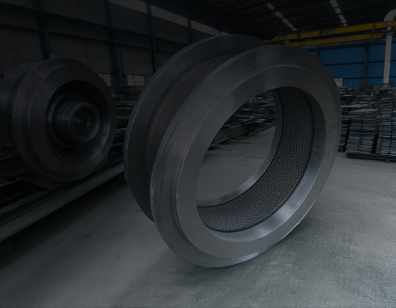
08
Spare Parts
Genuine components are available worldwide with fast delivery service.
