 0086-138 3838 9622
Full Fat Soybean Extrusion Line in Peru
Located in an existing industrial facility that previously housed grain storage operations, this full fat soybean extrusion line in Peru processes approximately 15,100 tons of whole soybeans annually.
RICHI MACHINERY
overview
In early 2025, RICHI Machinery completed the equipment supply and technical commissioning support for a full fat soybean extrusion line in Peru, located in the coastal region of Lambayeque. This project represents a strategic investment in Peru’s growing animal feed sector, designed to produce 15,000 tons annually of high-quality full-fat soybean powder for the domestic poultry and swine industries.
The full fat soybean extrusion line in Peru was developed by an established Peruvian agribusiness company that identified a compelling opportunity in the local feed ingredient market. While Peru imports approximately 227,740 tons of soybeans annually—primarily from Bolivia, the United States, and Argentina—most of these imports are directed toward traditional oil extraction or direct animal feeding without value-added processing. The investor recognized that locally produced full-fat soybean powder could offer significant advantages over imported soybean meal, particularly in terms of freshness, energy content, and cost-effectiveness.
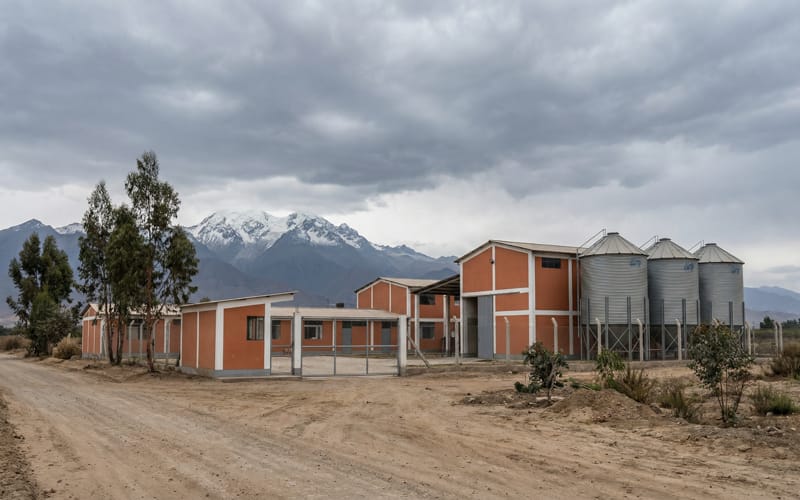
Located in an existing industrial facility that previously housed grain storage operations, this full fat soybean extrusion line in Peru processes approximately 15,100 tons of whole soybeans annually. The facility operates 260 days per year, with a single daily shift of 9 hours for production workers plus 8-hour shifts for management staff, producing approximately 57.7 tons of finished full-fat soybean powder daily.
The total equipment investment for this full fat soybean extrusion line in Peru reached USD 210,000, representing a complete processing solution from raw material intake to automated packaging. The client’s total project investment, including building modifications, installation, and working capital, amounted to approximately USD 320,000. Financial modeling indicates a projected payback period of 2.8 years based on conservative margin assumptions, with internal rates of return exceeding 25% over a five-year operating horizon—particularly attractive given Peru’s growing demand for protein ingredients.
6T/H
capacity
USD 210,000
investment
Peru
location
Extrusion
project type
RICHI MACHINERY
Project Background
The Investor Profile
The client behind this full fat soybean extrusion line in Peru is a family-owned agricultural trading company with over 15 years of experience in the Peruvian grain market. Originally focused on commodity trading of corn, wheat, and imported soybeans, the company had developed strong relationships with both international suppliers and domestic feed manufacturers. The family recognized that while they had successfully built a trading business, the real value in the agricultural supply chain lay in processing and value addition.
The investor’s journey toward extrusion technology began in late 2023, when they approached RICHI at an international feed industry exhibition. Initial discussions focused on the technical requirements for processing imported soybeans—particularly the variability in quality from different origin countries. The client’s team had conducted extensive market research showing that Peruvian feed manufacturers were paying premium prices for imported full-fat soybean products, yet often receiving inconsistent quality due to long shipping times and variable storage conditions.
The Peruvian Market Opportunity
Peru’s animal feed industry has experienced steady growth over the past decade, driven by expanding poultry production (particularly chicken, which is the primary meat protein source in Peru) and growing swine operations. According to market analysis, Peruvian soybean consumption is projected to reach approximately 51,680 metric tons by 2026, reflecting consistent year-on-year growth
Several factors make the full fat soybean extrusion line in Peru particularly well-timed:
- Import Dependence: Peru imports the vast majority of its soybean requirements, with local production limited to approximately 2,710 metric tons annually. This creates opportunities for import substitution through value-added processing.
- Feed Industry Sophistication: Peruvian feed manufacturers have increasingly adopted modern formulation practices that recognize the nutritional advantages of full-fat soybean products over traditional soybean meal plus added fat.
- Geographic Advantage: The Lambayeque region’s location provides excellent access to both the Port of Callao (where imported soybeans arrive) and major feed-consuming areas in northern Peru.
- Government Support: Peruvian agricultural policies have increasingly focused on supporting domestic processing industries and promoting sustainable agricultural practices
Why Full-Fat Soybean Extrusion?
The decision to invest in extrusion technology rather than traditional solvent extraction reflects careful analysis of the Peruvian market context. For a full fat soybean extrusion line in Peru of this scale, extrusion offers compelling advantages:
Capital Efficiency: Solvent extraction plants require substantial investment in explosion-proof construction, solvent recovery systems, and specialized safety equipment. This full fat soybean extrusion line in Peru achieves similar nutritional objectives with capital investment of only USD 210,000 for equipment, making it accessible to mid-sized agribusinesses.
Operational Simplicity: Without hexane or other chemical solvents, extrusion eliminates explosion risks, specialized permitting requirements, and complex solvent management systems. This allows operation with conventional industrial workforce skills available in the Lambayeque region.
Product Differentiation: Full-fat soybean powder produced by this full fat soybean extrusion line in Peru contains approximately 35-36% protein and 17-18% fat, closely matching the nutritional profile required for monogastric diets. The natural emulsification of oil within the protein matrix improves digestibility and handling characteristics compared to solvent-extracted meal with added fat.
Freshness Advantage: Imported soybean meal typically requires 4-6 weeks transit time from South American origins to Peru, with associated quality degradation. Locally produced full-fat powder reaches customers within days of production.
Facility Scale and Throughput
This full fat soybean extrusion line in Peru operates at a scale appropriate for serving regional feed manufacturers within a 200-kilometer radius. The 15,000-ton annual capacity represents approximately 30% of the projected import gap in the northern Peru market.
Key Operational Parameters
| Parameter | Value |
|---|---|
| Operating Days per Year | 260 |
| Production Shifts | 1 Shift Production (9 hours) + Management (8 hours) |
| Processing Rate (Design) | 6.4 Tons/Hour |
| Raw Soybean Intake | 15,100 Tons/Year |
| Finished Product Output | 15,000 Tons/Year |
| Steam Consumption | 914 Tons/Year (from Local Utility) |
| Power Consumption | 650,000 kWh/Year |
| Water Consumption | 155 m³/Year |
| Staffing | 17 Total (12 Production, 5 Management) |
| Facility Area | 1,500 m² Total (1,001 m² Production) |
RICHI MACHINERY
Site Selection and Facility Layout
Site Location and Context
The full fat soybean extrusion line in Peru is situated in the Lambayeque region of northern Peru, approximately 15 kilometers from the Pan-American Highway and with excellent access to both agricultural supply areas and major feed-consuming regions. The site occupies 1,500 square meters within an existing industrial property that previously operated as a grain storage facility.
The location was selected based on several strategic criteria:
- Proximity to Import Hub: The Port of Callao, Peru’s primary port for soybean imports, is approximately 750 kilometers south, but excellent highway connections allow reliable truck transport.
- Feed Industry Access: Northern Peru hosts significant poultry and swine operations that represent the primary customer base for full-fat soybean powder.
- Utility Availability: The site has access to municipal electricity and purchased steam from a nearby industrial utility, eliminating the need for on-site steam generation.
- Existing Infrastructure: The existing building shell (constructed in 2018) required only modifications rather than complete new construction, reducing capital requirements.
Facility Layout and Building Configuration
The facility comprises a single-story production building of 1,001 square meters (55 meters long by 18.2 meters wide), plus auxiliary office space of 180 square meters in a separate two-story building. The production building is divided into functional zones:
- Raw Material Reception: Dedicated area for soybean intake and pre-processing staging
- Production Area: Main processing floor housing the full fat soybean extrusion line in Peru
- Finished Product Warehouse: Storage area for packaged product awaiting shipment
- Maintenance Area: Workshop space for routine equipment maintenance
- Control Room: Enclosed space housing electrical controls and operator workstations
The building construction is steel-frame with insulated metal panel cladding, providing adequate thermal insulation for Peruvian coastal conditions while maintaining structural integrity for equipment suspension points.
Facility Area Breakdown
| Area | Square Meters | Percentage |
|---|---|---|
| Production Building | 1,001 | 66.7% |
| Office Building | 180 | 12.0% |
| Access Roads & Maneuvering | 210 | 14.0% |
| Green Space & Buffer | 109 | 7.3% |
| Total Site | 1,500 | 100% |
RICHI MACHINERY
Raw Materials and Consumption Analysis
Soybean Supply in the Peruvian Context
For this full fat soybean extrusion line in Peru, raw material sourcing reflects the reality of Peru’s agricultural import dependence. Peru’s domestic soybean production is limited—approximately 2.71 million kilograms annually—making the country heavily reliant on imports from major producers.
Peru Soybean Import Sources and Volumes (2023)
| Origin Country | Import Volume (Metric Tons) | Market Share |
|---|---|---|
| Bolivia | ~90,000 | 39.5% |
| United States | ~75,000 | 32.9% |
| Argentina | ~45,000 | 19.8% |
| Paraguay | ~15,000 | 6.6% |
| Other | ~2,740 | 1.2% |
| Total | ~227,740 | 100% |
Source: Derived from import data indicating total imports of 227.74 million kilograms in 2023
The client for this full fat soybean extrusion line in Peru has established supply relationships with importers bringing soybeans primarily from Bolivia and the United States. Bolivian soybeans offer the advantage of shorter transit times and established trading relationships, while U.S. origin soybeans provide consistency and higher protein content when available at competitive prices.
4.2 Raw Material Specifications
For optimal performance of the full fat soybean extrusion line in Peru, incoming soybeans must meet specific quality parameters:
| Parameter | Target | Acceptable Range | Test Method |
|---|---|---|---|
| Moisture Content | 12.0% | 11.0% – 13.0% | NIRS / Moisture Meter |
| Protein Content | 35.0% | >34.0% | NIRS |
| Oil Content | 18.5% | >17.5% | NIRS |
| Foreign Material | 1.0% | <2.0% | Screen Analysis |
| Broken Kernels | 3.0% | <8.0% | Visual Inspection |
The client’s quality control program includes testing each incoming truckload to ensure compliance with these specifications. Soybeans failing to meet specifications are either rejected or accepted at adjusted pricing based on the specific quality deviation.
4.3 Raw Material and Energy Consumption
Raw Materials and Energy Consumption
| Category | Item | Annual Consumption | Unit | Source |
|---|---|---|---|---|
| Raw Materials | Whole Soybeans | 15,100 | t/a | Imported (Bolivia/USA) |
| Packaging Bags | 30 | t/a | Local Supplier | |
| Utilities | Water | 155 | m³/a | Well Water |
| Electricity | 650,000 | kWh/a | Municipal Grid | |
| Steam | 914 | t/a | Purchased from Industrial Utility |
4.4 Packaging Materials
Finished product from this full fat soybean extrusion line in Peru is packaged in 50 kg polypropylene woven bags, with annual consumption of approximately 30 tons of packaging material. The bags are sourced from local Peruvian manufacturers, supporting the domestic packaging industry while ensuring reliable supply. Each bag is printed with product specifications, nutritional analysis, and handling instructions in Spanish for the local market.
RICHI MACHINERY
Processing Equipment and Technology
5.1 Complete Equipment Inventory
The full fat soybean extrusion line in Peru incorporates seven major pieces of processing equipment, representing RICHI’s compact but complete extrusion technology designed for the 15,000-ton annual capacity.
Major Equipment Summary
| Equipment Name | Model | Power (kW) | Quantity | Function |
|---|---|---|---|---|
| Hammer Mill | SFSP Series | 75 | 1 | Grinding whole soybeans to optimal particle size |
| Extruder | RICHI Series | 165 | 1 | Thermal-mechanical processing of ground soybeans |
| Cooler | Counterflow Type | 7.5 | 1 | Reducing product temperature after extrusion |
| Grading Screen | TQLM Series | 7.5 | 1 | Particle size classification |
| Packaging Scale | Automated System | — | 1 | Weight-controlled bag filling |
| Air Compressor | Screw Type | 7.5 | 1 | Pneumatic system power |
| Dust Collection System | Cyclone + Bag Filter | Integrated | 3 units | Particulate emission control |
| Total Installed Power | ~265 kW |
5.2 Dust Collection System
Environmental compliance is a key feature of this full fat soybean extrusion line in Peru. The facility incorporates three dust collection units serving different process stages:
- Receiving/Grinding Dust Collector: Capturing emissions from raw material intake and hammer mill operation
- Extrusion/Cooling Cyclone: Separating product dust from cooling air stream
- PackArea Bag Filter: Final filtration for packaging area emissions
All collected dust is returned to the process stream at the extruder inlet, achieving zero particulate waste while recovering valuable protein material.
5.3 Equipment Sourcing and Logistics
All equipment for this full fat soybean extrusion line in Peru was manufactured at RICHI’s Qingdao facility and shipped via containerized freight:
- Port of Loading: Qingdao Port, China
- Destination Port: Port of Callao, Peru
- Shipping Duration: Approximately 30-35 days
- Customs Clearance: Callao (3-5 days typical)
- Inland Transport: Callao to Lambayeque site (12-14 hours by truck)
The equipment was containerized in three 40-foot high-cube containers, with detailed packing lists and shipping documentation to ensure smooth customs clearance through the Port of Callao—Peru’s primary gateway for agricultural imports.
RICHI MACHINERY
Production Process and Quality Control
6.1 Process Flow Description
The full fat soybean extrusion line in Peru employs a straightforward but effective process flow designed for operational simplicity and product consistency. The process begins with soybeans that have already been pre-cleaned by suppliers, eliminating the need for on-site cleaning equipment.
Process Flow Diagram Summary
text复制下载
Pre-Cleaned Soybeans → Grinding → Extrusion → Cooling → Grading → Packaging → Warehouse
6.2 Detailed Process Steps
Step 1: Raw Material Intake
Pre-cleaned soybeans arrive at the facility and are sampled for quality verification. Accepted loads are directed to the receiving pit, where a screw conveyor transfers material to the grinding system. The receiving area is equipped with dust collection to capture any emissions during truck unloading.
Step 2: Grinding
Soybeans enter the 75 kW hammer mill through a controlled feeder that regulates flow rate. The mill operates with screen perforations optimized for extrusion feed—typically 6-8 mm depending on soybean characteristics. Key grinding parameters:
- Rotor Speed: 1,480 RPM
- Screen Area: Optimized for 6.4 tons/hour throughput
- Grinding Mode: Under-sieve discharge with gravity flow to extruder inlet
The grinding process achieves uniform particle size distribution essential for consistent extrusion results. Particle size targets are verified hourly using screen analysis.
Step 3: Extrusion
Ground soybean material feeds continuously into the 165 kW extruder—the heart of this full fat soybean extrusion line in Peru. Within the extruder:
- Mechanical Shear: Rotating screw elements generate friction and pressure
- Temperature Rise: Material temperature increases rapidly to 130-140°C
- Moisture Management: Steam injection (purchased from local utility) optimizes conditioning
- Residence Time: Approximately 20-30 seconds at temperature
During extrusion, several critical transformations occur:
- Trypsin inhibitors and urease enzyme are denatured (>90% reduction)
- Oil cells rupture, releasing soybean oil which immediately absorbs back into the porous meal structure
- Starches gelatinize, improving digestibility
- Cellular structures break down, increasing nutrient availability
Step 4: Cooling
Extruded material exits at 130-140°C and must cool rapidly to prevent quality degradation. The 7.5 kW counterflow cooler draws ambient air upward through the product bed, reducing temperature to within 8-10°C of ambient while removing 4-5% moisture. Cooling air passes through a cyclone separator to recover fines, which return to the process stream.
Step 5: Grading
Cooled extrudate passes through the 7.5 kW grading screen, which classifies particles by size. Oversize material (larger than 2 mm) is directed to the integrated grinding system within the extruder for size reduction. On-size material (1-2 mm, representing the majority of production) proceeds to packaging.
Step 6: Packaging
Finished product transfers to the packaging hopper, where the automated scale system fills 50 kg polypropylene bags at rates up to 6 tons per hour. Bags are manually palletized (20 bags per pallet) and transferred to the finished product warehouse for loadout.
6.3 Quality Control Program
The full fat soybean extrusion line in Peru operates a comprehensive quality control program aligned with international feed safety standards and Peruvian regulatory requirements.
Incoming Material Testing
- Soybeans: Moisture, protein, oil, foreign material, damaged kernels
In-Process Testing (Hourly)
- Ground Material: Particle size distribution
- Extruder Discharge: Temperature, moisture, visual inspection
- Cooler Discharge: Moisture, temperature, visual inspection
Finished Product Specifications
| Parameter | Specification | Test Method | Frequency |
|---|---|---|---|
| Moisture | ≤12.0% | Moisture Meter | Every Batch |
| Crude Protein | ≥34.0% | NIRS | Daily Composite |
| Crude Fat | ≥17.0% | NIRS | Daily Composite |
| Urease Activity | ≤0.10 pH Rise | pH Differential | Weekly |
| Particle Size (1-2mm) | ≥85% | Screen Analysis | Every Shift |
RICHI MACHINERY
Environmental Management and Sustainability
7.1 Environmental Investment
This full fat soybean extrusion line in Peru includes dedicated environmental protection investments totaling USD 21,000, representing approximately 6.6% of the total project cost—demonstrating the client’s commitment to responsible operations.
Environmental Investment Breakdown
| Environmental Component | Investment (USD) | Percentage |
|---|---|---|
| Dust Collection System (Cyclone + Bag Filter) | 7,000 | 33.3% |
| Septic System for Sanitary Wastewater | 7,000 | 33.3% |
| General Solid Waste Storage Area | 3,500 | 16.7% |
| Noise Control (Enclosures, Vibration Mounts) | 3,500 | 16.7% |
| Total Environmental Investment | 21,000 | 100% |
7.2 Air Quality Management
The full fat soybean extrusion line in Peru incorporates comprehensive air pollution control measures meeting Peruvian environmental regulations (Ley General del Ambiente). The dust collection system achieves emissions well below regulatory limits:
| Emission Point | Control Equipment | Stack Height | Expected Emissions |
|---|---|---|---|
| Grinding & Processing | Cyclone + Bag Filter | 15 m | <20 mg/Nm³ |
All collected dust is returned to the process stream, achieving zero solid waste from air pollution control while recovering valuable protein material.
7.3 Wastewater Management
The facility generates only sanitary wastewater from its 17 employees, with no process wastewater requiring treatment. Sanitary wastewater is directed to a below-grade septic system with leach field, designed according to Peruvian sanitary standards. The septic tank is sized for the facility’s population equivalent and is pumped annually by licensed contractors.
7.4 Solid Waste Management
Solid waste management for this full fat soybean extrusion line in Peru follows a hierarchy of reduction, reuse, and responsible disposal:
| Waste Type | Source | Management Method |
|---|---|---|
| Recovered Dust | Dust Collection System | Returned to Production |
| General Waste | Office, Packaging | Municipal Collection |
| Spent Packaging | Raw Material Bags | Recycled by Local Contractor |
7.5 Noise Control
Peruvian occupational health regulations establish noise exposure limits that the facility meets through:
- Equipment selection prioritizing low-noise designs
- Vibration isolation mounts on all rotating equipment
- Enclosed processing areas
- Administrative controls limiting exposure time in high-noise areas
RICHI MACHINERY
Implementation and Commissioning
8.1 Project Timeline
The full fat soybean extrusion line in Peru project proceeded according to a carefully managed schedule:
| Phase | Duration | Key Activities |
|---|---|---|
| Initial Inquiry | November 2023 | Technical discussions, capacity confirmation |
| Contract Signing | January 2024 | Equipment selection, pricing, terms |
| Engineering Design | February-March 2024 | Layout optimization, foundation drawings |
| Equipment Manufacturing | April-July 2024 | Fabrication at RICHI Qingdao facility |
| Shipping | August-September 2024 | Ocean freight to Callao, customs clearance |
| Site Preparation | September-October 2024 | Foundation construction, utility connections |
| Installation | October-November 2024 | Equipment setting, mechanical installation |
| Commissioning | December 2024-January 2025 | Testing, tuning, operator training |
| Commercial Production | February 2025 | Ramp-up to full capacity |
8.2 Installation and Commissioning Support
RICHI provided comprehensive technical support during the critical installation and commissioning phases:
- Remote Engineering Support: Detailed installation drawings and video guidance for local installation team
- On-Site Supervision: 2 weeks on-site during mechanical installation (senior engineer)
- Commissioning Assistance: 1 week on-site during system startup and performance verification
- Operator Training: Comprehensive training program for shift supervisors and operators
- Documentation: Complete Spanish-language manuals and maintenance guides
The client’s installation team, comprising local mechanical contractors with experience in agricultural facilities, performed the physical installation under RICHI’s remote and on-site guidance. This approach balanced cost-effectiveness with technical quality.
RICHI MACHINERY
Investment Analysis and Financial Projections
9.1 Capital Investment Breakdown
| Category | Amount (USD) | Percentage |
|---|---|---|
| Processing Equipment (FOB Qingdao) | 210,000 | 65.6% |
| Ocean Freight & Insurance | 28,000 | 8.8% |
| Import Duties & Taxes (Peru) | 32,000 | 10.0% |
| Site Civil Works & Building Modifications | 25,000 | 7.8% |
| Installation & Mechanical (Local) | 15,000 | 4.7% |
| Electrical & Controls (Local) | 8,000 | 2.5% |
| Engineering & Supervision | 2,000 | 0.6% |
| Total Project Investment | 320,000 | 100% |
9.2 Operating Cost Analysis (Annual)
| Cost Category | Amount (USD) | Per Ton (USD) |
|---|---|---|
| Raw Soybeans (15,100 tons @ $450/ton) | 6,795,000 | 453.00 |
| Packaging Materials (30 tons bags) | 24,000 | 1.60 |
| Utilities (Electricity, Water) | 65,000 | 4.33 |
| Purchased Steam (914 tons) | 27,420 | 1.83 |
| Labor (17 staff + benefits) | 85,000 | 5.67 |
| Maintenance & Spare Parts | 8,000 | 0.53 |
| Administration & Overhead | 24,000 | 1.60 |
| Depreciation (5-year straight line) | 64,000 | 4.27 |
| Total Operating Cost | 7,092,420 | 472.83 |
Note: Soybean price reflects landed cost in Peru, including import duties and transportation to Lambayeque.
9.3 Revenue Projection
| Revenue Source | Volume (Tons) | Price/Ton (USD) | Total (USD) |
|---|---|---|---|
| Full-Fat Soybean Powder | 15,000 | 550 | 8,250,000 |
| Total Revenue | 8,250,000 |
*Note: Price reflects current Peruvian market for domestically produced full-fat soybean powder, which typically trades at a premium to imported soybean meal due to energy content and freshness advantages. Imported soybean meal typically sells for $480-520/ton FOB Callao, plus inland freight.*
9.4 Financial Returns
| Metric | Value |
|---|---|
| Gross Profit | 1,157,580 USD |
| Gross Margin | 14.0% |
| EBITDA | 1,157,580 USD |
| Net Profit (Before Tax) | 1,093,580 USD |
| Payback Period | 2.8 Years |
| IRR (5-Year) | 26.3% |
| NPV (5-Year, 12% Discount) | 382,000 USD |
These projections assume a landed soybean cost of $450/ton and finished product price of $550/ton, reflecting typical spreads in the Peruvian market. Even with margin fluctuations, the project maintains positive returns due to operational efficiency and the significant value-add from extrusion processing.
RICHI MACHINERY
Investment Outlook for Full-Fat Soybean Processing in Peru
10.1 Market Fundamentals
The Peruvian animal feed industry represents a significant and growing market for protein ingredients. With poultry being the dominant meat protein in the Peruvian diet, demand for high-quality soybean products continues to expand. Market analysis projects Peruvian soybean consumption to reach approximately 51,680 metric tons by 2026, reflecting consistent year-on-year growth
Peru Soybean Market Indicators
| Indicator | Current Value | Trend |
|---|---|---|
| Annual Soybean Imports | ~227,740 Tons | Stable |
| Domestic Soybean Production | ~2,710 Tons | Limited |
| Feed Industry Growth | 3-4% Annually | Positive |
| Import Sources | Bolivia, USA, Argentina, Paraguay | Diversified |
Despite significant import volumes, Peru continues to import substantial quantities of finished soybean meal, representing an opportunity for local processors who can offer:
- Fresher Product: Reduced transportation time from import-to-customer (days versus weeks)
- Consistent Quality: Direct control over processing parameters
- Supply Security: Reduced exposure to international logistics disruptions
- Sustainability Benefits: Lower carbon footprint from reduced transport
10.2 Competitive Advantages of Extrusion Technology
For investors considering entry into soybean processing in Peru, extrusion technology offers compelling advantages over traditional solvent extraction:
Capital Efficiency: Solvent extraction plants require substantial investment in explosion-proof construction and specialized equipment. A full fat soybean extrusion line in Peru achieves similar nutritional objectives with capital investment of approximately $210,000 for equipment, making projects economically viable at regional scale.
Operational Simplicity: Without hexane or other chemical solvents, extrusion eliminates explosion risks and specialized permitting requirements. This allows operation with conventional industrial workforce skills available in regions like Lambayeque.
Product Differentiation: Full-fat soybean powder offers nutritional advantages for monogastric diets compared to solvent-extracted meal plus added fat. The natural emulsification of oil within the protein matrix improves digestibility and handling characteristics.
Scalability: Extrusion technology can be scaled to match regional demand, from small facilities like this 15,000-ton line to larger operations serving multiple provinces.
10.3 Regional Processing Opportunities
The success of this full fat soybean extrusion line in Peru suggests opportunities for similar facilities in other Peruvian regions:
- La Libertad Region: Significant poultry production with growing feed demand
- Lima Region: Access to both the Port of Callao and major feed-consuming areas
- Arequipa Region: Southern Peru’s agricultural and livestock center
- Piura Region: Northern expansion of poultry production
Each region presents unique characteristics, but the fundamental economics of converting imported soybeans into regional feed ingredients remain attractive given Peru’s import dependence and growing feed demand.
10.4 The Role of Imported Soybeans
Unlike soybean-producing countries where local sourcing dominates, Peruvian processors must work within the reality of import dependence. This full fat soybean extrusion line in Peru demonstrates that extrusion technology can successfully process imported soybeans from multiple origins:
- Bolivian Soybeans: Shorter transit, established trading relationships
- U.S. Soybeans: Consistency, high protein content
- Argentine/Paraguayan Soybeans: Competitive pricing when available
The flexibility to process soybeans from different origins provides supply security and purchasing optimization opportunities.
10.5 RICHI’s Commitment to Peruvian Agriculture
RICHI Machinery brings decades of extrusion technology experience to the Peruvian market. Our equipment is specifically engineered for the demands of full-fat soybean processing, with:
- Heavy-duty construction suitable for industrial operation
- Energy-efficient designs reducing operating costs
- Precise control systems ensuring consistent product quality
- Comprehensive after-sales support
- Process expertise developed through hundreds of installations worldwide
For investors considering entry into soybean processing in Peru, RICHI offers:
- Complete feasibility analysis and project planning
- Customized equipment solutions matched to specific requirements
- Installation supervision and commissioning support (on-site or remote)
- Operator training and ongoing technical assistance
- Process optimization services for maximum profitability
10.6 Future Outlook
The Peruvian livestock sector continues to modernize and expand, with domestic protein demand growing faster than traditional processing capacity can supply. Modern extrusion technology offers a proven pathway to capture value from imported soybeans while serving the expanding needs of Peruvian farmers and food producers.
With projected market growth of 6.23% by 2027 and increasing focus on advanced technologies within the Latin America region, Peru represents an attractive market for full-fat soybean processing investments. The country’s strategic location, established import channels, and growing feed industry create favorable conditions for value-added processing facilities.
RICHI MACHINERY
start your full fat soybean extrusion line in Peru
This full fat soybean extrusion line in Peru represents a model for efficient, accessible oilseed processing in import-dependent agricultural economies. By utilizing imported raw materials, employing advanced but straightforward extrusion technology, and focusing on regional market needs, the facility achieves compelling economics while serving the growing demands of the Peruvian feed industry.
Key success factors include:
- Appropriate Scale: 15,000-ton annual capacity matches regional demand without overbuilding
- Technology Selection: Extrusion technology suits Peruvian market requirements and operator capabilities
- Infrastructure Leverage: Existing building and purchased steam reduced capital requirements
- Quality Focus: Comprehensive quality control ensures consistent product specifications
- Environmental Responsibility: Dust collection and wastewater management ensure regulatory compliance
For feed manufacturers, poultry integrators, and agricultural investors seeking to participate in Peru’s growing protein market, extrusion technology offers an accessible entry point with attractive returns and manageable operational complexity.
For more information about RICHI extrusion systems or to discuss your specific project requirements in Peru or other Latin American markets, contact our international sales team. We welcome inquiries from investors, feed manufacturers, and agricultural cooperatives seeking to evaluate the potential of full-fat soybean processing in their markets.
● RICHI MACHINERY
RICHI Service

● Consulting
Customer Consultation
We want to have a deep understanding of your industrial process, to know your exact needs of feed, wood, biomass, fertilizer or other pellet processing.

● Design
full fat soybean extrusion line Design
Based on your unique situation and industrial process, we will tailor complete full fat soybean extrusion line you need, and inform you of every additional detail that could facilitate operation, minimize total cost.
● Manufacturing
Equipment Manufacturing
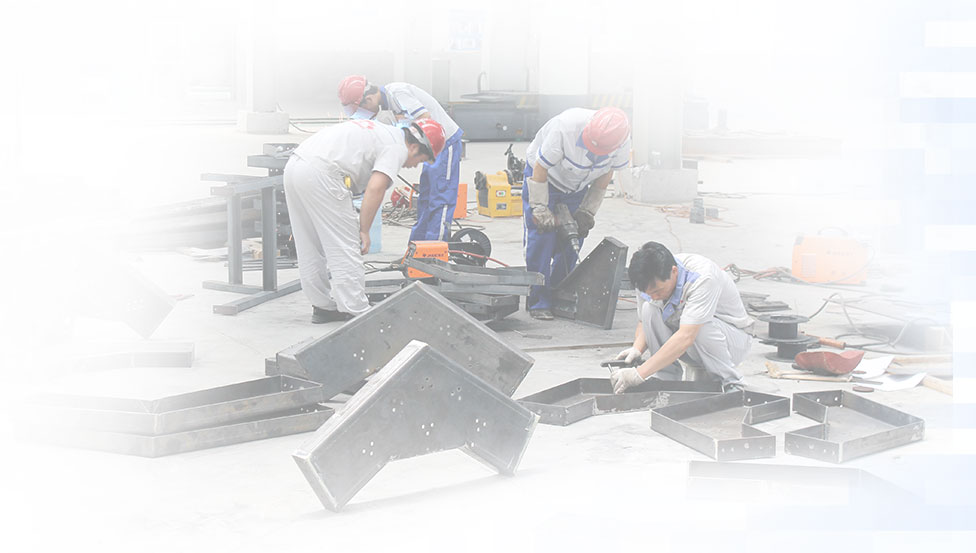
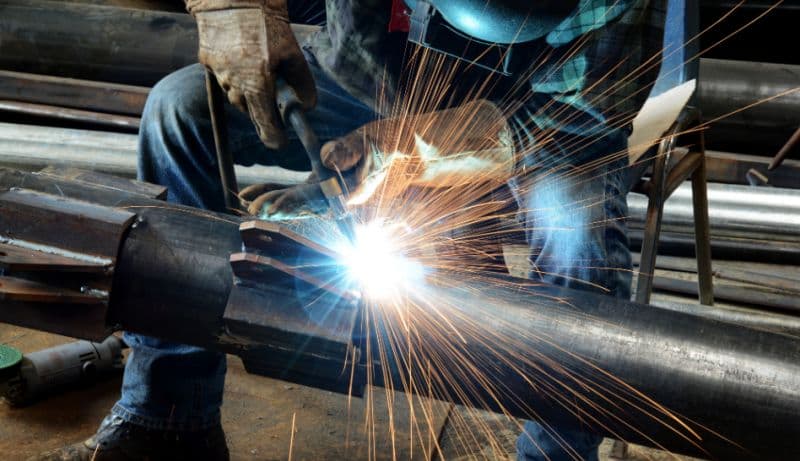
The critical components of the of the complete full fat soybean extrusion line equipment are built in our own workshops in Asia. Additional equipment is manufactured by our worldwide network of reliable partners.
● Testing
Quality Inspection & Testing
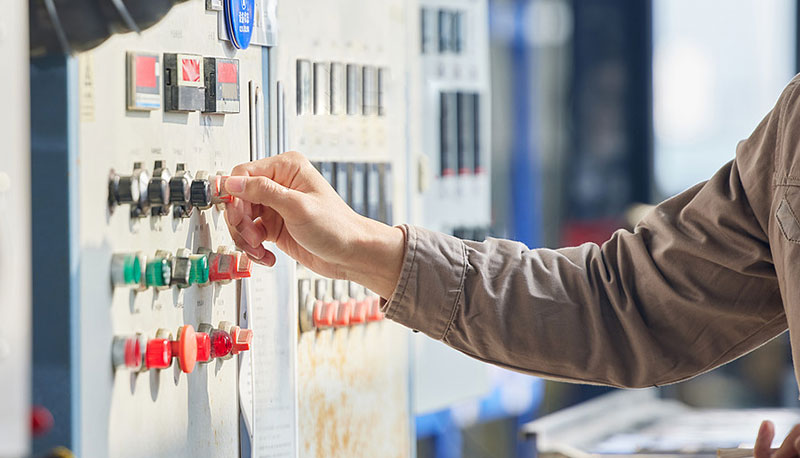
Before leaving the factory, all equipment will be inspected by the quality inspection department. We can also provide customers with testing services from a single machine to a complete full fat soybean extrusion line, and provide you with real actual data for “worry-free use.”
● Delivery
Equipment Delivery
In equipment boxing and packaging, we adopt professional packaging and modular solutions to ensure the safe and non-destructive delivery of full fat soybean extrusion line equipment.
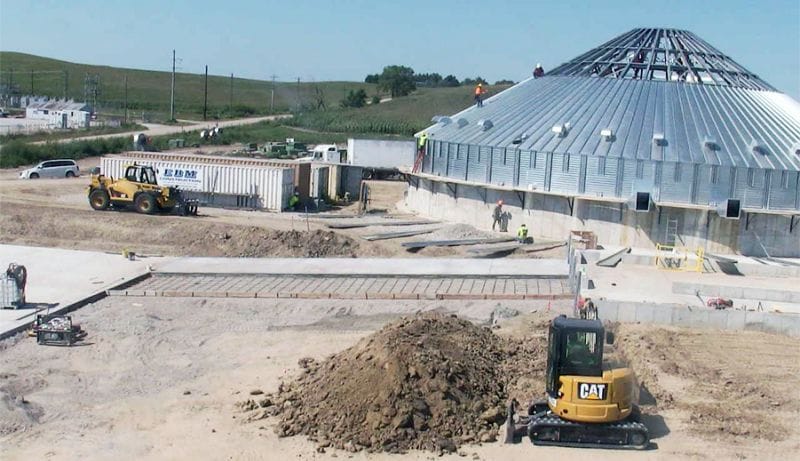
● Installation
Installation & Commissioning
Whether you choose your own subcontractor for the erection phase or you want to install everything together with us, a Richi supervisor will be around to make sure everything is mounted in a safe and thorough way.

● Training
Staff Training
We provide comprehensive training for the technicians of each project. We can also continue to provide support for the technicians during latter full fat soybean extrusion line project operation.
● After-sales
Project Follow-Up
When everything is up and running our Richiers will help you further whenever needed. We are ready to answer your call 24/7.We’ll also visit you regularly to learn about your needs.
Who we are
RICHI Machinery is one of the world’s leading suppliers of technology and services for the animal feed, aqua feed and pet food industries, also the largest pellet production line manufacturer in China.
Since 1995, RICHI’s vision to build a first-class enterprise, to foster first-class employees, and to make first-class contributions to society has never wavered.
In the past three decades, we have expanded our business to a wide range of areas, including animal feed mill equipment, aqua feed equipment, pet feed equipment, biomass pellet equipment, fertilizer equipment, cat litter equipment, municipal solid waste pellets equipment, etc.

1995
RICHI Established

2000+
Serving More Than 2000 Customers

120+
RICHI Employees

140+
Exported To 140 Countries