 0086-138 3838 9622
Extruded Soybean Meal Factory in Nigeria
RICHI MACHINERY
overview
This case study outlines the successful implementation of a compact yet efficient extruded soybean meal factory in Nigeria, a venture initiated by a local entrepreneur with deep roots in Nigeria’s agricultural trading sector. Located in the agricultural hub of Ibadan, Oyo State, this project was born from a clear market need: to provide local livestock and poultry farmers with a consistent supply of high-quality, affordable protein feed ingredient, reducing dependence on expensive imports and unlocking the nutritional value of locally grown soybeans.
The project involved setting up a complete production line within an existing 1,001 m² industrial building owned by the client. The factory is designed for an annual output of 15,000 metric tons of premium extruded soybean meal, operating at a practical capacity of approximately 7.2 tons per hour. With a total project investment of $250,000, including a core equipment package from RICHI Machinery valued at $180,000, this extruded soybean meal factory in Nigeria demonstrates that significant value addition can be achieved with a relatively modest capital outlay, creating a profitable business while serving a critical need in the local agricultural ecosystem.
7T/H
capacity
$250,000
investment
Nigeria
location
Feed
project type
RICHI MACHINERY
Project Background: From Trader to Processor
Nigeria possesses vast agricultural potential, with a growing soybean cultivation base in its Middle Belt region. However, the local livestock industry has long been constrained by the high cost and inconsistent supply of protein meals, often relying on imported soybean meal. The client, who had years of experience trading raw agricultural commodities, recognized an opportunity to bridge this gap.
The decision to establish this extruded soybean meal factory in Nigeria was driven by several key factors:
- Import Substitution: Creating a local source of high-quality protein meal to reduce the poultry and aquaculture industries’ reliance on volatile international markets.
- Value Addition: Converting raw soybeans, which were often sold at low commodity prices, into a higher-margin processed product.
- Improving Local Nutrition: Raw soybeans contain anti-nutritional factors that limit their use in animal feed. Extrusion cooking neutralizes these, making the protein more digestible and directly improving animal growth and feed efficiency for local farmers.
- Job Creation: Generating stable employment in a rural-urban fringe area, contributing to local economic development.
The 15,000 TPY capacity was carefully chosen to match the scale of the local and regional market, allowing for a manageable startup with clear potential for expansion as demand grows.
RICHI MACHINERY
Raw Material Strategy: Sourcing from the Heartland
The success of this extruded soybean meal factory in Nigeria hinges on its strategic access to raw materials. The client leveraged existing relationships with soybean farmers and cooperatives in the nearby states of Benue and Plateau, ensuring a steady supply of quality beans.
The entire production process is centered on a single, crucial input: Nigerian-grown soybeans. The client implemented simple but effective quality checks at intake, focusing on moisture content and purity. The only other material required is woven polypropylene bags for packaging the final product, which are sourced locally.
Table: Raw Material and Utility Consumption
| Category | Item | Annual Consumption | Key Specifications | Storage & Handling |
| Raw Material | Soybeans | 15,100 tons | Moisture <13%, Foreign matter <1% | Floor storage in dedicated section of the warehouse |
| Packaging | Woven Bags | 30,000 units | 50 kg capacity | Dry, indoor storage |
| Utilities | Electricity | 650,000 kWh | Grid supply with generator backup | — |
| Water | 155 m³ | Borehole (well) on site | For staff amenities only | |
| Steam | 914 tons | From a dedicated biomass-fired boiler | For the conditioning process |
RICHI MACHINERY
Production Process: Simple, Efficient, and Effective
The technology selected for this extruded soybean meal factory in Nigeria is a straightforward full-fat extrusion process. This method is ideal for this scale and market, as it requires no chemical solvents, preserves the natural oil in the bean (creating a high-energy product), and effectively eliminates anti-nutritional factors through thermo-mechanical cooking.
A Walk-Through the Production Line:
- Intake and Pre-Cleaning: Pre-cleaned soybeans are delivered in bags and manually fed into the system’s intake hopper. A built-in screening mechanism on the conveyor provides a final cleaning to remove any remaining dust or small impurities.
- Grinding: The whole soybeans are immediately fed into a hammer mill. Grinding is a critical first step, creating a uniform meal that allows for efficient heat and moisture transfer in the subsequent cooker. This is a primary dust generation point.
- Conditioning and Extrusion: The soybean meal is conditioned with direct steam from a biomass-fired boiler, raising its moisture and temperature. It is then fed into the RICHI single-screw extruder. Inside the extruder barrel, the combination of heat, pressure, and shear force thoroughly cooks the meal in a matter of seconds, denaturing proteins and destroying trypsin inhibitors. The material expands as it exits the die.
- Cooling and Drying: The hot, moist extrudate is conveyed into a vertical cooler. Ambient air is drawn through the product bed, cooling it and reducing its moisture to a safe level for storage and packaging (below 12%). The cooling process generates a small amount of dust.
- Screening and Packaging: The cooled product passes through a rotary screen to ensure a consistent particle size. The on-spec meal is then conveyed to an automated bagging scale, weighed, and packed into 50kg bags for palletizing and storage.
RICHI MACHINERY
Core Equipment: Robust and Fit-for-Purpose
For this extruded soybean meal factory in Nigeria, the client prioritized equipment that was robust, energy-efficient, and easy to maintain. RICHI Machinery supplied a compact, integrated line that met these requirements perfectly. The total equipment investment was $180,000.
Table: Key Production Equipment List
| Process Stage | Equipment | Model / Specification | Qty | Role in the Process |
| Material Handling | Intake Hopper & Screw Feeder | Custom | 1 | Controlled manual feeding of beans |
| Size Reduction | Hammer Mill | 75 kW | 1 | Reduces whole beans to a uniform meal |
| Extrusion & Cooking | Single-Screw Extruder | RICHI 165 kW | 1 | The core cooker; ensures nutritional quality. |
| Post-Extrusion | Vertical Cooler | 7.5 kW | 1 | Cools and stabilizes the final product |
| Finishing | Rotary Screening Machine | 7.5 kW | 1 | Ensures consistent product particle size |
| Automated Packing Scale | DCS-50 | 1 | Precision weighing and bagging | |
| Dust Control | Pulse-jet Bag Filter | 10,000 m³/h | 1 | Controls dust from grinding |
| Cyclone Separator | 10,000 m³/h | 1 | Controls dust from cooling |
RICHI MACHINERY
Environmental Management and Community Impact
The plant was designed to operate responsibly within its local context.
- Emissions Control: Dust from the grinder and cooler is effectively captured by a baghouse filter and cyclone, respectively. The combined, cleaned air is exhausted through a single 15-meter stack. Emissions are well within local permissible limits.
- Water and Waste Management: The process itself uses no water. Sanitary wastewater from the limited staff is treated in a septic tank system. Solid waste is minimal; collected dust from the initial cleaning is disposed of, while nutrient-rich dust from the cooler and baghouse is recycled back into the product. General waste and packaging are managed through local services.
- Noise Control: The main noise-generating equipment (mill, extruder) is housed within the enclosed factory building, providing adequate noise attenuation for the surrounding area.
RICHI MACHINERY
Economic Viability and Local Market Impact
The business case for this extruded soybean meal factory in Nigeria is exceptionally strong. The price differential between raw soybeans and processed, full-fat soybean meal is significant, and the demand from the massive Nigerian poultry industry is insatiable.
Investment Breakdown:
- Land & Building: (Utilized existing owned building)
- Machinery & Equipment (from RICHI): $180,000
- Boiler, Installation & Civil Works: $50,000
- Working Capital: $20,000
- Total Project Investment: $250,000
With a stable market and efficient operation, the project is projected to achieve a full return on investment in less than 2 years, highlighting the tremendous opportunity in local value-added processing.
RICHI MACHINERY
The RICHI Advantage: A Partnership for Success
The client chose RICHI Machinery for our ability to deliver a complete, reliable solution tailored to the realities of the Nigerian market. Our support included:
- Space-Efficient Layout: We designed the entire production line to fit perfectly within the client’s existing building, maximizing the use of available space.
- Training for Local Operators: We provided comprehensive training to ensure the client’s team could operate and maintain the equipment confidently.
- Reliable After-Sales Support: We established a clear channel for remote support and ensured the availability of critical spare parts to minimize potential downtime.
RICHI MACHINERY
Conclusion: A Model for SME-Led Agricultural Transformation
The successful operation of this extruded soybean meal factory in Nigeria stands as a powerful example for small and medium-sized enterprises (SMEs) across Africa. It proves that with the right, appropriately-scaled technology and a clear market focus, local entrepreneurs can drive industrialisation, create jobs, and significantly contribute to national food security.
The opportunity in West Africa is immense. The demand for animal protein is rising rapidly, and the foundation of a sustainable livestock industry is high-quality, locally produced feed. Investing in an extruded soybean meal factory in Nigeria or similar regional hub is one of the most direct and profitable ways to participate in this growth story.
Ready to build your own agro-processing business?
Contact RICHI Machinery. We specialize in designing and delivering cost-effective, high-return production lines for entrepreneurs and businesses looking to make a impact.
● RICHI MACHINERY
RICHI Service

● Consulting
Customer Consultation
We want to have a deep understanding of your industrial process, to know your exact needs of feed, wood, biomass, fertilizer or other pellet processing.

● Design
Production Plant Design
Based on your unique situation and industrial process, we will tailor complete pellet plant you need, and inform you of every additional detail that could facilitate operation, minimize total cost.
● Manufacturing
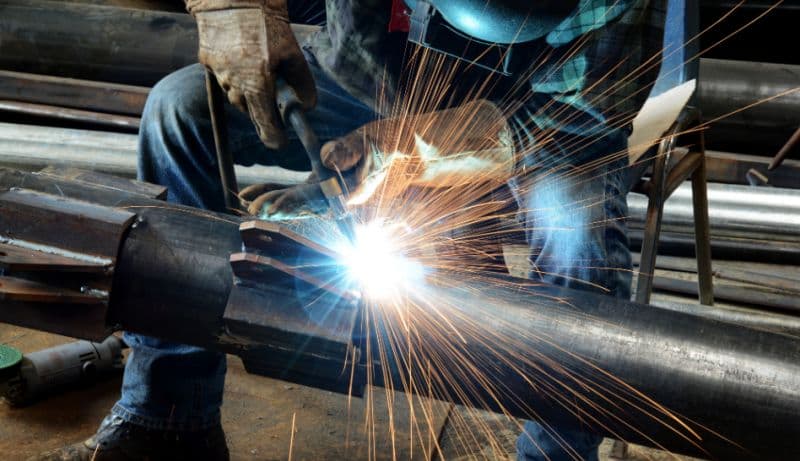
Equipment Manufacturing
The critical components of the of the complete pellet production line equipment are built in our own workshops in Asia. Additional equipment is manufactured by our worldwide network of reliable partners.
● Testing
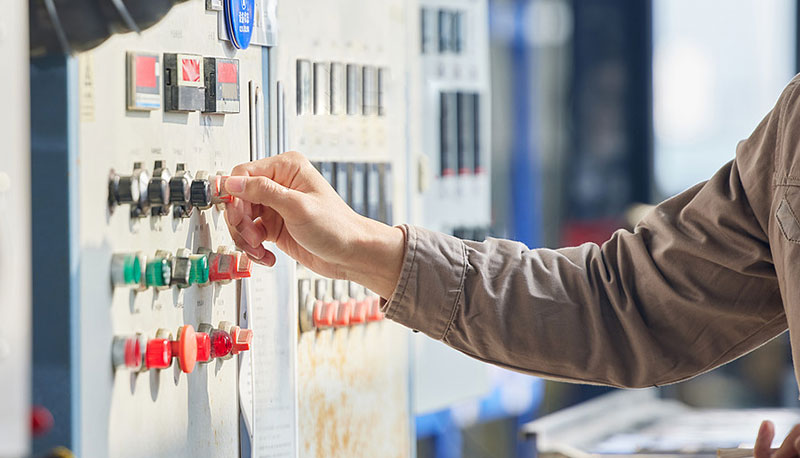
Quality Inspection & Testing
Before leaving the factory, all equipment will be inspected by the quality inspection department. We can also provide customers with testing services from a single machine to a complete pellet plant system, and provide you with real actual data for “worry-free use.”
● Delivery
Equipment Delivery
In equipment boxing and packaging, we adopt professional packaging and modular solutions to ensure the safe and non-destructive delivery of pellet plant equipment.
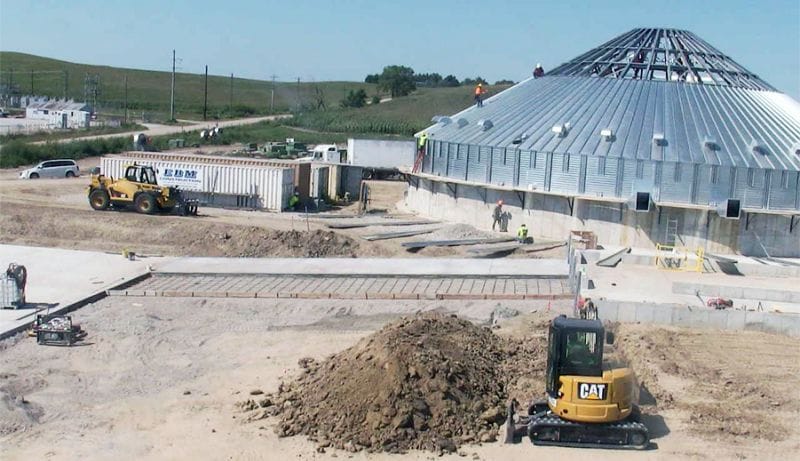
● Installation
Installation & Commissioning
Whether you choose your own subcontractor for the erection phase or you want to install everything together with us, a Richi supervisor will be around to make sure everything is mounted in a safe and thorough way.

● Training
Staff Training
We provide comprehensive training for the technicians of each project. We can also continue to provide support for the technicians during latter project operation.
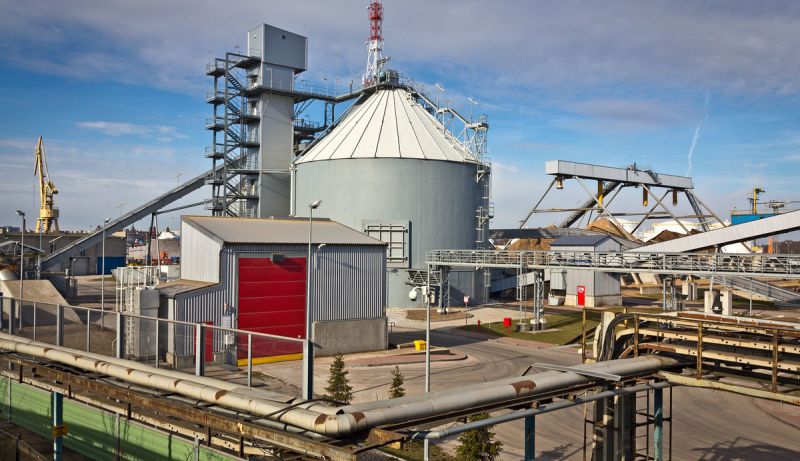
● After-sales
Project Follow-Up
When everything is up and running our Richiers will help you further whenever needed. We are ready to answer your call 24/7.We’ll also visit you regularly to learn about your needs.
Who we are
RICHI Machinery is one of the world’s leading suppliers of technology and services for the animal feed, aqua feed and pet food industries, also the largest pellet production line manufacturer in China.
Since 1995, RICHI’s vision to build a first-class enterprise, to foster first-class employees, and to make first-class contributions to society has never wavered.
In the past three decades, we have expanded our business to a wide range of areas, including animal feed mill equipment, aqua feed equipment, pet feed equipment, biomass pellet equipment, fertilizer equipment, cat litter equipment, municipal solid waste pellets equipment, etc.

1995
RICHI Established

2000+
Serving More Than 2000 Customers

120+
RICHI Employees

140+
Exported To 140 Countries