 0086-138 3838 9622
Cat Litter Raw Material Drying Project in Morocco
RICHI MACHINERY
overview
The cat litter raw material drying project in Morocco is a mid-scale industrial initiative designed to process agricultural and mineral raw materials into high-quality dried inputs for cat litter production. The facility occupies an area of 2,100 square meters and includes a converted and renovated factory building of 1,750 square meters. Within this footprint, functional areas are arranged for processing, packaging, finished product storage, raw material storage, and administration.
The project is structured around two complete production lines, each designed for handling different raw material streams—pea residue and bentonite. With an annual output of 5,000 tons of dried cat litter raw materials, the plant integrates equipment for feeding, drying, screening, and packaging. Altogether, 8 machines and auxiliary units have been installed, including biomass burners, dust collectors, vibrating screens, conveyors, forklifts, and automated packaging systems.
The facility operates under a single-shift system, with 8 employees working 8 hours per day for 300 days a year. This operating cycle ensures steady production while maintaining manageable labor and operational costs. Electricity consumption is projected at 571,860 kWh annually, supported by the national grid, while biomass pellets serve as the main fuel input for the drying systems, consuming around 500 tons per year.
The final product—dried cat litter raw material with a moisture content of around 10%—is designed for both domestic Moroccan markets and potential export channels in North Africa and Europe, where demand for eco-friendly pet care products is steadily increasing.
2T/H
capacity
USD 120,000
investment
Morocco
location
cat litter
project type
RICHI MACHINERY
Project Background
The demand for pet care products, especially cat litter, has been rising in Morocco over the last decade, driven by the growth of middle-class households and increasing pet ownership in urban centers like Casablanca, Rabat, and Marrakech. Traditionally, much of the cat litter available in the Moroccan market has been imported, leading to higher retail prices. Local entrepreneurs saw this as an opportunity to invest in domestic production capacity.
The client behind this project is a mid-sized agricultural processing enterprise based in northern Morocco. Already familiar with handling agricultural residues, the company identified pea residue (a by-product of the local food processing sector) and bentonite clay (abundant in central Morocco) as two raw materials with strong potential for cat litter manufacturing. By drying and preparing these materials, the plant creates a stable supply of cat litter base materials that can be sold to local cat litter producers or exported.
This is a project with a design capacity of approximately 16–17 tons per day (based on 300 operational days per year), translating into the targeted 5,000 tons annually. The plant serves both as a strategic import substitution project and as a value-adding initiative that strengthens Morocco’s industrial diversification.
RICHI MACHINERY
Raw Materials
Morocco is well positioned to supply the required raw materials for this project. Agricultural by-products such as pea residue are sourced from food processing plants, while bentonite is mined in several regions of the country. Both materials have high initial moisture content (around 30%), necessitating drying before use in cat litter applications.
Table: Raw Materials for the Project
| Raw Material | Annual Usage (t/a) | Daily Storage (t) | Source and Notes |
|---|---|---|---|
| Pea Residue | 3,215 | 600 | By-product of pea processing plants, transported by truck |
| Bentonite | 3,215 | 1,000 | Locally mined, abundant in central Morocco |
| Biomass Pellets (Fuel) | 500 | 10 | Purchased from domestic biomass suppliers |
The balanced use of both agricultural and mineral inputs allows the plant to produce versatile cat litter bases. Pea residue contributes to producing biodegradable litter types, while bentonite offers the clumping properties highly valued by consumers.
RICHI MACHINERY
Production Facilities
The heart of the cat litter raw material drying project in Morocco lies in its production infrastructure. The facility includes a set of carefully arranged units designed to ensure efficiency, dust control, and product quality.
Table: Main Production Facilities
| Unit | Process | Equipment | Quantity |
|---|---|---|---|
| Feeding & Conveying | Loading and transfer | Feeding units, conveyors | 1 each |
| Drying | Moisture reduction | Rotary dryers | 1 |
| Heat Supply | Combustion for hot air | Biomass burners | 1 |
| Dust Control | Air cleaning | Cyclone dust collectors, high-temp bag filters | 2 |
| Screening | Particle classification | Vibrating screens | 1 |
| Packaging | Bagging of dried materials | Automated packaging machines | 1 |
| Material Handling | Internal transport | Forklifts | 1 |
These facilities were installed with consideration for Morocco’s environmental regulations and the client’s need for reliable, low-maintenance equipment. Energy efficiency was a central factor, with biomass burners providing a sustainable fuel source.
RICHI MACHINERY
Process Description
The production process begins with the unloading of raw materials—pea residue and bentonite—into the designated storage areas. From there, materials are conveyed by feeding systems to rotary dryers. Biomass burners generate the hot air required for drying, while strong airflow within the dryers ensures uniform moisture reduction.
The drying process relies on a combination of impact, friction, and shearing forces, breaking down clumps and exposing larger surface areas for rapid dehydration. Dried particles are lifted by the airflow and collected in cyclones. Larger particles fall back into the system for re-drying, ensuring consistent output.
Dust and fine particulates are controlled by high-temperature bag filters, with collected dust redirected into the production process or safely disposed of. Vibrating screens then classify the dried material, ensuring proper granule size before packaging. Finished products are packed into 20–25 kg bags and stored in the finished goods warehouse.
RICHI MACHINERY
Utilities and Infrastructure
Water Supply
The project’s water needs are modest, limited to dust suppression, exhaust gas scrubbing, and sanitation. The facility consumes around 468 m³ of water annually, drawn from the municipal supply.
Power
Electricity usage totals 571,860 kWh annually, primarily for mechanical equipment and lighting. This is sourced from the Moroccan national grid, which provides stable power in the region.
Fuel
The plant consumes 500 tons of biomass pellets annually, chosen for their low cost, renewable nature, and lower emissions compared to fossil fuels.
RICHI MACHINERY
Labor and Work System
The plant employs 8 workers across production, packaging, quality control, and administration. Operating under a one-shift, 8-hour workday system, the workforce ensures steady output while keeping labor costs manageable. Morocco’s relatively affordable labor market supports the project’s economic viability.
RICHI MACHINERY
Investment and Costs
The total investment for the cat litter raw material drying project in Morocco was estimated at USD 120,000, covering equipment procurement, factory renovation, installation, and commissioning. Given Morocco’s lower construction and labor costs, the project was executed within budget while maintaining high equipment standards.
Operating costs are dominated by raw material purchase, fuel (biomass pellets), and electricity. Annual revenue projections are based on selling 5,000 tons of dried cat litter raw material to domestic and export customers, with a payback period estimated at 3–4 years.
RICHI MACHINERY
Environmental Protection
Morocco has been tightening its environmental standards in line with international agreements, and this project was designed to comply fully.
- Air Emissions: Exhaust gases from biomass combustion and drying are treated through cyclone separators, bag filters, and denitrification systems before being discharged via 15-meter stacks.
- Wastewater: Only domestic wastewater is generated, treated via a septic system, and used for agricultural composting. No industrial wastewater is discharged.
- Noise Control: Vibration damping and soundproofing measures keep noise levels within the limits of Moroccan industrial noise regulations.
- Solid Waste: Packaging waste and general refuse are collected and managed by municipal services, while dust collected from filters is reused in production.
This integrated approach minimizes environmental impact while ensuring operational compliance.
RICHI MACHINERY
Market Outlook in Morocco
The market for cat litter in Morocco is expanding rapidly. As more households adopt cats as companion animals, demand for high-quality, affordable, and locally produced cat litter has grown. Imports from Europe have traditionally dominated the market, but their higher costs present an opportunity for competitive local production.
Morocco also benefits from its geographic location as a trade hub between Europe and Africa. Dried bentonite-based cat litter can be exported to neighboring North African countries and potentially to southern Europe, where eco-friendly litter products are in high demand.
The government’s push for industrial diversification and value-added processing further supports this type of project. Environmental incentives for using biomass fuel also enhance the project’s sustainability profile.
RICHI MACHINERY
RICHI Machinery’s Role
RICHI Machinery provided comprehensive support for this project, from design consultation to equipment supply and installation. Key contributions included:
- Customized rotary dryers optimized for high-moisture pea residue and bentonite
- Biomass burners designed for efficient fuel use and low emissions
- Integrated dust collection and air quality management systems
- Training and after-sales support for local staff
By delivering reliable equipment and technical expertise, RICHI helped the client achieve stable production and consistent product quality.
RICHI MACHINERY
Conclusion
The cat litter raw material drying project in Morocco demonstrates how locally available agricultural by-products and mineral resources can be transformed into value-added products for the growing pet care market. With an annual capacity of 5,000 tons, the facility not only meets local demand but also positions Morocco as a competitive player in the North African cat litter supply chain.
RICHI Machinery’s role in providing advanced drying, screening, and packaging solutions was critical to the project’s success. For other investors considering similar ventures, Morocco offers a favorable combination of raw material availability, growing market demand, and supportive industrial policies.
In the years ahead, the expansion of pet ownership in the region ensures that the outlook for cat litter raw material processing remains highly positive, making projects of this type both economically rewarding and strategically important.
● RICHI MACHINERY
RICHI Service

● Consulting
Customer Consultation
We want to have a deep understanding of your industrial process, to know your exact needs of feed, wood, biomass, fertilizer or other pellet processing.

● Design
cat litter Pellet Plant Design
Based on your unique situation and industrial process, we will tailor complete pellet plant you need, and inform you of every additional detail that could facilitate operation, minimize total cost.
● Manufacturing
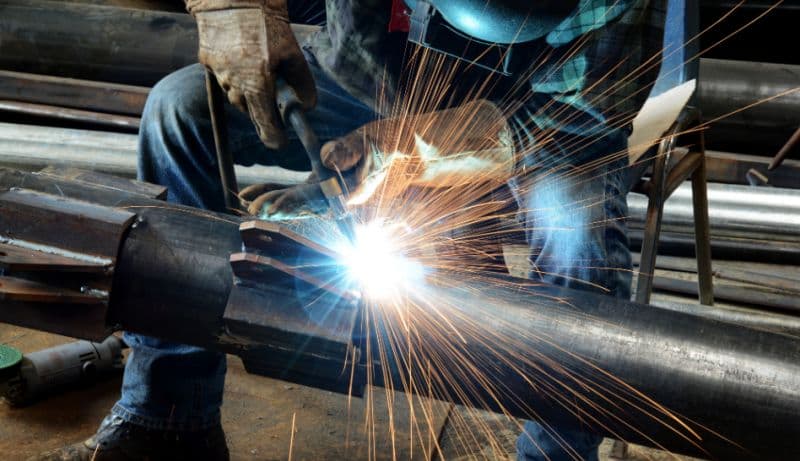
Equipment Manufacturing
The critical components of the of the complete pellet production line equipment are built in our own workshops in Asia. Additional equipment is manufactured by our worldwide network of reliable partners.
● Testing
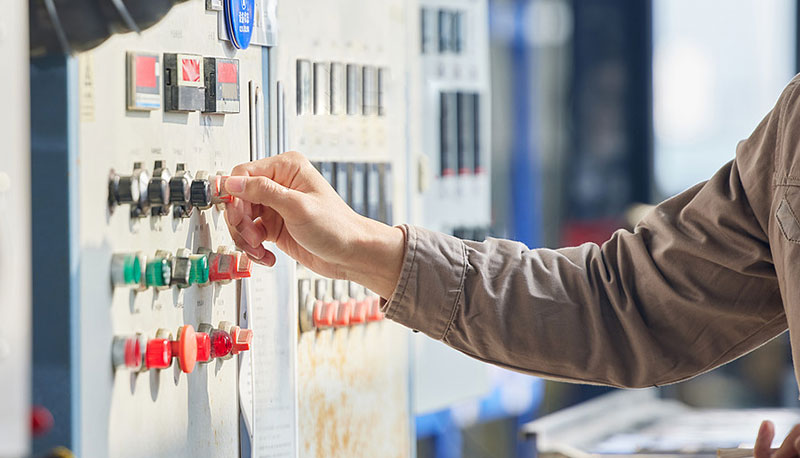
Quality Inspection & Testing
Before leaving the factory, all equipment will be inspected by the quality inspection department. We can also provide customers with testing services from a single machine to a complete pellet plant system, and provide you with real actual data for “worry-free use.”

● Delivery
Equipment Delivery
In equipment boxing and packaging, we adopt professional packaging and modular solutions to ensure the safe and non-destructive delivery of pellet plant equipment.
● Installation
Installation & Commissioning
Whether you choose your own subcontractor for the erection phase or you want to install everything together with us, a Richi supervisor will be around to make sure everything is mounted in a safe and thorough way.

● Training
Staff Training
We provide comprehensive training for the technicians of each project. We can also continue to provide support for the technicians during latter project operation.
● After-sales
Project Follow-Up
When everything is up and running our Richiers will help you further whenever needed. We are ready to answer your call 24/7.We’ll also visit you regularly to learn about your needs.
Who we are
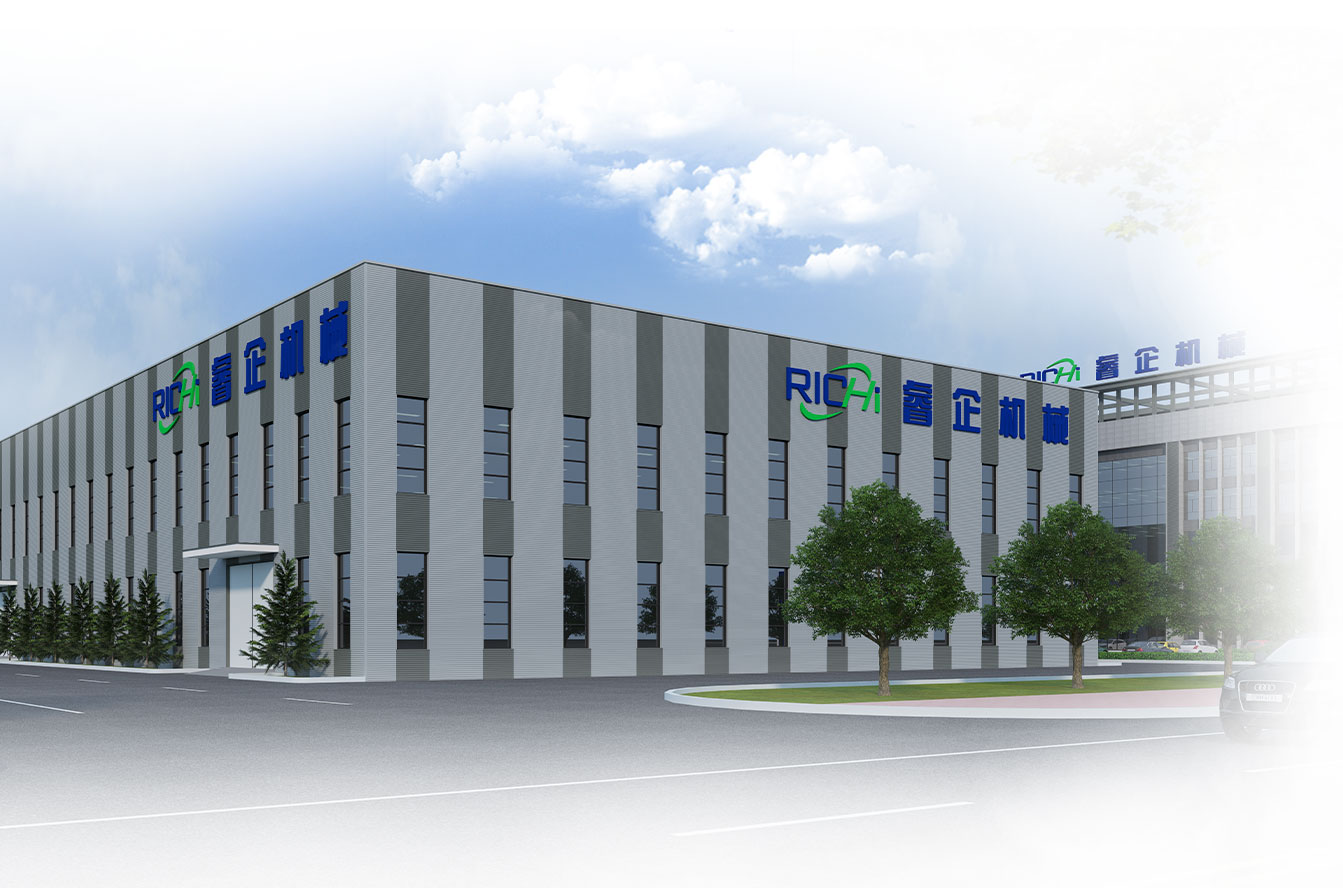
RICHI Machinery is one of the world’s leading suppliers of technology and services for the animal feed, aqua feed and pet food industries, also the largest pellet production line manufacturer in China.
Since 1995, RICHI’s vision to build a first-class enterprise, to foster first-class employees, and to make first-class contributions to society has never wavered.
In the past three decades, we have expanded our business to a wide range of areas, including animal feed mill equipment, aqua feed equipment, pet feed equipment, biomass pellet equipment, fertilizer equipment, cat litter equipment, municipal solid waste pellets equipment, etc.

1995
RICHI Established

2000+
Serving More Than 2000 Customers

120+
RICHI Employees

140+
Exported To 140 Countries