 0086-138 3838 9622
Biomass Sawdust Straw Pelletizing Plant in Chile
RICHI MACHINERY
Project Snapshot
This 8t/h biomass sawdust straw fuel processing plant in Chile was not designed as a large industrial complex at the beginning. It actually started from a very practical issue: too much scattered wood waste and seasonal straw, but no efficient way to convert it into something that could be sold consistently.
The client already had access to raw materials from nearby sawmills and farms. What they lacked was a stable biomass pellet plant that could handle mixed materials with different moisture levels. That’s where we stepped in—not just supplying equipment, but reworking the whole process flow to make it workable in their actual conditions.
The 8t/h biomass sawdust straw fuel processing plant in Chile is designed for an annual output of 20,000 tons of biomass pellets, mainly used as industrial boiler fuel and local heating fuel.
What makes this project slightly different is the raw material mix—sawdust + wood offcuts + agricultural straw. This combination is common in Chile, but not always easy to process because of moisture variation and fiber structure differences. The production line had to be adjusted several times during design to keep the pellet quality stable.
8T/H
capacity
USD 360,000
investment
Chile
location
Fuel
project type
RICHI MACHINERY
Basic Project Information
| Item | Details |
|---|---|
| Project Name | 20,000 t/year Biomass Pellet Plant |
| Capacity | 8–8.3 t/h |
| Location | Central-southern Chile |
| Total Investment | ~USD 580,000 |
| Equipment Cost | ~USD 360,000 |
| Land Area | 3,581.63 m² |
| Working Days | 300 days/year |
| Shift | 1 shift / 8 hours |
| Staff | 10 people |
RICHI MACHINERY
How the Client Came to Us
The first email came in March 2023. It wasn’t very detailed—just a few photos of wood waste piles and a short message:
“We want to make fuel pellets, around 6–10 tons per hour. Materials are mixed.”
After a few back-and-forth discussions, things became clearer:
- Too much low-value sawdust from nearby wood processing shops
- Seasonal straw surplus from local farms
- Rising demand for clean fuel alternatives
- Existing factory buildings, but not fully enclosed
By June 2023, we finalized the process design.
Contract was signed in August 2023, and installation started early 2024.
RICHI MACHINERY
Raw Materials
In Chile, especially in forestry regions, raw materials are not the problem—handling them properly is.
The client uses a mix of wood and agricultural residues. Moisture content varies a lot depending on the season, so drying becomes a key step.
| Material | Annual Usage (t) | Storage | Source |
|---|---|---|---|
| Waste sawdust | 5,000 | Bagged | Local sawmills |
| Wood offcuts | 14,000 | Bundled | Wood processing plants |
| Straw | 6,000 | Bundled | Nearby farms |
| Self-produced fuel | 400 | Bagged | For dryer use |
A small but important detail: all materials are untreated wood, no paint or glue. This avoids emission problems later.
RICHI MACHINERY
Plant Layout Considerations
The factory wasn’t built from scratch. The client already had three steel-structure workshops.
We didn’t change the structure much—but we adjusted how each building was used:
- Workshop #1 (1,281 m²): raw material + finished product
- Workshop #2 (1,347 m²): main pellet production line
- Workshop #3 (540 m²): intermediate storage after drying
One issue we noticed early: airflow inside the workshop was poor. Dust tended to stay suspended.
So we suggested partial enclosure + dust collection redesign. Not a big investment, but it made a difference.
RICHI MACHINERY
Main Equipment List
Instead of listing models, here’s what the client actually cares about—function and capacity.
Crushing & Grinding Section
| Equipment | Qty | Function |
|---|---|---|
| Crusher (with magnetic separation) | 1 | Break large wood pieces |
| Hammer mill | 1 | Fine grinding |
| Cyclone dust collector | 1 | Pre-dust removal |
| Bag filter | 1 | Final dust control |
| Conveyors | — | Material transfer |
| Induced draft fan | 1 | Airflow control |
Drying Section
| Equipment | Qty | Function |
|---|---|---|
| Rotary drum dryer | 1 | Reduce moisture |
| Hot air furnace | 1 | Heat supply |
| Cyclone separator | 1 | Dust removal |
| Wet scrubber | 1 | Exhaust cleaning |
| Screening drum | 1 | Size control |
Pelletizing Section
| Equipment | Qty | Function |
|---|---|---|
| Biomass pellet mills (3 t/h each) | 3 | Core pellet forming |
| Bag filter system | 1 | Dust control |
| Screw feeders | — | Feeding control |
Auxiliary Equipment
| Equipment | Qty |
|---|---|
| Forklifts | 2 |
| Transport vehicle | 1 |
Utility Consumption
| Resource | Annual Consumption |
|---|---|
| Water | 507 m³ |
| Electricity | 300,000 kWh |
Water usage is relatively low. Most of it goes to dust suppression and wet scrubber replenishment.
RICHI MACHINERY
Process Flow
Instead of textbook diagrams, here’s how the line runs in reality:
- Raw material arrival
Trucks unload directly into the raw material zone. Dust is visible here, but manageable. - Crushing & grinding
Larger wood pieces go through crushing first.
Fine sawdust sometimes bypasses this step. - Screening
Oversized particles are sent back. This loop is important—otherwise pellets won’t form well. - Drying
Moisture is reduced from ~35% down to around 13–15%.
First few days of testing were tricky—too wet, pellets cracked; too dry, energy wasted. - Cooling (air cooling)
Simple but effective using induced draft fans. - Pelletizing
Compression + friction heat activates lignin—no binder needed.
Temperature during pelletizing: ~70–90°C - Packaging
Manual bagging, 25 kg per bag.
RICHI MACHINERY
Final Product Specification
| Parameter | Value |
|---|---|
| Diameter | 8–10 mm |
| Moisture | ≤15% |
| Density | ≥500 kg/m³ |
| Durability | ≥95% |
| Heating value | ≥12.6 MJ/kg |
RICHI MACHINERY
Environmental Measures
We removed unnecessary elements from the original plan and adapted to local regulations:
- Dust: cyclone + bag filter systems
- Dryer exhaust: multi-stage cleaning (cyclone + bag filter + wet scrubber)
- Wastewater: reused internally, no direct discharge
- Solid waste: reused or sold (ash, dust, scrap metal)
Nothing fancy, but it works and passes inspections.
RICHI MACHINERY
Shipping & Delivery
- Departure Port: Qingdao Port
- Destination Port: Port of San Antonio, Chile
Transport time was about 35 days.
RICHI MACHINERY
What the Client Said After Startup
During commissioning, one of their operators mentioned:
“The first few tons were either too wet or too dry. After adjustment, it stabilized.”
That’s pretty normal. Biomass is never perfectly uniform.
After two weeks of fine-tuning:
- Output stabilized at ~8 t/h
- Pellet durability improved noticeably
- Dust levels inside workshop reduced
RICHI MACHINERY
Why This 8t/h Biomass Pellet Plant Works in Chile
Chile has a few advantages that make this type of biomass pelletizing line a good investment:
- Strong forestry industry → steady sawdust supply
- Growing demand for renewable fuel
- Rising fossil fuel costs
- Government support for biomass energy
What we see more often now is small-to-medium investors stepping in, not just large companies.
RICHI MACHINERY
A Few Practical Thoughts for New Investors
If you’re considering a similar biomass pellet production line, a few things we usually discuss early:
- Is your raw material supply stable year-round?
- What’s the average moisture variation?
- Do you plan to sell locally or export?
- How much automation do you actually need?
This biomass pellet project didn’t go for high automation. It focused on stability and cost control instead.
RICHI MACHINERY
About Our Role
We didn’t just supply machines here.
From the first rough inquiry to final commissioning, the process included:
- Raw material analysis
- Process design adjustments
- Layout planning based on existing buildings
- Equipment manufacturing
- On-site installation guidance
- Operator training
That’s usually how these projects succeed—not by buying machines alone, but by getting the process right.
RICHI MACHINERY
Looking at the Market
Biomass pellets in Chile are gradually moving from “alternative fuel” to something more mainstream.
For small and medium investors, a project like this:
- Doesn’t require huge capital
- Uses locally available materials
- Has relatively quick payback
And more importantly, it’s scalable. Many clients start with 5–8 t/h, then expand later.
If you’re working with sawdust, wood waste, or agricultural residues and thinking about building your own biomass pellet plant, it’s worth running through your material and capacity plan first. That usually tells us more than anything else.
● RICHI MACHINERY
RICHI Service

● Consulting
Customer Consultation
We want to have a deep understanding of your industrial process, to know your exact needs of feed, wood, biomass, fertilizer or other pellet processing.

● Design
biomass Pellet Plant Design
Based on your unique situation and industrial process, we will tailor complete pellet plant you need, and inform you of every additional detail that could facilitate operation, minimize total cost.
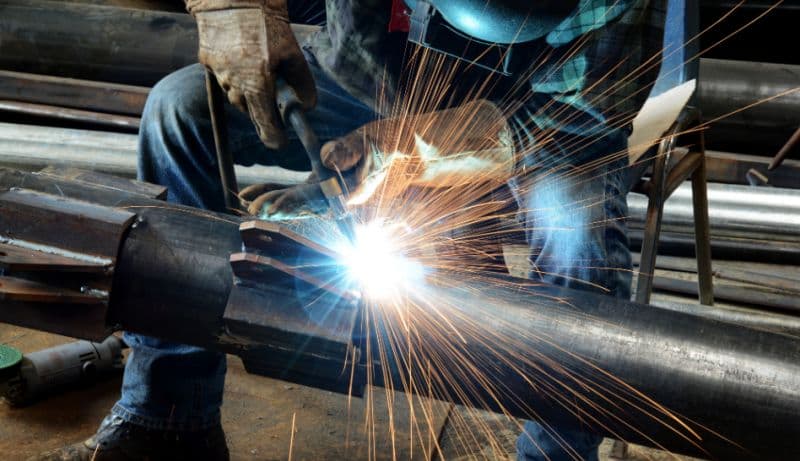
● Manufacturing
Equipment Manufacturing
The critical components of the of the complete pellet production line equipment are built in our own workshops in Asia. Additional equipment is manufactured by our worldwide network of reliable partners.
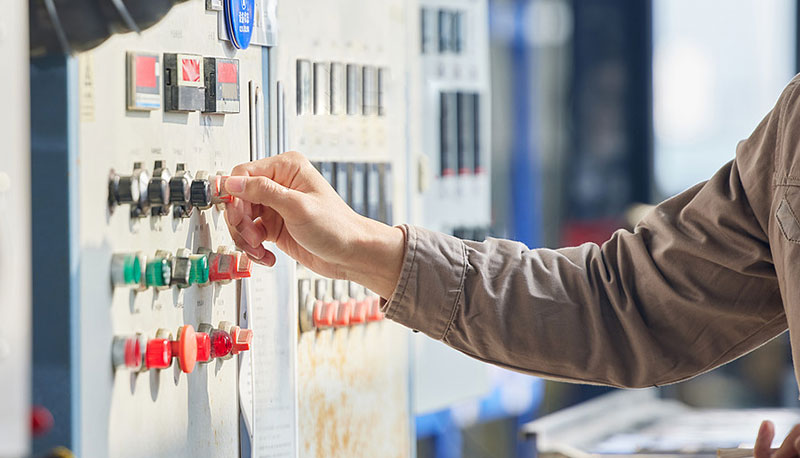
● Testing
Quality Inspection & Testing
Before leaving the factory, all equipment will be inspected by the quality inspection department. We can also provide customers with testing services from a single machine to a complete pellet plant system, and provide you with real actual data for “worry-free use.”

● Delivery
Equipment Delivery
In equipment boxing and packaging, we adopt professional packaging and modular solutions to ensure the safe and non-destructive delivery of pellet plant equipment.
● Installation
Installation & Commissioning
Whether you choose your own subcontractor for the erection phase or you want to install everything together with us, a Richi supervisor will be around to make sure everything is mounted in a safe and thorough way.

● Training
Staff Training
We provide comprehensive training for the technicians of each project. We can also continue to provide support for the technicians during latter project operation.
● After-sales
Project Follow-Up
When everything is up and running our Richiers will help you further whenever needed. We are ready to answer your call 24/7.We’ll also visit you regularly to learn about your needs.
Who we are
RICHI Machinery is one of the world’s leading suppliers of technology and services for the animal feed, aqua feed and pet food industries, also the largest pellet production line manufacturer in China.
Since 1995, RICHI’s vision to build a first-class enterprise, to foster first-class employees, and to make first-class contributions to society has never wavered.
In the past three decades, we have expanded our business to a wide range of areas, including animal feed mill equipment, aqua feed equipment, pet feed equipment, biomass pellet equipment, fertilizer equipment, cat litter equipment, municipal solid waste pellets equipment, etc.

1995
RICHI Established

2000+
Serving More Than 2000 Customers

120+
RICHI Employees

140+
Exported To 140 Countries