0086-138 3838 9622
Fish and animal feed plant in UAE
A UAE-based farm owner ordered two feed-making routes for his Sudan farming business: 500–600 KG/H floating fish feed and 1–2 T/H conventional animal feed. Extrusion handles the floating product, while a separate ring-die press forms the livestock pellets.

RICHI MACHINERY
A UAE customer preparing feed supply for Sudan
This fish and animal feed plant in UAE project began with an enquiry from a customer who lived in the United Arab Emirates and owned a fish farm in Sudan. The customer wanted a wet-type floating-feed system and asked for quotations, component pictures and specifications at small production capacities.
On May 8, 2020, the customer contacted our international sales team through our website. His enquiry was direct: “Have fish farm in Sudan. Interested in wet type floating fish feed full production line.” He asked to compare the equipment needed for roughly half a tonne and one tonne per hour before settling the purchase.
For this buyer, the fish feed production line had to serve an existing farming activity across the border. The practical task was to connect ingredient preparation with extrusion, drying and bagging, then accommodate conventional animal pellets without expecting an extruder to perform the job of every feed machine.
After a year of negotiations and programme adjustments, the customer signed the equipment contract on May 28, 2021. The agreed project combined a 500–600 KG/H floating fish feed route with a 1–2 T/H animal feed production line. These are separate product capacities, each subject to its formula and operating conditions.
The animal feed mill plant therefore has two forming routes. Grinding and mixing may serve scheduled batches for either product, while the extruder and ring-die pellet press have different jobs. The customer’s UAE residence identifies the buyer; the farm and intended feed demand described in this project are in Sudan.
0.5-0.6 & 1–2 T/H
product capacities
$73,620
equipment contract
UAE
project connection
Feed
project type
RICHI MACHINERY
Why the buyer needed two feed-making routes
This client lives in the UAE and owns a fish farming business in Sudan. The purchase was built around supplying that farm, with room to consider sales to nearby farmers once its own feed needs were covered. Local feed supply was the reason for the enquiry; a large export-feed factory was not the starting point.
The project planning considered Nile tilapia and African catfish feeds. Their diets and pellet sizes depend on fish size and farming practice, so the production programme starts with a defined formulation and feed specification rather than one recipe for every pond.
Making feed closer to the farm gives the customer control over batch timing and ingredient purchasing. It also adds daily responsibilities: checking incoming meal quality, weighing small ingredients accurately and confirming that dried fish pellets are ready to pack. Machinery alone cannot settle the nutritional value of a ration.
In addition, the client also plans to gradually expand the livestock breeding business such as cattle and sheep in the Sudan project. To this end, he hopes that this production line can be compatible with the processing of animal feed pellets to maximize the investment value. Its 1–2 T/H capacity applies to the agreed compound-feed recipe; it is not a promise to process every fibrous forage at the same rate.
The two routes let the buyer plan fish-feed and livestock-feed campaigns around demand. Where preparation or packing equipment is shared, the batches need their own time slots. Running both forming machines together requires enough prepared meal, drying and packing capacity, as well as the electrical and heat services to support them.
RICHI MACHINERY
Ingredients selected for the farm’s feed programme
Ingredient purchasing for the Sudan farm combines suitable local supplies with purchased protein meals and feed additives. The ingredient’s specification matters more than a long list of possible countries of origin. Each supplier needs to provide material suitable for the intended fish or livestock diet.
The floating fish feed production line uses these main ingredient groups. Inclusion levels are set by the formulation, not by the equipment supplier’s ingredient list.
| Ingredient group | Purpose | Purchase check |
|---|---|---|
| Fish meal / suitable protein meals | Protein supply | Quality and formulation suitability |
| Soybean / rapeseed meals | Protein ingredients | Processing and batch specification |
| Corn / wheat bran / rice bran | Energy and other nutrients | Moisture and condition |
| Vitamin and mineral premix | Small-dose nutrients | Species and correct inclusion |
| Feed-grade oils | Formulated energy addition | Quality and dosing method |
For conventional animal feed, the plan uses grains, wheat bran, suitable oilseed meals and prepared forage meal as the ration requires. Cottonseed meal needs particular care over suitability and inclusion. Cattle and sheep recipes also need mineral specifications appropriate to the species; a fish premix cannot simply replace a livestock premix.
The ingredient storage and batching arrangement keeps the two product programmes identifiable. A change from fish feed to animal feed includes emptying the shared equipment, handling residues and checking the next batch’s ingredient weights. Fish-feed fines or leftover premix are not automatically suitable for a livestock batch.
RICHI MACHINERY
How the fish and animal feed plant in UAE separates the process
The process begins with receiving, cleaning, grinding, weighing and mixing. It then divides at forming: floating fish feed goes through wet extrusion and drying, while animal feed goes through conditioning and a ring-die pellet mill. Finished products are cooled, screened and packed to their own specifications.
Sharing preparation equipment can keep a small project manageable, provided the grinder can achieve the fish formula’s required fineness and the mixer serves each recipe properly. The two forming routes remain distinct. The table follows the material from prepared meal to finished feed.
| Stage | Fish feed route | Animal feed route |
|---|---|---|
| Prepared mixed meal | Fine enough for extrusion | Ground for the agreed ration |
| Conditioning and forming | floating fish feed extruder machine | small animal feed pellet machine |
| Moisture and heat removal | Dry extruded feed | Cool pressed pellets |
| Oil addition | Coat if the recipe requires | Add as specified for the ration |
| Final handling | Cool screen and pack | Screen and pack |
Cooling brings the product towards ambient conditions before bagging. It does not replace the fish-feed dryer. Screening separates fines and oversized pieces; suitable returns stay within a compatible recipe. Packaging follows only after the product’s moisture, temperature, size and bag weight meet the agreed checks.
RICHI MACHINERY
Equipment arranged around two finished products
The animal feed pellet plant and fish-feed route share a project equipment plan covering preparation, separate forming and product finishing. A wet extruder requires a steam supply; drying also needs a defined heat source. These services must be included in site planning even when they fall outside the machinery supply.
| Equipment group | Job in the project |
|---|---|
| Cleaning and grinding | Prepare suitable ingredients |
| Batch weighing and mixer | Build each feed recipe |
| Wet fish-feed extruder | Form floating fish pellets |
| Ring-die pellet press | Form conventional animal pellets |
| Fish-feed dryer | Remove extrusion moisture |
| Oil dosing and coating | Apply the specified addition |
| Cooling and screening | Prepare feed for packing |
| Weighing and bag closing | Pack identified product batches |
The purchase decision should compare the complete list of feed mill equipment and its supply terms. A coating unit, for example, needs a specified oil dose and method; vacuum coating is a separate equipment choice. The project description does not establish a need for a high-oil vacuum system at this production scale.
The customer requested component pictures, drawings and technical specifications during the enquiry. Those documents are useful for checking machine connections, access for cleaning and the services required before dispatch. The wet fish feed extruder is selected against the formula and required pellet sizes, with its model, motor power and service connections recorded in the agreed equipment schedule.
RICHI MACHINERY
What each route is intended to make
Floating fish feed and conventional animal pellets are the products covered by this purchase. Changing a die changes the opening size, but pellet density, water stability and nutritional suitability also depend on the recipe and processing conditions. A small change in settings does not establish a new product capability.
- Floating fish feed: 500–600 KG/H project target, with formula-dependent pellet properties.
- Conventional animal feed: 1–2 T/H project target, using its own ring-die pelleting route.
- Shared equipment: schedule batches and clear residues between different feed programmes.
- New products: confirm formulation, equipment suitability and trials before adding them.
A sinking fish-feed product would need its own trials and specification. Pet food, shrimp feed and young-animal specialist diets involve additional formulation and process decisions. They are not treated as ready-made extensions of this order. The useful flexibility here is scheduling the two agreed feed categories.
RICHI MACHINERY
Production planning for the Sudan farm
The most useful production plan starts with the farm’s next feed requirement. A fish-feed campaign needs time for fine grinding, extrusion, drying, coating where required and final cooling. An animal-feed campaign follows a different finishing route. Cleaning and product changeovers take time in addition to productive running hours.
A simple order-size calculation helps put the rated capacities into perspective. The examples below use accepted, packed product as the calculation basis. They are scheduling illustrations, not production records or confirmation that both routes can operate simultaneously.
| Example order | Productive time | 25 KG bags |
|---|---|---|
| 3 T floating fish feed | 5–6 hours | 120 |
| 3 T animal pellets | 1.5–3 hours | 120 |
For example, three tonnes of floating feed at 500–600 KG/H represents five to six productive hours. Three tonnes of animal pellets at 1–2 T/H represents one and a half to three productive hours. Running the routes in sequence requires adding the productive hours and then allowing for preparation, warm-up, cleaning and stoppages.
The UAE customer and Sudan farm also need an agreed delivery destination and machinery handover plan. Power characteristics, steam and dryer heat availability, storage conditions and service access should be checked for the actual receiving site. The buyer’s address alone does not determine the factory’s utility requirements.
In this animal feed processing plant, batch records connect ingredient intake with the feed leaving the packing station. Record the formula, ingredient lots, accepted product and compatible returns for each run. This gives the farm a practical way to trace a bag back to its production batch without depending on claims about fully automatic operation.
RICHI MACHINERY
A focused purchase for two farm feed needs
From the initial enquiry in May 2020 to the contract in May 2021, the customer refined a small feed-making purchase around two different outputs. The point of the arrangement is practical: floating feed needs extrusion and drying, while conventional animal pellets need their own pressing route.
This small scale feed mill brings those routes into one project plan. Its value depends on matching ingredient preparation, forming and finishing to the customer’s actual recipes and campaign sizes. A separate feed type has a separate production target, even when some upstream equipment is shared.
For a similar fish and animal feed plant in UAE, tell RICHI the fish species or livestock category, planned pellet sizes, available ingredients and daily feed requirement. Include the receiving country and available power and heat services. That gives us the information needed to prepare a suitable small feed mill proposal without oversizing the line or leaving out an essential finishing stage.
● RICHI MACHINERY
RICHI Service

● Consulting
Customer Consultation
We want to have a deep understanding of your industrial process, to know your exact needs of feed, wood, biomass, fertilizer or other pellet processing.

● Design
Feed Pellet Plant Design
Based on your unique situation and industrial process, we will tailor complete pellet plant you need, and inform you of every additional detail that could facilitate operation, minimize total cost.
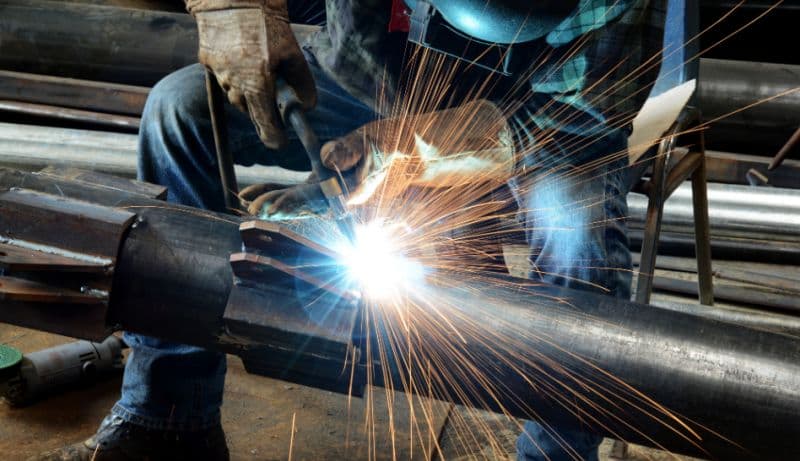
● Manufacturing
Equipment Manufacturing
The critical components of the of the complete feed mill equipment are built in our own workshops in Asia. Additional equipment is manufactured by our worldwide network of reliable partners.
● Testing
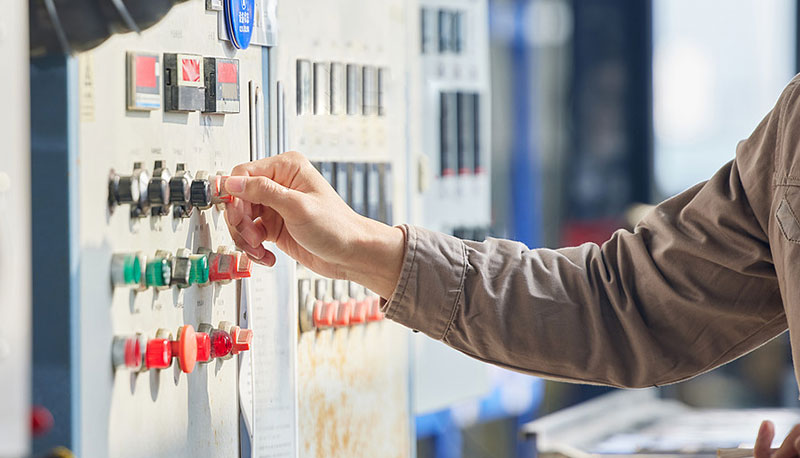
Quality Inspection & Testing
Before leaving the factory, all equipment will be inspected by the quality inspection department. We can also provide customers with testing services from a single machine to a complete pellet plant system, and provide you with real actual data for “worry-free use.”

● Delivery
Equipment Delivery
In equipment boxing and packaging, we adopt professional packaging and modular solutions to ensure the safe and non-destructive delivery of animal feed mill equipment.
● Installation
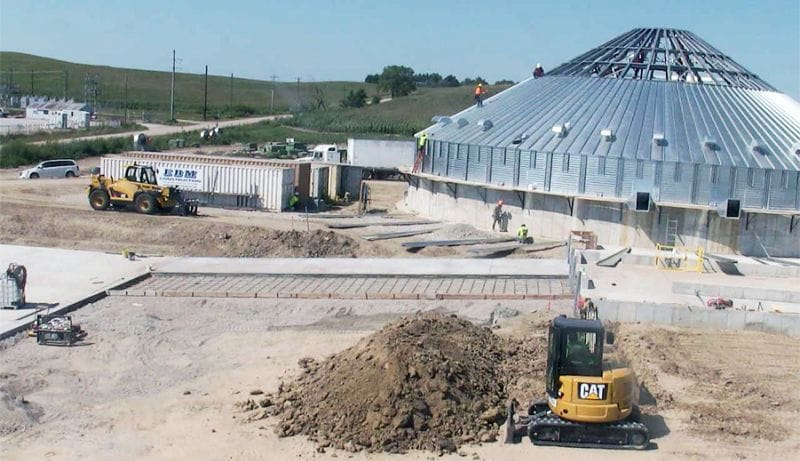
Installation & Commissioning
Whether you choose your own subcontractor for the erection phase or you want to install everything together with us, a Richi supervisor will be around to make sure everything is mounted in a safe and thorough way.

● Training
Staff Training
We provide comprehensive training for the technicians of each 500-600kg/h fish feed & 1-2t/h animal feed plant in UAE project. We can also continue to provide support for the technicians during latter project operation.
● After-sales
Project Follow-Up
When everything is up and running our Richiers will help you further whenever needed. We are ready to answer your call 24/7.We’ll also visit you regularly to learn about your needs.
Who we are
RICHI Machinery is one of the world’s leading suppliers of technology and services for the animal feed, aqua feed and pet food industries, also the largest pellet production line manufacturer in China.
Since 1995, RICHI’s vision to build a first-class enterprise, to foster first-class employees, and to make first-class contributions to society has never wavered.
In the past three decades, we have expanded our business to a wide range of areas, including animal feed mill equipment, aqua feed equipment, pet feed equipment, biomass pellet equipment, fertilizer equipment, cat litter equipment, municipal solid waste pellets equipment, etc.

1995
RICHI Established

2000+
Serving More Than 2000 Customers

120+
RICHI Employees

140+
Exported To 140 Countries