
 0086-138 3838 9622
Sugar Beet Feed Plant


A Sugar Beet Feed Plant is a specialized production system designed to process beet-based materials into valuable animal feed products. Unlike a conventional grain feed mill, it focuses on handling fibrous and moisture-sensitive materials such as wet beet pulp, pressed beet pulp, dried beet pulp and other sugar beet processing by-products. RICHI develops customized solutions according to the raw material condition, available moisture content, required capacity and final feed product.
The processing route depends greatly on where the beet material comes from. Wet beet pulp from sugar factories may require dewatering and drying before storage or pellet production, while dried beet pulp can usually enter the feed preparation process directly. For customers producing commercial feed ingredients, beet pulp pellets can be manufactured as a stable product for transportation and storage. For livestock feed producers, beet materials can also be mixed with grains, protein sources, minerals and other ingredients to produce balanced compound feeds.
A complete Sugar Beet Feed Plant can include beet pulp handling equipment, drying systems, pelletizing equipment, cooling, screening, packing and other feed processing units. RICHI designs each project around the customer’s actual business model, whether it is a sugar processing company looking to utilize beet by-products, a feed manufacturer producing livestock feed, or an agricultural investor developing a new beet-based feed business.
Discuss My Sugar Beet Feed Plant Project
beet Feed Products from Sugar Beet Feed Plant
Sugar beet materials can be processed into different feed products depending on the customer’s market, available raw materials and investment plan. A sugar beet feed plant is not limited to one production route. Some customers produce stable beet pulp feed ingredients for sale, while others combine beet materials with grains, protein meals and minerals to manufacture complete livestock feeds. RICHI configures the processing system according to the final product, including drying, mixing, pelletizing, cooling and packing requirements.

Beet Pulp Pellets
Beet pulp pellets are one of the most common commercial products made from sugar beet processing by-products. After suitable moisture reduction and preparation, beet pulp can be pelletized into a stable feed ingredient that is easier to store, transport and sell. These pellets are widely used in dairy cow, beef cattle and horse feeding programs.
Typical size: 6–10 mm pellets

Dried Beet Pulp Feed
Some customers prefer producing dried beet pulp shreds or meal instead of pellets. This product route is suitable when buyers already have their own feed mixing facilities or when the market mainly purchases dried beet pulp as an ingredient.
Typical products: dried beet pulp shreds, dried beet pulp meal

Molassed Beet Pulp Pellets
Molassed beet pulp pellets combine dried beet pulp with beet molasses to improve palatability and increase energy value. This product is commonly supplied to livestock markets where customers prefer a higher-energy beet feed ingredient.
Typical size: 6–10 mm pellets

Beet-Based Compound Feed
A sugar beet feed plant can also be designed to produce complete compound feeds by combining beet materials with other ingredients such as grains, protein meals, minerals and additives. This route is suitable for feed manufacturers and livestock farms producing their own dairy, beef or other animal feeds.
Typical products: dairy concentrate feed, cattle feed pellets, mixed livestock feed

Beet-Based Roughage Feed Products
For farms and agricultural enterprises, sugar beet residues can also be incorporated into roughage-based feed products. Depending on the available materials, these products may include beet tops silage, mixed roughage feed or other fiber-based livestock feed solutions.
Typical applications: dairy cattle, beef cattle, sheep and goats
RICHI designs each Sugar Beet Feed Plant according to the customer’s intended product rather than applying the same equipment layout to every project. Whether the goal is producing commercial beet pulp pellets, supplying dried feed ingredients or manufacturing complete livestock feed, the process configuration is selected around the raw materials, market requirements and expected production capacity.
Customize My Sugar Beet Feed Products

Sugar Beet Feed Plant videos
Sugar beet feed processing and beet pulp pelleting are related but not identical project requirements. The following examples cover general sugar beet feed processing, small and medium beet pulp pellet lines, and a larger molassed beet pulp pellet production project. The right configuration depends on the incoming material, moisture condition and target product.
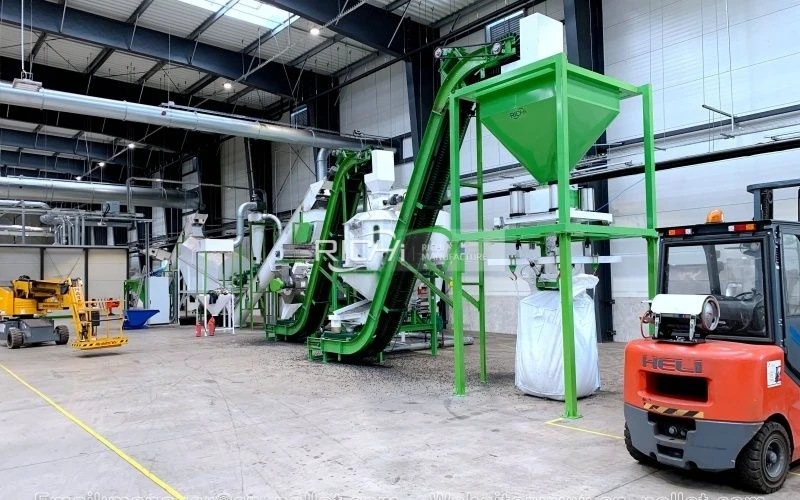

【3 T/H Sugar Beet Feed Production Line in Russia】This 3 T/H sugar beet feed production line provides a reference for buyers evaluating a moderate production capacity. Before choosing a similar system, identify the actual form of the incoming beet material and the intended finished product so the required preparation and processing stages can be specified correctly.

【1 T/H Small Beet Pulp Pelleting Plant in France】At 1 T/H, this small beet pulp pelleting plant is the lowest-capacity example in this group. It offers a useful reference for smaller processors assessing whether their available beet pulp supply and planned operating hours justify a compact pellet production system.
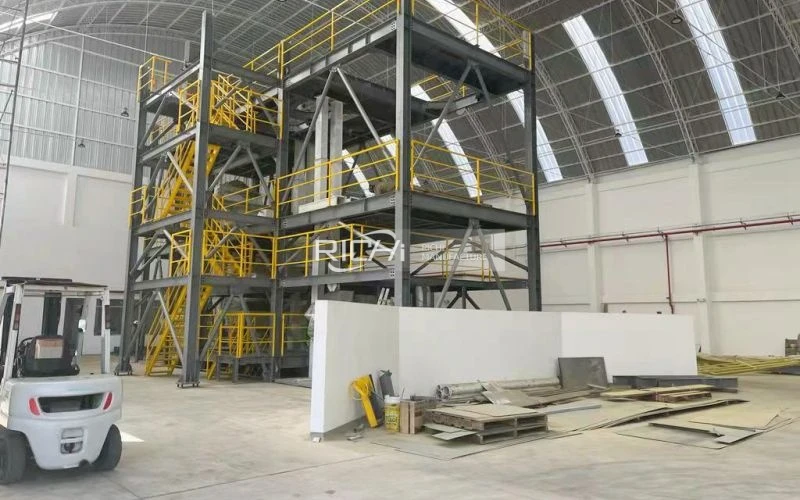
【5 T/H Beet Pulp Pellet Making Line in Spain】This 5 T/H beet pulp pellet making line is specifically focused on pellet production. For businesses planning a similar beet pulp pellet plant, material moisture, preparation requirements and the desired pellet specifications should guide the selection of the processing and finishing equipment.
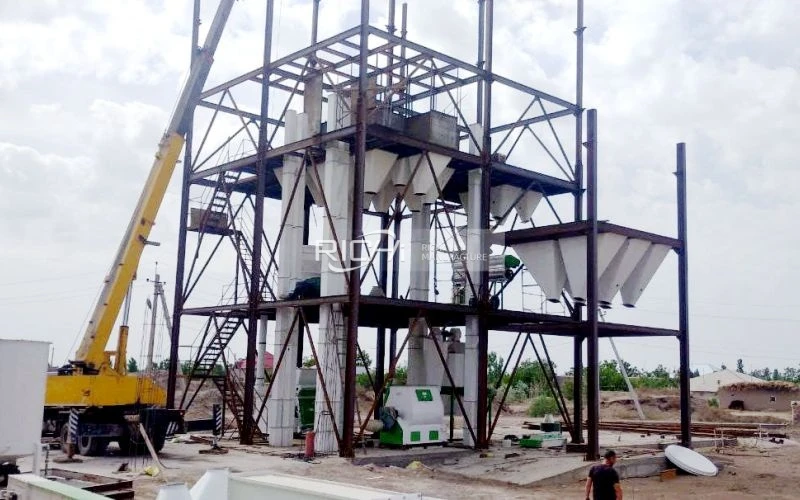
【10 T/H Molassed Beet Pulp Pellet Production Line in Türkiye】This 10 T/H project is specifically identified for molassed beet pulp pellet production. Because molasses addition affects material handling and pelleting behavior, the actual material condition, molasses inclusion and required finished-pellet characteristics should be confirmed when planning a comparable production line.
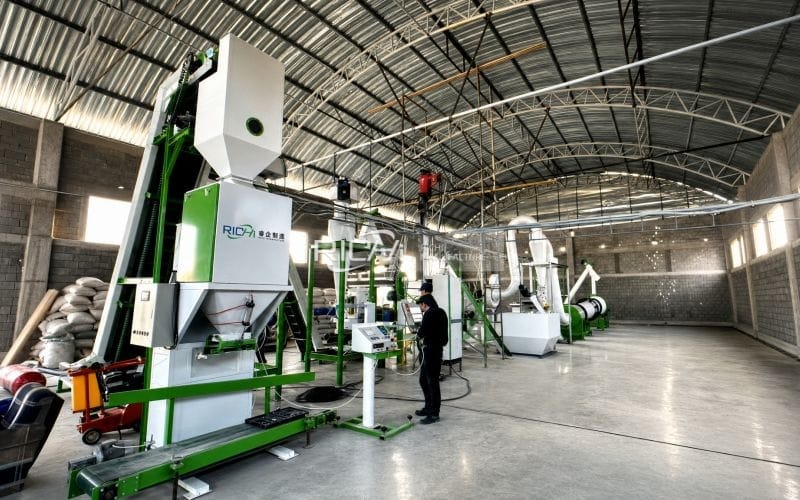
【 1–2 T/H Beet Pulp Pellet Production Line in Belarus】This 1–2 T/H beet pulp pellet production line provides a smaller-capacity reference for businesses processing beet pulp into pellets. The available raw-material volume, seasonal supply and intended operating schedule should be assessed together when deciding whether this scale is appropriate for a commercial operation.

【5 T/H Sugar Beet Feed Processing Line in Ukraine】This 5 T/H sugar beet feed processing line provides a reference for a project described in terms of feed processing rather than exclusively pellet making. Buyers should establish whether the target product is processed beet material, pellets or another specified feed form before finalizing the equipment configuration.
Flexible Process Solution for Different Sugar Beet Feed Production Routes
A Sugar Beet Feed Plant cannot use one fixed process for every project because sugar beet materials enter production in different conditions. A sugar factory delivering wet beet pulp requires a different preparation route from a customer purchasing dried beet pulp. RICHI designs the process according to moisture level, storage requirements, target feed product and production capacity, helping customers avoid unnecessary equipment investment.
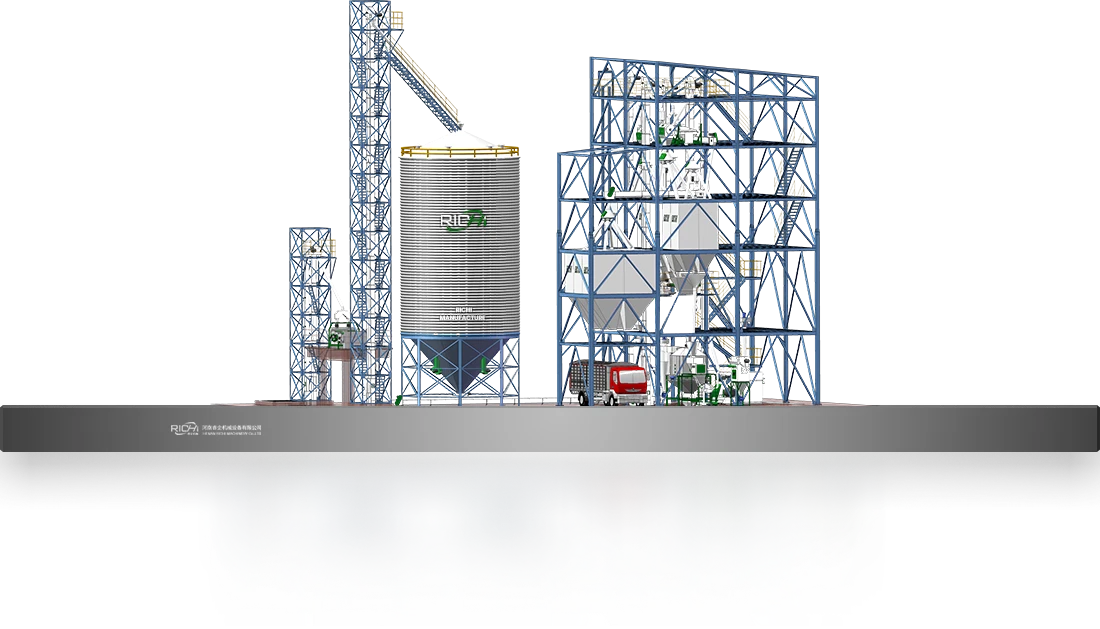
For wet beet pulp projects, the process may focus on dewatering, drying and stable storage before further processing. For dried beet pulp, the production route can be more focused on material handling, mixing, pelletizing and packing. When producing molassed beet pulp products, accurate liquid addition and uniform mixing become important parts of the system. Customers producing complete livestock feeds may combine beet materials with grains, protein sources and minerals through a full batching and feed manufacturing process.
The flexibility of a Sugar Beet Feed Plant allows different business models to use the same basic processing concept. Whether the goal is producing commercial beet pulp pellets, supplying feed ingredients or manufacturing complete animal feed, RICHI selects the suitable process modules according to the customer’s actual materials and market requirements.
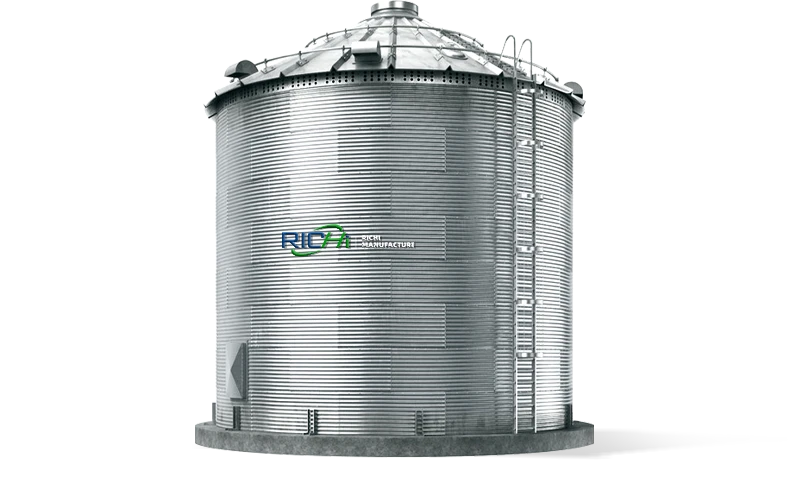
Silo system
01
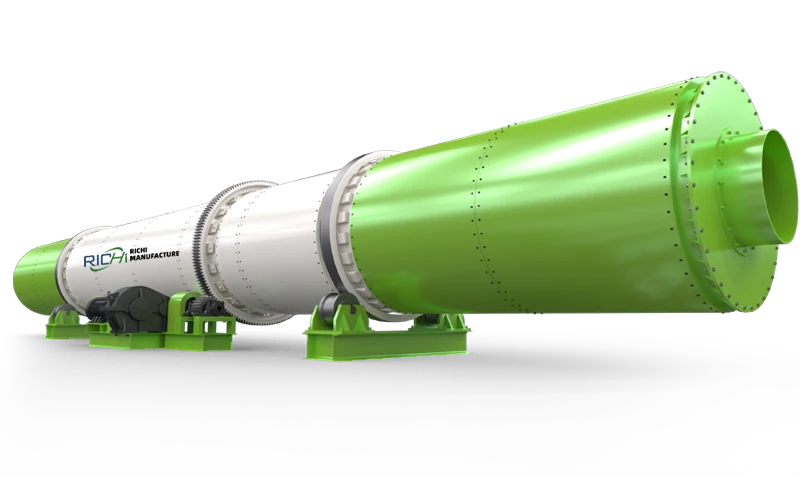
Drying system
02
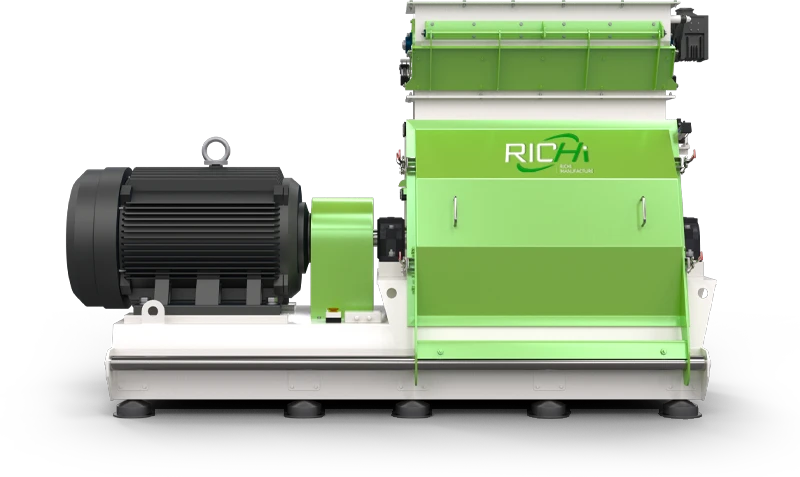
Grinding system
03
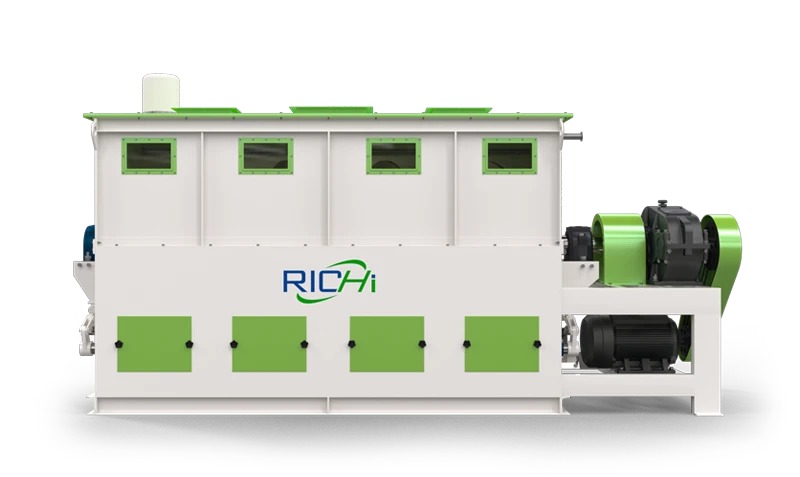
Mixing system
04
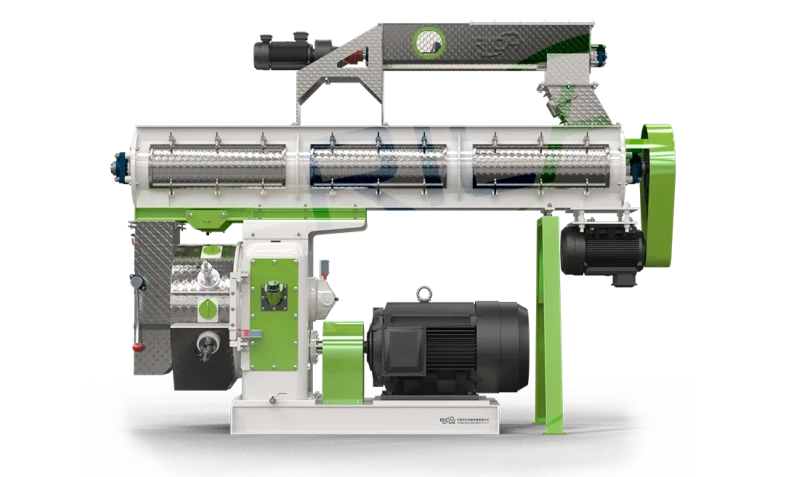
Pelleting system
05
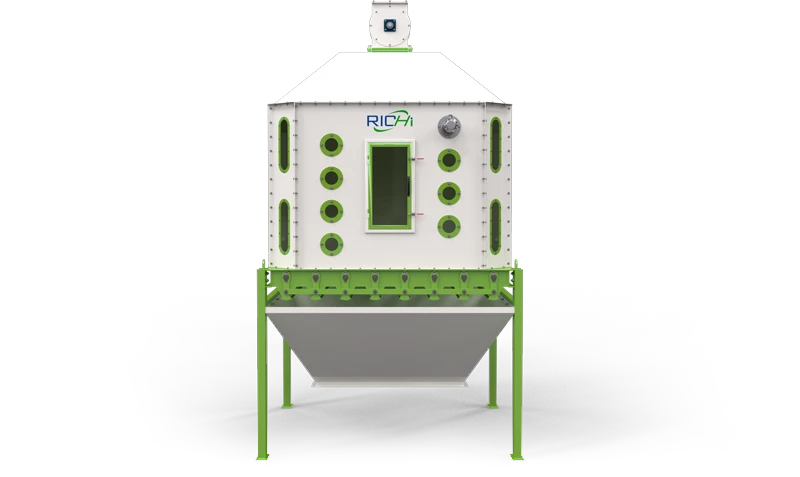
Cooling system
06
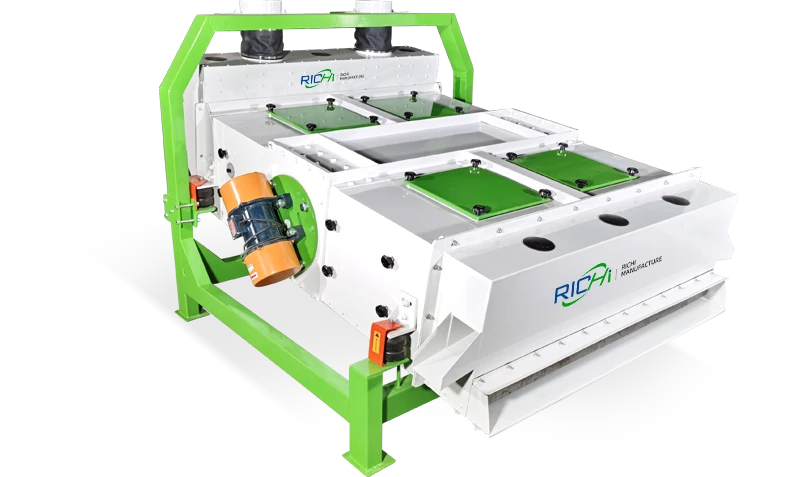
Screening system
07
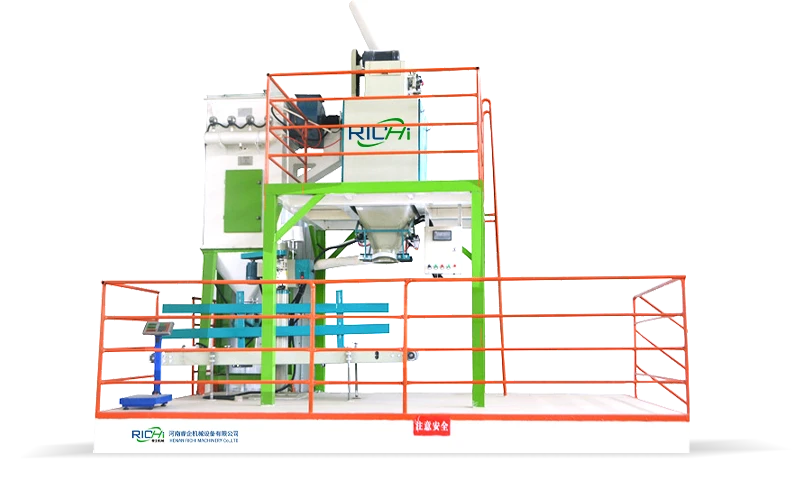
Packaging system
08
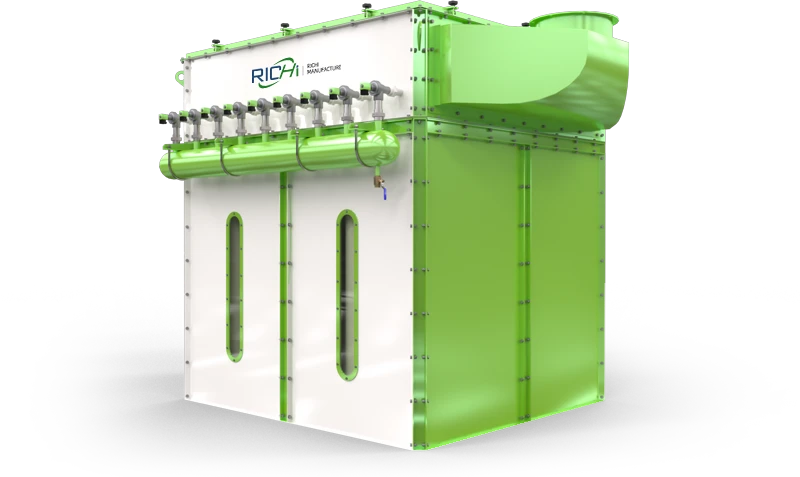
Dust removal system
09
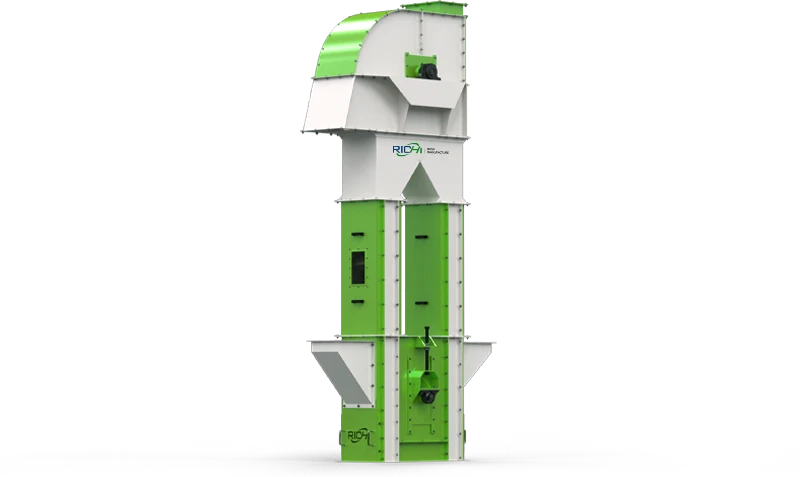
Conveying system
10
Customized Sugar Beet Feed Plant Design
Sugar beet feed processing varies according to whether the incoming material is wet pressed beet pulp, dried beet pulp shreds or meal, or dried beet pulp with molasses. Wet material requires a suitable moisture-removal process before dry pelleting, while dried ingredients can proceed through preparation, batching, mixing and pelletizing as required. RICHI configures each sugar beet feed plant around the customer’s raw materials, target feed products, production capacity, factory layout and available heat supply.

1 T/H Low-Profile Beet Pulp Compound Feed Line design for Cattle and Sheep
For a specialist feed manufacturer in Hokkaido, Japan, RICHI designed a compact 1 T/H beet pulp compound feed line for an existing workshop with limited building height. The raw materials include dried beet pulp shreds or meal, coarse grains, protein ingredients and mineral premix. Two feeding routes allow coarse grains to enter the hammer mill while suitably sized beet pulp meal and pre-ground ingredients bypass unnecessary grinding before batch mixing.
The mixture is pelleted, cooled and screened; selected compound-feed batches pass through a crumbler to produce smaller particles for young-stock feeding programs, while standard pellets bypass this stage. The target products can include approximately 6 mm pellets and 2–4 mm crumbles, subject to formula and die selection. Screw conveyors and Z-type bucket elevators keep the system height near 5.7 m, and manual bagging suits the plant’s smaller production scale.

5 T/H Fully Automatic Sugar Beet Feed Plant design
A Polish dairy-feed manufacturer requires one production line to handle several cattle-feed formulas without duplicating existing grain preparation equipment. RICHI’s 5 T/H design uses dried beet pulp, pre-ground maize or barley, protein meals and mineral ingredients. Coarser materials can enter the grinding section when necessary, while prepared ingredients proceed through automatic weighing, batching and mixing. The blended feed then moves through conditioning, ring-die pelleting, cooling, screening and automatic bagging.
The line is configured for beet-pulp-based dairy cattle compound feed, with typical pellet diameters of 6–8 mm. Different formulas can accommodate lactating cows, dry cows and heifers, with beet pulp inclusion adjusted to the nutritional specification rather than fixed at one percentage. Actual output depends on the formula, pellet size and material characteristics.

3–4 T/H Wet Beet Pulp Drying and Pelletizing Line design
For a cattle-feed producer sourcing wet beet pulp from a nearby sugar-processing operation in Germany, RICHI designed a 3–4 T/H line around the moisture-removal requirements of the incoming material. Wet pressed beet pulp, potentially containing around 75–80% moisture depending on the supplier and pressing conditions, enters a controlled receiving and feeding system. Mechanical dewatering can be included if the material condition and project economics justify it; the pulp then passes through a dryer before secondary grinding and batch mixing with suitable grain ingredients, protein sources and minerals.
The prepared mixture proceeds through conditioning, pelletizing, cooling, screening and bagging to produce beet-pulp-based cattle feed pellets, typically around 6–8 mm in diameter. The 3–4 T/H target refers to finished pellets, so the dryer and upstream handling equipment must be sized according to water removal and the required output.

20 T/H Automatic Beet Pulp Pellet Production Line design
For a French feed ingredient supplier serving commercial cattle and horse-feed manufacturers, RICHI designed a 10-15 T/H industrial beet pulp pellet production line using dried beet pulp shreds or meal as the main raw material. The system combines bulk receiving and storage, grinding where required, controlled feeding, and multiple ring-die pellet mills operating in parallel. Where a specified product requires molasses or other supplementary ingredients, suitable dosing and mixing equipment can be incorporated; otherwise, unnecessary formulation stages are omitted. After pelleting, the product passes through cooling and screening before automatic bagging or bulk dispatch.
The principal product is standardized beet pulp pellets, commonly around 6–8 mm in diameter, intended as a fibrous feed ingredient for cattle and horse rations rather than a nutritionally complete feed on its own. A separate meal-handling route can be added if the buyer also requires non-pelleted beet pulp products.
Global Sugar Beet Feed Plant Projects
Sugar beet feed projects vary according to local sugar production systems, available beet by-products and livestock demand. Some customers focus on converting wet or pressed beet pulp from sugar factories into stable pellet products, while others use dried beet pulp as an ingredient for compound livestock feed. RICHI develops each Sugar Beet Feed Plant based on the actual raw material condition, target market and final feed specifications.
The following projects represent different customer types, including sugar industry companies, commercial feed producers, agricultural cooperatives and livestock enterprises. Each system was designed around specific beet materials, moisture conditions and feed applications, helping customers produce suitable products for dairy cattle, beef cattle, horses, sheep and other livestock markets.

1 T/H Small Beet Pulp Pellet Plant
Spain
A Spanish livestock cooperative developed a small beet pulp pellet plant using dried beet pulp supplied by local sugar processing companies. The raw material moisture was around 11–12%, and the 1 T/H system produces 6 mm beet pulp pellets mainly used for dairy cows, sheep and goat feed. The compact design matched the cooperative’s regional livestock supply model.

6 T/H Dried Beet Pulp Pellet Production Line
Kazakhstan
A livestock feed producer in Kazakhstan selected dried beet pulp from regional sugar processing companies as the main fiber ingredient. The material moisture was approximately 10–12%, and the 6 T/H system produces 8 mm beet pulp pellets designed for cattle and sheep feeding programs in large agricultural areas.

5 T/H Pressed Beet Pulp Pellet Plant
Germany
A German sugar industry by-product processor developed this project to utilize pressed beet pulp from a local sugar factory. The raw material contained around 78% moisture before drying, and the system was designed to produce 6–8 mm beet pulp pellets at 5 T/H. The finished pellets are supplied as a fiber-rich feed ingredient for dairy cows and beef cattle, extending the sales period of seasonal beet resources.
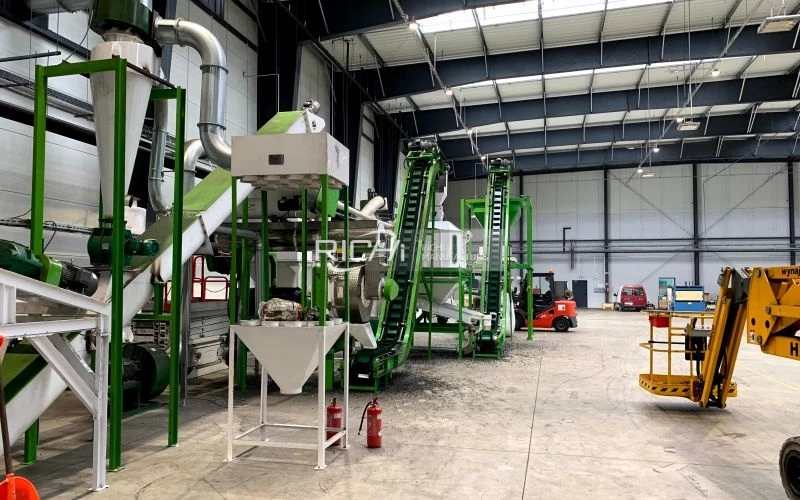
10 T/H Beet Pulp Pellet Plant
United States
A US feed ingredient company serving dairy regions invested in a beet pulp pellet production system using commercial dried beet pulp at around 10% moisture. The 10 T/H plant produces 8–10 mm pellets mainly supplied to dairy cattle, beef cattle and horse feed markets where larger pellet sizes are preferred for handling.
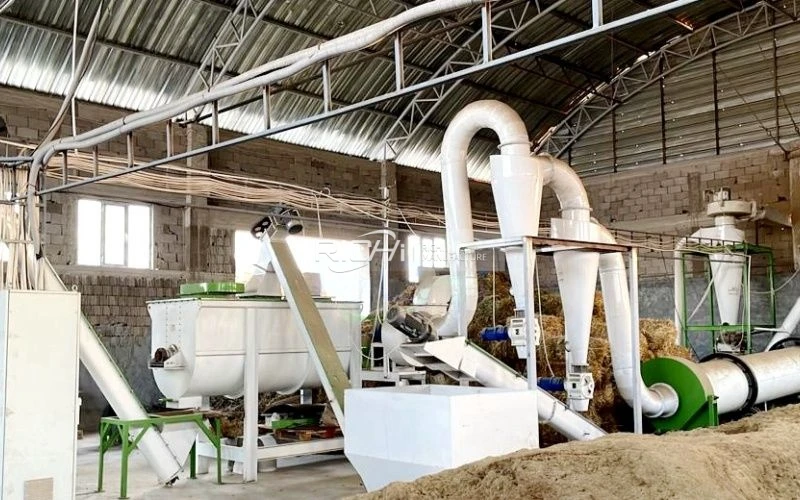
2 T/H Sugar Beet Feed Mill
Uzbekistan
An Uzbek agricultural feed producer established a small sugar beet feed mill to process dried beet pulp together with grain ingredients. The raw materials contained around 12% moisture before production. The 2 T/H line produces 4–6 mm compound feed pellets for dairy cattle farms and small livestock producers in agricultural regions.

3 T/H Beet Pulp Horse Feed Production Line
Australia
An Australian specialty livestock feed producer used imported dried beet pulp as a functional fiber ingredient for equine nutrition products. The raw material moisture was around 12%, and the 3 T/H line produces 6 mm pellets designed for horse feed applications with easy consumption characteristics.

5 T/H Wet Beet Pulp Processing Plant
Iran
A dairy feed company in Iran worked with a sugar factory to utilize fresh wet beet pulp after sugar extraction. The material moisture was around 80%, requiring drying before pellet production. The 5 T/H plant produces 6–10 mm beet pulp pellets used as a feed ingredient for dairy cattle farms.

8 T/H Beet Pulp Compound Feed Line
France
A commercial dairy feed manufacturer in France integrated dried beet pulp into a complete cattle feed production system. The main raw materials included dried beet pulp with around 12% moisture, wheat, corn and protein ingredients. The 8 T/H line produces 5–8 mm compound pellets mainly used for high-production dairy farms in agricultural regions.

1 T/H Beet Pulp Pellet Production Line
Hungary
A Hungarian family-owned livestock feed business invested in a compact beet pulp pellet production line using dried beet pulp from the sugar industry. With raw material moisture at approximately 10–12%, the 1 T/H system produces 6 mm pellets for dairy cattle and horse feed applications where small-batch production flexibility is important.
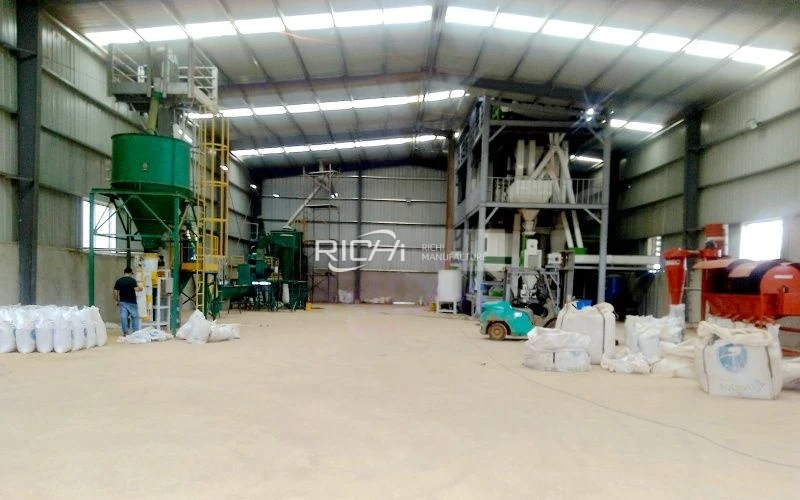
4 T/H Molassed Beet Pulp Pellet Plant
Turkey
A Turkish agricultural processor developed a molassed beet pulp pellet production system using dried beet pulp combined with beet molasses. The material moisture before pelleting was around 12%, and the 4 T/H plant produces 6–8 mm molassed beet pulp pellets for dairy cattle, beef cattle and sheep markets.
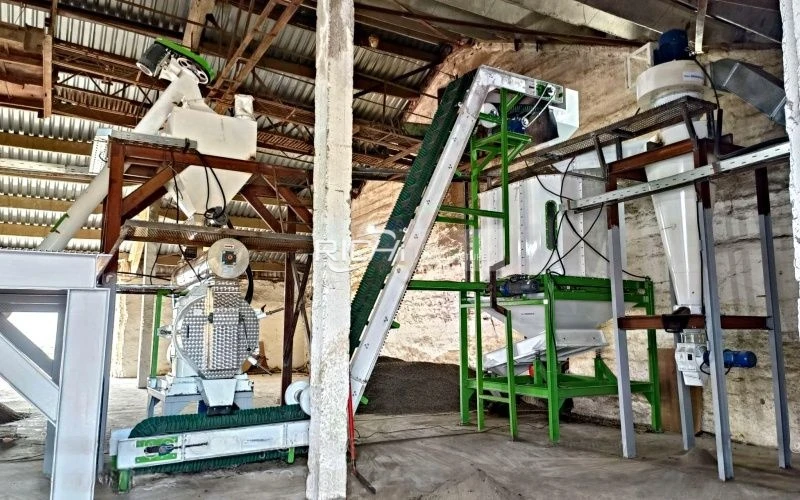
5 T/H Sugar Beet Feed Processing Plant
Egypt
An Egyptian agricultural feed company processed dried beet pulp together with corn and other feed ingredients for dairy farms. The raw material moisture was approximately 12%, and the 5 T/H system produces 4–6 mm compound pellets for dairy cattle feeding programs.
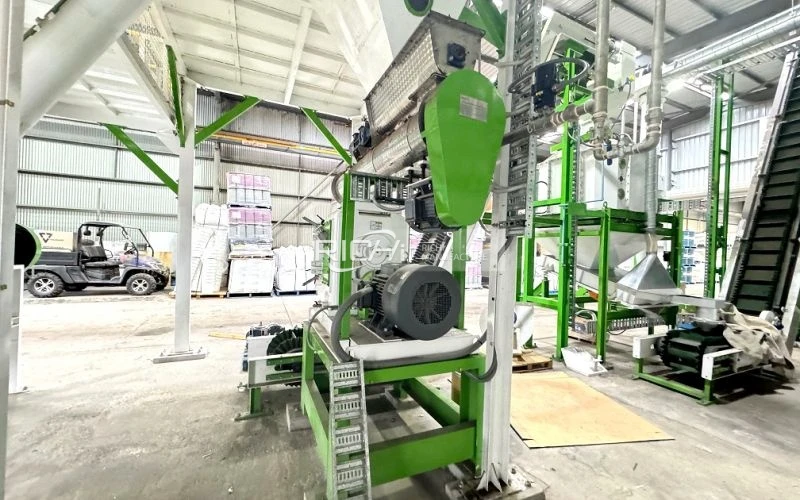
4 T/H Dried Beet Pulp Pellet Plant
Poland
A feed ingredient supplier in Poland invested in a compact beet pulp pellet plant using dried beet pulp supplied by regional sugar processors. With moisture controlled at approximately 11%, the system produces 6 mm pellets for dairy cattle and beef cattle farms that require convenient storage and transportation of fiber feed ingredients.
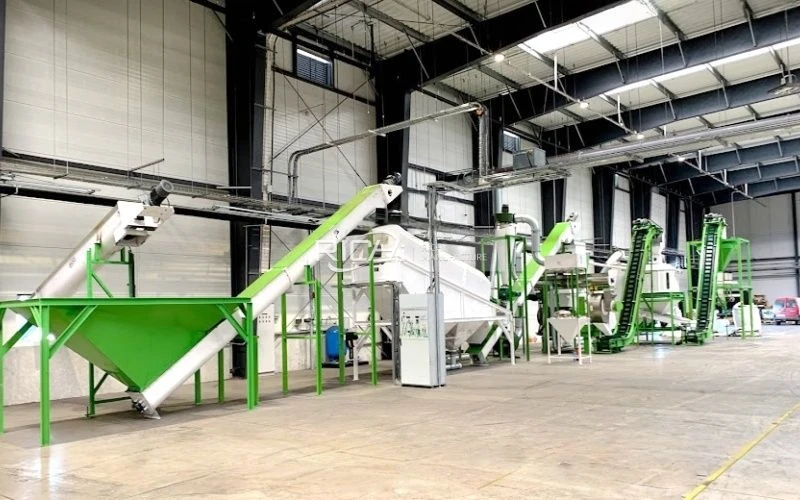
2 T/H Beet Residue Feed Plant
South Korea
A South Korean agricultural company utilized imported dried beet pulp as a functional fiber ingredient for livestock feed production. The material moisture was around 12%, and the 2 T/H beet residue feed plant produces 5–6 mm pellets mainly supplied to dairy farms and specialty animal feed markets.
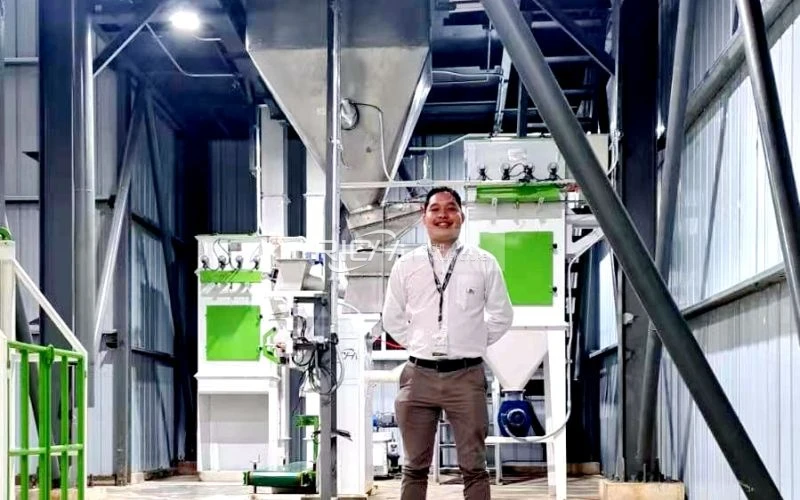
7 T/H Beet-Based Cattle Feed Plant
Argentina
An Argentine livestock feed producer used dried beet pulp as one component of a cattle feed formula together with corn and soybean meal. The raw material moisture was approximately 11%, and the 7 T/H system produces 5–8 mm cattle feed pellets for beef production farms.
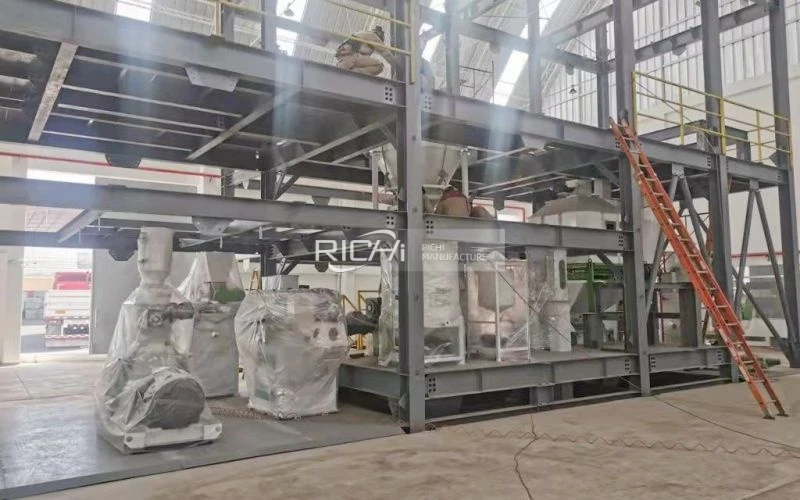
4 T/H Beet Pulp Pellet Plant
Morocco
A Moroccan agricultural processor used dried beet pulp from the sugar industry to produce commercial livestock feed pellets. The raw material moisture was around 11%, and the 4 T/H plant produces 6–8 mm beet pulp pellets for dairy cattle and sheep farms requiring stable fiber feed sources.

3 T/H Beet Residue Feed Production Line
Romania
A Romanian agricultural cooperative utilized locally available sugar beet residues together with grain ingredients to produce livestock feed. The incoming beet materials contained around 15% moisture after preparation. The 3 T/H production line manufactures 4–6 mm feed pellets for dairy cattle and small ruminant farms.
Customers investing in a Sugar Beet Feed Plant usually evaluate more than equipment performance. They also care about whether the process design matches their beet materials, whether the system fits their production goals, and whether technical support helps them operate the plant smoothly after installation. The following feedback reflects the practical experience customers value during cooperation with RICHI.


Customer from Czech Republic
- Client Profile: Agricultural Feed Producer
- Project Focus: Process Design & Material Analysis
“We appreciated that the production process was discussed based on our actual beet material condition instead of receiving a standard equipment package. The moisture level, storage method and final pellet requirements were considered before the equipment design was completed.”

Customer from Saudi Arabia
- Client Profile: Livestock Feed Investor
- Project Focus: Installation & Commissioning
“The technical guidance during installation helped our team understand the equipment connection and operation steps more quickly. The communication between our local workers and the RICHI engineers made the commissioning process smoother.”

Customer from Netherlands
- Client Profile: Commercial Feed Company
- Project Focus: Product Flexibility
“We valued the flexibility of the system because our target products may change according to customer demand. The plant allows us to adjust production between beet-based feed ingredients and mixed livestock feed products.”

Customer from Chile
- Client Profile: Agricultural Processing Company
- Project Focus: Equipment Configuration
“The project discussion focused on what we actually needed instead of adding unnecessary machines. The final configuration matched our production capacity, available space and local operating conditions.”

Customer from New Zealand
- Client Profile: Livestock Feed Manufacturer
- Project Focus: Operation Training
“Our operators found the production process clear after training. The layout was designed with daily operation and maintenance access in mind, which helped our team manage the plant more confidently.”

Customer from Mexico
- Client Profile: Feed Ingredient Supplier
- Project Focus: Feed Product Development
“The biggest benefit was turning beet-based materials into a more stable feed product. The project helped us improve storage and transportation efficiency while creating a product suitable for local livestock customers.”

Sugar Beet Feed Plant Solutions by Capacity
A Sugar Beet Feed Plant can be designed from small agricultural processing units to large commercial feed manufacturing systems. The suitable capacity is determined not only by the target output, but also by the available beet materials, moisture condition, finished feed type, investment budget, storage capacity and local livestock market.
Small projects are often suitable for farms, cooperatives and regional feed suppliers using locally available beet pulp, while larger systems are usually selected by commercial feed producers, sugar industry partners and integrated livestock businesses. RICHI develops different configurations according to whether customers produce beet pulp pellets, beet-based compound feed, dried beet feed products or multiple livestock feed products.
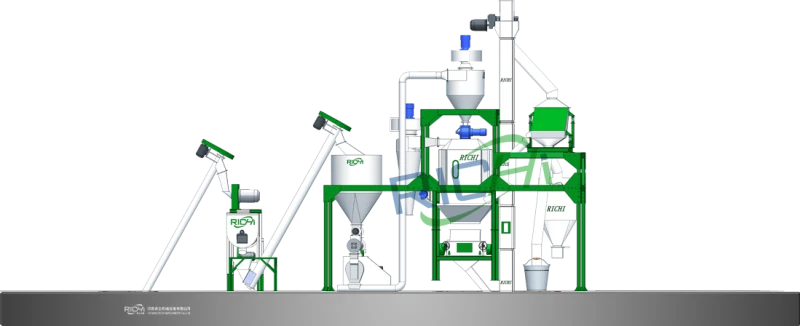
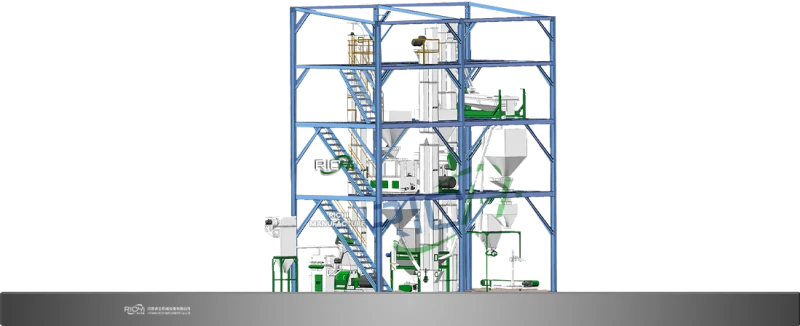
0.5-2 t/h small scale feed mill
A 1–2 T/H system is suitable for small agricultural enterprises, livestock farms, cooperatives and investors who want to process locally available beet pulp into stable feed products. These projects usually focus on simple production routes, such as dried beet pulp pelletizing or beet pulp mixed feed production, with lower automation and compact layouts.
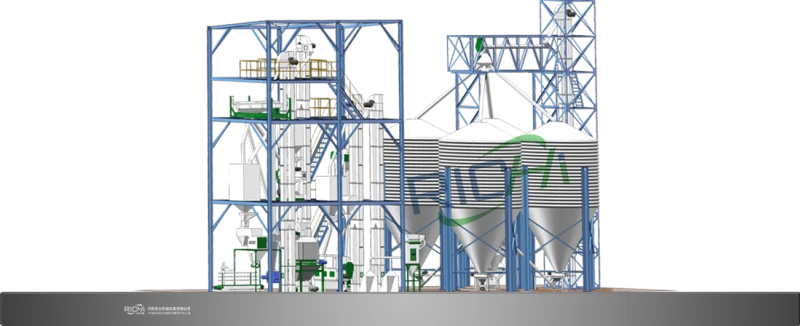
3-4 t/h animal feed production plant
A 3–4 T/H Sugar Beet Feed Plant is commonly selected by small commercial feed producers and agricultural processors with stable raw material sources. This capacity provides more flexibility for producing beet pulp pellets, compound cattle feed or mixed livestock feed while keeping investment and operation requirements manageable.
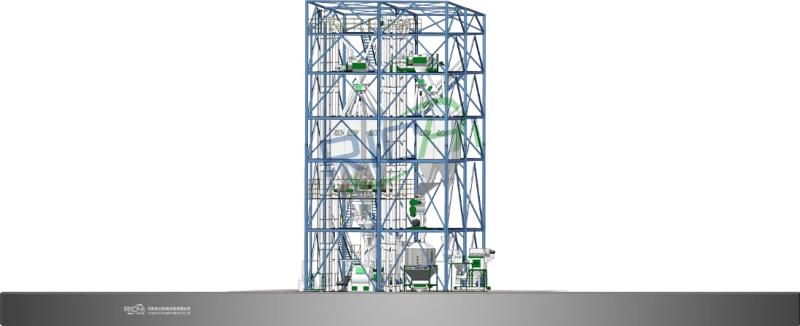
5-7 t/h animal feed pellet plant
A 5–7 T/H system is suitable for commercial livestock feed businesses that need continuous production for dairy farms, beef farms or regional distributors. These projects may include more complete systems for crushing, mixing, pelletizing, cooling, screening and packing depending on the finished product requirements.
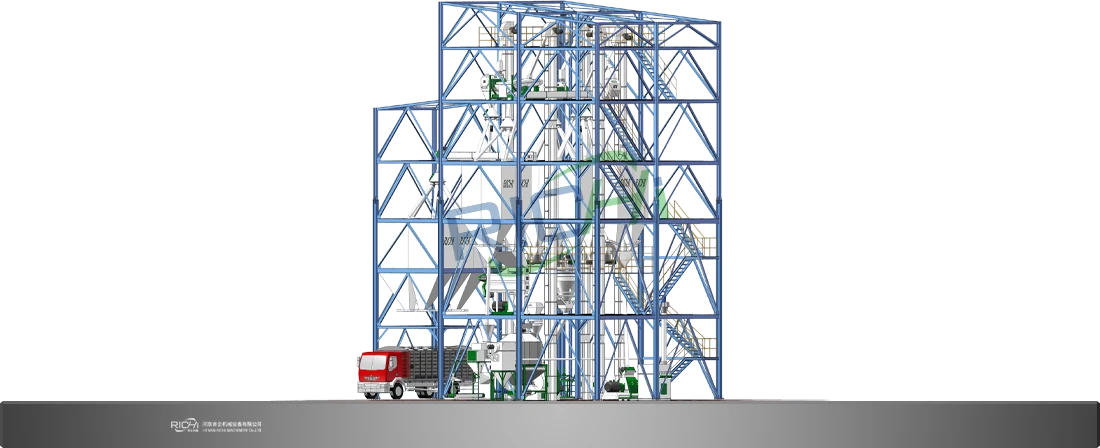
8-10 t/h animal feed processing plant
An 8–10 T/H Sugar Beet Feed Plant is designed for medium-scale feed manufacturers that supply multiple livestock customers. This capacity allows customers to handle larger volumes of dried beet pulp or processed beet ingredients and produce more standardized feed products.
12-20 t/h feed preparation plant
A 12–20 T/H system is suitable for established feed manufacturers and companies developing a larger beet-based feed business. These projects usually require more advanced material handling, larger storage systems and higher automation levels to maintain stable production.
Sugar Beet Feed Plant Investment
The investment required for a sugar beet feed plant depends heavily on what enters the factory and what the finished product needs to be. A line processing dried beet pulp into pellets has a different equipment scope from a plant receiving wet beet pulp that needs pressing and drying first. Projects handling fresh sugar beet roots may also require cleaning and cutting equipment, depending on the intended feed product.
The estimates below separate machinery and equipment investment from construction, utilities, logistics and other project expenses. They provide an initial budgeting framework for small beet pulp pellet plants and larger commercial sugar beet feed processing facilities. They are not formal quotations, and the actual scope should be confirmed before comparing suppliers.
Whole Sugar Beet feed plant set up investment : $37,000 – $40,000,000
Machinery and Equipment Investment :
Raw Material Receiving, Feeding & Pre-Cleaning :
$2,000–45,000
Root Washing & Foreign-Material Removal :
$3,000–80,000
Root Slicing, Cutting & Size Reduction :
$2,000–35,000
Dewatering & Screw Press :
$2,000–80,000
Beet Pulp Drying System :
$60,000–350,000+
Grinding & Crushing Equipment :
$2,000–25,000
Batching, Weighing & Ingredient Dosing :
$2,000–35,000
Molasses Storage, Pumping & Dosing :
$2,000–40,000
Conditioning & Ring-Die Pellet Mill :
$7,000–100,000+
Beet Pulp Pellet Cooler :
$2,000–35,000
Pellet Screening & Fines Return :
$2,000–18,000
Conveyors, Elevators & Transfer Equipment :
$2,000–80,000
Storage Bins & Silos :
$2,000–100,000
Weighing, Bagging & Sealing :
$2,000–45,000
Dust Collection :
$1,000–30,000
Electrical Controls & Automation :
$5,000–60,000
The ranges are deliberately broad because a compact plant using an existing workshop and dried raw material has a very different investment profile from a new industrial site that must install a dryer, heat supply, storage buildings and a higher-capacity electrical connection. They should not be assigned mechanically according to whether a country is considered low-income or high-income.
For accounting purposes, land, buildings and fixed equipment are generally treated as capital investment, while initial raw-material inventory and working capital are normally treated as startup funding or current assets. They are included here because they affect the amount of money an investor needs to launch the operation, but they should remain identifiable as separate budget items.

Services for Sugar Beet Feed Plant Projects
A successful Sugar Beet Feed Plant starts with understanding the characteristics of beet-based materials. Wet beet pulp from sugar factories, pressed beet pulp after moisture reduction and commercial dried beet pulp all require different processing considerations. RICHI provides complete project support to help customers select a suitable production route, build the right equipment configuration and achieve stable feed production according to their local raw materials and market needs.
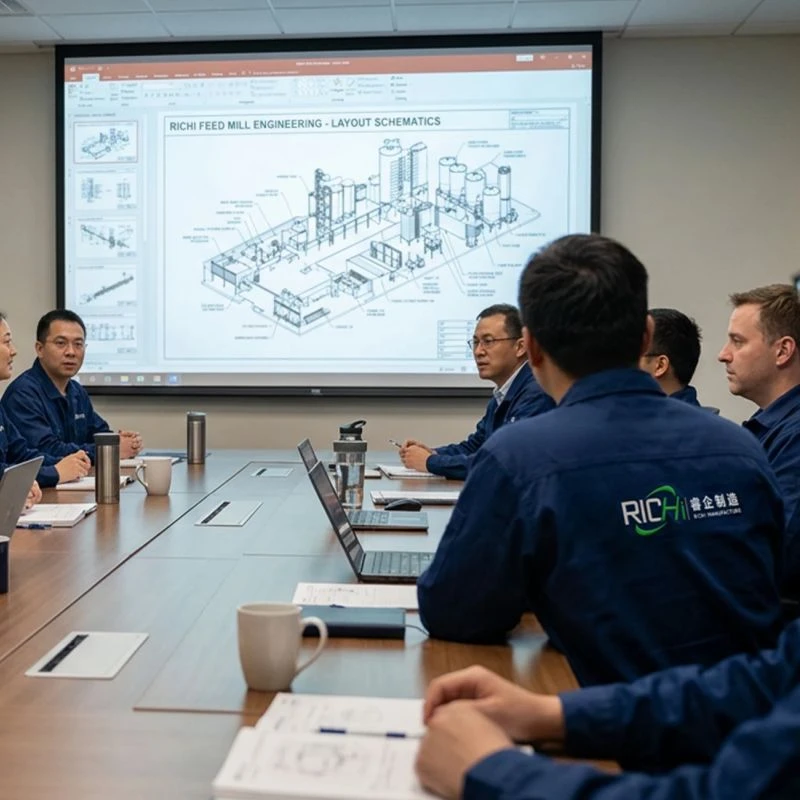
Beet Material Evaluation Service
Before designing the production system, RICHI analyzes the customer’s actual beet materials, including wet beet pulp, pressed beet pulp, dried beet pulp and other beet residues. The evaluation focuses on moisture level, storage conditions, material handling requirements and whether additional drying or preparation steps are required before pellet production.
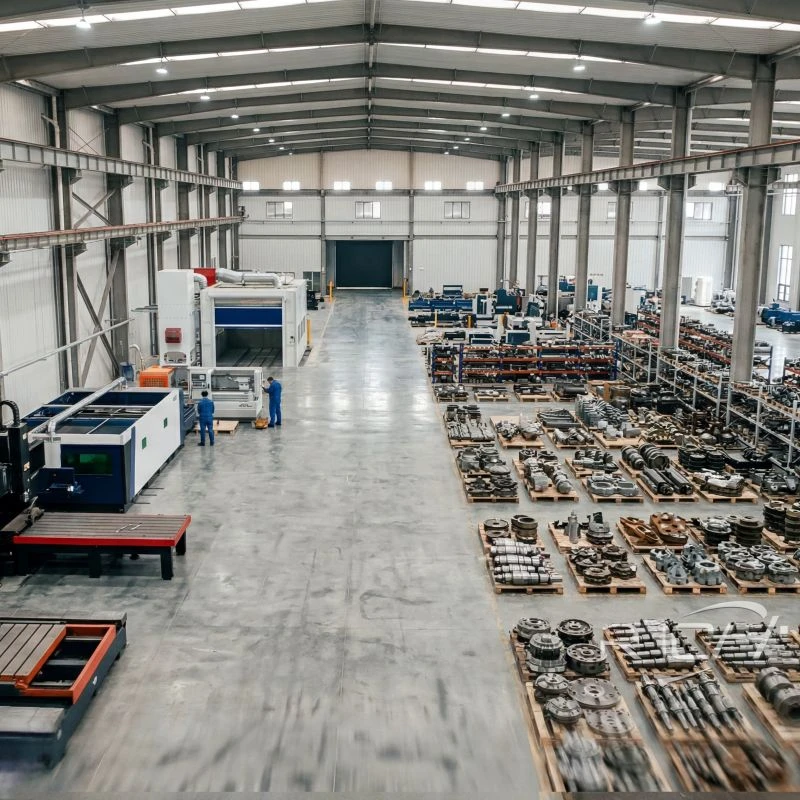
Customized Process Design Service
Different Sugar Beet Feed Plant projects require different processing routes. A system processing high-moisture beet pulp from a sugar factory may need dewatering and drying sections, while a plant using dried beet pulp may focus more on grinding, mixing, pelletizing and packing. RICHI develops the process according to the customer’s raw materials, target products and production capacity.
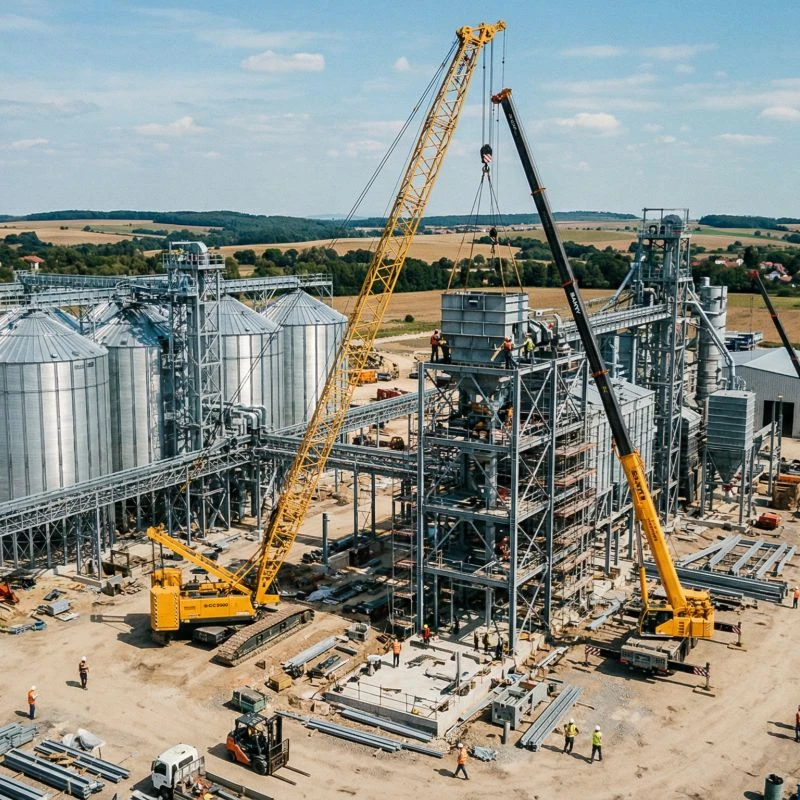
Feed Production System Design Service
The final feed product determines many design details of the plant. RICHI helps customers plan production systems for beet pulp pellets, beet-based compound feed and other livestock feed products by considering pellet size, formula requirements, production capacity and application markets such as dairy cattle, beef cattle, sheep and horse feed.

Project Implementation Support Service
From equipment manufacturing to installation guidance and production startup, RICHI supports customers throughout the project implementation stage. Technical communication covers equipment arrangement, operation adjustment, production testing and operator training, helping customers achieve stable operation after the Sugar Beet Feed Plant is completed.
Free Services
Before investing in a Sugar Beet Feed Plant, customers usually need clear information about raw material suitability, production planning, equipment selection and expected investment. RICHI provides free technical services to help customers understand the best processing route for their beet materials, whether they are handling wet beet pulp, pressed beet pulp, dried beet pulp or beet-based compound feed production.

Free Raw Material Analysis
Free Production Process Design
Free Equipment Configuration Proposal
Free Capacity Planning
Free Plant Layout Design
Free Investment Estimation
Free Pellet Specification Guidance
Free Technical Consultation
Sugar Beet Feed Plant Equipment
A Sugar Beet Feed Plant is not built around only one machine. The right equipment combination depends on what kind of beet materials the customer receives and what final feed product they want to make. Dried beet pulp, pressed beet pulp and wet beet pulp have completely different processing requirements, especially in moisture control, material handling and pellet quality.
For customers using dried beet pulp, the production process is usually focused on grinding, mixing, pelletizing and packing. For sugar factories or processors handling wet beet pulp, additional dewatering and drying sections may become the key part of the project. RICHI selects equipment according to the real production route instead of applying the same configuration to every customer.
A complete Sugar Beet Feed Plant may include only the necessary sections for a specific business model. A farm producing beet pulp pellets from dried material may need a simpler system, while a sugar factory processing wet beet pulp may require dewatering, drying and advanced handling equipment.

Sugar Beet Chopping Machine
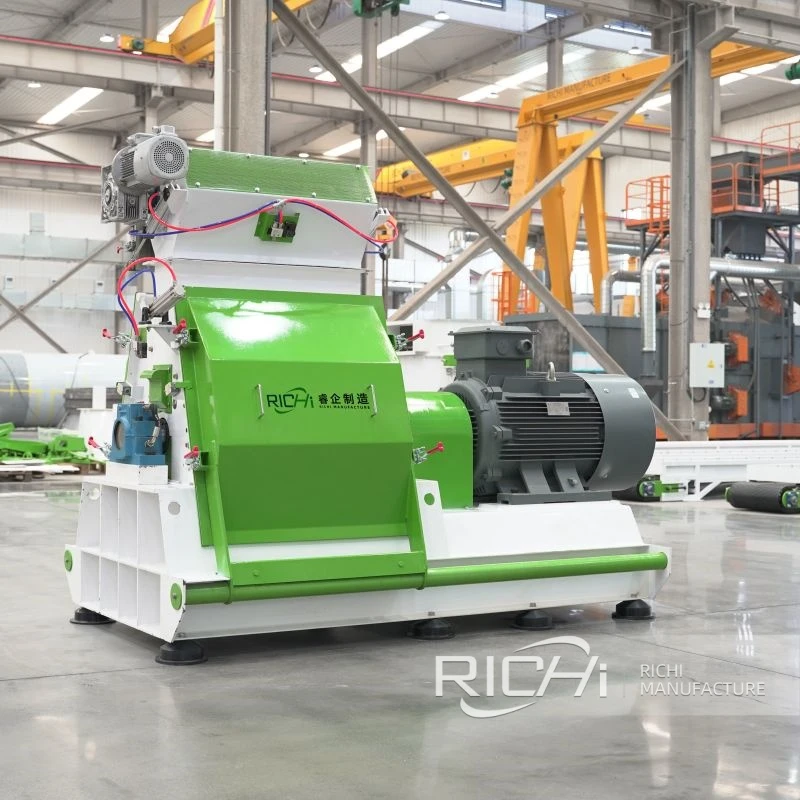

Beet Pulp Drying Equipment
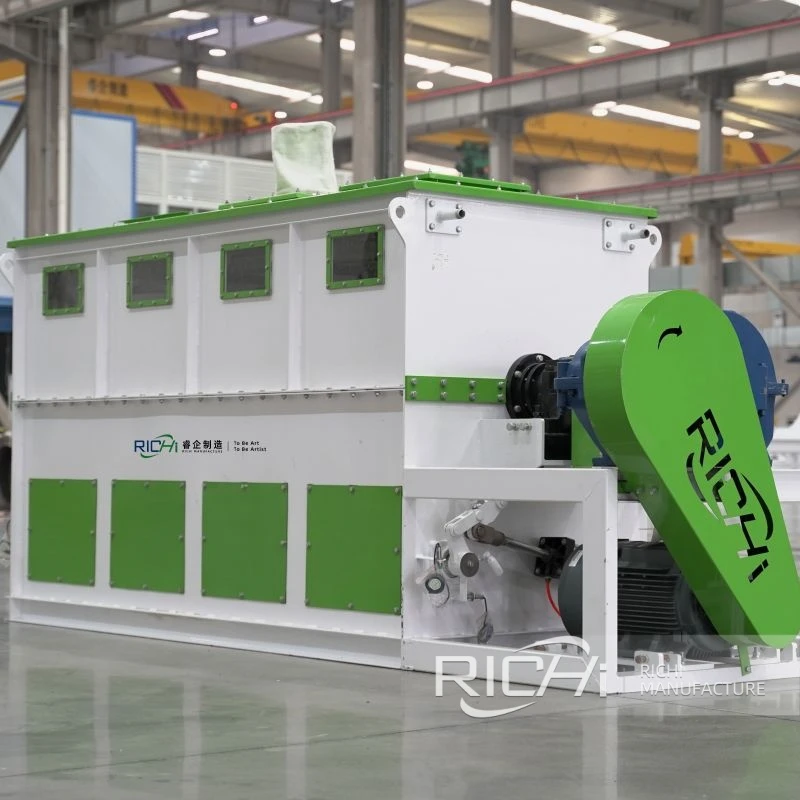

Beet Pulp Pellet Mill
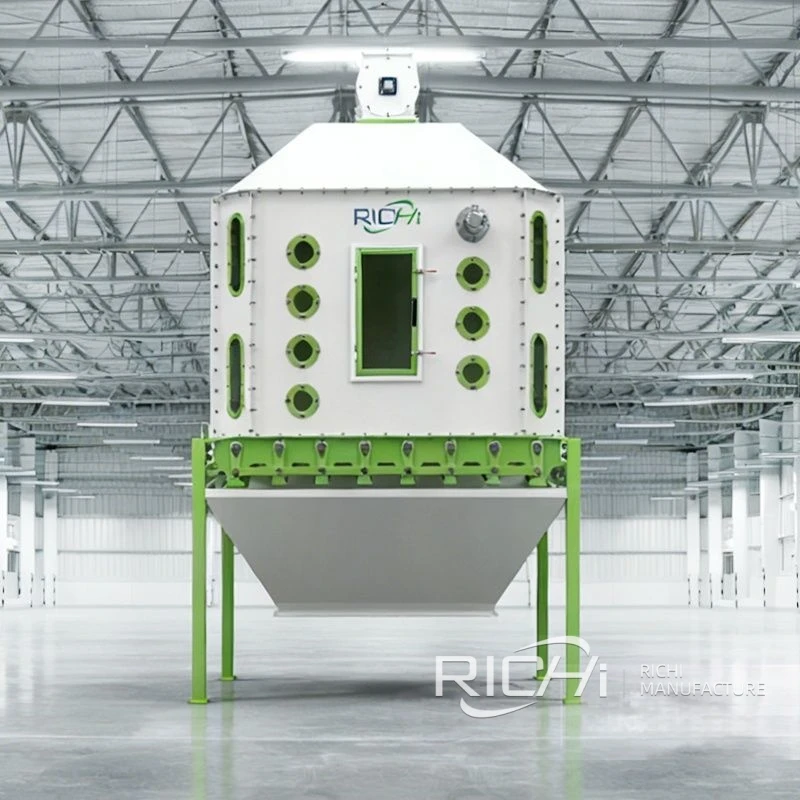
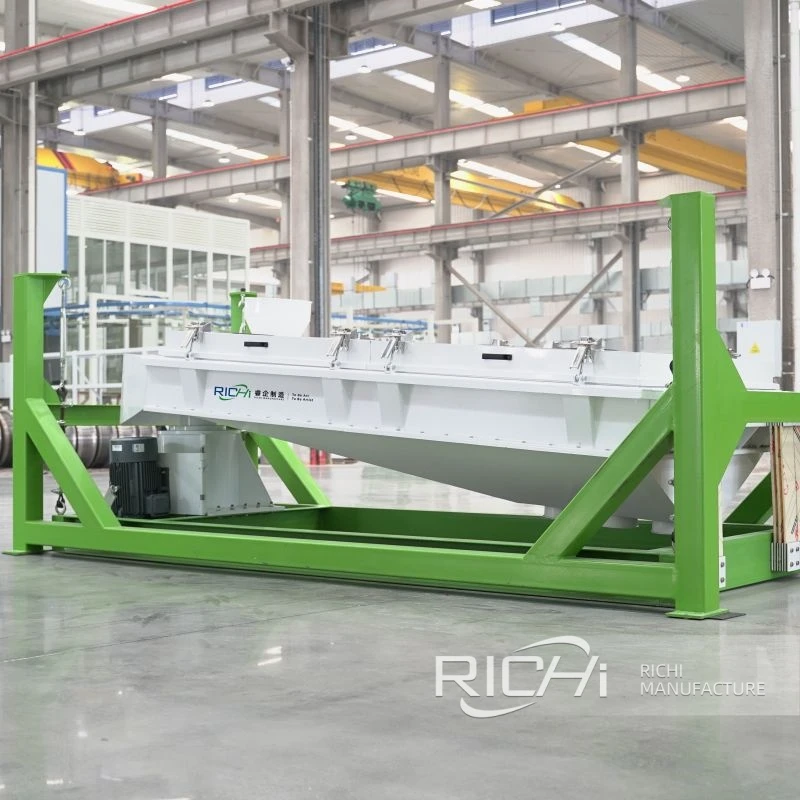
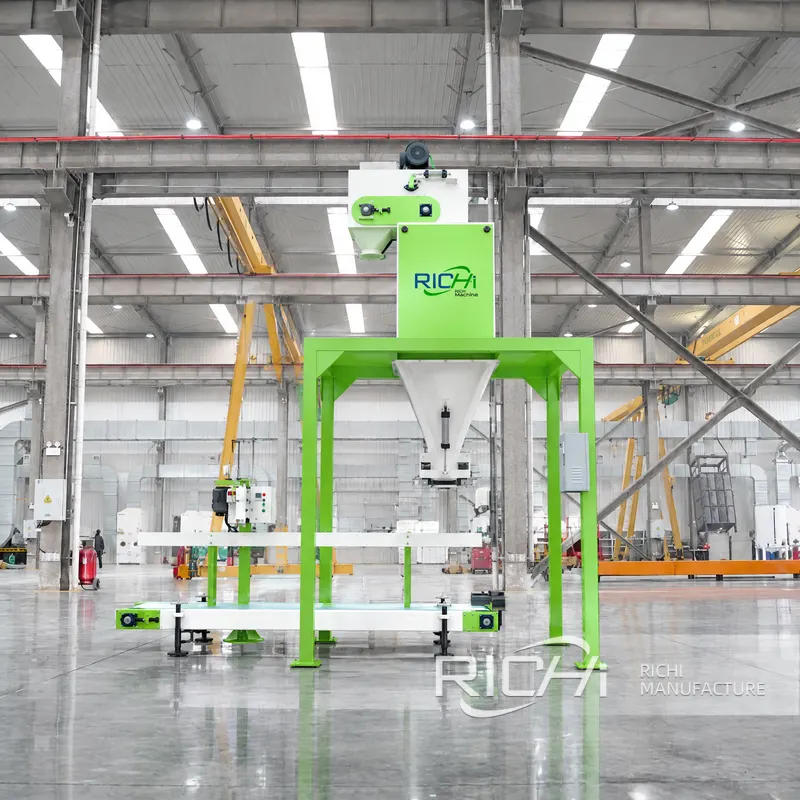
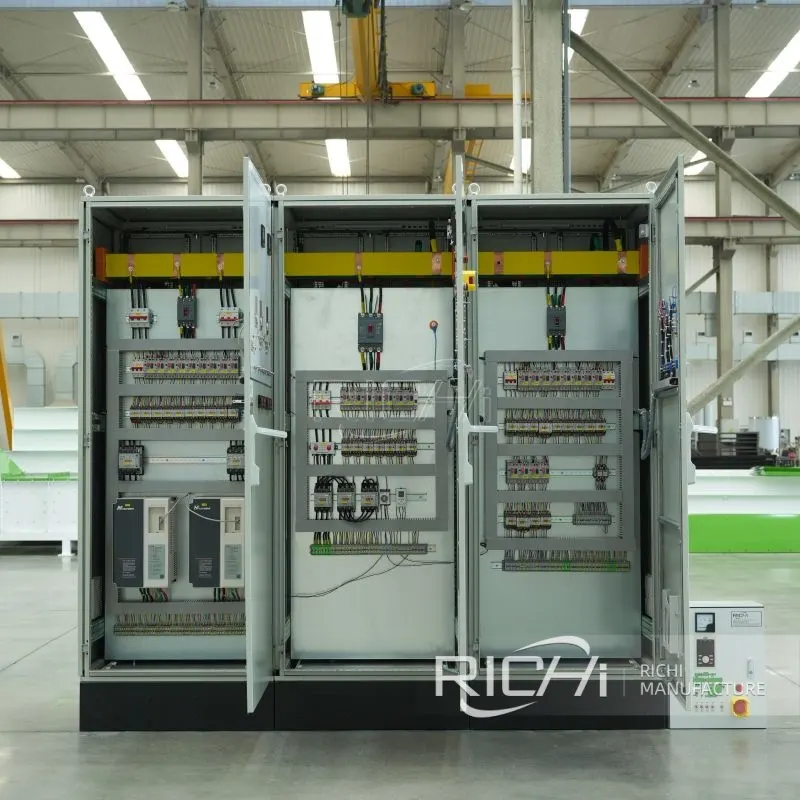
Automatic Control System
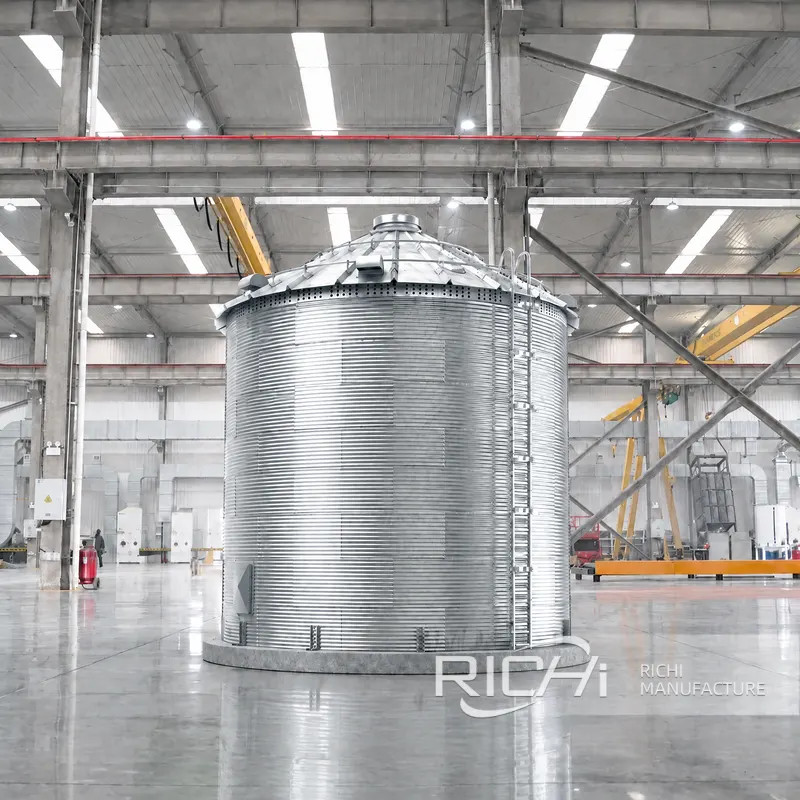
Grain Silo & Ingredient Bin System
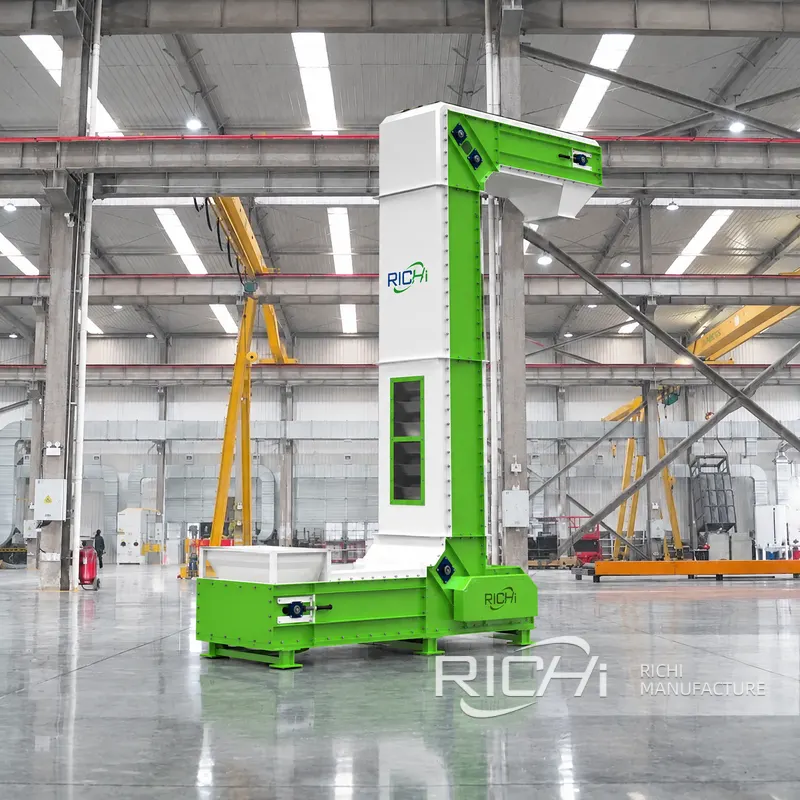
Conveyor Equipment
The final design and equipment configuration should always match the actual beet material source and market demand.
Future Development of Sugar Beet Feed Plant Industry
The demand for sugar beet feed processing is closely connected with the development of sugar production, livestock farming and agricultural by-product utilization. As feed producers and agricultural companies look for more efficient ways to use local resources, beet pulp and other beet-based materials are increasingly considered valuable feed ingredients instead of low-value by-products. A well-designed Sugar Beet Feed Plant helps customers convert seasonal beet resources into stable products such as beet pulp pellets and compound livestock feed.
In regions with strong sugar beet production, dairy farms, beef operations and feed manufacturers are showing greater interest in processing solutions that improve storage, transportation and product consistency. Future projects are expected to focus more on flexible processing systems that can handle different beet material conditions, including wet beet pulp, pressed beet pulp and dried beet pulp, while producing feed products suitable for different livestock markets.
Talk to Us About Your Market Opportunity

Applications of Sugar Beet Feed Products for Different Animals
Sugar beet feed products are mainly valued as a source of digestible fiber and energy in livestock feeding. In commercial use, beet pulp is rarely processed as a single feed ingredient for every market. Instead, it is usually combined with grains, protein sources, forage ingredients and minerals to produce different feed products according to animal requirements.
A Sugar Beet Feed Plant can be designed for different markets, including dairy farms, beef cattle operations, horse feed producers, sheep and goat farms, and commercial livestock feed manufacturers. The final product form, pellet size and formula depend on the feeding system and customer requirements.

Wet Sugar Beet Pulp

Fresh Sugar Beet Roots

Pressed Beet Pulp

Molassed Beet Pulp Shreds

Dried Beet Pulp Shreds

Sugar Beet Tops & Leaves

Beet Molasses

Dairy Cow Feed 6–10mm
Beet pulp is widely used in dairy cow feeding because it provides highly digestible fiber and can support balanced rations when combined with other feed ingredients. Dairy farms commonly use dried beet pulp or beet pulp pellets together with forage, corn, soybean meal and mineral additives.

Beef Cattle Feed 8–10mm
Beet pulp is also widely used in beef cattle feeding programs, especially in regions where sugar beet processing creates a stable supply of beet pulp. Its digestible fiber and energy characteristics make it suitable for combining with grain-based cattle feed formulas.
Design My Beef Cattle Feed Line

Horse Feed 6mm
Beet pulp has a long history of use in horse nutrition as a fiber source. Horse feed manufacturers usually prefer clean, stable and easy-to-handle beet pulp products, especially dried beet pulp or beet pulp pellets. Compared with some livestock markets, horse feed places more attention on product consistency, pellet appearance and suitable particle size.

Sheep Feed 4–6mm
Sheep producers may use beet pulp as a supplemental fiber and energy ingredient, especially in areas where sugar beet processing is locally available. Beet pulp pellets are convenient for storage and feeding compared with loose beet materials. For sheep applications, smaller pellet sizes are generally preferred for easier intake.

Goat Feed 4–6mm
Goat farms can use beet pulp as part of balanced feed formulas when combined with suitable roughage and other nutrients. Commercial goat feed producers may include beet pulp in compound pellets to improve feed consistency. This application is especially relevant for regions where local agricultural by-products are used to reduce feed costs.

Rabbit Feed 3–5mm
Beet pulp can be included in rabbit feed formulas as a fiber ingredient. However, it is normally used together with other materials such as alfalfa meal, grains and other feed ingredients rather than as the only feed component. Rabbit feed production requires attention to fiber balance and pellet quality, so the beet pulp ratio is usually controlled according to the complete formula.

Sow Feed 4–6mm
Beet pulp can be used in sow diets as a functional fiber ingredient, particularly where feed manufacturers need to improve dietary fiber levels. Commercial pig feed producers usually combine beet pulp with cereals, protein ingredients and minerals. For sow feed applications, product consistency and formula accuracy are more important than simply increasing beet pulp content.

Calf Feed 3–5mm
Young calves can receive beet pulp as part of specially designed feed formulas, especially in calf starter or young cattle feed products where digestible energy and fiber balance are considered. However, calf feed requires more precise formulation than adult cattle feed, so beet pulp is usually combined with grains, protein ingredients and minerals rather than used as a main standalone ingredient.
Customize My Calf Feed Line
Sugar Beet Feed Formula Examples
Dairy Cow Feed Pellet Formula
Designed for lactating dairy cattle requiring energy and digestible fiber.
Dried beet pulp
25%
Corn
30%
Soybean meal
18%
Wheat bran
15%
Alfalfa meal
8%
Mineral & vitamin premix
4%
Beef Cattle Feed Pellet Formula
Designed for beef cattle farms requiring energy and fiber balance.
Beet pulp
30%
Corn
35%
Barley
15%
Soybean meal
10%
Wheat bran
7%
Mineral premix
3%
Horse Feed Formula
Designed for horse feed manufacturers requiring a fiber-based product.
Dried beet pulp
35%
Alfalfa meal
25%
Oat
20%
Barley
10%
Vegetable oil
5%
Mineral premix
5%
Sheep and Goat Feed Formula
Designed for small ruminant farms using locally available feed resources.
Beet pulp
30%
Barley
25%
Wheat bran
20%
Alfalfa meal
15%
Protein supplement
7%
Mineral premix
3%
Calf Starter Feed Formula
Designed for young calves requiring higher-quality nutrition.
Beet pulp
15%
Corn
30%
Soybean meal
25%
Wheat bran
15%
Alfalfa meal
7%
Mineral & vitamin premix
3%
Sow Feed Formula
Designed for breeding pig feed where dietary fiber is important.
Beet pulp
18%
Corn
40%
Wheat bran
20%
Soybean meal
15%
Vegetable oil
4%
Mineral & vitamin premix
3%
The above formulas represent practical application directions where beet materials are included as one ingredient. The actual formula should always be adjusted according to animal requirements, raw material availability and local feed standards. Sugar beet feed production is not limited to one type of beet material. Depending on the local sugar industry and customer supply chain, a Sugar Beet Feed Plant may process wet beet pulp, pressed beet pulp, dried beet pulp, molassed beet pulp, beet tops and other beet processing residues.
Different material conditions require different processing considerations. Wet beet pulp usually requires dewatering and drying before long-term storage or pellet production, while dried beet pulp can be directly prepared and mixed with other feed ingredients. In commercial feed production, beet materials are normally used together with grains, protein sources, minerals and other agricultural ingredients to produce balanced animal feed.
FAQs About Sugar Beet Feed Plant
We operate a sugar factory and have large amounts of wet beet pulp after sugar extraction. Is it worth building a feed plant?
+
Yes, it can be a practical investment if the factory has a stable amount of beet pulp and nearby livestock markets. Fresh wet beet pulp usually contains around 75–85% moisture, which makes transportation and storage difficult.
A Sugar Beet Feed Plant can add value by processing it through dewatering, drying and pelletizing into a more stable feed product that can be sold to dairy farms, beef farms or feed manufacturers.
The investment decision mainly depends on annual beet pulp output, energy cost for drying, transportation distance and local demand for livestock feed ingredients.
Our sugar factory only produces beet pulp during the beet harvesting season. Can we operate the feed plant all year?
+
Yes, but the project needs to consider seasonal storage and preservation. Many sugar factories produce large volumes of beet pulp during a limited processing period, so customers usually choose solutions that include drying, storage or pellet production.
Producing dried beet pulp pellets allows the material to be stored and sold throughout the year instead of depending only on the sugar production season.
We have wet beet pulp with about 80% moisture. What equipment do we need before pellet production?
+
For wet beet pulp at around 80% moisture, a typical route includes mechanical dewatering, drying and then pelletizing.
The exact configuration depends on:
- available heat source;
- required final product;
- production capacity;
- whether the pellets are sold commercially or used by nearby farms.
A wet beet pulp project usually requires more equipment than a dried beet pulp pellet production line.
Can we sell dried beet pulp pellets instead of supplying wet beet pulp to local farms?
+
Yes. Many sugar factories choose this route because dried beet pulp pellets are easier to store, transport and distribute.
Compared with wet beet pulp, dried pellets can reach customers farther away and reduce losses caused by storage difficulties. However, the project needs to consider drying investment, energy consumption and expected sales volume.
We already have a drying system for beet pulp. What additional equipment is needed to make pellets?
+
If the dried beet pulp moisture and particle condition are suitable, the remaining process may mainly include material handling, grinding if necessary, mixing, pelletizing, cooling, screening and packing.
The required equipment depends on whether you produce:
- pure beet pulp pellets;
- beet pulp mixed feed;
- customized livestock feed formulas.
Can a Sugar Beet Feed Plant help us reduce waste from sugar production?
+
Yes. Beet pulp is not usually treated as waste in modern sugar industries because it has feed value. Processing it into pellets or compound feed products can create an additional revenue stream from an existing by-product.
The economic benefit depends on local feed prices, processing cost, energy availability and market demand.
We have beet pulp but no experience in feed production. Can we start this business?
+
Yes, many new investors enter this field because they already have access to beet materials but need support with feed processing technology.
Before investment, it is important to confirm:
- target customers;
- feed product type;
- required capacity;
- raw material condition;
- local regulations.
A simple beet pulp pellet business and a complete livestock feed factory require different designs.
Our sugar factory is located far from livestock farms. Does a beet pulp pellet plant still make sense?
+
It can, but transportation economics become important. Wet beet pulp is expensive to transport because of its high water content, while dried beet pulp pellets are much easier to move over longer distances.
For remote locations, customers usually evaluate whether drying and pelletizing costs are lower than the current cost of transporting wet material.
Can we process beet pulp together with beet molasses from our sugar factory?
+
Yes. Molassed beet pulp is a common product route in some markets. Beet molasses can be added during mixing before pellet production to improve product characteristics and increase energy value.
The liquid addition system needs to be designed according to the formula, production capacity and pellet quality requirements.
We produce different beet by-products. Can one plant handle beet pulp, beet shreds and other beet residues?
+
It depends on the material characteristics. Dried beet pulp, beet pulp shreds and some beet residues may be processed in the same general production system, but differences in moisture, fiber structure and particle size may require adjustments.
The plant design should be based on the main commercial product you plan to sell rather than trying to process every material without considering quality.
What Kind of Beet Materials Can Be Processed in a Sugar Beet Feed Plant?
+
The raw materials available for a Sugar Beet Feed Plant are closely related to the local sugar industry, farming system and collection method. Although many beet materials come from the same crop, their moisture content, fiber structure and storage characteristics can be very different. RICHI evaluates the actual incoming material before selecting the right processing route, because wet beet pulp, dried beet pulp and agricultural beet residues require different equipment combinations.
Wet Beet Pulp
Wet beet pulp is the main by-product generated after sugar extraction. It contains high moisture and is usually difficult to store or transport over long distances without further treatment. For customers receiving fresh wet pulp from sugar factories, the production system may include dewatering, drying, storage handling and further pelletizing equipment to convert it into a stable feed product.
Pressed Beet Pulp
Pressed beet pulp has lower moisture than untreated wet pulp because part of the water has already been removed mechanically. It is easier to handle and can be further dried, mixed with other ingredients or processed into beet pulp pellets according to market requirements.
Dried Sugar Beet Pulp
Dried sugar beet pulp is a widely traded feed ingredient. Because the drying process has already been completed, customers using this material usually focus on storage, grinding if required, mixing, pelletizing and packing. It is commonly supplied to livestock feed markets where consistent transportation and storage are important.
Molassed Beet Pulp
Molassed beet pulp is produced by adding beet molasses to dried beet pulp. The extra sugar content improves palatability and increases the energy value of the product. A suitable mixing system is important to achieve uniform molasses distribution before pellet production or final packing.
Sugar Beet Roots
Fresh sugar beet roots can also be used in certain feed applications, especially in regions with local beet cultivation. However, roots have different characteristics from beet pulp after sugar extraction. They usually require cleaning, size reduction, moisture management and suitable preservation methods before becoming a stable feed ingredient.
Sugar Beet Tops and Beet Residues
Sugar beet tops, tailings and other field residues may provide additional feed opportunities where local collection systems exist. These materials usually contain more variable moisture and fiber levels compared with commercial beet pulp products, so chopping, drying, ensiling or mixing with other feed materials may be required.
RICHI does not apply the same process to every beet material. The final Sugar Beet Feed Plant configuration depends on whether the customer receives wet by-products from a sugar factory, purchases dried beet ingredients or collects agricultural beet residues locally.
We are planning a new beet feed business, but we are not sure whether to start with 1–2 T/H or a larger production line. How should we decide?
+
The suitable capacity depends on your available beet materials, expected sales volume and business model. A 1–2 T/H sugar beet feed preparation plant is usually suitable for farms, cooperatives or small regional feed suppliers, while 5–20 T/H systems are more common for commercial feed production.
Before selecting capacity, customers should estimate:
- annual beet pulp supply;
- daily operating hours;
- local livestock feed demand;
- future expansion plans.
Starting too large can increase investment pressure, while choosing too small may limit future growth.
We have about 5,000 tons of dried beet pulp available every year. What production capacity would match this amount?
+
A rough capacity estimate depends on annual working days and operating hours. For example, a small production schedule using 200–250 working days per year may match a lower-capacity pellet production system, while continuous operation can support a larger line.
The final recommendation should consider whether you only process your own beet pulp or also purchase additional raw materials from other suppliers.
Our dairy farm needs around 2 tons of feed per hour. Is it better to build our own Sugar Beet Feed Plant or continue buying feed?
+
This depends on feed cost, raw material availability and long-term operation plans. If the farm has stable access to beet pulp and other ingredients, a small scale feed mill may help reduce dependence on purchased feed.
However, the investment should include not only the equipment cost but also electricity, labor, maintenance and formula management.
We want to sell beet pulp pellets commercially. Is a 3–4 T/H line large enough?
+
A 3–4 T/H beet pulp pellet production line can be suitable for regional suppliers, agricultural cooperatives or customers serving a limited number of farms.
For wider commercial distribution, customers usually consider higher capacity depending on market demand. The right choice depends more on sales channels and raw material availability than only production capacity.
We are a feed mill owner. Can we add beet pulp production to our existing factory instead of building a complete new plant?
+
Yes. Many feed mills integrate beet pulp processing into existing facilities. If you already have storage, mixing, conveying or packing equipment, the new investment may focus on additional sections such as beet pulp preparation and pellet production.
The design depends on what equipment is already available and whether the final product is pure beet pulp pellets or compound feed.
What Determines the Final Sugar Beet Feed Plant Cost?
+
The most important cost drivers are the incoming material condition, moisture-removal requirement, target finished product, production capacity, heat source, automation level, factory layout and local construction conditions.
A beet pulp pellet plant using dried material may need only preparation, mixing where required, pelleting and post-pelleting equipment. A wet-pulp project may require pressing and drying before pelleting, making the dryer and its energy supply major investment considerations. Molasses addition also affects dosing, mixing and moisture management, so it must be included in the process design rather than treated as an automatic standard feature.
When comparing a sugar beet feed plant price or beet pulp pellet production line cost, check whether the quotation includes the dryer, screw press, pellet mill, cooler, screen, conveyors, bagging system and controls. A low machine-only price is not comparable with a complete equipment package, and neither should be mistaken for the total installed project budget.
These planning ranges cover different capacities, processing routes and equipment configurations. They are intended to help investors identify the main cost drivers, not to imply that every project has the same price or that a particular number of completed projects guarantees a specific investment level.
The most reliable next step is to provide your actual raw material, moisture condition, required output, finished product, available workshop dimensions, power and heat supply, and investment budget. RICHI Machinery can then develop a customized sugar beet feed mill factory design, prepare an equipment list and quotation, and help estimate the additional site investment and startup funding required for your circumstances.
Our beet pulp supply changes during the year. Should we choose a smaller plant?
+
Not necessarily. Seasonal raw material availability is common in the sugar beet industry. Instead of reducing capacity, some customers choose drying and storage solutions to balance production throughout the year.
The better approach depends on:
- harvest season length;
- storage cost;
- energy availability;
- customer demand period.
What is the investment difference between processing dried beet pulp and wet beet pulp?
+
Wet beet pulp projects usually require higher investment because they may include dewatering and drying equipment. Dried beet pulp projects can often focus on grinding, mixing, pelletizing and packing.
For example:
- dried beet pulp pellet plant: lower equipment complexity;
- wet beet pulp processing plant: higher investment but better utilization of nearby sugar factory resources.
We only want to produce feed for our own cattle farm. Do we need an automatic production line?
+
Usually not. A farm-scale Sugar Beet Feed Plant can often use a simpler configuration with manual feeding, basic conveying and semi-automatic operation.
Automatic systems become more valuable when:
- production volume increases;
- labor cost is high;
- feed is sold commercially;
- multiple formulas are produced.
We are considering a 10 T/H beet pulp pellet plant. What type of customer usually chooses this scale?
+
A 10 T/H system is commonly suitable for commercial feed companies, agricultural enterprises and beet ingredient suppliers with stable raw material sources.
This capacity can support regional feed markets, especially where there are strong dairy, beef or livestock industries requiring consistent fiber feed products.
If we start with a small Sugar Beet Feed Plant, can we expand later?
+
Yes. Many customers begin with a smaller system and expand when raw material supply and market demand become clearer.
During the initial design stage, it is important to reserve:
- enough workshop space;
- suitable electrical capacity;
- material storage area;
- possible equipment expansion routes.
We receive fresh beet pulp directly from a sugar factory. Can we put it into a pellet mill without drying?
+
No. Fresh beet pulp usually contains around 75–85% moisture, which is far too high for stable pellet production. The normal processing route is moisture reduction first, followed by drying or another preservation method before pelletizing.
Whether you need a complete drying system depends on your business model. A nearby dairy farm may use fresh beet pulp locally, while a commercial supplier usually needs drying and pellet production for storage and transportation.
What are the Equipment Package Costs by Different Processing Route?
+
Individual machine prices help with preliminary selection, but most investors need to understand the likely cost of a matched equipment package. The following ranges are planning estimates for machinery supply, not installed project costs.
| Processing Route & Target Finished Output | Indicative Equipment Package (USD) | Typical Scope |
|---|---|---|
| Dried or molassed beet pulp to pellets, 1–2 T/H | $40,000–130,000 | Material feeding, grinding where needed, liquid dosing where required, mixing, pelletizing, cooling, screening, conveying and packing. |
| Dried or molassed beet pulp to pellets, 3–5 T/H | $90,000–280,000 | A higher-throughput pelletizing package with matched preparation, cooling, screening, conveying and packing sections. |
| Dried or molassed beet pulp to pellets, 8–10 T/H | $200,000–500,000+ | A larger commercial system that may use multiple pellet mills, more extensive material handling and more automated controls. |
| Wet or pressed beet pulp to dried pellets, 1–2 T/H finished output | $120,000–350,000 | A package that may include pressing or dewatering, drying, material preparation, pelletizing, cooling, screening, conveying and packing. |
| Wet or pressed beet pulp to dried pellets, 3–5 T/H finished output | $250,000–700,000 | A larger moisture-removal and pelleting system, with dryer capacity matched to the incoming pulp condition and required finished output. |
| Wet or pressed beet pulp to dried pellets, 8–10 T/H finished output | $500,000–1,300,000+ | An industrial-scale package that may require a high-capacity dryer, substantial material handling, multiple pellet mills and more extensive automation. |
These ranges assume different levels of equipment scope and specification. They are not six guaranteed quotations or universal market minimums and maximums. A project that already receives dried beet pulp can avoid the major investment associated with drying; a wet-pulp project may require much more equipment and thermal energy.
Important capacity distinction: the T/H figures in the wet-pulp rows refer to target finished-pellet output, not the weight of incoming wet pulp. Water removal can make incoming wet-material throughput several times greater than the finished-product rate. For example, wet beet pulp and beet tailings may contain approximately 75–80% moisture, while dried beet pulp commonly contains around 10% moisture. The actual balance depends on the supplied material and product specification.
For a fresh-root processing project, the line should be priced separately after the intended product and process are defined. A fresh-root preparation route should not be priced as though it were simply a dried beet pulp pelletizing line.
Our wet beet pulp moisture is about 80%. What is the recommended processing route?
+
For wet beet pulp at around 80% moisture, a common route is:
wet beet pulp receiving → dewatering → drying → preparation → pelletizing → cooling → packing.
A beet pulp screw press or dewatering machine can remove part of the water before drying, helping reduce the drying load and improve energy efficiency.
Can we use only a screw press instead of installing a dryer?
+
Usually, no. A screw press can reduce moisture, but it normally cannot lower wet beet pulp moisture to the level required for long-term storage and commercial pellet production.
The final decision depends on:
- original moisture;
- required storage period;
- transportation distance;
- final product requirements.
We have pressed beet pulp with lower moisture after mechanical pressing. Do we still need drying?
+
It depends on the actual moisture after pressing and the intended product. If the material is used quickly by nearby farms, drying may not always be necessary.
However, if the goal is to produce dried beet pulp pellets for sale, storage or export, additional drying is usually considered to achieve stable quality.
How do we choose a suitable beet pulp dryer?
+
The dryer selection depends on several practical factors, not only capacity.
Customers normally need to consider:
- incoming beet pulp moisture;
- final moisture requirement;
- daily processing amount;
- available heat source;
- local energy cost.
A dryer for a sugar factory processing wet beet pulp will be very different from a small system handling already dried beet pulp.
Is drying the most expensive part of a wet beet pulp processing project?
+
In many wet beet pulp projects, the drying section represents a significant part of the investment because it involves large moisture removal and energy consumption.
The total cost depends on:
- dryer type;
- heat source;
- moisture reduction requirement;
- production capacity.
For this reason, some customers first evaluate whether local wet pulp sales or dried pellet production provides better economics.
Can we process wet beet pulp if our factory has limited electricity supply?
+
It depends on the complete energy condition. Wet beet pulp projects usually require more energy than dried beet pulp pellet plants because moisture removal is involved.
Customers with limited electricity often evaluate:
- available fuel sources;
- heat supply options;
- production schedule;
- whether partial processing is more practical.
We are located next to a sugar factory. Is it better to process wet beet pulp or buy dried beet pulp?
+
If you are close to the sugar factory, processing wet beet pulp can have advantages because transportation of high-moisture material is reduced.
However, the better choice depends on:
- investment budget;
- local energy cost;
- available market;
- expected sales area.
Some businesses prefer dried beet pulp purchasing because it simplifies operation.
Can beet pulp drying and pellet production be installed as a separate project?
+
Yes. Some customers first build a drying or preservation system and later add pellet production equipment.
This approach can be suitable when:
- raw material supply is already available;
- the customer wants to enter the market gradually;
- investment needs to be controlled.
Our beet pulp changes moisture throughout the sugar season. Will this affect production?
+
Yes. Seasonal moisture variation is common in sugar beet processing. Changes in moisture can affect drying requirements, material handling and pellet quality.
A practical sugar beet feed mill engineering design should consider the expected moisture range instead of designing only for one ideal condition.
We already own a feed mill. Can we add beet pulp production to our existing factory?
+
Yes. Many feed mills choose to add beet pulp processing as a new product line instead of building a completely independent factory.
If your existing plant already has equipment such as storage, conveyors, mixing or packing systems, the new investment may focus on beet material preparation and pellet production. The final design depends on which equipment can be integrated and whether you plan to produce pure beet pulp pellets or complete livestock feed.
We want to sell feed products to dairy farms. Should we produce pure beet pulp pellets or complete cattle feed?
+
Both options are possible, but they serve different markets.
Pure beet pulp pellets are mainly sold as a feed ingredient because they have a simple product identity and easier storage. Complete cattle feed requires additional ingredients such as grains, protein sources and minerals but can provide a more complete nutrition product.
Many commercial feed manufacturers choose compound feed production because it allows them to serve specific farm requirements.
Our customers are mainly dairy farms. What type of beet-based feed product is more suitable?
+
For dairy markets, beet pulp is commonly used as a fiber and energy ingredient in balanced rations. Many suppliers produce beet pulp pellets or dairy compound feed pellets by combining beet pulp with ingredients such as corn, soybean meal, wheat bran and minerals.
The best product depends on whether your customers prefer purchasing a single feed ingredient or a complete formulated feed.
Can one Sugar Beet Feed Plant produce both beet pulp pellets and mixed livestock feed?
+
Yes. A properly designed system can produce different products by adjusting the formula and production process.
For example:
- beet pulp pellets for feed ingredient customers;
- dairy cattle compound pellets;
- beef cattle feed products.
A flexible batching and mixing system is important if multiple products are planned.
We supply beef farms. Should our beet pulp pellets use a different specification from dairy feed?
+
Usually, yes. Beef cattle and dairy cattle have different feeding targets, so the final product may vary.
Beef cattle feed often uses slightly larger pellets, commonly around 8–10 mm, while dairy feed products are often around 6–10 mm depending on the formula and feeding system.
The pellet size is only one factor; the complete formula also determines the final product value.
We want to produce horse feed. Is a normal livestock beet pulp pellet line suitable?
+
The basic pelletizing technology can be similar, but horse feed markets usually require more attention to product consistency, cleanliness and pellet appearance.
A horse feed producer may select smaller and more uniform pellets, commonly around 6 mm, and may use a formula including beet pulp with ingredients such as alfalfa, oats or other fiber sources.
Can beet pulp be the only ingredient in the feed product?
+
Technically, beet pulp can be pelletized as a single ingredient product, especially when producing commercial beet pulp pellets.
However, for complete animal feed, beet pulp is usually combined with other ingredients because different animals require balanced energy, protein, minerals and other nutrients.
We are a feed ingredient trader. Is a beet pulp pellet plant suitable for export business?
+
Export-oriented projects usually pay more attention to:
- pellet durability;
- moisture control;
- packing method;
- storage stability;
- transportation cost.
Dried beet pulp pellets are generally easier to handle for long-distance trade than wet beet pulp.
Can we produce mash feed instead of pellets from beet pulp?
+
Yes. A Sugar Beet Feed Plant can be designed for mash feed production if pelletizing is not required.
Mash feed systems usually require grinding, batching and mixing equipment but do not need feed mill pellet machines, coolers or screening sections. The suitable choice depends on customer preference, market demand and transportation requirements.
We have customers asking for different animal feed products. Can the same beet feed factory serve multiple markets?
+
Yes, if the production system is designed with enough flexibility.
A commercial beet feed factory may produce different formulas for:
- dairy cattle;
- beef cattle;
- sheep and goats;
- horse feed markets.
The main requirements are flexible ingredient batching, formula management and suitable pellet specifications.
We only want to make beet pulp pellets. Which type of pellet machine should we choose?
+
The suitable pellet machine depends on your production capacity, raw material condition and pellet specification.
For commercial livestock feed applications, beet pulp pellet production normally uses feed pellet mills such as SZLH series ring die pellet machines.
The model selection depends on required output, for example a small farm project and a commercial 10 T/H production line require completely different configurations.
The pellet mill should also match the prepared moisture, particle size and formula composition to maintain stable production.
We plan to build a 2 T/H beet pulp pellet line. Is one feed pellet mill enough?
+
For a 2 T/H project, one suitable feed pellet mill can normally be the core production equipment, together with necessary supporting machines such as mixer, cooler, screener and packing equipment.
The final configuration depends on whether you process:
- dried beet pulp only;
- beet pulp mixed feed;
- multiple livestock formulas.
A small line does not necessarily need the same automation level as a commercial feed factory.
Does beet pulp require a special pellet machine compared with corn-based feed?
+
Usually, beet pulp does not require a completely different type of feed granulator machine, but the production parameters may need adjustment.
Compared with grain-based feed, beet pulp has different fiber characteristics and may affect:
- conditioning requirements;
- pellet durability;
- die selection;
- production speed.
The pelletizing system should be matched with the actual formula instead of treating beet pulp as ordinary grain material.
What die size should we use for beet pulp pellets?
+
The die size depends on the target animal market and product specification.
Common examples:
- 4–6 mm: sheep, goats and smaller livestock feed;
- 6–8 mm: dairy cattle feed and general livestock applications;
- 8–10 mm: beef cattle and larger livestock feed.
The final choice should also consider customer feeding methods and market requirements.
We are looking for a Beet Feed Plant to process local beet resources. What type of production system should we consider?
+
A Beet Feed Plant can refer to different production routes depending on the customer’s raw materials and final products. If you have dried beet pulp, the system may mainly include grinding, mixing, pelletizing, cooling and packing. If you receive wet beet pulp from a sugar factory, additional dewatering and drying sections may be required.
Before selecting a plant, customers should confirm the beet material condition, expected output, target animal market and whether they want to produce feed ingredients or complete animal feed.
We already operate a livestock business. Is a Fodder Beet Feed Mill suitable for producing our own feed?
+
A Fodder Beet Feed Mill can be suitable for farms or agricultural businesses that have access to beet-based feed materials and want more control over feed production.
The suitable design depends on whether you are processing fodder beet, beet pulp or mixed feed ingredients. Many livestock operators combine beet materials with grains, protein sources and minerals instead of using beet as the only ingredient.
We want to produce beet-based feed commercially. Should we invest in a Beet pulp Feed Mill?
+
A Beet pulp Feed Mill is usually considered when customers have a stable supply of beet pulp and a clear market for livestock feed products.
Typical customers include:
- sugar industry companies;
- feed manufacturers;
- agricultural cooperatives;
- livestock enterprises.
The investment decision mainly depends on raw material availability, local feed demand and the expected production volume.
We are planning a sugar beet feed manufacturing plant. What information do you need before designing the project?
+
For a sugar beet feed manufacturing plant, customers should provide:
- beet material type;
- moisture content;
- available quantity per year;
- required capacity;
- final product type;
- target animals;
- factory space.
For example, a project using 80% moisture wet beet pulp requires a completely different design from a plant processing dried beet pulp.
Can a sugar beet feed factory produce both beet pulp pellets and complete livestock feed?
+
Yes. A sugar beet feed factory can be designed for different product models.
Some customers produce pure beet pulp pellets as a feed ingredient, while others add corn, soybean meal, minerals and other materials to manufacture complete cattle feed or other livestock feed products.
The choice depends on the customer’s market position and customers’ feeding requirements.
What is the difference between a sugar beet feed mill plant and a normal feed mill?
+
A sugar beet feed mill plant needs to consider the special characteristics of beet materials.
Compared with ordinary grain feed production, beet processing may require additional consideration for:
- high moisture beet pulp;
- drying requirements;
- sticky materials handling;
- fiber characteristics;
- storage stability.
The equipment configuration is usually based on the beet material route.
We want to build a sugar beet animal feed plant near a sugar factory. Is this a practical location?
+
Yes. Building a sugar beet animal feed plant near a sugar factory can reduce transportation problems because fresh beet pulp contains high moisture and is expensive to move over long distances.
Many projects located near sugar factories focus on converting wet beet pulp into dried beet pulp pellets or other stable feed products.
Can a sugar beet animal feed production line produce feed for dairy farms?
+
Yes. Dairy cattle are one of the main markets for beet-based feed products.
A sugar beet animal feed production line can produce:
- beet pulp pellets;
- dairy compound feed;
- mixed livestock feed.
The final formula usually combines beet pulp with other ingredients to meet dairy cow nutrition requirements.
What equipment is normally included in a complete sugar beet feed production line?
+
A complete sugar beet feed production line may include:
- beet pulp handling equipment;
- grinding or preparation equipment;
- beet pulp feed mixer;
- feed pellet granulator;
- beet pulp pellet cooler;
- beet pulp pellet screening machine;
- bagging equipment.
For wet beet pulp projects, additional drying and moisture reduction equipment may also be required.
Do you provide turnkey sugar beet feed plant solutions?
+
Yes. A turnkey sugar beet feed plant normally includes project design, equipment selection, manufacturing, installation guidance and commissioning support.
The exact scope depends on whether the customer needs a simple pellet production line or a complete system including drying, storage and automatic control.
How much is the sugar beet feed plant price for a small project?
+
A small sugar beet feed plant price is usually around US$80,000–300,000+, depending on capacity, equipment configuration and automation level.
A simple dried beet pulp pellet line requires less investment than a wet beet pulp project with dewatering and drying equipment.
What factors affect sugar beet feed plant cost?
+
The sugar beet feed plant cost is mainly affected by:
- production capacity;
- beet material moisture;
- drying requirements;
- automation level;
- building conditions;
- packing requirements.
For example, a 2 T/H dried beet pulp pellet plant and a 10 T/H wet beet pulp processing project have very different investment structures.
We are comparing sugar beet feed mill price from different suppliers. What should we compare?
+
When comparing sugar beet feed mill price, customers should not only compare the equipment quotation.
Important points include:
- whether the process matches your raw materials;
- whether the capacity is realistic;
- what equipment is included;
- whether installation support is provided;
- future expansion possibilities.
A lower initial price may not always mean a lower total project cost.
Do you have a sugar beet feed plant for sale or only customized projects?
+
Sugar beet feed plant projects are usually customized because raw materials and production goals vary greatly.
The same capacity may require different equipment depending on whether the customer processes:
- wet beet pulp;
- dried beet pulp;
- molassed beet pulp;
- complete feed formulas.
A suitable configuration is selected according to the customer’s actual conditions.
We are searching for a sugar beet feed production line manufacturer. What should we prepare before contacting you?
+
Customers should prepare basic project information:
- raw material source;
- moisture level;
- required output;
- product type;
- target market;
- existing equipment.
This information allows the manufacturer to recommend a more accurate production line instead of only providing a general quotation.
What does a beet pulp pellet production line cost?
+
A beet pulp pellet production line cost depends mainly on capacity and whether drying is included.
Typical ranges:
- small dried beet pulp pellet line: around US$80,000–300,000;
- medium commercial line: around US$300,000–1,500,000+;
- wet beet pulp processing project: higher because of drying and moisture handling.
Do you supply beet pulp pellet equipment for sale as individual machines?
+
Yes. Customers can purchase individual equipment or a complete production system depending on their project needs.
For example, an existing feed factory may only need a beet pulp pellet machine, while a new investor may require a complete beet pulp pellet production line.
Is a beet pulp pellet mill for sale suitable for farm use or only industrial projects?
+
Beet pulp pellet mills are available for different scales. Small farms may choose compact equipment for self-use feed production, while commercial suppliers usually select higher-capacity feed pellet mills.
The correct model depends on required output, operating hours and final product demand.
What sugar beet feed processing equipment is needed for a commercial project?
+
A commercial sugar beet feed processing equipment package may include:
- raw material handling;
- drying or moisture reduction system;
- grinding;
- mixing;
- pelletizing;
- cooling;
- screening;
- packing.
The exact equipment depends on the beet material form and product type.
Are you a sugar beet feed equipment manufacturer or only a trading company?
+
RICHI is a feed processing equipment manufacturer providing engineering, equipment manufacturing and project support.
Customers can work with the manufacturer directly for equipment selection, production planning and technical communication instead of purchasing through multiple intermediate suppliers.
Our raw material is dried beet pulp, but sometimes we add corn and soybean meal. Do we need a larger mixer?
+
Not necessarily. The mixer size depends on batch capacity and production output, not only the number of ingredients.
When beet pulp becomes part of a complete feed formula, mixing uniformity becomes more important because nutrients come from different materials. The equipment should match the planned production capacity and formula changes.
How many workers are needed to operate a small beet feed production line?
+
A small 1–2 T/H Sugar Beet Feed Plant can usually operate with a limited number of workers when the process is reasonably designed.
Labor requirements depend on:
- manual or automatic feeding;
- packing method;
- raw material handling;
- working hours.
A commercial plant with higher capacity usually needs additional operators for production monitoring, maintenance and packaging.
We want to export beet pulp pellets. What equipment should we pay attention to besides the pellet mill?
+
For export-oriented products, the pellet mill is only one part of the system. Customers usually pay attention to:
- cooling efficiency;
- screening quality;
- moisture control;
- packing accuracy;
- warehouse conditions.
Stable pellet quality during transportation is often more important than only increasing production capacity.
Can we use our existing feed equipment and only buy a beet pulp pellet machine?
+
Sometimes yes, but it depends on your current equipment.
If your factory already has:
- suitable mixing equipment;
- conveying system;
- cooling and screening;
- packing section;
you may only need to add pelletizing-related equipment.
However, if the existing system was designed for another feed type, compatibility should be checked before purchasing a single machine.
We are comparing different beet pulp pellet machine suppliers. What information should we prepare before asking for a quotation?
+
To receive an accurate proposal, customers should provide:
- beet pulp type: wet, pressed or dried;
- moisture content;
- required capacity per hour;
- pellet size;
- final animal market;
- working hours per day;
- existing equipment, if any.
Without this information, suppliers can only provide a general machine price, which may not match the actual project requirements.