0086-138 3838 9622
Silage Feed Plant


Unlike dry feed processing, silage production focuses on maintaining suitable moisture, controlling oxygen exposure and creating proper fermentation conditions. A well-designed Silage Feed Plant considers the characteristics of different forage materials, including fresh crops, chopped plants and mixed forage resources, to achieve consistent feeding quality.
RICHI Machinery develops customized Silage Feed Production Line solutions according to the customer’s raw material availability, production scale and feeding management requirements. The system can be designed for farm self-use, cooperative feed supply or commercial livestock feed production, with different levels of automation depending on operating conditions.
From raw material preparation to fermentation storage, the production process is planned around actual farm needs rather than a fixed configuration. This helps customers build a practical silage system that matches their local crops, animal numbers and long-term feed strategy.
Discuss My Silage Feed Mill Plan
Silage Feed Products for Different Livestock Applications
A Silage Feed Plant can be configured according to different livestock feeding requirements, forage conditions and production goals. RICHI designs Silage Feed Production Line solutions for farms, livestock companies and commercial feed businesses to process different forage resources into practical feed products with stable quality and efficient management.

Whole Crop Silage Feed
Whole crop silage feed is one of the most widely used products in large-scale livestock production. The complete forage crop is processed through chopping, moisture adjustment, compaction and fermentation to produce a stable roughage feed source.
Final feed form:
Moist chopped fermented forage used directly in livestock rations.

Grass & Forage Silage Feed
Grass and forage silage feed is designed for customers who have access to seasonal forage resources and need to preserve them for year-round feeding. The production process focuses on maintaining forage quality through proper moisture control and fermentation management.
Final feed form:
Fermented chopped forage feed for direct animal feeding.

Legume Silage Feed
Legume silage feed is produced from high-value forage crops with higher nutritional requirements. A suitable Silage Feed Processing Plant helps customers preserve these materials while maintaining their feeding value.
Final feed form:
High-quality fermented forage feed with controlled moisture and fiber characteristics.

Mixed Silage Feed
Mixed silage feed combines different forage materials or complementary feed resources before fermentation to achieve more consistent feeding performance. This solution is commonly selected by customers who want to optimize locally available materials.
Final feed form:
Mixed fermented forage feed prepared for livestock feeding systems.

Silage-Based Commercial Feed Products
Some customers do not only produce silage for their own farms but also want to develop commercial forage products. In these cases, a customized Silage Feed Plant may include additional preparation, drying or processing sections according to the target market.
Final feed form:
Standardized forage products, including dried forage materials or pelletized forage products when suitable.
Each silage feed product requires a processing route suited to its raw materials, moisture conditions and intended use. RICHI customizes every Silage Feed Plant around your target product, production capacity and budget, combining the necessary handling, chopping, crushing, drying, mixing, forming and packing equipment according to your actual requirements.
Get Your Customized Silage Feed Plant Solution
Silage Feed Plant videos
From compact farm-scale systems to higher-capacity processing facilities, these silage feed plant projects provide practical references for different production targets. Compare the project capacities and locations to help assess your own raw-material supply, feed requirements and equipment scope before planning a customized silage feed production line.
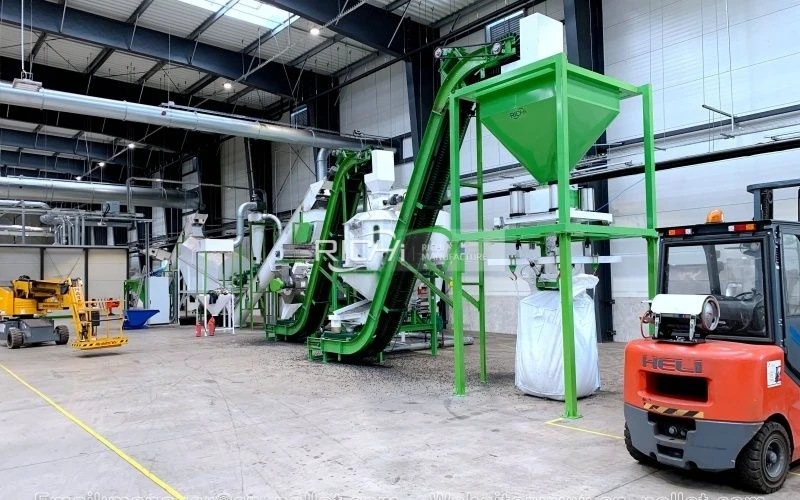

【8 T/H Silage Feed Plant in Argentina】With a rated capacity of 8 T/H, this project provides a reference for buyers planning medium-to-large-scale silage feed production. When evaluating a similar silage feed plant, consider whether your seasonal material supply, daily operating schedule and target output justify this production scale.

【3–4 T/H Silage Feed Plant in Russia】A 3–4 T/H project offers a reference between smaller farm operations and higher-output commercial production. For buyers comparing silage feed processing options, the key is to match the required capacity with material availability and the intended feed product rather than selecting equipment by output alone.

【15 T/H Silage Feed Plant in South Africa】This 15 T/H project represents the higher-capacity end of the silage feed plant examples presented here. For similar investments, raw-material intake, processing capacity and downstream handling must be considered together to avoid bottlenecks when planning a production system at this scale.
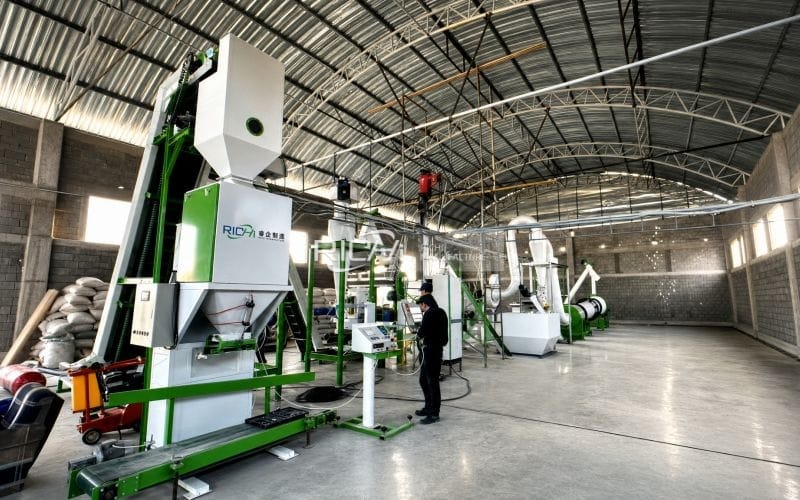
【1–2 T/H Silage Feed Plant in Uzbekistan】A 1–2 T/H silage feed production line provides a starting point for smaller operations assessing their own feed-processing needs. Before deciding on a configuration, compare the required daily output with seasonal silage availability, working hours and whether production is intended for farm consumption or commercial supply.

【 1–2 T/H Small Silage Feed Plant in Germany】This small 1–2 T/H project offers another reference for buyers who do not require a high-throughput plant. It is particularly relevant when evaluating how production targets, available workshop space and the necessary equipment scope should be balanced in a compact silage feed processing project.
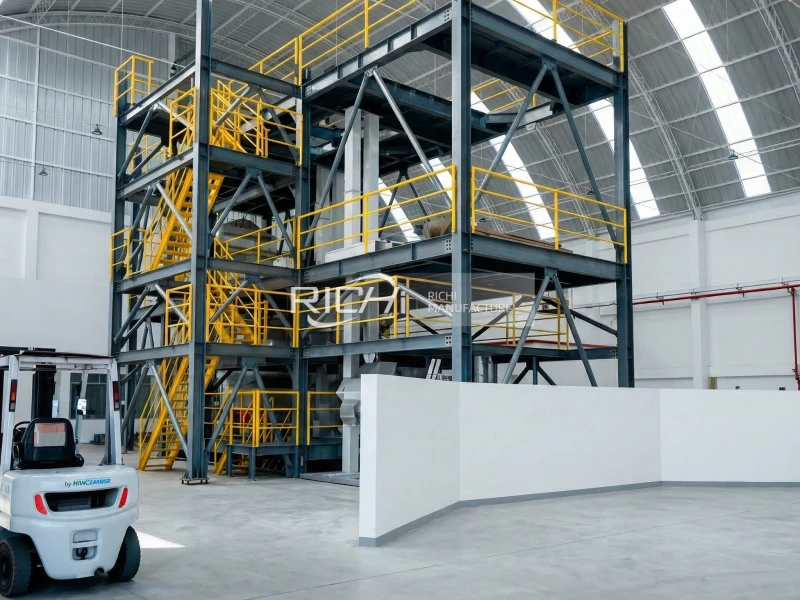
【5 T/H Silage Feed Plant in Brazil】At 5 T/H, this project provides a reference for businesses whose expected production exceeds small-scale requirements but does not necessarily call for a 10 T/H system. The appropriate silage feed equipment configuration should reflect annual material availability, the desired feed form and the planned operating schedule.
Customized Silage Feed Plant Solutions
A Silage Feed Plant cannot be designed with a fixed equipment package because different forage materials, feed purposes and production conditions require different processing routes. RICHI develops customized Silage Feed Production Line solutions according to the customer’s target product, raw material characteristics, moisture content, plant conditions and investment plan. Whether the requirement is fermented forage feed, dried forage products or a complete livestock feed system, the process design is based on the actual production goal.
The Silage Feed Processing Plant can be configured with flexible modular sections, including raw material receiving and storage, cleaning, chopping, crushing, mixing, moisture adjustment, drying when required, fermentation preparation, forming, cooling, screening, packing and storage systems. Different raw material conditions require different equipment combinations, such as fresh loose forage, dry loose forage, round or square bales, chopped forage, forage meal or mixed materials combined with grains, bran and protein ingredients.
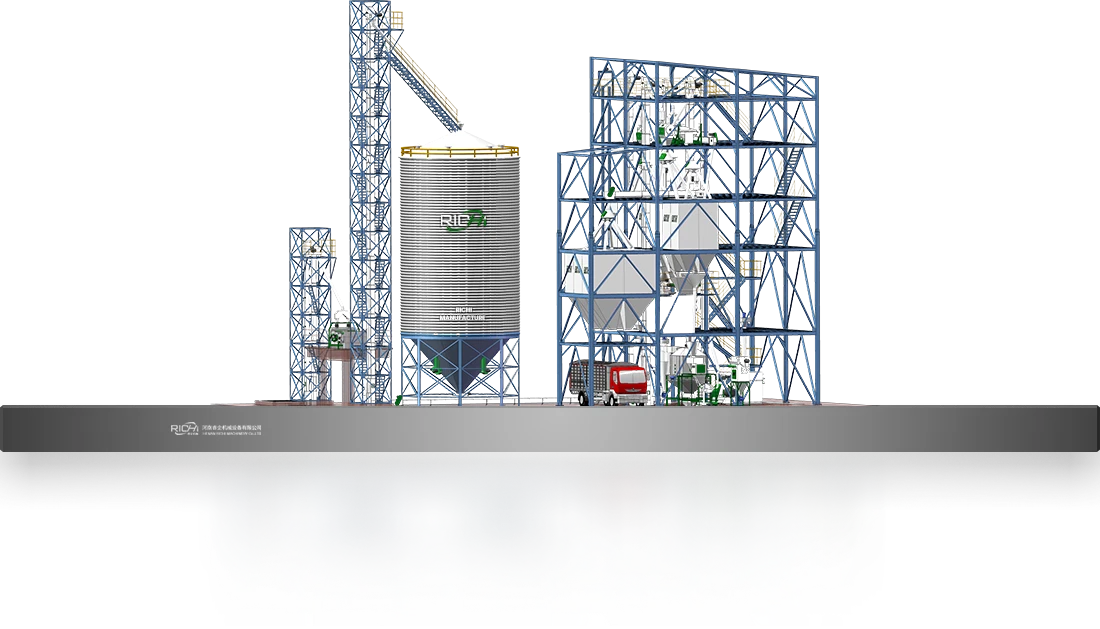
For different feed applications, RICHI selects the suitable processing route instead of adding unnecessary equipment. For example, 100% forage products, forage and grain compound feed, grass-based livestock feed or forage meal and mash feed may require different configurations. Pellet production can be considered when customers need compact and transportable products, while extrusion or premix processing is not treated as a standard section of a Silage Feed Plant and will be evaluated separately according to the customer’s actual requirements.
From the initial consultation and process planning to equipment manufacturing, installation guidance, commissioning, operator training and spare parts supply, RICHI provides complete technical support throughout the project lifecycle. With experience in designing customized grass feed mill and forage processing systems, we help customers build practical solutions that match their materials, production goals and operating environment.
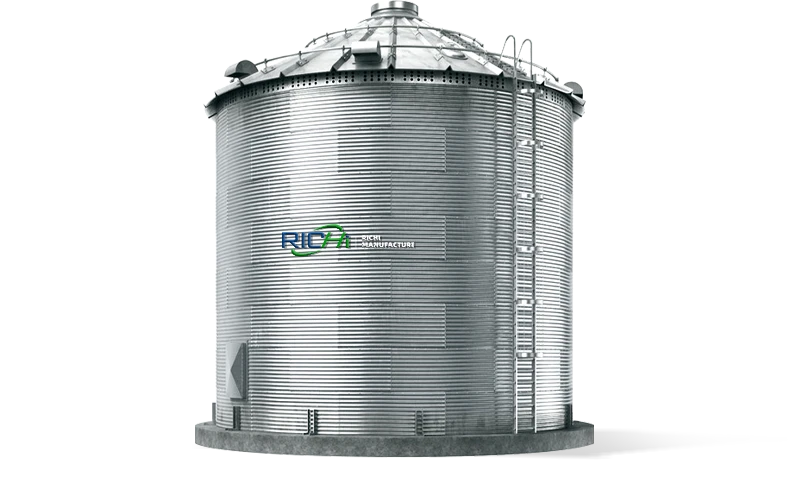
Silo system
01
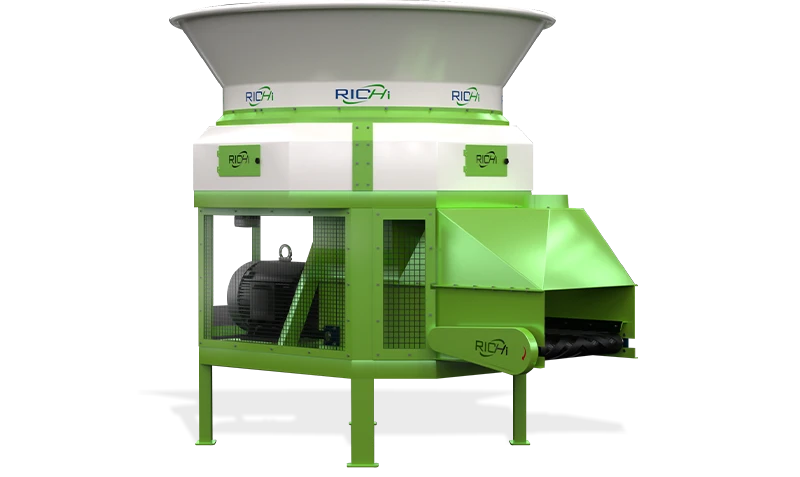
bale chopping
02

Grinding system
03
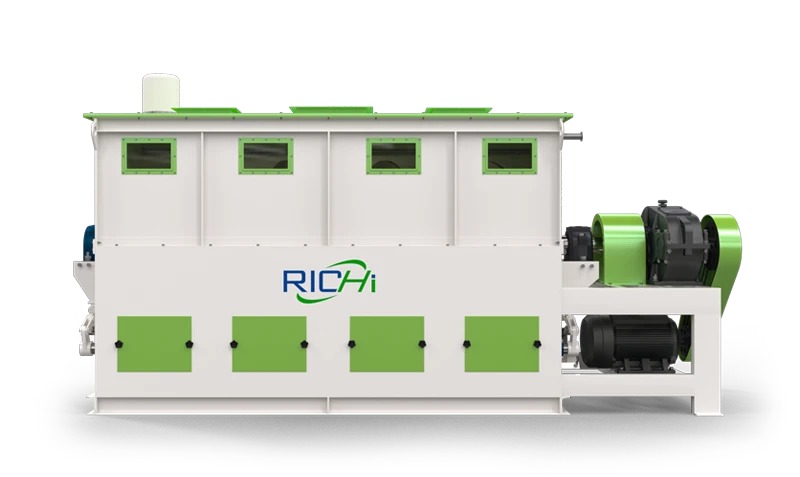
Mixing system
04
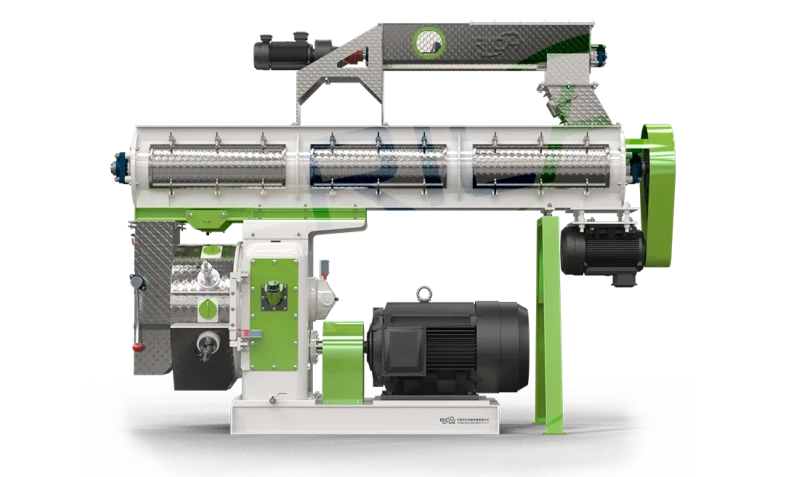
Pelleting system
05
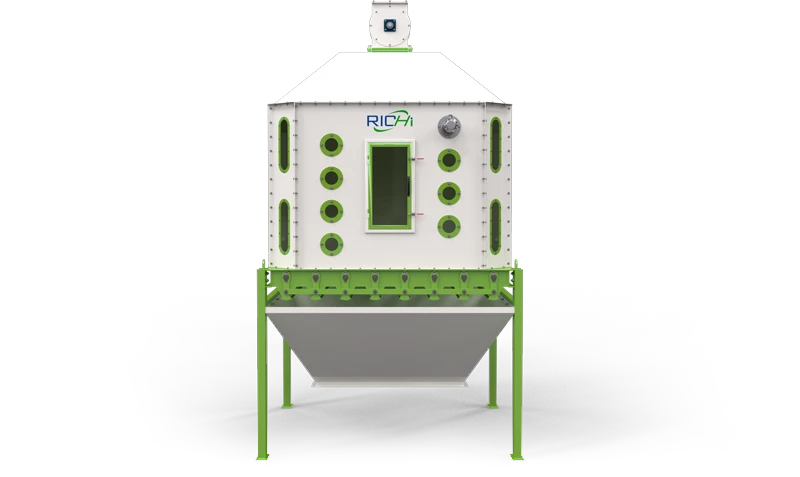
Cooling system
05
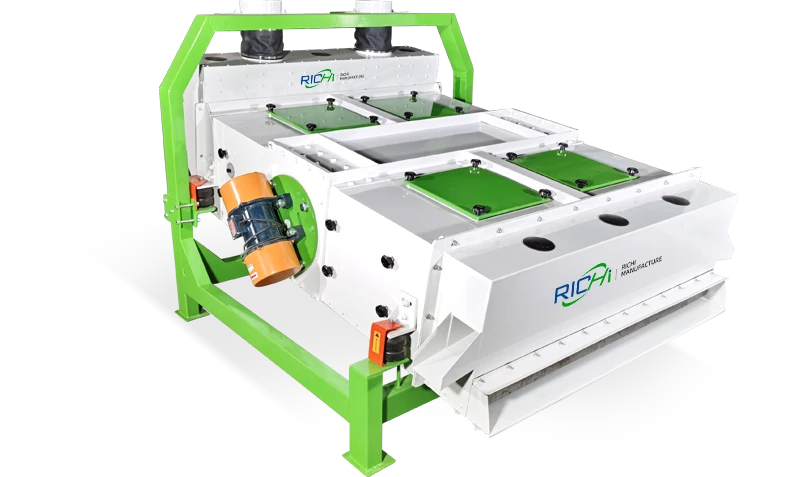
Screening system
07
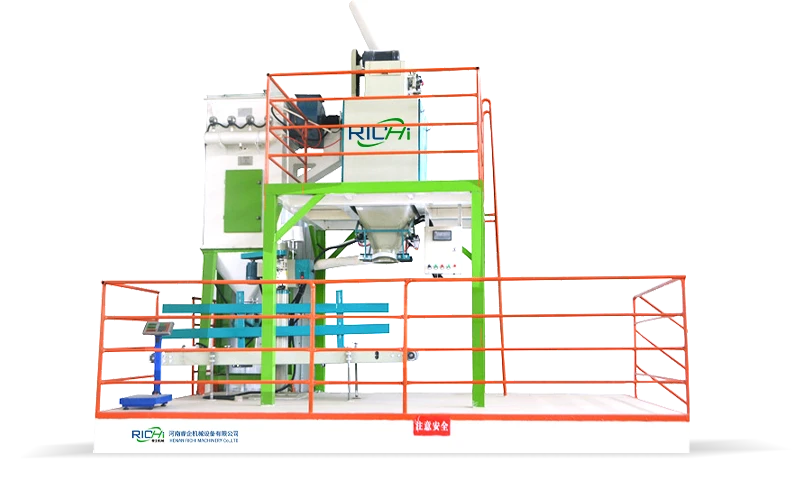
Packaging system
08
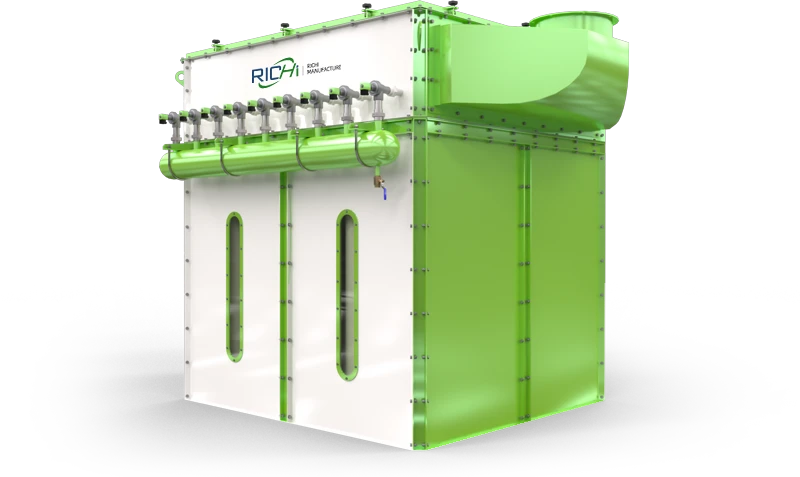
Dust removal system
09
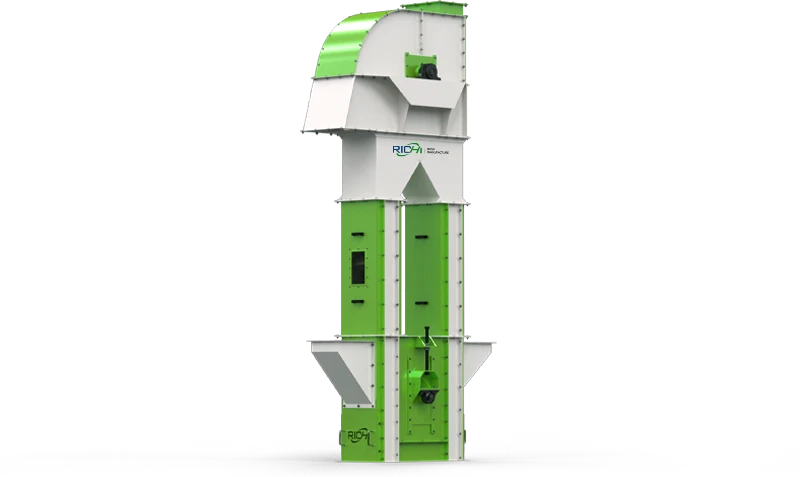
Conveying system
10
Customized silage feed plant designs for different forage conditions
Every silage feed plant needs to account for the physical condition of its forage, the required pellet output and the customer’s feeding program. RICHI develops customized production lines for baled and loose silage alfalfa, chopped cereal forage and silage-based compound feed, matching drying, grinding, mixing, pelleting and finished-product handling to the actual raw materials and factory layout.

3–4 T/H fully automatic silage feed plant design
RICHI designed this 3–4 T/H line for a Canadian dairy cooperative using both baled alfalfa silage and loose alfalfa with a measured moisture content of 50–60%. After plastic wrap, netting and twine are removed, the bales enter a bale breaker and conveyor system, while loose forage passes through a chopper. Both streams are dried before secondary grinding and batch homogenization, then formed into silage forage pellets, cooled and screened. A finished-product bin with a diverter provides two dispatch options: automatic bagging or direct loading into bulk trucks. The 3–4 T/H target refers to finished pellets, so the dryer must be sized for the incoming wet-material load.

1–6 T/H silage forage and grain pellet line design
RICHI developed this layout for a cattle cooperative in Uruguay handling loose, long-stemmed whole-crop cereal forage rather than baled material. A forage chopper first reduces the material length; because the incoming forage is moist, a drying stage brings it to a suitable condition for grinding and pelleting. The dried forage is batch-weighed and processed through a hammer mill, then blended with separately prepared grain ingredients. The mixture proceeds through ring-die pelleting, cooling, screening and automatic bagging. Different cattle groups require different forage-to-grain ratios, so the line accommodates forage-dominant and compound-feed formulas. Actual throughput within the 1–6 T/H design range depends on the recipe, material properties and selected die.

2–10 T/H fully automatic silage feed plant design
For a Mexican cattle operation with an existing grain-grinding system, RICHI designed a 2–10 T/H line around pre-dried silage-derived forage, suitable crop-forage ingredients and separately ground grain. The existing grain preparation equipment is retained, avoiding unnecessary duplication. Forage passes through moisture inspection and grinding before automatic weighing and mixing with the prepared grain; the blend then enters conditioning, pelleting, cooling, screening and bagging.
Although the supplied forage is specified at less than 20% moisture, that figure alone does not establish whether it is ready for conventional feed pelleting. The design therefore requires moisture verification and includes drying where necessary. Production varies with formula and forage proportion, rather than remaining constant across all feed products.

8–10 T/H silage forage pellet plant design
RICHI developed this adapted production-line concept for an Iraqi feed manufacturer serving cattle, sheep, camels and horses. For the silage-based route, the raw materials would be properly preserved silage alfalfa or whole-crop cereal forage rather than ordinary dry straw bales. Wrapped bales are opened and broken, the forage is chopped and dried to a suitable moisture level, and the prepared material proceeds through grinding, batch weighing and mixing. Operators can manually add grain or premix when changing formulas, followed by conditioning, ring-die pelleting, cooling, screening and automatic bagging.
The 8–10 T/H target refers to finished pellet output; the dryer and upstream equipment must be sized according to incoming moisture and the required production rate. Separate formulas are needed for different animal species, and horse-feed applications require particular attention to forage preservation and safety.
Global Silage Feed Plant Projects
RICHI has developed customized Silage Feed Plant solutions for customers in different countries based on local forage resources, livestock production models and final feed requirements. These projects cover small farms, commercial livestock businesses, forage suppliers and agricultural enterprises, with processing routes designed for different raw material conditions, moisture levels and product forms. From high-moisture fresh silage materials requiring drying before pelletizing to dried forage resources processed into pellets or meal feed, each Silage Feed Plant is configured according to the customer’s actual application and investment plan.

2 T/H Alfalfa silage feed plant for sheep farm
Turkey
A sheep farm in Turkey developed an alfalfa silage feed plant to preserve high-quality legume forage during seasonal harvest periods. The project processes alfalfa silage after moisture reduction and grinding, producing 2 t/h forage meal used as a fiber-rich feed ingredient for sheep and goats.

8T/H Sorghum silage feed plant for livestock company
Mexico
A livestock company in Mexico selected a sorghum silage feed plant to improve feed availability during dry periods. The project processes prepared sorghum silage materials through drying, grinding and pelletizing sections, producing 8 t/h forage pellets for commercial cattle feeding.
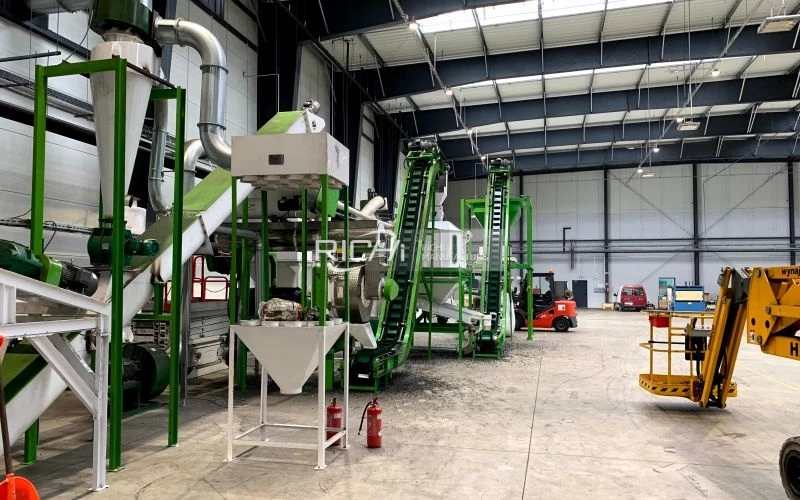
6-8 T/H Haylage feed plant for forage supplier
United Kingdom
A forage supplier in the United Kingdom developed a haylage feed plant to convert semi-dry forage materials into commercial feed products. The project handles haylage materials with 45–55% moisture and produces 6–8 t/h forage pellets after drying and preparation, supplying horse farms and livestock producers.
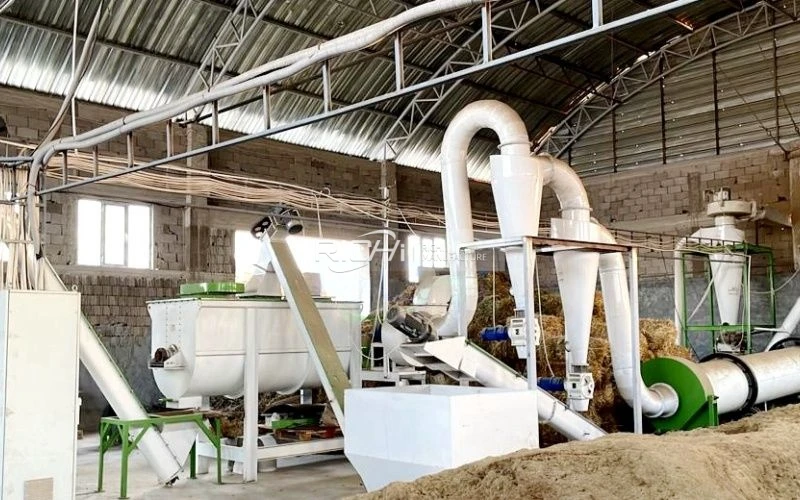
1 T/H Corn silage feed plant for livestock farm
Argentina
A livestock farm in Argentina selected a corn silage feed plant to improve the utilization of locally available corn forage. The system processes fresh corn silage with approximately 65–70% moisture through drying and crushing sections, producing 1 t/h crushed forage feed for cattle feeding without pelletizing.

1T/H Grass and legume silage feed plant for dairy farm
France
A dairy farm in France required a flexible grass and legume silage feed plant for mixed forage utilization. The system processes dried forage materials with 12–15% moisture and produces 1 t/h mash feed, allowing the farm to combine the product with other ingredients according to its own feeding formula.

20 T/H Mixed forage silage feed plant for agricultural group
Kazakhstan
An agricultural group in Kazakhstan built a mixed forage silage feed plant to process different forage resources for large-scale cattle production. The project uses parallel pelletizing equipment with multiple pellet mills to reach 20 t/h production capacity, producing standardized forage pellets for livestock farms.
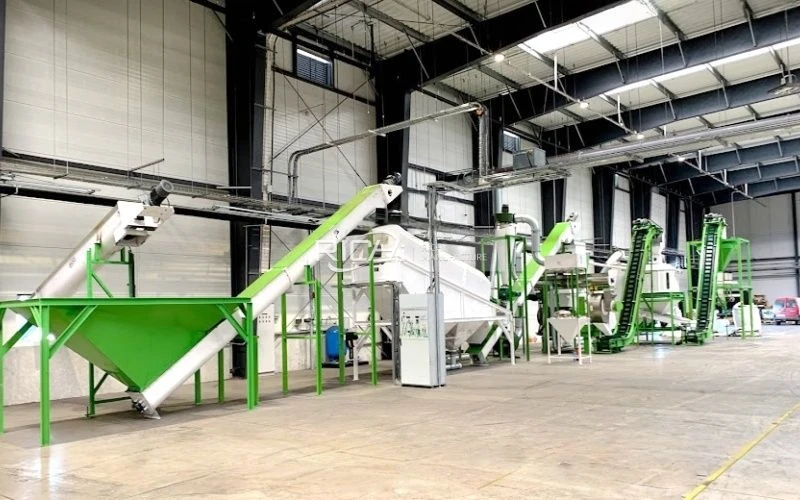
5 T/H Ryegrass silage feed plant for dairy farm
New Zealand
A dairy farm in New Zealand selected a ryegrass silage feed plant to improve the utilization of seasonal pasture resources. Fresh ryegrass silage with around 70% moisture is processed through moisture reduction, grinding and pelletizing, producing 5 t/h forage pellets used as a stable feed supplement for dairy cows.
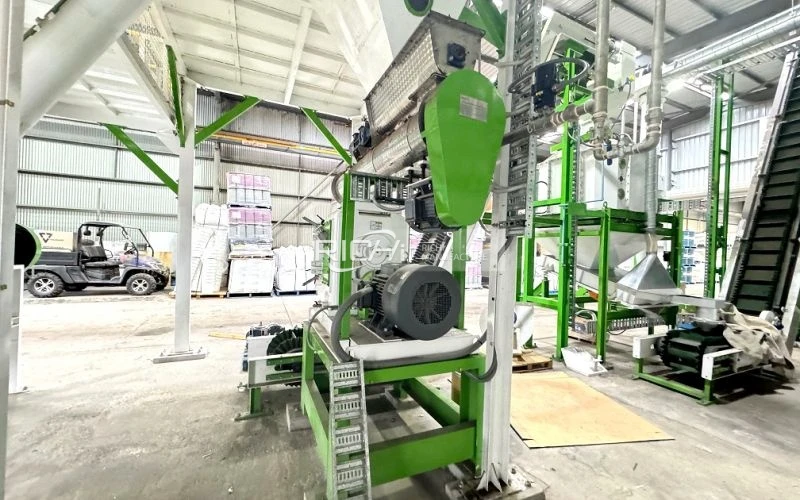
3T/H Alfalfa silage feed plant for dairy cooperative
Australia
A dairy cooperative in Australia invested in an alfalfa silage feed plant to improve the value of locally produced forage. The system processes fresh alfalfa silage with around 60–65% moisture through drying and pelletizing sections, producing 3 t/h forage pellets for dairy cattle and young livestock.
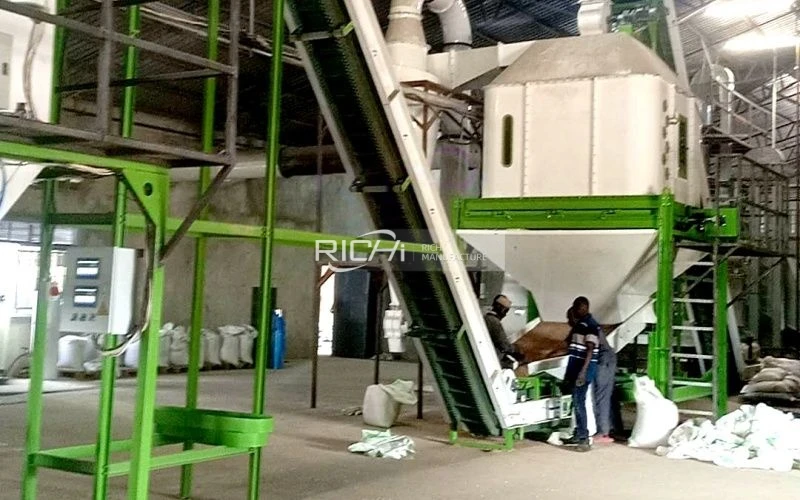
3 T/H Sorghum silage feed plant for cattle farm
South Africa
A cattle farm in South Africa invested in a sorghum silage feed plant to utilize drought-resistant forage resources in a semi-arid region. The project processes fresh sorghum silage with around 65% moisture through drying, grinding and pelletizing sections, producing 3 t/h silage-based forage pellets for beef cattle feeding during dry seasons.

0.5T/H Grass silage feed plant for small dairy farm
Ireland
A small dairy farm in Ireland invested in a compact grass silage feed plant to process its own seasonal forage resources. The project handles fresh grass silage with around 68–72% moisture and produces 500 kg/h forage pellets after drying and pelletizing, helping the farm improve feed storage and seasonal supply management.

12-15 T/H Mixed silage feed plant for agricultural cooperative
Canada
An agricultural cooperative in Canada invested in a mixed silage feed plant to process different forage resources collected from local farms. The system combines grass silage, legume forage and suitable crop forage materials, using multiple pellet mills to achieve 12–15 t/h production capacity for commercial forage pellet supply.

10T/H Maize silage feed plant for cattle enterprise
Brazil
A cattle enterprise in Brazil invested in a maize silage feed plant to process fresh maize forage resources from local agricultural production. The project handles high-moisture material at around 68% moisture and uses drying, grinding and pelletizing processes to produce 10 t/h forage pellets for beef cattle operations.
Customers from different regions choose RICHI Silage Feed Plant solutions according to their forage resources, livestock scale and production requirements. Their feedback reflects the importance of customized process design, suitable equipment selection and reliable technical support for different silage feed projects.


Dairy Farm Owner from the United States
“We wanted to improve our feed stability during periods when fresh forage was not available. The Silage Feed Plant solution was designed around our local forage conditions and dairy feeding requirements. The system helped us better manage seasonal materials and prepare more consistent feed for our cows.”

Cattle Producer from Brazil
“Our main goal was to make better use of locally available forage resources instead of depending completely on purchased feed. The customized silage processing solution considered our raw materials, production capacity and future expansion needs. The equipment design matched our cattle production model well.”

Agricultural Cooperative from Germany
“We needed a practical forage processing system that could handle materials collected from different farms. RICHI provided a flexible solution based on our operating conditions, allowing us to improve forage utilization and supply stable feed products to cooperative members.”

Forage Supplier from Australia
“Our customers require consistent forage products with easier storage and transportation. The Silage Feed Plant design helped us develop a more suitable processing route according to our material characteristics and commercial requirements.”

Livestock Farm from New Zealand
“The technical communication before the project was very important because our forage conditions are different from many other regions. The team adjusted the process according to our requirements and provided support during equipment installation and operation.”

Silage Feed Plant Solutions for Different Production Capacities
Different customers require different silage feed preparation plant configurations according to their raw material availability, livestock scale, final feed products and investment plans. RICHI provides flexible processing solutions from small farm-scale systems to large commercial forage processing plants, with equipment combinations adjusted according to actual production requirements. The investment range below is for reference only. The final Silage Feed Plant cost depends on the selected process, including whether the project requires drying, crushing, mixing, pelletizing, cooling, screening, packing and other optional sections.
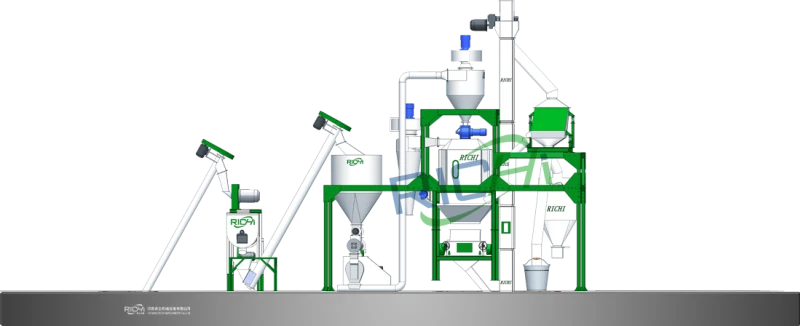
0.3–2 t/h Silage Feed Plant Solution
Investment range: US$37,000–62,000
This small Silage Feed Plant is suitable for family farms, small livestock operations and customers who want to process their own forage resources. The system can be configured for dried silage materials, forage meal or small-scale pellet feed production, depending on the customer’s feeding requirements.
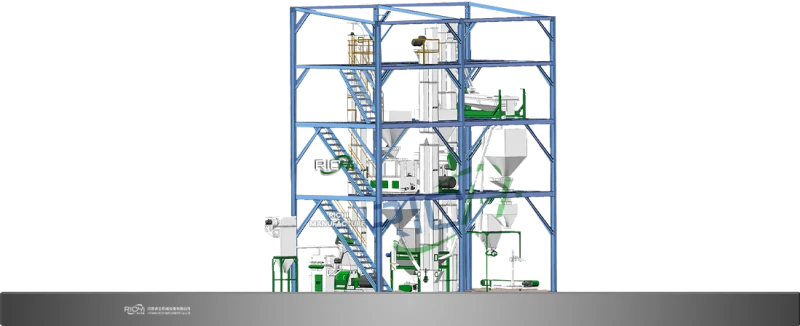
0.5–4 t/h Silage Feed Plant Solution
Investment range: US$50,000–200,000
This capacity range is suitable for growing livestock farms and small commercial forage businesses. The Silage Feed Production Line can handle different forage materials and may include drying, grinding, mixing and pelletizing sections according to the moisture condition and final product requirements.
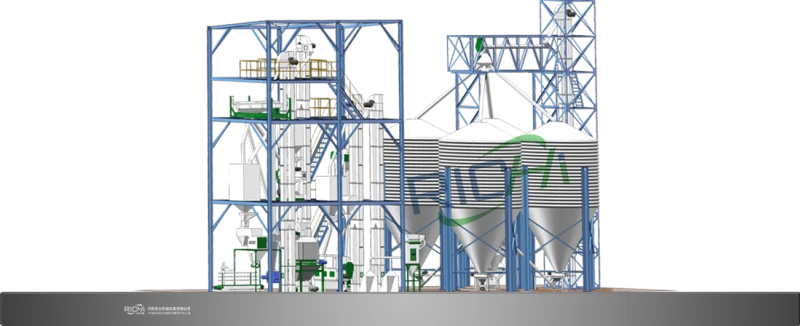
1–6 t/h Silage Feed Plant Solution
Investment range: US$60,000–220,000
This solution is designed for customers requiring more stable feed production capacity. It can process silage-based materials into forage pellets, crushed forage feed or other livestock feed products according to the target market and animal feeding system.
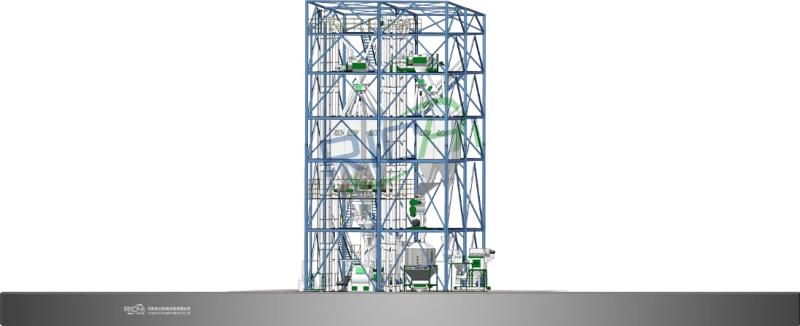
2–10 t/h Silage Feed Plant Solution
Investment range: US$90,000–400,000
This medium-scale Silage Feed Processing Plant is suitable for larger farms and commercial forage processing businesses. The system can be customized for high-moisture silage materials by adding drying and preparation sections before grinding and forming processes.
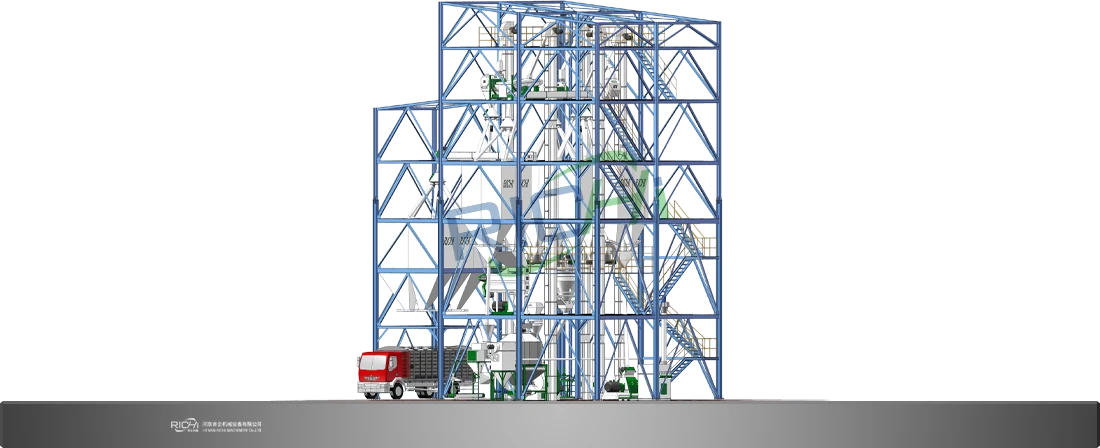
3–12 t/h Silage Feed Plant Solution
Investment range: US$120,000–450,000
This production scale is designed for customers who need continuous forage processing and commercial feed supply. The Silage Feed Plant can be configured with higher-capacity handling equipment, automated conveying and suitable forming systems for different livestock feed applications.
Silage Feed Plant Investment Breakdown
Building a Silage Feed Plant requires a clear understanding of the difference between machinery investment and total project CAPEX. The equipment supplied by RICHI represents only one part of the overall investment. Land, civil construction, utilities, storage facilities, installation, raw material preparation and working capital are separate costs that depend heavily on the customer’s location, production scale and business model. For a silage-based feed processing project, the investment range is mainly influenced by raw material conditions, moisture content, final product requirements, automation level, equipment selection and factory planning. A fresh high-moisture silage project may require additional drying and handling systems, while a dry forage processing project may have a different equipment structure and budget.
Whole silage feed plant set up investment : $37,000 – $40,000,000
Machinery and Equipment Investment :
receiving and cleaning system :
$1,000–50,000
Silage handling and feeding equipment :
$2,000–80,000
Bale breaking and forage preparation equipment :
$2,000–100,000
Chopping and cutting equipment :
$2,000–80,000
Crushing and grinding equipment :
$2,000–100,000
Drying system (when required) :
$30,000–500,000
Feed mixing equipment :
$1,000–80,000
Pelletizing equipment :
$10,000–100,000
Cooling and screening system :
$2,000–100,000
Packing and weighing system :
$2,000–120,000
Conveyor and material handling system :
$1,000–200,000
Dust collection system :
$2,000–100,000
Liquid adding system :
$1,000–80,000
Storage silos and storage systems :
$10,000–300,000
Electrical control and automation system :
$3,000–200,000
The investment ranges above are based on different capacity levels, processing routes and equipment configurations used in Silage Feed Plant planning and quotation experience. However, every project is different because forage conditions, local construction costs, energy availability, automation requirements and final product targets vary from country to country. The most accurate way to evaluate your investment is to contact RICHI directly. Our technical team can design a customized solution according to your raw materials, production goals and budget, then provide a detailed equipment quotation together with practical investment suggestions and project planning support.

Complete Technical Services
Building a Silage Feed Plant requires coordinated support from process design and equipment manufacturing to installation, operation and long-term service. RICHI provides complete technical services for Silage Feed Production Line projects, helping customers develop practical solutions based on raw materials, production goals, factory conditions and final feed requirements.
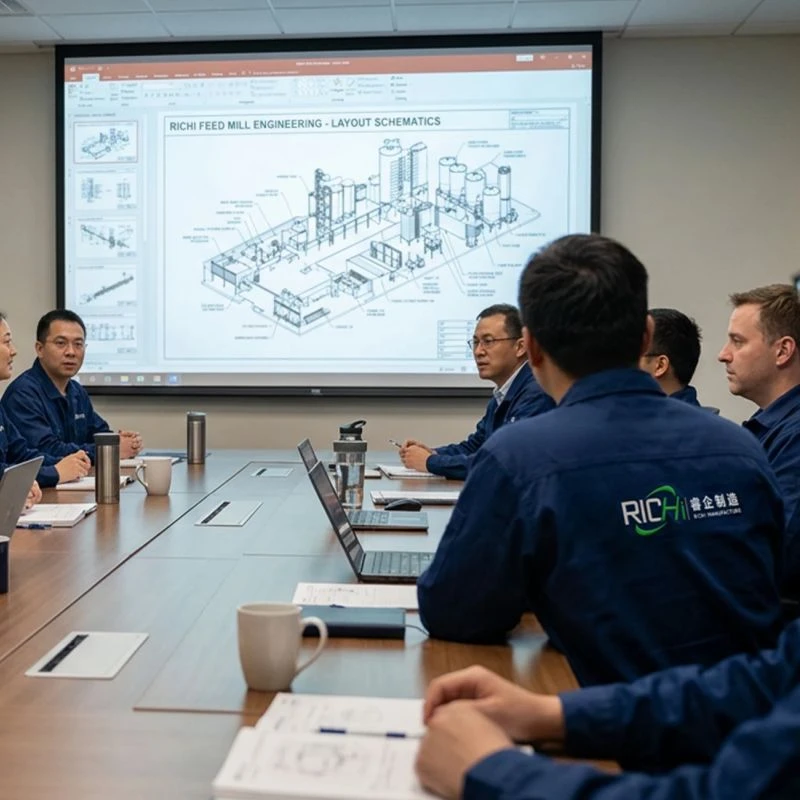
Customized Design and Engineering Support
Every Silage Feed Plant starts with a customized design based on the customer’s actual conditions. RICHI provides process planning, equipment layout design, civil and steel structure interface suggestions, production line configuration and customized equipment solutions when required. The design considers raw material characteristics, moisture conditions, final product type, factory space and future expansion requirements to create a practical production system.
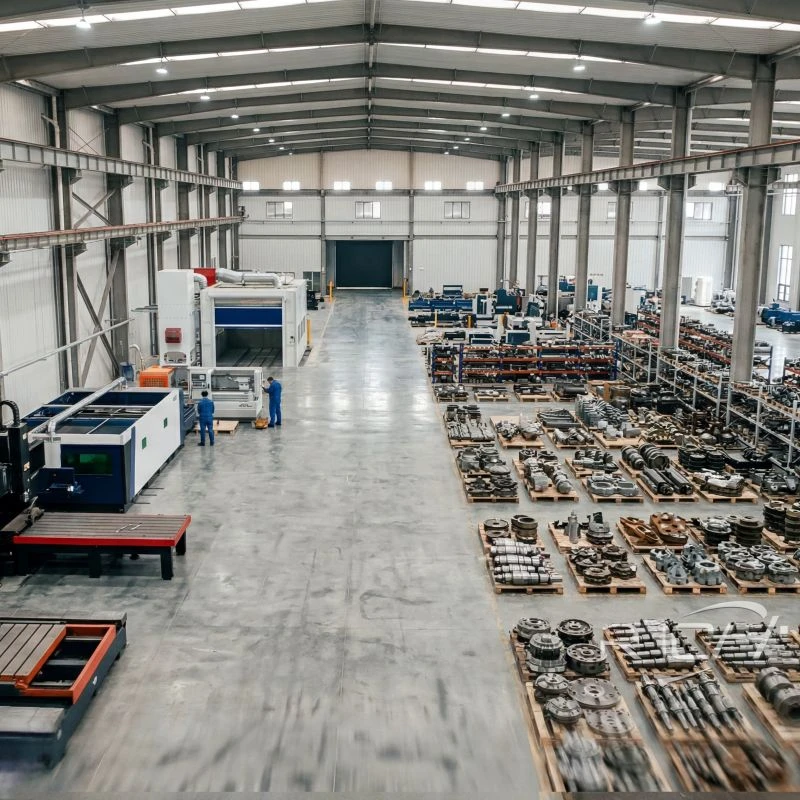
Equipment Manufacturing and Complete System Integration
RICHI focuses on the manufacturing, matching and integration of key feed processing equipment used in Silage Feed Production Line projects. From individual machines to complete processing systems, equipment selection, quality inspection, performance matching and export project execution are organized according to the technical requirements of each project. This ensures that different sections of the Silage Feed Processing Plant work together as a complete production system.
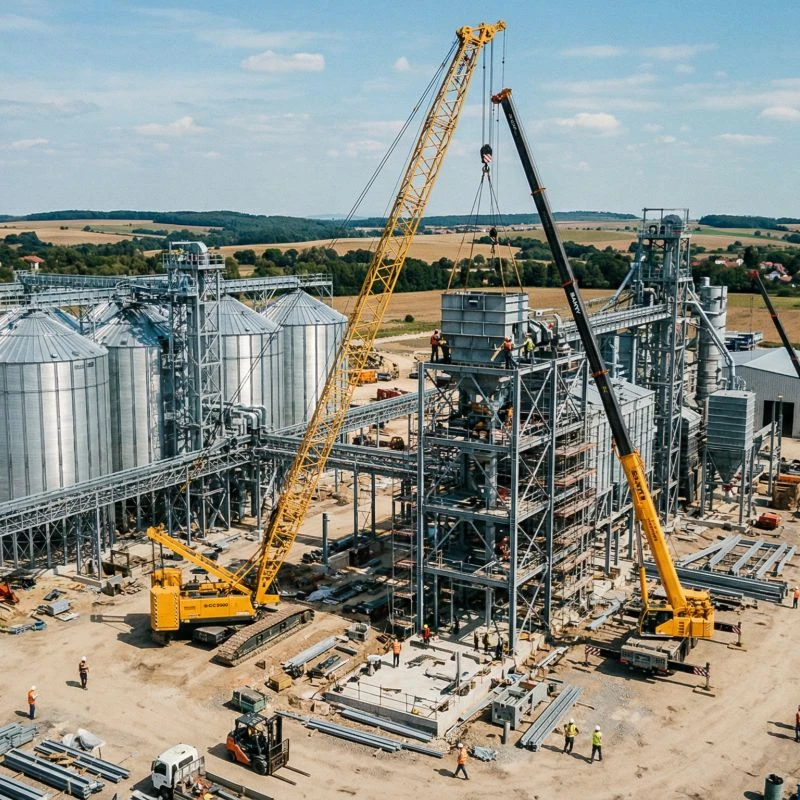
Installation, Commissioning and Operator Training
After equipment delivery, RICHI provides technical support for installation, commissioning and operation training. The service helps customers understand equipment operation, production procedures, maintenance requirements and daily management methods, allowing the Silage Feed Plant to achieve stable operation after startup.

Long-Term After-Sales Support and Spare Parts Service
RICHI continues to support customers after project completion through technical communication, spare parts supply, operation guidance and project follow-up. For customers operating a Silage Feed Plant over many years, continuous technical support helps maintain equipment performance and improve production efficiency throughout the equipment lifecycle.
Free Customized Services
Before investment decisions are made, customers need clear information about process design, equipment selection and project planning. RICHI provides free preliminary services for Silage Feed Plant projects, helping customers evaluate suitable production routes according to raw materials, capacity targets and investment expectations.

Free Preliminary Project Cost Estimate
Free Process Flow & Equipment Configuration Proposal
Free Plant Layout / 3D Planning Support
Free Civil & Steel-Structure Interface Drawings
Free Electrical / Control System Planning
Free Equipment Manuals & Technical Documentation
Free Remote Installation & Operation Guidance
Free Production Testing & Operator Training Support
Complete Equipment Supply
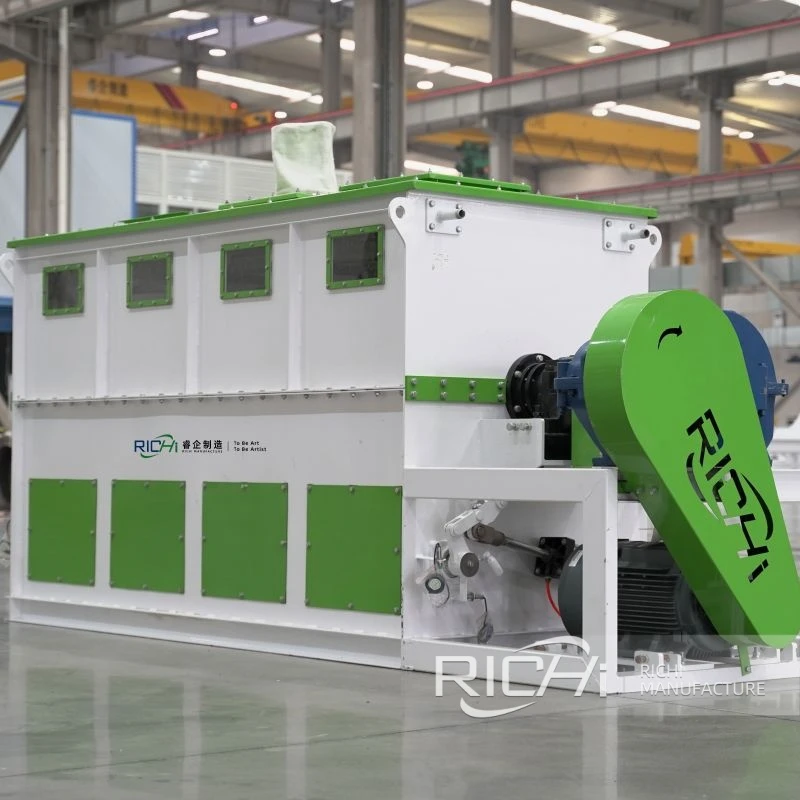
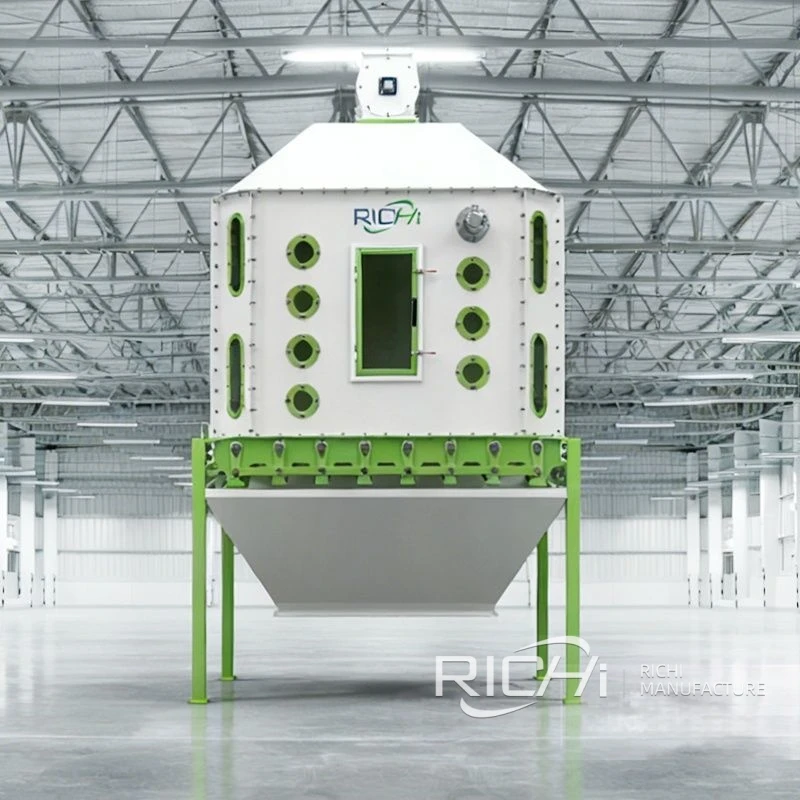
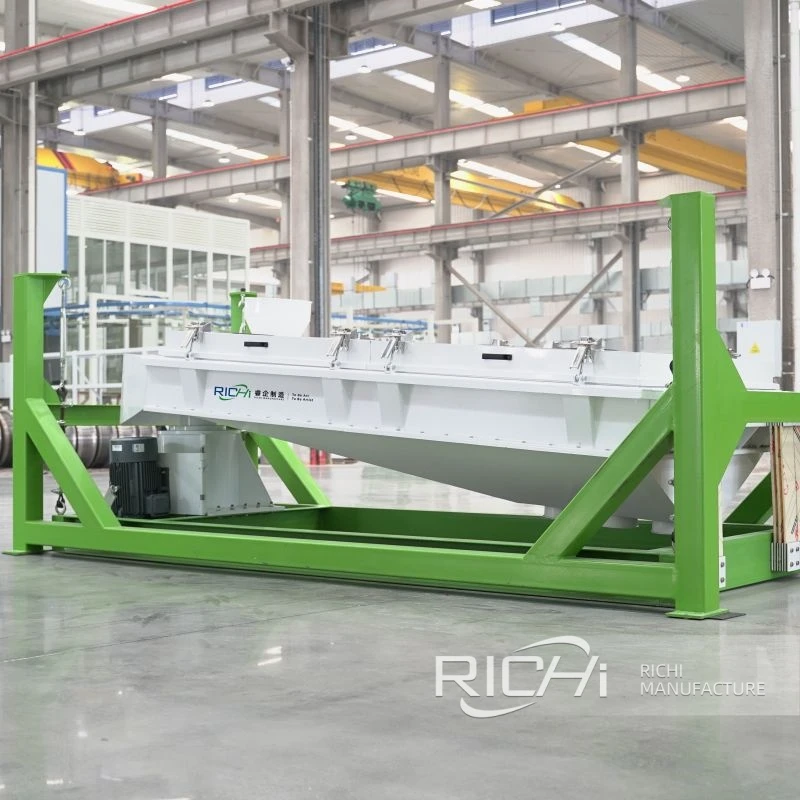
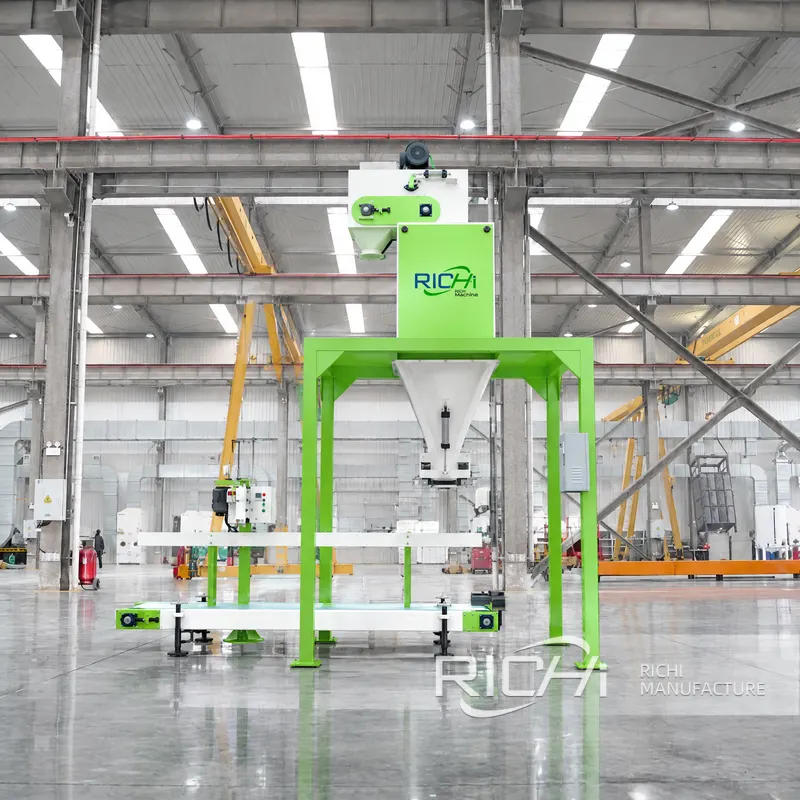
A complete Silage Feed Plant requires different equipment combinations according to raw material conditions, moisture levels and final feed products. RICHI provides key equipment for silage feed processing systems, including material receiving systems, cleaning equipment, chopping machines, crushers, dryers, mixers, pellet mills, coolers, screeners, packing machines, conveyors, dust collection systems, liquid adding systems, storage equipment and automatic control systems.
The equipment configuration is customized according to whether customers produce silage-based pellets, forage meal, crushed forage feed or other livestock feed products. Different Silage Feed Processing Plant projects may require different equipment combinations instead of a fixed production line structure.

Silage shredder Equipment
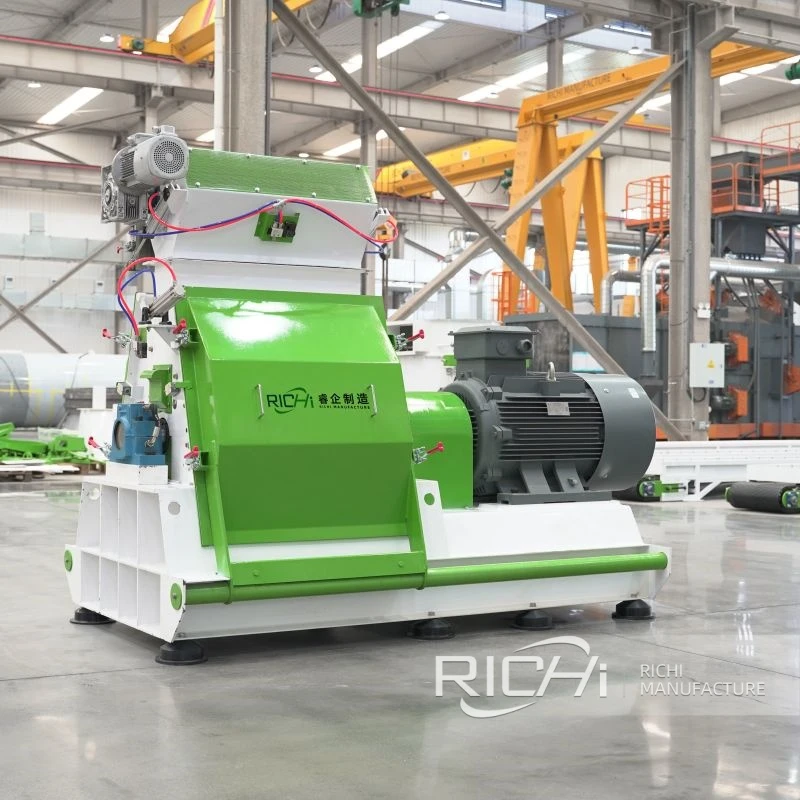

Bale Breaker & Forage Chopper

Silage Drying equipment

Silage Feed pellet machine
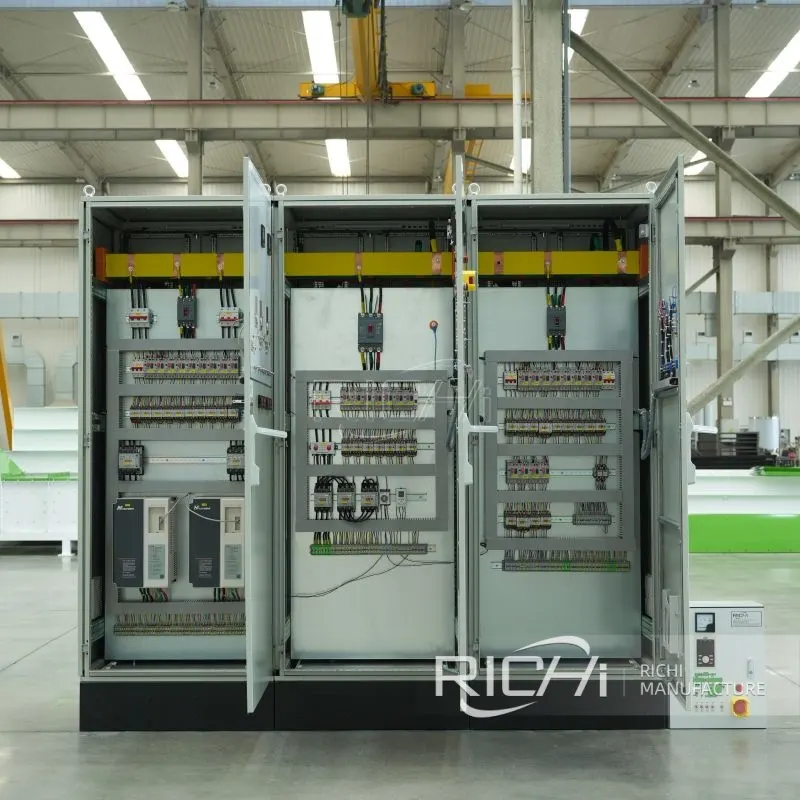
Electrical control cabinet
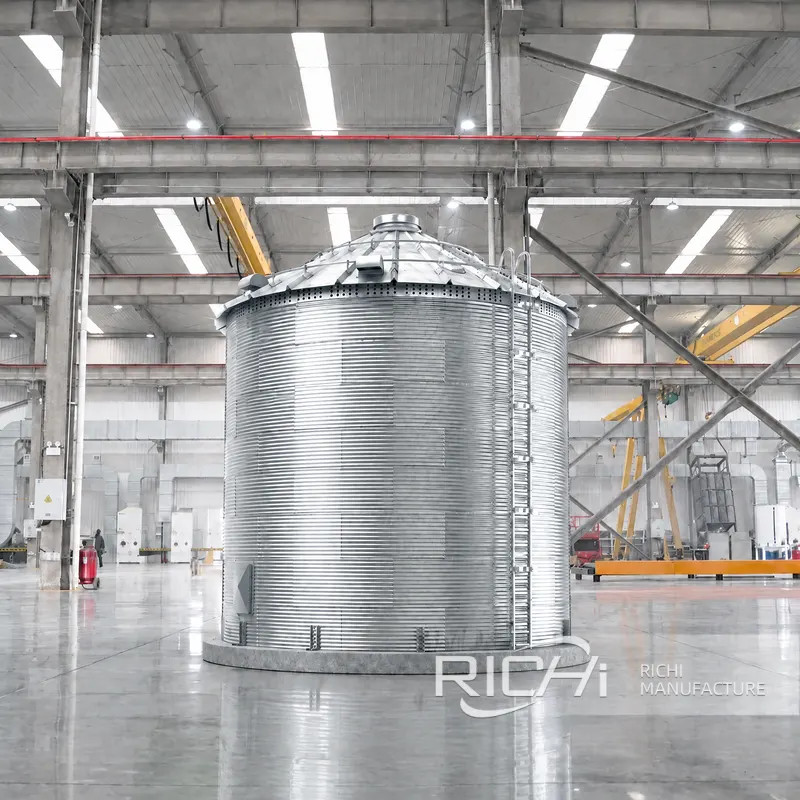
Grain Silo & Ingredient Bin System
After selecting suitable equipment, customers can view the complete equipment range and processing solutions designed for Silage Feed Plant projects.
Market Prospects of Silage Feed Plant Investment
The demand for Silage Feed Plant solutions is growing as livestock farms and feed businesses look for more stable ways to utilize seasonal forage resources. Instead of relying only on fresh forage availability, customers can preserve and process local grass, crop forage and other suitable materials into more manageable livestock feed products.
For dairy farms, beef cattle operations and commercial feed businesses, a customized Silage Feed Plant provides a practical way to improve feed supply stability, reduce seasonal limitations and increase the value of locally available forage resources. Different regions can choose different processing routes according to their raw materials, moisture conditions and final feed requirements.
With the development of modern livestock production, future silage processing projects will focus more on flexible production systems, efficient resource utilization and customized feed solutions rather than one standard processing model.
Talk to Us About Your Market Opportunity
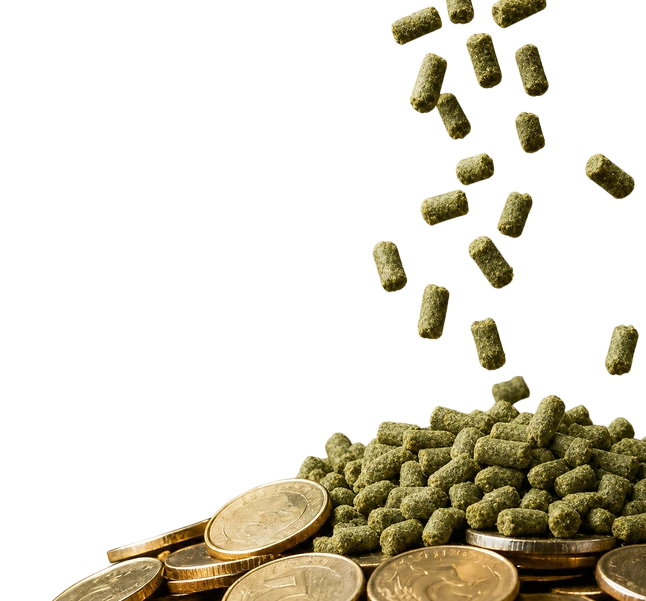
Silage Feed Raw Materials & Different Livestock Applications
Silage feed production requires more than selecting suitable forage materials. Different crops, harvesting conditions, moisture levels and feeding purposes directly affect the processing route and equipment configuration. Common materials used in silage feed processing include corn forage, maize forage, grass, alfalfa, ryegrass, sorghum forage, mixed pasture crops and suitable crop-based forage resources.
For special materials such as agricultural by-products or crop residues, RICHI evaluates their feeding value, moisture characteristics and processing requirements before designing the production system. From material handling and drying to grinding, mixing, pelletizing or other feed processing methods, the equipment configuration is customized according to the actual project conditions.

Corn / Maize Silage

Grass Silage

Alfalfa Silage

Sorghum Silage

Whole-Crop Cereal Silage

Grass Haylage

Ensiled Corn Stover

Silage Feed for Cattle
Cattle silage feed commonly uses corn silage, maize forage, grass silage and alfalfa silage. According to the feeding system, products can be processed as fermented forage, crushed feed or silage-based forage pellets, usually with larger particle sizes suitable for cattle intake.
Get a Cattle Silage Feed Solution

Silage Feed for Sheep
Sheep silage feed usually focuses on digestible fiber and suitable feed size. Grass silage, alfalfa, ryegrass and mixed forage materials can be processed into fermented feed or smaller forage pellets for sheep farms and commercial livestock operations.
Design a Sheep Silage Feed Plant

Silage Feed for Goats
Goat silage feed can use grass forage, alfalfa silage and suitable crop forage resources. RICHI adjusts crushing, mixing and forming processes according to goat feeding requirements, producing suitable forage feed products for different farm models.
Consult Goat Silage Feed Solutions

Silage Feed for Rabbits
Rabbit silage-based feed requires clean forage materials and suitable fiber structure. Grass, alfalfa and selected forage resources can be processed into fine forage products or complete feed according to the customer’s formula requirements.formulas.
Get a Rabbit Feed Processing Solution

Silage Feed for Horses
Horse silage feed mainly uses high-quality grass forage, alfalfa and haylage materials. Depending on customer needs, RICHI provides solutions for fermented forage preparation or dried forage products with easier storage and transportation.
Request a Horse Silage Feed Solution

Silage Feed for Other Livestock
Silage feed systems can also be customized for buffalo, deer and other herbivorous livestock. The processing route is designed according to local forage resources, animal requirements and the final feed application.
Discuss Your Silage Feed Project
Typical Silage Feed Formulas
100% Silage-Based Forage Pellet (Example Formula)
This formula focuses mainly on high-quality silage forage resources utilization without adding large amounts of concentrate ingredients.
corn silage / maize silage material
40%
grass silage
25%
alfalfa silage
20%
dried forage materials
10%
mineral additives
5%
…
…
High-Silage Cattle Feed (Example Formula)
Designed for dairy cattle and beef cattle systems requiring a higher proportion of forage-based ingredients while maintaining energy supply.
corn silage
45%
grass silage
20%
alfalfa forage
15%
corn grain
10%
soybean meal
5%
mineral additives
5%
Silage + Grain Sheep Feed (Example Formula)
Sheep feed often requires suitable fiber levels and balanced energy sources. This example combines silage materials with grains for growing or finishing sheep.
grass silage
35%
alfalfa silage
25%
barley grain
15%
corn grain
10%
bran
10%
mineral additives
5%
Silage + Bran Goat Feed (Example Formula)
Goats can utilize diversified forage resources. This example uses silage materials combined with bran and other ingredients to create a more balanced feed product.
grass silage
40%
alfalfa silage
20%
wheat bran
20%
corn grain
10%
soybean meal
5%
mineral additives
5%
Silage-Based Rabbit Feed (Example Formula)
Rabbit feed requires attention to fiber quality and ingredient suitability. This example focuses on forage-based materials commonly used in commercial rabbit feeding systems.
alfalfa forage
35%
grass forage
25%
dried silage forage
20%
wheat bran
10%
soybean meal
5%
mineral additives
5%
Silage + Crop-Forage Feed (Example Formula)
This compound feed formula represents a mixed forage route where suitable crop forage resources are combined with silage materials. Depends on local agricultural resources and feed requirements.
corn silage
30%
grass silage
25%
crop forage materials
20%
wheat bran
10%
grain ingredients
10%
mineral additives
5%
A Silage Feed Plant is not limited to one material or one feed formula. Different livestock require different combinations of forage materials, grains and feed ingredients. The above formulas are common examples for reference, showing how different silage-based feed products may be structured. RICHI adjusts the processing system according to the customer’s actual formula, raw materials and final feed requirements.
Silage Feed Plant Faqs
We have 500 dairy cows. What capacity Silage Feed Plant should we choose?
+
The suitable capacity depends on daily feed demand, working hours and whether the system is only for farm use or also for commercial supply. A small dairy operation may choose a 0.5–2 t/h system, while larger farms or feed suppliers usually require higher capacity.
The design should consider annual forage availability, storage method and whether other livestock will also use the feed.
Our farm already produces silage. Why would we need a Silage Feed Plant?
+
Many farms produce traditional fermented silage but still face problems with storage, transportation and year-round feed management. A Silage Feed Plant allows customers to further process suitable silage materials into more standardized products such as dried forage feed, crushed feed or silage-based pellets.
This is especially useful for farms wanting easier handling or commercial feed production.
We only have seasonal corn silage available. How can we keep producing feed throughout the year?
+
Seasonal materials usually require proper storage and processing planning. Customers often combine silage storage with drying, grinding or pelletizing systems to create products with easier storage and longer availability.
The suitable solution depends on the harvest period, storage condition and target feed product.
Our silage moisture changes between seasons. Will it affect the equipment selection?
+
Yes. Moisture variation is one of the key factors in Silage Feed Plant design. Fresh silage after harvest may have much higher moisture than dried forage materials.
The process may need adjustable drying, feeding and crushing sections to maintain stable production under different raw material conditions.
We want to sell forage products to nearby farms. Should we make silage pellets or traditional silage?
+
The choice depends on your target customers and market conditions. Traditional silage is commonly used locally because of its high moisture content and direct feeding method.
Silage-based pellets require additional processing but offer advantages in storage, transportation, packaging and commercial distribution.
We have 1,000–2,000 tons of forage materials every year. What type of production line is suitable?
+
Annual raw material volume is one factor, but daily operating hours and final product demand are also important. A customer processing several thousand tons per year may choose different configurations depending on whether production is seasonal or continuous.
A detailed capacity recommendation requires information about material supply and expected output.
Do we need a dryer if our goal is only cattle feed production?
+
Not always.
If the customer produces traditional fermented forage for direct feeding, drying may not be necessary. However, customers making silage feed pellets or dried commercial products usually need moisture reduction before pelletizing.
We already have a feed mixer. What additional equipment is needed for silage processing?
+
The required equipment depends on your current setup and final product. Many customers only need additional sections such as silage handling, drying, crushing, pelletizing, cooling or packing.
Existing equipment can sometimes be integrated into the new Silage Feed Production Line.
We use round bales of silage. Can they be processed automatically?
+
Yes, but bale handling equipment is usually required before further processing. The system may include bale opening, cutting or feeding equipment depending on bale size, density and production capacity.
The design is different from loose forage processing systems.
Our raw materials include grass, corn forage and alfalfa. Should they be processed separately?
+
Not necessarily.
Many customers use mixed forage systems where different materials are combined according to the target formula. The best approach depends on material characteristics, feeding purpose and whether the final product is pellets, meal or mixed feed.
We are planning a small forage business. Is a 500 kg/h Silage Feed Plant enough?
+
A 500 kg/h system can be suitable for small farms, pilot production or local forage businesses. It allows customers to start with lower investment and expand later if market demand increases.
The final choice depends on expected sales volume and available raw materials.
We want to make pellets from corn silage. What process is required?
+
Corn silage pellet production usually requires moisture adjustment before pelletizing. The general route may include silage handling, drying, crushing, mixing if needed, pelletizing, cooling and packing.
The exact process depends on moisture level and the formula.
Our cattle currently eat fresh silage. Will they accept silage pellets?
+
Acceptance depends on the animal feeding system and product formula. Many livestock operations use forage pellets as a convenient supplement or as part of a balanced ration.
Gradual introduction is usually recommended when changing feed forms.
We need feed for both dairy cows and beef cattle. Can one production line handle both?
+
Yes, if the system is designed with sufficient flexibility. Customers producing feed for different livestock usually adjust formulas, particle sizes and sometimes pellet specifications according to animal requirements.
The equipment configuration should consider future product changes.
We want to export forage products. What packaging equipment should be included?
+
Export-oriented projects usually require more attention to weighing accuracy, bagging speed, sealing quality and product storage.
A commercial silage feed mill factory may include automatic weighing and bagging systems depending on output capacity and market requirements.
We are located in a dry area where fresh forage is seasonal. What type of silage processing system should we consider?
+
In dry regions, many customers focus on preserving available forage resources and reducing seasonal feed shortages. A suitable Silage Feed Plant may include material storage, moisture control and processing sections according to local conditions.
For regions with limited fresh grass availability, customers often use corn forage, sorghum forage, haylage or mixed forage resources to maintain a stable feed supply.
The raw material comes from different farms. How should we design the feeding and storage system?
+
When raw materials are collected from multiple farms, the plant design should consider different material forms, transportation methods and seasonal supply changes.
A commercial Silage Feed Processing Plant may require receiving areas, storage facilities, conveyors and flexible feeding systems to handle different batches of forage materials.
We have corn silage today but may add alfalfa and grass in the future. Can the production line be expanded?
+
Yes. Many customers prefer modular designs because their raw materials and business plans change over time.
During the initial silage feed mill engineering design, space, conveying routes and equipment capacity can be considered for future expansion or additional processing sections.
What is the difference between producing silage pellets and producing forage meal?
+
Silage pellets are usually selected when customers need compact products with easier storage, transportation and commercial distribution.
Forage meal or crushed forage feed is often preferred by farms that already have their own mixing system or directly prepare animal rations on-site.
The suitable route depends on the customer’s feeding method and sales model.
We operate a cattle farm but do not want automatic production. Is a fully automatic system necessary?
+
Not every farm requires full automation.
Small and medium farms often choose semi-automatic systems with manual feeding and automated key processing sections, while commercial feed businesses usually require higher automation for efficiency and labor management.
What equipment is usually the most important part of a silage pellet production line?
+
The key equipment depends on the material and process route. For pellet production, the feed pellet granulator is important, but stable production also depends on upstream preparation equipment.
Drying, crushing, mixing, cooling and screening all influence final pellet quality and production stability.
Our silage contains long fibers. Will it cause problems during processing?
+
Long fiber materials require suitable preparation before further processing.
Depending on the material condition, customers may need chopping, bale breaking or multi-stage crushing equipment to achieve suitable particle size before mixing or pelletizing.
How fine should the material be before entering the pellet machine?
+
The required particle size depends on the formula, material structure and pellet diameter.
Fibrous forage materials usually require proper size reduction to improve forming performance, but excessive grinding may increase energy consumption and affect feed characteristics.
We want to process livestock feed locally instead of buying commercial feed. Is a small Silage Feed Plant practical?
+
For farms with stable forage resources, a small processing system can be practical.
Many customers choose compact solutions to process their own materials into easier-to-manage feed products, reducing dependence on purchased feed and improving resource utilization.
We are a forage supplier, not a livestock farm. Is this type of plant suitable for our business?
+
Yes.
Forage suppliers often invest in Silage Feed Production Line projects because processed forage products are easier to store, transport and sell to different livestock customers.
The required capacity and packaging system depend on the target market.
What should we prepare before asking for a Silage Feed Plant quotation?
+
Customers usually need to provide:
- main raw materials;
- moisture condition;
- expected capacity;
- final product;
- animal application;
- available factory space.
With this information, the equipment configuration and investment estimate can be more accurate.
We have limited electricity supply at our farm. Will this affect the plant design?
+
Yes.
Power availability is an important factor when selecting equipment, especially for projects including drying systems, crushers and feed granulator machines.
The production line should be designed according to local electricity conditions and available energy sources.
Is a silage dryer always included in a commercial silage processing plant?
+
No.
A silage dryer is included when the production target requires moisture reduction, such as making forage pellets or dried commercial feed products.
Traditional fermented silage feeding systems may not require drying equipment.
We want to produce feed pellets for cattle and sheep at the same time. Is one line enough?
+
In many cases, one flexible production line can handle multiple livestock applications.
The main differences usually come from formula adjustment, pellet size selection and production scheduling rather than completely different equipment systems.
What pellet size is normally used for cattle, sheep and goats?
+
The suitable size depends on animal type, feeding method and formula.
Commonly:
- cattle forage pellets are often larger;
- sheep and goat pellets are usually smaller;
- young animals may require smaller particles.
The final pellet diameter is selected according to customer requirements.
We have haylage instead of wet silage. Does the equipment configuration change?
+
Yes.
Haylage usually has different moisture characteristics from fresh silage, so the drying requirement and preparation process may be different.
A haylage feed plant can often use a simpler route depending on the final product.
Can agricultural residues be added into silage feed formulas?
+
Some agricultural residues can be used when they have confirmed feed value and suitable processing conditions.
Materials should be evaluated according to nutritional value, safety requirements, local regulations and animal suitability rather than being used simply because they are plant-based.
We want to build a feed factory near livestock farms. What capacity should we consider?
+
The capacity depends on the number of farms served, expected sales volume and available raw materials.
A local commercial supplier may choose a medium-scale Silage Feed Plant, while a regional feed business may require larger production capacity and automated packaging.
What is included in the price of silage feed equipment?
+
Silage feed equipment price depends on which sections are included.
A basic system may only include preparation and processing equipment, while a complete project may include drying, pelletizing, cooling, screening, packing, conveying and control systems.
We already have a pellet mill. Can it be integrated into a new silage processing project?
+
In many cases, existing equipment can be evaluated for integration.
The compatibility depends on ring die pellet machine capacity, material requirements, upstream preparation equipment and the expected final production target.
We are comparing different suppliers. What information should we check before buying a Silage Feed Plant?
+
Before selecting a supplier, customers should compare more than just equipment price. Important factors include whether the supplier understands silage processing, whether the proposed process matches the raw materials, equipment configuration, installation support and after-sales service.
A suitable Silage Feed Plant should be designed around the customer’s actual production conditions rather than a fixed equipment package.
How do I choose a reliable silage feed manufacturer for an international project?
+
For overseas projects, customers usually need to evaluate the manufacturer’s experience with feed processing equipment, engineering ability, export support and communication during the project.
A qualified silage feed manufacturer should be able to provide process design, equipment configuration, technical documents and support during installation and operation.
Is it better to buy individual machines or a complete Silage Feed Plant?
+
It depends on the customer’s existing equipment and production goal.
Customers who already have some feed processing equipment may only need additional sections, while new investors usually prefer a complete Silage Feed Production Line because all equipment can be matched according to one process design.
What equipment should I include if I want to start a commercial silage pellet business?
+
A commercial project usually requires more than a pellet machine.
The system may include raw material handling, silage dryer, crusher, mixer, pellet mill, cooler, screening machine, packing system and storage equipment. The final configuration depends on capacity, product type and market requirements.
We are looking for a silage feed plant for sale. How can we know which model is suitable?
+
There is no single standard model suitable for all customers.
The right configuration depends on your raw materials, annual production target, moisture condition, final feed product and available investment budget. A small farm and a commercial forage supplier may require completely different systems.
Why are two Silage Feed Plant quotations with similar capacity sometimes very different in price?
+
The difference usually comes from equipment scope and process design.
One quotation may only include basic processing equipment, while another may include drying systems, automatic conveying, storage, packing and control systems. Capacity alone does not determine the total investment.
We want to process corn silage and sell feed pellets locally. What should we consider first?
+
The first consideration is the target product and customer demand.
A commercial corn silage feed plant needs to consider raw material supply, drying requirements, pellet quality, packaging method, storage capacity and local livestock market demand before selecting equipment.
Our region mainly produces sorghum instead of corn. Is the processing route different?
+
Yes.
A sorghum silage feed plant may require different preparation settings because sorghum has different fiber characteristics and harvesting conditions compared with corn forage.
The equipment selection should be based on actual material properties rather than simply replacing one crop name with another.
Can a Silage Feed Plant handle grass, alfalfa and mixed forage in the same system?
+
Yes, but the process should be designed carefully.
Different forage materials have different moisture, fiber and density characteristics. A mixed silage feed plant may require flexible feeding, crushing and formula adjustment systems to maintain stable production.
What maintenance is required after installing silage feed machinery?
+
Regular maintenance mainly includes checking wearing parts, cleaning material residue, inspecting electrical components and maintaining moving equipment.
The maintenance schedule depends on operating hours, material abrasiveness and production intensity. Proper maintenance helps extend equipment service life and maintain stable output.
How long does it take to install and start operating a Silage Feed Plant?
+
The timeline depends on project size, equipment configuration, factory preparation and local installation conditions.
Small systems may require less preparation, while larger commercial projects with drying, storage and automation systems require more installation and commissioning time.
Can the Silage Feed Processing Plant be designed for future expansion?
+
Yes.
Many customers choose modular designs so additional equipment, higher-capacity sections or new product routes can be added later.
Future expansion should be considered during the initial layout and equipment selection stage.
We have limited experience operating feed equipment. Will training be provided?
+
Yes.
During project implementation, customers can receive operation guidance and technical support related to equipment use, production procedures and basic maintenance.
Operator training helps the customer team operate the Silage Feed Plant more efficiently after startup.
Do exported Silage Feed Plant projects require special packaging and transportation considerations?
+
Yes.
International projects need to consider equipment dimensions, container loading, protective packaging, shipping conditions and local installation requirements.
A professional export process helps reduce transportation risks and supports smoother installation at the customer’s site.
How can I get an accurate Silage Feed Plant design and quotation for my project?
+
The most effective way is to provide basic project information, including raw materials, moisture condition, required capacity, final product, application and location.
Based on this information, RICHI can evaluate the suitable Silage Feed Plant configuration, recommend the required equipment and provide a project-specific quotation and processing solution.
We are searching for a silage feed mill for sale. What size should we start with?
+
The suitable size depends on whether the project is for farm self-use or commercial feed production. A small silage feed mill for sale may be suitable for farms processing their own forage, while commercial suppliers usually need higher-capacity systems with drying, storage and automatic packing sections.
Before selecting equipment, customers should evaluate available raw materials, expected sales volume and future expansion plans.
What is included in the silage feed production line cost?
+
The silage feed production line cost depends on the processing route and equipment scope.
A complete project may include raw material handling, drying system, crushing equipment, mixing system, pelletizing section, cooling, screening, packing, conveying and electrical control. Projects using fresh high-moisture silage usually require more processing sections than projects using dried forage materials.
Do I need a separate silage pellet machine or a complete production line?
+
It depends on the customer’s existing equipment and production target.
A customer who already owns drying, crushing and packing equipment may only need a silage pellet machine. However, new investors usually require a complete production line because all sections need to match in capacity and processing performance.
Can a forage pellet machine process silage-based materials?
+
Yes, but the material condition must be suitable before entering the machine.
Fresh silage usually requires moisture reduction and preparation before pelletizing. A forage pellet machine is normally used after the material has reached suitable moisture and particle size conditions for stable pellet formation.
How do I select the right silage feed equipment for my farm or factory?
+
The selection of silage feed equipment depends on several practical factors, including raw material type, moisture level, required capacity, final product form and available space.
For example, a dairy farm producing feed for its own cattle may need a different configuration from a commercial forage supplier producing packaged pellets. A customized equipment plan helps avoid unnecessary investment and ensures the production line matches the actual application.
What raw materials can be processed in a silage feed plant?
+
A Silage Feed Plant needs to be designed according to the actual forage resources available in each region. Different crops have different moisture levels, fiber structures and fermentation characteristics, so RICHI customizes the processing route based on the customer’s raw materials, livestock type and production goals.
Corn and Maize Crops
Corn and maize are among the most widely used materials for silage production because they provide both energy and suitable fiber for ruminant feeding. A properly designed Silage Feed Plant can handle harvested corn plants through chopping, preparation and fermentation processes.
Typical users:
Dairy farms, beef cattle operations and large livestock enterprises.
Grass and Pasture Forage
Fresh grass and pasture crops are common silage materials in regions with strong forage production. These materials require proper moisture management to achieve stable fermentation quality.
Typical users:
Dairy farms, cattle farms, sheep and goat producers.
Alfalfa and Legume Forage
Alfalfa and other legume forage materials are valued for their protein content and are often used in high-quality livestock feeding systems. Processing requires attention to harvesting timing, moisture conditions and fermentation management.
Typical users:
Dairy farms, premium forage suppliers and livestock producers focused on higher-quality roughage.
Sorghum and Other Cereal Forage Crops
Sorghum and similar forage crops are suitable silage materials in regions where drought tolerance and stable crop production are important. They are commonly used where corn production is limited by climate conditions.
Typical users:
Dairy farms, beef cattle farms and agricultural enterprises in dry or semi-arid regions.
Mixed Forage Materials
Some customers combine different forage resources to improve feed consistency and better utilize seasonal crops. A customized Silage Feed Plant can be configured according to the available local materials and desired feeding performance.
Typical users:
Commercial livestock farms, agricultural cooperatives and integrated animal production businesses.
Crop Residues and Other Forage Resources
In some regions, agricultural residues and by-products can be included in silage systems when properly prepared and combined with suitable forage materials. The feasibility depends on fiber characteristics, moisture level and target animal requirements.
Typical users:
Livestock farms looking to improve local feed resource utilization.