0086-138 3838 9622
Quail Feed Mill


A quail feed mill can serve independent quail farms, layer farms, breeder operations, meat-quail producers, integrated poultry businesses or commercial feed manufacturers. Farm projects usually focus on controlling internal feed supply, while a commercial quail feed production line may need to serve several farms and produce more feed stages or poultry products.
Quail production moves quickly from chick and growing stages into either meat finishing or egg and breeder programs. RICHI therefore matches quail feed plant capacity and configuration to actual daily feed demand, product mix, operating hours and sales model rather than simply using flock numbers to select the line.
Discuss My Quail Feed Mill Plan
Quail Feed Forms Require More Precise Size Control
The small finished-feed size required for quail makes grinding, pelleting, crumbling and screening especially important. RICHI designs quail feed mill equipment for mash, mini-pellets, crumbles, concentrate and premix, with the finishing section selected around the customer’s required product form.

Quail Pellet Feed
Quail pellets require smaller ring-die openings than conventional larger poultry feeds. RICHI configures the pellet mill, conditioner, cooler and screen around these mini-pellet dimensions so the entire line—not only the pellet mill—matches the required product.
About 2–3mm

Quail Mash Feed
Mash feed is produced through fine grinding, accurate batching and uniform mixing, then sent directly to finished-feed handling. For a quail mash feed plant, particle-size control and screening are especially important because overly coarse material can create an uneven finished product.
About 0.5–0.8mm

Quail Crumble Feed
Crumble is produced from cooled pellets through a dedicated crumbler followed by screening. This route gives quail feed manufacturers a smaller and more uniform finished product while allowing the upstream grinding, batching and mixing sections to remain shared with pellet production.
About 1–2mm

Quail Concentrate Feed
Quail concentrate may be supplied as fine mash or small pellets depending on the customer’s product plan. A flexible quail feed production line can bypass or enter the pellet section without duplicating the complete upstream process.
About 0.5–0.8mm Mash or 2–3mm Pellets
Quail Premix Feed
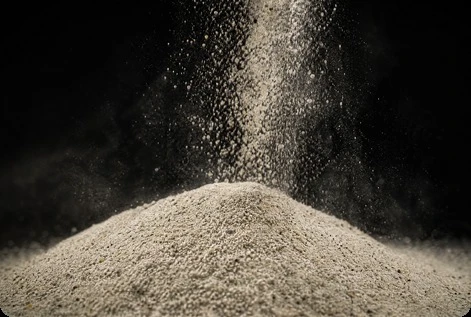
Premix production focuses on precise micro-ingredient weighing and uniform powder mixing. RICHI can configure a dedicated premix module or integrate it with a larger quail feed manufacturing plant where separate dosing and handling are required.
About 0.2–0.5mm Powder
For customers producing several quail feed forms, one plant can share the main grinding, batching and mixing systems while using separate pellet, crumble or powder-finishing routes.
Design My Quail Feed Mill
Quail Feed Mill Videos
Quail feed projects are shaped by small feed particle size, frequent formula changes and the very different economics of egg-quail, meat-quail and mixed poultry production. These videos show how RICHI scales the equipment from a compact farm system to a commercial multi-feed plant without treating quail feed as simply a smaller version of chicken feed.


【1–2 T/H Quail Feed Mill in Türkiye】This Türkiye project was configured for a quail business where feed size and mixing consistency matter more than building a large plant. The customer needs fine, uniform feed for a comparatively small bird, so grinding, accurate batching and controlled pellet/crumble production become the key parts of the line. A 1–2 T/H system can cover starter crumble and small quail pellets while remaining compact enough for an integrated egg or meat-quail operation rather than an industrial multi-poultry feed factory.
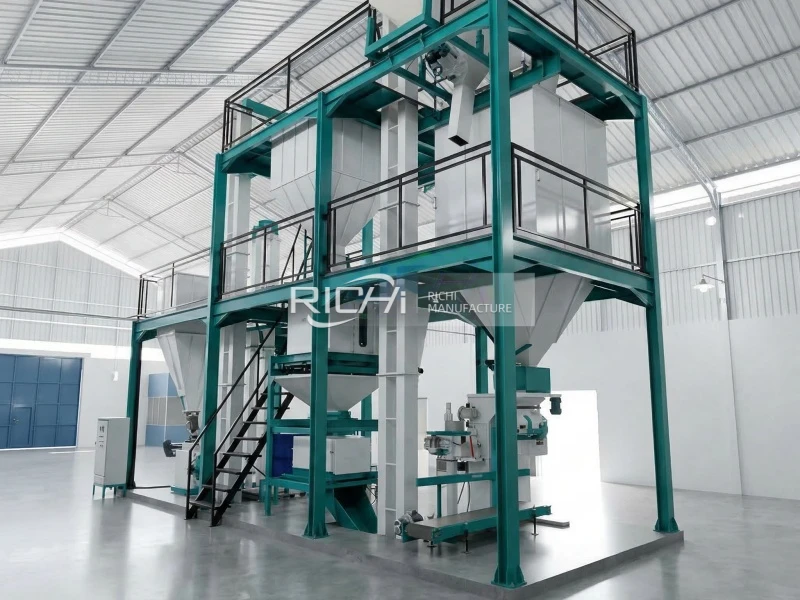
【1–2 T/H Quail Feed Mill in Indonesia】The equipment color for this project was customized according to the client’s requirements, departing from RICHI’s classic white-and-green color scheme. This Indonesian line was developed for a quail-focused operation producing feed mainly for laying birds. The customer needed a compact system that could maintain fine grinding and uniform mixing without the complexity of a large commercial feed factory. At 1–2 T/H, the plant is large enough for continuous farm production but still practical for a business centered on quail eggs rather than general poultry-feed sales.
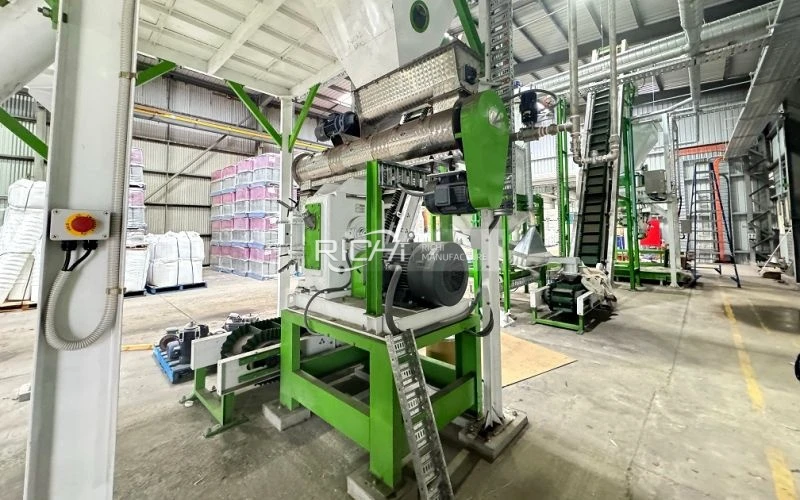
【3–4 T/H Quail Feed Mill in Brazil】Brazil has a large commercial quail-egg sector, and this 3–4 T/H project reflects that more specialized market. The customer focuses on quail feed rather than using quail as a minor SKU inside a chicken-feed plant. Production therefore emphasizes consistent fine feed, small pellet or crumble specifications and repeatable batches for laying-quail operations. The capacity is high enough for regional commercial supply while still remaining realistic for a quail-centered business.
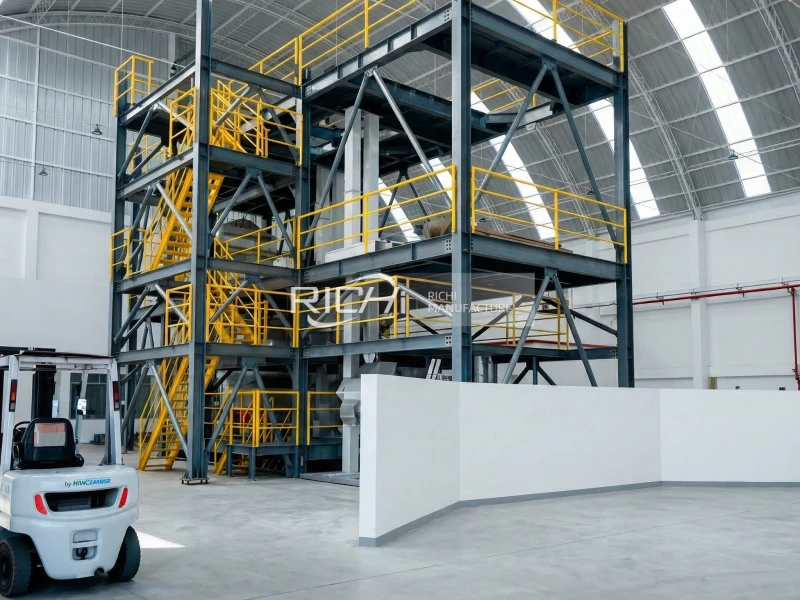
【5 T/H Quail Feed Mill in Mexico】At 5 T/H, the Mexican customer needed more than a dedicated quail line. The plant is configured for quail, layer and broiler feed so the same grinding, batching and mixing systems can serve several poultry markets. Smaller quail products require finer downstream control, while chicken feeds use different pellet specifications. This multi-product setup gives the feed producer more flexibility than depending on quail demand alone.

【1–2 T/H Quail Feed Mill in Malaysia】This Malaysian project is the most diversified of the five. The customer produces quail and chicken pellet feed together with extruded floating fish feed, so the plant combines shared raw-material preparation with two different finishing routes. Poultry feed enters pelleting, while fish feed passes through extrusion and the required downstream treatment. For integrated farms or small commercial producers, the project shows how several feed businesses can be combined without pretending that pellet feed and extruded aquafeed use the same process.
Custom Quail Feed Mill Design
A quail feed mill design should start from bird type, feed form, formula structure and real daily demand. RICHI develops the quail feed plant layout around chick, grower, meat, layer or breeder production, while considering workshop space, automation and future product changes. A typical quail feed production process can include: Receiving → Cleaning → Grinding → Batching → Mixing → Conditioning → Pelleting → Cooling → Crumbling / Screening → Packing.
Mash feed can bypass conditioning and pelleting after mixing. Chick and starter products may enter a finer crumble or small-pellet route, while grower, meat-quail and selected layer feeds can continue as small pellets. Because quail consume relatively small feed particles, grinding uniformity, micro-ingredient dosing and screening deserve particular attention.
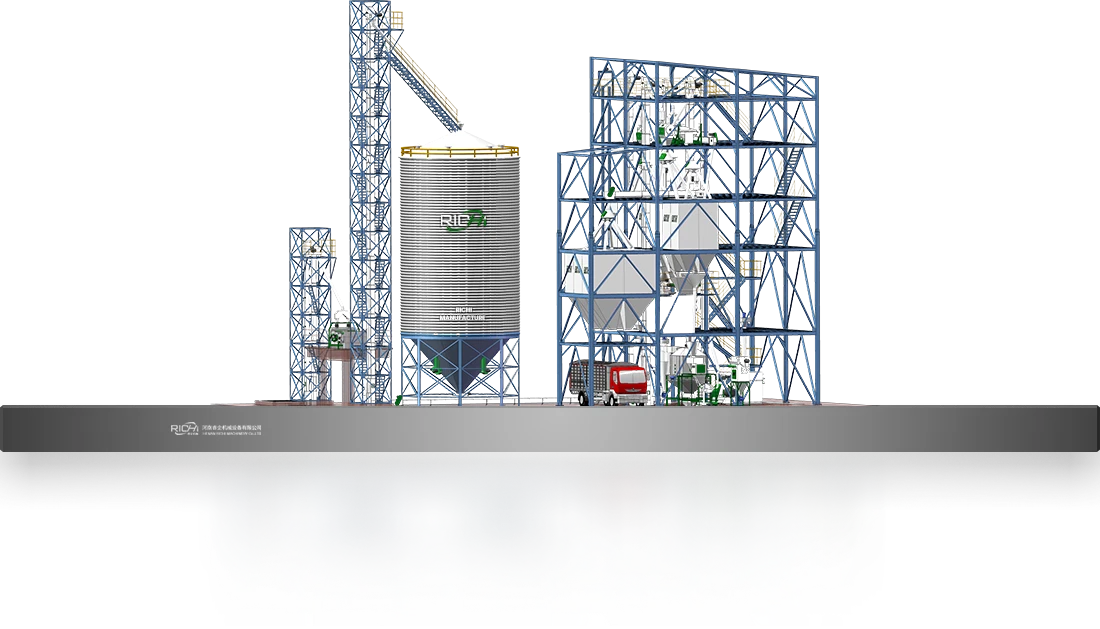
Whole grains normally require cleaning and grinding, while soybean meal, premix and other sufficiently fine ingredients can enter later in the quail feed processing system. A dryer is not a standard part of a quail feed manufacturing system and should only be added when genuinely wet raw materials require pre-drying..
For a new factory, RICHI can provide a turnkey quail feed mill solution covering process design, equipment configuration and factory arrangement. Existing poultry plants can retain suitable grinders, mixers, silos or packing equipment and add only the modules required for quail feed production.
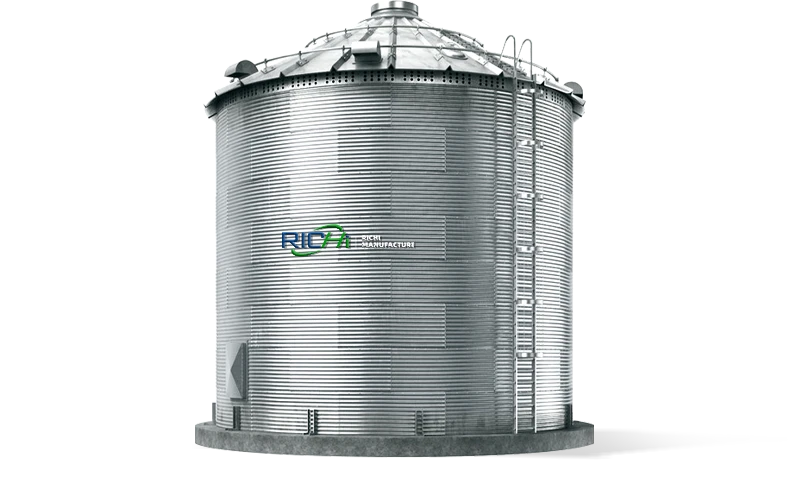
Silo system
01
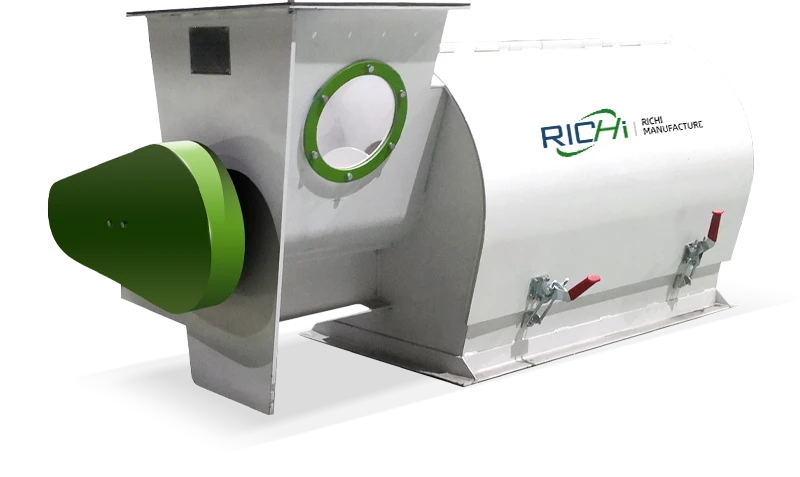
Cleaning system
02
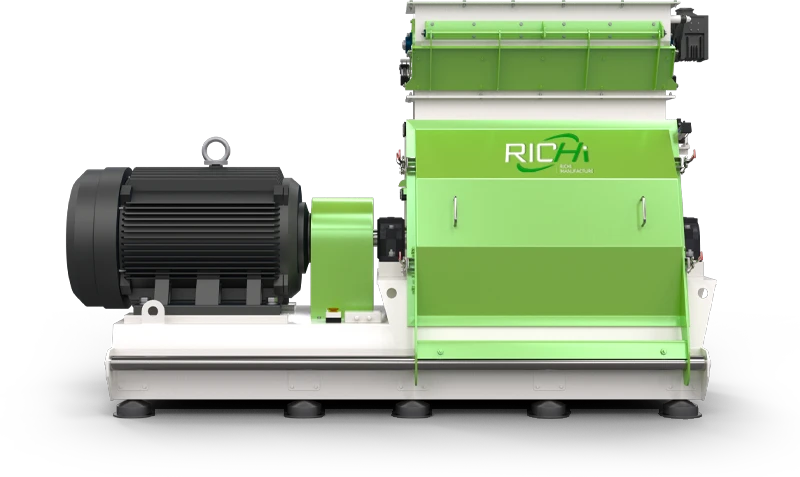
Grinding system
03
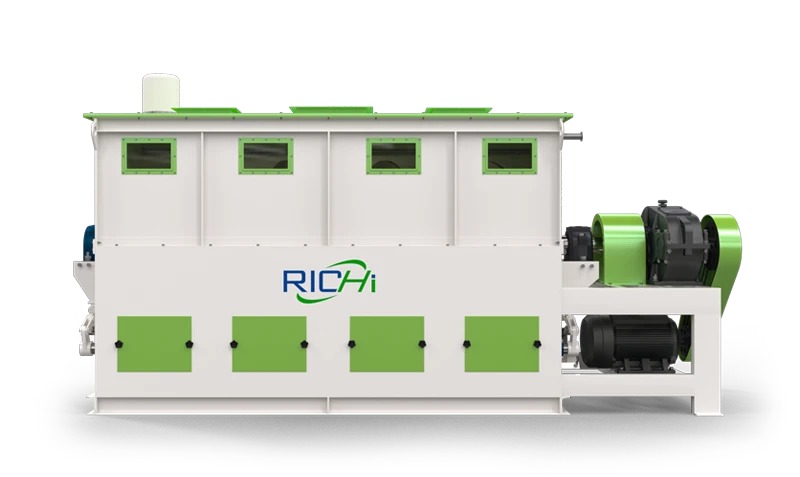
Mixing system
04
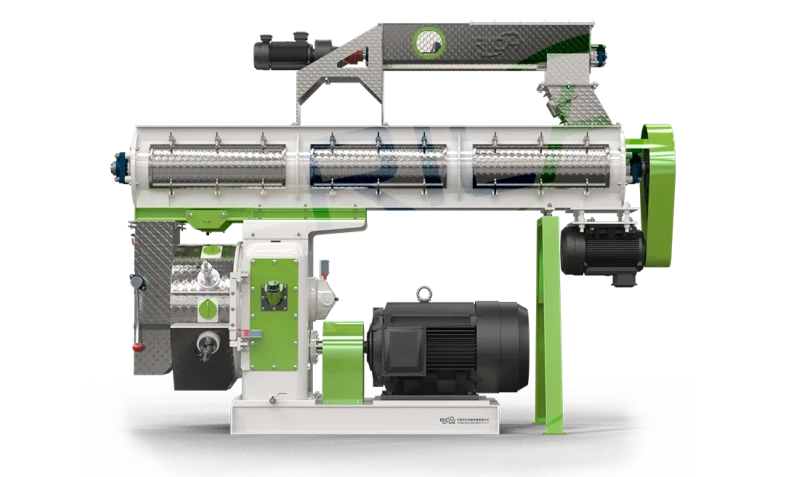
Pelleting system
05
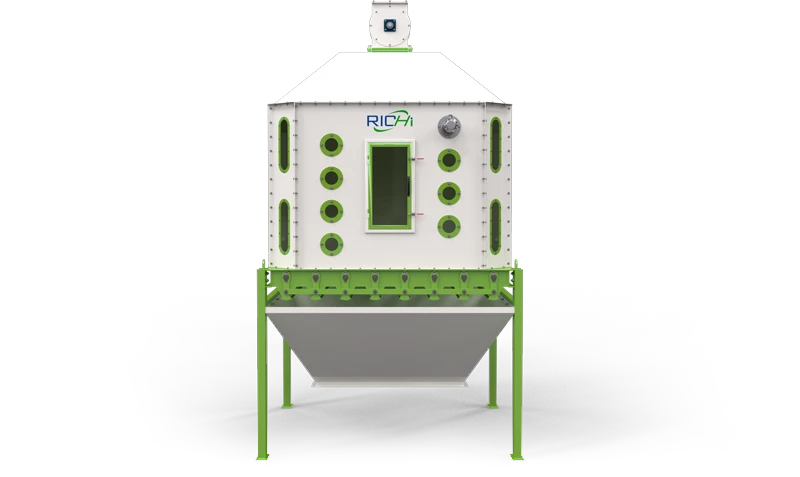
Cooling system
06
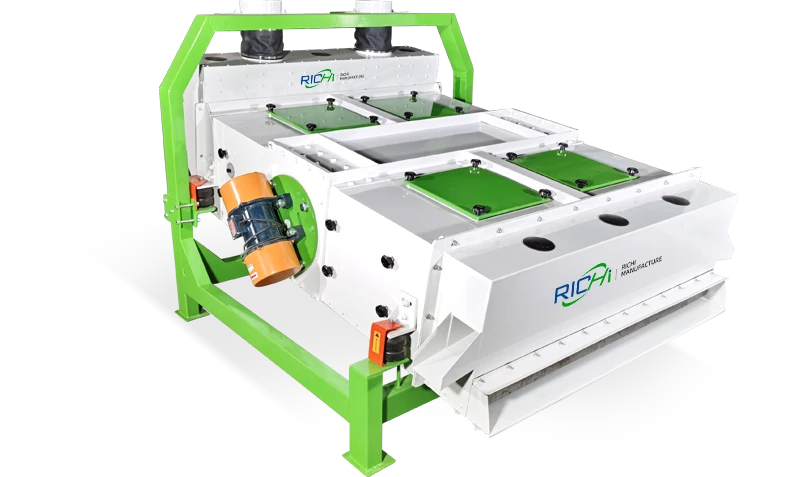
Screening system
07
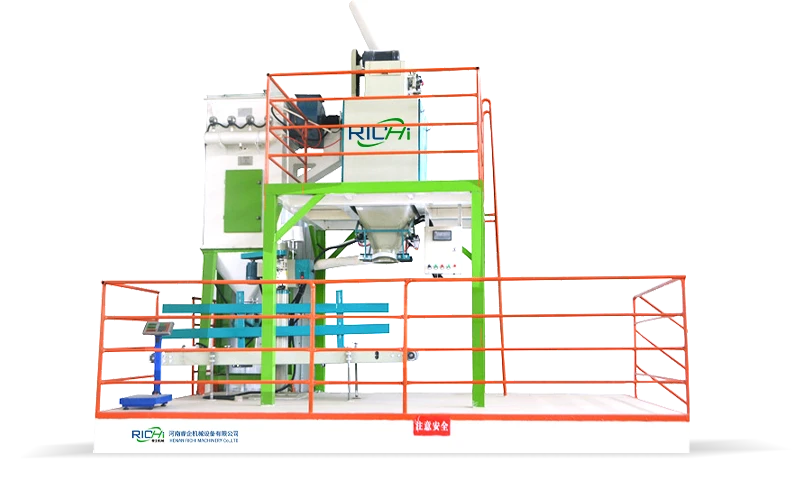
Packaging system
08
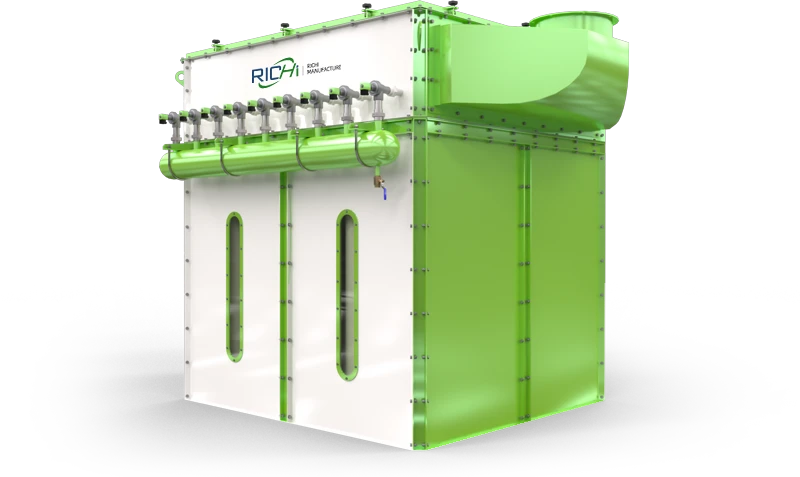
Dust removal system
09
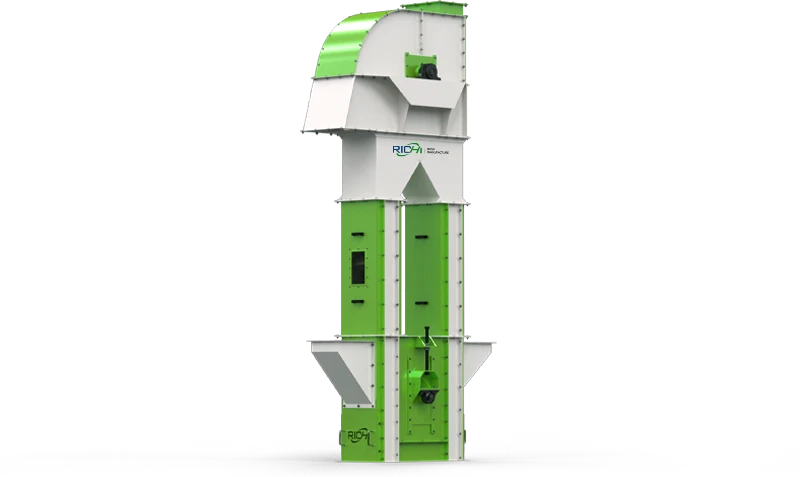
Conveying system
10
8 Quail Feed Mill process flow design
Quail feed creates a different sizing problem from larger poultry species: individual birds consume relatively little feed, yet intensive egg or meat operations need highly consistent small-particle feed every day. That means a small or medium quail operation may justify a dedicated line, while 10–20 T/H plants usually make commercial sense only when quail formulas share the factory with other poultry feeds. These eight configurations keep the required process routes intact while applying them to different operating models.

1-2 T/H Quail Feed Processing Plant Design
Process Flow: Feeding Through Two Conveyors → Grinding → Mixing → Pelleting → Cooling → Crumbling → Screening → Manual Packing
For a Japanese specialist quail-feed producer working inside an existing low-rise facility, building height was the limiting factor. The line therefore relies mainly on screw conveyors and Z-type bucket elevators, keeping the maximum system height to about 5.7 m.
One feeding conveyor carries whole or coarse ingredients toward grinding; the second lets meal-form ingredients enter the mixing route without unnecessary size reduction. The combination of crumbling and manual packing suits a 1-2 T/H specialist plant where product quality and frequent small-batch changeovers matter more than building a large automated dispatch section.

3 T/H Quail Feed Pellet Plant Design
Process Flow: Feeding → Grinding → Mixing + Manual Micro-Ingredient Addition → Pelleting → Cooling → Crumbling → Screening → Automatic Packing
A Malaysian feed business supplying intensive quail farms purchases most major ingredients as clean meals, so the plant does not need an elaborate bulk-grain receiving system. Materials enter directly through feeding, followed by grinding and mixing, with the computerized batching system controlling the main formula components.
Minor vitamins, minerals and amino-acid additions can still be introduced manually at the mixer. The crumbling section is particularly useful here because younger quail require a much smaller physical feed form than standard poultry pellets. The 3 T/H line can also produce selected layer and broiler feeds when the quail-feed schedule does not occupy the full production day.

10–12 T/H Automatic Quail Feed Plant Design
Process Flow: Manual Feeding Through Two Feeding Ports → Grinding → Computerized Batching → Mixing → Pelleting → Cooling → Crumbling → Screening → Fully Automatic Packing
Brazil has a genuinely large quail industry, so an automatic line at this scale can serve a substantial commercial market rather than being an artificial SEO scenario. A feed manufacturer supplying quail-egg operations uses two 500-ton silos for the main ingredients, while two additional feeding ports handle materials that do not enter through bulk storage.
Three finished forms are available from the same plant: pellets, mash and crumbles. This gives the producer flexibility between young-quail feed, laying-quail feed and other poultry formulas. Computerized batching is important because commercial egg-feed customers often purchase several closely related formulations rather than one universal quail ration.

5 T/H Quail Feed Making Plant Design
Process Flow: Bulk Truck Unloading → Bucket Elevator → Two 50-Ton Silos → Grinding → Mixing → Pelleting → Cooling → Crumbling → Screening → Automatic Packing / Bulk Dispatch
A regional feed supplier in the Philippines serves both commercial quail farms and other poultry growers, so raw-material logistics are quite different from a small quail farm. Grain arrives by bulk truck and moves through a bucket elevator into two 50-ton silos before the fixed production route begins.
PLC-controlled weighing manages the feed formulas. Finished product can either enter automatic bags for smaller quail customers or leave in bulk for larger farms. Since Philippine statistics track both commercial quail production and quail-egg output, this mixed delivery model is a practical way to serve farms of very different sizes from one 5 T/H plant.

10 T/H Quail Pellet & Mash Feed Plant Design
Process Flow: Grinding → Batching → Mixing → Pelleting → Cooling → Screening → Fully Automatic Packing
An Egyptian poultry-feed manufacturer initially wanted a 10 T/H mash system because many laying-quail customers use finely processed complete feed. The scope later expanded to include pellet production for other poultry products and selected quail applications.
Most purchased ingredients already arrive ground, leaving only a small stream that actually needs the grinding section. The plant therefore avoids overbuilding raw-material preparation and places more emphasis on batching, mixing and two finished-feed routes. Both mash and pellets are packed automatically, while the absence of a crumbling unit is respected rather than forcing starter crumble into a process that does not contain one.

1–2 T/H Quail & Fish Feed Combined Plant Design
Process Flow: Grinding → Mixing → Pelleting / Extrusion → Drying → Coating → Cooling → Automatic Packing
A diversified Nigerian farm producing quail and farmed fish needed two very different finished feeds without duplicating the complete raw-material preparation area. Poultry feed output is 1–2 T/H, while the floating fish-feed section is approximately 500–600 kg/h.
The quail route uses pelleting, while a single-screw extruder, belt dryer and coating machine are added specifically for floating aquafeed. Grinding and mixing can be shared where formulas allow, but extrusion, drying and coating remain dedicated to the fish product. This gives the farm two feed businesses from one coordinated plant while keeping the processes technically separate where they need to be.

15 T/H Quail Feed Pelletizing Plant Design
Process Flow: Grinding → Fully Automatic Computerized Batching → Mixing → Pelleting → Cooling → Crumbling → Screening → Automatic Packing
At 15 T/H, a quail-only factory would be difficult to justify in most markets. A Pakistani commercial poultry-feed company therefore uses this configuration to add quail starter and layer products within a much wider poultry-feed schedule.
Two 1,000-ton silo systems provide bulk storage for the principal grains. Fully automatic computerized batching handles frequent recipe changes, while the crumbling section makes it possible to produce the smaller feed form required for young quail without dedicating a separate production line. Broiler, layer and quail feeds share the industrial infrastructure but remain separate formula programs.

20 T/H Quail Feed Production Plant Design
Process Flow: Mixing → Pelleting → Crumbling → Screening
A large existing feed mill in South Africa already had functioning grinding and packing systems but wanted to broaden its poultry range with quail products. Since the useful upstream and downstream sections did not need replacement, the project scope is restricted to modular mixing, pelleting, crumbling and screening.
Space inside the current factory is limited, so the engineering work focuses on equipment arrangement, connection points and access for maintenance. The 20 T/H rating belongs to the wider feed mill rather than to quail demand alone; quail starter and production feeds become additional SKUs within the existing poultry business.
Quail Feed Mill Projects
These quail feed mill projects cover farm-use production, layer and breeder operations, meat-quail businesses and larger commercial poultry factories. Capacity and configuration change with actual feed demand rather than simply increasing with flock size.

1–2 T/H Layer Quail Feed Project
Philippines
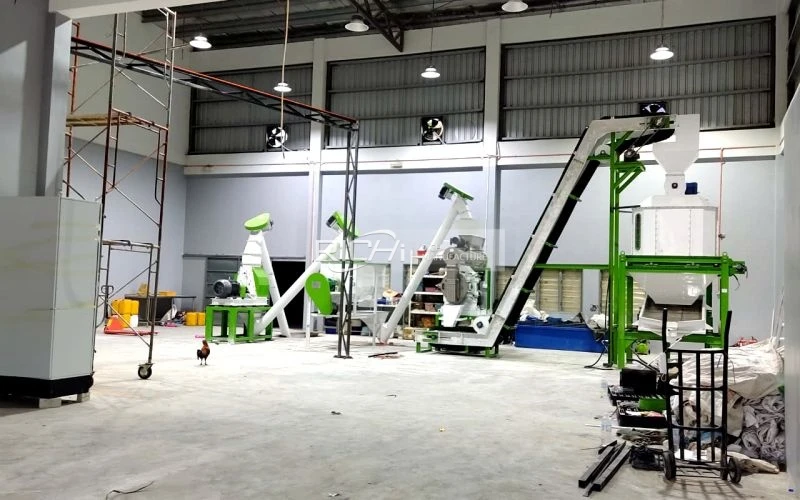
A commercial egg farm needed starter, grower and layer feeds for internal use. The compact quail farm feed plant combines mash production with a small-pellet route without unnecessary bulk-storage investment.
3–4 T/H Meat Quail Feed Plant
France
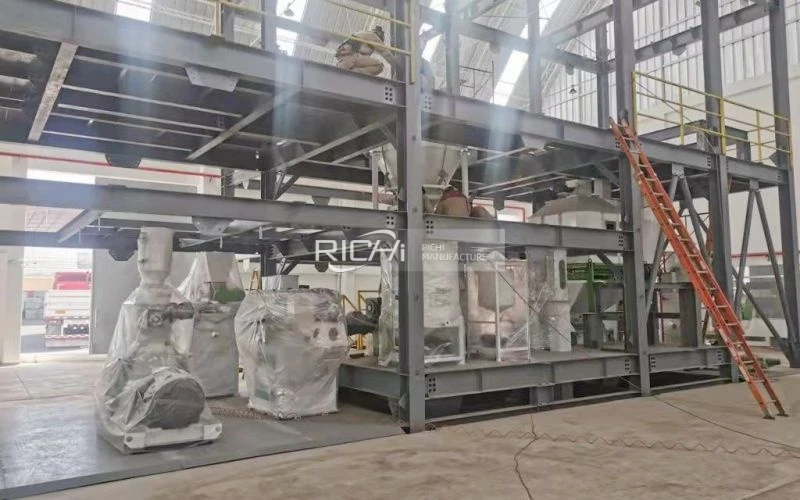
The customer focuses on commercial meat-quail production. Starter feed and small grower-finisher pellets are produced in scheduled batches with close control of particle size and fines.
5 T/H Quail Pellet Feed Project
Spain
This regional producer required small pellets for meat quail alongside mash products for selected customers. The quail feed pellet plant project uses separate finished-feed routing without duplicating the whole factory.

1–2 T/H Quail Breeder Feed Project
Indonesia
This breeding operation required accurate starter and breeder formulas with frequent small-batch production. The quail breeding farm feed mill emphasizes batching and micro-ingredient control rather than oversized pelleting capacity.
3–4 T/H Layer Quail Feed Mill
Japan
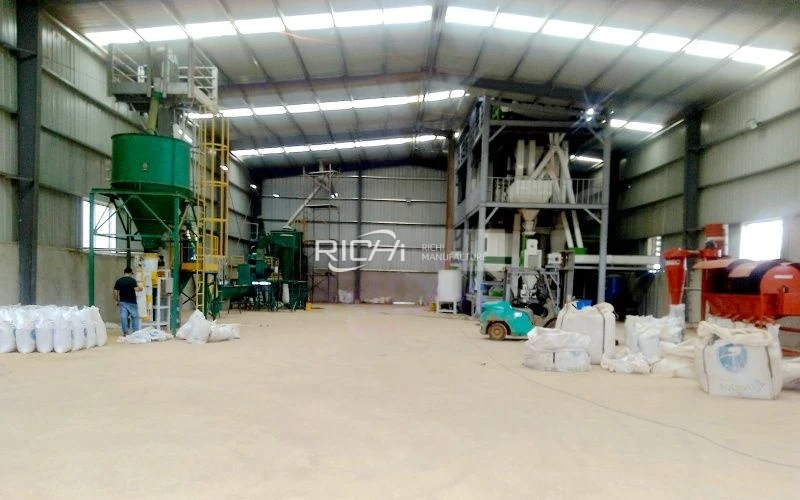
This quail layer farm feed mill produces starter, grower and layer feeds for an intensive egg operation. Accurate dosing and uniform mixing support frequent formula changes as birds move quickly between feeding stages.
8 T/H Commercial Quail Feed Factory
Brazil
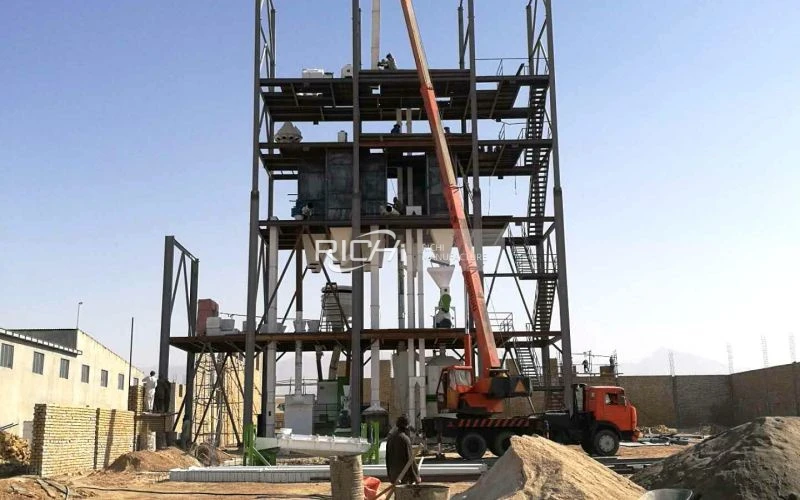
The plant serves a sizeable quail egg market with several starter, grower and layer formulas. Automatic dosing, micro-ingredient handling and finished bins support a broader commercial SKU program.

1–2 T/H Small Quail Feed Mill
Nigeria
The customer mainly produces starter, grower and layer mash for its own birds. Simple grinding, mixing and packing keep the quail feed mill project practical for a farm-scale business.
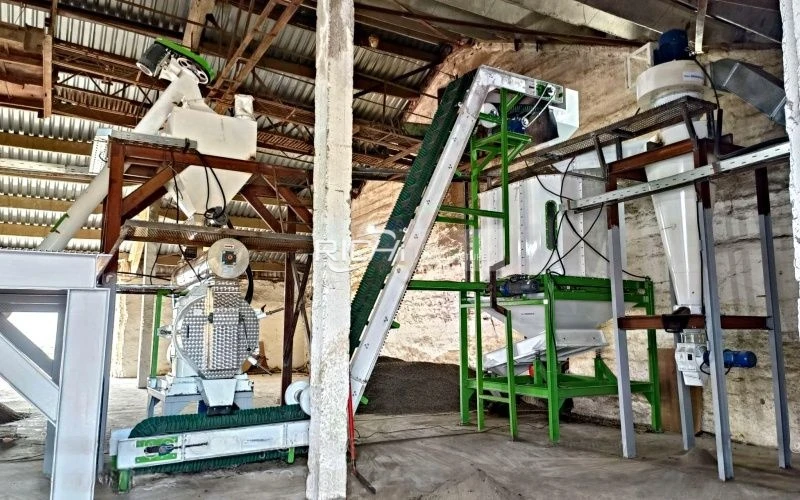
3–4 T/H Integrated Quail Feed Project
India
The customer operates both meat and egg quail units. The quail feed production line project combines starter crumble, meat-quail pellets and layer mash through shared core processing sections.
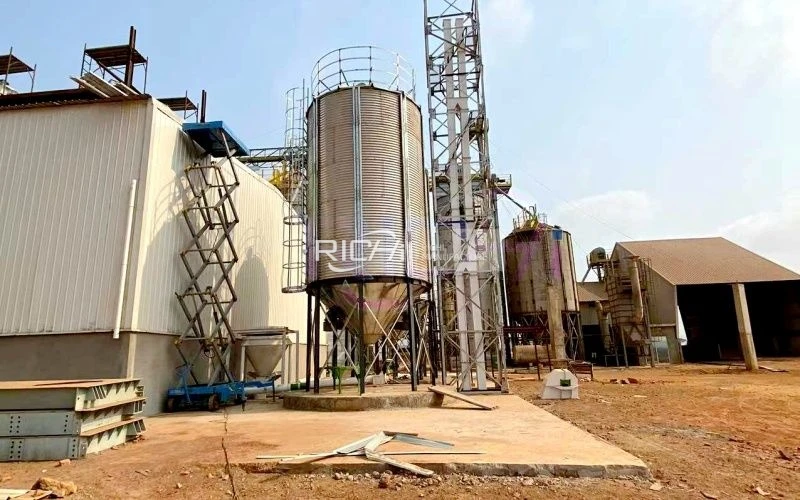
10 T/H Quail & Poultry Feed Plant
United States
Quail feed is one product family within a wider poultry business. Shared grinding, batching and pelleting are combined with smaller dies and appropriate screening for quail products, improving annual equipment utilization.

1–2 T/H Meat & Egg Quail Project
South Africa
The farm raises quail for both meat and eggs, so one product route was not sufficient. Mash and small-pellet production allow the same quail feed plant project to support different flock groups.
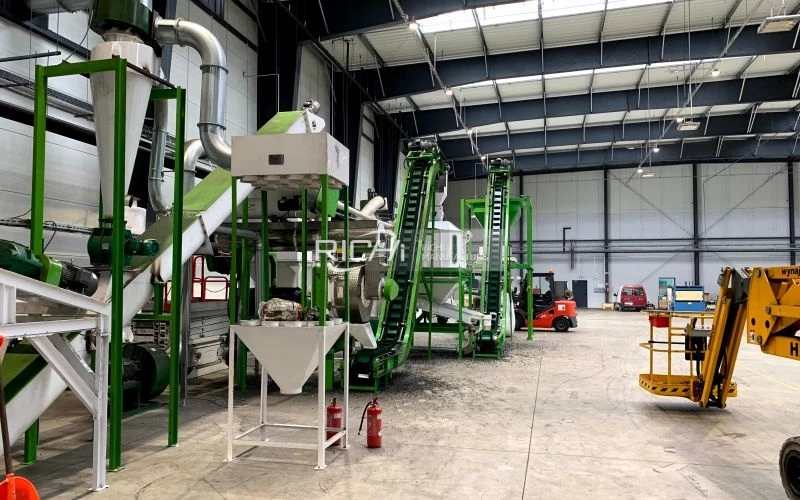
5 T/H Commercial Quail Feed Plant
Italy
The customer supplies several quail farms rather than producing only for one flock. Automatic batching and multiple finished-feed bins help organize starter, grower and layer products for commercial sale.
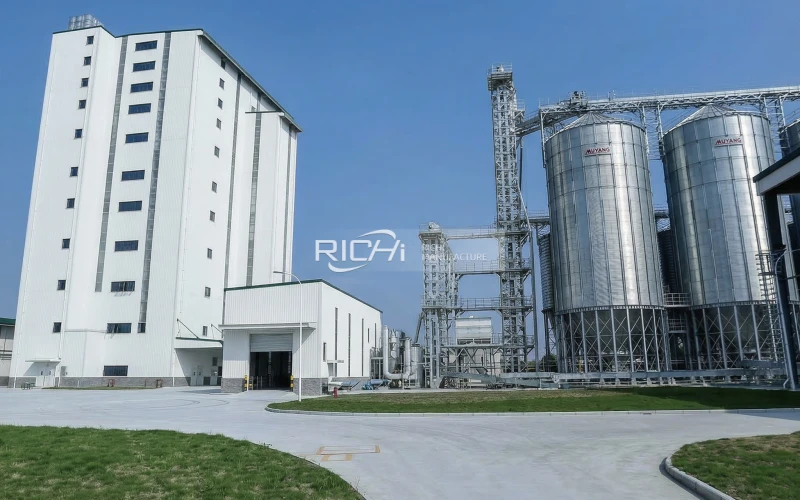
15 T/H Multi-Poultry Feed Complex
China
At this scale, the customer does not operate an oversized quail-only line. Quail starter, layer and meat feeds are produced alongside other poultry feeds through centralized batching and multiple finished-feed routes.
Customers usually care most about whether the line fits their real feed program, whether small-particle products remain consistent, and whether operators can switch between quail formulas without making production unnecessarily complicated.


Quail Layer Feed Project
Turkey
“We produce several feed stages before the birds enter full laying production. The batching and mixing system makes formula changes easier, and the finished feed remains consistent without making daily operation complicated.”

Meat & Egg Quail Project
Bangladesh
“Our farm raises quail for both meat and eggs, so we needed more than one feed type. The same line allows us to organize grower, meat-quail and layer production without installing separate systems.”

Commercial Quail Feed Project
Mexico
“We supply quail farms with different feed specifications, so product consistency was very important to us. The line gives us better control over batching and small-feed production when switching between customer orders.”

Quail Breeder & Layer Feed Project
Malaysia
“We needed breeder and layer feeds with accurate addition of minor ingredients. The system is easy to manage, and we can keep the two feed programs organized without adding unnecessary equipment.”

Quail Feed Mill Solutions from 1 to 120 T/H
Quail feed mill capacity should match daily feed demand, product range, operating hours and sales model. Farm projects usually remain relatively compact, while larger commercial systems increasingly combine quail feed with other poultry products. (These ranges refer mainly to the production equipment package.)
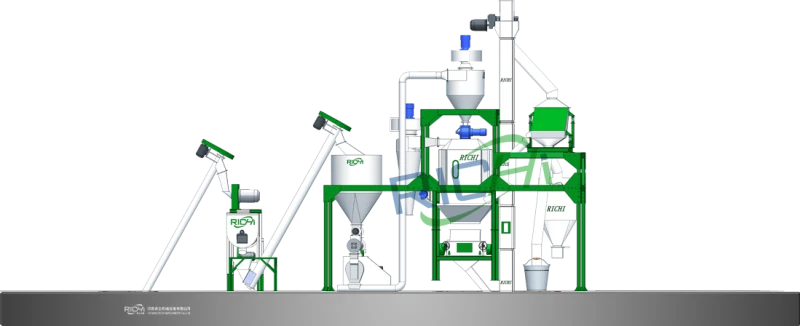
Suitable for quail farms, breeder farms and small egg or meat operations. A small quail feed mill can produce mash, starter crumble and small pellets without excessive automation.
Equipment Cost: $10,000-50,000
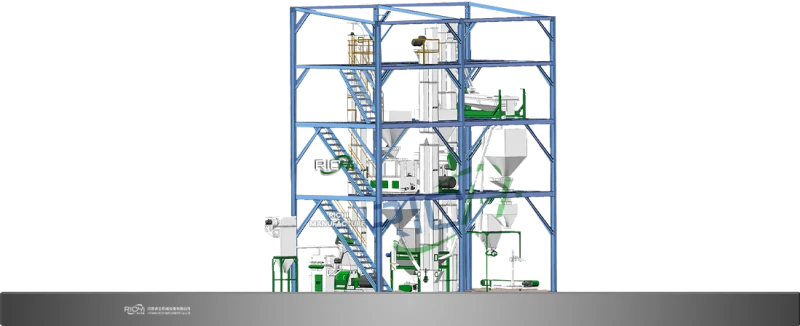
3-4 t/h animal feed production plant
Suitable for larger integrated farms and regional feed suppliers. This scale can support starter, grower, meat, layer and breeder products with more flexible batching and finished-feed routing.
Equipment Cost: $50,000-120,000
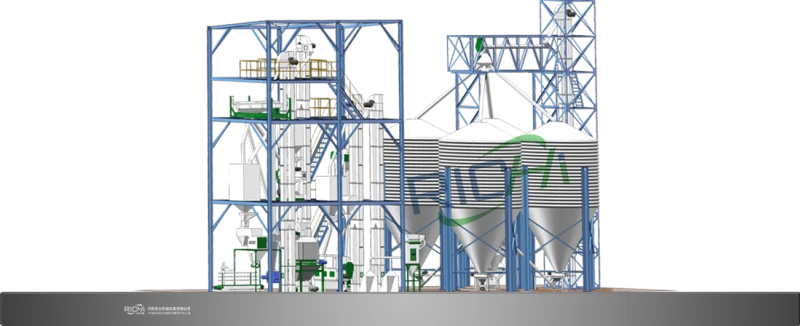
5-7 t/h animal feed pellet plant
Designed for commercial quail producers serving several farms or product groups. Automatic batching and micro-dosing help manage frequent formula changes and small-particle feeds.
Equipment Cost: $70,000-250,000
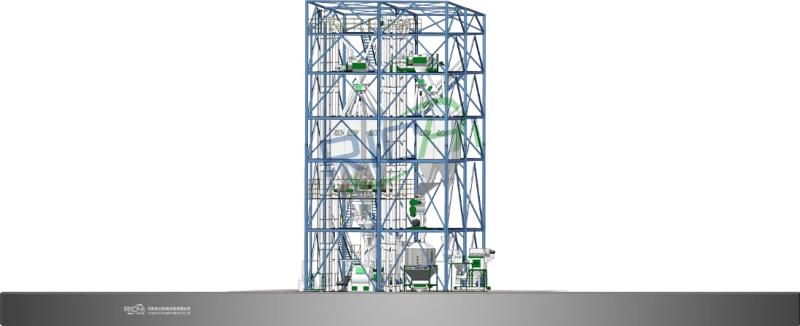
8-10 t/h animal feed processing plant
Suitable for sizeable quail businesses or feed companies producing quail alongside chicken products. Shared core systems improve utilization without sacrificing quail-specific product control.
Equipment Cost: $150,000-300,000
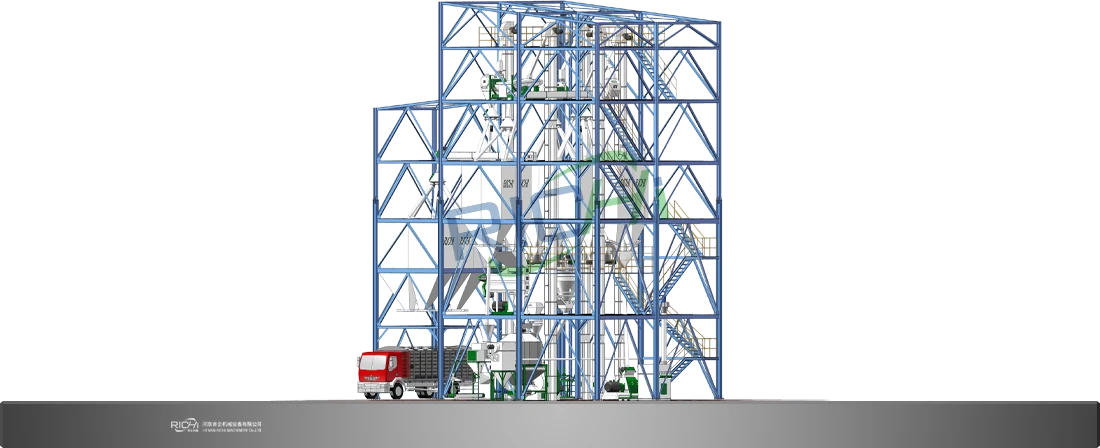
12-20 t/h feed preparation plant
At this capacity, quail feed is more realistically one important product family within a broader poultry feed business. Multiple bins and automatic production routes support quail, chicken and other poultry formulas.
Equipment Cost: $250,000-580,000
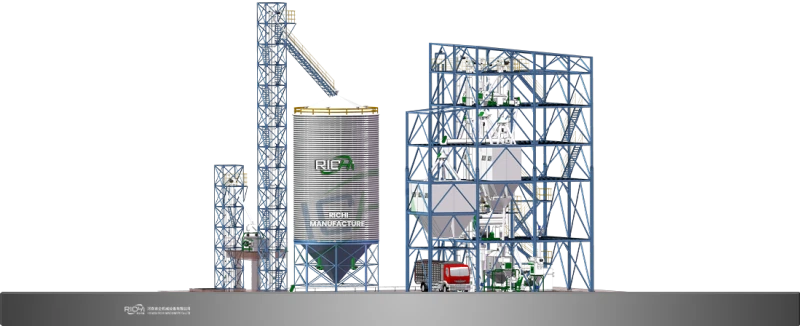
25-40 t/h feed pellet production line
This scale normally serves a regional or national feed company rather than one quail operation. An industrial quail feed mill at this output is best planned as part of a multi-poultry feed production line with parallel pelleting or packing where required.
Equipment Cost: $450,000-850,00
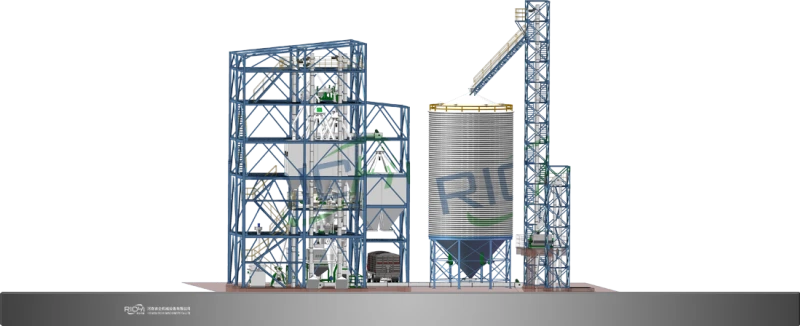
50-60 t/h commercial feed mill
Designed for major feed manufacturers supplying multiple poultry markets. Quail products can share centralized receiving, storage and batching while using dedicated recipes and suitable small-feed routes.
Equipment Cost: $900,000-1,400,000
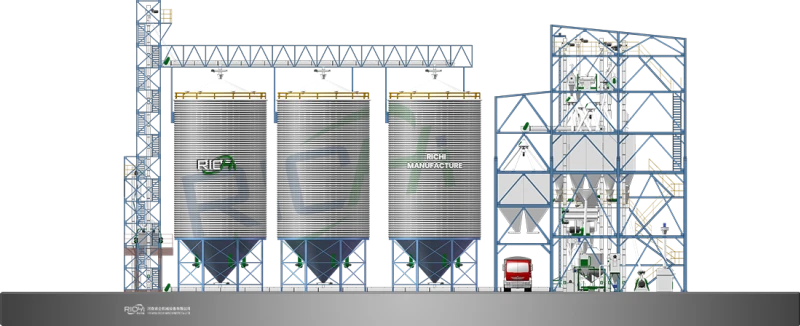
60-80t/h complete feed mill plant
This scale is typically configured as a commercial poultry feed mill with multiple production trains. Quail feed becomes one SKU family within a much larger production portfolio.
Equipment Cost: $1,450,000-1,800,000
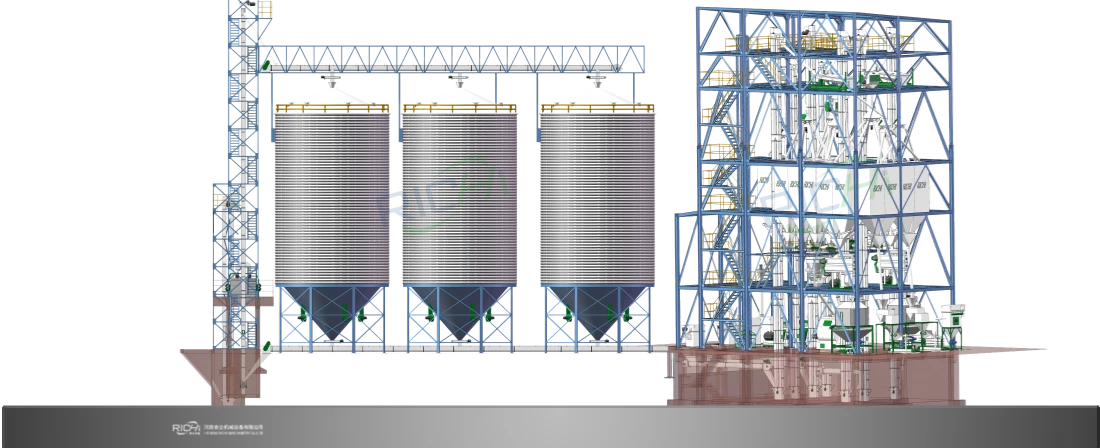
Large feed groups may use several grinding, mixing, pelleting and packing routes to manage high throughput and many formulas. Quail feed can be scheduled through production sections configured for smaller finished-feed specifications.
Equipment Cost: $2,000,000-3,000,000
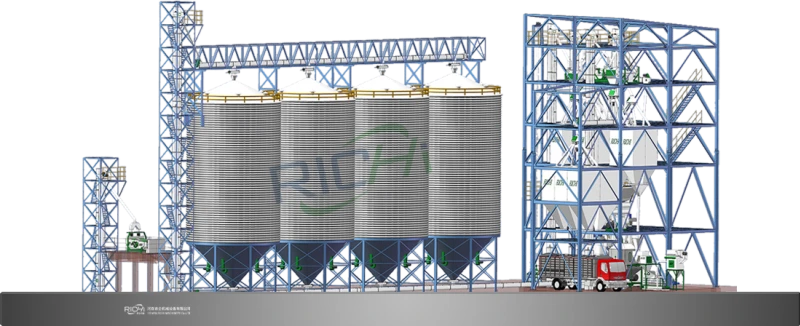
100-120 t/h feed mill engineering
This is a large multi-line feed complex rather than an oversized quail-only factory. A poultry feed pellet production line for quail products can operate alongside other poultry lines within shared receiving, storage and dispatch infrastructure.
Equipment Cost: Over $2,500,000
How Much Does a Quail Feed Mill Cost?
Quail feed mill cost depends on capacity, feed form, automation, ingredient storage, micro-dosing accuracy and whether the plant produces only quail feed or also other poultry products. Starter crumble and small-pellet production normally require more downstream equipment than a simple mash line, while commercial layer or breeder plants may invest more in batching and minor-ingredient control.
Whole Quail feed plant set up investment : $50,000 – $40,000,000
Main Quail Feed Equipment Cost :
Quail Feed Receiving & Cleaning :
$2,000–80,000
Quail Feed Grinding System :
$2,000–120,000
Quail Feed Batching System :
$5,000–180,000
Quail Feed Mixing System :
$2,000–100,000
Quail Feed Liquid Addition :
$2,000–50,000
Quail Feed Pelleting System :
$10,000–100,000+
Quail Feed Cooling System :
$4,000–90,000
Quail Feed Crumbling & Screening :
$4,000–80,000
Quail Feed Packing System :
$2,000–180,000
Quail Feed Conveying System :
$5,000–250,000+
Silo & Bin System :
$10,000–800,000+
Dust Collection :
$3,000–120,000
Automation & Electrical :
$5,000–300,000+
Steam & Boiler System :
$5,000–150,000+
Quail feed factory setup cost therefore includes much more than machinery. For a commercial project, civil construction, utilities, ingredient inventory and working capital can materially change the total quail feed mill project cost even when two plants use similar processing equipment. RICHI develops each quail feed mill quotation from the customer’s required output, feed stages, formulas, building conditions, automation and packing plan. The planning ranges above reflect the wide variation seen across RICHI feed projects, but the most useful quail feed plant investment estimate is always based on the actual project scope.

From Duck Feed Mill Design to Long-Term Operation
RICHI supports a quail feed mill from early planning through manufacturing, installation and long-term operation. The service can be adapted for a new quail feed plant, an expansion project or an existing poultry factory adding quail feed production.
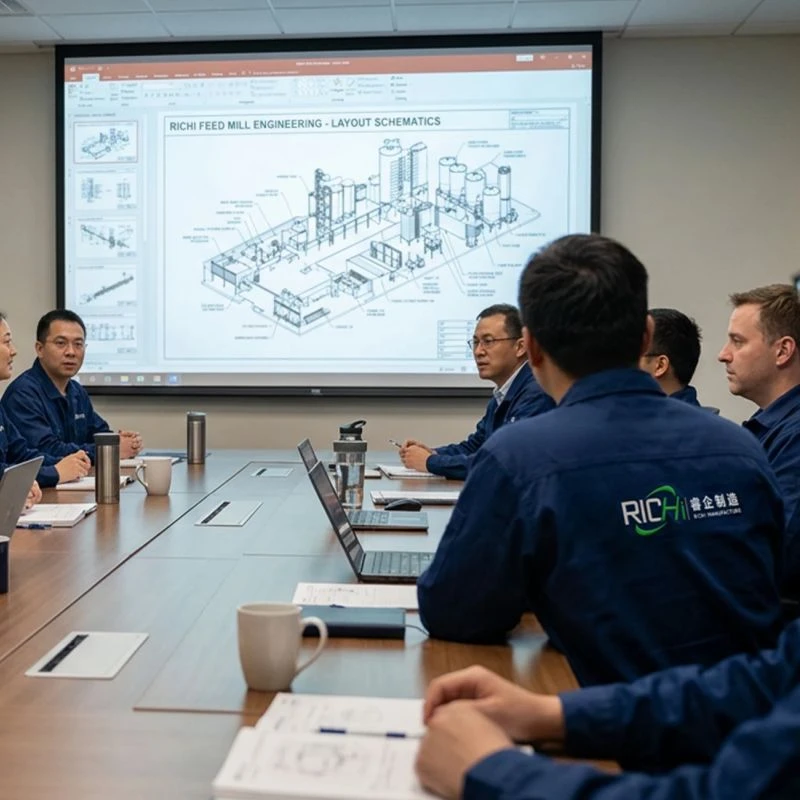
Process & Factory Design
RICHI develops the quail feed factory design around capacity, feed stages, raw-material structure, workshop dimensions and future expansion. The scope can include process flow, quail feed plant design, equipment layout, civil requirements and reserved space for additional production modules.
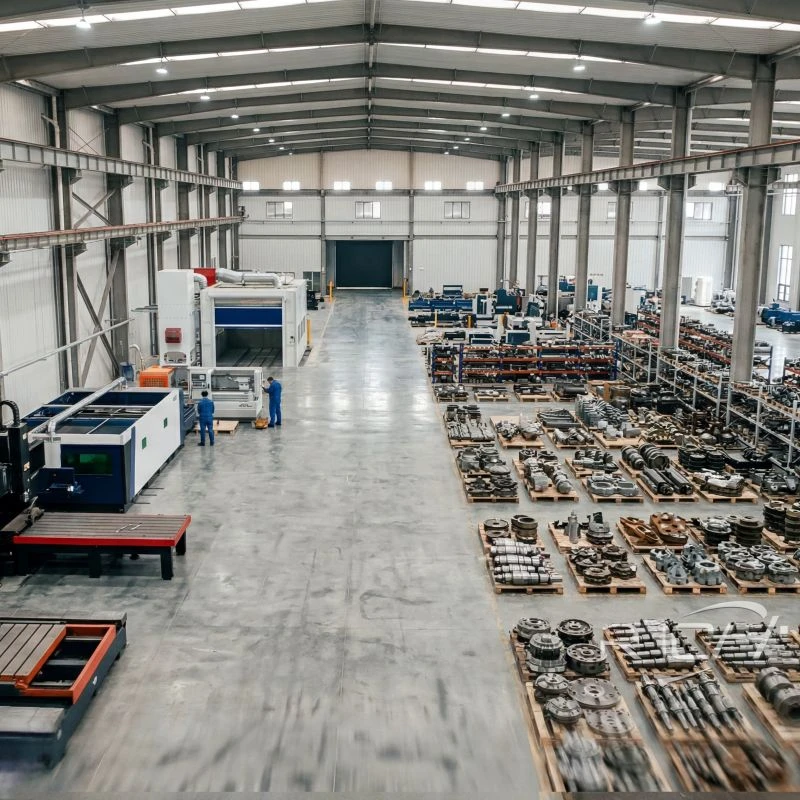
Equipment Manufacturing
Main quail feed production equipment is coordinated as one complete system rather than supplied as unrelated machines. Special attention is given to accurate batching, micro-dosing, small-pellet production, starter crumbling and finished-feed screening for different quail products.
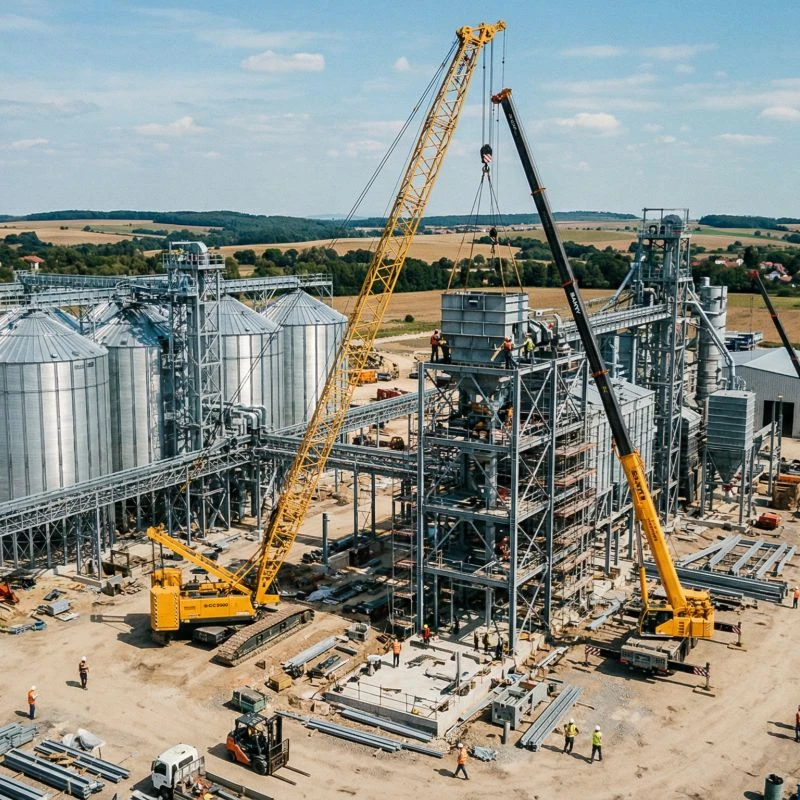
Installation & Commissioning
RICHI provides installation guidance, commissioning and operator training for the complete quail feed mill. Trial production covers equipment coordination, recipe switching and finished-feed adjustment for chick, grower, layer, breeder and meat-quail formulas.
Lifecycle Technical Support
After startup, RICHI can continue providing spare parts, operating guidance and technical support. If the customer later increases output or adds chicken or other poultry feeds, the existing quail feed processing system can also be evaluated for modification or expansion.
Free Customized Services
Before equipment selection and manufacturing begin, RICHI provides free planning support to help customers clarify project scale, process requirements, factory layout and implementation conditions. These services make it easier to turn an initial quail feed mill idea into a workable production plan.

Free Project Cost Estimate
Free Quail Feed Process Flow Design
Free Civil & Steel Structure Drawings
Free Equipment Operation & Training Support
Free Factory Area Planning
Free 3D Factory Layout & Rendering
Free Electrical & Circuit Design
Free Production Testing & Remote Guidance
Complete Quail Feed Mill Equipment list
A complete quail feed mill should be configured as one balanced production system rather than a collection of individual machines. RICHI matches the quail feed mill equipment package to feed stage, finished-feed form, ingredient structure, plant capacity and automation level.
For a small farm project, quail feed plant equipment can remain compact, with simpler ingredient feeding and packing. A commercial quail feed factory equipment package may add automatic quail feed batching system, multiple ingredient bins, micro-dosing, more finished bins and higher-capacity packing to handle a broader SKU range.
Existing poultry factories can also purchase individual quail feed processing equipment, quail feed pelletizing equipment or selected modules instead of replacing the whole line. RICHI can check whether current grinders, mixers, silos and packers remain suitable before adding the missing quail feed manufacturing equipment.
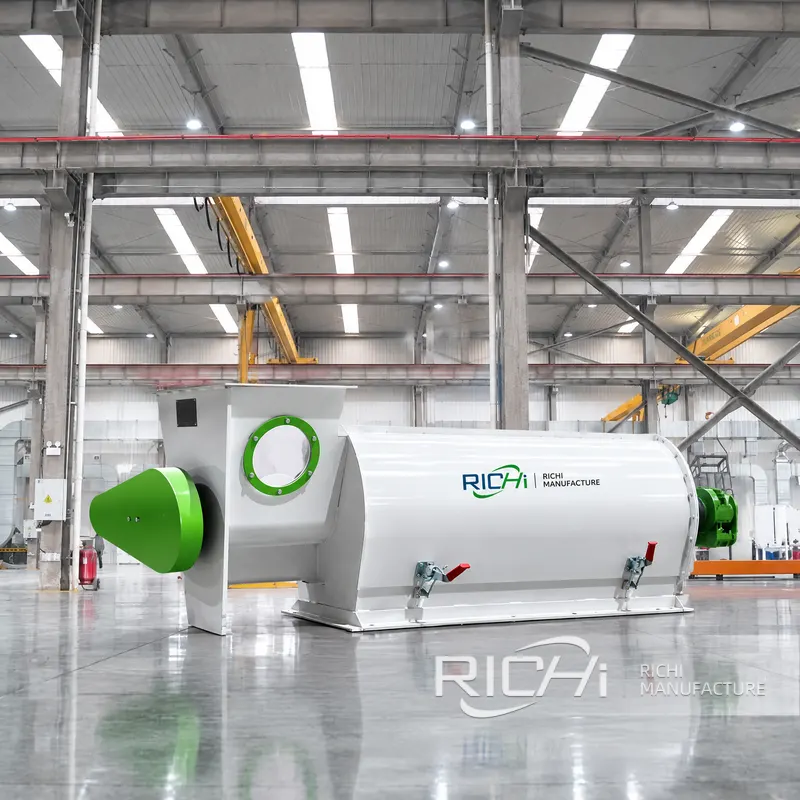
cleaning equipment
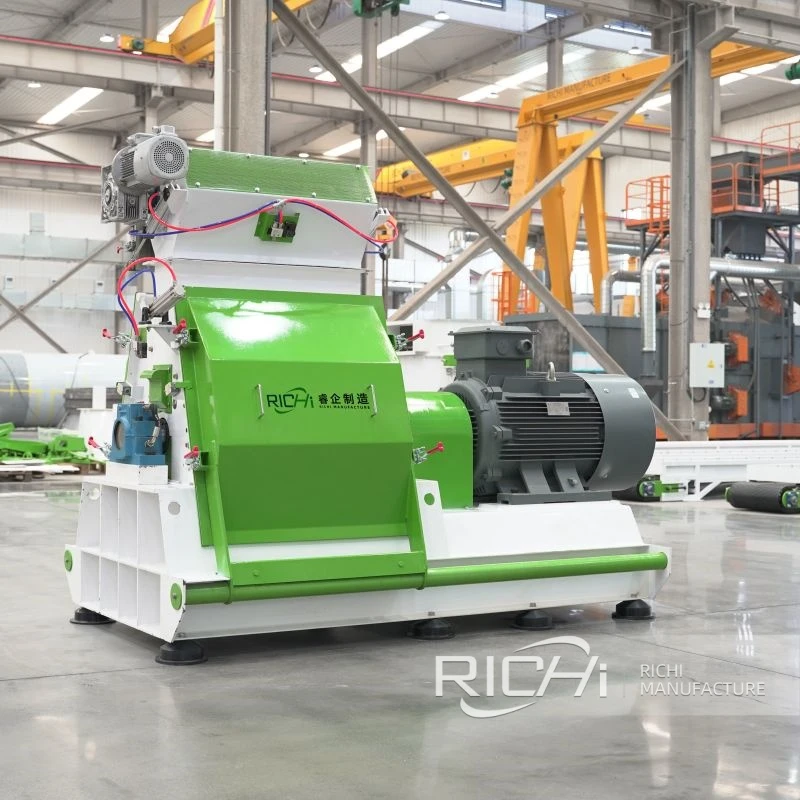
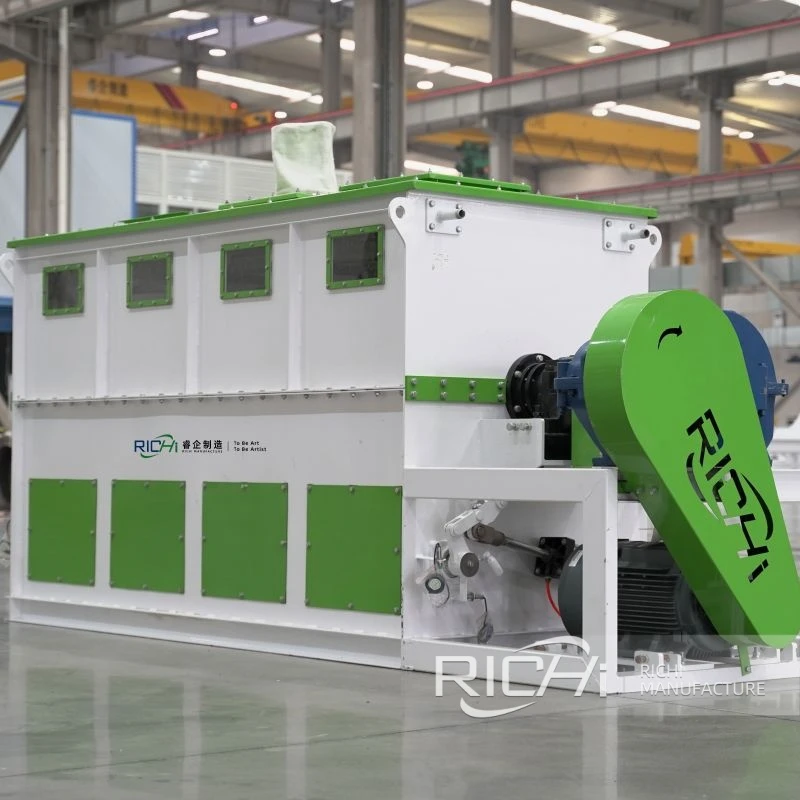
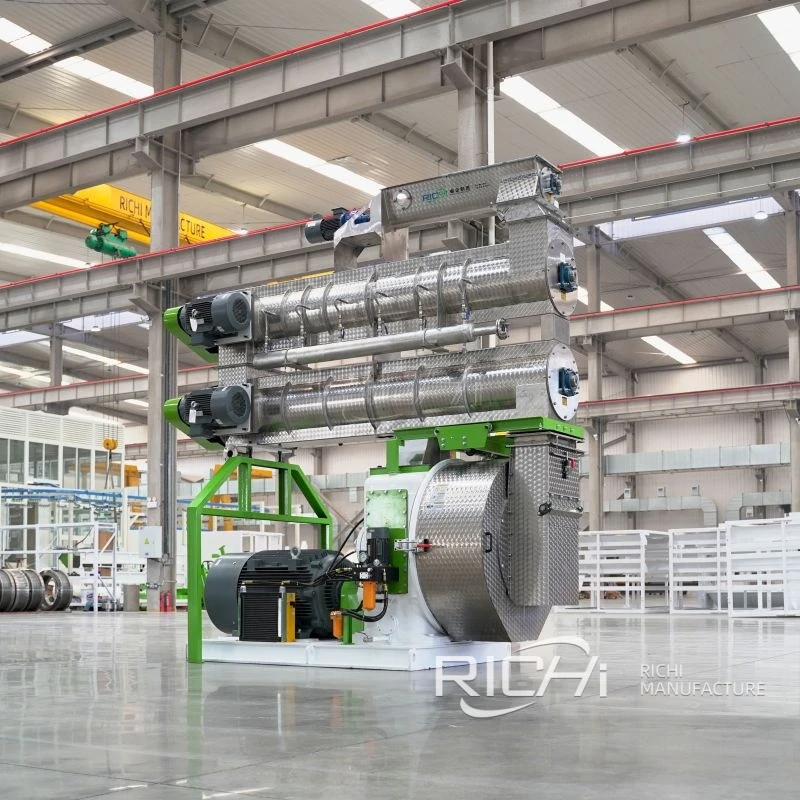
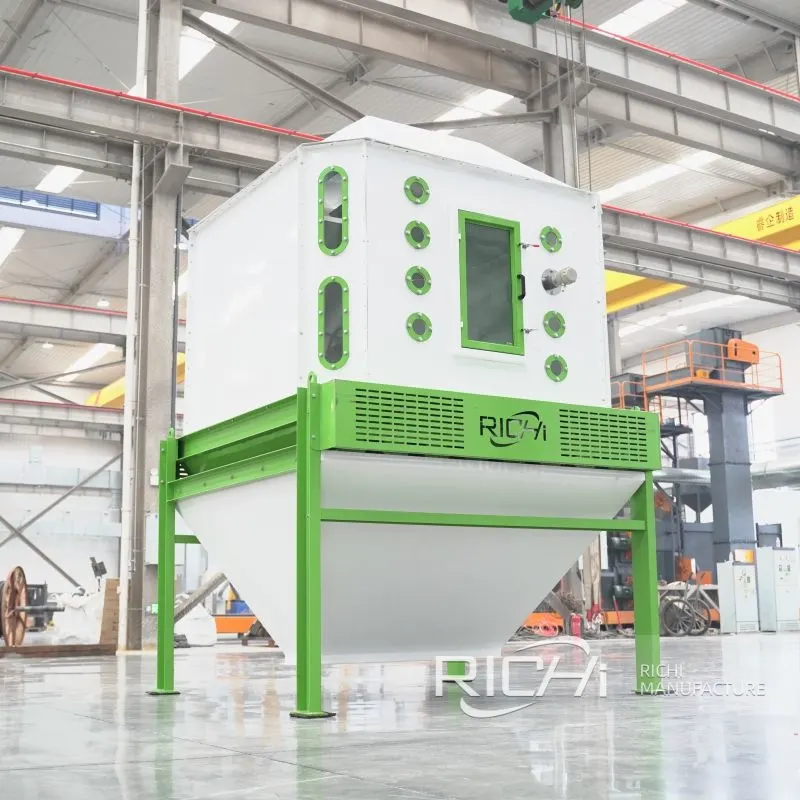
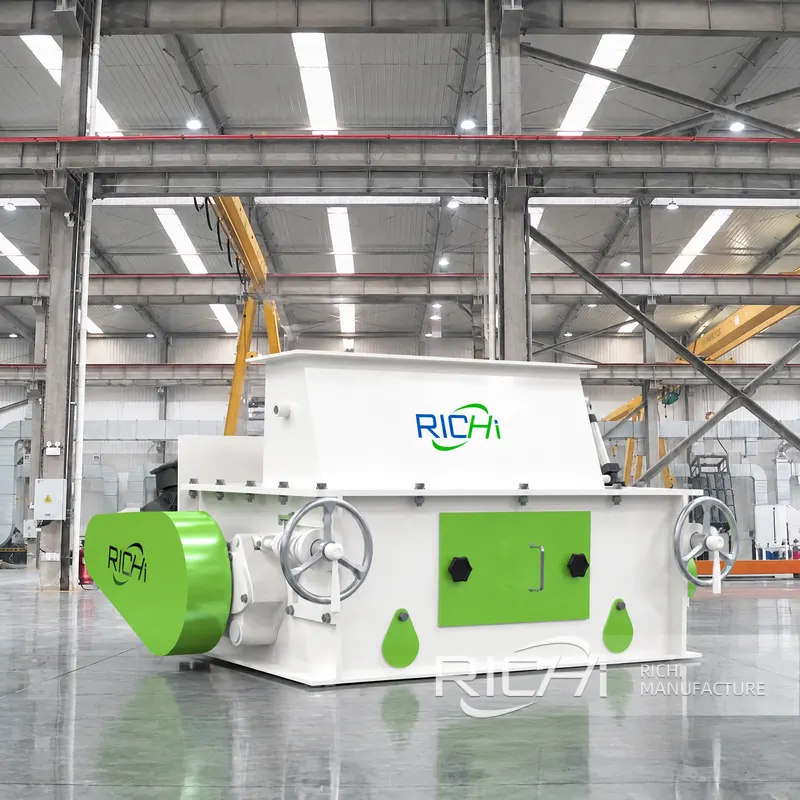
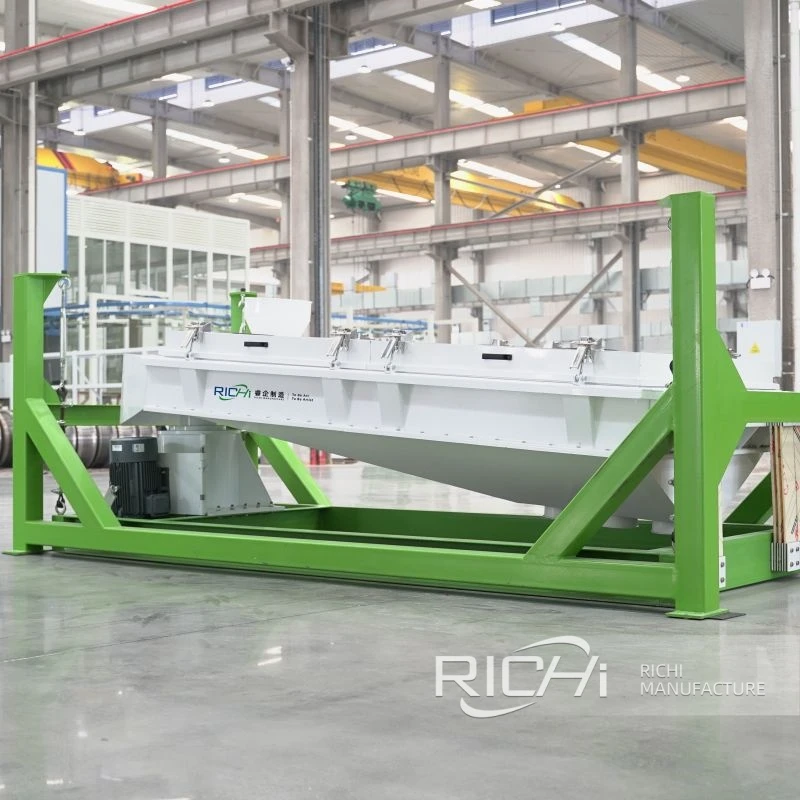
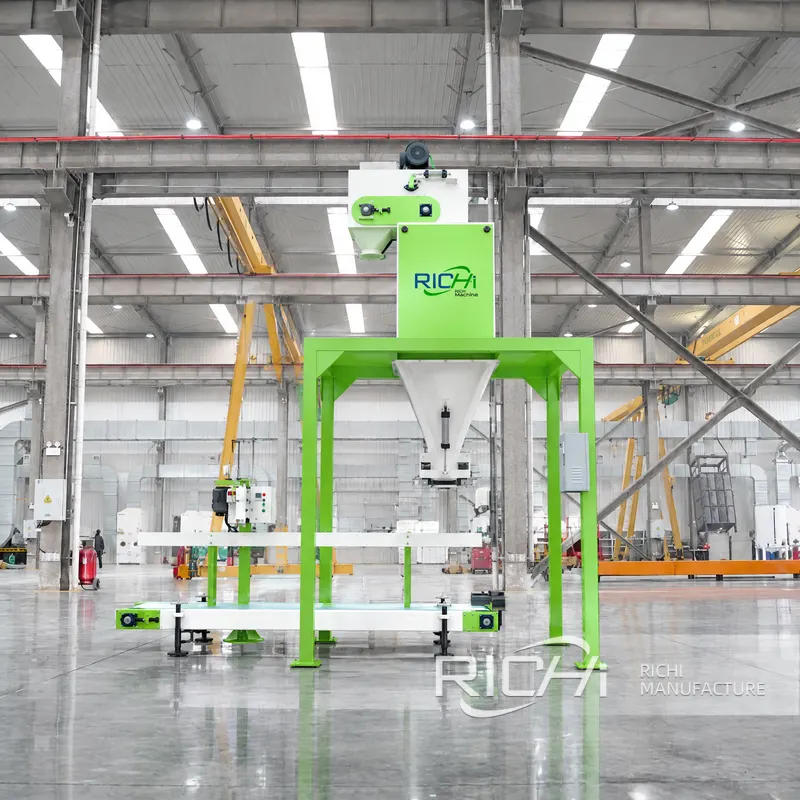
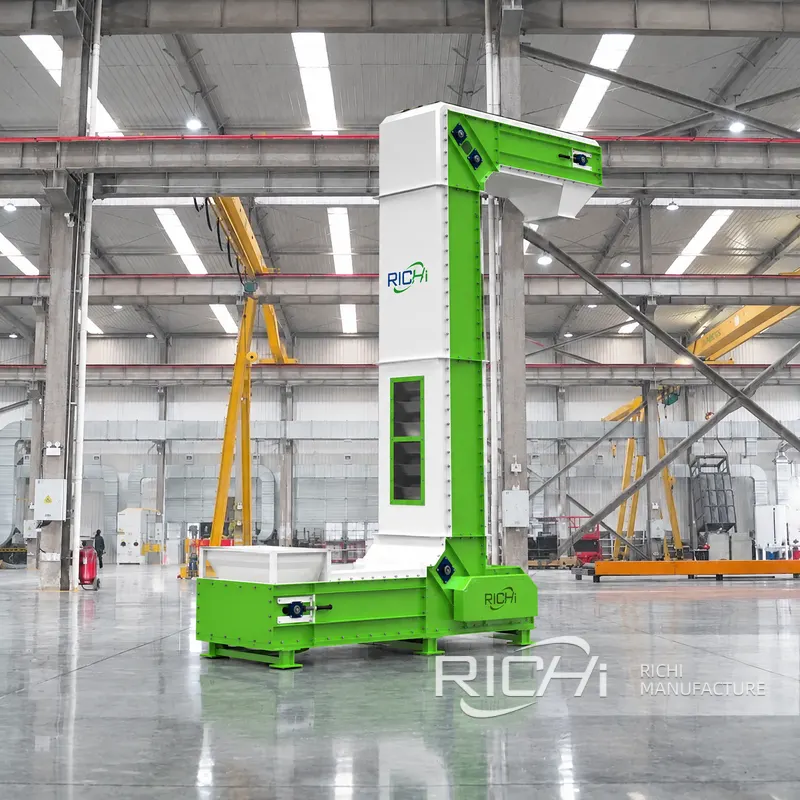
conveyor Machine
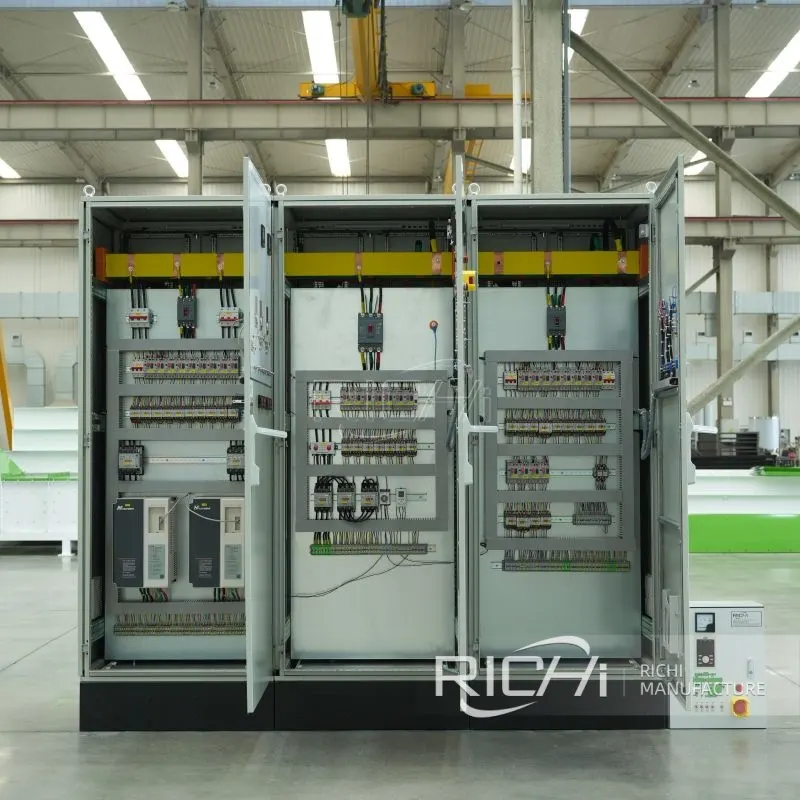
Electrical control cabinet
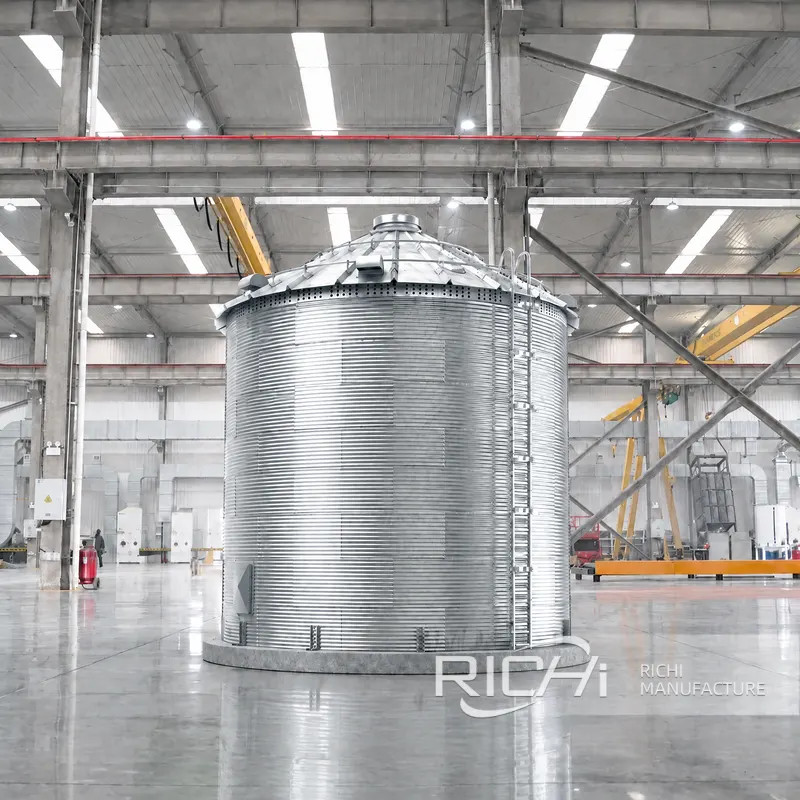
After reviewing the equipment shown here, you can also explore the full range of quail feed equipment and supporting systems available for new plants, expansions and retrofit projects.
Build a More Flexible Quail Feed Business
A quail feed mill creates the most value when it is matched to a clear production model: supplying an egg or meat-quail farm, reducing dependence on purchased feed, serving nearby quail producers, or adding quail products to an existing poultry feed business.
For smaller farms, an on-farm quail feed mill can focus on starter, grower, layer or breeder demand. A commercial quail feed factory usually needs more formula flexibility, accurate micro-ingredient control and several finished-feed options. Where quail demand alone does not justify continuous operation, the same factory can also produce chicken or other poultry feeds through shared core systems.
RICHI can therefore configure a quail feed factory around internal consumption, external sales or a mixed quail-and-poultry business model rather than forcing every investor into a quail-only production plan
Plan My Quail Feed Business
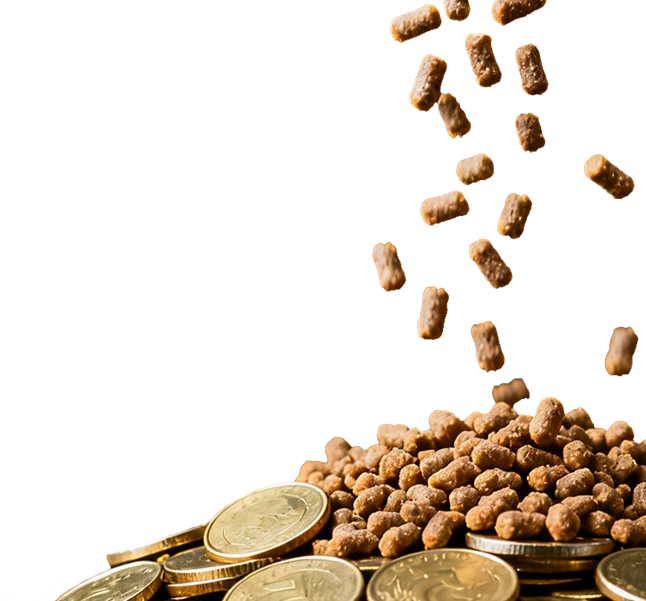
Quail Feed Raw Materials and Formula Systems
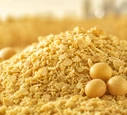
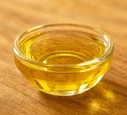
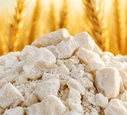
A quail feed mill may process maize, wheat, sorghum, soybean meal, wheat bran, vegetable oil, calcium sources, phosphate, salt, amino acids, vitamin-mineral premix and other locally available feed ingredients. Because quail formulas change quickly between chick, grower, meat and laying stages, accurate batching and minor-ingredient addition are as important as raw-material grinding.
Whole grains normally require cleaning and grinding, while soybean meal, premix and other fine ingredients can enter the batching section directly. The quail feed production line should therefore be configured around the customer’s actual ingredient forms instead of sending every material through the same preparation route.
Corn

Wheat
Barley

Sorghum
Soybean Meal
Vegetable Oil
Premix

Quail Chick & Starter Feed
A quail starter feed plant normally uses a nutrient-dense formula with a relatively high proportion of quality protein ingredients. Fine and uniform grinding, accurate amino-acid and premix dosing, and good mixing are important before the feed is produced as mash, crumble or mini pellets.
Design a Quail Chick & Starter Feed Line

Quail Grower & Meat Feed
A quail grower feed plant handles increasing feed volume as birds develop. Grain proportion usually rises while the formula is adjusted for continued growth, making consistent batching and small-pellet production important for a meat quail feed plant.
Configure Quail Grower & Meat Feed Production

Quail Layer Feed
A quail layer feed plant requires more attention to calcium and mineral addition than a grower formula. Uniform mixing is particularly important because mineral-rich ingredients and premix must remain evenly distributed throughout the finished feed.
Plan a Quail Layer Feed Line

Quail Breeder Feed
A quail breeder feed plant also relies on accurate minor-ingredient dosing and controlled formula changes. Breeder feed should be treated as a separate production program rather than simply using the same formula as meat-quail feed.
Customize Quail Breeder Feed Production
Quail Feed Formula Examples
Quail Starter Formula
Maize / Wheat / Sorghum
52%
Soybean Meal
38%
Vegetable Oil
3%
Limestone & Phosphate
3%
Premix, Amino Acids & Minerals
4%
…
…
Quail Grower / Meat Formula
Maize / Wheat / Sorghum
58%
Soybean Meal
32%
Bran / Other Protein Ingredients
3%
Vegetable Oil
2%
Minerals, Premix & Amino Acids
5%
…
…
Quail Layer Formula
Maize / Wheat
55%
Soybean Meal
25%
Bran / Other Ingredients
8%
Limestone & Mineral Sources
7%
Vegetable Oil
1%
Premix & Amino Acids
4%
Quail Breeder Formula
Maize / Wheat
52%
Soybean Meal
28%
Bran / Other Ingredients
8%
Limestone & Mineral Sources
7%
Vegetable Oil
1%
Premix & Amino Acids
4%
The examples are for production-line planning only. Final formulas should be prepared by a qualified nutritionist according to quail type, age, ingredient analysis, production objective and local feed standards. A quail complete feed production line can therefore support several formula systems without duplicating the whole factory. The key is to match ingredient storage, grinding, batching, micro-dosing and finished-feed routing to the customer’s actual quail production program.
Quail Feed Mill faqs
We Produce Both Meat and Layer Quail Feed. How Should One Mill Handle the Formula Change?
+
Use one quail feed mill, but treat meat-quail and layer/breeder feeds as separate production programs. They can share receiving, grinding, batching and mixing equipment, while recipe control, micro-dosing, production sequencing and finished-feed storage prevent the two product groups from being treated as one formula.
The difference is especially important when birds enter laying production. Layer and breeder formulas require a different mineral balance from grower or meat-quail feeds, so calcium sources, phosphate, premix and other minor ingredients need accurate weighing and consistent mixing.
| Production Area | Recommended Design Logic |
|---|---|
| Ingredient Storage | Provide dedicated bins or clearly controlled feeding points for key mineral and micro ingredients |
| Batching | Store separate grower, meat, layer and breeder recipes in the control system |
| Micro-Dosing | Accurately weigh premix, amino acids and mineral components |
| Mixing | Keep batch size and discharge sequence consistent when products change |
| Pelleting | Use the required die and finished-feed route only for formulas produced as pellets |
| Mash Production | Divert layer or breeder mash after mixing when pelleting is not required |
| Finished Bins | Keep different formulas separated before packing or dispatch |
| Production Scheduling | Group compatible products and use a defined changeover sequence between substantially different formulas |
For a small farm, this does not mean installing a separate quail layer feed mill and meat quail feed mill. One correctly designed system is usually enough. Commercial plants producing many SKUs may add more ingredient bins, micro-dosing positions and finished-feed bins so frequent product changes do not become an operating bottleneck.
RICHI therefore designs the quail feed manufacturing process around the customer’s real formula list and production schedule, not just the hourly capacity of the pellet mill.
We consume only a few tons of feed each day. How large should our farm mill be?
+
Start from peak daily compound-feed consumption and planned operating hours. A quail farm feed mill should match real demand rather than being oversized simply because flock numbers may increase later.
Is a 1–2 T/H line too large for a small quail operation?
+
Not necessarily. A mini quail feed mill or small quail feed plant can run for fewer hours per day while still giving the farm room for moderate flock expansion.
We want to stop buying finished feed for our own birds. What type of line should we build?
+
A quail farm feed production line can be kept relatively simple if all output stays on the farm. The correct feed mill for quail farm use depends mainly on feed forms, daily consumption and ingredient availability.
Our youngest birds need very fine feed. Do we need a separate starter line?
+
Usually not. One quail starter feed mill can share grinding, batching and mixing with other feeds while using a dedicated crumble or small-pellet route for starter batches.
Grower feed is our largest production volume. Should that determine plant capacity?
+
Yes, if it represents the highest sustained workload. The quail grower feed mill section should be sized around actual daily grower demand rather than occasional starter batches.
We raise birds mainly for eggs. Is layer feed production different from meat feed?
+
Yes. A layer quail feed production line requires tighter mineral and formula control, particularly as birds move from growth into egg production.
We keep our own parent stock. Can breeder feed use the same equipment?
+
Yes. A quail breeder feed mill can share the main equipment, but breeder recipes should remain separately controlled during batching, micro-dosing and finished-feed storage.
We raise quail mainly for meat. Can the plant be simplified?
+
Yes. A broiler quail feed production line can focus on starter and meat-growth feeds without adding layer-specific product routes. A quail meat farm feed mill should follow the farm’s actual feeding program.
We only want mash feed. Do we still need a pellet mill?
+
No. A quail mash feed mill can finish production after grinding, batching and mixing, followed by storage or packing.
Our customers prefer small pellets. What type of system should we use??
+
A quail pellet feed mill adds conditioning, pelleting and cooling after mixing. A quail pellet feed plant may also need screening to control fines in small finished pellets.
We need fine crumble for chicks. Can ordinary pellet equipment produce it?
+
The parent pellets must first be produced and cooled before controlled crumbling. A quail crumble feed mill therefore needs both pellet production and a suitable downstream crumbler-screen route.
We use many ingredients in one formula. Is this considered compound feed production?
+
Yes. A quail compound feed production line weighs and combines several ingredients according to a formulated recipe, while a quail compound feed mill may produce mash, crumble or pellets from those formulas.
Can one factory make mash, crumble and pellets?
+
Yes. A complete quail feed production line can use bypasses and separate downstream routes so the same upstream system supports all three finished-feed forms.
Our starter crumble contains too much powder. Which part should we check?
+
Check parent-pellet quality, crumbler adjustment and screening first. Crushing weak pellets will create fines even when the crumbler itself is correctly adjusted.
Small pellets keep breaking after the pellet mill. Is the pellet mill always the problem?
+
No. The quail feed pelleting line must be checked together with cooling, screening, drop heights and conveying because excessive handling can damage otherwise acceptable pellets.
We change formulas several times each week. Will this reduce output?
+
Frequent changes can reduce effective daily production if batching, bins and cleaning are poorly organized. Recipe control and production sequencing should therefore be considered during the original design.
Soybean meal already arrives finely ground. Does it need to enter the hammer mill?
+
Usually not if its particle size already meets the formula requirement. A quail feed grinding and mixing line should allow suitable meals to bypass unnecessary grinding.
Our grain arrives in bulk but premix and protein meals arrive in bags. Can one line handle both?
+
Yes. Bulk intake and bag-dumping stations can feed the same batching system through separate receiving routes.
We use many amino acids and mineral ingredients. Is automatic micro-dosing necessary?
+
It becomes increasingly valuable as formula count and batch frequency increase. Accurate minor-ingredient addition is especially relevant for layer and breeder feeds.
Why does our layer formula require different mineral handling?
+
Laying birds require a different mineral balance from growing meat birds, particularly for calcium. Commercial quail feeding guidance therefore separates meat-type and laying/breeder feeding programs.
Can premix be added manually on a small farm?
+
Yes, provided it is accurately pre-weighed and incorporated correctly. As output or formula frequency increases, automated dosing reduces dependence on operator consistency.
We add vegetable oil to several formulas. Should it be poured into the mixer manually?
+
Controlled liquid dosing is preferable for regular commercial production. It provides more repeatable addition than manual pouring across many batches.
Do we need large raw-material silos from the beginning?
+
No. A quail feed silo system can start with day bins or smaller storage where ingredient turnover is limited, then expand as purchasing volume increases.
Our feed is sold mainly in small bags. Will packing become a bottleneck?
+
It can. Packing capacity should be checked against the real number of bags per hour, not only the tonnage leaving the mixer or pellet mill.
Our existing workshop is low. Can the whole line still fit?
+
Yes. More horizontal conveying, compact elevators and carefully positioned bins can reduce required building height.
We cannot excavate a deep receiving pit. Can the plant operate above ground?
+
Yes. Above-ground intake hoppers and conveying equipment can replace a deep pit where civil conditions make excavation undesirable
Our available electrical power is limited. Which systems should we check first?
+
Grinding and pelleting usually deserve the closest attention. Avoid oversizing motors and grinding materials that can safely bypass the hammer mill.
Do we always need steam and a boiler?
+
No. Mash-only plants do not require pellet conditioning, while pellet projects commonly use steam conditioning. Boiler capacity should follow actual pelleting demand.
We have very few operators. How much automation is worthwhile?
+
An automatic quail feed production line is most useful when batching, conveying and packing would otherwise require repetitive manual handling.
What does an automatic quail feed pellet line automate?
+
It can automate ingredient weighing, recipe selection, equipment sequencing, pelleting interlocks and downstream transfer. The exact scope should match project scale rather than maximizing automation unnecessarily.
Do we need PLC control for a small plant?
+
Not always. PLC control becomes more valuable when the plant handles many formulas, automatic batching or several interlocked production sections.
We plan to double capacity later. Should we oversize every machine now?
+
No. A better quail feed mill setup reserves space, electrical capacity and conveyor interfaces for future expansion while sizing current equipment around present demand.
We already own a hammer mill, mixer and packer. Can you design around them?
+
Yes, if they meet the new throughput and quality requirements. A complete quail feed processing line does not mean replacing useful equipment just to create a new package.
Our poultry factory already makes chicken feed. Can we add quail products?
+
Yes. A quail and poultry feed plant can reuse much of the existing production infrastructure if it can handle the required batching accuracy and smaller finished-feed specifications.
We produce both chicken and quail feed commercially. Should we build separate factories?
+
Usually not. A quail and chicken feed mill can share receiving, grinding, batching and pelleting while using different recipes, dies and product routes.
Can one quail and chicken feed production line make both starter products?
+
Yes. The line can share major processing equipment while adjusting particle size, pellet or crumble specification and production sequencing for each product.
We already have a chicken plant and only want to add quail feed. What changes most?
+
A chicken quail feed production line may mainly require smaller finished-feed specifications, suitable dies or crumbling, additional recipes and better minor-ingredient control.
We want to sell feed to several quail farms. What changes compared with farm-use production?
+
A commercial quail feed plant normally needs more formulas, finished bins, packing flexibility and production scheduling than a line serving one flock.
What should be included in a complete quail feed plant?
+
It should include all process modules genuinely required from raw-material receiving through finished-feed handling. A complete quail feed plant does not have to include optional systems the customer will not use.
We want one supplier for the whole equipment package. What should we request?
+
Request complete quail feed plant equipment with clearly defined capacities and interfaces for each major section, rather than a list of independent machines.
What does a turnkey quail feed plant normally cover?
+
A turnkey quail feed plant should clearly define process design, equipment supply, layout, installation support, commissioning and operator training.
Is a turnkey quail feed production line different from buying equipment separately?
+
Yes. A turnkey quail feed production line places more responsibility on one supplier to coordinate process flow and system interfaces.
When would a turnkey quail feed pellet plant make sense?
+
It is useful when the buyer needs the full pelleting route—including conditioning, pelletizing, cooling and related handling—rather than only an individual pellet mill.
We see the term “quail feed machine” online. Does one machine make finished feed?
+
Usually not. A quail feed machine normally refers to one piece of processing equipment, while a complete factory requires several coordinated stages.
Is a quail feed making machine the same thing as a full production line?
+
No. A quail feed making machine can describe a grinder, mixer, pellet machine or another processing unit, depending on the seller’s terminology.
What is a quail feed pellet making machine used for?
+
A quail feed pellet making machine forms conditioned mixed feed into pellets. It still requires suitable upstream preparation and downstream cooling where used commercially.
Are a quail feed pellet production machine and a quail feed pelletizing machine different?
+
They generally describe the core pellet-forming machine in commercial searches. The more important issue is capacity, die specification, conditioning and line integration.
What machinery is normally included in a complete project?
+
Quail feed production machinery can include receiving, grinding, batching, mixing, pelleting and packing systems. Quail feed processing machinery and quail feed manufacturing machinery are often broader search terms for the same factory equipment categories.
We only want to upgrade our pelleting section. Can we buy that separately?
+
Yes. Quail feed pellet equipment can be supplied separately when the existing mixing, conveying and downstream systems are compatible.
We found quail feed mill equipment for sale from several suppliers. How should we compare the packages?
+
Compare capacities and supply boundaries first. Listings for quail feed equipment for sale or quail feed machinery for sale may include very different levels of automation and supporting equipment.
We see both a quail feed mill for sale and a quail feed plant for sale. Is there a technical difference?
+
Not necessarily. A quail feed production line for sale may describe the same overall system, so compare the actual equipment and service scope rather than the wording of the listing.
We only need the pellet section. What should we compare before buying?
+
A quail feed pellet plant for sale may include the complete pellet route, while a quail feed pellet mill for sale or quail feed pellet machine for sale may refer only to the core machine. Check exactly what is included.
We found a very cheap quail feed making machine for sale. Can we use it for commercial production?
+
Only if its real capacity, durability and supporting systems match your production target. A low standalone-machine price does not prove that it can operate as a commercial line.
We are contacting a quail feed mill manufacturer. What information should we send first?
+
Send capacity, feed types, formulas or main ingredients, required feed forms, operating hours and workshop dimensions. The same information should be provided to a quail feed plant manufacturer so quotations can be compared on a similar basis.
What should a quail feed equipment manufacturer provide besides machine specifications?
+
Ask for the process relationship between machines, power requirements, layout information, spare parts and installation scope. A quail feed machinery manufacturer should be able to explain how individual equipment works as one line.
We are requesting offers from a quail feed production line manufacturer. What should the proposal contain?
+
It should show process flow, equipment quantities, capacities, installed power, automation and service boundaries. A quail feed line manufacturer should also identify optional modules instead of hiding them in the base scope.
We are comparing pellet-machine suppliers. What matters beyond motor power?
+
A quail feed pellet machine manufacturer should provide practical capacity, die options and integration requirements. A quail feed pellet mill manufacturer should also clarify conditioning and downstream cooling requirements.
Why is the quail feed plant price so different between quotations?
+
Because one quotation may cover a basic farm system while another includes automatic batching, silos, micro-dosing, packing and electrical control. Compare scope before comparing the headline quail feed plant price.
What is included in a quail feed pellet plant price?
+
It depends on whether the quotation covers only pelleting or also conditioning, cooling, screening and conveying. A quail feed machine price therefore cannot be compared directly with the price of a complete pellet system.
How should we compare quail feed equipment price and quail feed machinery price?
+
Use identical capacity, automation and supply boundaries. Different suppliers may use “equipment” and “machinery” for the same components but quote very different project scopes.
How to set up a quail feed mill if we are starting from an empty site?
+
Begin with feed demand, product types, formulas, raw-material receiving and operating hours, then develop the process and factory layout before ordering equipment.
How to start a quail feed factory for commercial sales rather than farm use?
+
Start by defining target customers, product SKUs, daily sales volume, packaging and ingredient sourcing. Those business requirements should determine the plant capacity and storage system.
How much does a quail feed mill cost if we only need a small farm line?
+
A small 1–2 T/H quail feed mill typically requires about US$10,000–50,000 in equipment investment. A simple mash-feed system is usually closer to the lower end, while adding a pellet mill, cooler, crumbler, automatic batching or packing moves the project toward the upper end.
For a farm producing starter crumble and grower/layer pellets, the main cost normally comes from grinding, mixing, pelleting, cooling, crumbling and packing. Freight, civil works, electrical infrastructure and installation should be budgeted separately.
How to make quail feed pellets with consistent size and low fines?
+
Use controlled grinding, uniform mixing, suitable conditioning and the correct pellet-die specification, then cool and screen the finished pellets before packing.
How to produce quail feed if we need both mash and pellets?
+
Use a common receiving, grinding, batching and mixing system, then provide a mash bypass while pellet batches continue through conditioning and pelleting.
What equipment is needed for quail feed production from whole grain?
+
At minimum, the line generally needs receiving, cleaning, grinding, batching and mixing; pelleting, cooling, crumbling, screening and packing are added according to the required finished products.
We need a quail feed production line for farm use. What should we avoid overinvesting in?
+
Avoid unnecessary silo capacity, excessive automation and oversized packing equipment when the plant serves only your own flock and operates for limited hours.
What changes in a quail feed production line for commercial feed production?
+
Commercial plants usually require more ingredient storage, recipe management, finished bins, packing flexibility and quality-control procedures because they serve multiple customers and SKUs.
Is a quail feed pellet machine for farm use enough if we already mix feed ourselves?
+
Possibly, but only if the existing mixer produces a uniform feed and the farm can also cool and handle the pellets correctly after pelleting.
What should we include when calculating quail feed plant investment cost?
+
Include equipment, civil works, buildings, electrical connection, installation, freight, utilities, initial ingredients and working capital. The final project budget should be based on the actual plant scope rather than machine price alone.