0086-138 3838 9622
Goose Feed Mill


A goose feed mill can serve independent goose farms, breeder operations, integrated meat-goose producers, regional feed suppliers or existing poultry mills adding goose products. Farm projects usually focus on controlling internal feed supply, while a commercial goose feed production line may serve multiple farms and a wider product portfolio.
Goose production also differs from many poultry systems because some farms combine pasture or green forage with compound feed, while intensive operations rely more heavily on complete feed. RICHI therefore matches line capacity and configuration to actual compound-feed demand, feeding program, operating hours and sales model rather than flock size alone.
Discuss My Goose Feed Mill Plan
Goose Feed Products Our Equipment Can Process
Goose feed is not limited to one pellet form. RICHI configures goose feed mill equipment for mash, pellets, crumbles, concentrate and premix, with different downstream modules selected according to the finished product the customer plans to manufacture.
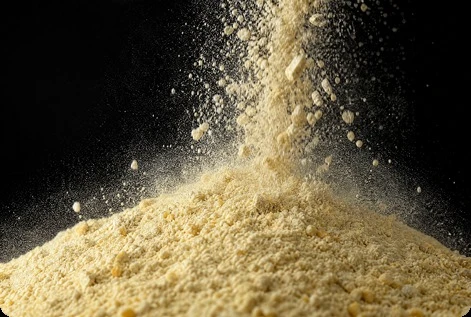
Goose Mash Feed
Mash feed leaves the line after grinding, batching and mixing, without conditioning or pelleting. RICHI can configure a goose mash feed production line as a standalone system or add a mash bypass to a pellet plant for customers producing more than one feed form.
About 0.8–1.5mm
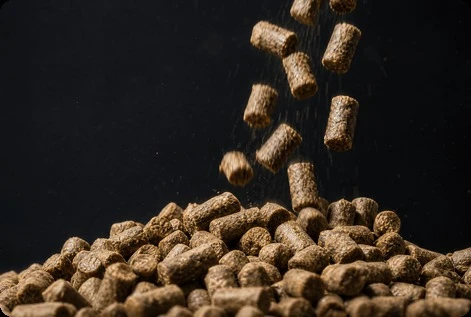
Goose Pellet Feed
Pellet production adds conditioning, pelleting, cooling and screening after mixing. A goose feed pellet production line can use different ring dies within this practical range, allowing the same system to handle smaller or larger finished pellets without changing the whole line.
About 3–8mm
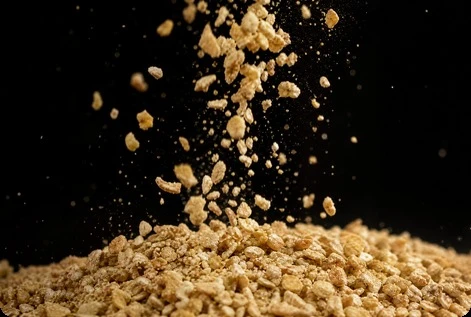
Goose Crumble Feed
Crumble is produced by breaking cooled pellets and then screening out fines and oversized particles. Adding a crumbler allows a goose feed pellet plant to produce both full-size pellets and smaller crumble products from the same upstream equipment.
About 1.5–2.5mm
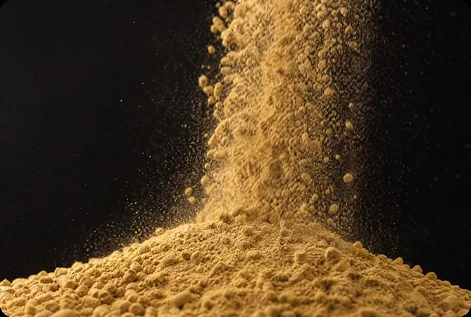
Goose Concentrate Feed
Goose concentrate can be discharged after mixing or continue into the pelletizing section according to the required market form. RICHI therefore configures flexible routing, so customers do not need separate complete lines for mash concentrate and pelleted concentrate.
About 0.8–1.5mm Mash or 3–5mm Pellets
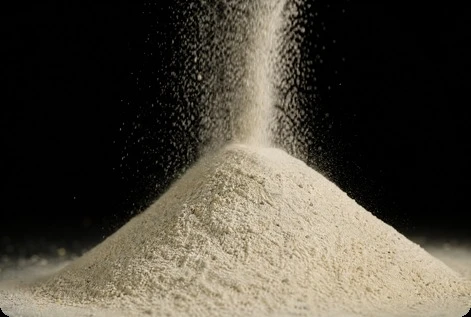
Goose Premix Feed
Premix production relies on fine-powder handling, accurate micro-dosing and high-uniformity mixing rather than conventional pelleting. The premix system can be arranged independently or integrated into a larger goose feed manufacturing plant with dedicated weighing and mixing control.
About 0.2–0.5mm Powder
A complete goose feed production line can therefore be built around one finished product or several feed forms through shared upstream equipment and separate downstream routes.
Configure My Goose Feed Mill
Goose Feed Mill Videos
Goose feed production is often more seasonal and specialized than mainstream chicken feed, so the right plant size depends heavily on how the customer plans to use the equipment during the rest of the year. These videos show three different answers: a mixed poultry plant, a large multi-species commercial mill and a smaller specialist goose-feed operation.
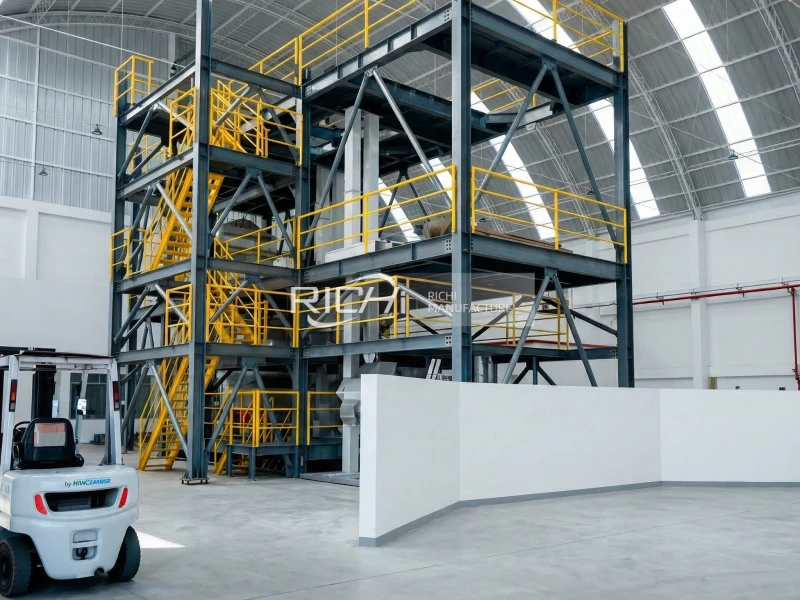

【5 T/H Goose Feed Mill in Egypt】The Egyptian customer operates as a regional poultry-feed producer, so a 5 T/H goose-only plant would not make commercial sense. The line is configured to produce goose feed alongside duck and broiler feed, allowing the customer to switch between gosling feed, grower pellets and more conventional poultry products according to market demand. This gives the plant enough product diversity to keep the equipment working beyond the relatively narrow goose-feed market.

【1-2T/H Goose Feed Mill in Myanmar】This compact goose feed mill was developed for a small waterfowl operation moving part of its feed production in-house. Myanmar feed manufacturers commonly work with broken rice, rice bran and maize alongside protein meals, so the line emphasizes flexible grinding and mixing before pelleting. At 1–2 T/H, the customer can produce smaller starter feed and grower pellets without installing an oversized commercial system, while still retaining enough capacity to supply its own goose operation and a limited local market.
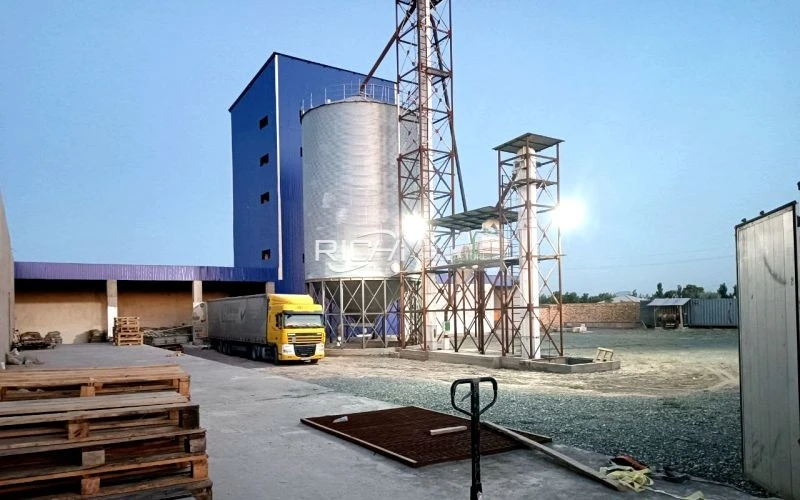
【10 T/H Goose Feed Mill in Türkiyen】This 10 T/H project belongs to a larger commercial feed business serving goose, turkey and broiler producers. Goose production has a strong regional tradition in Türkiye, particularly around Kars, but the customer needed a plant that could operate throughout the year rather than depend on one seasonal product. The resulting system handles several poultry formulas and feed sizes, using goose feed as an important product category within a broader commercial poultry-feed portfolio.
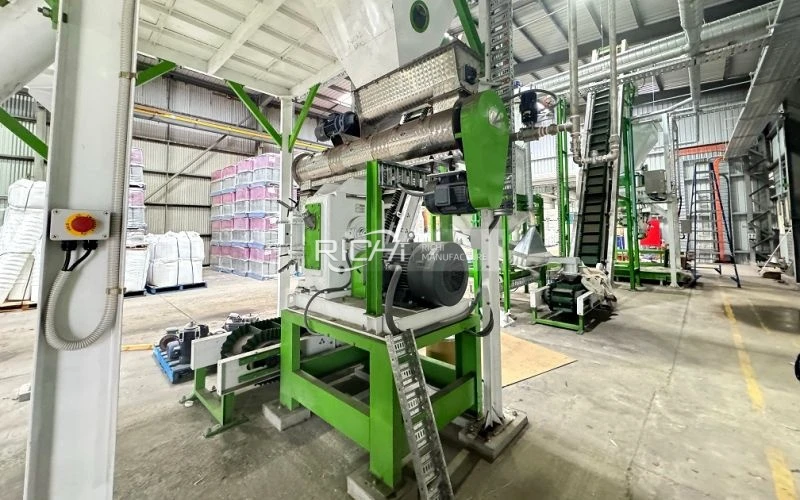
【3–4 T/H Goose Feed Mill in Germany】Germany called for a different approach. This 3–4 T/H line is aimed at a specialist producer supplying goose farms with relatively small, controlled production batches rather than running a large multi-species factory. Goose demand is strongly seasonal, so the customer placed more value on flexible batch production, clean product changeover and manageable finished-feed storage than on maximum hourly output. The result is a compact commercial goose feed mill that matches a niche market more realistically.
Custom Goose Feed Mill Design for Different Production Needs
A goose feed mill design should start from the required feed forms, formulas and real compound-feed demand. RICHI develops the goose feed plant layout around capacity, raw-material condition, workshop space, automation level and whether the factory will produce mash, crumble, pellets or several products in one system.
A typical goose feed production process can include: Receiving → Cleaning → Grinding → Batching → Mixing → Conditioning → Pelleting → Cooling → Crumbling / Screening → Packing
Mash feed can bypass the pelleting section after mixing, while gosling and starter products can enter the crumbling and screening route. Grower and finisher feeds normally continue as intact pellets, allowing one goose feed processing system to support several production stages without duplicating the whole line.
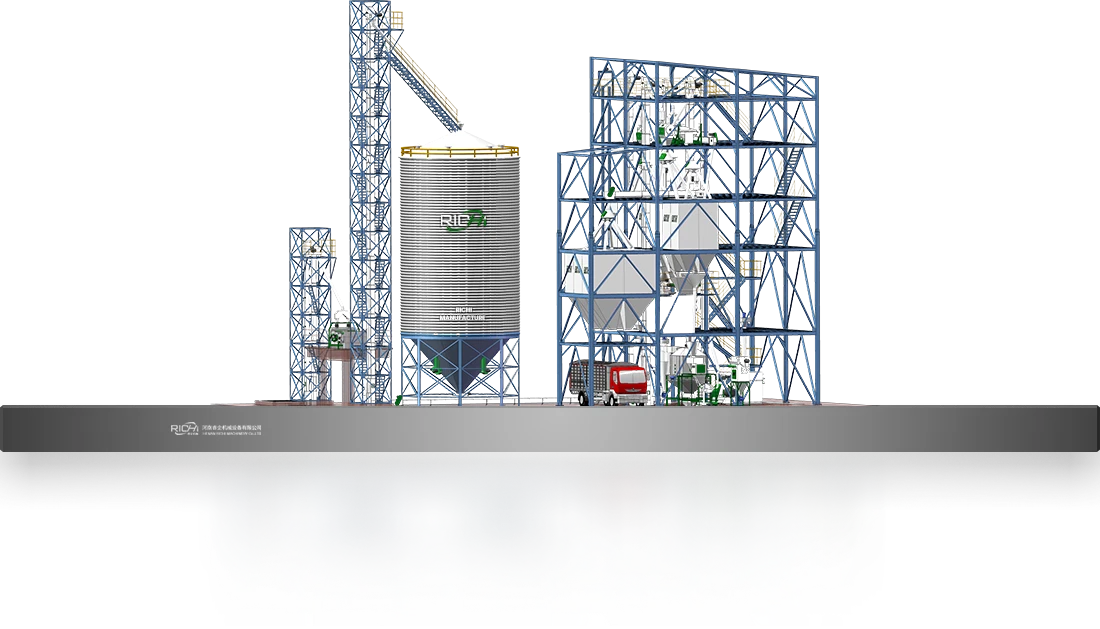
Whole grains usually require cleaning and grinding, while meals or sufficiently fine ingredients can enter later in the process. If the formula contains more bran, fibrous by-products or other difficult-to-pellet ingredients, grinding, conditioning and die selection need to be adjusted. A dryer is not a standard part of a goose feed manufacturing system and is only added when genuinely wet raw materials require pre-drying.
For a new project, RICHI can provide a turnkey goose feed mill solution covering process flow, equipment configuration, factory arrangement and installation planning. For an existing poultry plant, usable grinders, mixers, silos or packing equipment can be retained and integrated into the new goose feed production section.
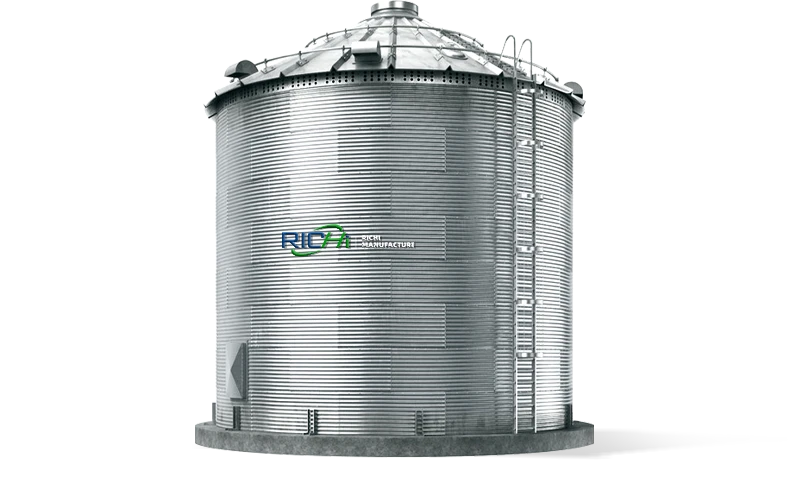
Silo system
01
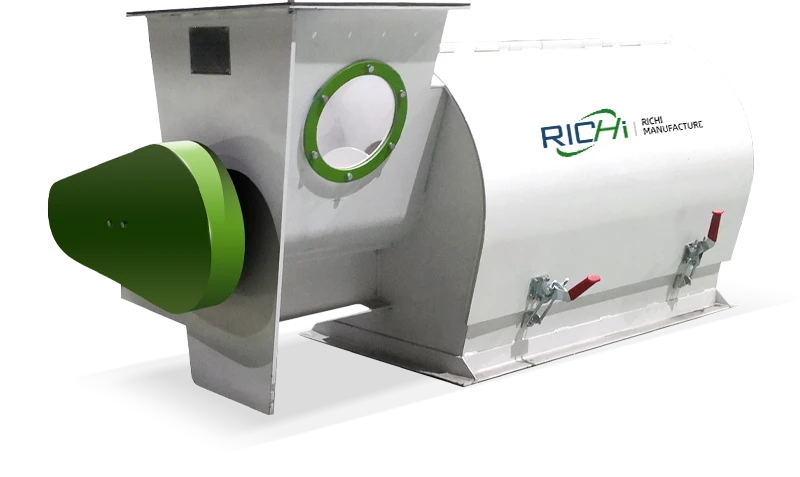
Cleaning system
02
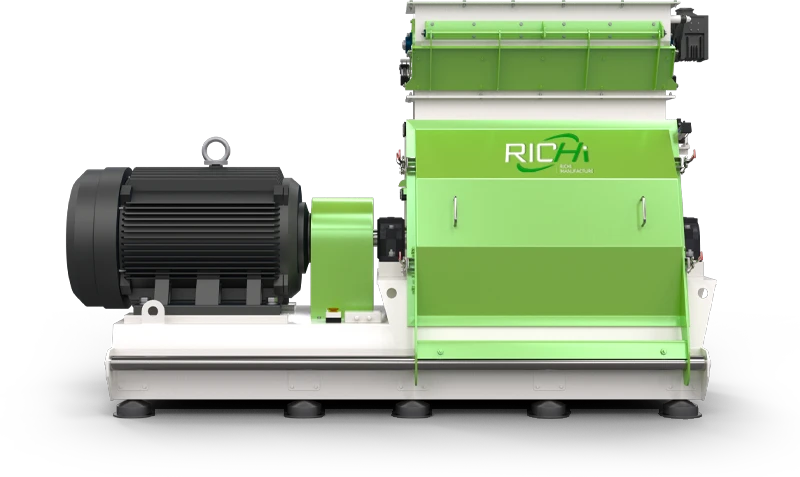
Grinding system
03
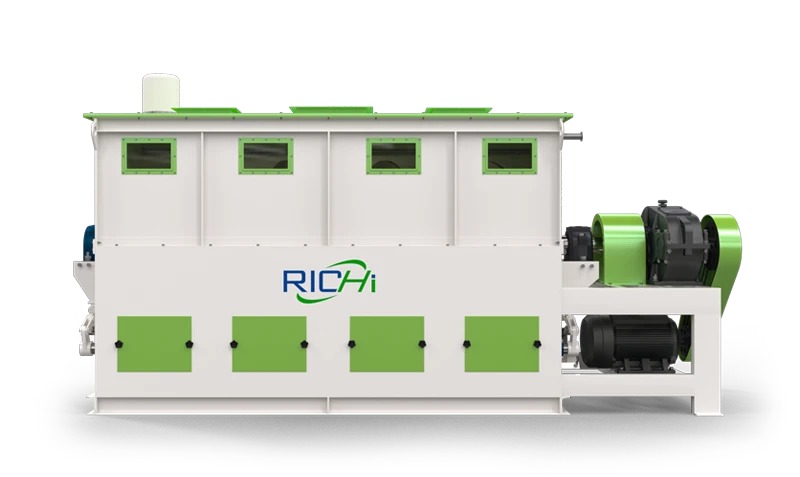
Mixing system
04
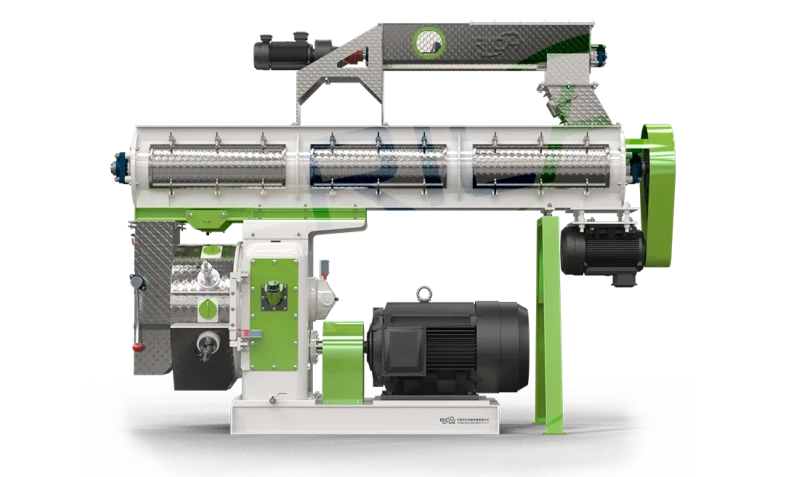
Pelleting system
05
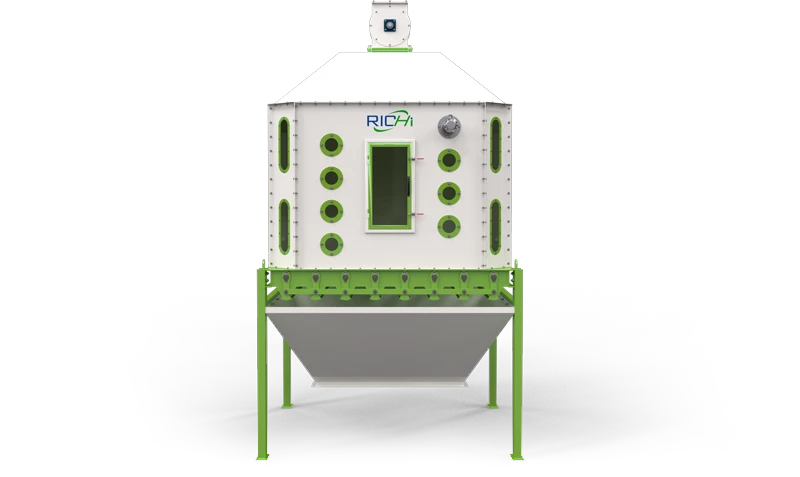
Cooling system
06
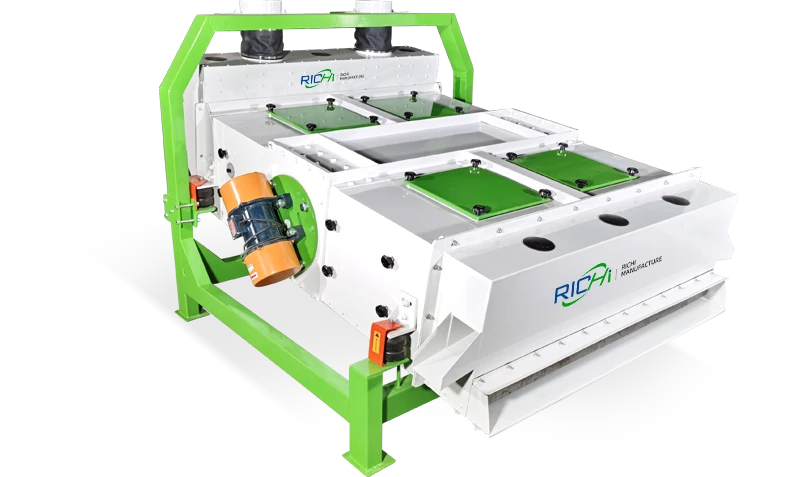
Screening system
07
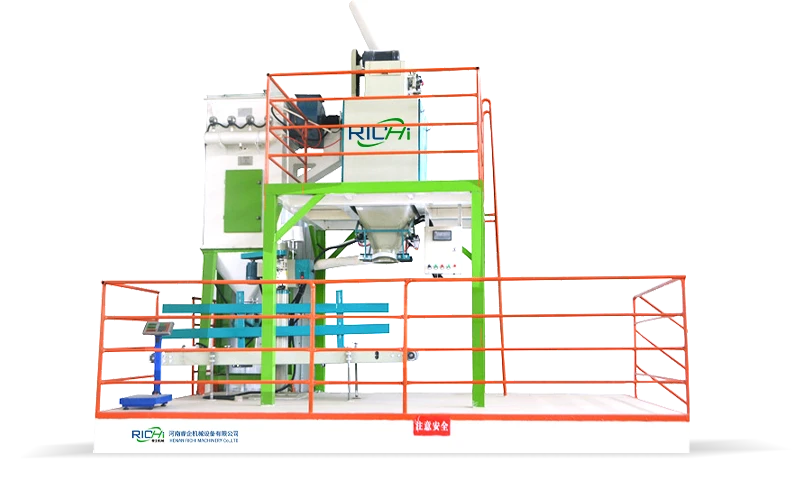
Packaging system
08
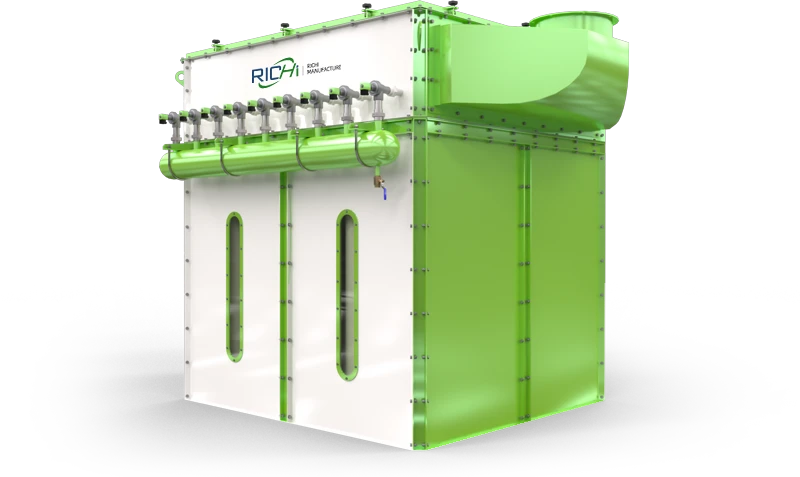
Dust removal system
09
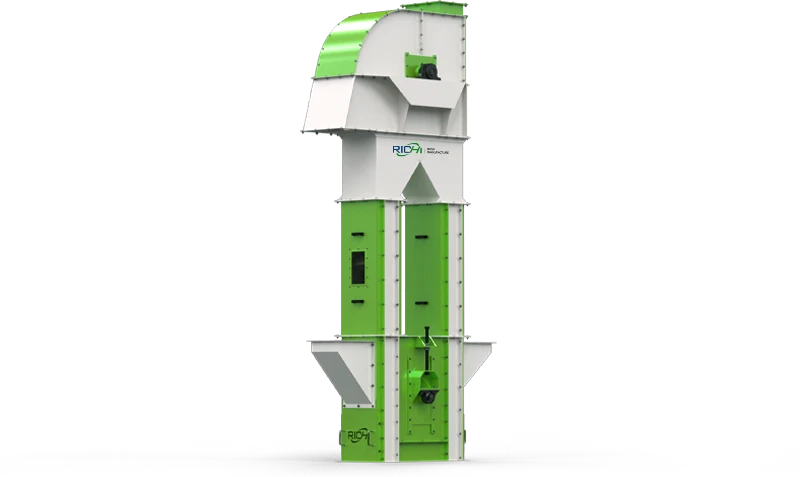
Conveying system
10
8 Goose Feed Mill Designs Built Around Different Production Conditions
A goose feed mill does not always need to become a large multi-poultry factory. Some customers raise geese as their main business and need dedicated gosling, grower, finisher or breeder feeds; others operate a broader waterfowl or poultry business and only make goose feed during part of the production schedule. The following designs keep the required process routes unchanged while adapting storage, product forms, automation and plant use to different customer situations.

1-2 T/H Goose Feed Processing Plant Design
Process Flow: Feeding Through Two Conveyors → Grinding → Mixing → Pelleting → Cooling → Crumbling → Screening → Manual Packing
A regional goose-farming business in Slovakia had an existing workshop that could not accommodate a conventional high tower. The answer was not to rebuild the building, but to reorganize material transfer around screw conveyors and Z-type bucket elevators so the highest part of the system only reaches about 5.7 m.
Two conveyors separate the incoming materials: whole or coarse grain moves toward grinding, while meal ingredients bypass unnecessary grinding and enter the mixing route. Manual packing keeps the downstream section simple for a 1-2 T/H operation producing gosling crumble and grower or finisher pellets primarily for its own farms and nearby customers.

3 T/H Goose Feed Pellet Plant Design
Process Flow: Feeding → Grinding → Mixing + Manual Micro-Ingredient Addition → Pelleting → Cooling → Crumbling → Screening → Automatic Packing
A commercial waterfowl-feed supplier in Czechia wanted to add goose starter, grower and finishing feeds without building a complicated raw-material receiving section. Most of its ingredients arrive as clean meal materials, so they can be fed directly into the line before grinding and mixing. The computerized batching system controls the main ingredients, while vitamins, minerals and other minor additions are introduced manually at the mixer.
Bucket elevators form the main conveying route. Because goose demand is seasonal compared with mainstream chicken feed, the 3 T/H plant can also schedule selected duck and other poultry formulas when required, improving annual equipment utilization without changing the fixed process.

10–12 T/H Automatic Goose Feed Plant Design
Process Flow: Manual Feeding Through Two Feeding Ports → Grinding → Computerized Batching → Mixing → Pelleting → Cooling → Crumbling → Screening → Fully Automatic Packing
For an integrated goose producer in Taiwan, storage and formula switching were more important than simply increasing pellet-mill capacity. The design therefore uses two 500-ton silos together with two manual feeding points, followed by computerized batching and the complete automatic production route.
The plant can produce pellets, mash and crumbles from the same system. Gosling feed can leave as crumble, while grower, finishing and breeder products can be supplied as pellets or mash according to the farm program. Taiwan has an established commercial meat-goose industry, so this 10–12 T/H configuration can reasonably remain strongly goose-oriented instead of being presented as a generic poultry factory.

5 T/H Goose Feed Making Plant Design
Process Flow: Bulk Truck Unloading → Bucket Elevator → Two 50-Ton Silos → Grinding → Mixing → Pelleting → Cooling → Crumbling → Screening → Automatic Packing / Bulk Dispatch
In Serbia, a regional poultry-feed supplier needed a different 5 T/H solution because most grain arrives by bulk truck rather than bags. Material is lifted directly into two 50-ton silos, while the PLC batching and weighing system controls the formula before grinding and downstream production.
The customer serves commercial farms as well as smaller buyers, so finished feed leaves through two routes: automatic packing or bulk dispatch. Goose feed is one important seasonal product family, while duck and chicken feeds can use the same plant at other times. That operating model is more realistic for this capacity than assuming the factory runs goose feed alone throughout the year.

10 T/H Goose Pellet & Mash Feed Plant Design
Process Flow: Grinding → Batching → Mixing → Pelleting → Cooling → Screening → Fully Automatic Packing
A Romanian feed company originally required a 10 T/H mash line for waterfowl farms, but later decided that commercial goose growers also needed pelleted feed. Since most of the purchased ingredients already arrive ground, only a relatively small proportion is routed through the grinding section.
The revised plant therefore produces both mash and pellets without adding unnecessary upstream processing. Both forms enter fully automatic packing. There is no crumbling stage in this fixed configuration, so the line is better suited to grower, finisher and breeder goose products than to a program that depends heavily on very small gosling crumble.

1–2 T/H Goose & Fish Feed Combined Plant Design
Process Flow: Grinding → Mixing → Pelleting / Extrusion → Drying → Coating → Cooling → Automatic Packing
A diversified farming business in Vietnam wanted one raw-material preparation system to support both poultry production and aquaculture. The poultry side, including goose feed, operates at 1–2 T/H, while the floating fish-feed route is approximately 500–600 kg/h.
To create the fish-feed branch without changing the basic poultry-feed system, the design adds a single-screw extruder, belt dryer and coating machine. Goose feed passes through pelleting, while floating fish feed moves through extrusion, drying and coating. Shared grinding and mixing reduce duplication, but the two products separate where their processing requirements genuinely differ.

15 T/H Goose Feed Pelletizing Plant Design
Process Flow: Grinding → Fully Automatic Computerized Batching → Mixing → Pelleting → Cooling → Crumbling → Screening → Automatic Packing
The Philippines has measurable commercial goose production, but a 15 T/H factory would be unrealistic as a goose-only plant. For a large poultry-feed manufacturer there, the more credible solution is to make goose feeds as one scheduled product family within a wider commercial poultry operation.
Two 1,000-ton silos support the required ingredient turnover, while fully automatic computerized batching manages multiple formulas before pelleting. Goose starter crumble, grower and finishing pellets can be produced alongside other poultry feeds, allowing the line to maintain high utilization while still serving specialist goose customers.

20 T/H Goose Feed Production Plant Design
Process Flow: Mixing → Pelleting → Crumbling → Screening
A Bulgarian commercial poultry mill wanted to expand its waterfowl-feed range but already had usable grinding and packing sections. Instead of replacing functioning equipment, the upgrade concentrates only on the production bottleneck: new modular mixing, pelleting, crumbling and screening systems.
Floor area is limited, so the engineering challenge is connection rather than greenfield construction. The 20 T/H modules are arranged inside the available space and tied into the existing upstream and downstream equipment. Goose formulas can be added to the mill’s wider poultry portfolio without rebuilding receiving, grinding or packing.
Goose Feed Mill Projects
These projects cover farm-scale production, integrated goose operations and commercial feed factories, with capacity and configuration matched to different feeding programs and business models.

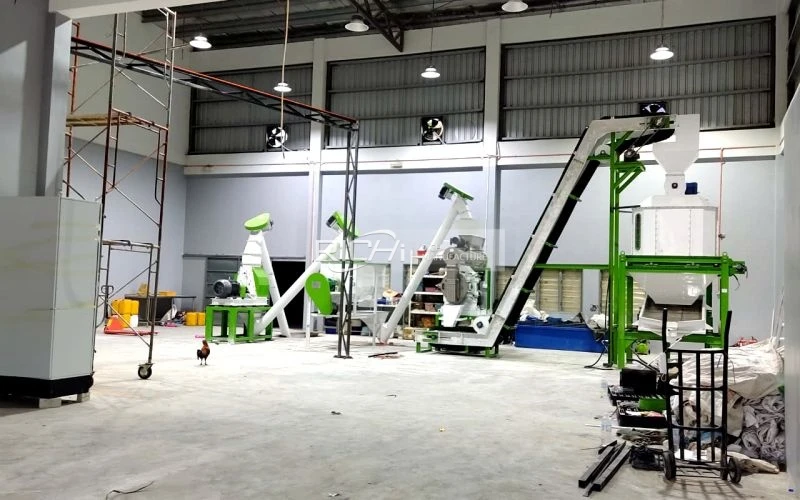
1–2 T/H Farm Goose Feed Line Project
France
The farm produces gosling, grower and breeder feed mainly for internal use. A compact mash and pellet system keeps the project practical without excessive automation.
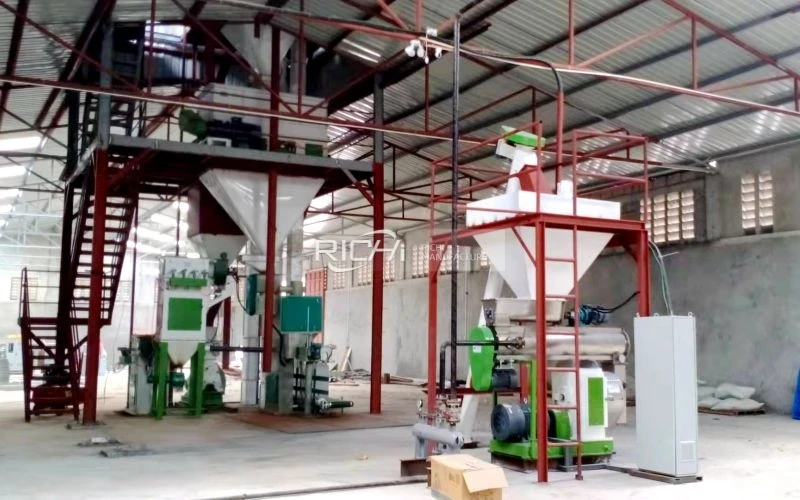
3–4 T/H Regional Goose Feed Mill Project
Slovakia
This project serves several goose farms rather than one flock. Flexible batching and finished-feed handling allow different formulas to be produced in scheduled campaigns.
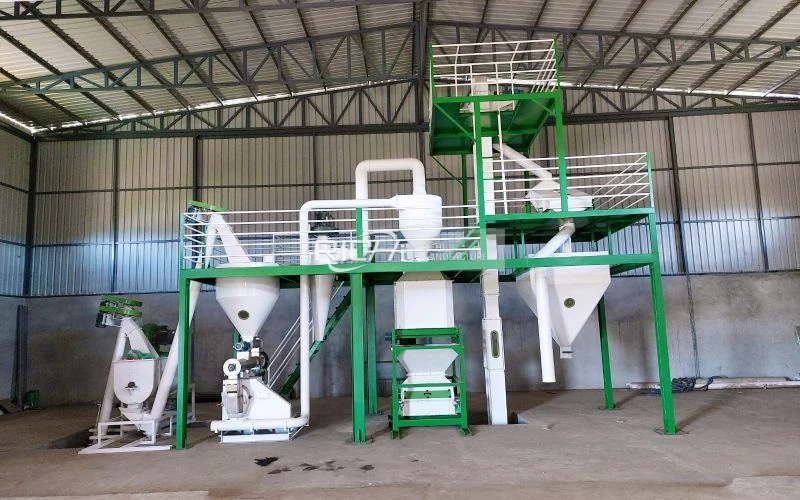
5–7 T/H Commercial Goose Feed Mill Project
Poland
The factory supplies several goose production units and handles a broader range of feed stages. Automatic dosing, pelleting and finished-feed storage support regular commercial production.
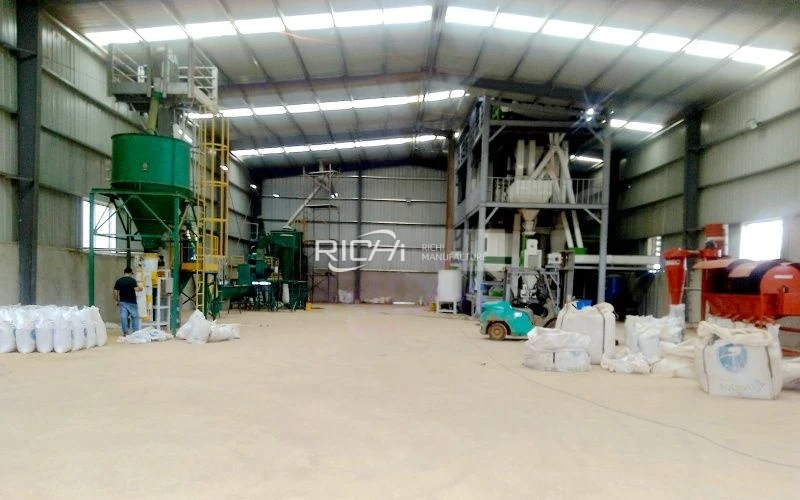
1–2 T/H Small Goose Feed Plant Project
Austria
This farm required flexible production for different goose growth stages using locally sourced grains and protein ingredients. The system combines batching, mixing and pelleting in a compact layout.
3–4 T/H Meat Goose Feed Project
Romania
The customer focuses on grower and finisher feed for meat-goose production. The line emphasizes stable pellet quality and efficient handling of grain-based compound feed.
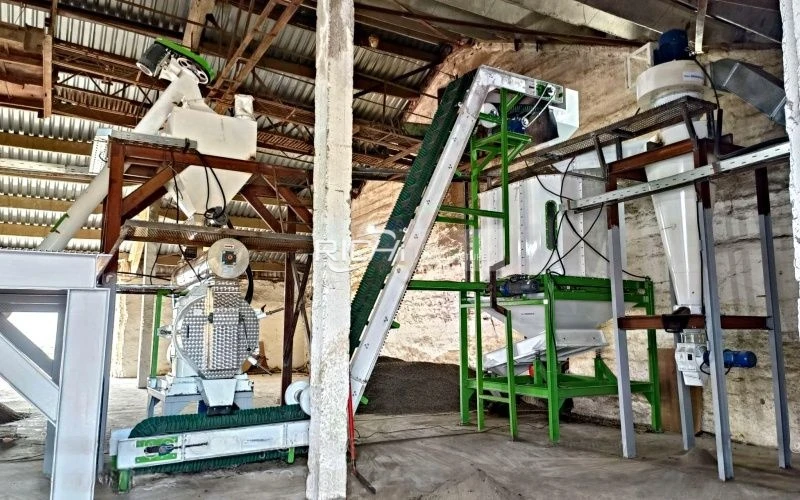
6 T/H Goose Feed Production Plant Project
Taiwan
The project is designed for commercial goose production with starter, grower and finishing feeds. Multiple formula bins and automated batching reduce interruptions between product changes.

1–2 T/H Goose Farm Feed Project
Lithuania
The customer needed a small goose feed plant for seasonal flock production. Mash and pellet routes allow the farm to adjust finished feed according to bird age and feeding practice.
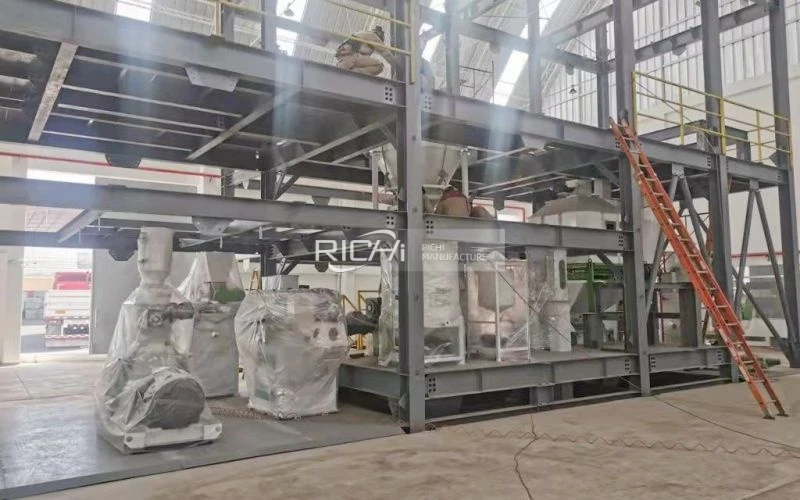
5 T/H Integrated Goose Feed Plant Project
Hungary
The plant supports an integrated goose operation producing starter, grower, finisher and breeder feeds. Automatic batching helps manage multiple formulas within the same production schedule.
10 T/H Goose & Poultry Feed Factory Project
Germany
The customer combines goose feed with other poultry products to improve annual equipment utilization. Shared processing sections are paired with separate recipes and finished-feed routing.

1-2 T/H Goose Pellet Feed Project
Czech Republic
The line produces starter, grower and finisher feed for a regional goose operation. Crumbling and pellet production share the same main processing system.
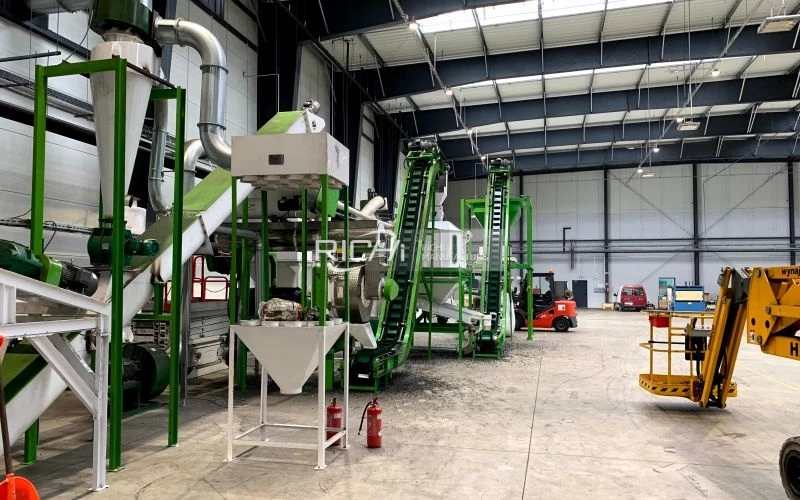
5 T/H Duck & Goose Feed Plant Project
Bulgaria
The customer produces compound feed for both duck and goose farms. This waterfowl feed plant shares grinding, batching and pelleting while keeping recipes and finished products separately controlled.
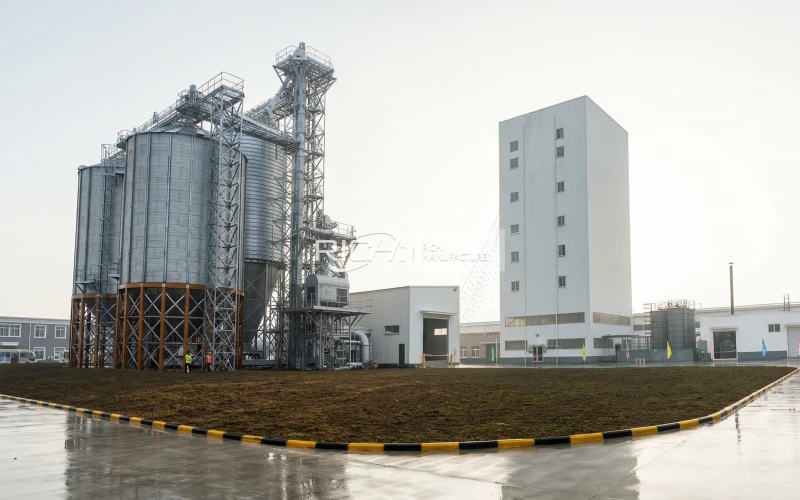
15 T/H Commercial Waterfowl Feed Complex Project
China
This large waterfowl feed production line produces both duck and goose feeds for multiple farms. Parallel pelleting and finished-feed handling allow high-volume production without treating the factory as an oversized goose-only line.
Customer feedback usually focuses on whether the line fits the real feeding program, whether operators can manage different goose feed stages easily, and whether the system leaves enough flexibility for future production changes.


Goose Feed pellet Project
Hungary
“We produce starter, grower and finisher feed in the same plant. The product changeover is straightforward, and our operators can manage different formulas without making the production schedule too complicated.”

Goose Farm Feed Project
France
“We wanted a compact line for our own farm rather than a large commercial factory. The configuration fits our daily demand well and gives us enough flexibility to produce both mash and pellets.”

Commercial Goose Feed Project
Poland
“Our main concern was keeping several goose feed products organized during regular production. The batching and finished-feed arrangement makes it easier to separate formulas and plan each production run.”

Duck & Goose Feed Project
Bulgaria
“We needed one system for both duck and goose feed instead of two separate factories. Sharing the main production equipment while keeping recipes controlled separately made the project more practical for our business.”

Goose Feed Mill Solutions from 1 to 120 T/H
Goose feed mill capacity should match real compound-feed demand, operating hours, feed stages and sales model. Smaller lines suit farms and regional producers, while larger systems are better suited to integrated businesses and commercial poultry feed factories. (These ranges refer mainly to the production equipment package.)
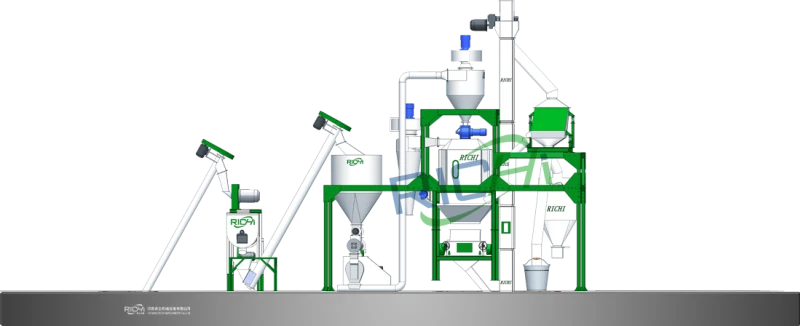
Suitable for small goose farms producing starter, grower, finisher or breeder feed mainly for internal use. A small goose feed mill can combine mash, crumble and pellet production in a compact system.
Equipment Cost: $10,000-50,000
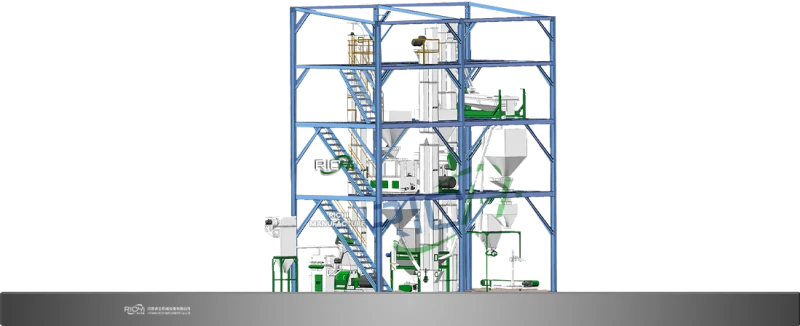
3-4 t/h animal feed production plant
Suitable for larger farms, breeder operations and regional feed suppliers. This scale offers enough flexibility for several goose feed stages without moving into an oversized commercial plant.
Equipment Cost: $50,000-120,000
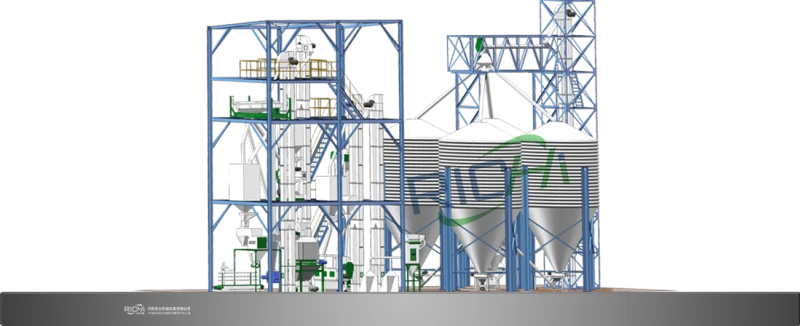
5-7 t/h animal feed pellet plant
Designed for integrated goose producers or expanding feed businesses. Automatic batching and pelleting support more formulas and higher daily output with less manual handling.
Equipment Cost: $70,000-250,000
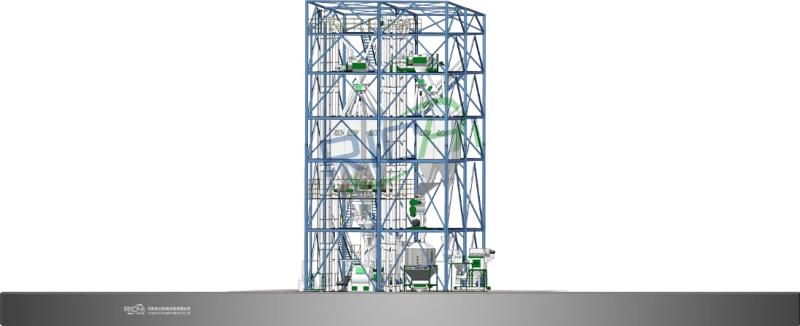
8-10 t/h animal feed processing plant
Suitable for large integrated operations or commercial producers serving several farms. The plant can focus on goose feed or share major processing systems with other poultry products.
Equipment Cost: $150,000-300,000
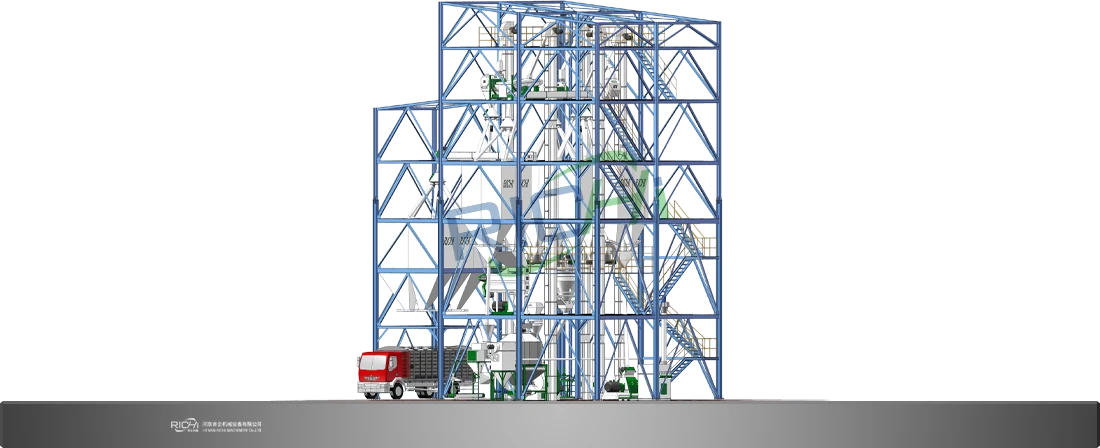
12-20 t/h feed preparation plant
This scale fits large integrated groups or regional commercial feed manufacturers. Multiple bins, automatic dosing and higher-capacity pelleting support continuous production and more product SKUs.
Equipment Cost: $250,000-580,000
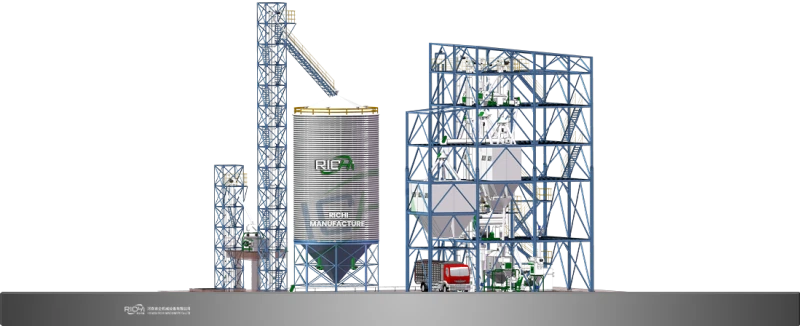
25-40 t/h feed pellet production line
At this capacity, the project is normally broader than a goose-only factory. Goose feed can be one important product group within a multi-poultry feed production line using parallel production modules.
Equipment Cost: $450,000-850,00
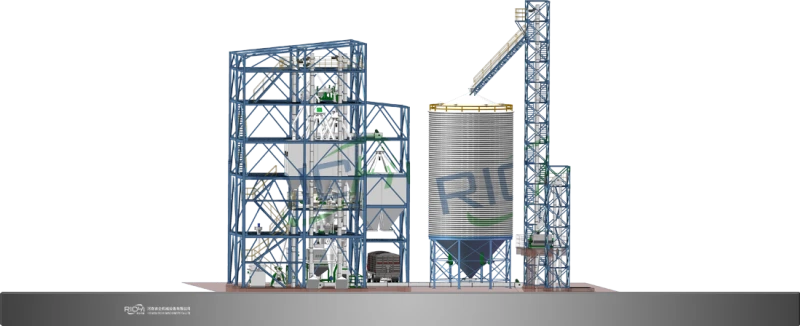
50-60 t/h commercial feed mill
Suitable for major feed companies supplying multiple farms or regions. Large storage systems and parallel pelleting routes support high-volume production across several poultry feed categories.
Equipment Cost: $900,000-1,400,000
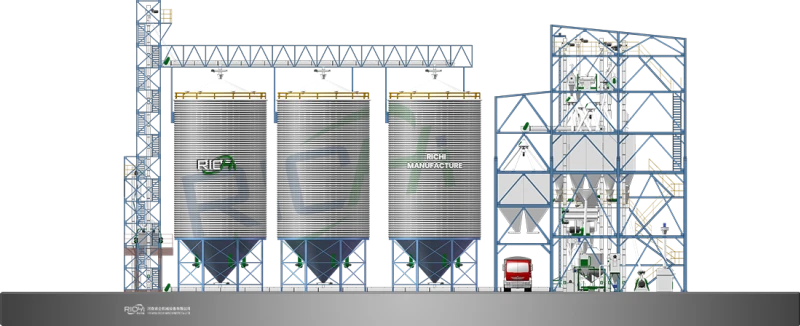
60-80t/h complete feed mill plant
This scale is typically designed as a commercial poultry feed mill with multiple production trains. Goose products share centralized receiving, batching, storage and dispatch with other poultry feeds.
Equipment Cost: $1,450,000-1,800,000
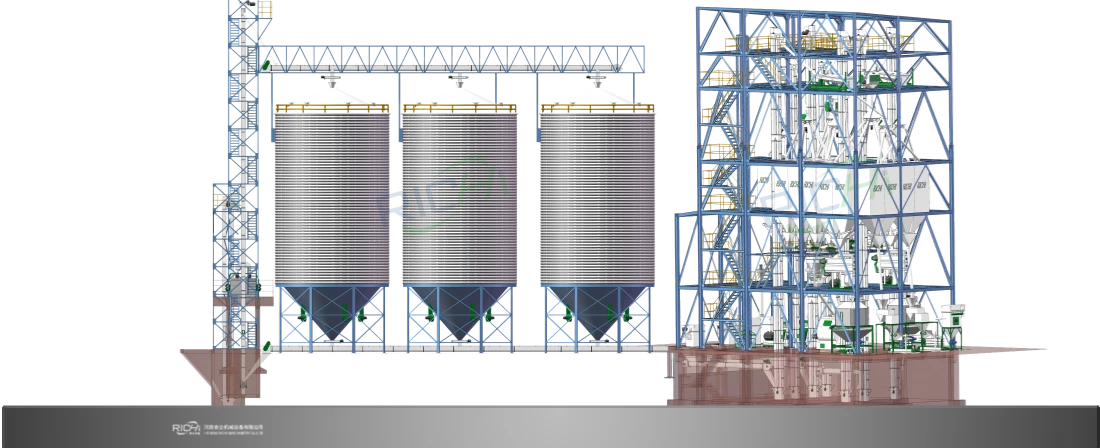
Designed for large feed manufacturers and integrated poultry groups. Multiple grinding, mixing, pelleting and packing routes help maintain output when many formulas are produced in parallel.
Equipment Cost: $2,000,000-3,000,000
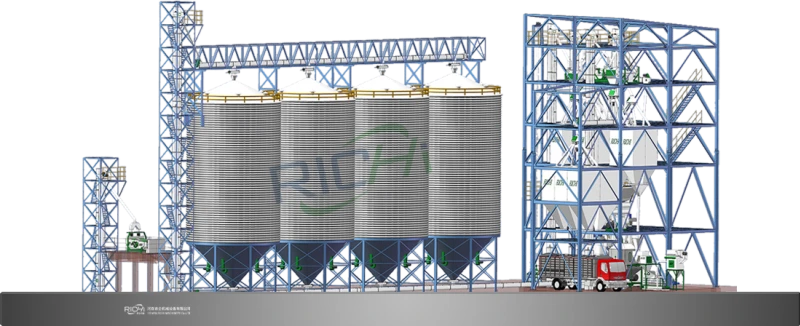
100-120 t/h feed mill engineering
This is a large industrial production complex rather than one oversized goose feed production line. Goose feed can be produced alongside other poultry products through coordinated parallel systems.
Equipment Cost: Over $2,500,000
How Much Does a Goose Feed Mill Cost?
Goose feed mill cost is mainly affected by capacity, feed form, automation, raw-material storage, crumbling requirements and whether the plant produces goose feed only or several poultry products. A farm-scale system can remain simple, while a commercial goose feed plant may require more bins, automatic batching and flexible finished-feed routing.
Whole goose feed plant set up investment : $50,000 – $40,000,000
Equipment Costs by Category :
Goose Feed Receiving & Cleaning :
$2,000–80,000
Goose Feed Grinding System :
$2,000–120,000
Goose Feed Batching System :
$5,000–180,000
Goose Feed Mixing System :
$2,000–100,000
Goose Feed Liquid Addition :
$2,000–50,000
Goose Feed Pelleting System :
$10,000–100,000+
Goose Feed Cooling System :
$4,000–90,000
Goose Feed Crumbling & Screening :
$4,000–80,000
Goose Feed Packing System :
$2,000–180,000
Goose Feed Conveying System :
$5,000–250,000+
Silo & Bin System :
$10,000–800,000+
Dust Collection :
$3,000–120,000
Automation & Electrical :
$5,000–300,000+
Steam & Boiler System :
$5,000–150,000+
Goose feed factory setup cost therefore includes much more than machinery. For a commercial goose feed mill project, buildings, utilities, raw-material inventory and working capital should be evaluated separately from the equipment quotation. To obtain an accurate goose feed mill quotation, provide target capacity, feed stages, main ingredients, workshop dimensions, automation level and packing requirements. RICHI can then prepare a goose feed mill project cost estimate around the actual production plan.

Complete Support for Your Goose Feed Mill Project
RICHI supports a goose feed mill from early planning through installation and long-term operation. The service scope can be adapted for a new goose feed plant, an expansion project or an existing poultry factory adding goose feed production.
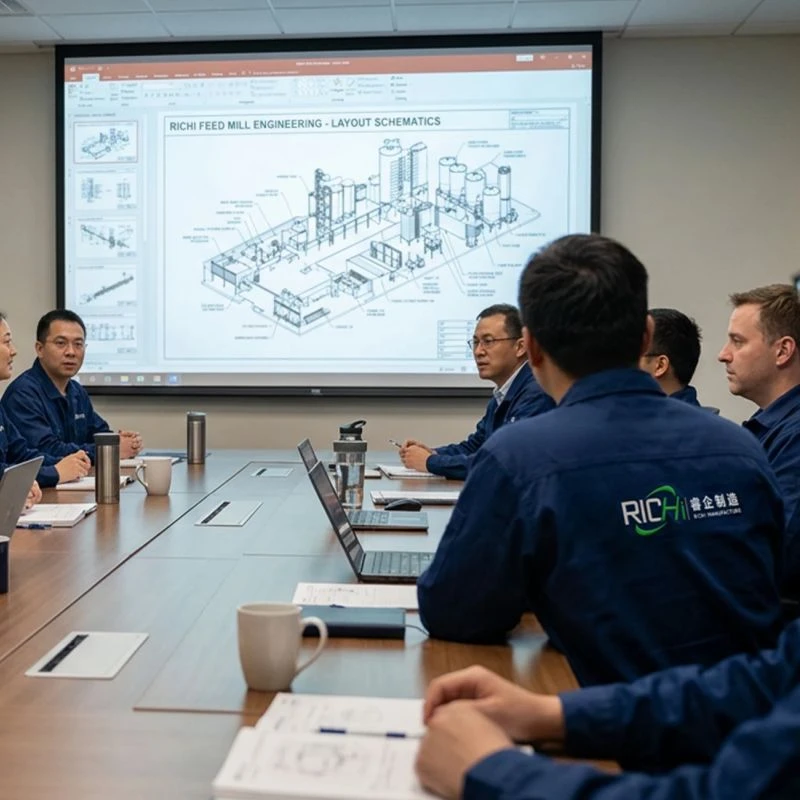
Process & Factory Design
RICHI develops the goose feed factory design around capacity, feed stages, raw materials, workshop dimensions and future expansion. The scope can include process flow, goose feed plant design, equipment layout, civil requirements and reserved space for later upgrades.
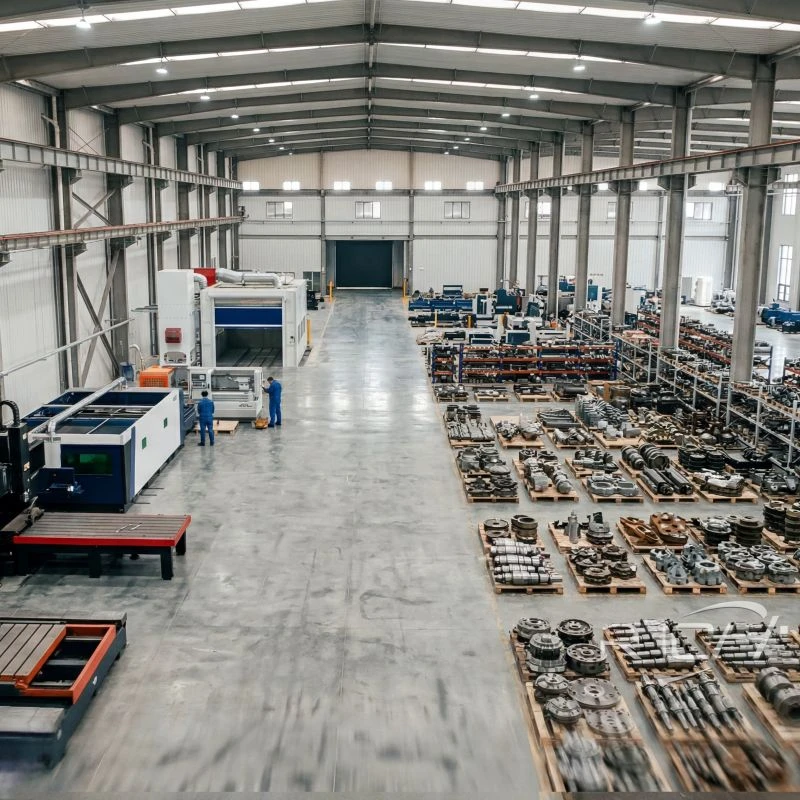
Equipment Manufacturing
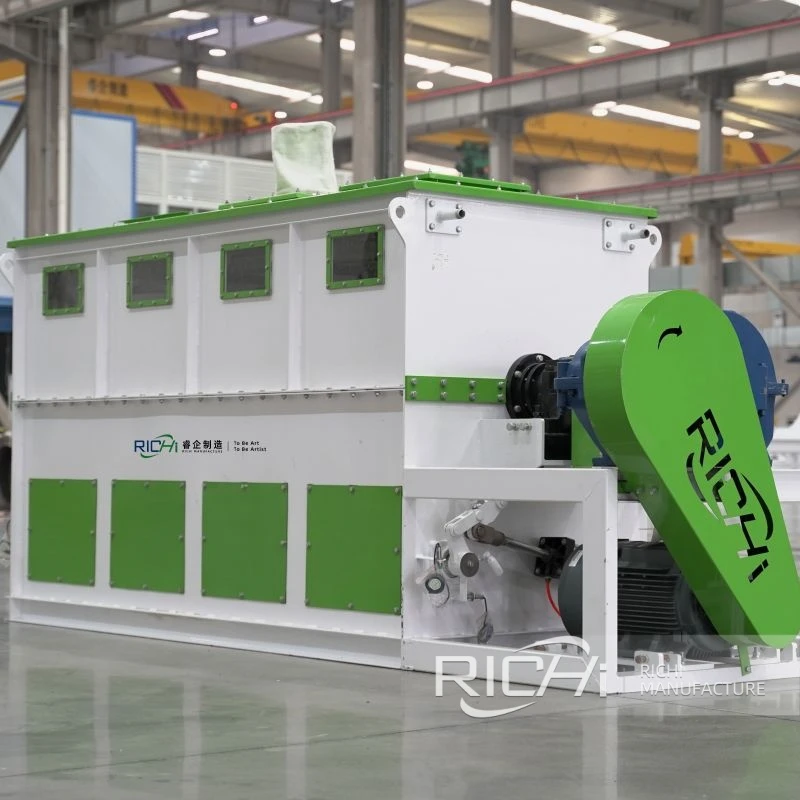
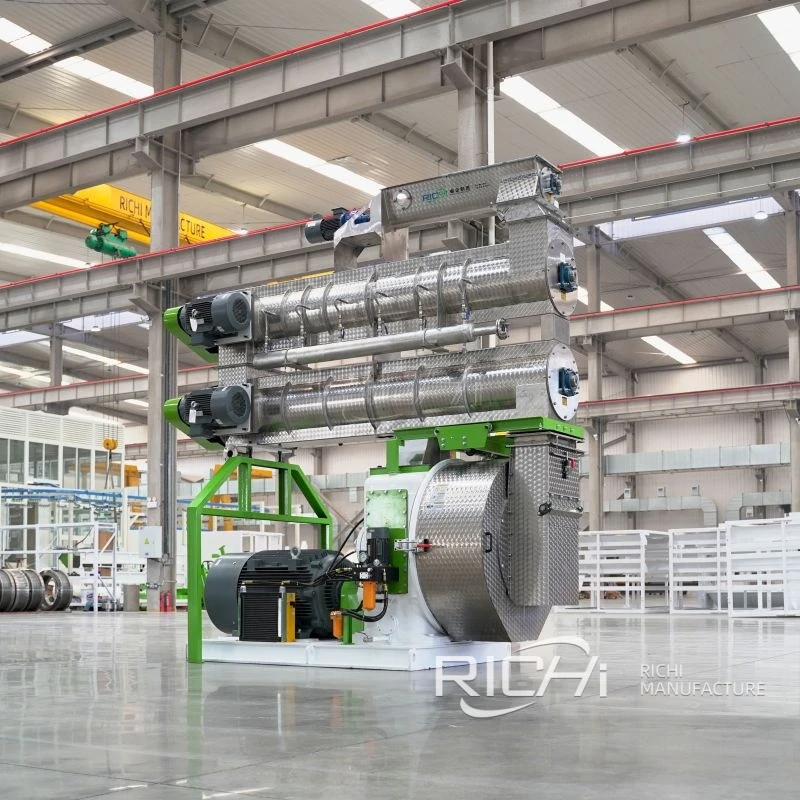
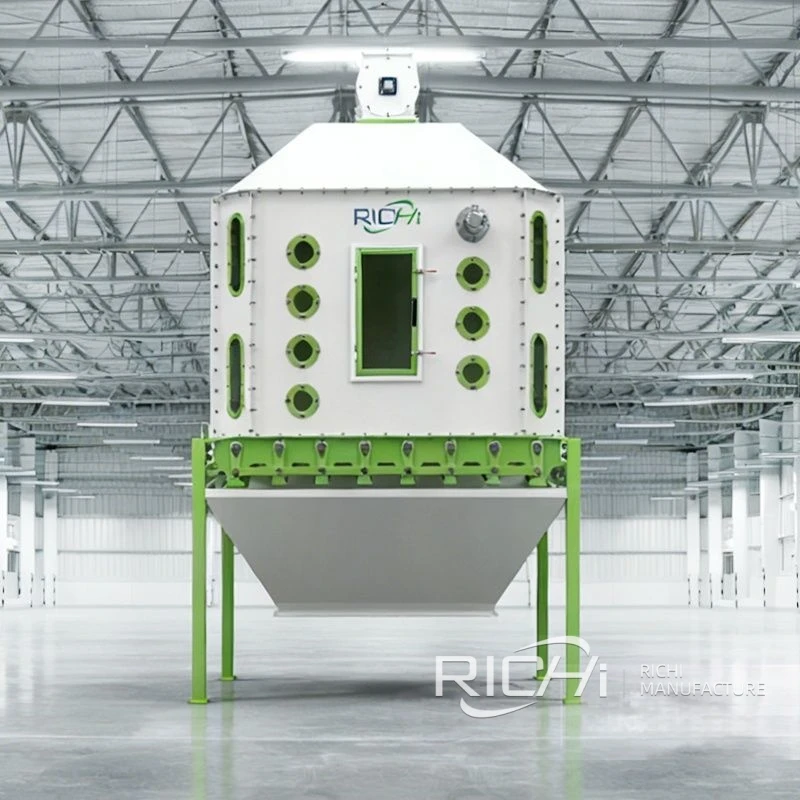
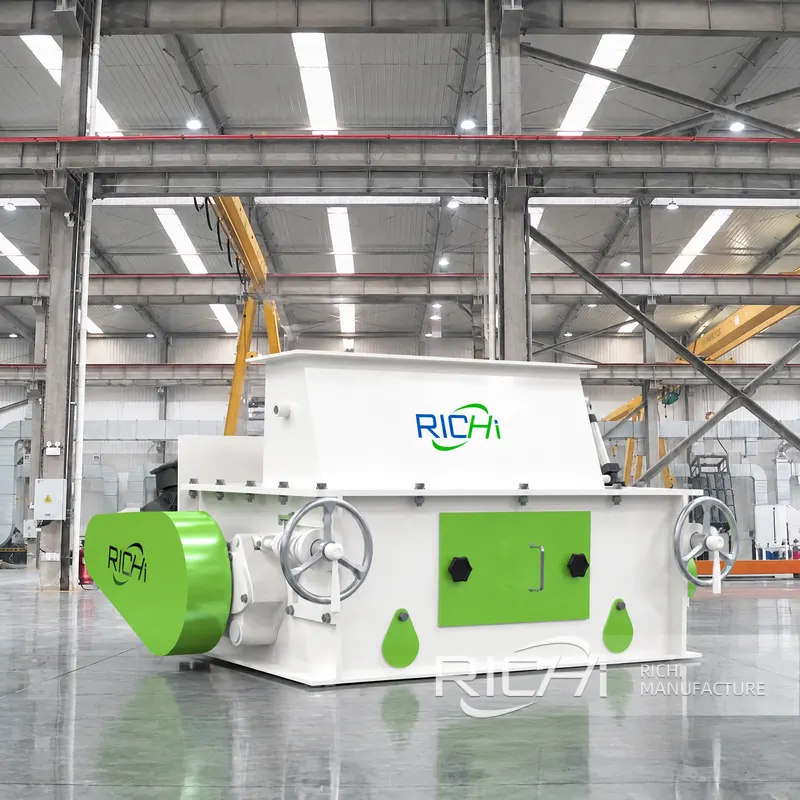
Main goose feed production equipment can be manufactured and integrated as one coordinated system, covering grinding, batching, mixing, pelleting, cooling, crumbling, screening and packing according to the confirmed production plan.
Installation & Commissioning
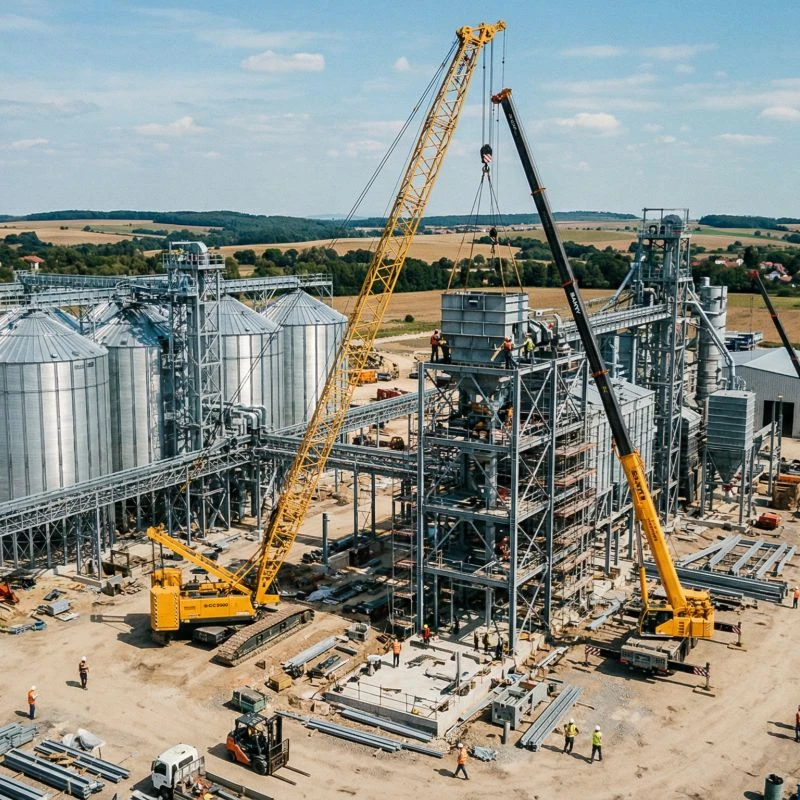
RICHI provides installation guidance, commissioning and operator training for the complete goose feed mill. Trial production focuses on correct equipment coordination, recipe switching and finished-feed handling for gosling, grower, finisher and breeder products.
Lifecycle Technical Support
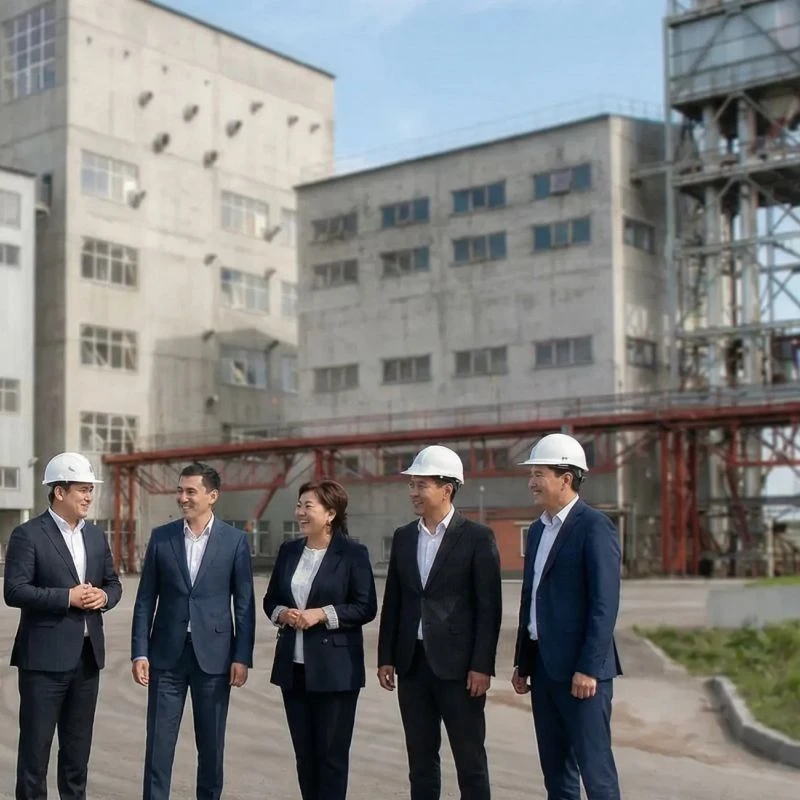
After startup, RICHI can continue supplying spare parts, operating guidance and technical support. If output increases or the customer later adds other poultry feeds, the existing goose feed processing system can be evaluated for modification or expansion.
Free Customized Services
Before equipment selection and manufacturing begin, RICHI provides free planning support to help customers clarify project scale, factory layout, process requirements and implementation conditions. These services make it easier to compare options and move from an initial goose feed mill idea to a workable project plan.

Free Project Cost Estimate
Free Goose Feed Process Flow Design
Free Civil & Steel Structure Drawings
Free Equipment Operation & Training Support
Free Factory Area Planning
Free 3D Factory Layout & Rendering
Free Electrical & Circuit Design
Free Production Testing & Remote Guidance
Complete Goose Feed Mill Equipment List
A complete goose feed mill should be configured as one balanced production system rather than a collection of individual machines. RICHI matches the goose feed mill equipment package to feed form, capacity, ingredient structure, automation level and available factory space.
For farm-scale projects, the goose feed plant equipment package can remain compact and use more manual feeding or bagging. Commercial plants may add automatic goose feed batching system, larger raw-material silos, multiple finished bins and higher-capacity packing.
Existing poultry factories do not always need a completely new line. RICHI can supply individual goose feed processing equipment, goose feed pelletizing equipment or missing modules and integrate them with usable grinders, mixers, silos and packing systems already on site.
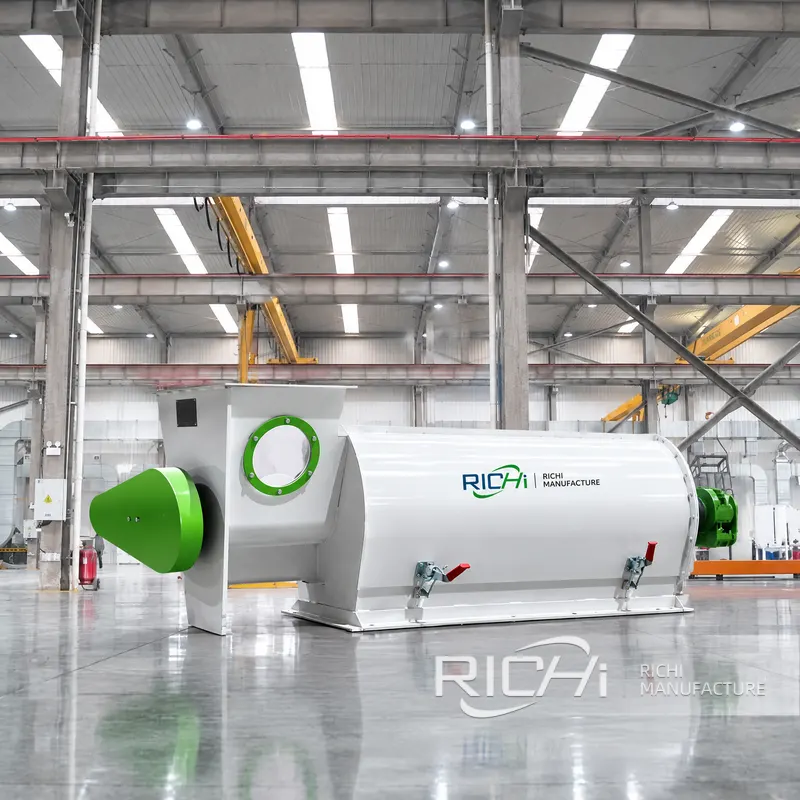
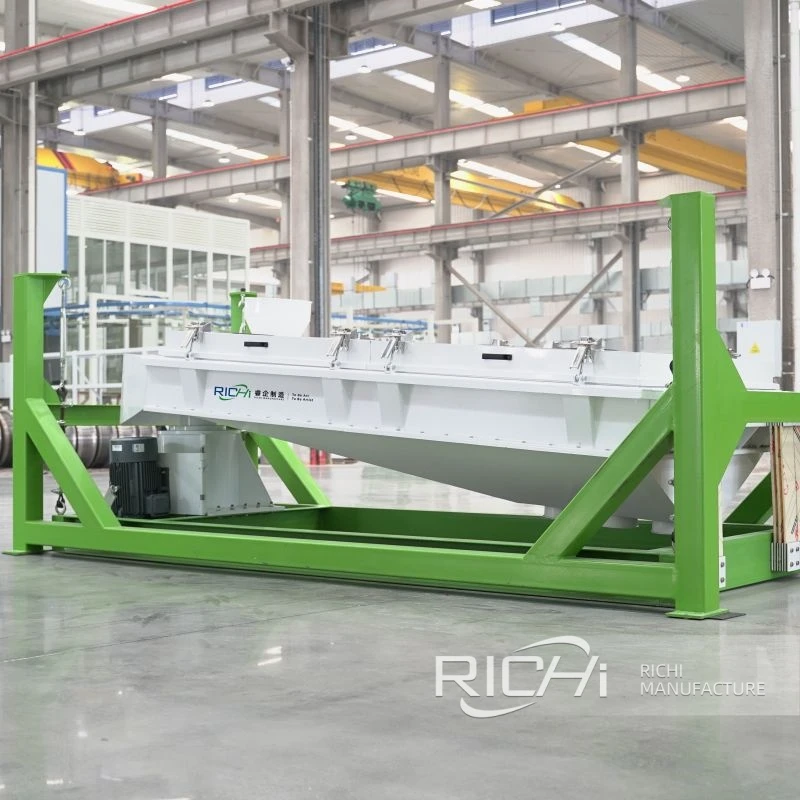
cleaning equipment
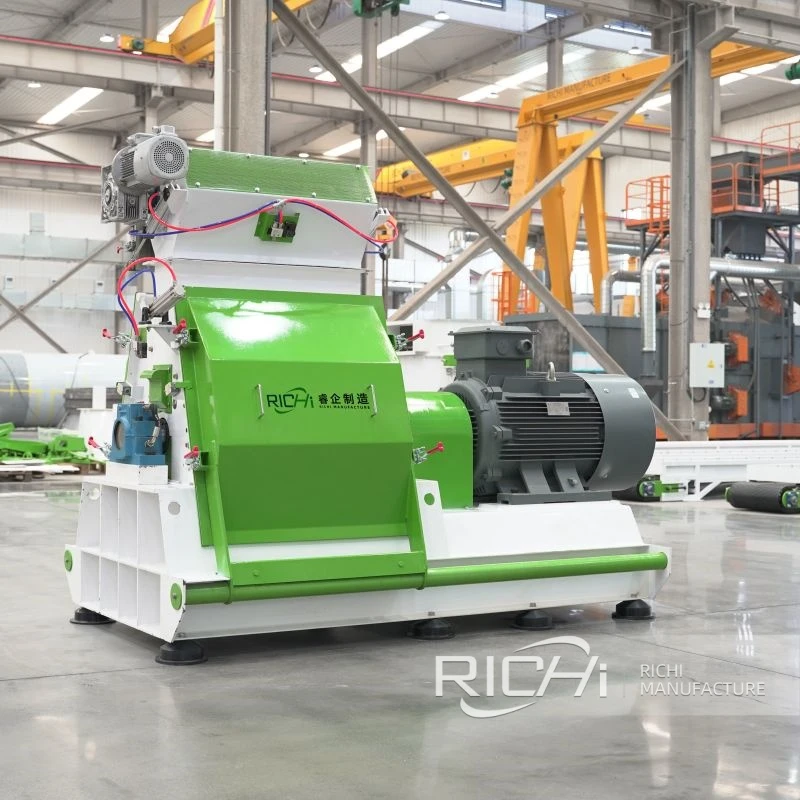
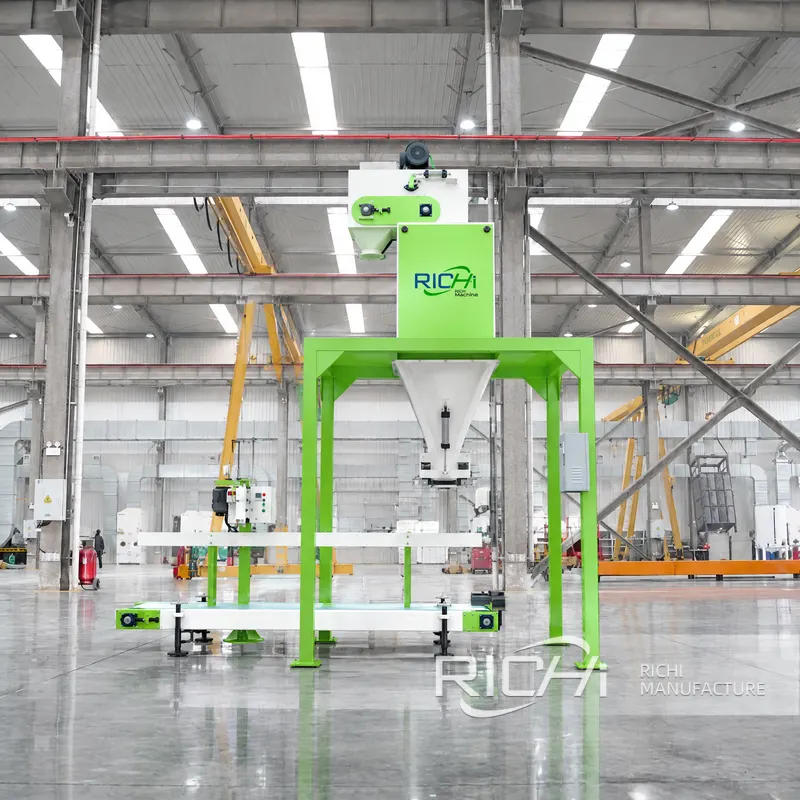
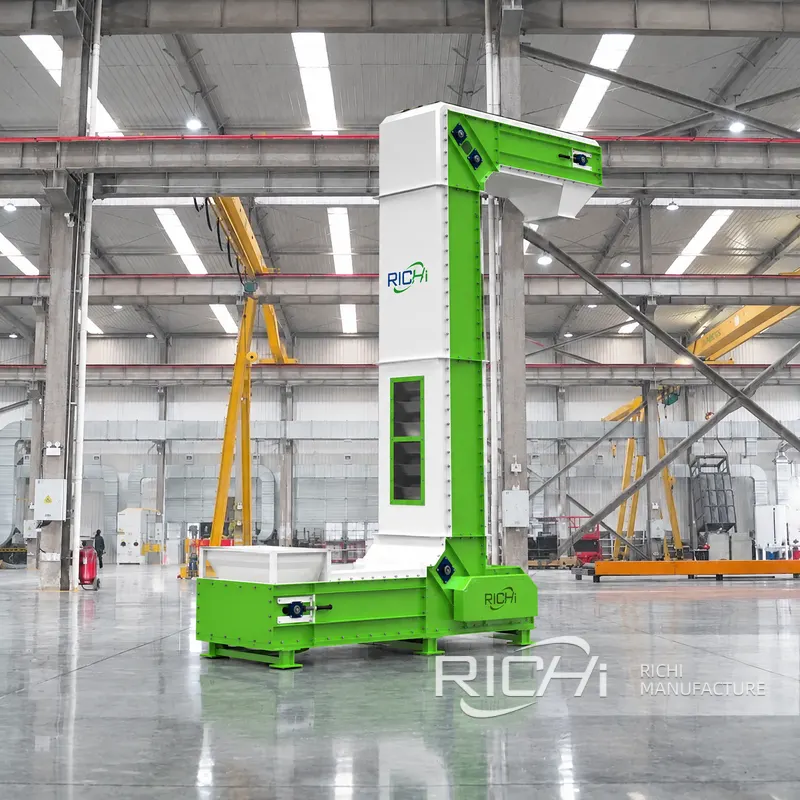
conveyor Machine
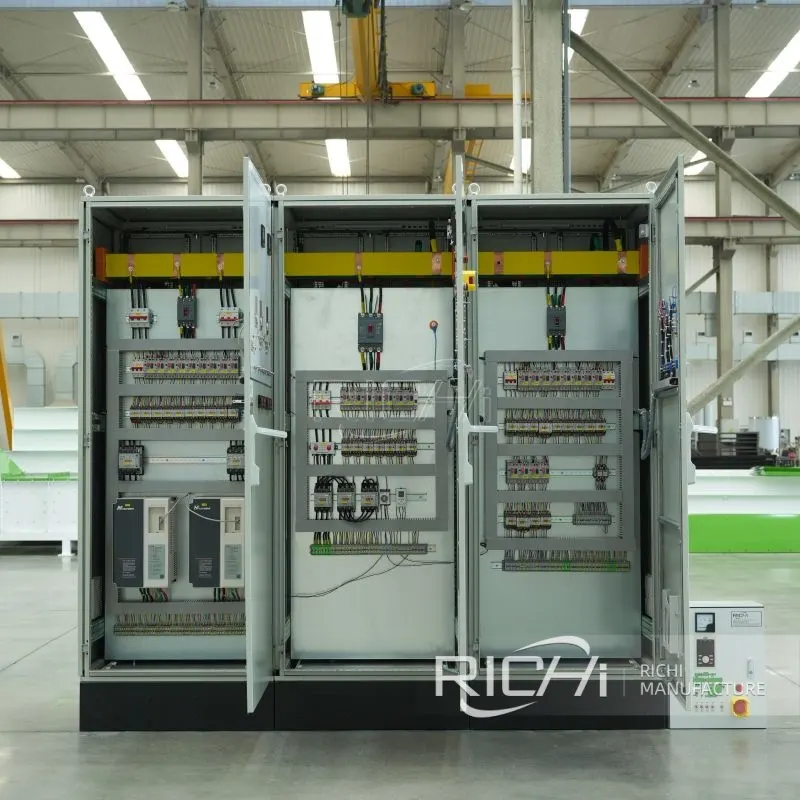
Electrical control cabinet
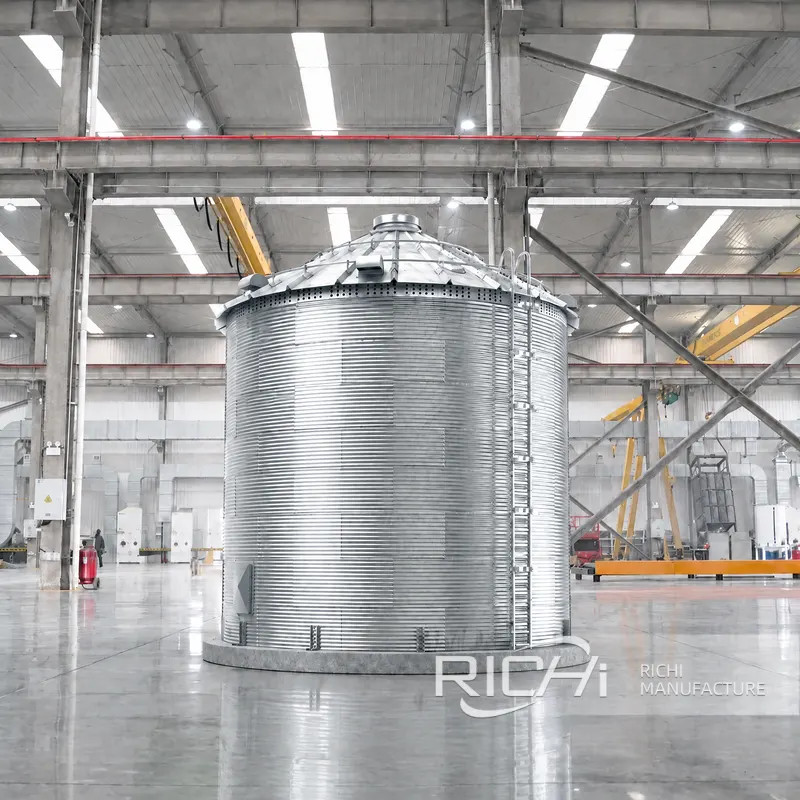
After reviewing the equipment shown here, you can also explore the full range of goose feed equipment and supporting systems available for new plants, expansions and retrofit projects.
Build a More Flexible Goose Feed Business
A goose feed mill is most valuable when the project is tied to a clear production model: supplying an integrated goose operation, reducing dependence on purchased feed, serving nearby farms, or adding goose products to an existing poultry feed business.
For farm customers, an on-farm goose feed mill can focus on the farm’s own starter, grower, finisher and breeder demand. Commercial producers usually need a wider product range, more storage and faster formula changeovers. In markets where goose demand alone does not justify year-round utilization, the same factory can also produce duck or chicken feed through shared core equipment.
This flexibility gives a goose feed factory more ways to use installed capacity instead of depending on one product or one flock cycle. RICHI can therefore configure a goose feed making plant around internal consumption, external sales or a mixed farm-and-commercial business model.
Plan My Goose Feed Business
Goose Feed Raw Materials and Formula Systems
A goose feed mill may process maize, wheat, barley, soybean meal, rapeseed or canola meal, wheat bran, rice bran, vegetable oil, minerals, premix and other locally available ingredients. Some formulas also use suitable fibrous ingredients, but their inclusion depends on the feeding system, age of the geese and nutritional formulation rather than simply because the feed is made for geese.
Whole grains normally pass through cleaning and grinding, while meals and sufficiently fine ingredients can enter directly into batching. When bran, grass meal or other higher-fiber materials increase, grinding, mixing and pelleting conditions may need to change. This makes ingredient structure an important input when configuring a goose compound feed production line.

Corn

Wheat
Barley
Rice Bran
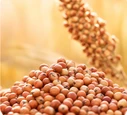
Sorghum

Vegetable Oil

Premix

Gosling & Starter Feed
A goose starter feed plant generally handles a more nutrient-dense formula with relatively higher-quality protein ingredients and accurate premix addition. Uniform mixing and good crumble or small-pellet quality are particularly important during the early feeding stage.
Design a Gosling & Starter Feed Line

Goose Grower Feed
A goose grower feed plant normally processes larger daily volumes and can use a broader combination of grains, protein meals and suitable fibrous ingredients. Ingredient flexibility becomes more important as the feeding program moves beyond the starter stage.
Configure Goose Grower Feed Production

Goose Finisher Feed
A goose finisher feed plant focuses on reliable high-volume production for meat geese approaching market weight. The formula can be adjusted around local grain and protein-meal availability while the plant maintains stable mixing and pelleting.
Plan a Goose Finisher Feed Line

Goose Breeder Feed
A goose breeder feed plant requires accurate dosing of minerals, premix and other minor ingredients. Breeder formulas differ from meat-goose programs, so recipe control and product separation should be planned from the beginning.
Customize Goose Breeder Feed Production
Goose Feed Formula Examples
Gosling Starter Formula
Maize / Wheat
60%
Soybean Meal
26%
Wheat Bran
4%
Other Protein Ingredients
3%
Oil / Molasses
3%
Minerals, Premix & Amino Acids
4%
Goose Grower Formula
Maize / Wheat / Barley
58%
Soybean Meal
14%
Wheat Bran / Rice Bran
17%
Rapeseed / Other Protein Meal
5%
Oil / Molasses
2%
Minerals & Premix
4%
Goose Finisher Formula
Maize / Wheat / Barley
62%
Soybean Meal
12%
Bran / Suitable By-Products
17%
Other Protein Ingredients
3%
Oil / Molasses
2%
Minerals & Premix
4%
Goose Breeder Formula
Maize / Wheat
55%
Soybean / Rapeseed Meal
20%
Bran / Suitable Fibrous Ingredients
10%
Calcium & Other Mineral Sources
8%
Oil / Molasses
3%
Premix & Amino Acids
4%
These examples are for production-line planning only. Final formulations should be prepared by a qualified feed nutritionist according to breed, age, ingredient analysis, feeding system and local requirements. A goose complete feed production line can therefore be configured around several ingredient structures instead of one fixed recipe, allowing the same factory to produce starter, grower, finisher and breeder feeds according to the customer’s actual feeding program.
Practical Goose Feed Mill Questions
Our Geese Use Pasture and Green Forage. How Should We Size the Goose Feed Mill?
+
Size the goose feed mill from the actual compound-feed requirement, not from total feed intake. Pasture, fresh grass or other forage consumed directly by the birds should not automatically be counted as material that must pass through the feed factory.
For farms using a mixed feeding system, the key calculation is:
- How much complete or supplementary feed is consumed per day?
- Which stages rely more heavily on compound feed?
- How many hours will the plant operate each day?
- Is feed produced only for the farm or also sold externally?
- Does compound-feed demand change significantly by season?
A farm using pasture during part of the year may therefore need a smaller feed mill for goose farm use than an intensive operation with the same flock size. Gosling and early-stage feeds usually remain more dependent on controlled compound feed, while grower or adult geese may receive more forage depending on the production system.
The production line itself should process the ingredients that genuinely belong in the formula. If dried grass meal or another fibrous ingredient is intentionally included in the ration, it can be handled through the goose feed grinding and mixing line after suitable preparation. Fresh pasture consumed directly by the flock does not need to enter the factory.
For seasonal goose production, RICHI can also size the plant around peak compound-feed demand and evaluate whether chicken, duck or other poultry feeds should be produced during lower goose-demand periods to improve annual utilization.
We raise geese mainly for our own farm. How should we calculate the line capacity?
+
Calculate from peak daily compound-feed demand and planned operating hours. A goose farm feed production line should not be sized from bird numbers alone, especially when part of the flock also uses pasture or green forage.
We only need a few tons of feed each day. Is a mini goose feed mill enough?
+
Yes, if daily demand and future expansion remain limited. A 1–2 T/H mini goose feed mill is often more practical than installing a larger line that operates only briefly each day.
We are looking for a goose feed mill for small farm use. Do we need full automation?
+
Usually not. Manual bag feeding, basic batching and semi-automatic packing can keep initial investment lower while retaining the essential grinding, mixing and pelleting functions.
We have goslings, growers and breeding geese on the same farm. Can one line produce all three feeds?
+
Yes. One gosling feed mill can share its main grinding, batching and mixing systems with grower and breeder production, while different finished-feed routes handle crumble, pellets or mash.
Our goslings need starter crumble. What extra equipment should be included?
+
Add cooling, crumbling and screening after pelleting. A goose starter crumble feed production line uses parent pellets to produce more uniform crumble and remove excessive fines.
Can a goose starter crumble feed line also produce grower pellets?
+
Yes. Grower pellets can bypass the crumbler after cooling, so the same system can produce both finished forms without duplicating the whole line.
We want a dedicated gosling feed plant. Does the grinding need to be finer?
+
Usually the early-stage product needs tighter particle-size control, but not simply the finest possible grinding. The target should support good mixing and crumble quality without creating unnecessary powder.
Is a separate goose starter feed mill necessary if we already have a general poultry mill?
+
No. If the existing mill has suitable batching, mixing and pelleting capacity, starter-feed crumbling and screening can often be added to the current system.
Our grower feed volume is much higher than starter feed. Which section should determine capacity?
+
Size the main production route around sustained grower and finisher demand. A goose grower feed mill may run for much longer campaigns than the starter section.
We mainly finish meat geese. Can we simplify the plant?
+
Yes. A meat goose feed mill focused on grower and finisher pellets can omit unnecessary starter-specific equipment if crumble production is not required.
We operate a breeder farm. What matters most in a goose breeder feed mill?
+
Accurate batching, micro-dosing and formula separation are the priorities. Breeder production generally benefits more from recipe control than from maximum hourly output.
Can our meat goose feed plant also make breeder feed?
+
Yes, provided the batching system supports the required ingredients and production scheduling prevents unwanted carryover between formulas.
We want mash for some geese and pellets for others. Do we need two factories?
+
No. A goose mash feed mill can share receiving, grinding, batching and mixing with a goose pellet feed mill, with mash diverted before conditioning and pelleting.
Is there any difference between a goose crumble feed mill and a normal pellet plant?
+
The main difference is the downstream crumble route. A goose crumble feed production line requires controlled parent-pellet production, crumbling and screening rather than simply making smaller pellets.
We want a complete feeding program from gosling to finisher. What type of line should we ask for?
+
Ask for a goose complete feed production line that supports crumble, pellets and mash where required. This is more useful than selecting equipment around only one feed stage.
Our formulas contain maize, wheat, bran and soybean meal. Is a goose compound feed mill suitable?
+
Yes. A goose compound feed mill is designed to batch several ingredients according to different formulas before mixing and further processing.
Can bran and other fibrous ingredients reduce pellet output?
+
They can. Higher fiber content can change conditioning behavior, die resistance and practical capacity, so the goose feed pelleting line should be checked against the most difficult planned formula.
Some raw materials arrive already powdered. Do they still need grinding?
+
No. Suitable meals can bypass the hammer mill and enter batching directly, reducing unnecessary power consumption in the goose feed processing plant.
We receive grain in bulk but protein meals in bags. Can one plant accept both?
+
Yes. A goose feed manufacturing plant can combine bulk silo receiving with bag-dumping stations feeding the same batching system.
We already own a hammer mill and mixer. Can you build around them?
+
Yes, if their capacity and condition match the new target. A complete goose feed processing line does not require replacing equipment that remains technically suitable.
Our old poultry factory still has usable silos and packing machines. Can we keep them?
+
Yes. A retrofit can combine existing assets with new goose feed manufacturing equipment such as batching, pelleting, cooling or crumbling modules.
Which goose feed processing machinery normally creates the biggest capacity bottleneck?
+
Grinding, pelleting, cooling and packing are common bottleneck points. The exact limitation should be checked from real formulas, operating hours and finished-feed routes.
Do we need a boiler for a goose feed pellet plant?
+
Usually yes when steam conditioning is used before ring-die pelleting. Boiler capacity should be matched to conditioner demand rather than selected independently.
Our site has limited electricity. Can we still build a goose feed pellet plant?
+
Yes, but equipment selection and operating sequence need to respect the available electrical load. Grinding and pelleting deserve particular attention during power planning.
Our workshop is low. Can an automatic goose feed mill fit inside it?
+
Yes. A low-height automatic goose feed mill can use more horizontal conveying and compact lifting arrangements instead of relying on a tall tower layout.
We cannot build a receiving pit. Is that a problem?
+
No. Above-ground intake hoppers, conveyors and elevators can be used, so a pit is not mandatory for an automatic goose feed production line.
We want fewer operators. Which automation should we prioritize?
+
Prioritize automatic batching, ingredient transfer and packing. An automatic goose feed pellet line delivers the greatest labor benefit when repetitive handling is reduced.
Does PLC control make sense for a 3–4 T/H plant?
+
It can if you produce many formulas or change products frequently. For a simple farm line with only a few recipes, partial automation may be more economical.
We may expand from 3 T/H to 6 T/H later. What should we reserve now?
+
Reserve floor space, electrical capacity, conveyor interfaces and control-system expansion points. This makes the future goose feed mill setup easier without oversizing every machine today.
We produce duck and goose feed for nearby farms. Should we build two separate lines?
+
Usually not at moderate capacity. A duck and goose feed mill can share grinding, batching, mixing and pelleting while using separate formulas and production schedules.
We mainly supply ducks and geese commercially. Would a waterfowl feed pellet plant be more suitable?
+
Yes, if both species represent a meaningful share of sales. A waterfowl feed pellet plant can be configured around several duck and goose formulas instead of operating as a goose-only factory.
Can the same waterfowl feed pellet production line make duck starter and goose grower feed?
+
Yes. Product changes are handled through recipes, die selection, crumbling routes and production sequencing rather than separate factories for each species.
We want duck, goose and chicken feeds in one facility. Is that realistic?
+
Yes. A chicken duck goose feed plant can share the major production systems when capacity, formula control and finished-feed separation are properly planned.
We currently make chicken feed and want to add geese. What needs to change?
+
Often only selected modules or product routes need modification. A chicken goose feed production line may use the existing grinding and mixing systems while adding suitable dies, crumbling or extra finished bins.
We sell several poultry feeds. Should we describe the project as a goose-only plant?
+
Not necessarily. A multi-species poultry feed mill or complete poultry feed mill is more realistic when goose feed is only one part of the overall product portfolio.
We need pellets for several poultry species. Can one poultry feed pellet production line handle them?
+
Yes, provided the pellet mill, dies, crumbler and downstream handling cover the required product specifications and production schedule.
We found a goose feed mill for sale online. What should we compare besides capacity?
+
Compare the actual supply scope, formula adaptability, automation, storage, crumbling, packing and after-sales support. Nameplate capacity alone does not tell you whether the plant fits your production plan.
One supplier offers a cheap goose feed plant for sale. Why can prices differ so much?
+
Because the quotation may exclude silos, electrical control, conveyors, crumbling, packing or installation support. Compare equipment and service scope line by line.
We are comparing a goose feed production line for sale from several companies. What information should every quotation include?
+
It should clearly state process scope, equipment quantities, installed power, automation, storage, packing, spare parts and service boundaries. Otherwise the headline price is difficult to compare fairly.
Is buying a goose feed pellet mill for sale enough to start production?
+
No. The pellet mill is only one part of the system; grinding, batching, mixing, conditioning, cooling, screening and material handling may also be required.
We only want the pellet section. Can we buy a goose feed pellet machine for sale separately?
+
Yes. A standalone goose feed pellet machine can be integrated into an existing plant if upstream mixing and downstream cooling capacities are compatible.
Our farm wants a simple goose feed pellet machine for farm use. What should determine the model?
+
Use required hourly output, formula characteristics, pellet diameter and daily operating hours. Do not choose a goose feed pellet machine only from motor power.
What is the difference between a goose feed pellet machine and a goose feed pellet making machine?
+
In commercial searches they often refer to the same core pelleting equipment. The important issue is whether the machine is being purchased alone or as part of a complete production system.
We also see the term goose feed making machine. Does that mean one machine makes finished feed?
+
Usually not. Commercial feed production normally requires several machines, so a goose feed making machine may refer to one processing unit rather than the whole plant.
We want all major equipment from one supplier. Should we request complete goose feed plant equipment?
+
Yes. A coordinated package makes capacity matching between grinding, mixing, pelleting, cooling and packing easier than sourcing unrelated machines separately.
What equipment is needed for goose feed production if we start from whole grain?
+
Typical goose feed production machinery includes receiving, cleaning, grinding, batching, mixing and conveying, plus pelleting, cooling, crumbling or packing according to the finished product.
Is goose feed processing equipment different from goose feed manufacturing machinery?
+
The terms overlap in buyer searches. Both can refer to the equipment used to convert feed ingredients into finished goose feed, while the exact machinery depends on the selected process.
We need a turnkey goose feed plant. What should the supplier actually deliver?
+
A turnkey goose feed plant should clearly define process design, equipment supply, layout, installation support, commissioning and training. A turnkey goose feed production line should not simply mean a machine list.
When does a turnkey goose feed pellet plant make more sense than buying individual machines?
+
It makes more sense when the customer lacks an existing feed factory and wants one coordinated supplier for the complete pelleting route and supporting systems.
We are ready to ask for a quotation. What should we send first?
+
Send capacity, feed stages, main ingredients, required feed forms, operating hours, workshop dimensions, power supply and packing method. These details allow a goose feed line manufacturer to prepare a useful technical proposal instead of a generic price.