
 0086-138 3838 9622
Camel Feed Mill


A camel feed mill is rarely planned around one feed formula alone. In practical projects, the same plant may need to produce dairy camel feed, calf or grower feed, breeder and racing formulas, while also serving cattle, sheep, goats, buffalo or other livestock raised in the same market. That makes recipe management, raw-material handling and production flexibility just as important as the pellet mill itself.
RICHI develops complete camel feed production line solutions for commercial feed manufacturers, existing livestock feed plants adding camel formulas, camel dairy farms, breeding and racing operations, integrated farms, cooperatives and investors with stable feed markets.
The production route is built around what the customer actually needs to make. A camel feed plant may produce compound pellets, mash feed or several feed forms from barley, corn, wheat bran, protein meals, forage ingredients, molasses, premix and other suitable local materials. Formula structure, roughage content, batch size, finished-feed specification, available factory space and the need to switch between camel and other livestock feeds all affect the final design.
RICHI can configure new plants as well as expansion or retrofit projects, giving customers a practical route from raw-material preparation and accurate batching to stable finished-feed production without forcing every project into the same standard layout.
Discuss My Camel Feed Mill Project
Camel Feed Products for Different Feeding Programs
A camel feed mill can produce pellets, mash and specialized formulas for different feeding stages and commercial markets. Formula structure, fiber level, ingredient form and finished-feed specification determine how grinding, batching, mixing and forming are configured, so each product does not need exactly the same process.

Camel Compound Pellet Feed
Barley, corn, bran, protein meals, forage ingredients, molasses and premix can be combined into commercial compound pellets. A camel feed pellet production line normally uses accurate batching, mixing, conditioning and ring-die pelleting for consistent multi-ingredient production.
6-8mm Pellet Size

Camel Coarse Mash Feed
Camel coarse mash feed is a loose mixed ration made from ground grains, bran, protein ingredients, forage meal and other formula materials rather than a finely powdered product. A camel mash feed production line typically focuses on controlled grinding, batching, mixing, storage and packing, without the pelleting and cooling stages required for pellet feed.
Loose Mixed Form

Dairy Camel Feed
Dairy and milking camel formulas may contain grain, protein, fiber, minerals and micro ingredients. Production can be arranged for pellets or mash, with greater attention to weighing accuracy, recipe consistency and reliable changeover between different feeding-stage formulas.
6–8mm or Mash

Camel Calf Grower and Breeder Feed
Calf, young, grower and breeder feeds use different formulas and may require different grinding fineness, batch sizes and pellet specifications. The same production system can handle these products by adjusting recipes, processing parameters and pelletizing settings.
Size by Feeding Stage

Racing and High-Energy Feed
Racing and other high-value camel feeds place more emphasis on small-batch accuracy, micro-dosing and controlled formula switching. Finished pellet size is selected according to the customer’s feeding program rather than forcing every specialty formula into one fixed specification.
Customized Pellet Size
A camel feed mill can also be configured for more than Camel Feed alone. Depending on the formulas and hygiene requirements, one plant may produce camel pellets and mash alongside cattle, sheep, goat, buffalo or other livestock feeds, with separate routing or product handling added where needed.
Customize My Feed Product Line
camel feed mill videos
A camel feed mill often shares core processing modules with cattle, sheep, goat and other livestock feed plants, especially when several feed formulas are produced in one factory. These project videos show how RICHI handles different roughage ratios, grain systems, moisture conditions, capacities and plant layouts—useful references when planning a flexible camel and livestock feed facility.
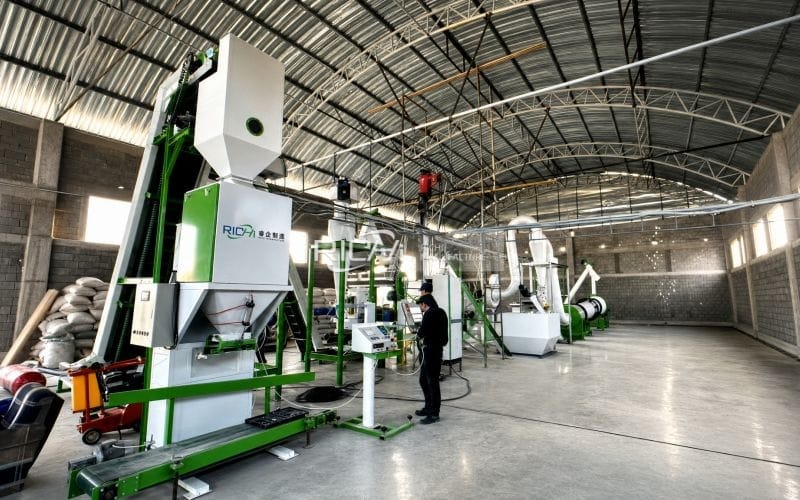

【Uzbekistan 1–2 T/H Camel Feed Production Line】This compact feed line is designed for small-scale camel and livestock feed production, with flexible processing for different formulas and batch sizes. It provides a practical reference for farms and local feed businesses entering commercial feed manufacturing.
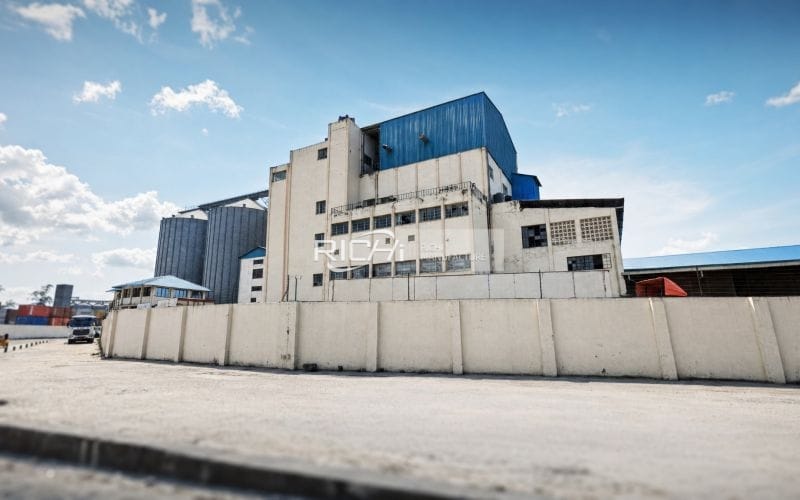
【Oman 10 T/H Camel Cattle and Sheep Feed Production Line】This 10 T/H commercial project produces camel, cattle and sheep feeds within one production system. The line shows how a larger camel feed production line can be integrated into a multi-species feed business rather than being limited to a single Camel Feed formula.
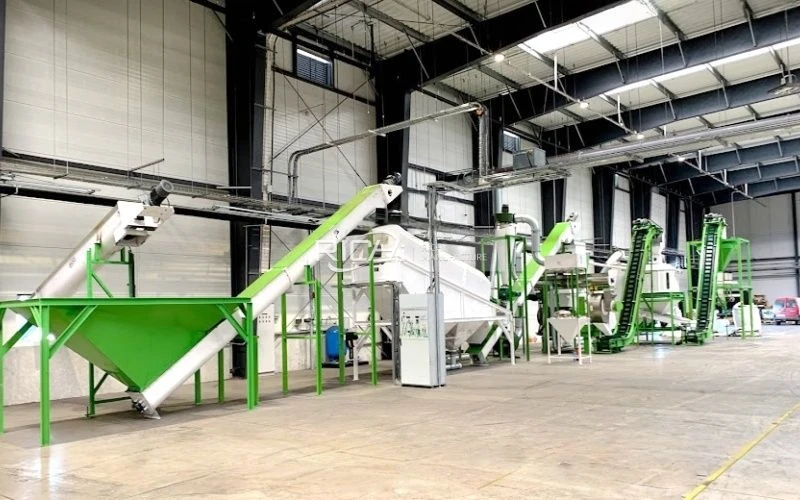
【Turkmenistan 1–2 T/H Camel and Cattle Feed Production Line】This small production line is configured for both camel and cattle feed, allowing the customer to switch between different livestock formulas within one compact system. It is suitable for regional producers that need flexibility without investing in a large industrial plant.
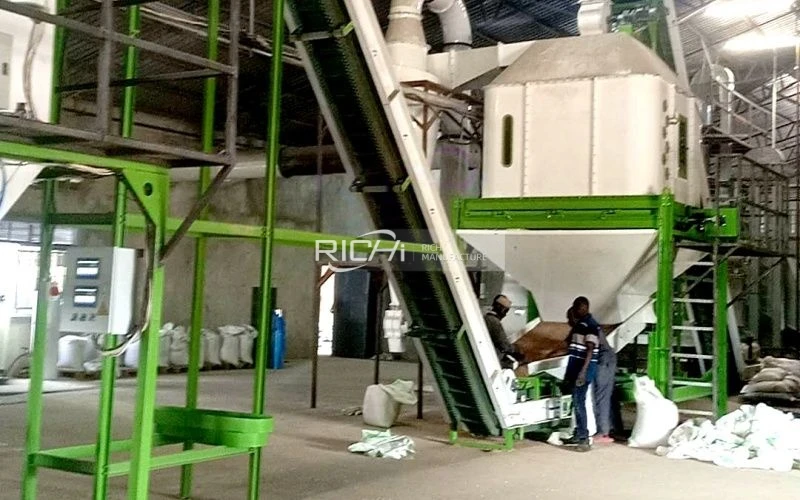
【Kenya 15 T/H Camel Cattle Sheep Feed Plant】This 15 T/H project serves a broader livestock feed market, producing camel, cattle and sheep feeds at commercial scale. The plant demonstrates how Camel Feed can become one product category within a higher-capacity multi-species feed factory.
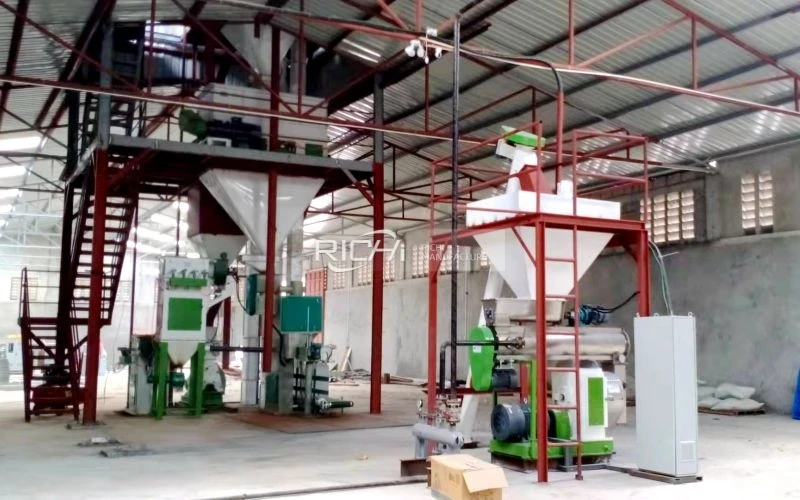
【Ethiopia 3–4 T/H Camel Cattle Livestock Feed Mill】This 3–4 T/H feed mill is designed for camel, cattle and other livestock feeds, giving the customer more flexibility to respond to different farm and market demands. The project represents a practical medium-scale camel feed mill solution for regional commercial feed production.
Flexible Process Design for Different Camel Feed mills
A camel feed mill should be built around the actual products, formulas and raw materials the customer plans to handle. RICHI can combine receiving, cleaning, grain grinding, roughage preparation, batching, micro-dosing, mixing, liquid addition, conditioning, ring-die pelleting, cooling, screening, packing, bulk loading, conveying, dust collection and automation into a complete system. Some modules are essential, while others are added only when the project really needs them.
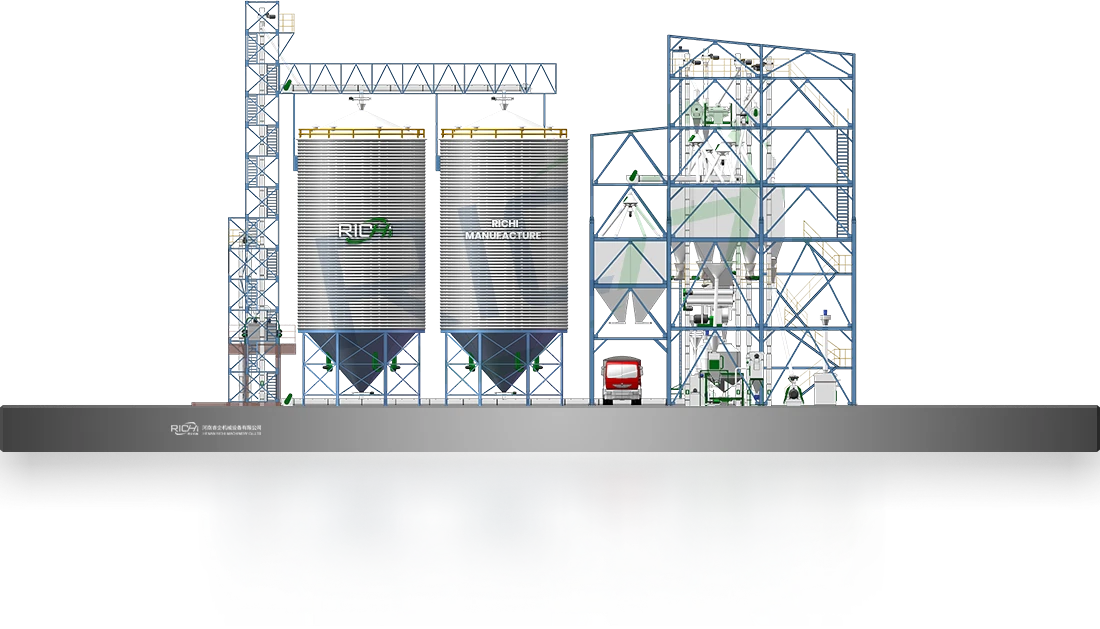
The process changes with the formula and material condition. Grain-based camel feed, forage-rich feed, mash, multi-species livestock feed and specialty products do not require the same route. Hay or straw bales may need breaking and chopping; pre-ground forage can bypass those stages; drying is added only when incoming moisture requires it. Factory height, existing equipment, automation level, budget and future expansion are also considered before the final layout is fixed.
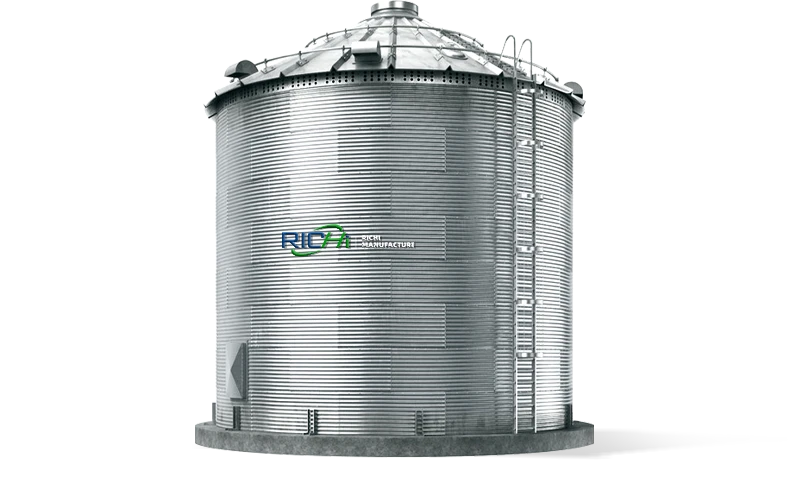
Silo system
01
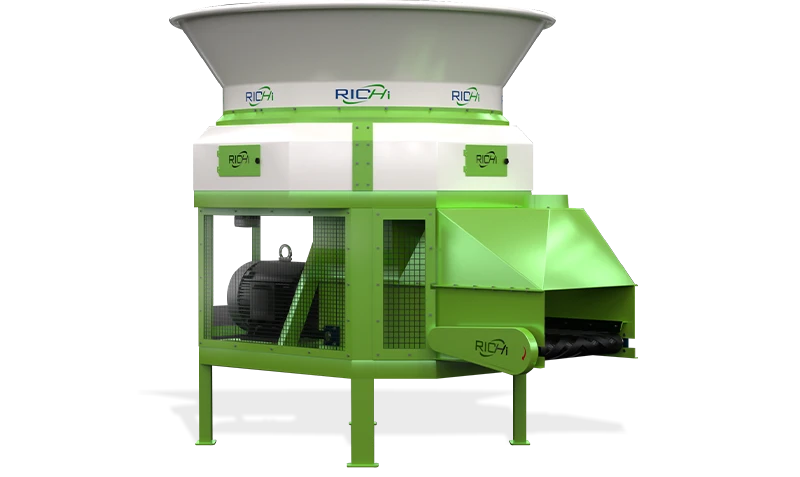
bale chopping
02
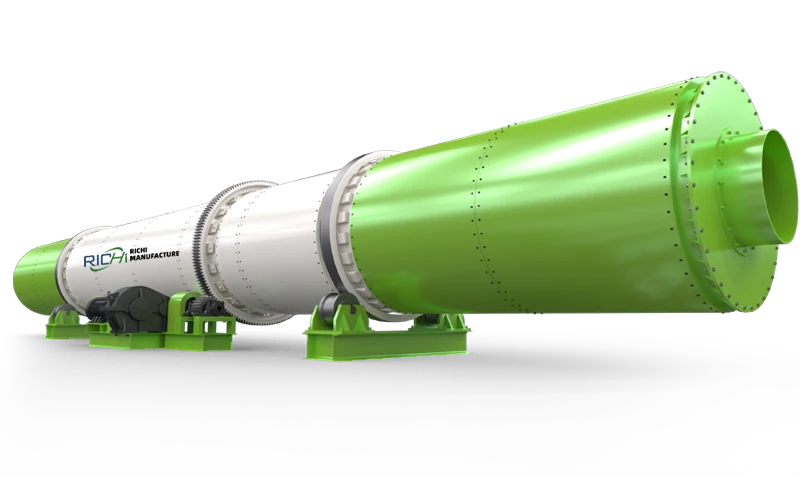
Drying system
03
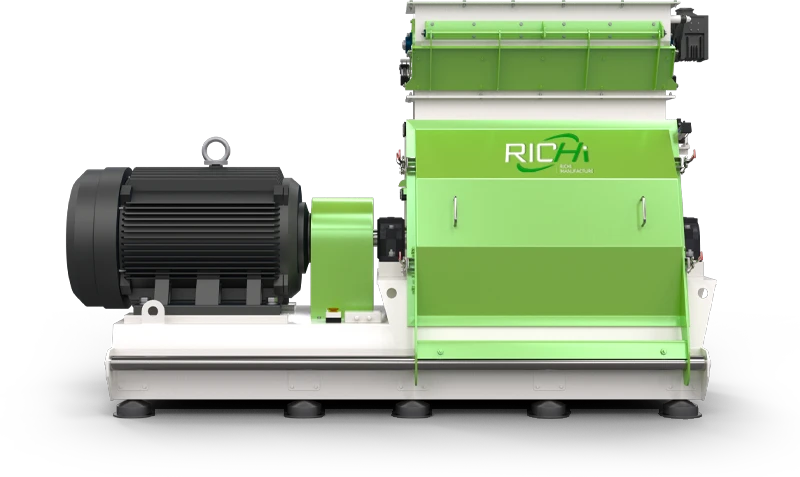
Grinding system
04
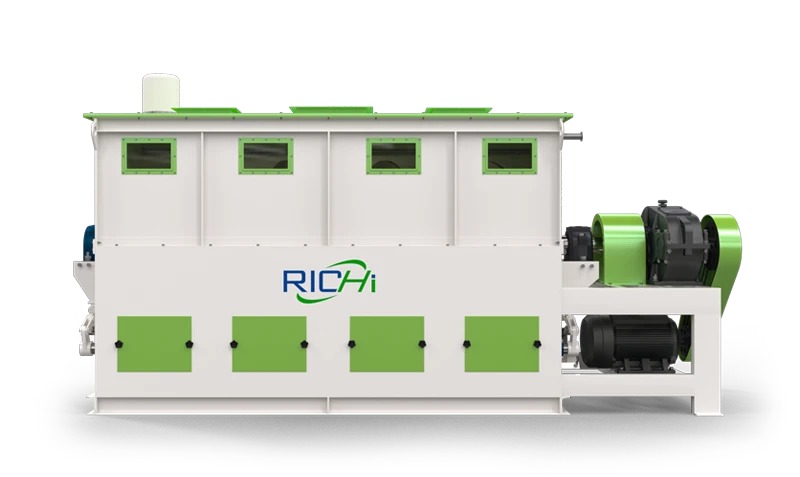
Mixing system
05
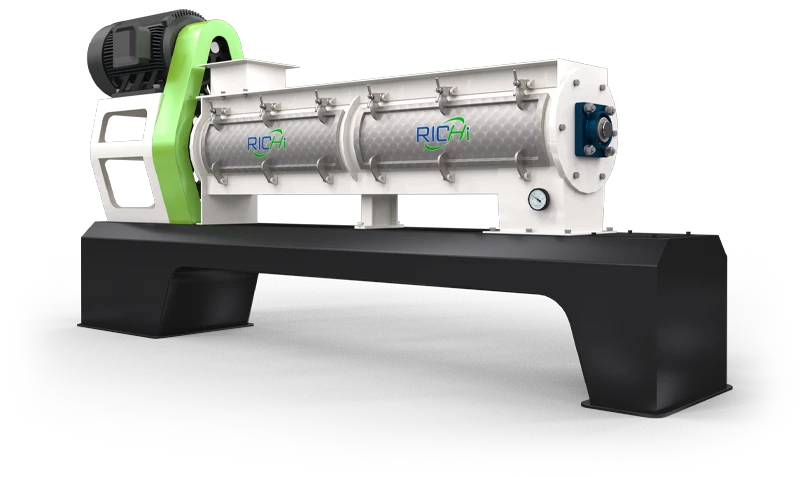
Molasses mixer
06
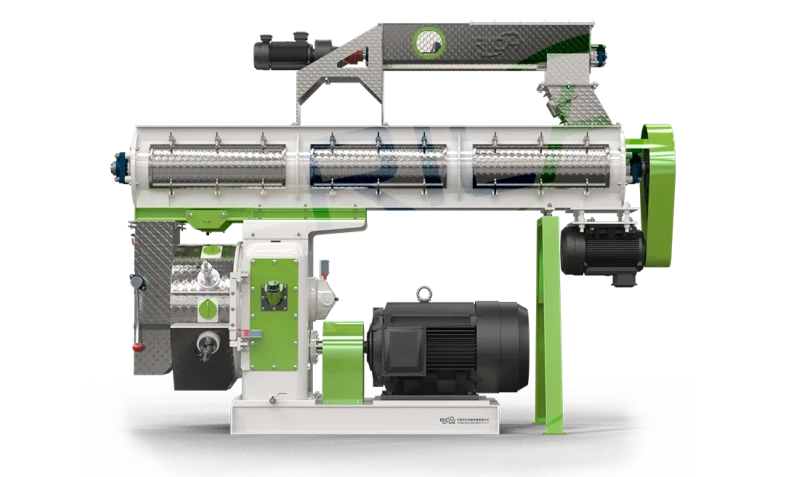
Pelleting system
07
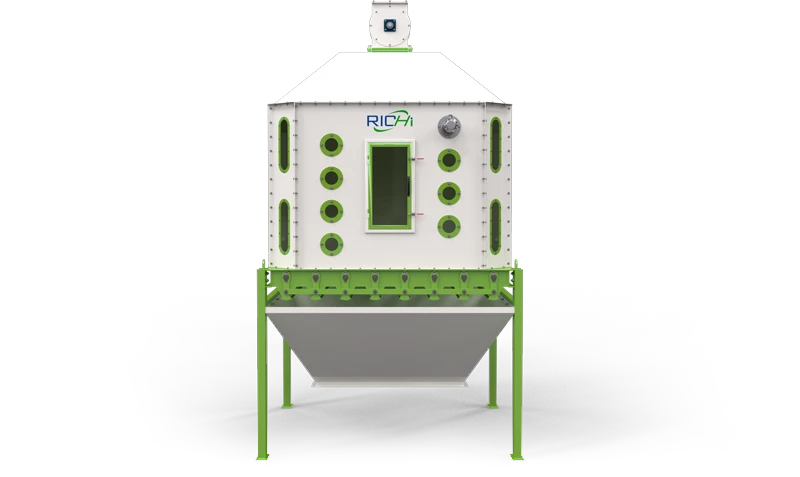
Cooling system
08
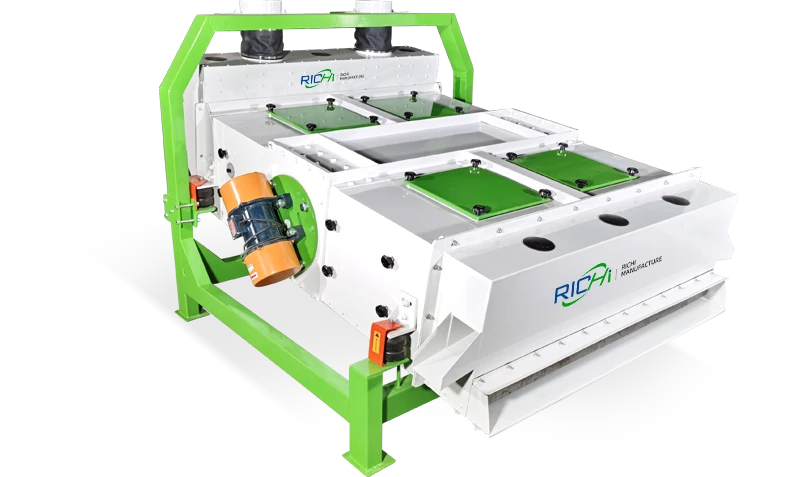
Screening system
09
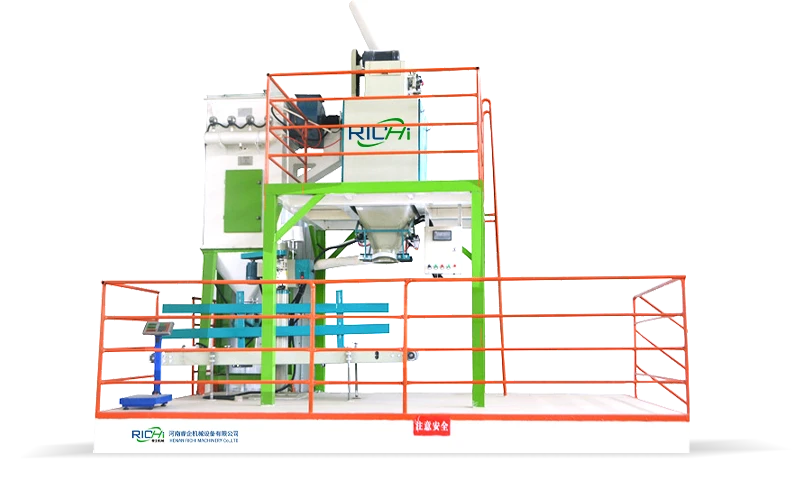
Packaging system
10
Customized Camel Feed Mill Designs
A camel feed mill is usually part of a broader livestock feed business rather than a factory producing only one Camel Feed formula. These eight designs cover camel feed together with cattle, sheep, goat, buffalo or other locally relevant livestock feeds. The process route in each design is determined by the incoming material form, moisture, formula structure and the customer’s existing equipment, so the configurations differ substantially even at similar capacities.

3–4 T/H Complete Camel Feed Mill Design
This Saudi Arabia design uses 100% round dry alfalfa hay bales as the incoming material. The finished forage pellets can be supplied to camel farms as well as cattle, sheep and goat operations, so the project is positioned as a multi-species forage pellet line rather than a Camel-only factory.
The fixed process is: Bale breaking (coarse crushing) → forage fine grinding → 2.5 m³ temporary storage bin → pelleting → cooling → screening → fully automatic packing. Because the alfalfa is already dry, no drying system is required. This is a relatively straightforward grass-based camel feed production line for customers converting bulky dry forage into denser, easier-to-handle pellets.

0.5–0.6 T/H Small Camel Feed Mill Design
This small Oman livestock feed production line processes forage, grain and additives for camel, sheep and goat feeds. The customer’s forage has already been removed from the bale, so no bale breaker is required; the grass only needs further grinding before entering the next stage.
The ground forage still has relatively high moisture, so it is dried first and then temporarily stockpiled. Weighed grain and additives are added before mixing, after which the material passes through: Mixing → pelleting → cooling → screening → packing. Although the capacity is only 0.5–0.6 T/H, the finished pellets are intended for commercial sale rather than only internal farm use. The compact configuration is therefore designed around stable small-batch production and several livestock formulas.

2–3 T/H Camel Feed Pellet Plant Design
This Egypt configuration uses wet sugar beet pulp as the dominant raw-material stream, together with grain, premix and other formula ingredients. The plant can manufacture roughage-rich feeds for camels, cattle and sheep rather than relying on one fixed Camel Feed product.
Because the wet beet pulp enters at very high moisture, the fixed process includes: Beet pulp crushing → beet pulp drying → mixing with pre-weighed ingredients → pelleting → cooling → screening → packing. The drying section is essential because the main ingredient cannot be fed directly into stable pellet production at its incoming moisture. The final recipe ratio remains adjustable according to the customer’s own nutrition program.

3–4 T/H Camel Feed Manufacturing Plant Design
This UAE project processes alfalfa arriving in two different forms: compressed forage bales and loose alfalfa. Both streams contain relatively high moisture, so they require drying before downstream feed production. The plant is intended to supply camel, dairy cattle, sheep and goat feeds.
The two raw-material routes remain separate at the front end: (1) Baled alfalfa → bale breaker → conveying → drying; (2) Loose alfalfa → chopping → drying. After drying, both material streams follow: Secondary grinding → mixing → pelleting → cooling → screening → finished-product storage. The packing section has two discharge routes. Finished pellets can either enter a fully automatic packing machine or move directly from the finished-product bin into a bulk truck for farm delivery.

10 T/H Complete Camel Feed Factory Design
This 10 T/H Morocco design serves a commercial customer producing camel, cattle, sheep and goat feeds. Dry hay bales are the principal forage material, while grain ingredients are added according to different product formulas. The fixed feed process is: Bale breaking → forage and weighed grain feeding → batching and weighing → hammer mill grinding → bucket elevator conveying → temporary stockpiling → batch pelleting → cooling → screening → packing.
Part of the finished feed is used by the customer’s own livestock operations and the remainder is sold to regional farms. The same project also contains an independent wood-chipping system. Wood chips are transferred to the customer’s existing wood chip hammer mill for further grinding into sawdust used as livestock bedding. This auxiliary route remains separate from the feed-processing system.

5–6 T/H Camel and Livestock Coarse Mash Feed Processing Plant Design
This Sudan project uses a grass and grain mash formula, produces camel, cattle, sheep and goat corase mash feed from hay bales and grain. The new section itself does not include a pelletizing stage because the customer already owns a pellet mill that remains available for continued use. The fixed new-line process is: Hay bale breaking → temporary stockpiling → weighing → forage and grain batch feeding → hammer mill secondary grinding → mixing → manual packing.
The finished product is a mixed coarse mash feed rather than finely powdered feed. When the customer needs pellets, the mixed material can instead be transferred to the existing pellet mill.This design avoids purchasing another pellet machine unnecessarily and demonstrates how an existing machine can be incorporated into a new camel feed processing plant rather than forcing the customer to replace usable equipment.

1–6 T/H Commercial Camel Feed Plant Design
This Pakistan plant processes long crop straw rather than straw bales. It is designed for a commercial feed producer manufacturing camel feed together with cattle, buffalo, sheep and goat formulas. The fixed process is: Straw chopping → batching and weighing → batch grinding → mixing with pre-ground grain → pelleting → cooling → screening → fully automatic packing.
The 1–6 T/H output range reflects different formulas rather than unstable machine performance. Some products contain a high proportion of grain, some contain much more forage, while others combine straw and grain at intermediate ratios. Changes in fiber content, bulk density and formula structure directly affect practical hourly output.

2–10 T/H Complete Camel Feed Production Line Design
This Kenya project uses dry crop residues, grass and grain to produce feeds for camels, cattle, sheep and goats. The grass and crop residues enter at below 20% moisture, while the grain has already been ground by the customer’s existing grain-grinding system.Because the customer already has usable grain milling equipment, the new line begins with the prepared ingredient streams.
The fixed downstream process is: Prepared grass + crop residue + pre-ground grain mixing → pelleting → cooling → screening → packing. The 2–10 T/H capacity range is caused by substantial changes in formula structure. Different batches may be forage-dominant, grain-dominant or mixed crop-and-grain feeds, so the bulk density, fiber level and pellet mill load are not constant. This configuration allows the customer to retain its existing grain system while expanding into a broader camel feed production line and multi-species livestock feed business.
Camel Feed Mill Projects
A camel feed mill is rarely built around one product or one animal species. In the main camel-producing markets, feed businesses usually combine camel formulas with cattle, sheep, goat, buffalo or other locally important feeds. The following projects therefore focus on different capacities, ingredient structures, product mixes and customer models, showing how a camel feed plant can fit into a broader commercial livestock feed business.

1 T/H Specialty Feed Production
Qatar
This project produces camel feed together with pigeon feed. The customer selected a dry-extrusion route rather than a conventional ring-die pellet line, so equipment configuration follows the required finished-product characteristics. The project demonstrates why specialty products cannot simply be fitted into a standard camel feed production line without first checking the customer’s actual processing method.
6 T/H Byproduct Feed Utilization
Egypt
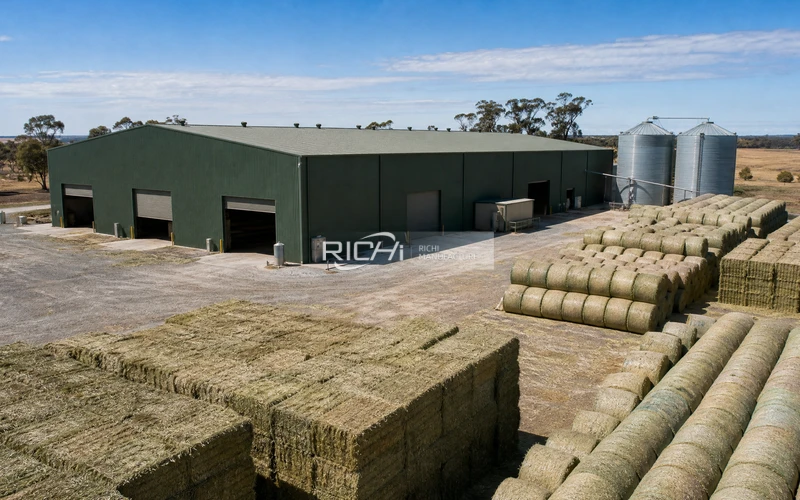
This plant produces camel, cattle and sheep feeds using grain, wheat bran, suitable beet-processing materials, protein ingredients and forage sources. Because several locally available materials can enter the formulations, the project emphasizes adaptable batching rather than one fixed recipe. The configuration allows the customer to use economical feed resources while maintaining several commercial product specifications.
8–10 T/H Flexible Commercial Production
Kenya
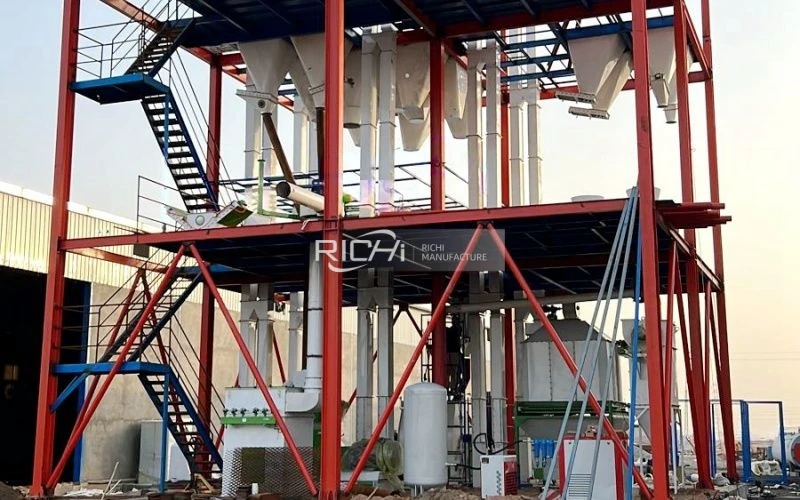
This commercial feed factory manufactures camel feed together with dairy cattle, beef cattle, sheep and goat products. Grain, bran, protein meals, forage ingredients and molasses are used across multiple formulations. Camel products represent one profitable part of a broader SKU portfolio, while the larger plant capacity supports wholesale livestock feed distribution and higher-volume conventional formulas.

3–4 T/H Dairy Formula Supply
Saudi Arabia
A feed producer manufactures dairy camel feed alongside cattle, sheep and goat formulas. Barley, bran, alfalfa-based ingredients, protein meals, molasses and premix are handled through shared production equipment. The plant is configured for frequent recipe changes, allowing higher-value dairy camel products to be produced without limiting the customer’s larger-volume livestock feed business.
4 T/H Mixed Species Production
Sudan
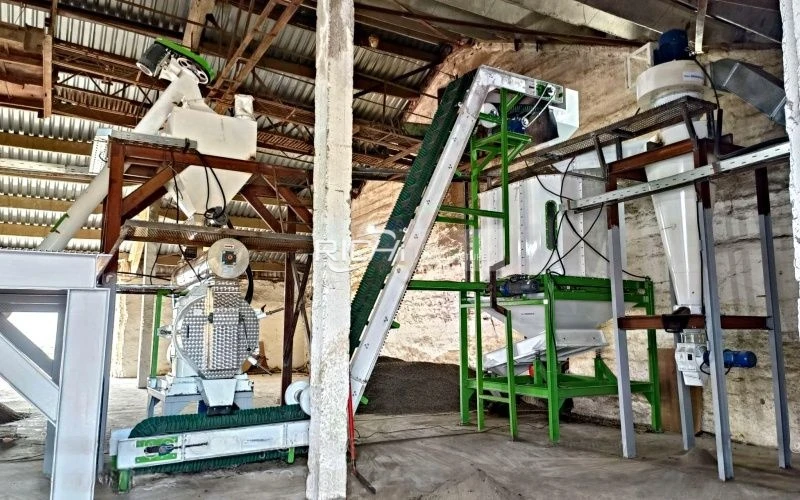
A project supplies camel, cattle, sheep and goat farms with pellet and mash feeds. Sorghum, bran, forage materials and suitable protein meals form the main ingredient group, but the ratios vary between products. The production system is therefore arranged for practical batch changeover, enabling the customer to serve several livestock markets without operating separate small feed factories.

2–3 T/H Regional Market Supply
Mauritania
A project produces camel, cattle, sheep and goat feeds for farms and regional distributors. Barley, bran, forage ingredients and suitable local feed materials are combined in different proportions according to product requirements. The line is sized for moderate total output but broad formula coverage, which is more practical than dedicating the complete factory to Camel Feed alone.
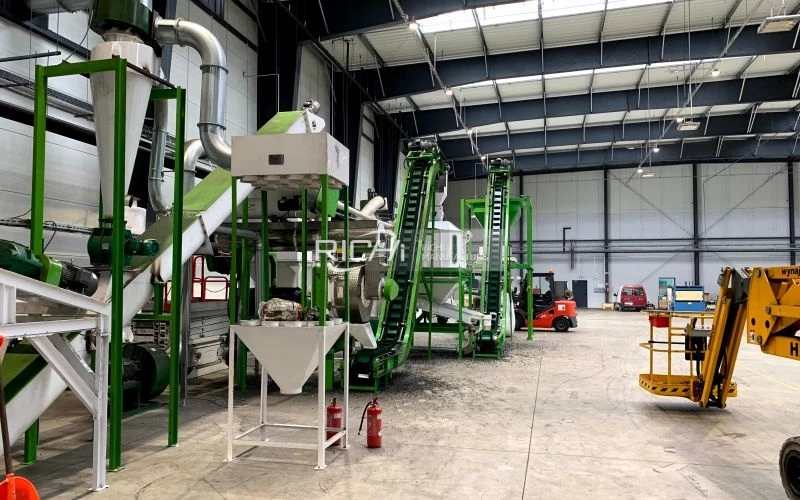
5 T/H Flexible Formula Manufacturing
UAE
This camel feed manufacturing plant serves commercial camel farms while also producing cattle, sheep and goat feeds. Standard compound feeds and smaller batches of breeder or racing camel formulas share the same main production system. Separate ingredient weighing and flexible recipe control help the customer manage premium formulas without building an independent production line for every feed category.
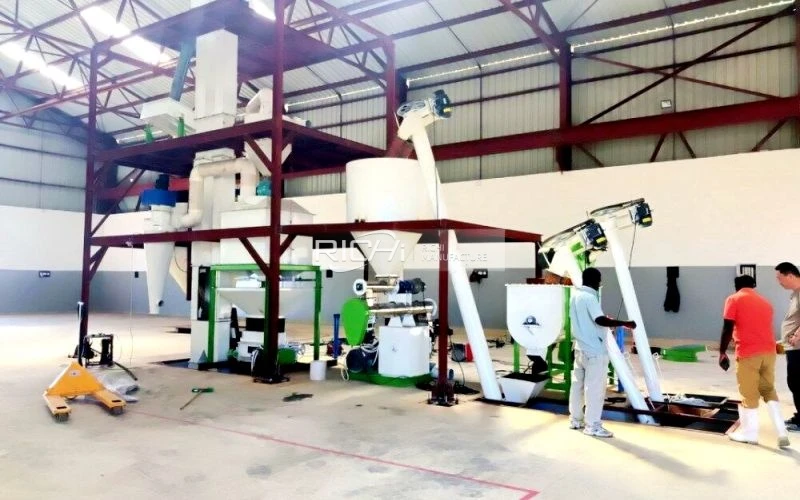
1–2 T/H Local Feed Supply
Somalia
This camel feed plant is designed for a regional producer serving camel, goat and cattle farmers. Dry forage, grain-based ingredients and purchased protein and premix materials are combined according to different formulas. The compact line helps the business reduce dependence on a narrow product range while keeping investment and operating complexity appropriate for its local sales volume.
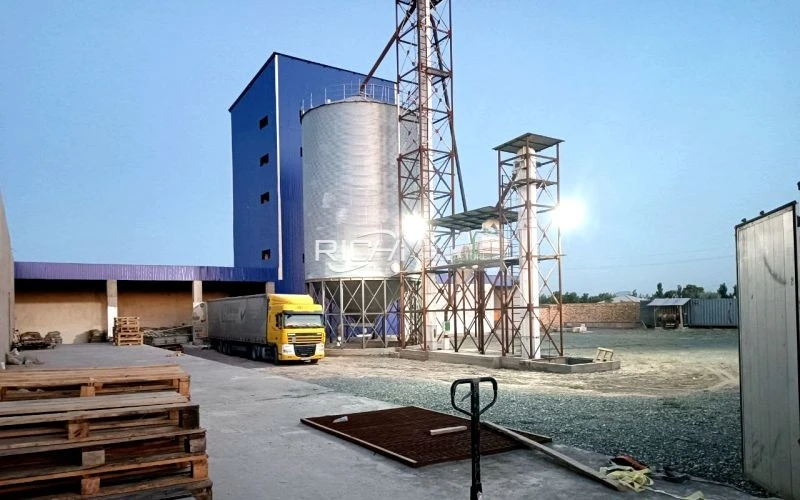
12–15 T/H Commercial Range Expansion
Morocco
This commercial factory adds camel formulas to an established range of cattle, sheep and goat feeds. Barley, maize, bran, alfalfa-derived materials, protein meals and micro ingredients are handled through a higher-capacity batching and production system. The project illustrates how a large camel feed pellet production line can operate as one production family inside a diversified regional feed business.
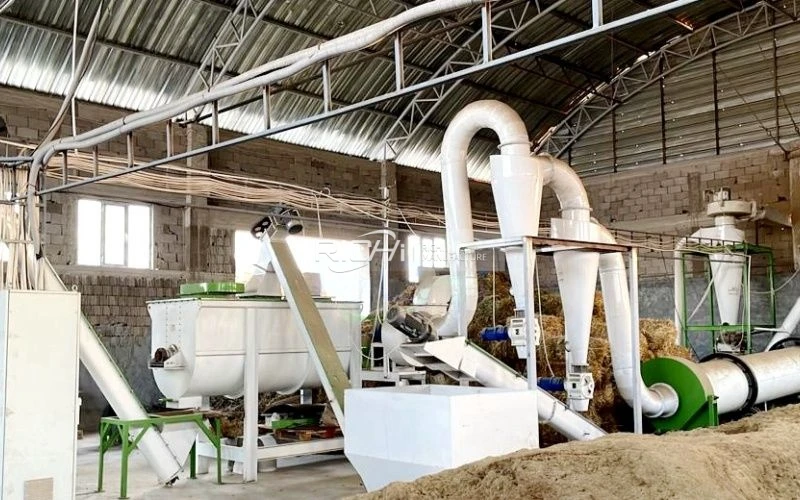
2 T/H Regional Livestock Supply
Oman
A project produces camel, sheep and goat feed for regional farm customers. The formula system combines grain, bran, forage ingredients and premix, while the plant can manufacture both pellet and mash products according to customer demand. Its compact configuration suits a growing commercial feed business that needs more product flexibility without moving immediately into a high-capacity industrial factory.
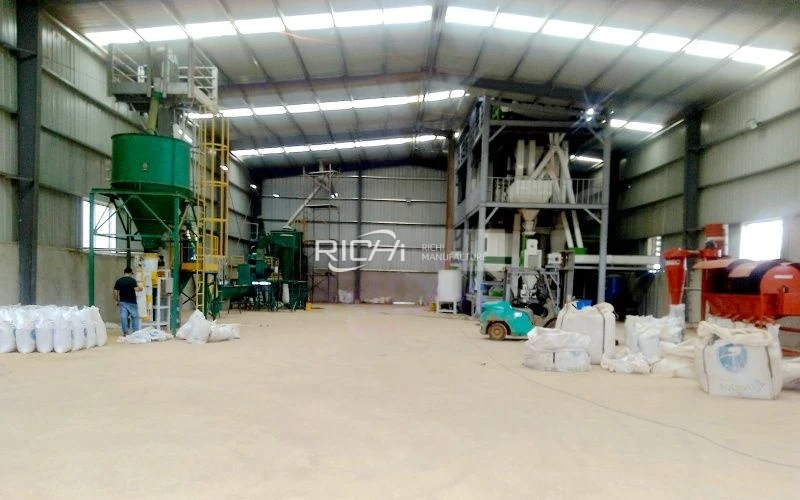
3 T/H Integrated Feed Manufacturing
Ethiopia
A project processes camel, cattle and goat feeds using maize, wheat bran, forage materials, oilseed meals and premix. The customer needs several formula groups rather than one standardized product, so ingredient storage and batching are planned around production flexibility. This gives the plant room to adjust formulas as raw-material availability and livestock demand change through the year.
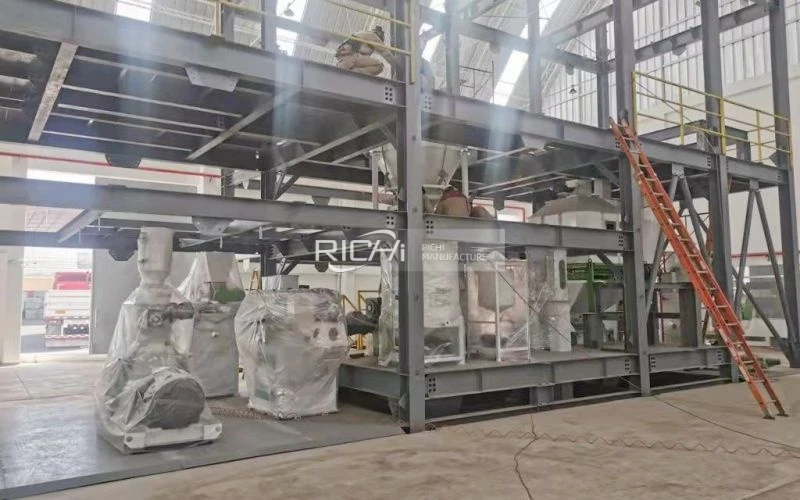
5–7 T/H Multi Species Manufacturing
Pakistan
A project manufactures camel, cattle, buffalo, sheep and goat feeds from maize, wheat bran, suitable cottonseed-derived ingredients, molasses, forage materials and premix. The customer produces several grain-to-forage ratios, so the system is designed around flexible batching and recipe switching rather than one fixed Camel Feed formula. This broad product range also reduces dependence on a single livestock market.
Different customers come to RICHI with very different requirements—some need to add camel feed to an existing livestock feed business, while others need better handling of forage, more formula flexibility or a layout that fits an existing workshop. Their feedback reflects what matters most during an actual feed mill project.


Multi-Species Feed Production Project in Oman
- Customer: Commercial Feed Producer
“We produce feed for camels, sheep and goats, so from the beginning we told RICHI that the factory had to handle several formulas. Their design considered different raw-material ratios and product changeovers instead of building the whole line around one Camel Feed recipe. That was much closer to how our business actually operates.”

Feed Mill Expansion Project in Morocco
- Customer: Livestock Feed Manufacturer
“We already had usable equipment in our factory and did not want to buy the same machines again. RICHI checked what could remain in the system and designed the new section around it. For us, this was important because the investment went into the parts we really needed instead of replacing equipment that was still working.”

Forage-Based Feed Plant Project in Saudi Arabia
- Feed Factory Owner
“A large part of our formula is forage, so we were concerned about bale handling, grinding and stable feeding into the next process. RICHI did not treat the material like ordinary grain. They designed the front-end preparation around our hay condition, which made the complete camel feed plant much more practical for our raw materials.”

Existing Workshop Feed Mill Project in UAE
- Customer: Feed Mill Investor
“We had limited space and some building dimensions could not be changed. RICHI adjusted the equipment arrangement and conveying route around the workshop instead of asking us to rebuild everything for a standard layout. That helped us use the space we already had and made the project easier to implement.”

Multi-Formula Feed Mill Project in Sudan
- Customer: Production Manager
“Our formulas are not always the same. Sometimes we produce more grain-based feed, and sometimes the forage percentage is much higher. RICHI explained that the actual output would change with the formula and designed the line for different camel, cattle and sheep feeds instead of promising one fixed capacity for every product.”

Complete Feed Mill Project in Kenya
- Customer: Project Manager
“For us, buying equipment was only one part of the project. We also needed process planning, equipment layout, technical drawings and guidance for installation and production preparation. Having one supplier coordinate these parts made communication much easier and helped us move from equipment selection to an operable feed line more smoothly.”

Camel Feed Mill Capacity Options
RICHI configures camel feed mill projects from small farm-scale systems to large commercial feed factories. The following capacity ranges are used as quick entry points for customers to identify a suitable production scale before detailed engineering.
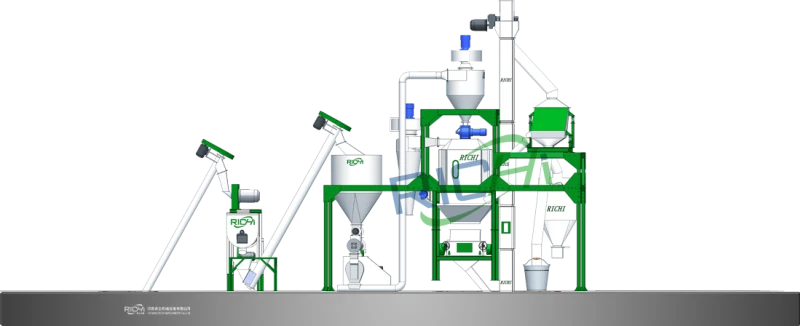
0.5–2 T/H small scale feed mill
For small farms, cooperatives and local feed businesses with limited daily output and relatively simple production organization
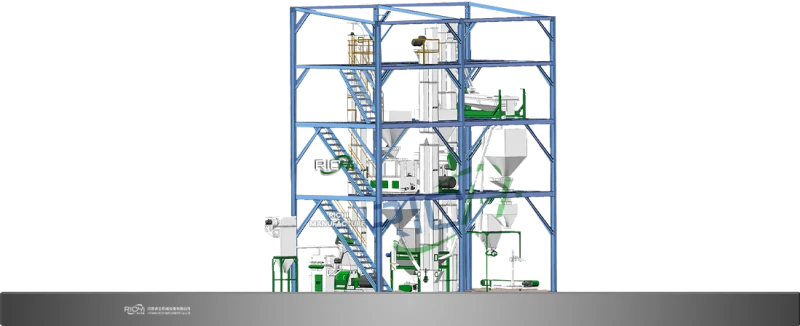
3-4 t/h animal feed production plant
Suitable for growing regional producers moving from small-batch production toward more stable commercial feed manufacturing.
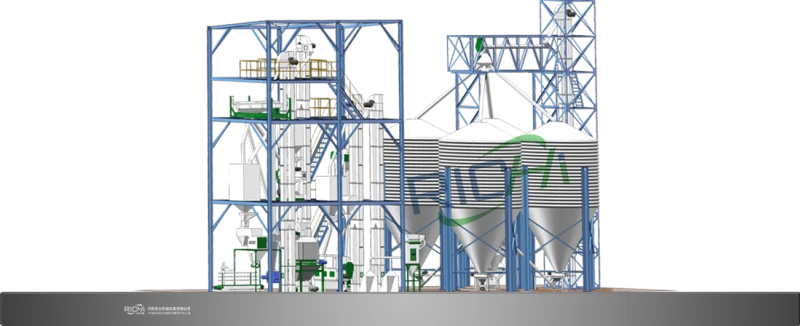
5-7 t/h animal feed pellet plant
A practical range for medium feed factories requiring continuous daily production and a higher level of batching and handling efficiency.
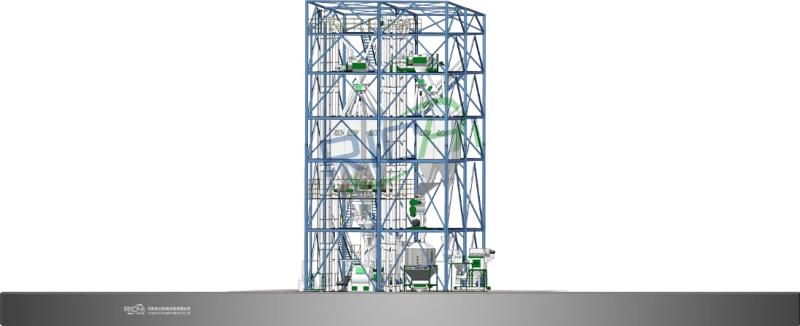
8-10 t/h animal feed processing plant
Designed for established regional feed producers with larger order volumes, more SKUs and stronger automation requirements.
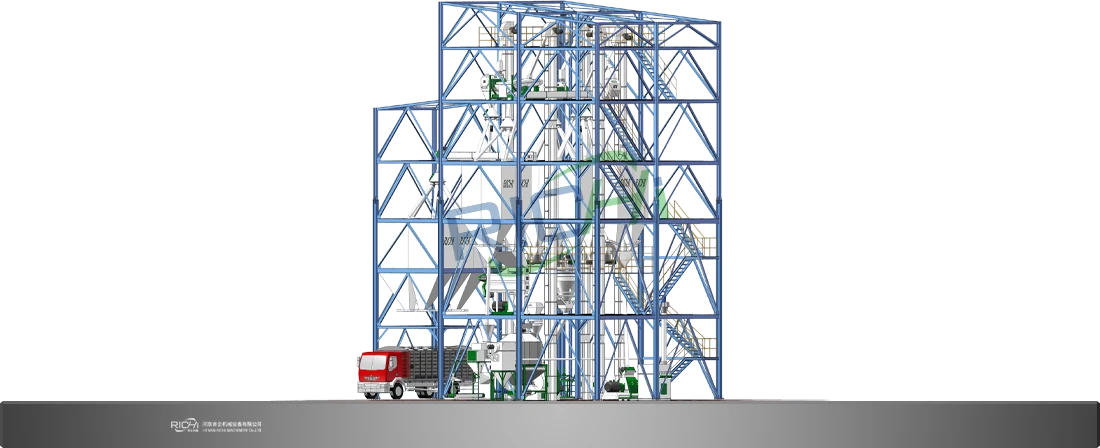
12-20 t/h feed preparation plant
Suitable for commercial factories supplying wider markets and operating longer production schedules with larger raw-material and finished-feed storage.
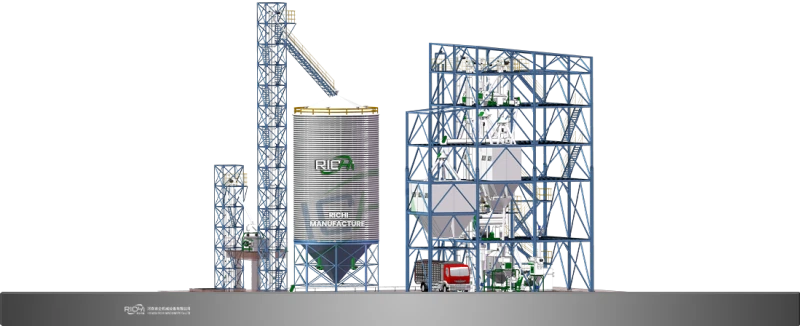
25-40 t/h feed pellet production line
For large regional manufacturers requiring high daily output, centralized material handling and more automated production management.
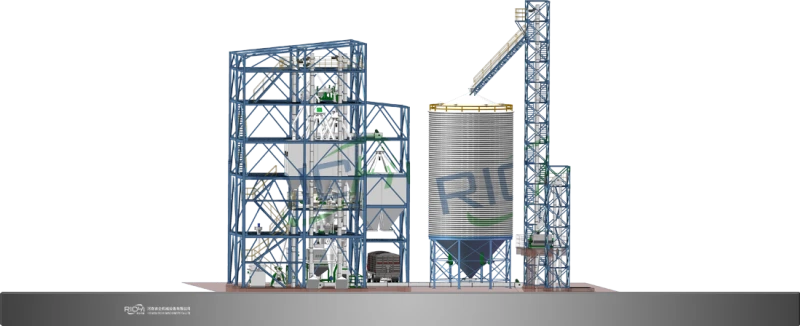
50-60 t/h commercial feed mill
Suited to large feed companies serving multiple sales regions with substantial storage, continuous production and higher logistics demand.
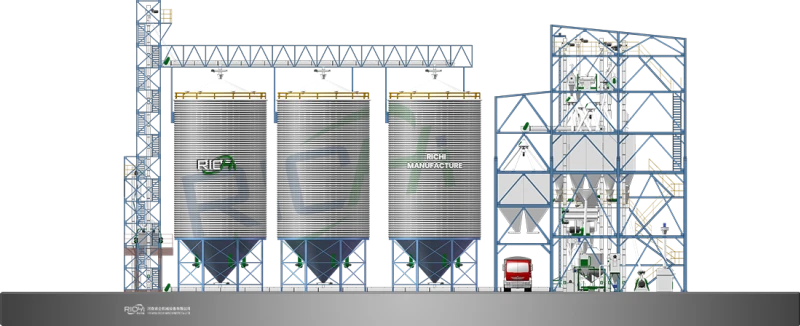
60-80t/h complete feed mill plant
Designed for large-scale operations where automation, production coordination and high-capacity material transfer become central design priorities.
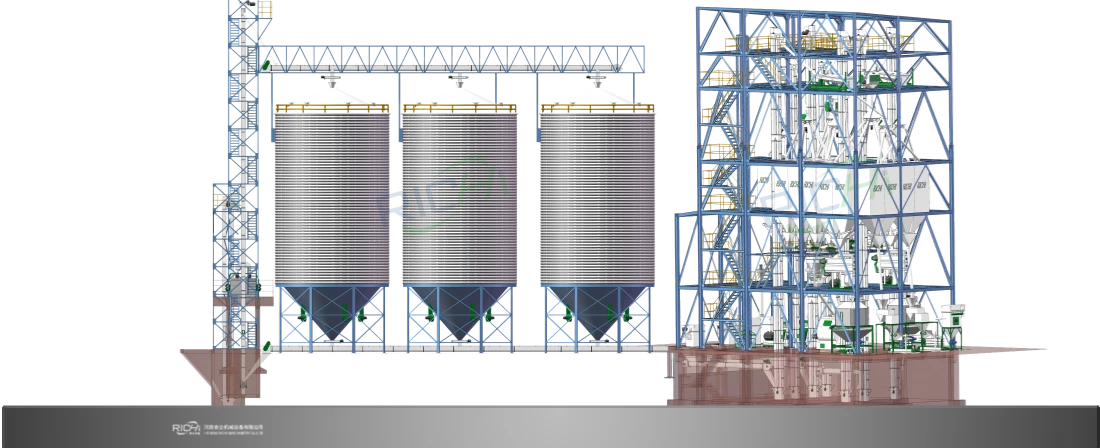
For major commercial producers requiring large storage systems, multiple production routes and coordinated finished-product dispatch.
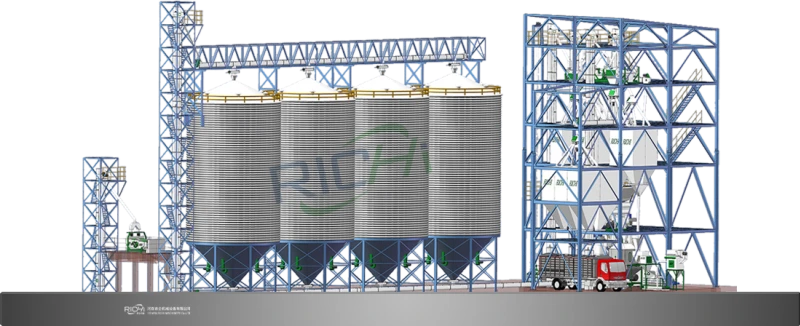
100-120 t/h feed mill engineering
Suitable for large feed groups and integrated livestock companies planning high-volume, multi-line production and regional-scale distribution.
Camel Feed Mill Investment Cost and Equipment Price
The cost of building a camel feed mill should be evaluated at two levels: the investment required to complete the whole feed factory and the price of individual processing machines. Equipment is only one part of total project CAPEX; buildings, storage, utilities, installation and logistics can also represent substantial investment.
Whole Manual/Automatic Camel Feed Mill plant set up investment : $10,000 – $30,000,000
Equipment Costs :
Bale Breaker / Forage Crusher :
$5,000–30,000
Hammer Mill :
$3,000–25,000
Camel Feed Mixer :
$4,000–30,000
Camel Feed Pellet Mill :
$7,000–100,000
Feed / Forage Dryer :
$20,000–150,000+
Camel Feed Pellet Cooler :
$4,000–25,000
Camel Feed Pellet Screener :
$2,000–15,000
Camel Feed Packing Machine :
$5,000–40,000
Conveying Equipment :
$2,000–30,000+
Electrical Control & Automation System Price :
$5,000-$100,000
The final equipment price depends on throughput, motor power, material condition, automation and required interfaces with the rest of the plant. For an existing factory, RICHI can also evaluate which machines can continue to be used before preparing the final camel feed mill price and equipment quotation.

Complete Services
As a camel feed mill manufacturer, RICHI supports customers beyond equipment supply. From early project planning to installation and production start-up, each service is coordinated around the customer’s formulas, production scale, existing facilities and future expansion plans.
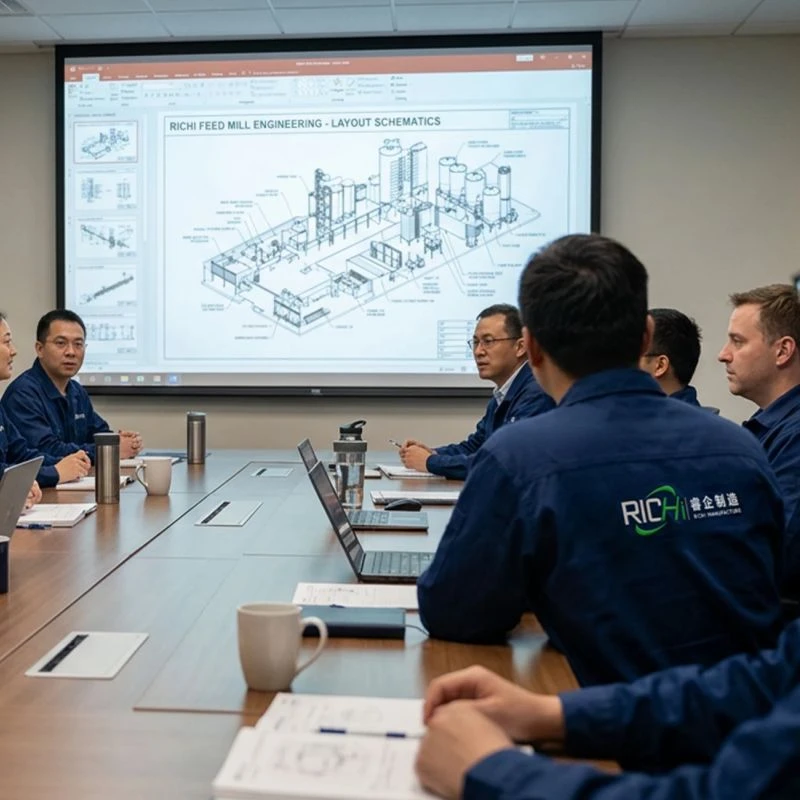
Feed Mill Design and Customization
RICHI develops process flow, equipment configuration, plant layout and utility interfaces according to capacity, raw materials, product range and workshop conditions. Existing buildings or usable equipment can also be incorporated into the new design.
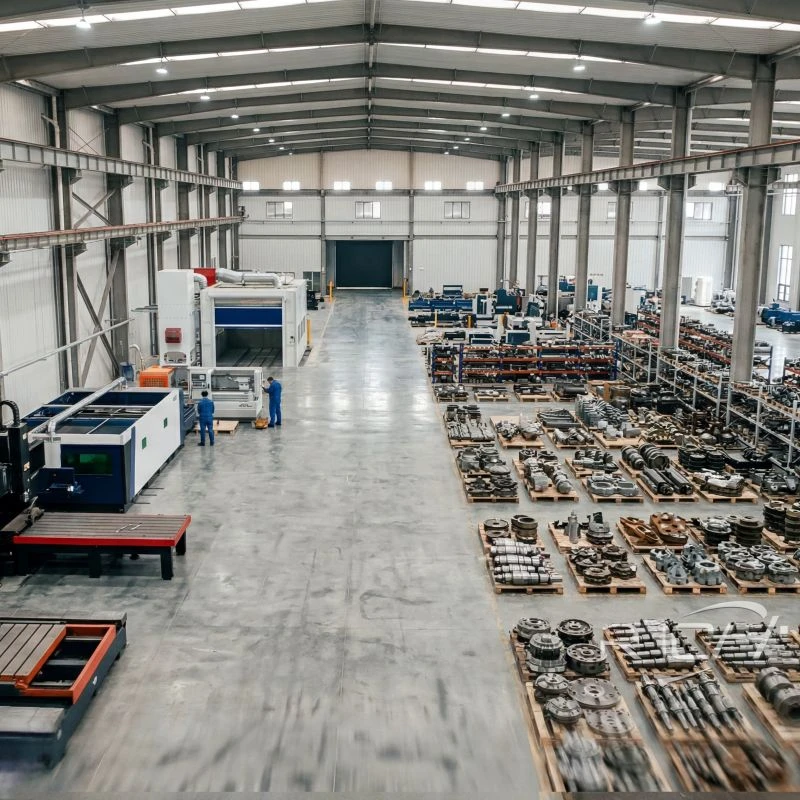
Equipment Manufacturing and System Integration
Machines, conveying systems, steel structures, electrical control and auxiliary equipment are coordinated as one production system. Key interfaces are checked before delivery so individual machines can be connected more efficiently during site installation.
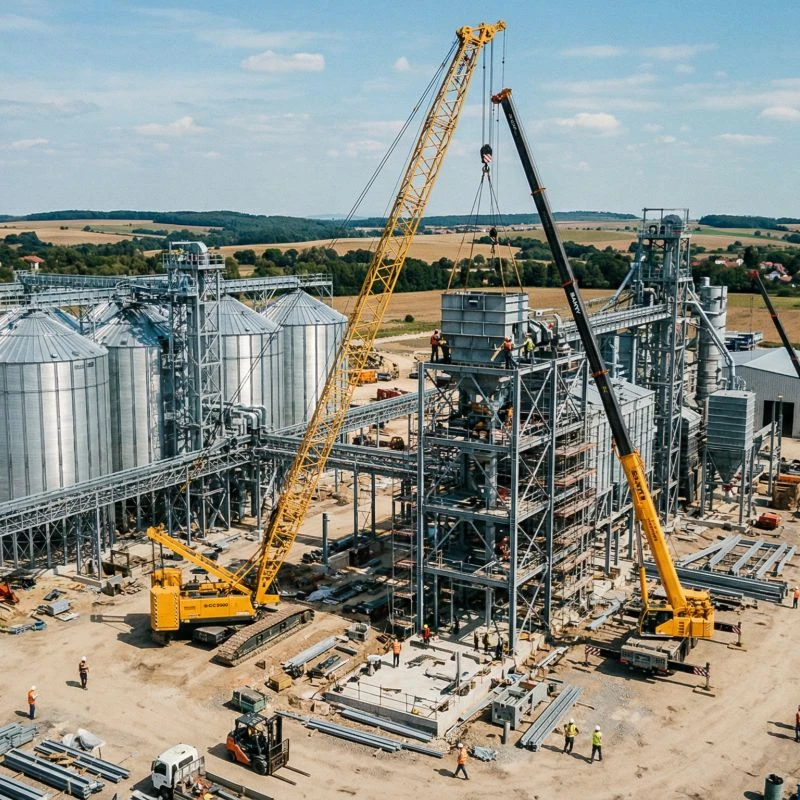
Installation Commissioning and Training
RICHI provides installation guidance, commissioning support and operator training according to the agreed project scope. Engineers help check equipment operation, production sequence and key processing parameters before the line enters regular production.

After-Sales and Lifecycle Support
After start-up, customers can receive technical support for operation, maintenance, spare parts, process adjustment and future capacity expansion. The goal is to keep the camel feed production line adaptable as formulas, products or production requirements change.
Free Support for Your Camel Feed Mill Project
Before a camel feed mill project is finalized, customers usually need to compare process routes, equipment configurations, plant layouts and investment options. RICHI provides a series of free preliminary services to help buyers define the project more clearly before equipment selection and quotation.

Free Preliminary Project Cost Estimate
Free Process Flow and Equipment Configuration Proposal
Free Plant Layout and 3D Planning Support
Free Civil and Steel-Structure Interface Drawings
Free Electrical and Control System Planning
Free Equipment Manuals and Technical Documentation
Free Remote Installation and Operation Guidance
Free Production Testing and Operator Training Support
Complete Equipment for Grass Feed Mill Production
RICHI supplies the complete camel feed mill equipment package for new plants, expansion projects and existing feed factory upgrades. Depending on the raw materials and finished products, the system can include bale breakers, forage choppers, hammer mills, cleaners, magnetic separators, batching and weighing systems, mixers, liquid addition systems, conditioners, camel feed pellet mills, coolers, screeners, dryers when required, silos, bins, conveyors, packing machines, dust collection and electrical control systems.
Each piece of camel feed production equipment is selected and matched as part of the complete line rather than treated as an isolated machine. From raw-material preparation to finished-feed packing, RICHI can configure the required camel feed processing equipment and supporting camel feed machinery around your actual capacity, formulas and existing factory conditions.

Forage/Straw Bale Breaker
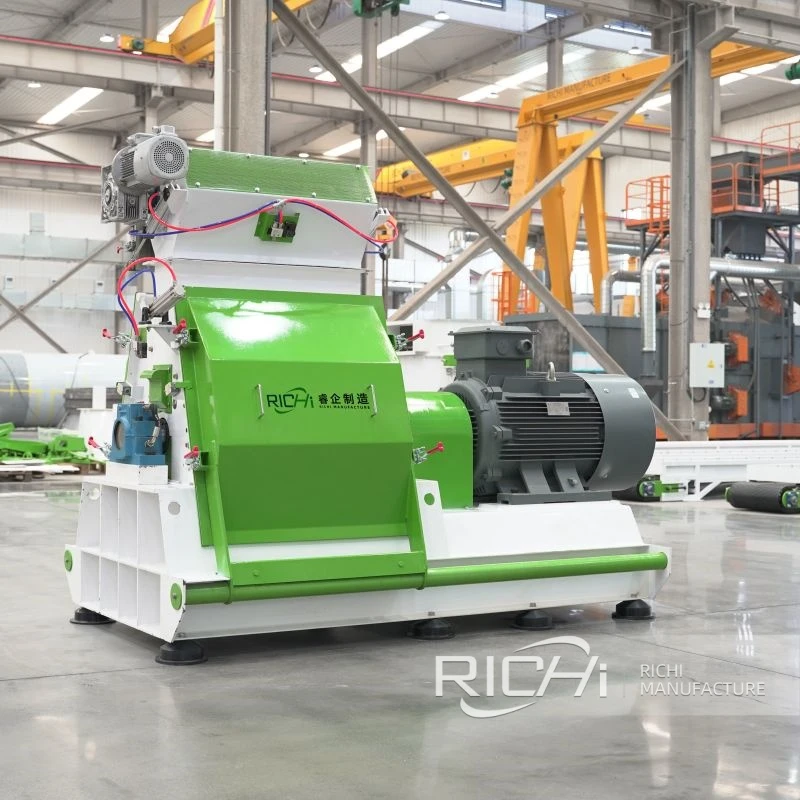

High-moisture raw materials Dryer
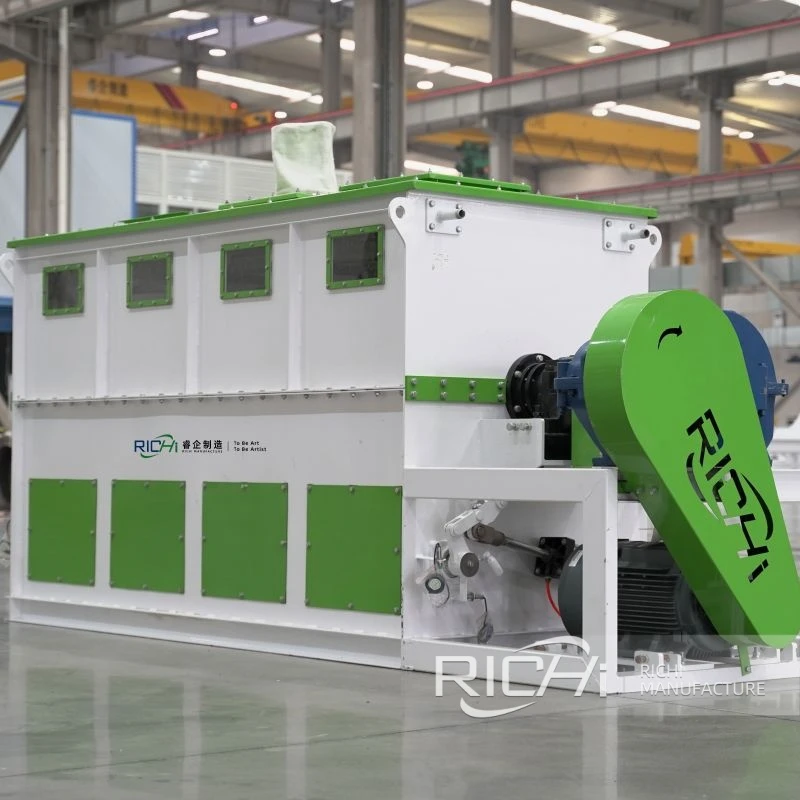

Molasses Mixer Machine

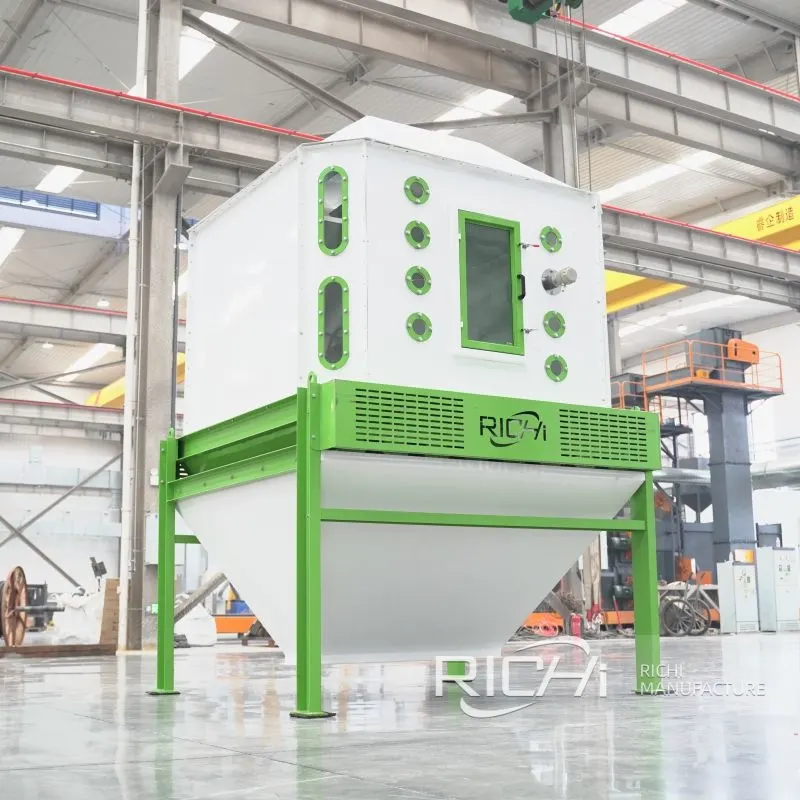
Camel Feed Pellet Machine
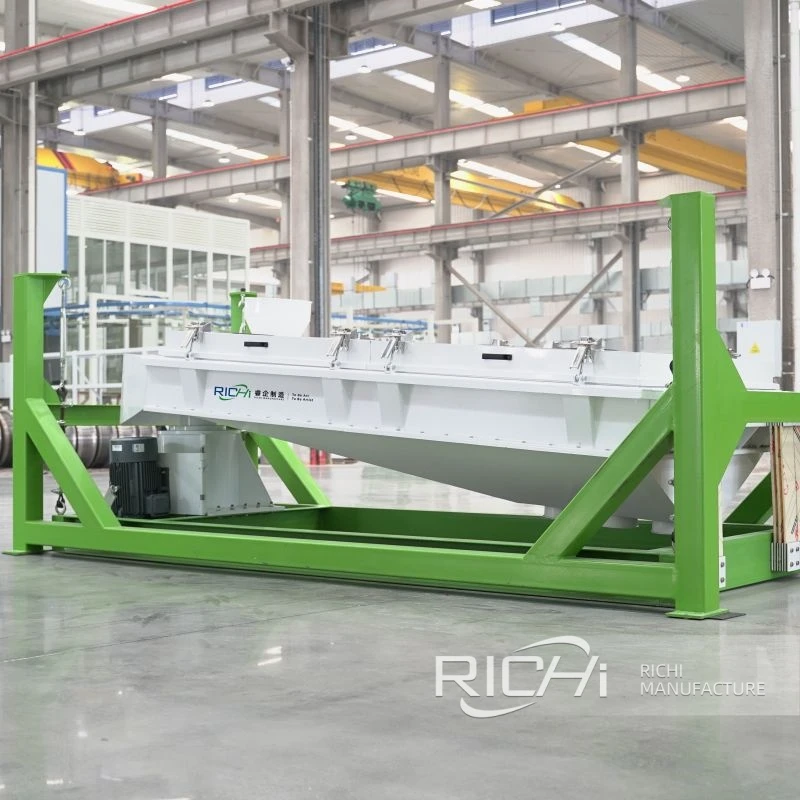
Camel Feed Screener Machine
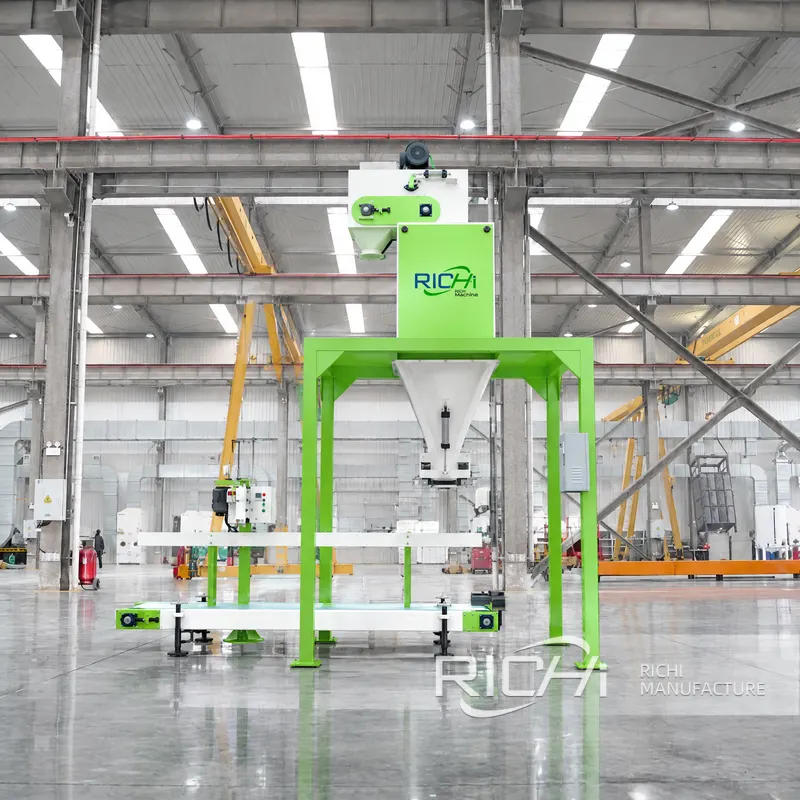
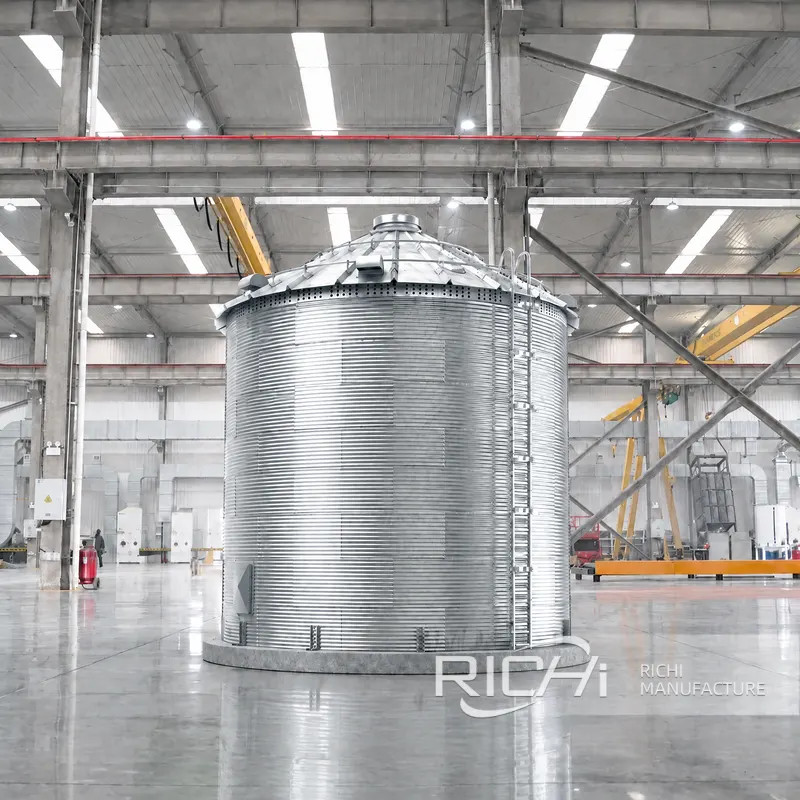
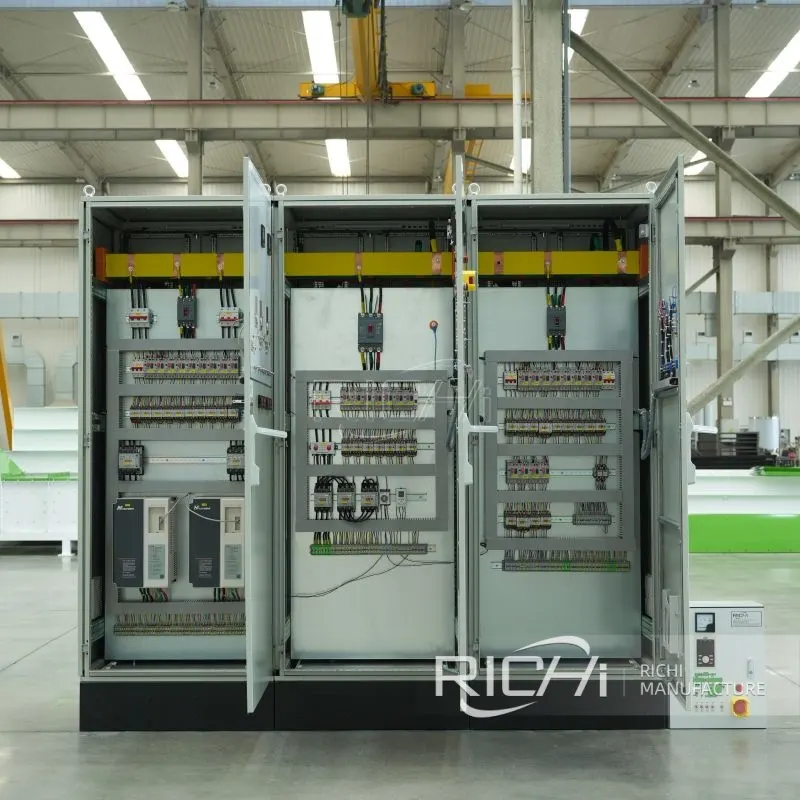
Electrical control cabinet
Explore the complete equipment range or send us your production requirements for a machine-by-machine recommendation..
Camel Feed Market Opportunities
Demand for commercial camel feed is concentrated in regions where camel farming, dairy production, breeding and racing are already established, especially across the Gulf, North and East Africa, and parts of South Asia. For investors, the stronger opportunity is usually not a single-product camel feed factory, but a flexible feed business that can supply camel formulas together with cattle, sheep, goat or other locally important livestock feeds.
A well-planned commercial camel feed production line can therefore serve several customer groups from one factory while reducing dependence on a single feed category. As farms move toward more consistent formulated feed and commercial producers expand their product ranges, a camel feed mill project can create additional value by combining regional raw materials, multiple formulas and scalable production within one manufacturing platform.
Explore My Feed Market Opportunity
Raw Materials and Formula Options
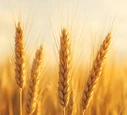
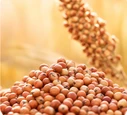
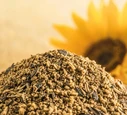
A camel feed manufacturing plant may process barley, corn, wheat, sorghum, bran, soybean meal, sunflower meal, cottonseed-derived feed ingredients, alfalfa meal, grass meal, beet pulp, soybean hulls, molasses, minerals and premix. The exact combination changes with local availability, feeding stage and product positioning, so grinding, batching, liquid addition and pelletizing requirements should be confirmed from the customer’s real formula rather than one universal Camel Feed recipe.
Corn

barley
wheat
sorghum

Bran
sunflower meal

premix

Dairy Camel Feed
Dairy formulas commonly combine energy ingredients, protein sources, digestible fiber, minerals and premix. A dairy camel feed production line may produce pellets or mash, with particular attention to accurate batching, liquid addition and repeatable small-ingredient dosing.
Dairy Camel Feed Solution

Camel Calf and Grower Feed
Young-animal formulas usually differ from adult maintenance feeds in ingredient selection, particle size and finished-feed specification. A camel calf feed production line can share the main factory system while using separate recipes and processing settings.
Camel Calf Feed Solution

Camel Breeder Feed
Breeding farms may require several formulas for maintenance, pregnancy and breeding management. A camel breeder feed production line therefore benefits from flexible batching and efficient formula changeover rather than a single permanently fixed product.
Camel Breeder Feed Solution

Racing Camel Feed
Racing feeds are generally produced in smaller, higher-value batches with greater emphasis on accurate micro-ingredient weighing and recipe control. A racing camel feed production line can be integrated into a larger multi-species factory without dedicating the entire plant to racing feed.
Racing Camel Feed Solution
Example Formula Structures
The following formulas are processing references only. They illustrate how different ingredient structures can affect grinding, batching, mixing, liquid addition and pelletizing; final nutritional formulations should be determined by the customer’s nutritionist and local feed regulations.
[Example 1] General Camel Compound Feed
Barley / Corn / Sorghum
35–50%
Wheat Bran
15–25%
Protein Meal
8–15%
Alfalfa / Forage Meal
10–20%
Molasses + Premix + Minerals
5–10%
…
…
[Example 2] Dairy Camel Feed
Barley / Corn
30–45%
Wheat Bran
15–25%
Soybean / Sunflower Meal
10–18%
Alfalfa Meal / Beet Pulp
15–25%
Molasses + Minerals + Premix
5–10%
…
…
[Example 3] Roughage-Rich Camel Feed
Alfalfa / Grass Meal
30–45%
Straw / Crop Residue Meal
10–20%
Barley / Corn / Sorghum
20–35%
Bran / Protein Meal
10–20%
Molasses + Premix + Minerals
5–10%
…
…
[Example 4] High-Energy Camel Feed
Barley / Corn / Oats
45–60%
Wheat Bran
10–20%
Protein Meal
10–18%
Beet Pulp / Soybean Hulls
8–15%
Molasses + Premix + Minerals
5–10%
…
…
Formula changes can alter actual line output, especially when forage content, molasses addition or ingredient bulk density changes significantly. RICHI therefore evaluates the customer’s real formula before finalizing equipment size and camel feed making plant configuration.
Camel Feed Mill Faqs
What Information Do I Need for an Accurate Camel Feed Mill Design?
+
You do not need to have every technical detail finalized before contacting RICHI. To develop a practical camel feed mill proposal, however, we need enough information to understand what will enter the factory, what products must leave it, and what conditions the equipment must work within. This is what separates a usable engineering proposal from a generic machine list.
| Information We Need | What to Confirm | Why It Matters |
|---|---|---|
| Target Capacity | Required T/H, working hours and future expansion | Determines equipment sizing and reserve capacity |
| Feed Products | Pellet, mash, dairy camel, breeder, racing or other livestock feeds | Defines the required process routes and finished-product handling |
| Raw Materials | Grain, bran, meals, hay, straw, beet pulp, molasses and other ingredients | Determines receiving, crushing, grinding and dosing systems |
| Material Condition | Bale, loose forage, meal, particle size and moisture | Decides whether breaking, chopping, drying or additional grinding is required |
| Existing Equipment | Pellet mill, hammer mill, mixer, silos, packing or grain system | Helps us reuse suitable machines instead of duplicating investment |
| Factory Conditions | Available land, workshop dimensions, height and power supply | Affects layout, conveying method, steel structure and installation |
| Product Schedule | Number of formulas, batch size and daily SKU changes | Influences batching, storage, automation and cleaning arrangements |
| Packing & Dispatch | Bag size, manual/automatic packing or bulk delivery | Determines finished-product bins and dispatch configuration |
For a complete camel feed mill, it is also important to tell us which other animal feeds will share the plant. A factory producing camel, cattle, sheep and goat feeds needs different storage, recipe management and production scheduling from a small farm line producing only a few batches each day.
If the formula has not been finalized, send us the raw-material list, approximate inclusion ranges, target feed products and expected capacity first. Our engineers can use these details to compare suitable process routes, identify unnecessary equipment and prepare the initial camel feed manufacturing system and budget. Once the formula and site data are confirmed, the proposal can then be refined into equipment specifications, layout and project quotation.
What capacity camel feed mill should I choose for my project?
+
Choose capacity from your total daily feed sales or consumption, not from the number of camels alone. A farm or local supplier may start at 0.5–2 T/H, while a commercial factory producing camel, cattle, sheep and goat feeds may need 3–20 T/H or more. Working hours, formula mix and future sales should all be included before sizing the line.
Does it make sense to build a factory only for camel feed?
+
Usually not for a commercial feed manufacturer. A camel feed plant is more commonly designed to produce camel feed together with cattle, sheep, goat, buffalo or other locally demanded feeds, which improves equipment utilization and gives the factory a broader customer base. Dedicated Camel Feed lines are more realistic for specialized farms, dairy operations or racing-feed businesses.
Is a 0.5–2 T/H camel feed line large enough for commercial sales?
+
Yes, 0.5–2 T/H can be commercially viable when the target market is local and the daily production schedule is realistic. Small producers in Oman, Somalia, Mauritania or farm-linked projects may not need a large factory initially. The important point is to design storage, batching and packing so the line can handle several products efficiently.
Would a 10 T/H or larger factory normally produce only camel feed?
+
No. A 10 T/H or larger commercial camel feed production line should normally be treated as part of a multi-species feed factory. Camel formulas may be one important product family, but cattle, sheep, goat or other livestock feeds usually provide additional production volume and make better use of large grinding, batching, pelleting and packing systems.
Should I produce camel pellets or coarse mash feed?
+
Choose the product form according to your customers and feeding practice. A camel mash feed production line can stop after grinding, batching and mixing, while pellet production requires conditioning, pelleting, cooling and screening. Some factories produce both, using the same upstream system and allowing part of the mixed feed to bypass the pellet section.
Do I need an extruder to make camel feed?
+
Normally no. Conventional camel compound pellets are generally produced with a ring-die feed pellet mill; extrusion should only be selected when the required product specifically needs it. For example, RICHI’s confirmed 1 T/H Qatar camel-and-pigeon project uses a dry extruder, but that special process should not be copied into every Camel Feed project.
What pellet diameter should a camel feed pellet mill produce?
+
Adult camel compound feed is often planned around approximately 6–8 mm pellets, but the diameter should not be fixed before the product requirement is confirmed. Dairy, young-stock, specialty and multi-species products may require different dies. RICHI selects the camel feed pellet mill die according to the customer’s actual finished-feed specification.
Can one production line make dairy, calf, breeder and racing camel feed?
+
Yes. One camel feed production line can manufacture several Camel Feed categories by changing recipes, ingredient proportions and processing settings. Dairy, calf, breeder, maintenance and racing products do not require separate factories, but enough ingredient bins, accurate weighing and practical formula-change procedures should be included when many SKUs are planned.
Can the same line produce both camel pellets and camel mash?
+
Yes. The usual approach is to share receiving, grinding, batching and mixing, then provide a bypass route for mash feed while pellet products continue to conditioning, pelleting, cooling and screening. This is often more economical than building two independent lines when the same feed factory sells both product forms.
Why does actual output change when I change my camel feed formula?
+
Because fiber level, bulk density, moisture, fat or molasses addition and grinding requirements directly affect throughput. A grain-rich formula and a high-forage formula will not necessarily achieve the same T/H on identical equipment. For this reason, RICHI confirms the main formula ranges before guaranteeing practical camel feed manufacturing line capacity.
My main raw material is round hay bales. What equipment do I need first?
+
You normally need bale breaking or coarse size reduction before fine grinding. Large round or rectangular bales cannot be fed directly into an ordinary hammer mill reliably. A forage-heavy camel feed processing line may therefore start with bale breaking, followed by further crushing or grinding before the material enters batching, mixing or pelleting.
My hay has already been removed from the bale. Do I still need a bale breaker?
+
No. If the forage arrives loose and can feed reliably into the next machine, the bale-breaking stage can be removed. Depending on stem length, you may only need chopping or fine grinding. Removing unnecessary equipment reduces capital cost, floor-space demand and power consumption without changing the required finished-feed quality.
My fresh forage contains 50–60% moisture. Can I pellet it directly?
+
No, not in a conventional dry compound-feed pellet line. High-moisture forage normally needs chopping or size reduction followed by drying before stable storage and pellet production. Dryer capacity must be calculated from incoming moisture, target moisture and hourly wet-material flow rather than simply matching the nominal pellet-line capacity.
Do I still need a dryer if my hay or straw is already dry?
+
Usually no. Dry hay, straw or crop residues that already meet the required processing moisture should not be dried again simply because they are fibrous materials. A properly designed camel feed making line adds drying only when actual incoming moisture requires it, which avoids unnecessary fuel use and investment.
Can crop straw be used in camel feed production?
+
Yes, suitable crop straw can be processed as a fibrous ingredient when it fits the customer’s nutritional formula and local feed regulations. Long straw normally needs chopping and further size reduction before mixing. Its proportion affects bulk density, grinding load and pellet output, so a high-straw formula should be tested separately from a grain-dominant feed.
Can I use sugarcane bagasse in a camel feed plant?
+
Yes, but bagasse requires careful evaluation before the line is designed. Fresh bagasse can have very high moisture and a highly fibrous structure, so crushing and drying may be necessary before mixing. Its usable inclusion rate should be decided by the customer’s nutritionist; the equipment manufacturer should not assume an arbitrary high percentage simply because bagasse is locally abundant.
Can wet beet pulp be processed into camel and cattle feed?
+
Yes. Wet beet pulp can be an appropriate feed ingredient, but its high incoming moisture often makes drying the main engineering issue. A camel feed pellet production line using wet beet pulp may require crushing, drying and temporary storage before the material is mixed with grain, protein ingredients, minerals and premix.
Can date processing by-products be used in camel feed?
+
Potentially yes, if the specific material is feed-safe and its moisture, sugar, fiber and contamination risks have been checked. Date-processing residues vary greatly between factories, so RICHI first needs to know whether the material is whole dates, pulp, pits or another fraction before choosing grinding, drying or dosing equipment.
Can I add molasses to camel compound feed?
+
Yes. Molasses can be added when it is part of the approved formula, but it requires a suitable storage, heating or transfer arrangement and controlled liquid dosing into the mixer. High liquid addition can affect mixing, conveying and pelleting, so the required percentage should be confirmed before the camel compound feed production line is finalized.
Can cottonseed meal or sunflower meal be used in my formulas?
+
Yes, both are used as protein-feed ingredients in livestock markets where they are available, but inclusion rates must follow the customer’s nutritional formulation and feed-safety requirements. Pakistan, Sudan, Kenya and other agricultural markets may use locally available oilseed meals, while the production equipment mainly needs to accommodate their particle size, flowability and storage characteristics.
We have cheap local agricultural by-products. Can you design the line around them?
+
Yes, but availability alone is not enough to approve a material for feed production. First confirm feed safety, moisture, contaminants, nutritional value, consistency of supply and allowable inclusion rate. Once those are known, RICHI can determine whether the camel feed processing equipment needs drying, special grinding, liquid handling or different storage.
Our grain is already ground. Do we need another hammer mill?
+
Not necessarily. If particle size, cleanliness and production capacity of the existing ground grain meet the new formulas, the grain-grinding section can be omitted. The new line can receive pre-ground grain directly into storage, batching or mixing, reducing duplicate investment and simplifying the complete camel feed production line.
I already own a pellet mill. Can I build the new line around it?
+
Yes. RICHI can evaluate the existing pellet mill’s capacity, die specification, motor power and condition and then design the new grinding, batching, mixing, cooling or packing sections around it. Reusing a suitable existing machine is often better than selling the customer another pellet mill that provides no practical benefit.
Can I keep my existing hammer mill, silos or packing machine?
+
Yes, if their capacity and interfaces match the new production plan. Before designing an expansion, provide model, power, dimensions, inlet/outlet sizes and current performance of the existing machines. A camel feed mill project can then be configured around usable assets instead of automatically replacing the entire factory.
Can an existing cattle feed factory be upgraded to produce camel feed?
+
Yes. In many cases Camel Feed can be added to an existing cattle, sheep or goat factory without rebuilding the complete plant. The main checks are ingredient storage, formula accuracy, pellet specification, roughage handling, small-ingredient dosing and production scheduling. Additional equipment is installed only where the new products actually require it.
How do I avoid cross-contamination when different animal feeds share one line?
+
Control it through production sequencing, bin management, flushing or cleaning procedures and, where necessary, dedicated ingredient or conveying routes. The required level depends on the formulas and local feed regulations. Multi-species plants should consider changeover during layout design rather than waiting until production starts.
Do I need a micro-ingredient dosing system?
+
You need one when vitamins, minerals or other low-inclusion ingredients must be weighed more accurately than manual addition can reliably provide. Small commercial plants may use controlled manual addition, while larger automatic camel feed production lines commonly benefit from dedicated micro-dosing to improve repeatability across many formulas.
How accurate does the batching system need to be?
+
Accuracy should match the ingredient inclusion level and batch size. Major grains and forage materials can use larger weighing systems, while premix and other low-dose ingredients require finer control. RICHI therefore does not size every ingredient scale the same way; large and small components are handled according to their actual dosing range.
Do I need a liquid addition system?
+
Only if the formulas include molasses, oil or other liquid ingredients. The system may include tanks, pumps, heating where necessary, metering and spray distribution in the mixer. A factory producing only dry formulas should not pay for a liquid system it does not need.
How fast can the factory switch from cattle feed to camel feed?
+
The changeover time depends on storage arrangement, batch size, conveying route and cleaning requirements. A plant designed from the start for multiple formulas can switch much more efficiently than a single-product layout. Tell RICHI how many SKUs you expect per day so bin capacity and production scheduling can be designed accordingly.
How many raw-material silos or bins do I need?
+
The number depends on how many ingredients are used frequently and how much stock you want to hold. High-volume grain ingredients often justify larger silos, while protein meals, bran, forage meal and minor ingredients may use smaller bins or warehouse feeding. More bins improve flexibility but also increase investment and building size.
Can the same factory pack 25 kg, 40 kg and 50 kg feed bags?
+
Yes, provided the selected packing machine supports the required weighing range and bag type. Commercial camel feed pellet making plants can also combine bagging with bulk dispatch. The packing system should be chosen from actual sales channels rather than automatically specifying the most automated option.
How much electrical power will my camel feed factory need?
+
It cannot be calculated accurately from T/H alone. Grinding intensity, forage preparation, pellet mill size, drying, conveying distance and automation all affect connected load. RICHI prepares the motor list after the process configuration is fixed so the customer can size transformers, cables and local electrical infrastructure correctly.
Does every camel feed pellet line need a boiler?
+
No. A steam system is required only when the selected conditioning and pelleting process uses steam. Mash lines do not need it, and some special processes follow different forming routes. For conventional conditioned compound pellets, boiler or steam-source requirements are determined after pellet capacity and conditioning demand are confirmed.
Does a camel feed mill use a lot of water?
+
Usually the main process is not a high-water-consumption operation. Water demand is mainly associated with steam generation, cleaning, staff facilities and certain utility systems rather than continuously washing feed through the process. The exact requirement depends on whether the project includes steam conditioning, wet-material handling or other special sections.
What dust-control system does a feed factory need?
+
Dust collection should be installed at the actual dust-generation points, especially receiving, grinding, transfer, screening and packing. The number and size of filters depend on the process and plant layout. A good camel feed manufacturing plant should control dust locally rather than relying on one oversized collector for the entire factory.
Does extreme Gulf heat change the feed mill design?
+
Yes, mainly in storage, electrical protection, ventilation and finished-feed handling rather than the basic feed process. Saudi Arabia, UAE, Oman, Qatar, Kuwait and Bahrain projects may require closer attention to high ambient temperature, silo exposure, control-room cooling and storage conditions for premix, vitamins and finished feed.
What changes if the factory is in a humid or coastal location?
+
Moisture protection becomes more important for stored ingredients, finished pellets and electrical systems. Coastal projects should consider warehouse ventilation, condensation, corrosion exposure and shorter storage turnover where necessary. The production line itself may be similar, but storage and material-handling details should reflect the local climate.
My existing workshop is low and narrow. Can the line still fit?
+
Usually yes, but the layout may need more horizontal conveying and fewer gravity-fed floors. RICHI can redesign equipment positions, elevators, conveyors, bins and maintenance access around the available height. A retrofit camel feed mill plant should fit the building rather than forcing the customer to rebuild a usable workshop unnecessarily.
Should I choose manual, semi-automatic or fully automatic production?
+
Choose automation according to capacity, labor cost, number of formulas and required traceability. A small 0.5–2 T/H plant can remain relatively simple, while a 10–20 T/H commercial factory normally benefits much more from automatic batching, recipe control and coordinated material routing. More automation is useful only when it solves a real operating requirement.
How many workers are required to operate a camel feed line?
+
The number depends much more on automation and packing method than on Camel Feed itself. A compact semi-automatic factory needs operators for feeding, batching, packing and material movement, while a highly automated plant can handle much higher output with a leaner operating team. Local labor practices should be considered during design.
Will RICHI install and commission the complete camel feed production line?
+
Yes, installation guidance and commissioning support can be included according to the agreed project scope. Before site work begins, the customer receives the required equipment, layout and interface information so foundations, utilities and erection work can be coordinated. Operator training and production adjustment can also be included during commissioning.
Can you deliver a feed mill to landlocked countries such as Ethiopia, Chad, Niger or Mali?
+
Yes. Equipment can be shipped through a suitable regional seaport and then transported inland by road or other available logistics. For landlocked projects, container quantity, oversized components, inland transport limits and site unloading should be considered early so the plant is not designed around equipment that becomes unnecessarily difficult to transport.
What spare parts should I prepare before starting production?
+
Prepare routine wear parts for the machines that operate continuously, especially the animal feed pellet mill, hammer mill and conveying equipment. Exact spare-part lists depend on the final configuration. RICHI can provide recommended commissioning and operating spares so customers do not need to guess which parts are critical for their specific camel feed machinery package.
How much does a complete camel feed mill cost?
+
A camel feed mill price can range from roughly USD 10,000 for a very small, simple machinery package to more than USD 3 million for a large automated feed factory. Capacity, forage processing, drying, storage, automation and packing have the biggest impact. Civil works, utilities, freight, installation and local site costs should be budgeted separately from the machinery quotation.
What information should I send to get an accurate quotation?
+
Send the target T/H, raw-material list and form, approximate formula ratios, incoming moisture, required feed products, working hours, available workshop dimensions, existing equipment and preferred packing method. With these inputs, RICHI can prepare a much more accurate camel feed production line cost and configuration than a quotation based only on capacity.
Can I start small and expand the feed mill later?
+
Yes, provided expansion is considered in the first layout. Space can be reserved for additional silos, a larger packing section, another animal feed granulator or extra ingredient handling. Designing future interfaces at the beginning is much less disruptive than trying to insert major equipment into a factory that was planned with no expansion space.
What type of camel feed projects are most relevant in Saudi Arabia, UAE, Oman, Qatar, Kuwait and Bahrain?
+
Flexible commercial feed plants are usually more practical than Camel-only factories in the Gulf. These markets may require dairy, breeding, maintenance or racing Camel Feed alongside cattle, sheep, goat, horse or poultry products. Barley, maize, bran, alfalfa and other forage ingredients are common considerations, while higher automation and formula control are often important for commercial production.
How should projects differ across Somalia, Sudan, Ethiopia, Kenya, Djibouti, Egypt, Mauritania, Morocco, Algeria, Tunisia, Libya, Chad, Niger and Mali?
+
They should be designed around local feed availability and business scale rather than copying a Gulf factory. East, North and Sahel African projects may rely more heavily on sorghum or maize, cereal brans, oilseed meals, dry forage, crop residues and other locally available materials. Smaller regional camel feed plants may prioritize material flexibility and simple operation over very high automation.
Can the same camel feed mill concept be used in Pakistan, India, Afghanistan, Iran, Iraq, Jordan, Yemen, Kazakhstan, Mongolia or China?
+
Yes, but the raw materials and production targets must be localized. Pakistan and India may combine camel feed with cattle, buffalo, sheep or goat products; Central Asian and Chinese Bactrian-camel projects may use different forage systems and colder-climate storage conditions. The correct approach is to retain the feed-processing principles while redesigning ingredient handling, formula management and plant configuration for each market.