0086 138 3838 9622
2–3 T/H biomass pelletizing plant in Cameroon
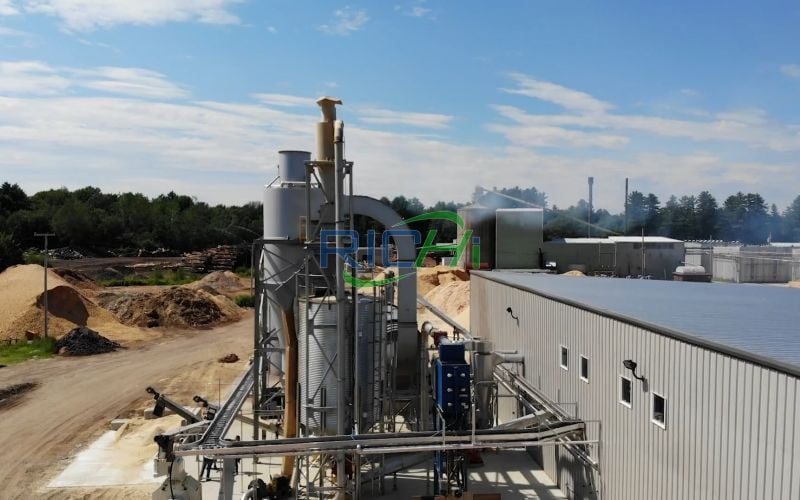
An agricultural company added a fuel-pellet operation inside an existing Cameroonian factory. Wood residues and crop straw used preparation routes suited to their incoming form, then fed one main pellet press, followed by cooling and a single packing station.
RICHI МАШИНИ
Wood residues and straw processed in one existing factory
The biomass pelletizing plant in Cameroon was completed for an agricultural company with an annual programme of 5,000 tonnes of biomass fuel pellets. Its 2–3 T/H project class combined two-stage material preparation with one MZLH678 forming machine.
The owner used existing factory accommodation for the new production operation. The 480 m² workshop included raw-material holding, size reduction, screening, pellet production, packing and finished-product holding. An adjacent office served the business.
The processing route accepted wood residues, suitable sawdust and crop straw. These materials differed in size and fibre structure, so preparation began with their actual delivery form. Fine material avoided unnecessary coarse reduction; larger pieces followed the first crushing stage.
RICHI arranged one 200 kW MZLH678 biomass press for the required output. Its 2.5–3 T/H machine capacity served the annual production task within the single-shift calendar. The press worked with one cooling route and one weighing-and-packing station.
The project investment was concentrated on equipment installation and use of the existing building. The forming and finishing stages occupied one connected workshop route. Preparation, controlled feed and finished-product handling served the one main forming position.
Fuel production followed the condition of the prepared biomass. Feed was reduced to a consistent particle range and admitted to forming at the selected moisture condition. The dry-material route connected preparation directly with pelletizing, cooling and packing.
| Material-control point | Избрано изискване | Производствен ефект |
|---|---|---|
| Prepared straw moisture | 14–16% operating target | Control forming condition |
| Dry-route feed admission | No more than 20% water | Exclude unsuitable wet feed |
| Feed particle condition | Match the die and recipe | Maintain continuous press loading |
| Cooling before packing | Release cooled accepted pellets | Prepare product for storage |
The project employed six people and operated eight hours per day on 300 working days annually. Food and accommodation were outside the site staffing provision. The production calendar therefore contained 2,400 scheduled hours.
| Single-shift production measure | Изчислена стойност | Значение |
|---|---|---|
| Планирано работно време | 2,400 часа / година | Осем часа за 300 дни |
| При производствен капацитет от 2 тона/час | 4,800 XNUMX тона/година | Под годишната програма |
| При производствен капацитет от 2.5 тона/час | 2,000 продуктивни часа | За 45 000 тона |
| Time outside that case | 400 часа | Within the working calendar |
The annual target needed an average accepted-product rate of about 2,083 kg per scheduled hour. Selecting the MZLH678 gave the forming stage more capacity than a single 1.5–2 T/H machine. The 2.5 T/H product case also left time for servicing, changes and routine interruptions.
2–3 т/ч
производствен капацитет
US $ 160,000
инвестиции в проекта
Камерун
място
Пелети от биомаса за гориво
тип на проекта
RICHI МАШИНИ
Assigning the 480 m² workshop to the material route
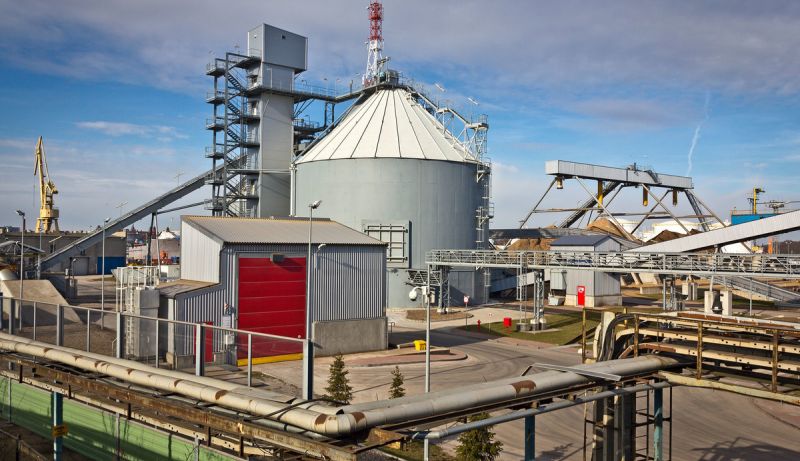
- инсталация за пелети от биомаса used an existing enclosed steel-and-concrete workshop. Its 480 m² processing and holding space carried the route from raw-material receiving to packed fuel. The office accommodation was beside the factory rather than another production bay.
Keeping machinery and stock functions distinct
The 480 m² workshop accommodated both machinery and material holding. Raw materials were staged ahead of preparation, while packed fuel occupied the finished-product area. Stock movement and machine access shared the existing production floor.
The adjacent two-storey office served administration. Workshop staff handled receiving, machine feeding and packed-product movement inside the production route. This arrangement kept office activity separate from processing and stock handling.
| Фабрично пространство | Район | употреба |
|---|---|---|
| Съществуваща работилница | 480 м² | Processing and material holding |
| Adjacent office accommodation | Около 60 м² | Two-storey office building |
| Съхранение на суровини | В рамките на работилницата | Receive and stage feed |
| Съхранение на готова продукция | В рамките на работилницата | Hold packed dispatch lots |
RICHI МАШИНИ
Two preparation stages feeding one main pellet press
The first size-reduction stage handled larger wood and long fibrous material. The second prepared a finer feed for forming. One main press then served the combined line, with downstream cooling and packing sized for the same production task.
Why this output used one MZLH678
The MZLH678 belongs to RICHI’s biomass-fuel machine range. Its 200 kW main drive and 2.5–3 T/H capacity matched the selected production duty. One machine supplied the required forming capacity without dividing the task across two smaller presses.
This selection also defined the finishing arrangement. One cooling unit handled the hot pellets and one packing station weighed the accepted product. Four process belts linked the principal transfers; their functions were material movement, not additional forming capacity.
| Граница на оразмеряване | Дежурство по оборудването | Matching point |
|---|---|---|
| Before the press | Prepare material continuously | One main forming position |
| Main forming | MZLH678 at 2.5–3 T/H | Главен двигател 200 kW |
| After forming | Cool the hot pellets | Match the press discharge |
| Final product handling | One packing station | Serve combined accepted output |
| Основно технологично оборудване | Количество | Производствено мито |
|---|---|---|
| Шредер за биомаса | 1 | Reduce coarse wood and straw |
| Чук мелница | 1 | Prepare forming feed |
| Preparation screen | 1 | Separate unsuitable particle sizes |
| Process belt conveyors | 4 | Connect production stages |
| Мелница за пелети от биомаса | 1 | MZLH678 with 200 kW drive |
| Довършително оборудване | Количество | Производствено мито |
|---|---|---|
| Pellet cooling unit | 1 | Cool newly formed pellets |
| Weighing-and-packing station | 1 | Pack accepted fuel product |
RICHI МАШИНИ
Raw-material form and the prepared-feed condition
- инсталация за пелетизиране на биомаса in Cameroon processed wood-derived material and crop straw. Receiving separated the feed by form and condition before it entered the appropriate preparation point. The material account distinguished gross deliveries, prepared press feed and accepted bagged fuel.
Keep wood and straw identifiable at receiving
The wood stream was limited to suitable biomass material for the fuel recipe. Coated or bonded timber and foreign objects were kept out of the accepted feed. The straw stream was opened and checked before preparation, with bale ties removed ahead of the cutters.
Straw identity remained part of the fuel offered to the customer. The product specification therefore addressed the intended boiler or other pellet-burning equipment, including ash behaviour, rather than describing the mixed material as a pure-wood product.
Measure feed after preparation rather than at delivery
Receiving weight included the material’s existing water and anything subsequently removed during preparation. The press received a different material stream: screened and prepared biomass at the selected feed condition. Using these separate points kept the line’s tonnage account meaningful.
| Material-account entry | Точка на измерване | лечение |
|---|---|---|
| Purchased biomass | получаване | Record delivered material |
| Приготвена храна | After preparation | Record material to forming |
| Recoverable fines | Internal return point | Keep inside the process account |
| Accepted fuel pellets | After cooling and packing | Count finished output |
| Incoming material form | Preparation entry | Получаване на фокус |
|---|---|---|
| Wood offcuts and coarse pieces | Primary reduction then fine grinding | Size and foreign objects |
| Подходящи дървени стърготини | Fine preparation or screened feed | Particles and moisture |
| Long or compressed crop straw | Fibre reduction then fine grinding | Ties and fibre length |
The finished annual programme was 5,000 tonnes. Raw-material purchases were managed on their receiving weights, while press feeding used prepared material after sorting and moisture control. Water, removed foreign material and stock movements belonged to the receiving-to-product account.
Recovered process fines stayed inside the line. Refeeding them did not increase purchased raw-material consumption or the accepted-product total. Recording the preparation and product boundaries separately kept repeated circulation from inflating annual tonnage.
RICHI МАШИНИ
From receiving to cooling and packed-product dispatch
The project used the existing factory and concentrated installation work indoors. Machinery and material-holding areas occupied the 480 m² workshop. The production arrangement made use of that space for a connected preparation and finishing route.
Within the factory, material moved from north to south through raw holding, preparation, pellet production, packing and finished-product holding. The separate office supported administration. This layout kept production travel aligned with the order of processing.
Оборудването на линия за производство на пелети от биомаса followed the material flow. Prepared feed supplied the single press; formed pellets moved through cooling to packing. Suitable internal fines returned to preparation without becoming another purchased raw-material entry.
Each transfer had a specific purpose: present the right material to the next machine and keep the accepted product moving toward dispatch. The two preparation stages controlled feed form, while the cooler and packing station handled the resulting pellets.
Prepare fibres and particles before the ring die
The first machine reduced the size of coarse incoming material. The fine grinder then controlled the particle condition required by the press. The two machines performed successive preparation duties, while already fine material entered at the point appropriate to its condition.
Wood offcuts and coarse straw entered initial size reduction. The following grinder prepared the particles for screening and forming. Suitable sawdust entered farther along the preparation route, according to its particle size and condition, avoiding a full coarse-reduction pass.
Screen feed and load the single main press
The preparation screen separated material outside the selected feed condition. Suitable recoverable oversize returned to preparation. Controlled feeding delivered accepted material to the ring die, where roller pressure formed the fuel pellets.
Cool before weighing and bagging
The cooling stage followed forming and preceded enclosure in bags. Product handling separated loose recoverable material from the accepted pellets. Cooled product then entered weighing and packing, keeping heat removal and bag filling as separate operations.
Check the product offered for dispatch
Dispatch checks covered the declared raw materials, product size, moisture and handling condition. Fuel analysis followed the agreed sales specification. The relevant ash and combustion characteristics mattered when matching this wood-and-straw product to the buyer’s equipment.
| Проверка за изпращане | Customer relevance |
|---|---|
| Declared biomass blend | Identify the supplied fuel |
| Moisture and pellet dimensions | Match the fuel-feeding requirement |
| Loose fines and pellet integrity | Control bag-handling quality |
| Ash and combustion characteristics | Suit the intended heat application |
| Packed lot quantity | Reconcile finished-product dispatch |
Screened feed entered the MZLH678. Pellets then travelled through the cooling route before weighing and bagging. Packed fuel entered the finished-product holding area and left by road in dispatch lots.
For a biomass pelletizing plant in Cameroon, tell RICHI which wood residues and crop straw are available, how they arrive and their moisture condition. Add the annual product target, factory dimensions and working hours so we can select one sufficient press with matching preparation and finishing.
● RICHI МАШИНИ
RICHI УСЛУГИ

● Консултации
Консултация с клиенти
Искаме да имаме задълбочено разбиране за вашия промишлен процес, да знаем точните ви нужди от фуражи, дървесина, биомаса, торове или други видове преработка на пелети.

● Дизайн
Проектиране на инсталация за пелетизиране на биомаса
Въз основа на вашата уникална ситуация и индустриален процес, ние ще разработим цялостна пелетна инсталация, от която се нуждаете, и ще ви информираме за всеки допълнителен детайл, който би могъл да улесни работата и да намали общите разходи.
● Производство
Производство на оборудване
Най-важните компоненти на цялостното оборудване за производство на пелети се изграждат в нашите собствени цехове в Азия. Допълнителното оборудване се произвежда от нашата световна мрежа от надеждни партньори.

● Тестване
Контрол и тестване на качеството
Преди да напусне фабриката, цялото оборудване ще бъде проверено от отдела за контрол на качеството. Можем също така да предоставим на клиентите услуги за тестване от една машина до цялостна система за пелетна инсталация и да ви предоставим реални данни за „безгрижна употреба“.

● Доставка
Доставка на оборудване
При опаковането и опаковането на оборудване, ние използваме професионални опаковъчни и модулни решения, за да гарантираме безопасната и неразрушителна доставка на оборудване за пелетни инсталации.
● Инсталация
Монтаж и пускане в експлоатация
Независимо дали изберете свой собствен подизпълнител за монтажната фаза или искате да инсталирате всичко заедно с нас, ръководител на Richi ще бъде на разположение, за да се увери, че всичко е монтирано по безопасен и щателен начин.

● Обучение
Обучение на персонала
Ние предлагаме цялостно обучение за техниците на всеки проект за инсталация за пелетизиране на биомаса в Камерун. Можем също така да продължим да предоставяме подкрепа на техниците по време на последващата експлоатация на проекта.
● Следпродажбено обслужване
Проследяване на проекта
Когато всичко е наред и работи, нашите специалисти от Ричиерс ще ви помогнат допълнително, когато е необходимо. Готови сме да отговорим на вашето обаждане 24/7. Ще ви посещаваме редовно, за да научим повече за вашите нужди.
Кои сме ние
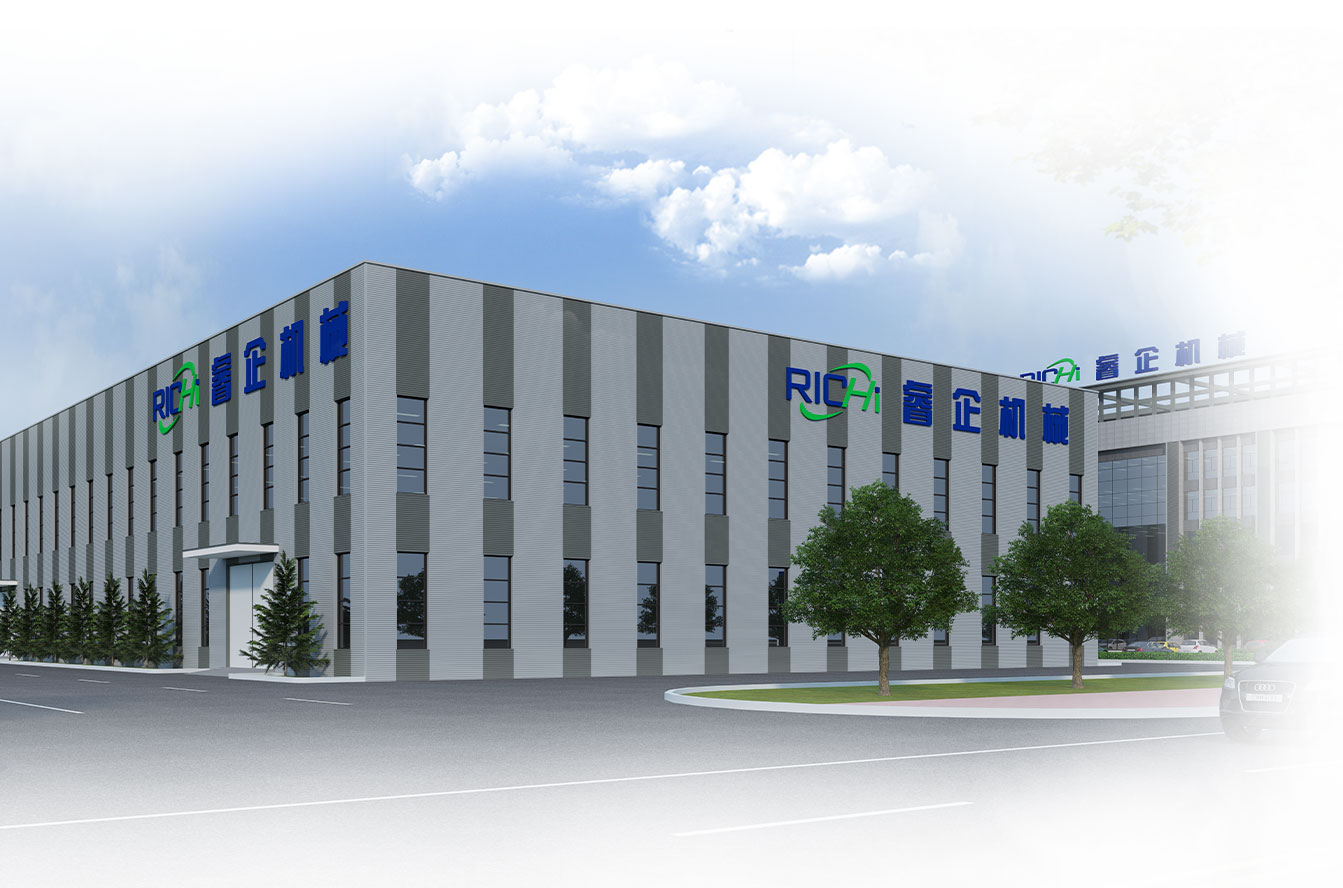
RICHI Mашини е един от водещите световни доставчици на технологии и услуги за индустрията за фуражи за животни, фуражи за аквакултури и храни за домашни любимци, както и най-големият производител на линии за производство на пелети в Китай.
От 1995, RICHIВизията на компанията да изгради първокласно предприятие, да насърчава първокласни служители и да прави първокласен принос към обществото никога не се е променяла.
През последните три десетилетия разширихме бизнеса си в широк спектър от области, включително оборудване за фуражи за животни , оборудване за аквакултури, оборудване за храна за домашни любимци, оборудване за пелети от биомаса, оборудване за торове, оборудване за котешка тоалетна, оборудване за пелети от твърди битови отпадъци и др.

1995
RICHI Установен

2000 +
Обслужваме повече от 2000 клиенти

120 +
RICHI Служители

140 +
Изнася се в 140 страни